
Philippines Itinerary: Day-by-Day Routes for 1-4 Weeks
I have planned more Philippines routes than I can count — for myself, for friends, for relatives who text me “we have 12 days, go” — and the same truth holds every time: a good Philippines itinerary is won or lost on geography, not on the destinations themselves. Pick three places that connect cleanly and the trip feels effortless. Pick four that don’t, and you’ll spend a quarter of your holiday in airports, vans and ferry terminals wondering where the beach went.
The short answer: with one week, stay in a single region (El Nido + Coron, or Cebu + Bohol). With 10 days to two weeks, link two regions with one internal flight — the classic is the Cebu loop plus Palawan. With three weeks, add Siargao or the North Luzon mountains. With a month, you can do all of it at human pace. Budget one full travel day for every change of island, fly between regions, and never give a base fewer than three nights.
That’s the skeleton. The rest of this guide puts meat on it: tested day-by-day routes for 1, 2, 3 and 4 weeks, how many days each island actually deserves, the 2026 transport realities nobody updates their blogs for (Manila’s turboprop flights moved, ferry schedules shrank, lagoons now sell out), and the routing mistakes I see first-timers make over and over.
The Quick Answer: Match Your Days to a Route
If you want the conclusion before the reasoning, this table is the whole article. Each route below gets a full day-by-day breakdown further down.
| Trip length | Best route | Bases | Internal flights | Pace |
|---|---|---|---|---|
| 7 days | El Nido → Coron (Palawan only) | 2 | 0–1 | Comfortable |
| 7 days (alt) | Cebu → Moalboal → Bohol | 2–3 | 0 | Busy |
| 10 days | Cebu → Siquijor → Bohol, or Cebu + El Nido | 3 | 1 | Comfortable |
| 14 days | Cebu → Moalboal → Siquijor → Coron → El Nido | 4–5 | 1–2 | Full but doable |
| 21 days | Two weeks above + Siargao or Banaue/Sagada | 5–6 | 2–3 | Comfortable |
| 28–30 days | Manila → North Luzon → Cebu loop → Siargao → Palawan | 6–8 | 3–4 | Slow travel |
Two principles sit behind every row. First: the Philippines is an archipelago of 7,641 islands, and unlike Thailand or Vietnam there is no railway spine to lean on — you move by plane and boat, and both run on island time. Second: the country rewards depth over breadth more than anywhere else I’ve traveled in Asia. Three nights in Siquijor beats one night each in three islands, every single time.
How Many Days in the Philippines Do You Need?
The honest minimum is seven days, the sweet spot is ten to fourteen, and the trip you’ll brag about for years is three weeks. Here’s the reasoning, not just the numbers.
Every change of base in the Philippines costs you roughly half a day to a full day once you add up checkout, the van or tricycle to the port or airport, the buffer time, the crossing itself and the transfer at the other end. A “quick hop” from El Nido to Coron is a 3.5-to-4-hour ferry that effectively writes off the daylight hours. The Manila–Cebu flight is 90 minutes in the air but a four-to-five-hour door-to-door exercise. So the real currency of a Philippines travel itinerary isn’t days — it’s moves. A 7-day trip supports one move. Ten days support two. Two weeks support three or four. Push past that ratio and the trip stops being a holiday.
How many days does each headline destination deserve? Based on multiple visits, my floor-and-ceiling numbers:
| Destination | Minimum nights | Ideal nights | Why |
|---|---|---|---|
| El Nido | 3 | 4–5 | Two island-hopping tours + one DIY beach day; lagoon slots can sell out a day or two ahead in high season |
| Coron | 2 | 3–4 | One lake/lagoon day + one outer-island or wreck-diving day |
| Cebu (Moalboal/south) | 2 | 3 | Sardine run, Kawasan canyoneering, waterfalls loop |
| Bohol (Panglao) | 2 | 3–4 | Countryside day (Chocolate Hills, tarsiers) + reef day + buffer |
| Siquijor | 2 | 3 | One motorbike loop covers the island; two lets you actually swim |
| Boracay | 3 | 3–4 | It’s a beach holiday, not a checklist — fewer nights defeats the point |
| Siargao | 4 | 5–7 | Far from everything; surf, lagoons and island life need room to breathe |
| Banaue/Sagada | 3 | 4 | Overnight bus each way from Manila eats two of those days |
| Manila | 1 | 1–2 | Intramuros, the food scene, then move on |
Add your chosen bases’ minimums, add one day per move, add an arrival day and a departure buffer day, and you have your answer to “how many days in the Philippines” — for your trip, not a generic one. If the total comes out longer than your annual leave, cut a base rather than shaving nights off everything. Depth beats breadth.
The Five Building Blocks of Every Philippines Route
Almost every workable Philippines route is assembled from five regional blocks. Understand what each one offers and how they connect, and you can design your own itinerary instead of copying someone else’s.
Block 1: Palawan (El Nido + Coron)
The postcard. Limestone karst, hidden lagoons, the country’s most famous island-hopping tours and — in Coron — some of the best wreck diving on the planet, courtesy of a Japanese supply fleet sunk in 1944. Fly into Puerto Princesa or direct to El Nido (AirSWIFT and Cebu Pacific serve the tiny El Nido strip; fares are around ₱3,000–6,000/$50–100 one-way depending on season) or Busuanga for Coron. The El Nido–Coron fastcraft connects the two in roughly 3.5–4 hours. We cover the region street-by-street in our full Palawan travel guide.

Block 2: The Cebu–Visayas Loop (Cebu, Bohol, Siquijor, Dumaguete)
The adventure block, and the easiest multi-island travel in the country because everything connects by frequent ferry — no flights needed. Cebu brings canyoneering, the Moalboal sardine run and whale-shark ethics debates; Bohol brings the Chocolate Hills, tarsiers and Panglao’s reefs; Siquijor brings waterfalls, sleepy roads and the best motorbike loop in the Visayas. Cebu’s airport is also the country’s second international gateway — you can start your trip here and skip Manila entirely.
Block 3: Boracay
Four kilometers of genuinely world-class white sand with a resort infrastructure nothing else in the country matches. Since the 2018 rehabilitation it’s cleaner and more regulated — visitor caps, registered accommodation, no beach parties at 3am. It connects awkwardly to everything except Manila (fly to Caticlan, or Kalibo + 90-minute bus), which is why it works best as a trip opener, a closer, or a honeymoon base rather than a link in a chain. Our full Boracay travel guide covers where to stay and what to skip.
Block 4: Siargao
The surf island that became a lifestyle brand, and still — despite the crowds of Manila weekenders — my favorite place in the country to simply exist for a week. Cloud 9 for surf, Sugba Lagoon for paddling, Magpupungko rock pools at low tide, and a palm-jungle interior that looks unreal from the air. The catch is location: it’s far southeast, and as of 2026 there are no direct flights from Manila’s NAIA airport — more on that in the transport section, because half the blogs you’ll read still get it wrong.
Block 5: North Luzon (Banaue, Batad, Sagada)
The anti-beach. Two-thousand-year-old rice terraces carved into the Cordillera, hanging coffins in Sagada’s limestone valleys, pine forests and cold nights. It’s the block most two-week itineraries cut — usually correctly, because the overnight bus from Manila (9–10 hours each way, around ₱900–1,500/$16–27) doesn’t combine well with island time. But on a three-week-plus trip it adds a dimension no amount of extra snorkeling can.
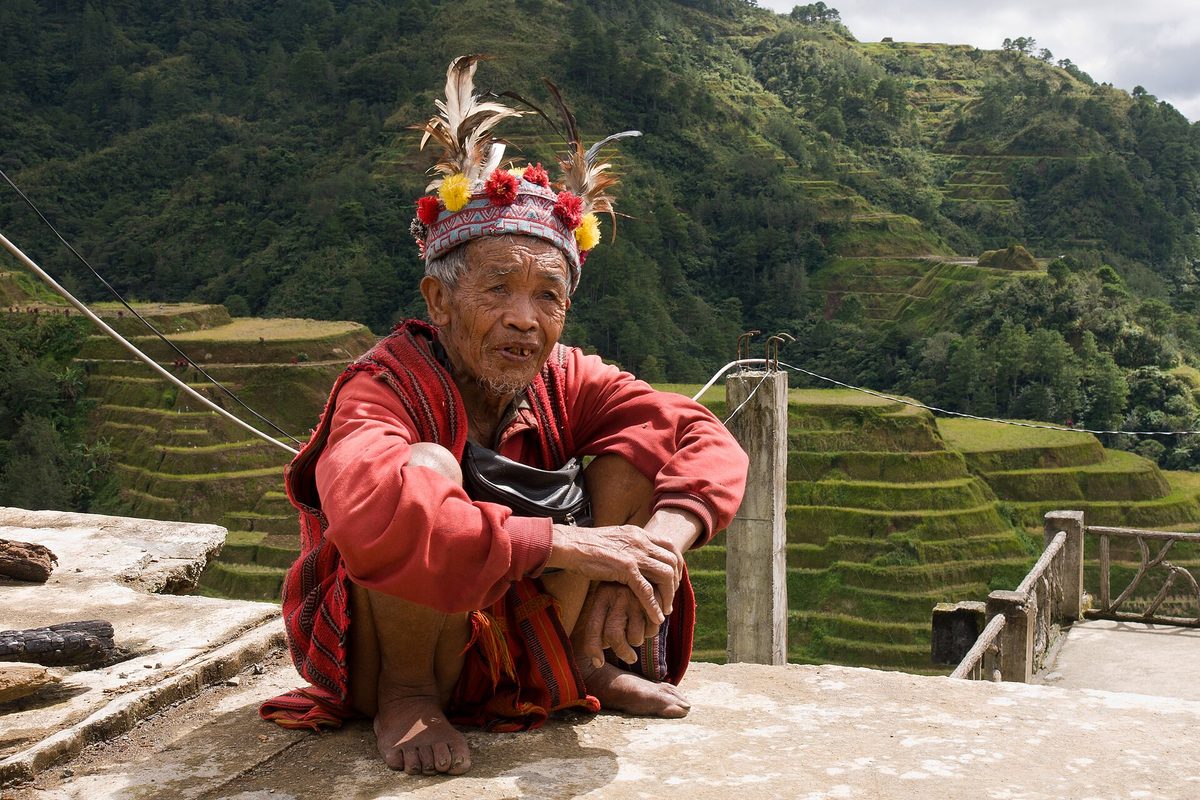
How they combine: Cebu–Visayas and Palawan link with one flight (Cebu–Puerto Princesa or Cebu–Busuanga/Coron). Siargao hangs off Cebu (hourly-ish flights, about an hour). North Luzon hangs off Manila. Boracay hangs off Manila. The art of the Philippines trip plan is picking blocks whose connections you can actually make — which is exactly what the routes below do. For help choosing which islands deserve your limited nights in the first place, our honest ranking of the best islands in the Philippines settles the Palawan-vs-Boracay and Cebu-vs-Bohol debates properly.
Philippines Itinerary for 1 Week: Two Routes That Work
One week is tight but worth doing right. The cardinal rule: one region only. Anyone selling you Manila + Boracay + El Nido + Cebu in seven days is selling you a tour of Philippine departure lounges. Both routes are expanded day by day in our 1 week Philippines itinerary.
Option A — Palawan Only (the scenery trip)
- Day 1: Land Manila, connect straight to El Nido (AirSWIFT/Cebu Pacific) or to Puerto Princesa + 5–6-hour van (₱600–800/$11–14). Sunset at Las Cabanas beach.
- Day 2: El Nido island-hopping Tour A — Big Lagoon, Secret Lagoon, Shimizu Island, 7 Commandos. Book the Big Lagoon slot the moment you land; in high season the morning slots go first.
- Day 3: DIY day: rent a kayak at Corong-Corong (around ₱300–500/$5–9 a half-day) or motorbike to Nacpan Beach. No tour, no schedule.
- Day 4: Tour C (Hidden Beach, Matinloc, Helicopter Island) in the morning; afternoon free.
- Day 5: Fastcraft to Coron, roughly 3.5–4 hours (about ₱1,800–2,300/$32–41 in 2026, ₱20 terminal fee, limited or no sailings on some weekend days — check the current schedule before you build your week around it). Climb Mt Tapyas’s 700-odd steps for sunset.
- Day 6: Coron island-hopping: Kayangan Lake first thing (go on the earliest boat — the viewpoint is a scrum by 10am), Twin Lagoon, Barracuda Lake.
- Day 7: Morning at Maquinit Hot Springs or a wreck-snorkel trip, then fly Busuanga–Manila for your connection home.
Option B — Cebu + Bohol (the adventure trip, zero flights)
- Day 1: Land Cebu (skip Manila entirely — Cebu takes direct flights from much of Asia and the Middle East). Night in the city; lechon for dinner, no debate.
- Day 2: Bus or van south to Moalboal (3–4 hours). Sunset at White Beach.
- Day 3: Swim the sardine run off Panagsama at dawn — millions of fish, free, ten meters from shore — then Kawasan Falls canyoneering in the afternoon (around ₱1,500–2,500/$27–45 with operator, fees and lunch).
- Day 4: Waterfall-hop the south (Inambakan, Aguinid, Dao) by motorbike, or dive Pescador Island.
- Day 5: Cross to Bohol: bus to Cebu City + fastcraft to Tagbilaran (around 2 hours, ₱500–800/$9–14), or the seasonal Oslob–Panglao link. Base in Panglao or Alona.
- Day 6: Bohol countryside loop: Chocolate Hills viewpoint, Loboc River, the Tarsier Sanctuary in Corella (the ethical one — skip roadside tarsier photo ops).
- Day 7: Morning reef trip to Balicasag (turtles, near-guaranteed), afternoon flight out of Tagbilaran–Manila, or ferry back to Cebu.

Which one? Choose Palawan if your priority is scenery and you’ve made peace with crowds at the famous spots. Choose Cebu + Bohol if you’d rather be doing things than photographing things, or if long ferry rides with a tight onward connection make you nervous — the Visayas loop has more redundancy when weather cancels boats.
Philippines Itinerary for 10 Days: The Sweet Spot
Ten days is where the Philippines starts repaying you properly — two regions or three islands without the forced march. My pick, refined over several trips, is the all-ferry Visayas triangle. It has no internal flights to miss, no airline baggage games, and a texture two beach towns can’t give you. The full version, with ferry times and where to sleep, is in our 10 day Philippines itinerary.
The Visayas Triangle: Cebu → Siquijor → Bohol
- Days 1–2: Cebu City arrival, then straight south to Moalboal. Sardine run at dawn on day 2, Kawasan canyoneering after.
- Day 3: South Cebu waterfalls by motorbike, or a lazy reef day. Overnight near Liloan/Santander at the island’s southern tip.
- Day 4: Morning fastcraft from Liloan to Siquijor (short hop, typically under an hour via Larena/Siquijor port; around ₱300–700/$5–13 depending on operator). Rent a motorbike (₱350–500/$6–9 a day in 2026) the moment you land — it’s the only sensible way around.
- Day 5: The Siquijor loop: Cambugahay Falls early (before the tour vans), the 400-year-old balete tree, San Juan beaches, cliff jumping at Salagdoong if the tide and your nerve agree, Paliton Beach for sunset.
- Day 6: Slow day. Snorkel Tubod sanctuary, find a waterfall without a name sign, eat at a beach shack. This is the day you’ll remember.
- Day 7: Ferry to Tagbilaran, Bohol (direct OceanJet most days, around 1.5–2 hours, ₱700–1,000/$13–18). Base in Panglao.
- Day 8: Bohol countryside: Chocolate Hills, tarsiers, Loboc River lunch cruise if you’re feeling touristy (it’s fine, honestly — the food is mediocre, the river is lovely).
- Day 9: Balicasag Island reef trip — book the ₱1,500–2,500/$27–45 island-hopping-plus-snorkel package and insist on the sanctuary slot for turtles.
- Day 10: Fly out of Tagbilaran/Panglao (Bohol–Panglao International has direct Manila flights roughly hourly) for your international connection.

The alternative: Cebu loop + El Nido
If Palawan’s lagoons are non-negotiable, compress Cebu to days 1–4 (city, Moalboal, Kawasan), fly Cebu–Puerto Princesa on day 5 (about 90 minutes; usually ₱2,000–4,500/$36–80 booked a few weeks out), van to El Nido, then run days 6–9 as the El Nido program from the one-week route and fly home via Manila on day 10. It works, but you trade Siquijor’s calm for two more travel days — a fair deal only if this is your one shot at the Philippines.
Philippines Itinerary for 2 Weeks: The Classic Route
This is the route I build for first-timers who ask me directly, and it’s deliberately structured as the 10-day Visayas triangle plus Palawan’s greatest hits. Fourteen days, five bases, two flights, no day wasted backtracking through Manila until the flight home. Our full 2 week Philippines itinerary breaks it out stop by stop.
| Days | Base | The point |
|---|---|---|
| 1–3 | Moalboal (via Cebu) | Sardine run, Kawasan canyoneering, south-coast waterfalls |
| 4–6 | Siquijor | Motorbike loop, Cambugahay, Paliton sunsets |
| 7–8 | Bohol (Panglao) | Chocolate Hills, tarsiers, Balicasag reef |
| 9–11 | Coron (fly Cebu–Busuanga) | Kayangan, Twin Lagoon, WWII wrecks |
| 12–14 | El Nido (ferry south) | Tour A + Tour C lagoons, DIY kayak day, fly out via Manila |
Day by day, the moves that matter:
- Day 8 (Bohol → Cebu City): afternoon fastcraft, overnight near the airport. Unglamorous, but it sets up the morning flight.
- Day 9 (Cebu → Busuanga): the direct Cebu–Coron flight saves an entire day versus routing through Manila. Cebu Pacific and PAL both fly it; book this leg as early as you book your international tickets — it’s a small plane and it fills.
- Days 10–11 (Coron): do the lakes and lagoons as two separate boat days rather than one crammed “ultimate tour” — Kayangan and Barracuda lakes deserve a morning without a stopwatch. Certified divers: this is your window for the Irako and Okikawa Maru wrecks, consistently rated among Asia’s best wreck dives.
- Day 12 (Coron → El Nido): the fastcraft leaves Coron in the early morning (be at the pier around 5–5:30am for a 6am-ish departure in current schedules) and takes 3.5–4 hours. Seas can be lively; take the seasickness tablet before boarding, not after.
- Days 12–14 (El Nido): afternoon arrival leaves time for Las Cabanas sunset. Tour A the next morning — with the Big Lagoon slot pre-booked — then a DIY final day. Fly El Nido–Manila late on day 14 only if your international flight is the day after; same-day international connections off a Philippine domestic leg are a gamble I no longer take.

Cost reality check (2026): mid-range couples typically spend around ₱5,500–9,000/$100–160 per day for two people all-in on this route — double rooms with aircon at ₱2,000–4,000, island-hopping tours at ₱1,400–2,200 a head including the various environmental fees (El Nido charges a ₱200 eco fee plus a ₱100 municipal fee on tours; Big Lagoon adds a ₱200 entrance), meals at ₱150–500 a plate, and the two internal flights at roughly ₱2,500–5,000 each booked ahead. Backpackers run it for less than half that in dorms and group tours; we break down every line item in our trip-cost guide when it goes live this month.
Philippines Itinerary for 3 Weeks: Add Depth, Not Just Distance
Three weeks gives you the two-week route plus one more block — and which block you add says everything about what kind of traveler you are. All three versions are mapped out in our 3 week Philippines itinerary.
Addition 1: Siargao (the island-life ending)
Run the two-week route, then on day 14 fly El Nido → Manila → Cebu or straight to Cebu via Puerto Princesa, and connect to Siargao (about an hour from Cebu, multiple daily flights, usually ₱1,500–3,500/$27–62 booked ahead). Days 15–20: surf lessons at Cloud 9 or Jacking Horse (₱500–800/$9–14 an hour with board and instructor), the Sugba Lagoon day trip, Magpupungko rock pools at low tide, island-hopping to Naked, Daku and Guyam islands, and at least one day doing absolutely nothing on General Luna’s cafe strip. Day 21, fly home via Cebu or Manila.
Addition 2: North Luzon (the culture ending)
Reverse the logic: start with the mountains while your legs are fresh. Days 1–4 from Manila: overnight bus to Banaue, the amphitheater terraces at Batad (the hike down to the village and up to the viewpoint is steep, sweaty and the single best thing in Luzon), jeepney to Sagada for the hanging coffins and Sumaguing Cave. Bus back, then fly Manila–Cebu and run the two-week route from day 6. You’ll land home three weeks later having seen rice terraces, sardine tornadoes, war wrecks and the best lagoons in Southeast Asia in one trip — a range nowhere else in the region can match.
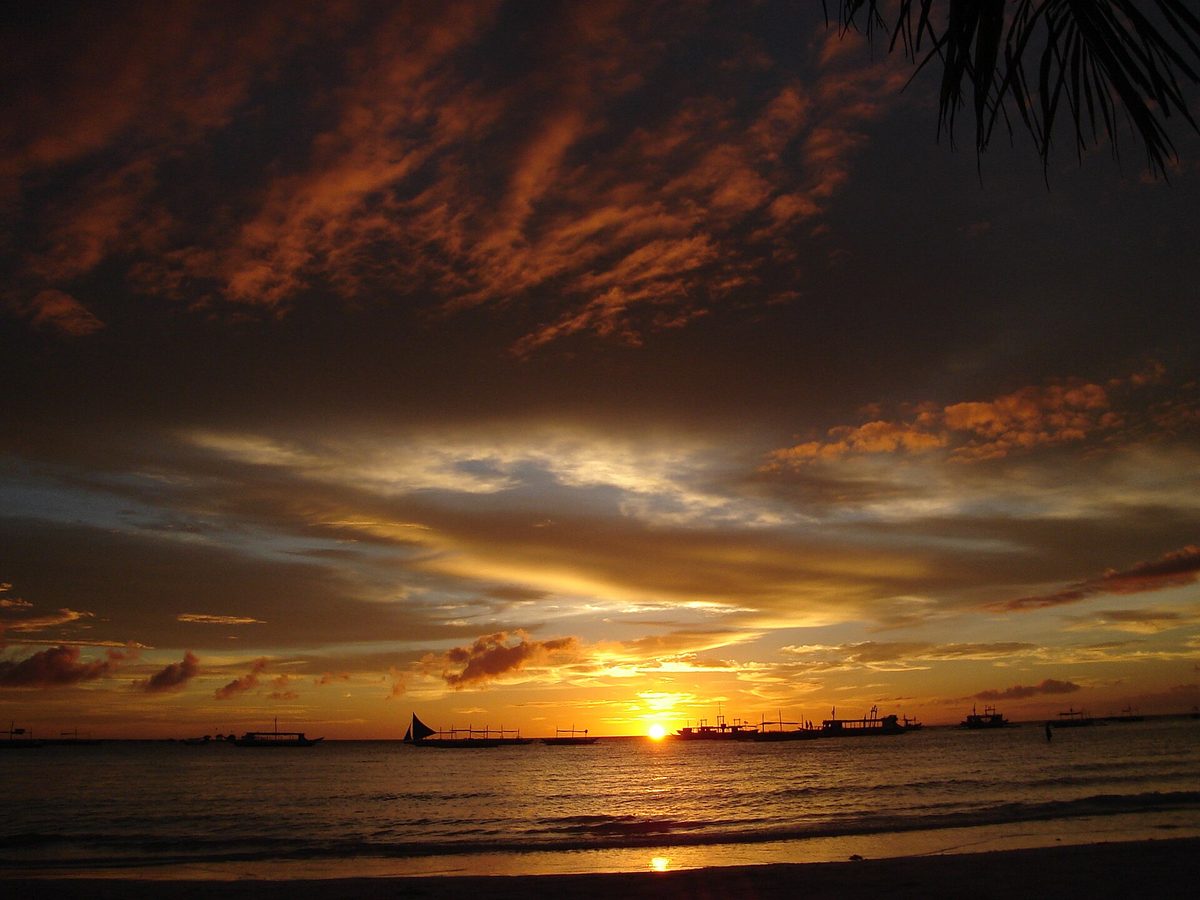
Addition 3: Boracay (the soft landing)
Less fashionable, but if your group includes parents, kids or anyone whose ideal holiday includes the words “swim-up bar,” bolting four Boracay nights onto the front or back of the two-week route is the move. Fly Manila–Caticlan (under an hour), boat across, and let White Beach do what it does. Post-rehabilitation Boracay runs on rules — no drinking on the sand, e-trikes instead of smoke-belchers — and is better for it. Book Station 1 for quiet, Station 2 for everything else.
Philippines Itinerary for 1 Month: The Full Archipelago
A month removes the hard choices, so the structure below is less a fixed route than a rhythm: four blocks, roughly a week each, strung south to north or north to south depending on season. Our 1 month Philippines slow travel itinerary walks the same rhythm week by week. October to May, I’d run it north-first; June to September, chase the drier Visayas windows and keep Luzon flexible around typhoon news. (Our month-by-month breakdown of the best time to visit the Philippines explains the seasonal logic in detail.)
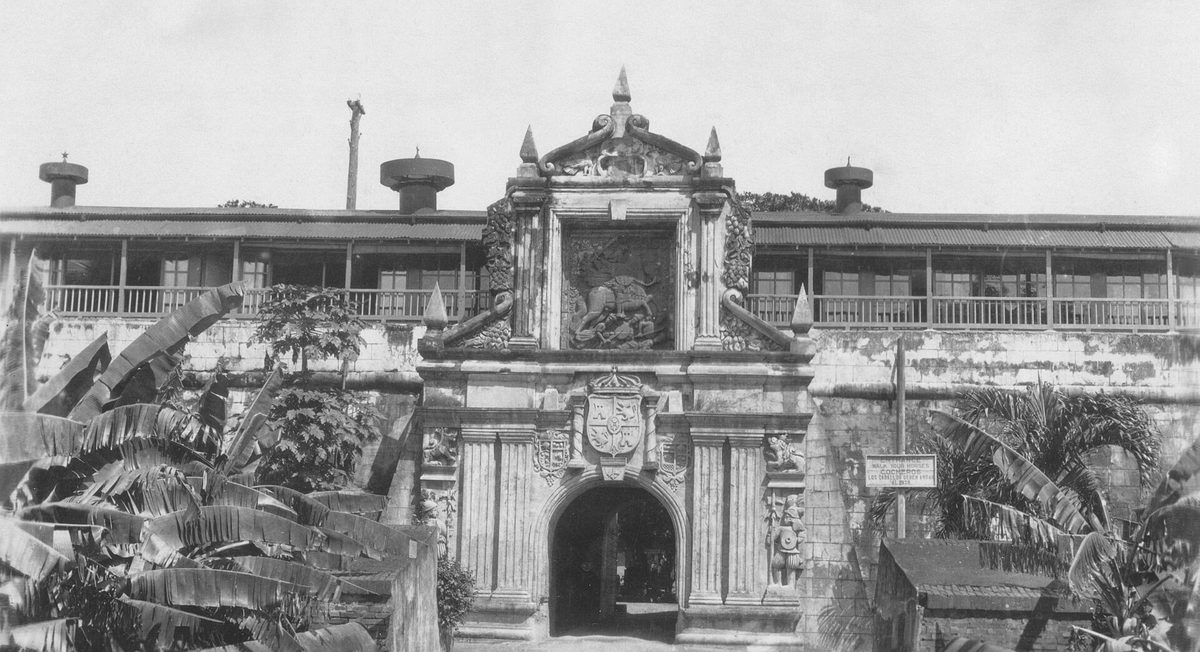
- Week 1 — Luzon: Manila (two nights — Intramuros, Binondo food crawl, the rooftop bars of Poblacion), overnight bus north, Banaue–Batad–Sagada circuit, bus back.
- Week 2 — Cebu + Bohol: the adventure block at half speed. Add Malapascua in the far north for thresher sharks at dawn if you dive — it’s the only place on earth they show up reliably at recreational depths.
- Week 3 — Siquijor + Siargao: ferry to Siquijor for three nights, back via Cebu, fly to Siargao for four. This is the week the trip stops feeling like travel and starts feeling like living somewhere.
- Week 4 — Palawan: fly Cebu–Busuanga. Coron’s wrecks and lakes for three nights, fastcraft south, El Nido’s lagoons for four, with the buffer day every long trip eventually needs. Fly out via Manila.
A month also opens the doors most itineraries never touch: Camiguin’s volcano-and-hot-spring circuit, Port Barton’s quieter version of Palawan, Romblon’s marble coves, Donsol’s whale sharks (the ethical interaction, February to May). If any of those names pull at you, swap them in — by week three you’ll be confident enough with ferries and Cebu Pacific’s app to improvise. For the full menu of what’s worth your time, our guide to the best things to do in the Philippines is the companion piece to this one.
Getting Between Islands: The 2026 Transport Reality
This is where most published itineraries quietly rot. Routes and schedules here changed substantially through 2025 and 2026, and a plan built on a 2019 blog post will break. The current state of play, verified June 2026:
Domestic flights
- The big change: Manila’s NAIA no longer handles turboprop island-hoppers. Philippine Airlines ended all turboprop service from NAIA in late March 2026, and Cebu Pacific’s Manila–Siargao route moved to Clark International (about 2–3 hours north of Manila by bus or car) back in March 2025. If your plan says “fly Manila–Siargao direct,” it’s out of date — your real options are Clark–Siargao (Cebu Pacific, Sunlight Air), or the far more convenient Manila–Cebu–Siargao connection. Small island strips like Busuanga and El Nido still take jets or fly via Cebu and Clark; check the routing when you book, not after.
- Workhorse routes (Manila–Cebu, Manila–Puerto Princesa, Manila–Caticlan, Cebu–Siargao, Cebu–Busuanga) run many times daily on Cebu Pacific, PAL and AirAsia. Booked two to six weeks out, most cost around ₱1,500–4,000/$27–71 one-way; walk-up fares in peak season can triple.
- Baggage: budget-carrier base fares include no checked bag. Add it online when booking (₱500–1,200 or so) — airport counter rates are punitive.
- Build in slack. Philippine domestic aviation runs late more often than not. Never book an international connection the same day as a domestic leg, and treat the last flight of the day as the one that gets cancelled when weather rolls in.
Ferries
- Coron–El Nido: fastcraft operators (Montenegro Lines, Phimal) run the route in around 3.5–4 hours for roughly ₱1,800–2,300/$32–41. Crucially, in current schedules the route does not run every day of the week — recent timetables skip weekend sailings — so confirm the day-of-week schedule before locking accommodation around it. Morning departures mean an early pier call (around 5am in Coron).
- Visayas crossings (Cebu–Bohol, Cebu–Siquijor, Siquijor–Bohol, Cebu–Dumaguete): OceanJet, Lite Ferries and others, frequent and cheap (₱300–1,000). Book a day ahead via the operator sites, 12Go, or just at the pier outside peak weeks.
- Weather rule: coastguard suspends sailings fast when a storm signal goes up. If a typhoon is anywhere on the map, ferries cancel before flights do — another reason islands with airports beat islands without them in storm season.
On the islands
- Motorbike rental is the default on Siquijor, Siargao, Bohol and rural Cebu: around ₱350–600/$6–11 a day in 2026. Wear the helmet; police checkpoints near tourist towns do stop foreigners, and an International Driving Permit is technically required.
- Grab works in Manila and Cebu City. Elsewhere it’s tricycles and habal-habal motorbike taxis — agree the price before you get on.
- Vans (Puerto Princesa–El Nido, Cebu City–Moalboal) are the standard intercity link: cheap, frequent, cramped. Buy two seats if you have long legs and no shame.
Seven Routing Mistakes That Ruin Philippines Trips
I’d rather you learn these from a paragraph than from your own itinerary. Honest list, no padding:
- Treating Manila as a mandatory hub. Cebu is an international gateway too. If your long-haul lands in Cebu, you can run an entire Visayas trip plus Palawan without touching NAIA. Many itineraries route Manila out of habit, not necessity.
- One night per island. The photogenic Philippines — empty lagoon, golden light, nobody in frame — happens at 6:30am, before the day-trip boats. If you’re always arriving at 4pm and leaving at 9am, you only ever see the crowded version.
- Booking ferries like trains. They’re not trains. Schedules shift monthly, weekend sailings vanish, and a Signal No. 1 storm warning cancels everything. Always have a flight-capable fallback for any crossing that your onward plans depend on.
- Ignoring the lagoon booking system. El Nido’s Big and Small Lagoon now run on capped pre-booked slots. In January–April, sort your slot when you book the tour — walking up and hoping is how you end up on “Tour A minus the two best stops.”
- Planning Taal volcano’s crater hike. Still circulating on older itineraries; the crater trek has been closed since the 2020 eruption, and Volcano Island remains off-limits. Tagaytay’s ridge views are the current (and still worthwhile) version of that day trip.
- Backloading the trip with the typhoon belt. June to November, storms track most often across Luzon and the eastern seaboard — Siargao sits right in the lane. If you’re traveling in storm season, put the weather-critical islands early in the route so a delay reshuffles your trip instead of amputating it.
- Same-day international connections. Worth repeating as its own sin: a delayed 90-minute hop from El Nido has eaten more long-haul flights than I can count. Sleep in Manila or Cebu the night before you fly home.
The Right Route for Your Travel Style
| Traveler | Route | Why it fits |
|---|---|---|
| First-timers | 2-week classic (Cebu loop + Coron + El Nido) | Maximum icons, manageable logistics, one pre-bookable flight chain |
| Honeymooners | Boracay 4 nights + El Nido 4 nights (+ Coron if 12+ days) | Resort comfort plus drama; minimal moves; easy private upgrades |
| Backpackers | 3–4 week south loop: Cebu → Siquijor → Bohol → Siargao → Palawan | Ferry-heavy, hostel-rich, ₱2,500–3,500/day single-traveler budgets are realistic |
| Divers | Moalboal → Malapascua → Coron (+ Tubbataha liveaboard Mar–Jun) | Sardine run, thresher sharks, WWII wrecks — three world-class signatures in one country |
| Surfers | Siargao base, 10+ days, Aug–Nov for the serious swell | Cloud 9 plus a dozen reef breaks; treat it as a single-base trip with day missions |
| Families | Boracay + Bohol, 10–12 days | Short transfers, calm water, tarsiers and Chocolate Hills for the kids, real hospitals within reach |
| Slow travelers | The 1-month rhythm, minus whichever week excites you least | Three-night minimums everywhere; the country opens up when you stop counting |
Timing Your Route: The 60-Second Version
December to February is the overall sweet spot — dry, cooler, everything running — and also peak pricing; book the lagoon slots and the small-plane routes well ahead. March to May runs hotter but drier still, ideal for diving visibility. June to November is the wet southwest-monsoon half, which is gentler on the Visayas (mornings are often fine) and roughest on Luzon and the Pacific-facing east. The one absolute: if a typhoon signal goes up, your itinerary becomes suggestions. We keep the full month-by-month picture — including the El Niño/La Niña wrinkles that shift the averages — in our dedicated seasonal guide linked above.
Before You Book: The 2026 Practicalities
- Entry: citizens of most Western countries (US, UK, EU, Canada, Australia and ~150 others) get 30 days visa-free with a passport valid six months beyond arrival and proof of onward travel. Airlines do check the onward ticket at check-in.
- eTravel: every arriving traveler registers at etravel.gov.ph within 72 hours before arrival. It’s free — any site charging for it is a scam — and the QR code it issues gets scanned at immigration.
- Money: cash still rules outside the cities. ATMs on small islands run dry and charge ₱250–300 per withdrawal; carry more pesos than feels natural when leaving a hub. GCash covers a surprising number of small payments if you set it up with a local SIM.
- Connectivity: grab a Globe or Smart eSIM/SIM on arrival (airport booths are fine; a tourist data pack runs a few hundred pesos a week). Coverage is good in towns, patchy in lagoons — download offline maps.
- Insurance: not legally required, but between motorbikes, boats and reef cuts, the Philippines is exactly the trip insurance was invented for. Make sure the policy covers riding a motorbike under 125cc with the license condition it specifies. Pack with the same hazards in mind — a dry bag and reef shoes earn their place on our Philippines packing list.
Philippines Itinerary FAQ
Is 1 week enough for the Philippines?
Enough for one region done properly, yes — El Nido + Coron, or Cebu + Bohol. It is not enough for the “Manila + Boracay + Palawan + Cebu” fantasy routes that still circulate; with only seven days, every island you add subtracts a day of actual holiday. If one week is genuinely all you have and beaches are the goal, consider flying into Cebu and never moving more than once.
What is the best route for 2 weeks in the Philippines?
For a first visit: Cebu (Moalboal) → Siquijor → Bohol by ferry, fly Cebu–Busuanga, then Coron → El Nido by fastcraft, flying home via Manila. Five bases, two flights, every headline sight, and only one ferry crossing that requires schedule luck. The full day-by-day version is in the two-week section above.
Should I start my trip in Manila or Cebu?
Cebu, if your airline allows it for similar money. It sits in the middle of the country, connects by ferry to the whole Visayas and by air to Siargao, Palawan and everywhere else, and trades NAIA’s transfer chaos for a calmer arrival. Start in Manila when your route includes North Luzon, when the Manila flight is meaningfully cheaper, or when you actively want the capital’s food and history — which, for the record, deserve a day more than most itineraries give them.
What is the best order to visit the islands?
Anchor the order to your two fixed points (arrival airport and departure airport), then sequence so that every move is either a direct ferry or a direct flight — the moment your plan says “via Manila” in the middle of a trip, redesign it. Geographic clusters that flow naturally: the Cebu–Bohol–Siquijor triangle; Coron–El Nido in either direction; Siargao as an appendix to Cebu. Our guide to island-hopping routes and the best order to see them takes that logic island by island. Put the weather-fragile leg earliest in storm season, and the place you most want unhurried mornings last, when you’ve stopped jet-lagging.
How many destinations can I visit in 10 days?
Three bases is the comfortable maximum — for example Moalboal, Siquijor and Bohol, or Cebu, Coron and El Nido. Four is possible if two of them connect by short ferry, but you’ll feel the seams. Two bases for ten days is not “too slow”; it’s what the people having the best time are doing.
Is the Philippines hard to travel independently?
No — it’s one of Asia’s easiest countries for independent travel, with a caveat. English is everywhere (it’s an official language), locals are famously helpful, Grab and 12Go and the airline apps work, and tourism infrastructure on the main trail is mature. The caveat is reliability rather than difficulty: boats and flights run late or cancel, and plans need slack built in. Travelers who treat delays as part of the texture do brilliantly here; tight-schedule optimizers suffer.
Do I need to book island-hopping tours in advance?
In El Nido during high season (December–April), yes — at least the Big Lagoon slot, which is capacity-capped and sells out a day or more ahead. Everywhere else, a day’s notice at your accommodation or the pier-side booths is normally fine, and prices are the same or better in person. Shared tours run ₱1,200–2,200/$21–39 in 2026 with lunch; private boats start around ₱6,000–9,000 and are worth it for groups of four-plus or anyone allergic to fixed stop timings.
What’s a realistic daily budget?
In 2026 terms, per person per day: backpackers ₱2,000–3,500/$36–62 (dorms, group tours, local food); mid-range ₱3,500–7,000/$62–125 (private aircon rooms, all the tours, some nicer dinners); flash ₱10,000+/$180+ (resorts, private boats, internal business class if you insist). Add the big one-offs separately: internal flights, diving, and the ₱200–700 environmental and entrance fees that now attach to most famous sites.
Sources and photo credits
Photo Credits
- Kayangan Lake, Coron — Theglennpalacio, CC BY-SA 4.0, via Wikimedia Commons
- Big Lagoon, El Nido — Fabio Achilli, CC BY 2.0, via Wikimedia Commons
- Banaue rice terraces — CEphoto, Uwe Aranas, CC BY-SA 3.0, via Wikimedia Commons
- Chocolate Hills, Bohol — Vyacheslav Argenberg, CC BY 4.0, via Wikimedia Commons
- Cambugahay Falls, Siquijor — Lawrence Ruiz, CC BY-SA 4.0, via Wikimedia Commons
- Kawasan Falls, Cebu — public domain, via Wikimedia Commons
- White Beach sunset, Boracay — public domain, via Wikimedia Commons
- Fort Santiago, Intramuros, Manila — public domain, via Wikimedia Commons
Sources and Further Reading
- eTravel — the only official Philippine arrival registration site
- Philippine Department of Tourism — official travel portal
- Cebu Pacific — current domestic routes and schedules
- Philippine Airlines — current domestic routes and schedules
- El Nido Paradise — tour and fastcraft booking, current El Nido fees
- PHIVOLCS — Taal volcano alerts and access status
- PAGASA — official typhoon tracking and storm signals
About this guide: PhilippinesTourism.org is an independent resource for planning Philippine travel. We verify prices, schedules and entry rules against official sources at the time of writing and on a quarterly review cycle — but fees and rules change, so always confirm current details before you book. Found something outdated? Tell us and we’ll fix it.
1 response
Comments are closed.