Cebu is the most complete island in the Philippines. That is the short answer, and I don’t say it lightly after years of bouncing around the archipelago. One long, mountain-spined island gives you a 450-year-old city, the sardine run at Moalboal, canyoneering above Kawasan Falls, whale sharks at Oslob (more on the ethics of that below), thresher sharks off Malapascua, and an international airport that lets you skip Manila entirely. This Cebu Philippines guide covers all of it: what’s worth your time, what isn’t, what things cost in 2026, and how to string it together without spending half your trip on a bus.
I’ve structured this the way I plan my own trips: geography first, then the city, the famous south, the quieter north, and all the practical machinery — transport, costs, seasons — at the end. Skim to what you need. It’s a long island and a long guide.
Cebu at a Glance
| Essentials | The short version |
|---|---|
| Where | Central Visayas, smack in the middle of the Philippines — a long, thin island about 200 km top to bottom |
| Airport | Mactan–Cebu International (CEB), the country’s second-busiest, with direct flights from across Asia and now Australia |
| Days needed | 3 at a sprint, 5 for the southern highlights, 7–10 to do the island justice |
| Daily budget | Around ₱2,000–2,500 (US$35–45) backpacking; ₱4,000–7,000 (US$70–125) midrange |
| Best months | January to May (dry); March–June for the calmest seas and best visibility |
| Signature experiences | Moalboal sardine run, Kawasan canyoneering, thresher sharks at Malapascua, lechon, Sinulog festival |
| Biggest weakness | City traffic and long road transfers — the island is bigger than people expect |
How Cebu Is Laid Out (Read This First)
Most Cebu mistakes are geography mistakes. People land at the airport, assume everything is an hour away, and then discover that Oslob is a four-hour drive and Malapascua is four hours in the opposite direction. So before anything else, here is the island in one minute.
Cebu is long and skinny — roughly 200 km north to south and rarely more than 40 km wide, with a mountain ridge down the middle. The airport sits on Mactan, a separate small island connected to Cebu City by bridges, including the newer CCLEX toll bridge that lets you bypass the worst of the city when heading south. Cebu City sits mid-island on the east coast. Everything you’ve seen on Instagram — Kawasan, Moalboal, Oslob — is in the south. The dive island of Malapascua and the beach island of Bantayan hang off the northern tip.
| Region | Main bases | Drive from Cebu City | Go for |
|---|---|---|---|
| Metro Cebu | Cebu City, Mactan | — | History, food, festivals, resort weekends on Mactan |
| Southwest | Moalboal, Badian | 2.5–3.5 hours | Sardine run, turtles, Kawasan Falls, canyoneering |
| Southeast | Oslob, Dalaguete | 3–4 hours | Whale sharks, Sumilon Island, Osmeña Peak highlands |
| North | Malapascua, Bantayan | 4 hours + boat | Thresher shark diving, slow white-sand beach life |
The practical upshot: treat Cebu as two or three trips stacked together, not one base with day trips. Sleep in the south when you’re doing the south. Trying to do Oslob as a day trip from Cebu City — and thousands do — means a 3 a.m. start and eight hours of van for ninety minutes in the water.
Getting to Cebu in 2026
Cebu is the one major Philippine destination where international arrivals genuinely don’t need Manila. Mactan–Cebu International Airport (MCIA) has nonstop flights from Singapore, Hong Kong, Tokyo, Osaka, Seoul, Busan, Taipei, Shanghai, Bangkok, Kuala Lumpur and Dubai, and the route map keeps growing: Jetstar opened the first direct Australia link with Brisbane–Cebu flights, Firefly now connects Kuala Lumpur five times weekly, Vietnam Airlines flies Hanoi three times weekly, and VietJet is slated to add Ho Chi Minh City late in 2026. If your long-haul routing offers a Cebu connection, take it — you’ll save half a day and a Manila airport transfer each way.
Domestically, it’s about an hour from Manila with Philippine Airlines, Cebu Pacific and AirAsia running flights all day, and AirAsia has been building Cebu into a proper hub — direct hops to Davao (now up to 18 weekly), Iloilo, Caticlan for Boracay, and more. Coming from Palawan, there are direct flights from Puerto Princesa; from Siargao and Bohol you can fly or ferry.
Two paperwork notes. Most nationalities get 30 days visa-free. Everyone needs the free eTravel registration (etravel.gov.ph) completed within 72 hours before arrival — do it when you check in for your flight and immigration takes two minutes.
By sea, Cebu City’s piers are the busiest ferry hub in the country. OceanJet fastcraft link Tagbilaran on Bohol in about two hours (₱800–1,200 depending on class — fares were adjusted upward in March 2026 amid fuel price pressure, so check current rates), and there are connections to Dumaguete, Siquijor, Leyte, Camiguin and beyond. The 22–24 hour Manila–Cebu ferry exists for romantics and the flight-averse.
Cebu City: Honestly, Is It Worth Your Time?
Here’s my honest take, because the travel-blog consensus (“skip it”) and the local pride (“Queen City of the South!”) are both half right. Cebu City is congested, hot, and short on conventional sights. It is also the oldest Spanish city in the Philippines, the lechon capital of the universe, and home to a festival that turns the entire downtown into a drum-driven street party every January. One full day is right for most people. Two if you eat seriously.

The historical core is compact and walkable in a morning. Start at the Basilica Minore del Santo Niño, founded in 1565, which houses the Santo Niño image that Magellan’s expedition gave to the local queen in 1521 — the oldest Christian relic in the country, still drawing pilgrims who queue for hours on Fridays. Next door, the famous Magellan’s Cross kiosk marks where that first baptism supposedly happened. Walk five minutes to Fort San Pedro, the country’s oldest and smallest triangular fort, then to the Cebu Heritage Monument and the ancestral houses on the old Parian streets — Casa Gorordo and the Yap–San Diego house are both worth the small entrance fees.

Then there’s the food. Cebu’s lechon — whole roast pig with skin like glass — is a legitimate reason to route a trip through here. Anthony Bourdain called it the best pig ever, and the locals have never let anyone forget it. Eat it at Rico’s or House of Lechon in the city, or do what I’d do with a spare half-day: ride 40 minutes south to Carcar, where the market stalls sell it by the kilo and the skin is even crispier. Beyond pig, look for sutukil grills near the Mactan shrine, puso (hanging rice) with barbecue skewers at any street corner, and the strange, wonderful Cebuano take on siomai.
In the hills above the city, Tops Lookout (rebuilt and modern) and the Temple of Leah and Sirao Flower Garden make a decent sunset run by motorbike or Grab. I’d call them pleasant rather than essential.
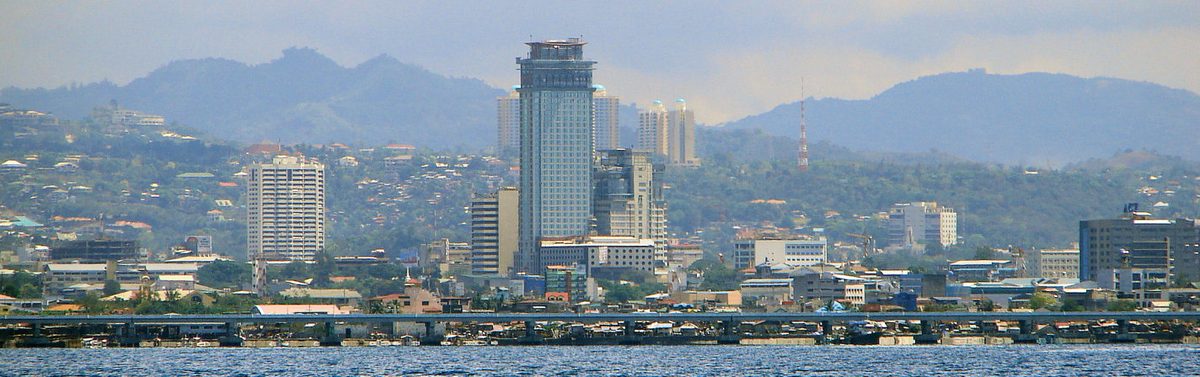
Two timely city notes for 2026. First, the Cebu Bus Rapid Transit finally began partial operations in March 2026 — after roughly a decade of delays — running between the South Road Properties and IT Park with a handful of stations open. It’s limited, but it’s the first real public-transit relief the city has had; expect the network to keep expanding through 2028. Second, Sinulog, the country’s biggest festival, happens the third Sunday of January (next: 17 January 2027). It is spectacular and overwhelming in equal measure — millions of people, painted faces, drums for nine straight hours. Book accommodation months out and triple your transit time estimates that week.
Where the city genuinely earns more of your time is as a logistics-and-comfort base: the hotels are good value, the malls have everything you forgot to pack, and the IT Park and Ayala areas eat and drink far better than anywhere in the provinces.
South Cebu: The Famous Bit
The southern loop is why most foreign travelers come to Cebu at all, and it deserves its reputation. The classic circuit runs down the west coast to Moalboal, around the southern tip through Oslob, and back up the east coast — doable by bus, rented motorbike, or chartered car. Give it three days minimum; five is comfortable.
Moalboal and the Sardine Run
Moalboal’s Panagsama Beach has something I haven’t seen anywhere else on earth: a permanent, swirling bait ball of millions of sardines living 20 metres from the beach bars, in water shallow enough to snorkel. No boat, no fee, no schedule. You wade in past the dive shops, kick out over the reef drop-off, and the school folds around you like weather. Free-divers spiral through it; sea turtles cruise the wall below pretending not to notice the paparazzi.

It is, frankly, a miracle that this is free. Rent a mask and fins from any beachfront shop for a couple hundred pesos and go at 7–8 a.m., when the light shafts through the school and the day-trip vans haven’t arrived. Divers get even more: Pescador Island, ten minutes offshore, is one of the better wall dives in the Visayas, and fun dives around Moalboal run a reasonable ₱1,800–2,500 with gear. Across its threshers, sardine wall and wrecks, Cebu is one of the country’s most complete scuba diving destinations in the Philippines.
Moalboal town itself splits between backpacker-lively Panagsama (bars, dive shops, hostels) and the quieter White Beach 15 minutes north, which is the better swimming beach. It’s the most complete base in the south: good food, every tour bookable at the counter, and Kawasan Falls only 30 minutes down the road.
Kawasan Falls and Canyoneering
The single best adventure activity in the Philippines, in my view, is the half-day canyoneering run that ends at Kawasan Falls. You ride a habal-habal (motorbike taxi) into the Matutinao hills, then spend three to four hours descending a turquoise slot canyon — floating through gorges, sliding down water-polished chutes, and jumping off ledges into pools so blue they look retouched. It finishes with a swim under the main Kawasan cataract. You need zero technical skill, just functioning knees and nerve for the optional jumps (everything can be climbed around if you’d rather not).

The 2026 state of play matters here, because older blogs will mislead you. Canyoneering is now LGU-regulated with standardized pricing — expect around ₱1,500–2,100 per person all-in (guide, helmet, vest, water shoes, entrance fees, usually lunch), plus small habal-habal transfers at each end. The old 15-metre jump has been closed for years; the highest jump now is about 10 metres, and every jump remains optional. The Alegria-side route is currently suspended on safety grounds, so all tours run the Badian route — which also means the canyon gets busy. Book a morning slot, and reserve ahead in the December–April peak, when advance booking is increasingly required.
If canyoneering isn’t your thing, you can still visit Kawasan Falls the easy way: a flat 15-minute riverside walk from the highway at Matutinao brings you to the lowest tier for a small entrance fee. It’s lovely early, mobbed by mid-morning.
Oslob Whale Sharks: What I’d Want to Know Before Going
Oslob is the most popular — and most debated — wildlife encounter in the Philippines, and I’m not going to pretend the controversy away. The facts first: every morning from 6 a.m. to noon, fishermen in outrigger canoes hand-feed krill to a rotating cast of juvenile whale sharks a hundred metres off Tan-awan beach, while guests snorkel alongside. The fee for foreign visitors is around ₱1,000 (about US$18) for the standard 30-minute snorkel session. Rules are enforced with reasonable seriousness: four metres’ distance, no touching, no flash, no sunscreen in the water, life vests mandatory, and no afternoon sessions so the animals have half a day unbothered.

Is it ethical? Marine scientists have documented real concerns: feeding alters natural migration and teaches sharks to associate boats with food, and some individuals linger at Oslob for months instead of moving on. The counterargument is also real: the operation transformed a poor fishing village into a community with schools and concrete houses funded by shark tourism, and those same sharks were once hunted. I’ve come to a personal rule: I’d rather see whale sharks where sightings are natural — Donsol in Sorsogon (seasonal, no feeding) or southern Leyte’s Sogod Bay — and I’d encourage anyone with flexible plans to do the same. But I won’t sneer at anyone who goes to Oslob; if you do, go early, follow the rules to the letter, and skip the selfie-stick scrum by getting in the first boats at 6 a.m.
Two add-ons redeem the long drive regardless of where you land on the sharks. Tumalog Falls, ten minutes uphill, is a 100-metre curtain of mist over a shallow blue pool — go right after your swim, before the crowds. And the heritage quarter of Oslob town has a fine 1830s coral-stone church and seafront ruins that nobody visits.
Sumilon Island and the Far South
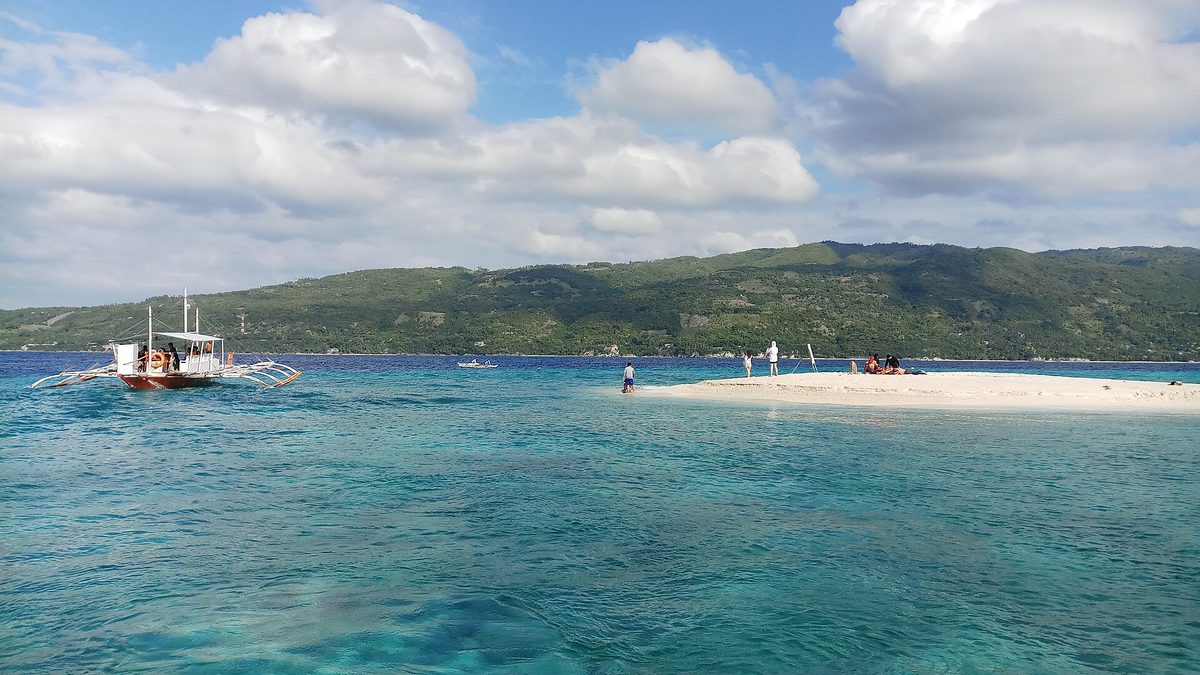
Just offshore from Oslob, Sumilon Island hides the whitest sand in Cebu province on a shifting sandbar that changes shape with the seasons. The island is run by Bluewater resort, but day passes get you the sandbar, the lagoon and the marine sanctuary snorkeling — worth a half day if you’re staying overnight in Oslob. Boats leave from Bancogon, a few minutes from the whale shark site.
Continuing around the southern tip: Santander at the very bottom of the island is the jump-off for the 30-minute ferry to Sibulan on Negros — which puts Dumaguete, Apo Island and Siquijor within easy reach, one of my favorite route-stacking tricks in the Visayas. Divers should also know about Liloan Point, where serious current diving happens in the Cebu–Negros channel.
Osmeña Peak and the Highlands
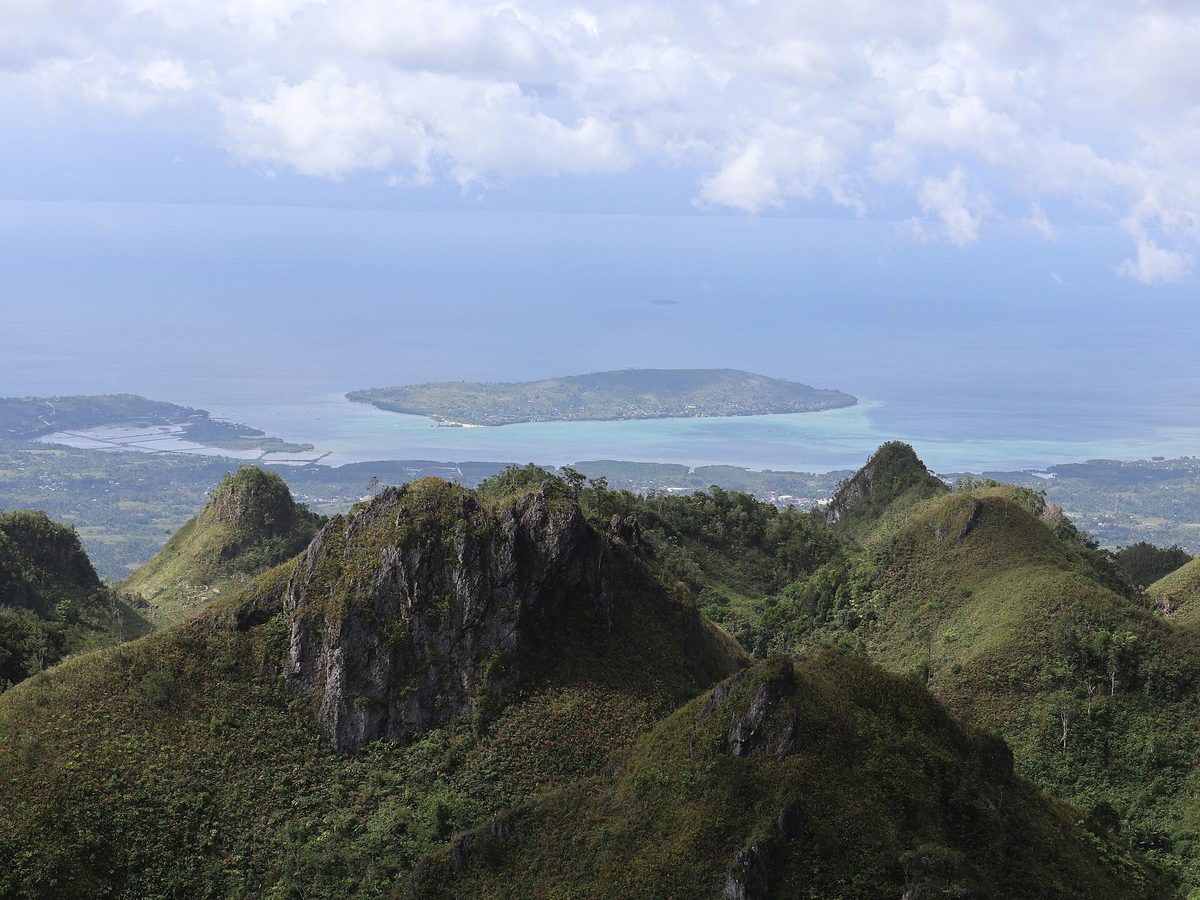
The least-sung stop on the southern loop is the best free view in Cebu. Osmeña Peak, just over 1,000 metres and the island’s highest point, rises from the vegetable-farming highlands above Dalaguete in a crowd of jagged green hummocks — like the Chocolate Hills pulled into peaks. From the drop-off it’s a 20–30 minute walk up; from the top you look across Badian Island and the Tañon Strait clear to Negros. Locals will offer to guide you onward to Casino Peak (about 40 minutes through the karst, a few dollars well spent). Go for sunrise or late afternoon, bring a jacket — it’s genuinely chilly up there — and you can descend the western trail toward Badian to connect directly to Kawasan. The roadside stalls in Mantalongon sell the sweetest mangoes on the island.
The In-Between Stops Worth Slowing Down For
Because most visitors sprint the southern loop, a string of genuinely good stops gets skipped. Carcar, 40 km south of the city, is the one I push hardest: a heritage town of ancestral houses and a rotunda market where the lechon arguably beats the city’s, at provincial prices. Simala Shrine near Sibonga looks like a Gothic castle that wandered into the tropics — built by monks in the 1990s, hugely venerated, oddly mesmerizing, and mobbed on weekends (dress modestly; shoulders and knees covered). Boljoon, between Oslob and Alcoy, keeps a fortified 18th-century church above a quiet grey-sand bay and some of the calmest heritage streets in the province. Aguinid Falls in Samboan is the choose-your-own-adventure waterfall — you climb the tiers barefoot with a guide, level by slippery level — and nearby Dao Falls rewards a 45-minute jungle walk with a tall, secluded cataract that most tour vans never reach. And if you’re riding a motorbike, cut inland from Ronda toward Argao through the coconut uplands: roadside stalls sell tuba (fermented coconut wine) straight from bamboo taps, and the aged version, bahalina, is one of the more interesting drinks in the country. Sip, don’t session — you’re driving.
North Cebu: Sharks, Sandbars and Slow Islands
The north gets a fraction of the south’s visitors, which is exactly its appeal. The roads are emptier, the towns more provincial, and the two offshore islands — Malapascua and Bantayan — are proper destinations rather than day trips.
Malapascua and the Thresher Sharks
Malapascua is a 2.5-kilometre speck off Cebu’s northern tip with no cars, sandy lanes, and one world-exclusive claim: it is the only place on the planet where recreational divers can reliably see pelagic thresher sharks every single morning, year-round. These are deep-water animals — shy, silver, with absurd scythe tails as long as their bodies — that rise at dawn to visit cleaning stations on the seamounts nearby.
The rules changed recently, so ignore older guides. The classic site, Monad Shoal, has largely given way to Kimud Shoal, where sightings have been more consistent at friendlier depths (roughly 12–22 metres). Kimud was declared a marine protected area with new regulations now in force: certified divers only (Open Water minimum — no try-dives, no snorkelers, no freedivers at the shoal), and Open Water divers with fewer than 50 logged dives must dive with a professional and complete a buoyancy workshop first. None of this is bureaucratic nonsense; it exists because a hovering crowd with flailing fins was wrecking the encounter. Boats leave between 5 and 8 a.m.; expect the shark dive plus marine-park fees to land around ₱2,000–3,000 with a reputable shop. Book a check dive the day before if you’re rusty.
Non-divers still get a fine couple of days here: Bounty Beach is white and walkable, Kalanggaman Island day trips (that absurd two-tailed sandbar you’ve seen on postcards, technically in Leyte) run when seas allow, and the island’s evening rhythm — grilled fish, cold beer, generator hum — is the Philippines at its most unhurried. Getting there: bus or van from Cebu City’s North Bus Terminal to Maya (about 4 hours, ₱350–400), then the public banca across (30–45 minutes, a few hundred pesos; boats stop by late afternoon, so leave the city before noon).
Bantayan Island
Bantayan, off the northwest tip, is where Cebuanos themselves go to do nothing. The Santa Fe beaches — Sugar Beach, Paradise Beach, Kota — are wide, white and shallow, with none of the party infrastructure of Boracay and no headline “sight” beyond a sandbar or two. That’s the point. Rent a scooter, loop the island past centuries-old churches and mangrove boardwalks, take the boat out to Virgin Island if you want a postcard, eat danggit (the island’s famous dried fish) at the market, repeat.
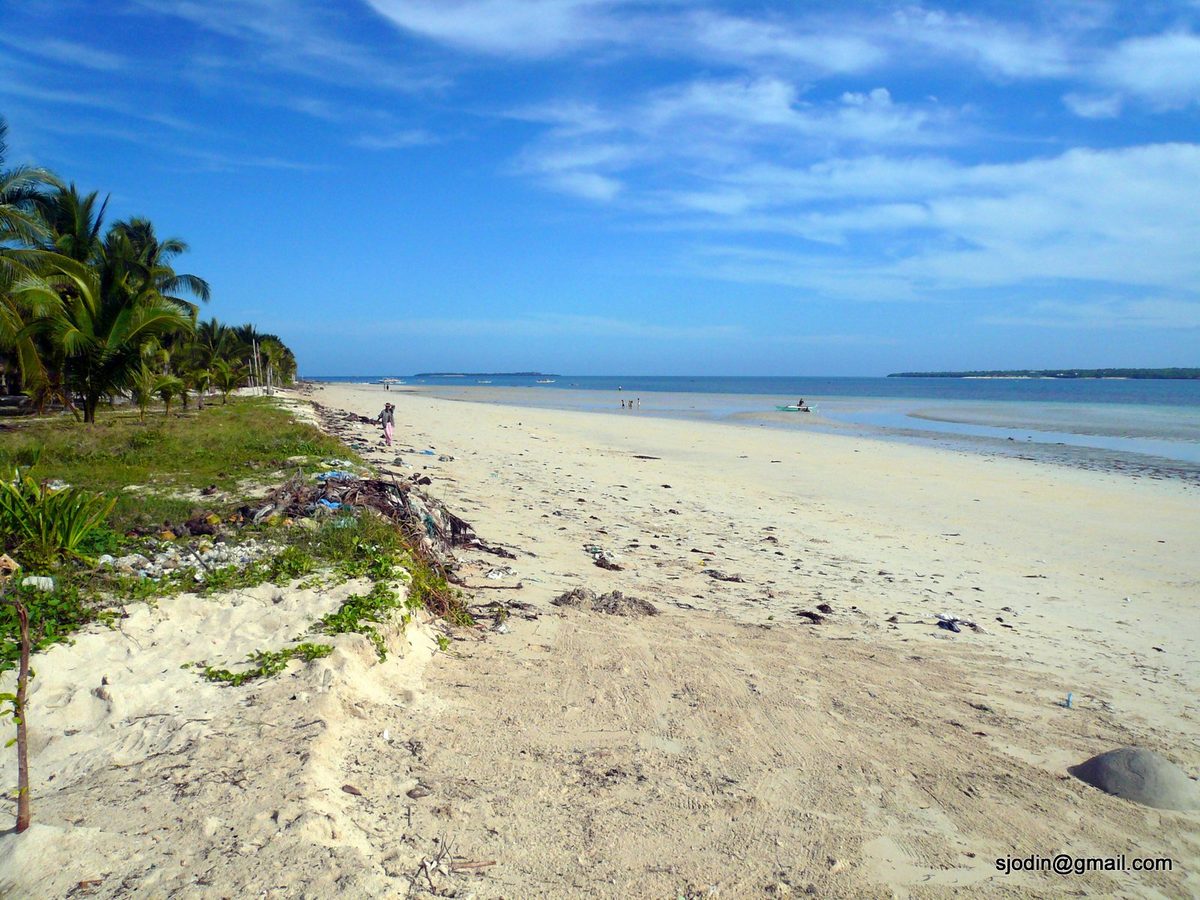
Logistics: bus from the North Bus Terminal to Hagnaya port (about 3 hours), then the hourly RORO ferry to Santa Fe (about an hour). It pairs naturally with Malapascua via San Remigio if you’re doing a northern loop. One honest caveat: Bantayan sits in the typhoon belt and was flattened by Yolanda in 2013; it has long since rebuilt, but in the August–November season I’d keep plans flexible.
Also in the north, half-day-able from the city: the Cebu Safari and Adventure Park in Carmen — a surprisingly serious 170-hectare operation with well-kept enclosures and an enormous aviary — and the Camotes Islands further offshore, a sleepy four-island group with caves and lakes that deserves more attention than it gets.
How Many Days? Sample Cebu Itineraries
The honest minimum for Cebu is three days, and that’s already a compromise. Here’s how I’d slice different trip lengths — and if you’re fitting Cebu into a longer national route, my Philippines itinerary guide shows where it slots between Palawan, Bohol and Siargao.
| Days | Route | Notes |
|---|---|---|
| 3 | Land → straight to Moalboal → sardine run + Kawasan canyoneering → city evening → fly out | Skip Oslob; you don’t have time to do it right |
| 5 | Day 1 city → Days 2–3 Moalboal + Kawasan → Day 4 Oslob/Sumilon or Osmeña Peak → Day 5 Carcar lechon + fly out | The classic southern loop, properly paced |
| 7 | As above + 2 nights Malapascua for the threshers | Divers’ favorite; tight but doable |
| 10–14 | Southern loop + Malapascua + Bantayan, or stack Bohol/Dumaguete via ferry | The full island — or two islands; Cebu’s ferry hub makes side trips cheap |
One routing trick worth repeating: Cebu’s position makes it the best launchpad in the country. Tagbilaran (Bohol) is two hours by fastcraft; Negros is 30 minutes from Santander; Camiguin, Leyte and Siquijor all connect. If your dream trip is “many islands, minimal flying,” base it here — I rank the contenders in my guide to the best islands in the Philippines.
Getting Around Cebu
There’s no rail and (BRT aside) no real city transit yet, so you’ll use some mix of the following. For the inter-island flights and ferries that connect Cebu to the rest of the country, see our guide to getting around the Philippines.
| Mode | Cost (2026, approx.) | What to know |
|---|---|---|
| Ceres buses | ₱200–250 city→Moalboal or Oslob | The workhorses. South Bus Terminal for Moalboal/Oslob, North Terminal for Maya/Hagnaya; frequent, cheap, slow-ish; aircon buses run all day |
| Vans (v-hire) | ₱150–400 most routes | Faster than buses, cramped with luggage |
| Grab / Angkas / Joyride | ₱300–500 airport→city by car | Reliable in Metro Cebu only; Angkas motorbike taxis beat traffic for solo riders |
| Taxis | Metered, cheap-ish | Insist on the meter or use apps; the airport’s official queue is fine |
| Motorbike rental | ₱400–600/day | The best way to do the southern loop; physical foreign license required, wear the helmet, mind the buses |
| Habal-habal | ₱20–100 short hops | Motorbike taxis everywhere outside the city; agree the price first |
| MyBus + BRT | ₱25–50 | MyBus links airport to the city/SM; the new BRT runs a limited SRP–IT Park corridor since March 2026 |
| Fastcraft ferries | ₱800–1,200 to Bohol | OceanJet/SuperCat from Pier 1; book a day ahead in peak season |
Budget real time for road transfers: the 90 km to Moalboal takes three hours on a good day. If there are three or four of you, a chartered car with driver for the southern loop (around ₱3,500–5,500/day) often beats the math and the misery of the bus.
Where to Stay in Cebu
Pick bases by what you’re doing, not by hotel deals — the transfers will eat any savings.
- Cebu City — Stay around IT Park or Ayala Center for food and comfort (good midrange hotels ₱2,500–4,500), or Fuente Osmeña for cheaper central digs. One or two nights bookending the trip is plenty.
- Mactan — The resort strip: five-star beachfront from around ₱12,000 upward, with house reefs and airport proximity. Honest take: you’re paying resort-grade money for decent-not-spectacular beaches; it’s for the fly-and-flop crowd and families, not beach connoisseurs.
- Moalboal — Panagsama for dive shops and nightlife (hostels ₱500–800 a bed, guesthouses ₱1,200–2,500), White Beach side for quiet. Book ahead December–April.
- Oslob/Santander — Simple guesthouses and a few small resorts (₱1,000–3,000). Sleeping here the night before the whale sharks beats the 3 a.m. van from the city by every measure.
- Malapascua — Dive lodges and beach bungalows (₱800–3,500); many shops discount rooms with dive packages.
- Bantayan (Santa Fe) — Beach cottages and small resorts (₱1,500–4,000); pure unwind territory.
What Cebu Costs in 2026
Cebu remains one of the better-value major destinations in Southeast Asia, with the caveat that the headline activities — canyoneering, whale sharks, diving — are fixed costs that hit every budget equally. Figures below are my 2026 working numbers at roughly ₱57 to the US dollar; hedge everything ±10% and you won’t be surprised.
| Style | Per day | What that buys |
|---|---|---|
| Backpacker | ₱1,800–2,500 (US$32–45) | Dorm bed, carinderia meals, Ceres buses, snorkeling the sardine run free, one paid activity every couple of days |
| Midrange | ₱4,000–7,000 (US$70–125) | Private aircon room, restaurant meals, motorbike or shared van transfers, an activity most days |
| Comfortable | ₱10,000+ (US$175+) | Boutique or resort stays, chartered car with driver, private tours, Mactan resort finale |
Sample one-offs to budget around: canyoneering ₱1,500–2,100; Oslob whale sharks around ₱1,000 plus transport; thresher dive ₱2,000–3,000; fun dives ₱1,800–2,500; Sumilon day pass ₱1,500–2,500 depending on season; full lechon feast ₱350–500. Cash matters: cards work in city malls and bigger resorts, but the south and north run on pesos, ATMs cap withdrawals around ₱10,000 with a ₱250 fee, and provincial machines run dry on weekends. I carry most of my trip budget in cash from a city ATM or a good money changer.
When to Go
Short version: January through May is the dry season and the right call for a first trip, with March to June offering the calmest seas and the best underwater visibility for the sardine run and the threshers. December and January bring the most international traffic and Sinulog crowds in the city; February is a lovely quiet-ish sweet spot. June to November is wetter and is typhoon season — Cebu gets hit less often than Luzon, but northern outposts like Bantayan and Malapascua are exposed, and ferries stop running when storms pass anywhere near. Rain typically comes as afternoon dumps rather than washed-out weeks, so shoulder-season trips still mostly work; just build a flex day around boat crossings. The whale sharks and sardines, mercifully, keep no calendar — they’re year-round. For the national picture (and the regional differences that catch people out), see my full guide to the best time to visit the Philippines.
Which Cebu Is Yours? (By Traveler Type)
- Divers — As complete a single-island dive destination as the country offers: threshers at dawn off Malapascua, the sardine wall and Pescador at Moalboal, sanctuary reefs at Sumilon, plus easy add-ons to Apo Island via Santander. Only Palawan’s remoter sites and Anilao’s macro rival it.
- Adrenaline travelers — Kawasan canyoneering is the headline act; stack Osmeña-to-Casino ridge walking, Aguinid Falls climbing in Samboan, and the west-coast motorbike run and you have the best adventure stack in the Visayas.
- Families — Mactan resorts + Safari Park + the easy parts of the south (Tumalog, Sumilon’s lagoon) work well; I’d skip canyoneering under age 10 or so and consider Bohol’s tarsiers as the natural pairing.
- Culture and history people — The deepest colonial layer in the country: the Basilica, the 1521 cross, Fort San Pedro, Carcar and Boljoon’s heritage churches, and Sinulog if your January aligns.
- Beach purists — Honesty time: mainland Cebu’s beaches are good, not great. Bantayan and Sumilon hit genuine postcard grade, but if powder sand is the whole point of your trip, Boracay or El Nido outclass Cebu — and that’s fine; that’s not what Cebu is for.
- First-timers to the Philippines — Arguably the best single-island sampler of everything the country does; pair this guide with my master list of things to do in the Philippines to see how Cebu’s hits fit the national bucket list.
The Honest Cons
Every guide should have this section. Cebu’s drawbacks, plainly: traffic and transfers — Metro Cebu congestion is real and the island’s length means hours of road between highlights; crowds at the famous spots — Kawasan and Oslob at 10 a.m. in high season can feel like theme parks, which is why every section above says go early; the Oslob ethics question — covered above, decide with open eyes; middling mainland beaches — see the beach purists note; and urban grit — downtown Cebu City demands the usual big-city street sense after dark (the provinces, by contrast, are about as low-stress as travel gets). None of these are dealbreakers; all of them are better known before you book.
Cebu Philippines FAQ
How many days do you need in Cebu?
Five days covers the southern loop (Moalboal, Kawasan, Oslob, Osmeña Peak) plus a city day at sane pace. Three days forces you to choose between Moalboal/Kawasan or Oslob. Divers adding Malapascua want seven. See the itinerary table above for exact route skeletons.
Is swimming with the whale sharks in Oslob ethical?
It’s contested. The sharks are wild but hand-fed, which alters their behavior and migration; conservation groups discourage it, while the practice funds an entire community and ended local shark hunting. If it sits wrong with you, Donsol (natural, seasonal encounters) is the widely recommended alternative. If you go, the early sessions, the four-metre rule and no-touch discipline matter.
Is Cebu City worth visiting?
For one focused day, yes — the Basilica, Magellan’s Cross, Fort San Pedro and a serious lechon lunch are a genuinely good morning-to-afternoon run. As a multi-day base for the island’s nature, no; sleep where the activities are.
Can you do Kawasan Falls and Oslob in one day?
Yes — tours run the combo daily, and self-drivers can manage it via the southern tip. But it means a pre-dawn start, six-plus hours of driving, and both sites at their most crowded. Overnighting in Moalboal or Oslob splits it far more pleasantly.
Is Malapascua worth it for non-divers?
For a night or two of slow island life and the Kalanggaman sandbar trip, yes. But the island’s one world-class card is the thresher shark dive, and the new marine-park rules mean snorkelers can’t join at Kimud Shoal — so non-divers shouldn’t make the long trip north for the sharks alone.
Is Cebu safe?
By big-Asian-city standards, yes, with ordinary precautions: watch pockets downtown and on jeepneys, use Grab or metered taxis at night, and respect motorbike risk — roads, not crime, are the realistic hazard. The provincial south and north feel notably relaxed.
Cebu or Bohol?
Cebu for adventure volume, diving variety and city culture; Bohol for a gentler, greener, more compact trip (Chocolate Hills, tarsiers, Panglao’s better beaches). The correct answer for most people with five-plus days: both — the ferry takes two hours.
Do you need to rent a motorbike?
No — Ceres buses reach every base in this guide cheaply, and habal-habals cover the last mile. But a scooter transforms the southern loop from a series of transfers into one of Southeast Asia’s great coastal rides. Bring your physical home license; an IDP is technically required for some nationalities and checkpoints do happen.
Photo credits
All photographs via Wikimedia Commons, used under their stated licenses: Osmeña Peak view by Patrickroque01 (CC BY-SA 4.0); Kawasan Falls by AntonTeope001 (CC BY-SA 4.0); Moalboal sardine run by Jhe098 (CC BY-SA 4.0); Basilica del Santo Niño and skyline images by Patrickroque01 (CC BY-SA 4.0) and P199 (public domain); Magellan’s Cross by Ralff Nestor Nacor (CC BY-SA 4.0); Oslob whale shark watching by choypictures (CC0); Sumilon sandbar by Warrendering (CC BY-SA 4.0); Bantayan beach by Mats Sjödin (CC BY 3.0).
Sources and further reading
- Mactan–Cebu International Airport — routes and flight information
- eTravel Philippines — mandatory arrival registration
- OceanJet — Cebu–Bohol and inter-island fastcraft schedules
- Department of Tourism — It’s More Fun in the Philippines
- Cebu Bus Rapid Transit — March 2026 partial opening background
About this guide: This Cebu travel guide is part of the PhilippinesTourism.org island-by-island series, written from on-the-ground travel experience and updated for 2026 prices, transport changes and regulations. Found an update we should know about? We’d genuinely like to hear it.