Intramuros: Exploring Manila’s Walled City
Intramuros is the 16th-century walled city the Spanish built at the mouth of the Pasig River, and it is the single most rewarding half-day of history you can have in the capital. Inside the walls you get Fort Santiago, three centuries-old churches, two excellent house museums, and cobbled streets you can actually walk. Plan on three to five hours.
I have walked these walls in brutal April heat and in the soft gold of a December sunset, paid the fees, argued a kalesa price down, and eaten more than my share of kare-kare at Barbara’s. This guide is the version I wish someone had handed me the first time: exact gates, honest verdicts on each site, real 2026 prices in pesos and dollars, and the few things I would skip.
Intramuros Manila at a glance: the sites, the fees, the verdict
Prices and hours below are the 2026 rates published by the Intramuros Administration and the individual sites, converted at roughly 58 PHP to the US dollar. Carry small cash; card and e-wallet acceptance is patchy once you step away from the main ticket booths.
| Site | What it is | 2026 fee (regular) | Time needed | Worth it? |
|---|---|---|---|---|
| Fort Santiago | Spanish citadel + Rizal Shrine + dungeons | ~PHP 75 (~$1.30) | 60-90 min | Yes – the anchor of any visit |
| San Agustin Church & Museum | Oldest stone church in the country (UNESCO); museum in the old convent | Church free; museum ~PHP 200 (~$3.45) | 45-75 min | Yes, if you pay for the museum |
| Manila Cathedral | Grand Romanesque basilica, eighth rebuild on the site | Free (donations welcome) | 15-25 min | Yes – it is free and on the way |
| Casa Manila | Reconstructed 1850s bahay na bato lifestyle museum | ~PHP 75 (~$1.30) | 30-45 min | Yes – the best “how people lived” stop |
| Bahay Tsinoy | Museum of Chinese life in the Philippines | ~PHP 100 (~$1.70) | 45-60 min | Yes for history buffs; skippable if rushed |
| Baluarte de San Diego | Ruined circular bastion and walled garden | ~PHP 75 (~$1.30) | 20-30 min | Optional – pretty, low on substance |
| Museo de Intramuros | Ecclesiastical art in the rebuilt San Ignacio | ~PHP 150 (~$2.60) | 30-45 min | Optional – strong for art lovers |
If you only have time for two things, make them Fort Santiago and San Agustin. Everything else is a bonus. For the wider context of where this sits among the capital’s attractions, see our things to do in Manila roundup and the full Manila travel guide (overview).
A short history of the walled city
The Spanish founded Manila here in 1571, and “Intramuros” simply means “within the walls” in Latin. Over the next decades they ringed roughly 64 hectares with thick stone ramparts, bastions, and a moat, turning the district into the fortified seat of Spanish power in Asia for more than 300 years. Inside lived the governors, the religious orders, and the colonial elite; the walls were as much about keeping a social order in as keeping raiders out.
What you see today is largely a resurrection. The Battle of Manila in 1945 flattened Intramuros in some of the fiercest urban fighting of the Pacific war, and tens of thousands of civilians died. San Agustin Church was the only major building left standing. Almost everything else, Casa Manila, the Manila Cathedral, long stretches of wall, was rebuilt or reconstructed in the decades since, much of it under the Intramuros Administration created in 1979. Knowing that changes how you read the place: you are walking through both a 450-year-old idea and a careful 20th-century recreation of it.
That layered history is also why the district feels different from a European old town. The walls and gates are authentically old in form, but the streetscape mixes painstaking heritage reconstruction with the ordinary working city, government offices, universities, the odd convenience store, that grew up inside the ramparts afterward. I find that mix honest rather than disappointing: Intramuros is a living district, not a frozen museum, and the contrast between a centuries-old bastion and a student grabbing milk tea beside it is part of its character. Go in expecting a real Manila neighborhood that happens to be wrapped in 400-year-old stone, and you will not be let down.
The must-see sites, with an honest take on each
Fort Santiago: start here
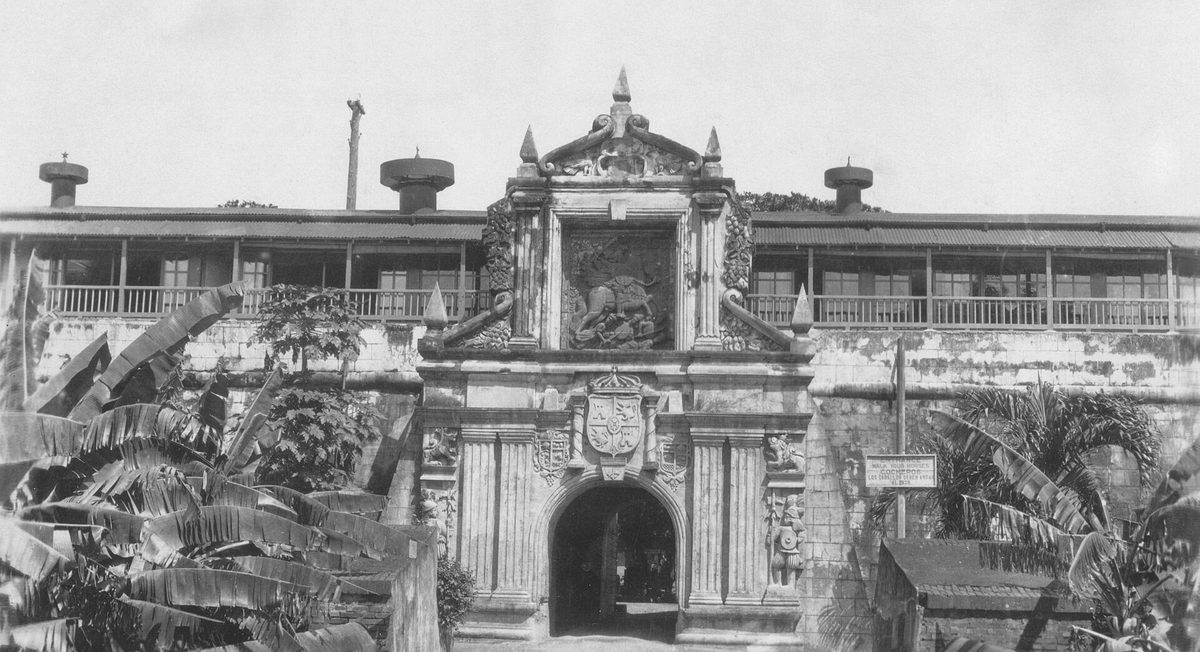
Fort Santiago is the obvious anchor and the one site I would never skip. You enter through a dramatic stone gate off General Luna Street, cross what was once a moat, and walk into a green parade ground that frames the river. The big draw inside is the Rizal Shrine, the museum in the very building where national hero Jose Rizal spent his last hours before his 1896 execution. Brass footsteps set into the path trace his final walk to the firing squad; it is genuinely moving even if you arrive knowing little about him.
Entrance is around PHP 75 (~$1.30), or PHP 50 for students, seniors, and PWDs, and the dungeons are included. Hours are generous: roughly 8 AM to 7 PM daily, though last entry is earlier in the evening, so do not roll up just before closing expecting to get in (confirm current hours before a late visit). Give it 60 to 90 minutes. The riverside dungeons, where prisoners drowned at high tide, are sobering and worth the few extra minutes to find.
San Agustin Church and Museum: the real thing
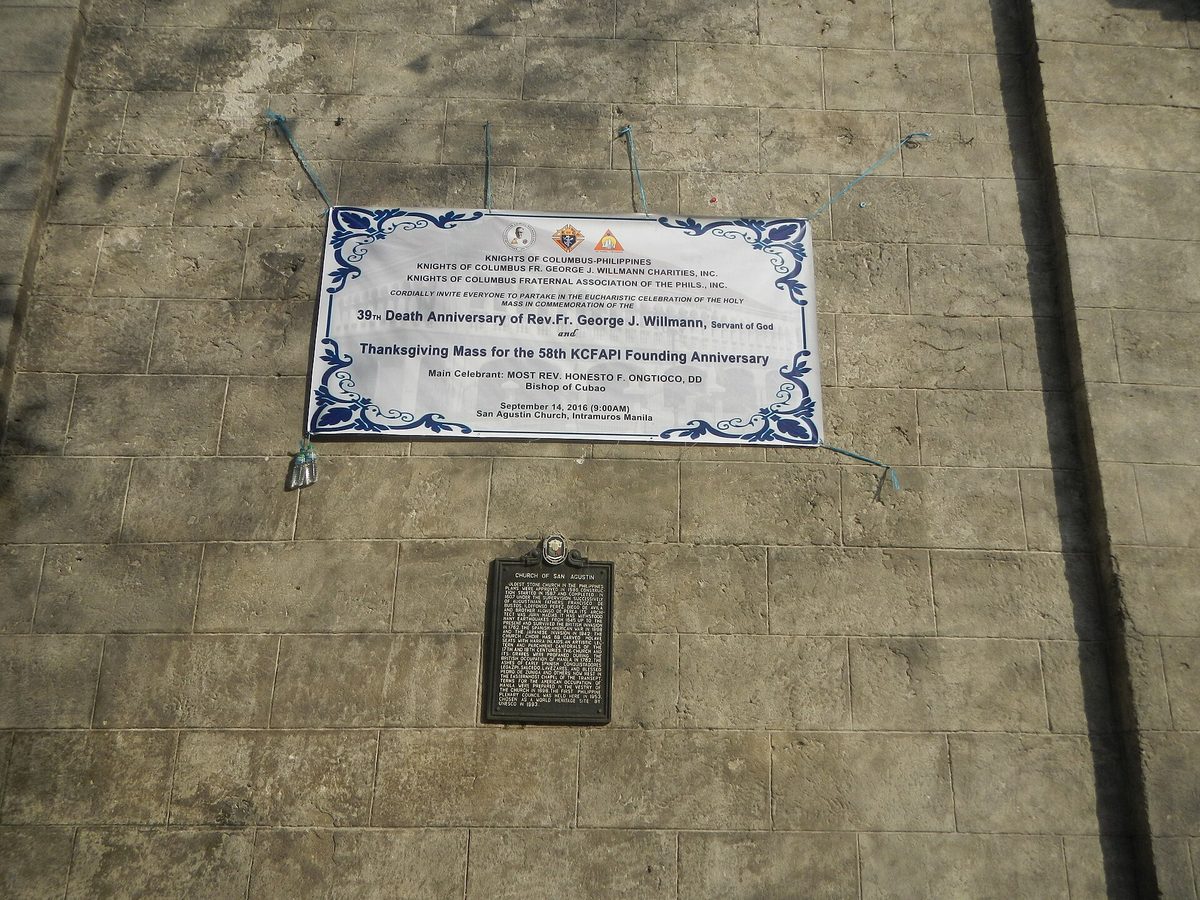
San Agustin is the oldest stone church in the Philippines, completed in 1607, a UNESCO World Heritage Site, and the one structure that survived 1945 intact. The church itself is free to enter when there is no Mass or wedding, and you should step in for the trompe-l’oeil ceiling alone, painted flat but convincingly three-dimensional. It is a working church and a hugely popular wedding venue, so weekends can mean back-to-back ceremonies; go on a weekday morning if you want quiet.
The adjoining museum, in the old Augustinian convent, costs around PHP 200 (~$3.45). This is the rare add-on fee I tell people to pay: the cloisters, the choir loft above the nave, and the collection of colonial religious art give you the depth the church alone does not. Budget 45 to 75 minutes for both. Note the schedule: the museum is generally closed Mondays and Tuesdays and takes a lunch break around midday, so aim for a Wednesday-to-Sunday morning.
Manila Cathedral: free and grand
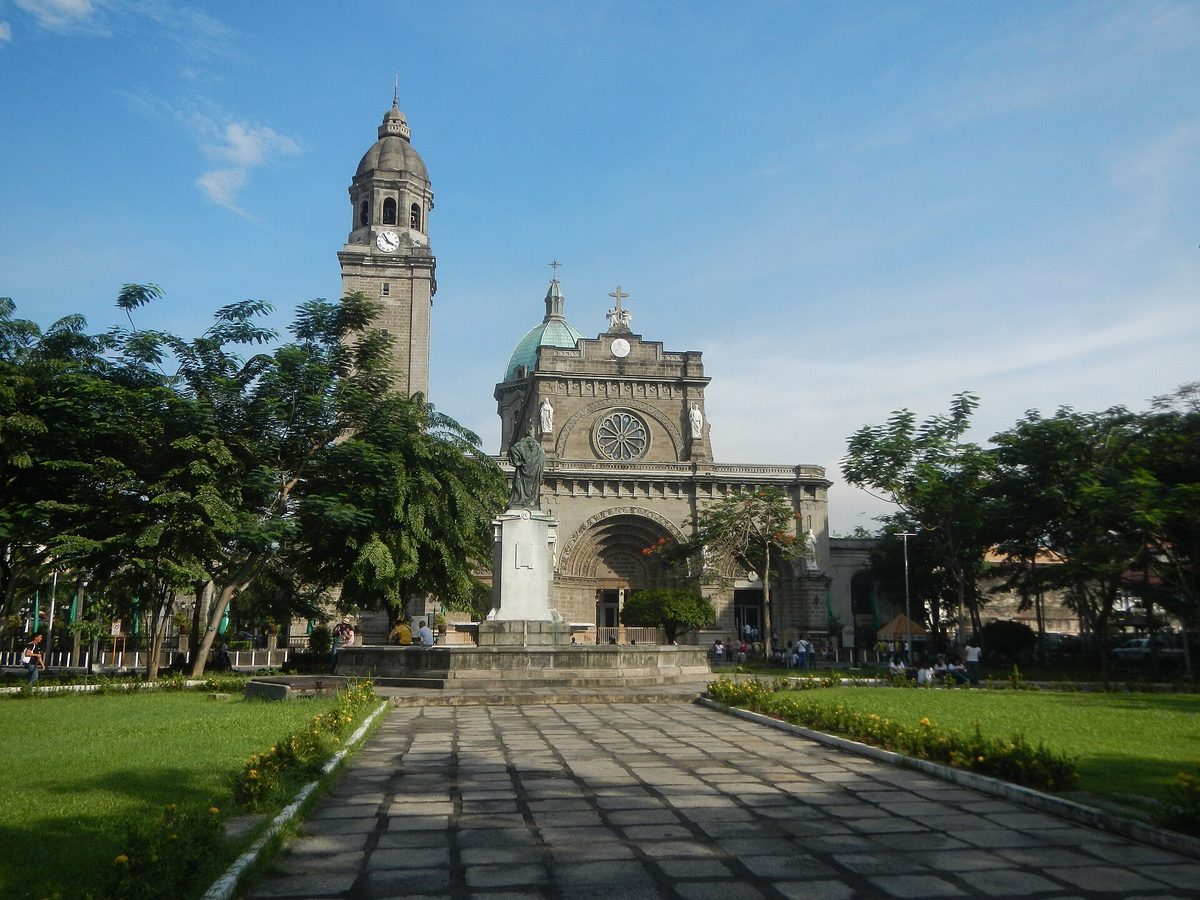
The Manila Cathedral is the eighth church to stand on this spot since 1571; earthquakes, fires, and the war destroyed its predecessors, and the current Romanesque building dates from the late 1950s. It is free (a donation box sits near the entrance), open to visitors outside services, and it is two minutes from the cathedral square, so there is no reason to skip it. The interior is vast and calm, with a German-built pipe organ and rose windows. Fifteen to twenty-five minutes is plenty unless a Mass pulls you in.
Casa Manila: how the elite actually lived
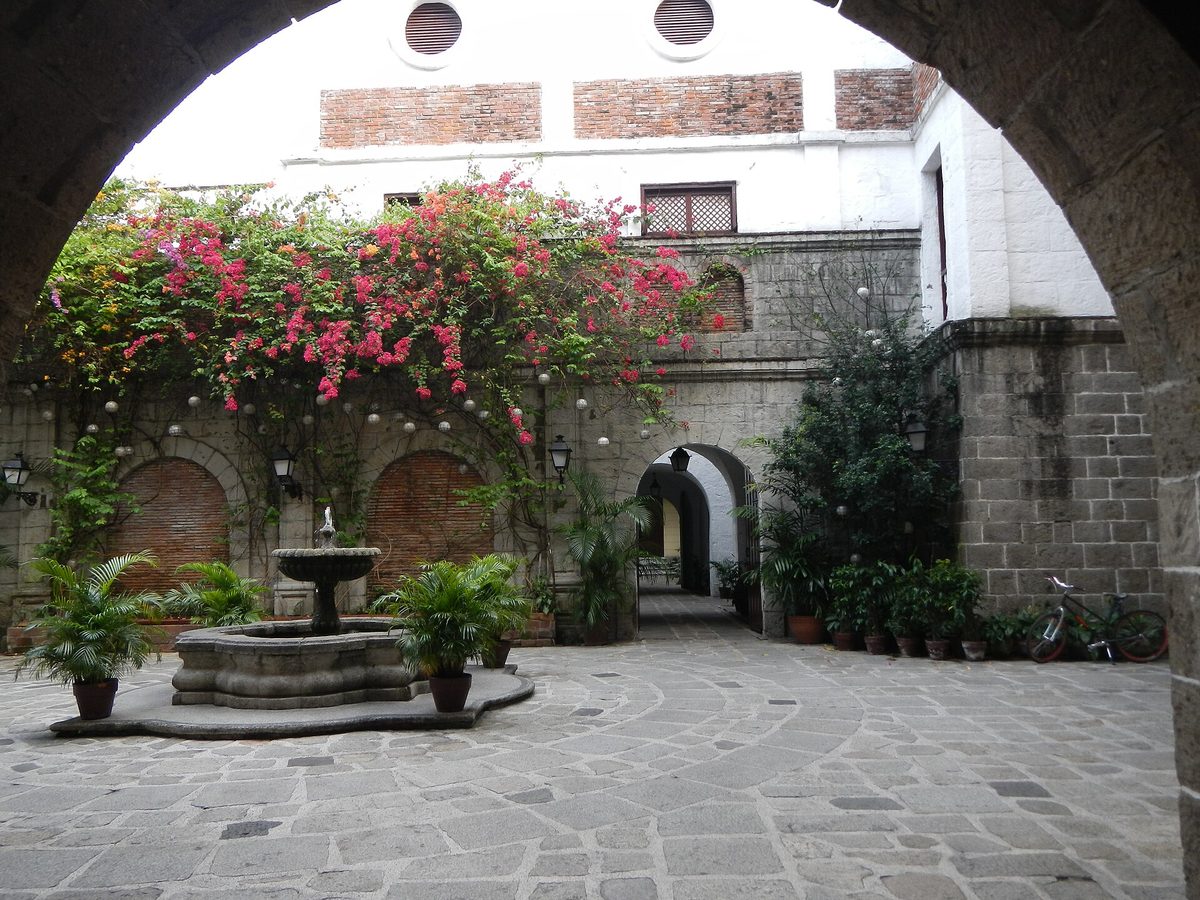
If Fort Santiago is the public history of Intramuros, Casa Manila is the private one. It is a meticulous reconstruction of an 1850s bahay na bato (stone-and-wood house), furnished room by room, the caida, the sala, the dining room set for a feast, even the period bathroom. Entry runs about PHP 75 (~$1.30), it sits in the Plaza San Luis complex across from San Agustin, and it is closed Mondays. Photography rules vary by room, so ask. Thirty to forty-five minutes here does more to make the colonial era feel real than any plaque elsewhere.
Bahay Tsinoy and Museo de Intramuros: the worthwhile extras
Two smaller museums reward anyone with an extra hour. Bahay Tsinoy, on Anda corner Cabildo, tells the long story of the Chinese in Philippine life through life-sized dioramas and artifacts; entry is modest, around PHP 100 (~$1.70), though confirm at the door as rates have crept up. Museo de Intramuros, housed in the rebuilt San Ignacio Church, holds a strong collection of colonial ecclesiastical art for roughly PHP 150 (~$2.60). Both are closed Mondays. Neither is essential, but both are quiet, air-conditioned, and genuinely good, exactly what you want when the midday heat breaks you.
Baluarte de San Diego: pretty, but optional
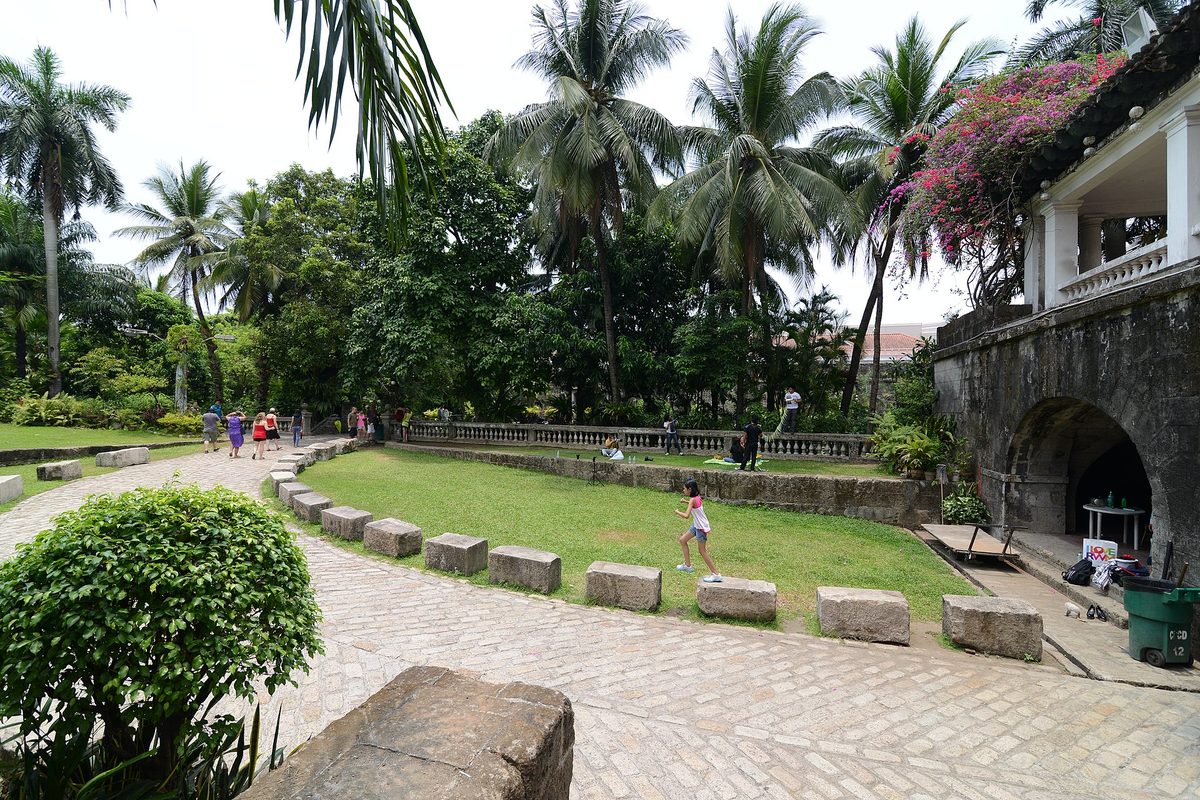
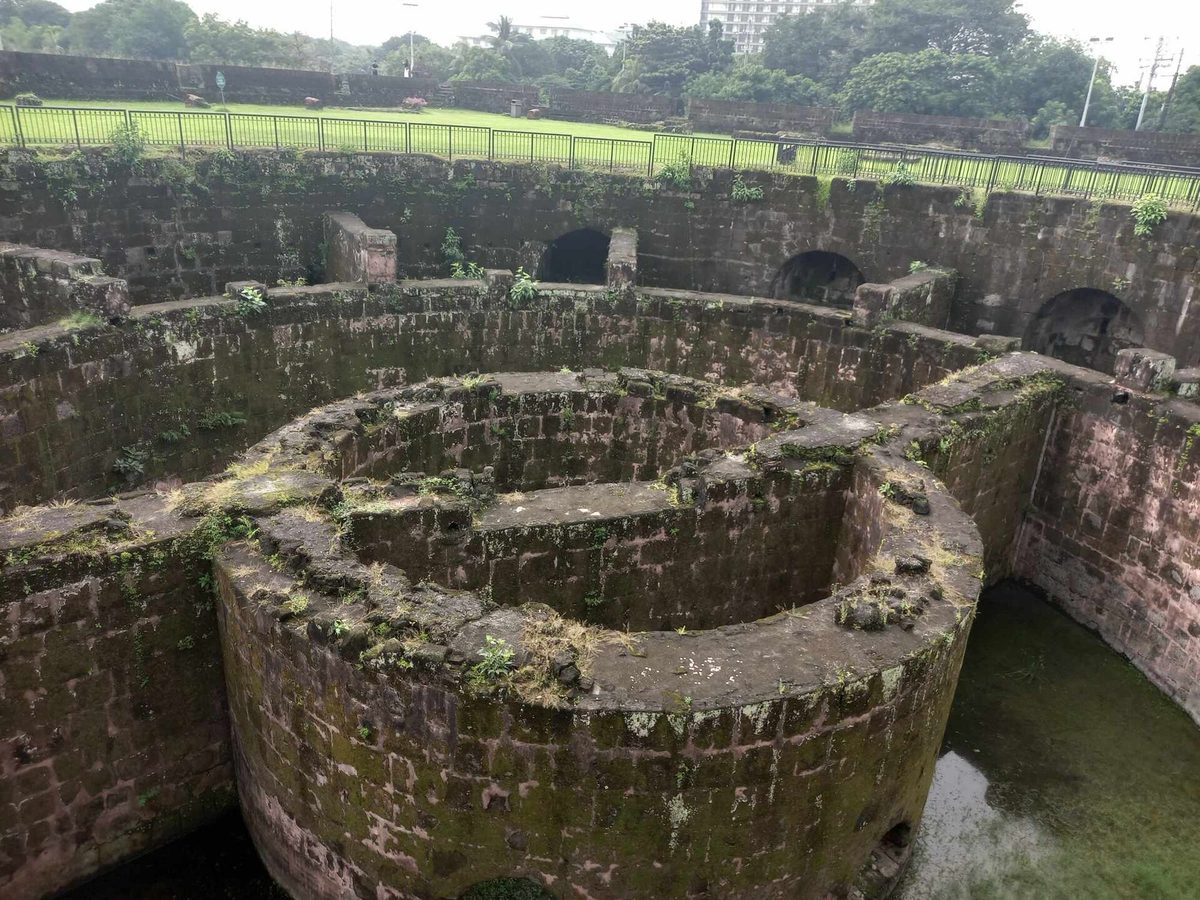
Baluarte de San Diego is a restored circular bastion at the southwest corner of the walls, with a walled garden and views over the ramparts. It photographs beautifully and there is barely anyone there, which is part of the charm. But there is little interpretation and not much to do beyond wander, so I treat it as a calm finale rather than a priority. Around PHP 75 (~$1.30), open daily until late afternoon.
How to tour Intramuros: walking, Bambike, or kalesa
On foot (my default)
Intramuros is small and flat, and walking is the best way to see it. The core sights sit within a rough rectangle you can cross in ten minutes. A sensible loop: enter Fort Santiago first thing, walk south on General Luna past the Manila Cathedral to San Agustin and Casa Manila, then drift to Baluarte de San Diego before exiting. Total walking time between sites is maybe 25 minutes; the rest is museum time. Wear real shoes, the cobbles are uneven, and bring water. The Intramuros Administration also runs free guided walking tours on some days; check their event calendar before you go.
Bambike eco-tours (the one I recommend booking)
If you want structure and a guide, Bambike Ecotours is the standout. You ride handmade bamboo bicycles around the walls with a “Bambassador” guide who actually knows the history, in small groups. Their Express tour starts around $12.50 and runs about two hours; the fuller Intramuros Experience runs around PHP 1,699 (about $35) per person and bundles in the entrance fees and Fort Santiago; sunset and night versions cost a little more (verify current rates when you book). Their HQ is in the Plaza San Luis complex on Real corner General Luna. It is touristy, yes, but it is well run, the bikes are a genuine novelty, and the storytelling lifts the whole visit. Book ahead online; popular slots fill.
Kalesa (horse carriage): go in with your eyes open
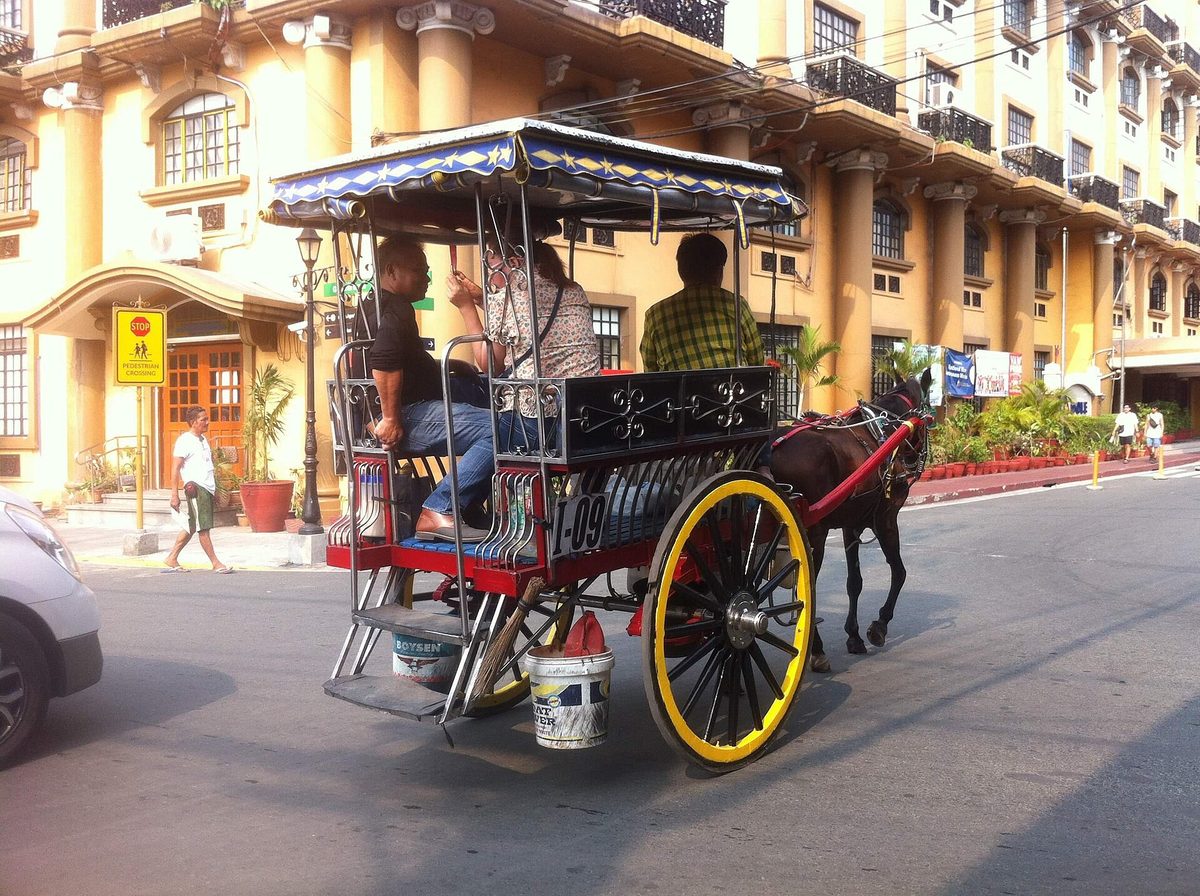
The kalesa is the postcard image of Intramuros, and a slow clip-clop past the walls can be lovely. It is also the single most common tourist rip-off here, so treat it as a transaction, not a romance. The Intramuros Administration posts agreed rates, roughly PHP 350 for 30 minutes and PHP 600 for an hour for up to four people, but enforcement is loose and plenty of drivers quote those numbers per person, change the price mid-ride, or tack on “tips” at the end.
Protect yourself: agree the total price out loud before the horse moves, confirm whether it is per person or per group, and ask the driver to state the exact figure for the full ride back to where you started. If a driver will not give a clear total, walk away; there are others. Done right it is a fun 30 minutes. Done wrong it is the story you tell about getting fleeced in Manila. For the wider picture on staying street-smart in the capital, our guide on whether is Manila safe is worth a read before you go.
Getting to Intramuros
Intramuros sits on the south bank of the Pasig, beside Rizal Park. Your options:
- LRT (light rail): The cheapest route. Take LRT Line 1 to Central Terminal station; from there it is a flat 10-to-15-minute walk across to the walls. Fares are a handful of pesos.
- Grab (rideshare): The easiest for most visitors. A Grab from Makati or the Bay Area runs roughly PHP 200-400 (~$3.50-7) depending on traffic, and traffic here is the variable that ruins plans, so build in a buffer. Have the driver drop you near the Manila Cathedral or the Fort Santiago gate.
- Jeepney: Cheap and characterful but confusing if you do not know the routes; fine for the adventurous, skippable for a first visit.
For the bigger transport picture across the country, see our primer on getting around the Philippines.
A practical money note for the whole visit: bring a stack of small peso bills. The main ticket booths at Fort Santiago and the bigger museums take cash, Beep cards, and e-wallets like Maya, but the kalesa drivers, the smaller stalls, and some of the side-museum desks are cash only, and nobody will have change for a PHP 1,000 note. There is no reliable ATM inside the walls, so draw cash before you arrive. I keep entrance-fee money separate from spending money so I am not flashing a full wallet at a ticket window.
The best time of day and year to visit
Time of day matters more than season. Manila is hot, and the walled city offers little shade between sites. Arrive at opening (Fort Santiago from 8 AM) to beat both the heat and the tour buses, or come in the late afternoon for golden light on the stone and a possible sunset from the western walls. Avoid noon to about 2 PM if you can; that is when the cobbles bake and the queues build.
For season, the cool dry months of December to February are the most comfortable. March to May is dry but punishing hot. The June-to-October wet season brings afternoon downpours, but mornings are often clear and crowds thin out, so it is not the write-off people assume. Weekdays beat weekends everywhere except San Agustin, which fills with weddings on Saturdays.
Where to eat and rest in and near Intramuros
Inside the walls, two heritage restaurants do the heavy lifting. Barbara’s, in the Plaza San Luis complex across from San Agustin, serves Filipino-Spanish classics in a colonial dining room and runs a lunch buffet with a cultural dance show that is touristy but fun if you are with first-timers; expect to pay a mid-range sit-down price. Ilustrado, on General Luna, is the slightly dressier option, known for its paella and its long-running fine-Filipino menu. Both are reliable; neither is cheap by local standards, but neither will shock a Western wallet.
For something lighter or cheaper, look to the cafes around the Plaza San Luis complex and along General Luna, and to the small spots near the universities at the southern end of the district, where students keep prices honest. A cold halo-halo or a calamansi juice mid-afternoon is the single best heat-management decision you can make. There are clean public restrooms at Fort Santiago and the main museums; use them when you see them.
Combining Intramuros with Binondo and Rizal Park
Intramuros is best paired, not visited in isolation. Two natural combinations:
With Rizal Park (Luneta): The park is directly south of the walls, a five-minute walk past the Manila Cathedral end. It holds the Rizal Monument and the actual spot where he was executed, which closes the loop on the Fort Santiago story beautifully. Tack it on for an hour either before or after Intramuros.
With Binondo (Manila’s Chinatown): Across the Pasig to the north sits the world’s oldest Chinatown, a 10-minute Grab or a longer walk over Jones Bridge. It is the antidote to Intramuros’ curated calm, loud, crowded, and full of some of the best cheap food in the city. I like doing Intramuros in the morning and Binondo for a late, greedy lunch. Both feature in our wider things to do in the Philippines guide if you are still shaping the trip.
Intramuros by traveler type
- First-timers / short on time: Fort Santiago + San Agustin + Manila Cathedral in one morning. Three hours, three highlights, done.
- History buffs: Add Casa Manila, Bahay Tsinoy, and Museo de Intramuros, and pay for the San Agustin museum. A full, satisfying day.
- Families with kids: Bambike’s bamboo-bike tour turns history into an activity; Fort Santiago’s open lawns let kids burn energy. Keep the museum count low.
- Photographers: Come at opening or for sunset, work the walls and Baluarte de San Diego, and catch a kalesa against the stone gates in soft light.
- Couples: A late-afternoon walk, the San Agustin interior, and dinner at Ilustrado make an easy, atmospheric evening.
However you slot it in, Intramuros earns its place near the top of any capital itinerary. If you are still mapping the wider route, our Philippines itinerary planner shows how a day here fits a longer trip.
Intramuros FAQ
How much does it cost to visit Intramuros?
Walking the walls and streets is free. You only pay to enter individual sites: Fort Santiago is around PHP 75 (~$1.30), Casa Manila about the same, and the San Agustin museum roughly PHP 200 (~$3.45). The Manila Cathedral is free. A no-frills self-guided visit hitting the top three or four sites costs well under PHP 400 (~$7) per person in entrance fees.
How long do you need in Intramuros?
Three to five hours covers it for most visitors. A focused first-timer’s loop of Fort Santiago, San Agustin, and the Manila Cathedral takes about three hours. History lovers who want Casa Manila, Bahay Tsinoy, and Museo de Intramuros plus the San Agustin museum should set aside a full day, ideally starting at opening to dodge the midday heat.
Is Intramuros worth visiting?
Yes. It is the most concentrated and best-preserved piece of Spanish colonial history in the Philippines, and the single most rewarding cultural half-day in Manila. Fort Santiago and San Agustin Church alone justify the trip. Just go in with realistic expectations, much of it is a careful postwar reconstruction, and the surrounding city is dense and chaotic right up to the gates.
What should I avoid in Intramuros?
The kalesa rip-off is the main one: always lock in the total price, per group, before the ride starts. Skip the midday heat between noon and 2 PM, and do not assume cards work everywhere, carry small cash. Otherwise the district is one of the safer parts of central Manila to wander, though normal city awareness still applies.
Can you visit Intramuros at night?
Partly. Fort Santiago stays open into the evening and is atmospheric after dark, and Bambike runs a guided night tour. The museums close by early evening, however, and some streets quiet down considerably, so a night visit is best done on a tour or focused on Fort Santiago and dinner rather than free-roaming the whole district.
Do you need a guide for Intramuros?
No, it is easy to self-guide with a map and this article, and the on-site plaques carry you a long way. That said, a guide adds real value here because so much of the story is invisible in the rebuilt stone. A Bambike tour or one of the Intramuros Administration’s free walking tours is a good middle ground between going it alone and paying for a private guide.
Sources and photo credits
Photo credits
- Intramuros walls: Photo by Jorge Láscar (CC BY 2.0) via Wikimedia Commons.
- Fort Santiago gate: Photo (CC0 / public domain) via Wikimedia Commons.
- San Agustin Church: Photo by Judgefloro (public domain) via Wikimedia Commons.
- Casa Manila: Photo by Ramon FVelasquez (CC BY-SA 3.0) via Wikimedia Commons.
- Kalesa at the Intramuros entrance: Photo by RNLDDRNG (CC BY-SA 4.0) via Wikimedia Commons.
- Manila Cathedral: Photo by Judgefloro (public domain) via Wikimedia Commons.
- Baluarte de San Diego: Photo by Johnpaulo5860 (CC0) via Wikimedia Commons.
Sources
- Intramuros Administration – Sites, Hours and Fees (official, 2026 rates and operating hours).
- Intramuros Administration – Directory of Museums and Sites.
- Bambike Ecotours – Intramuros bamboo-bike tours and pricing.
- Manila Cathedral – official site.
About this guide: PhilippinesTourism.org is an independent Philippines travel resource; this guide was researched and verified June 2026.