Is the Philippines safe? It is the question I am asked more than any other about this country — usually by someone who has just seen a headline about kidnapping in the far south, or footage of a typhoon battering a coastline, and is now hovering over the “confirm booking” button with a knot in their stomach. So let me give you the same honest answer I give friends every time: yes, for the overwhelming majority of travelers who go where travelers actually go — Palawan, Cebu, Bohol, Boracay, Siargao and the main districts of Manila — the Philippines is safe. Millions of foreign visitors arrive and leave every year without incident.
That is the headline. But the question deserves a real answer, not a reassuring pat on the head, so this guide does both jobs at once. I will show you the small number of places that are genuinely dangerous and that you should simply not visit. And I will be just as honest about the risks that actually cut trips short — which, after years of travel around these islands, I can tell you are almost never terrorism or kidnapping. They are a scooter taken onto a wet road, a riptide on an empty beach, a pickpocket in a crowded market, a stomach bug from the wrong glass of water, and the occasional badly timed storm.
This is not a brochure and it is not a scare story. It is the safety briefing I wish someone had handed me before my first trip: what the official advisories really say in 2026, where the no-go zones are and why, how recent events like the June 2026 Mindanao earthquake fit into the picture, the scams worth knowing, the health basics, and the handful of habits that keep you out of trouble. Read it once, take the precautions that matter, and you can stop worrying and start planning.
Is the Philippines Safe? The Honest Short Answer
If you read only one section, read this one. The Philippines sits at Level 2 on the United States travel-advisory scale — “exercise increased caution” — the same rating currently carried by France, Spain, Germany and Italy. The world’s risk assessors put the country in the same broad bucket as the most-visited nations in Europe. That single fact does more to set the scene than any amount of hand-wringing.
What a national rating cannot show you is how lopsided the risk is. Danger here is not spread evenly the way it is in a high-crime city. It is concentrated almost entirely in parts of western and central Mindanao and the Sulu Archipelago in the far south — regions with active insurgency and a genuine history of kidnapping — and those areas sit hundreds of kilometres from anywhere a normal itinerary would take you. Strip them out and the country you actually move through is calm, hospitable and thoroughly used to visitors.
Here is the whole picture in three buckets:
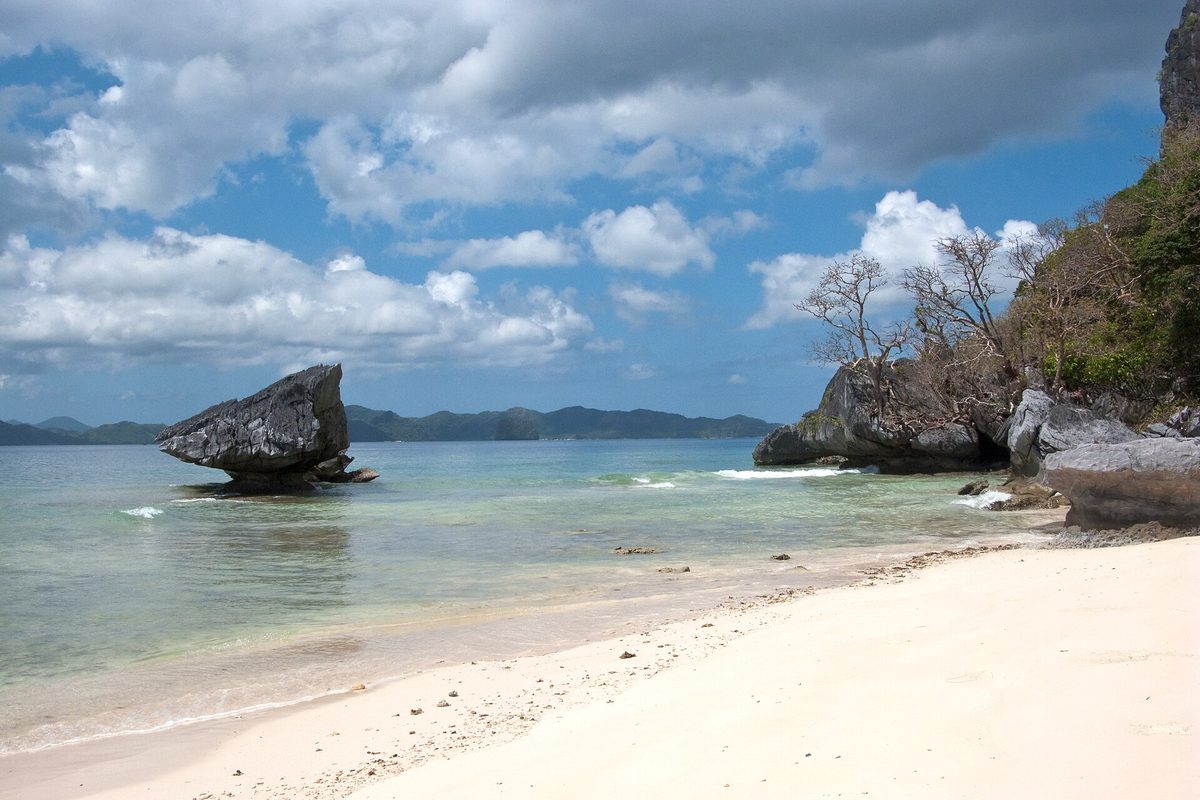
- Safe and welcoming, where you will actually spend your time: Palawan (El Nido, Coron, Puerto Princesa), Boracay, Cebu, Bohol, Siargao, Camiguin, Siquijor, most of Luzon including the tourist districts of Manila, and the northern highlands. Ordinary travel common sense is all you need.
- Fine with a little extra awareness: the crowded heart of big cities after dark, where pickpockets and the odd con artist operate; any island during peak typhoon season; and any activity that puts you on a scooter, a small boat or a slippery waterfall trail.
- Genuinely off-limits: western and central Mindanao, the Sulu Archipelago and Sulu Sea, and Marawi City. Every major Western government tells its citizens not to go, and on this they are right.
Get those three buckets straight in your head and you already understand Philippine safety better than most people who ask the question. Everything below is the detail, the evidence and the how-to.
What the Official Travel Advisories Actually Say in 2026
I always start with the government advisories — not because they are gospel (they are cautious by design and squeeze a huge, varied country into a single line) but because they are updated constantly, they cost nothing, and they are the baseline your travel insurer will lean on if something goes wrong. Here is where the four big English-language advisories stood as of mid-2026.
| Government | Overall rating | “Do not travel” / avoid zones |
|---|---|---|
| United States (State Dept) | Level 2 — Exercise Increased Caution | Sulu Archipelago, Sulu Sea and Marawi City at Level 4 (Do Not Travel); the rest of Mindanao at Level 3 (Reconsider Travel), except Davao City, Davao del Norte, Siargao and the Dinagat Islands |
| United Kingdom (FCDO) | Regional advice | Against all travel to western and central Mindanao and the Sulu Archipelago; against all but essential travel to the rest of Mindanao (Camiguin, Dinagat and Siargao excepted) |
| Australia (Smartraveller) | Exercise a high degree of caution | Do not travel to central and western Mindanao and the Sulu Archipelago |
| Canada (travel.gc.ca) | Exercise a high degree of caution | Avoid all travel to central and western Mindanao and the Sulu Archipelago |
Notice how closely the four agree. They flag the same corner of the map, and they all leave the entire rest of the archipelago — every island you have probably heard of — off the warning list. When the US, UK, Australia and Canada independently draw the same circle around the same region, take both halves of that message seriously: the south is a real concern, and everywhere else is treated as ordinary travel.
One nuance matters if you are eyeing Davao City, the big metro on Mindanao’s south-east coast. In early 2026 the US Embassy tightened the rules on where its own staff may go for leisure inside the city, keeping them largely to the central business district, the airport and the main highway north. The embassy was explicit that there was no specific threat to private citizens, and Davao’s centre, its airport, nearby Samal Island, Davao del Norte, the Dinagat Islands and Siargao all remain at the milder Level 2. Davao has long had a reputation as one of the most orderly cities in the country. The takeaway is not “avoid Davao” — it is that the line between safe and risky on Mindanao is specific, and worth checking against your exact route.
Before you go, read the relevant advisory in full and sign up for its email alerts, then square it with your own plans. The entry rules in my Philippines visa and entry requirements guide and the routes in the Philippines itinerary guide both assume you are sticking to the safe regions described here.
The One Region to Take Seriously: Mindanao and the Sulu Archipelago
Let me be blunt about the part of the country that earns the warnings, because sugarcoating it helps no one. Mindanao, the large southern island, is home to more than twenty million people, the great majority of whom lead ordinary, peaceful lives. But its western and central regions, along with the chain of small islands trailing south-west toward Borneo known as the Sulu Archipelago, have seen decades of armed conflict and separatist insurgency. Groups including the Abu Sayyaf, the Bangsamoro Islamic Freedom Fighters and remnants pledging allegiance to the Islamic State remain active there, and the threat that matters most to a foreigner is kidnapping for ransom. Westerners have been taken in these areas, and some of those cases ended terribly. That is not historical colour; it is the reason four governments reserve their strongest language for this corner of the map.
So the rule is simple and I will not soften it: do not travel to western or central Mindanao, the Sulu Archipelago, the Sulu Sea or Marawi City. Not for a beach, not on a diving rumour, not because a cheap flight appeared. There is nothing on that side of the map worth the risk, and your travel insurance will almost certainly be void there in any case.
Here is the part the headlines never explain, though: “Mindanao” is not a single place you either visit or avoid. It is an island roughly the size of South Korea, and its safe, well-traveled corners are real and nowhere near the conflict zones.
| Area of the south | Status | Notes |
|---|---|---|
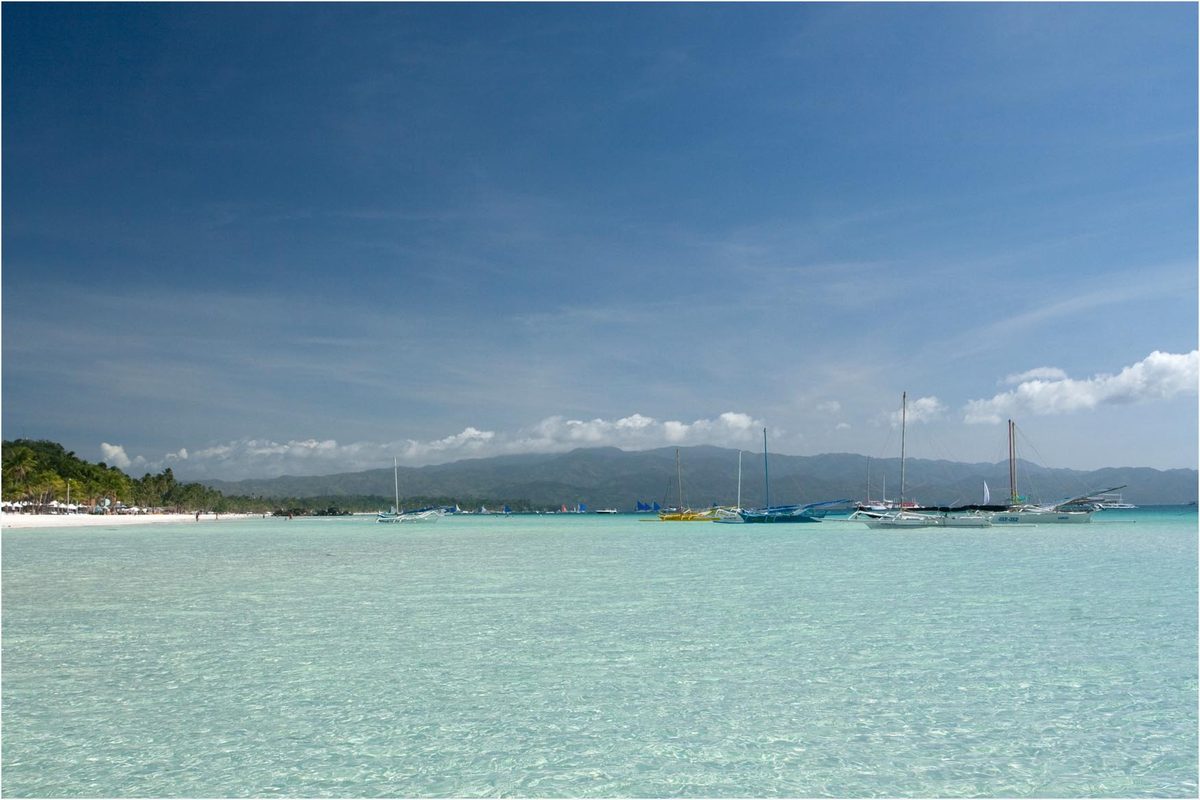
| Siargao Island | Fine — popular | The country’s surf capital, in the far north-east; explicitly excepted from the UK and US warnings. |
| Camiguin & Dinagat Islands | Fine | Small, quiet island provinces off the north coast; excepted from warnings. |
| Davao City & Davao del Norte | Generally fine, with awareness | Orderly southern metro and gateway; Level 2. See the embassy nuance above. |
| Eastern Mindanao (Surigao, Agusan) | Essential travel only | Most governments advise against non-essential travel; very few tourists go. |
| Western & central Mindanao | Do not travel | Cotabato, Maguindanao, Lanao and the Zamboanga peninsula — insurgency and kidnapping risk. |
| Sulu Archipelago & Sulu Sea | Do not travel | The highest-risk zone in the country. Off-limits, full stop. |
If your trip is the classic Philippines loop — Manila, Palawan, the Visayan islands of Cebu and Bohol, perhaps Boracay or Siargao — you will not go anywhere near the dangerous south. You would have to go well out of your way to reach it. Treating the whole archipelago as a war zone because of those provinces is a bit like skipping a country’s entire coastline because of unrest in one inland border region hundreds of kilometres away.
The June 2026 Mindanao Earthquake: What Travelers Need to Know
On 8 June 2026 a magnitude 7.8 earthquake struck off the southern coast of Mindanao, with its epicentre in the sea near Sarangani province in the Soccsksargen region, at the far south of the island. It was the most powerful quake to hit the Philippines in decades, generated by movement along the Cotabato Trench, and it was felt hard across southern Mindanao. PHIVOLCS, the national seismology agency, recorded tsunami waves of up to roughly 1.4 metres along several stretches of the southern coast and issued warnings that briefly reached neighbouring countries. The city of General Santos took some of the heaviest damage; as of mid-June the confirmed toll stood at dozens killed and hundreds injured, with thousands of families evacuated as aftershocks continued. It was a real disaster and a hard stretch for the communities affected.
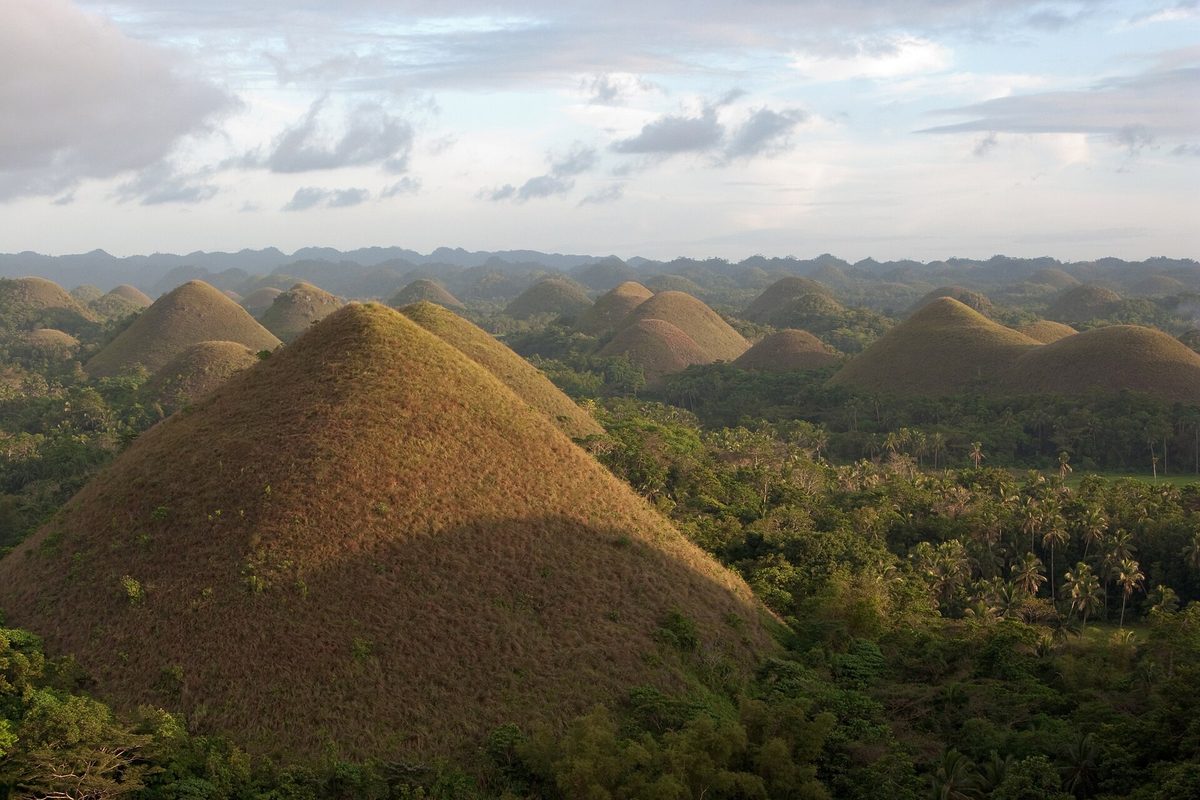
So what does it mean for your trip? For most visitors, very little — but you deserve the geography rather than a vague reassurance. The epicentre was in the deep south-west of Mindanao, the same broad region the advisories already steer tourists away from. It lies on the order of a thousand kilometres from Manila and several hundred from the Visayan islands where most travelers spend their time. Palawan, Boracay, Cebu, Bohol, Siquijor and the Luzon highlands are on entirely separate islands and were untouched; even Siargao, which is technically part of the Mindanao island group, sits at the opposite, north-eastern end and was far from both the shaking and the tsunami zone. If your itinerary runs through the usual destinations, the quake changed nothing about your route.
That said, a few sensible points stand. The Philippines sits squarely on the Pacific Ring of Fire, so earthquakes are a fact of life here, the vast majority of them small and unfelt. Learn the basics: indoors, drop, cover and hold on; and if you are on a low-lying coast and feel a long or violent quake, do not wait for an official alert — move to higher ground, because a local tsunami can arrive within minutes. If you do intend to travel into any part of Mindanao in the months after the quake, check PHIVOLCS and local news first, since aftershocks and damaged infrastructure can linger. For the rest of the country, carry on as planned.
Natural Hazards: Typhoons, Earthquakes and Volcanoes
If I have one complaint about the average safety article, it is that it obsesses over crime and barely mentions the natural forces far more likely to disrupt — or, very rarely, endanger — a trip. The Philippines is one of the most geologically and meteorologically active countries on earth. None of this should stop you coming; all of it is manageable once you know the calendar and keep half an eye on the right apps.
Typhoons and the rainy season
The country sees around twenty tropical cyclones enter its waters each year, more than any other nation, and 2026 has been an unusually busy season — roughly ten storms had formed by early June, the most active start in about a decade. The risk runs broadly from June to October and peaks from July through October, though a storm can form in any month. They mainly strike the eastern seaboard, Luzon and the eastern Visayas; Palawan and the far south are the least exposed, which is exactly why they make sound wet-season choices. A direct hit usually means cancelled ferries and flights and a day or two indoors rather than mortal danger, but the secondary hazards — flooding, landslides and rough seas — are what actually hurt people, so never pressure a boat captain to sail in bad weather. For the month-by-month breakdown, see my guide to the best time to visit the Philippines, and install the free PAGASA weather app before you fly.
Earthquakes
As June 2026 reminded everyone, this is earthquake country, though the overwhelming majority of tremors are minor. Modern hotels in tourist areas are built to code. The practical advice is simply to know the drop-cover-hold drill and, on the coast, to treat a long, strong quake as your cue to head uphill without waiting for sirens.
Volcanoes
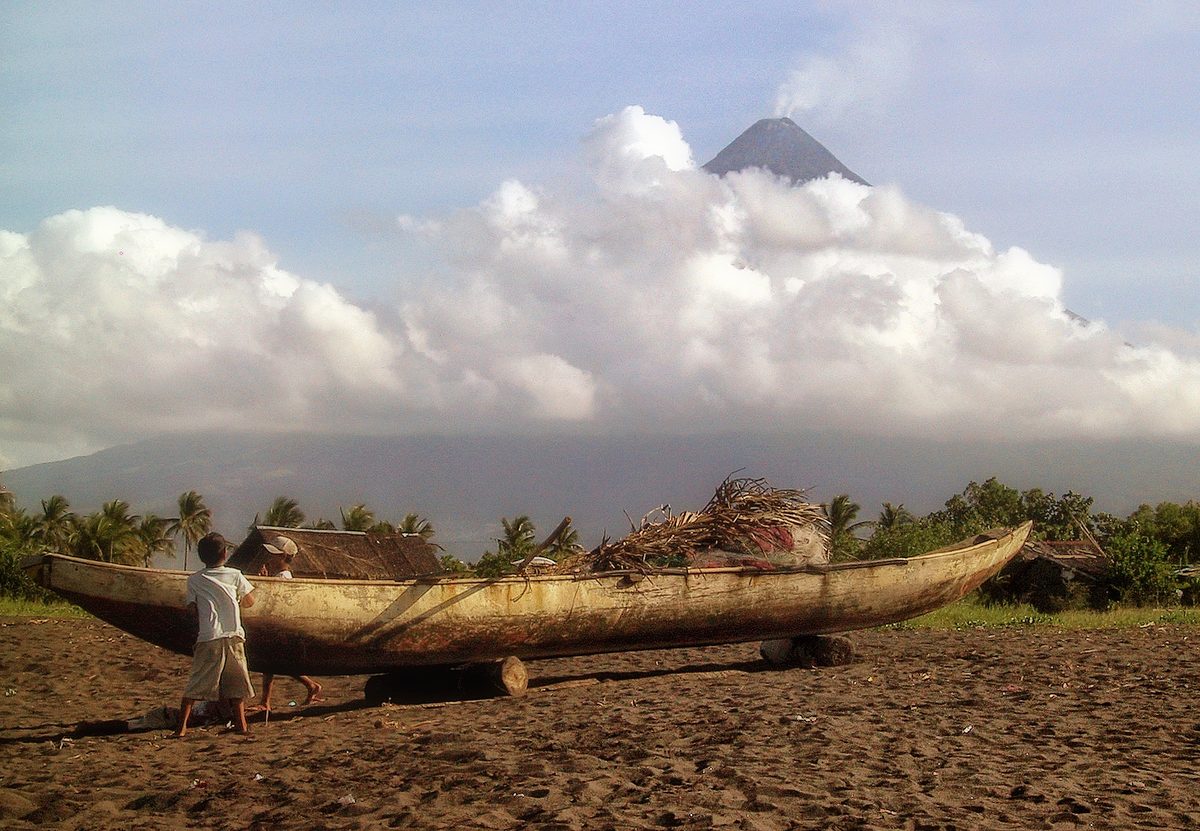
The archipelago has two dozen active volcanoes, and a few are restless at any given time. As of mid-2026, Mayon in Albay sat at Alert Level 3, Kanlaon on Negros Island at Level 2 after a run of eruptions, and Taal near Tagaytay at the low Level 1. In practice, PHIVOLCS keeps a tight watch and enforces exclusion zones around any active cone, so as long as you respect those zones and the occasional flight cancellation, an eruption is a spectacle to photograph from a safe distance rather than a threat to a normal trip. If your plans include Mayon, Taal, Kanlaon or Bulusan, check the current alert level on the PHIVOLCS website the week you travel.
| Hazard | When / where | What to do |
|---|---|---|
| Typhoons | Jun–Oct (peak Jul–Oct); eastern Luzon & Visayas most exposed, Palawan least | Watch PAGASA; build slack into ferry days; never sail into a storm |
| Earthquakes | Anytime, anywhere; Ring of Fire | Drop, cover, hold; on the coast, high ground after a long quake |
| Volcanoes | Specific cones: Mayon, Kanlaon, Taal, Bulusan | Check PHIVOLCS alert level; respect exclusion zones |
| Rip currents | Exposed beaches and surf spots | Ask locals; swim where others swim; never fight the current |
Crime and How It Actually Affects Tourists
Strip away the geopolitics of the south, and what you are left with, crime-wise, is a country where the realistic risk to a visitor is petty theft rather than violence. Pickpocketing, bag-snatching and phone-grabbing are the everyday concerns, and they cluster where you would expect: crowded markets, packed jeepneys and buses, ferry terminals, festivals and the busier streets of Metro Manila. Violent crime against foreign tourists is uncommon, and on the popular islands — Bohol, Siquijor, the Palawan towns, Siargao — it is rare to the point of being a non-issue. Statistically, you are far more likely to come to grief on a scooter than at the hands of a criminal.
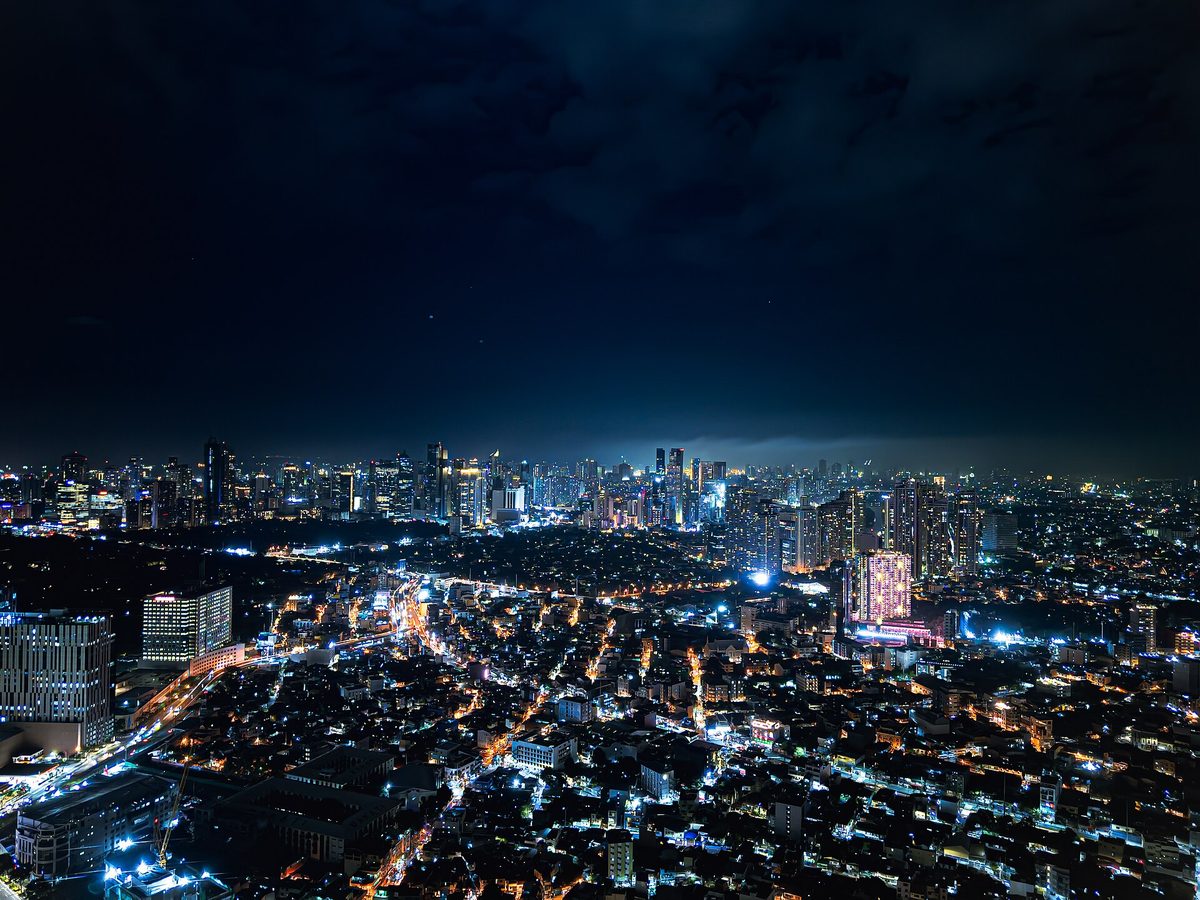
Manila earns its own paragraph, because it is where most arrivals land and where the country’s crime is most concentrated. The capital is not dangerous for a careful visitor, but it is a sprawling megacity with real poverty, and it rewards street smarts. Stick to the well-run districts — Makati, Bonifacio Global City, and the tourist core of Intramuros and Ermita by day — and you will find clean, walkable, heavily secured neighbourhoods. The areas to skip are the ones no tourist has any reason to enter: Tondo and the poorer fringes of the port, and certain pockets of Quezon City after dark. Keep your phone off the table at street cafes, do not flash jewellery or a fat wallet, and use a cross-body bag in crowds. My round-up of the best islands in the Philippines doubles neatly as a map of the calmest, lowest-crime corners of the country.
Common Scams in the Philippines (and How to Dodge Them)
Scams are the form of “crime” you are most likely to actually brush against, and the good news is that they are almost entirely avoidable once you know the playbook. Filipinos are, as a rule, exceptionally warm and helpful — which is precisely what a small number of con artists exploit. A friendly approach is not a red flag in itself; a friendly approach that steers steadily toward your wallet is.
| Scam | How it works | How to avoid it |
|---|---|---|
| Budol-budol (sweet-talk con) | A team of “friendly strangers” or fake officials uses flattery and fast talk to pressure you into handing over cash, valuables or bank details, often built around a prize or a charitable cause. | Stay politely unavailable to unsolicited approaches; never share card or bank details; walk away from anything urgent involving money. |
| The card-game / home-invitation scam | A charming local — sometimes a “fellow traveler”, sometimes a relative of someone “from your country” — invites you home for a meal or a card game that turns into rigged, high-stakes betting. Reported losses run from tens of thousands of pesos into the thousands of dollars. | Never go to a stranger’s home to gamble. There is no version of this that ends well. |
| ATM skimming | Skimming devices and pinhole cameras on cash machines clone your card; most common around malls and tourist sites. | Use ATMs inside bank branches or malls; cover the keypad; check the card slot for anything loose. |
| The “broken meter” taxi | Airport and tourist-area taxis claim the meter is broken and quote a flat, inflated fare. | Use the Grab app for a fixed price and a driver record; otherwise insist on the meter or wave the next one down. |
| Fake tours and “closed” attractions | A tout says your destination is shut and offers an alternative tour, or sells island-hopping trips that never materialise. | Book through your hotel or an established operator; verify any “closure” yourself. |
The thread running through all of these is the same: a scam needs either urgency or greed to work. Slow everything down, decline politely, and keep “no, thank you” ready, and you defuse almost every one. I have spent months in the Philippines and never lost a peso to a scam — not because I am clever, but because I follow those two rules and use Grab.
Getting Around Safely: Roads, Ferries and Taxis
Here is the safety topic that deserves the most attention and gets the least: transport. If something is going to hurt a visitor to the Philippines, the odds are overwhelming that it involves a vehicle, not a villain. Road crashes kill more than ten thousand people in the country each year, and motorcycles account for over half of those deaths. The fatality rate per head is actually a little below the South-East Asian average, but the reality on the ground — chaotic traffic, uneven vehicle maintenance and a casual relationship with helmets and seatbelts — makes the road the single biggest physical risk you take here.
Scooters and motorbikes
Renting a scooter on Siargao, Bohol or around the Palawan towns is one of the great pleasures of a Philippine trip, and I have done it many times. I will still tell you plainly: it is also the most dangerous thing most travelers do here. If you have never ridden, a tropical island with sand on the tarmac, sudden downpours and oncoming buses is not the place to learn. If you do ride, wear a real helmet, go slow, avoid riding at night or after drinking, and make sure your travel insurance genuinely covers motorbikes — many policies exclude them unless you hold a motorcycle licence at home. A surprising number of trips end in a hospital and a repatriation flight over a five-minute spill.
Ferries and boats
Island-hopping is the soul of a Philippine holiday, and the boats are generally fine — but the country’s ferry safety record has dark chapters, almost all of them tied to overloading and sailing into bad weather. Favour reputable operators, walk away from any boat that is obviously overcrowded or short on life jackets, and never let a tight schedule push you onto the water in a storm. The sea will still be there tomorrow.
Taxis, Grab and public transport
In the cities, the Grab ride-hailing app is your best friend: fixed fares, a named driver and a GPS trail, which removes the meter argument and adds a layer of accountability. A Grab across Manila typically runs somewhere around ₱150 to ₱400 (roughly US$3 to US$7) depending on traffic and distance. Metered taxis are fine when the meter is actually running. The jeepneys and tricycles that form the backbone of local transport are part of the experience and perfectly safe to ride — just keep your bag on your lap and your phone out of sight in a crowd.

Health: What to Actually Worry About
Most travelers who get caught out in the Philippines are not robbed; they are laid low by something they ate, drank or were bitten by. None of it is exotic or hard to prevent — it just rewards a few habits.
Food and water
Do not drink the tap water. Stick to sealed bottled water (around ₱20 to ₱30 a bottle) or use a filter bottle, and skip ice in the most basic roadside places — though reputable restaurants and bars in tourist areas use commercially produced ice that is perfectly fine. Street food is one of the joys of the country and generally safe if you choose busy stalls with high turnover and food cooked fresh in front of you. Give your stomach a day or two to adjust, pack oral rehydration salts and an anti-diarrhoeal just in case, and you will most likely sail through.
Mosquito-borne illness
Dengue is the mosquito-borne disease to know about, and here is a genuinely current note that many older guides get wrong: after brutal 2024 and 2025 seasons, dengue cases fell sharply in early 2026, with the Department of Health logging roughly 70 percent fewer cases in the opening weeks of the year than in the same period of 2025. That is a real improvement, but dengue remains endemic and year-round, with the usual spike in the rainy season, and there is no widely available vaccine for travelers. Prevention is simple and non-negotiable in the wetter months: use a DEET or picaridin repellent, especially around dawn and dusk, and cover up when the mosquitoes are out. Malaria is a low risk confined to a few rural and remote areas, and is not a concern in the cities or the main island destinations.
Animals and rabies
Rabies is present in the Philippines, and the carrier to respect is the street dog. Do not pet strays, however friendly they seem; if you are bitten or scratched, wash the wound thoroughly and seek medical care at once, because rabies is effectively untreatable once symptoms appear. One country-specific warning is worth heeding: the Philippine FDA has flagged counterfeit rabies vaccine and antiserum in circulation, so if you ever need post-exposure treatment, go to a major, reputable hospital rather than a small clinic. If your trip involves a lot of rural travel or animal contact, ask your doctor about a pre-exposure rabies vaccination before you leave.
Sun, sea and fresh water
The tropical sun is stronger than it feels through the sea breeze, so reef-safe sunscreen, a hat and shade through the middle of the day save a lot of misery. In the water, the real hazards are rip currents and, occasionally, jellyfish — ask locally before swimming at unfamiliar beaches. Avoid swimming in fresh, unchlorinated lakes and rivers, which can carry leptospirosis and other waterborne infections, especially after heavy rain or flooding.
Vaccines, hospitals and insurance
Check that your routine vaccinations are up to date — including measles (MMR), as the country has seen measles activity — and ask a travel clinic about hepatitis A and typhoid, the standard add-ons for the Philippines, plus hepatitis B, Japanese encephalitis and rabies depending on your itinerary, ideally four to six weeks before departure. Private hospitals in Manila and Cebu are genuinely excellent; care on remote islands is basic, which is the whole argument for the insurance point I keep hammering. Buy a comprehensive travel-insurance policy that explicitly covers medical evacuation, and read the adventure-activities and motorbike clauses. A fortnight’s cover often costs somewhere around US$50 to US$150 — trivial against the price of an air ambulance off a small island. My Philippines travel cost guide covers budgeting, insurance included, in more detail.
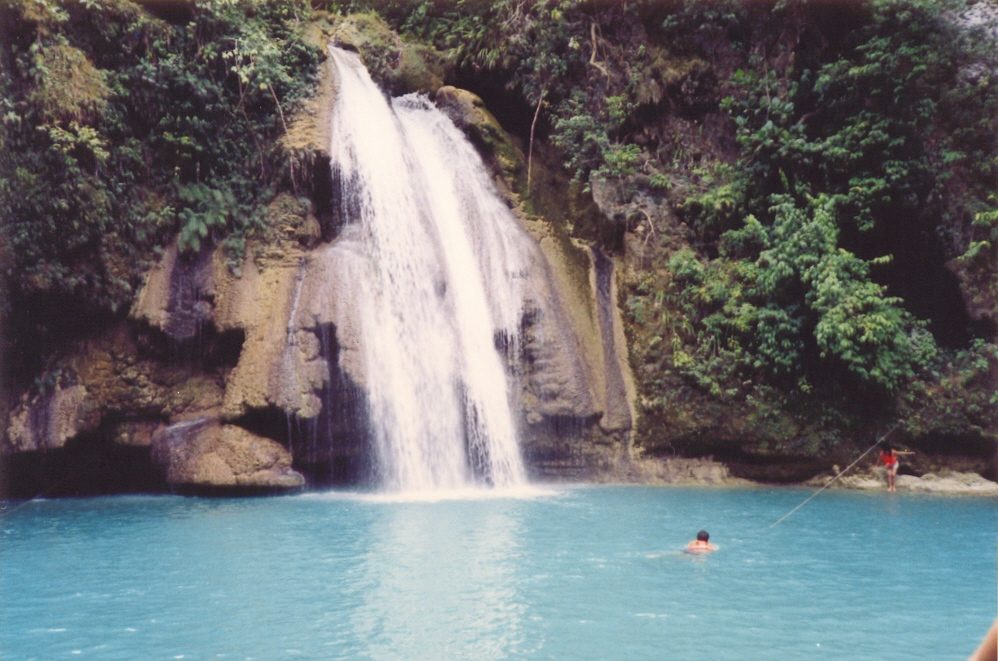
One more point for the adventurous: the Philippines is a paradise for the outdoors — canyoneering at Kawasan Falls, world-class diving, surfing, volcano treks — and the single best safety decision you can make is to go with licensed, well-reviewed operators who provide proper equipment. The cheapest guide on the beach is not where you want to economise.
Is the Philippines Safe for Solo Female Travelers?
Yes — and it is one of the easier countries in Asia to travel solo as a woman, which is not something I say lightly. English is everywhere, the culture is warm and quick to help, and the well-trodden backpacker and island routes mean you are rarely truly alone unless you want to be. Plenty of women travel the Philippines independently every year and come home raving about it.

That does not mean switching off. The precautions you would take in any unfamiliar country apply here: favour accommodations with strong reviews from other solo women, use Grab rather than walking alone late at night, keep someone at home updated on your plans, and be a little guarded about advertising that you are travelling alone. Catcalling and unwanted attention do happen, more in Manila than on the islands, but serious incidents against foreign women are uncommon. Makati and BGC are the obvious safe bases in the capital, and organised island-hopping day tours in places like El Nido and Coron make for easy, sociable, low-stress days on the water. Trust your instincts; if a situation feels off, remove yourself from it, and know that locals will overwhelmingly help a traveler who asks.
Safety by Traveler Type
Families with children
The Philippines is wonderfully child-friendly — Filipinos dote on kids, and resorts are well set up for families. The watch-points are the practical ones: heat and sun, water safety around pools and beaches, mosquito protection, and the long transfer times between islands, which little ones find tiring. Stick to the established resort areas and you have an easy family destination.
LGBTQ+ travelers
Socially, the Philippines is among the most welcoming countries in Asia for LGBTQ+ visitors. Homosexuality has never been criminalised, the culture is broadly accepting, and Manila, Cebu, Boracay and Palawan all have visible, comfortable scenes; Manila Pride each June is one of the largest in Asia. The honest caveat is that legal protections lag the social warmth — there is no marriage equality and only patchy anti-discrimination law — and in conservative rural and Muslim-majority areas a little discretion with public affection is sensible. For the vast majority of trips, gay and lesbian travelers report feeling relaxed and genuinely welcome.
Older travelers and nervous first-timers
Older visitors do very well here, especially those who base themselves in good resorts and use private transfers rather than wrestling with public transport and long ferry days. First-timers anxious about the logistics should consider starting in Cebu or Bohol, where the infrastructure is smooth, English is universal and the classic sights sit close together — my Cebu travel guide makes a gentle on-ramp.

Where It Is Safest to Go (and Where to Think Twice)
Pulling it all together, here is how the headline destinations stack up on safety. The pattern is clear: the islands are reliably calm, the cities want a little more awareness, and only the far south is genuinely off the list.
| Destination | Safety verdict | What to keep in mind |
|---|---|---|
| Palawan (El Nido, Coron) | Very safe | Low crime; the usual sea, sun and small-boat sense. |
| Boracay | Very safe | Heavily touristed and patrolled; watch belongings on a busy beach. |
| Cebu & Bohol | Very safe | Smooth infrastructure; mind the road on scooters and use guides for canyoneering. |
| Siargao | Very safe | Relaxed surf island; scooter caution; far from the southern conflict zones. |
| Siquijor & Camiguin | Very safe | Quiet, friendly small islands with minimal crime. |
| Manila | Safe with awareness | Stick to Makati, BGC and the tourist cores; avoid Tondo and rough areas at night. |
| Northern Luzon (Banaue, Sagada, Vigan) | Very safe | Mountain roads and weather are the concern, not crime. |
| Davao City | Generally fine, with awareness | Orderly metro; check current advisories for the wider region. |
| Western/central Mindanao & Sulu | Do not travel | Insurgency and kidnapping risk; off-limits. |
If you want help turning the green-light destinations into a route that flows, the Philippines itinerary guide builds one-to-four-week trips entirely around these safe regions, the Palawan travel guide covers the country’s flagship destination in depth, and the things to do in the Philippines guide rounds up the experiences worth building a trip around.
12 Practical Safety Tips for the Philippines
Distilled from everything above, here is the checklist I would tape to the inside of your daypack:
- Buy comprehensive travel insurance that covers medical evacuation, adventure activities and, if relevant, motorbikes.
- Use Grab in the cities for fixed fares and an accountable, traceable driver.
- Sort your entry paperwork early, including the online eTravel registration — see the visa and entry requirements guide.
- Drink only sealed or filtered water, and be sensible about ice in very basic places.
- Wear mosquito repellent at dawn and dusk, especially in the rainy season.
- Respect the road: helmet on, go slow, no night riding, no riding after drinking.
- Watch the weather with the PAGASA app, and never sail into a storm.
- Keep digital and paper copies of your passport, insurance and key bookings.
- Avoid the conflict zones of western and central Mindanao and the Sulu Archipelago entirely.
- Decline unsolicited approaches involving prizes, games or your bank details.
- Carry a little cash for places with patchy card acceptance — but do not flash it.
- Save the emergency numbers below in your phone before you need them.
Emergency Numbers and Useful Resources
Program these into your phone on arrival. Encouragingly, the country has been investing in visitor safety lately, deploying hundreds of dedicated tourist police to major destinations and distributing emergency-contact cards to arrivals in 2026.
| Service | Contact |
|---|---|
| National emergency hotline (police, fire, medical) | 911 |
| Department of Tourism — Tourist Assistance | (02) 8524-1728 |
| Weather warnings | PAGASA — pagasa.dost.gov.ph (and its mobile app) |
| Earthquakes & volcanoes | PHIVOLCS — phivolcs.dost.gov.ph |
| Your embassy or consulate | Save the local number on arrival; register for alerts before you travel |
So, Is the Philippines Safe? The Final Verdict
After all of that, let me bring it back to the question you arrived with. Is the Philippines safe? Yes — for the trip you are almost certainly planning, it is a safe, friendly and genuinely rewarding place to travel, on a par with the popular countries of South-East Asia and rated no higher-risk than much of Europe. The dangers that make headlines are concentrated in a far-southern region you will not visit. The dangers that are actually statistically meaningful — the road, the sea, the sun and the mosquito — are the same ones you manage on any tropical trip, with the same unglamorous, effective precautions.
Go in with clear eyes rather than fear. Skip the conflict zones, respect the weather and the water, wear the helmet, use Grab, drink bottled water and buy proper insurance, and you have removed the overwhelming majority of the real risk. What is left is one of the warmest welcomes and most beautiful coastlines on the planet. Book the flight.
Frequently Asked Questions
Is the Philippines safe for American tourists?
Yes. American visitors travel the main destinations — Palawan, Cebu, Bohol, Boracay, Siargao and Manila’s tourist districts — without trouble, and the US State Department rates the country Level 2, the same as France or Spain. The only places to avoid are western and central Mindanao and the Sulu Archipelago in the far south, which carry a Level 4 “do not travel” warning. Stay out of those and you are in ordinary-travel territory.
Is it safe for a woman to travel alone in the Philippines?
Generally, yes, and it is one of the more comfortable Asian countries for solo women thanks to widespread English and a helpful culture. Take the standard precautions — well-reviewed accommodation, Grab after dark, discretion about travelling alone, instincts switched on — and most solo female travelers have a smooth, sociable trip, especially on the organised island routes.
What parts of the Philippines should I avoid?
Western and central Mindanao, the Sulu Archipelago and Sulu Sea, and Marawi City, all in the far south, because of insurgency and kidnapping risk. In Manila, avoid Tondo and the rougher fringes, particularly after dark. Everywhere else on the standard tourist map is considered safe.
Is Manila safe for tourists?
Yes, with normal big-city awareness. Base yourself in Makati or Bonifacio Global City, enjoy Intramuros and the bay by day, use Grab at night, and watch your belongings in crowds. Petty theft is the main risk; violent crime against tourists is uncommon in the districts you will actually use.
Is the Philippines safer than Thailand?
They are broadly comparable, and both sit at similar advisory levels for most travelers. Thailand has more developed tourist infrastructure; the Philippines has the southern conflict zones to avoid. For the regions tourists actually visit, the everyday risks — petty theft, road accidents, the occasional scam — are similar, and both are safe with sensible precautions.
Is it safe to travel to the Philippines right now, after the June 2026 earthquake?
Yes. The magnitude 7.8 quake on 8 June 2026 struck the far south-west of Mindanao, hundreds of kilometres from the main tourist islands, which were unaffected. If your trip runs through Palawan, the Visayas, Luzon or Siargao, it is unaffected. Only travel into southern Mindanao itself warrants checking PHIVOLCS and local news for aftershocks and infrastructure first.
Do I need travel insurance for the Philippines?
Not legally, but in practice, yes — treat it as essential. Medical care on remote islands is basic and an evacuation can be eye-wateringly expensive, so a policy covering medical evacuation (plus motorbikes and adventure activities if relevant) is the most important purchase you will make.
Is the tap water safe to drink in the Philippines?
No. Drink sealed bottled or properly filtered water, and be cautious with ice in very basic establishments, although commercially produced ice in reputable places is fine.
Photo Credits
All photographs are used under their respective free licences via Wikimedia Commons. Thank you to the photographers who share their work:
- El Nido, Palawan — Photo: Vyacheslav Argenberg / CC BY 4.0 via Wikimedia Commons (source).
- White Beach, Boracay — Photo: Tuderna / CC BY 3.0 via Wikimedia Commons (source).
- The Makati and Metro Manila skyline — Photo: YZJay / CC0 via Wikimedia Commons (source).
- Manila Cathedral, Intramuros — Photo: Wide Awake! / CC BY 4.0 via Wikimedia Commons (source).
- The Chocolate Hills, Bohol — Photo: Vyacheslav Argenberg / CC BY 4.0 via Wikimedia Commons (source).
- Kawasan Falls, Cebu — Photo: Public domain via Wikimedia Commons (source).
- A jeepney, Philippine public transport — Photo: CEphoto, Uwe Aranas / CC BY-SA 3.0 via Wikimedia Commons (source).
- Mayon Volcano, Albay — Photo: Ray in Manila / CC BY 2.0 via Wikimedia Commons (source).
- The Sinulog Festival, Cebu — Photo: CharMel Creations / CC BY-SA 4.0 via Wikimedia Commons (source).
Sources
This guide draws on official travel advisories, health authorities and current reporting, current as of June 2026:
- U.S. Department of State — Philippines Travel Advisory: travel.state.gov
- UK Foreign, Commonwealth & Development Office — Philippines travel advice: gov.uk/foreign-travel-advice/philippines
- Australian Government — Smartraveller, Philippines: smartraveller.gov.au
- Government of Canada — Travel advice for the Philippines: travel.gc.ca/destinations/philippines
- U.S. CDC Travelers’ Health — Philippines (vaccines and health): wwwnc.cdc.gov
- PHIVOLCS — earthquake and volcano bulletins and alert levels: phivolcs.dost.gov.ph
- PAGASA — weather and tropical-cyclone warnings: pagasa.dost.gov.ph
- 2026 Mindanao earthquake coverage: Al Jazeera and overview
- Philippine Department of Health dengue surveillance (2026 figures), via Philippine Daily Inquirer
About this guide: This safety guide is part of PhilippinesTourism.org, an independent resource for planning a trip to the Philippines. It was last reviewed in June 2026 against the latest government travel advisories and on-the-ground reporting. Travel conditions change, so always check the official advisory for your own nationality, along with the PHIVOLCS and PAGASA bulletins, close to your departure date. We are not affiliated with any government agency, and nothing here is a substitute for professional medical, legal or security advice.