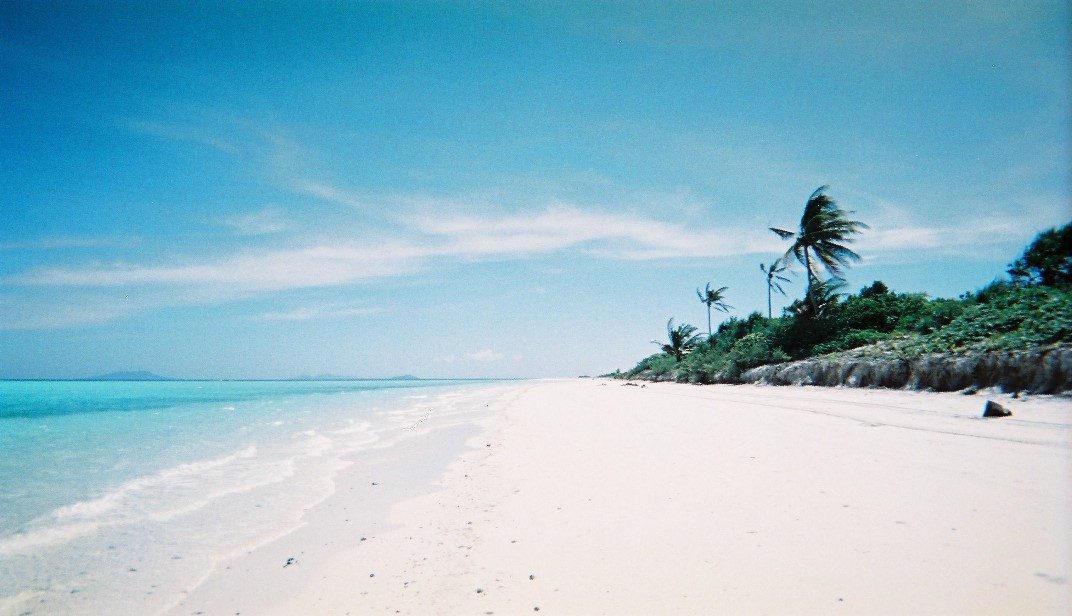
Amanpulo and the Ultra-Luxury Private Islands
Amanpulo is the Aman group’s private-island resort on Pamalican Island in Palawan’s Cuyo Archipelago, encircled by 5.5 kilometres of coral sand and reached by a private flight from Clark. It is the most famous name in Philippine luxury, but it is not the only one. This guide covers Amanpulo in depth, then lines it up honestly against the other ultra-luxury private islands worth your money.
This is the very top end of where to stay in the Philippines. Rates below are 2026 figures, hedged where they should be, in both pesos and dollars (roughly PHP 63 = USD 1). Where a resort’s pricing is genuinely opaque, I say so rather than invent a number.
The ultra-luxury private islands at a glance
Seven properties, sorted loosely from “second mortgage” to “merely expensive.” Treat the rates as starting points for 2026 and always confirm at the time of booking, because the top end moves with season and package.
| Resort | Location | Access | Rough rate (from) | Best for |
|---|---|---|---|---|
| Amanpulo | Pamalican Island, Cuyo, Palawan | Private flight from Clark (~90 min) | ~PHP 90,000+ / ~$1,430+ per night | The full private-island fantasy, total seclusion |
| Pangulasian Island | Bacuit Bay, El Nido, Palawan | Flight to El Nido + boat transfer | ~PHP 61,000+ / ~$950+ all-inclusive | El Nido’s lagoons on your doorstep |
| Nay Palad Hideaway | Siargao, Surigao del Norte | Flight to Siargao + transfer | High four figures USD, all-inclusive (enquire) | Barefoot luxury, surf-island setting |
| Huma Island | Busuanga, near Coron, Palawan | Flight to Busuanga + boat | ~PHP 16,000+ pp / ~$250+ pp | Overwater villas at a (relative) value |
| Cauayan | Near El Nido, Palawan | Flight to El Nido + boat | ~PHP 30,000+ / ~$480+ per night | Smaller, quieter El Nido base |
| Sangat Island | Coron Bay, Palawan | Flight to Busuanga + boat | ~PHP 18,000+ / ~$290+ per night | Wreck diving and rustic-luxe seclusion |
| Balesin | Polillo group, off Quezon | Private flight (members only) | Membership-based, not nightly | Members and their guests only |
If you only have the budget and the time for one of these, the honest decision usually comes down to Amanpulo versus Pangulasian, and I will get to that comparison properly below. First, the headline act.
Amanpulo: the resort that owns its island
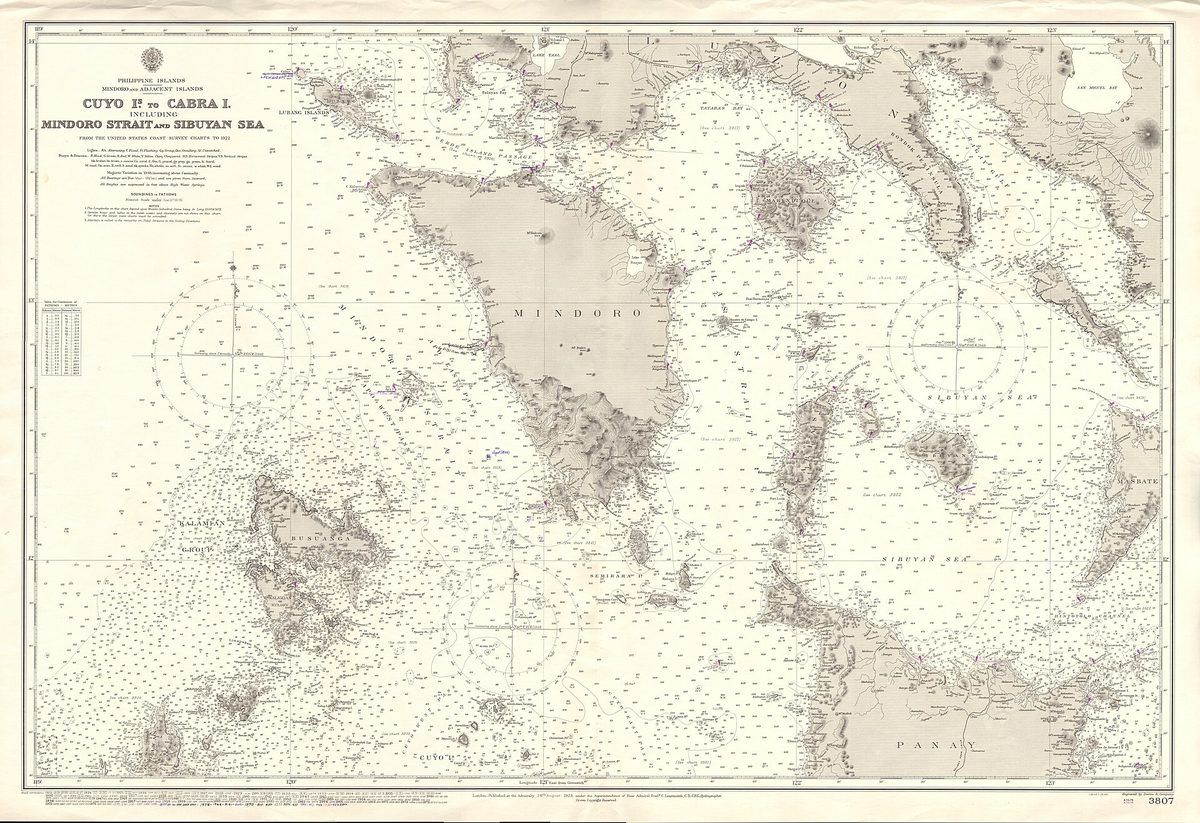
Amanpulo opened in December 1993 and is the only resort on Pamalican Island, and the origin story is almost too good. The Soriano family came across Pamalican Island while sailing through the Sulu Sea during a typhoon in the early 1980s. The island was not even marked on most charts. They invited Adrian Zecha, founder of Aman, to develop it, and the legend goes that Zecha sketched the layout from a helicopter during an aerial survey and sealed the partnership with a handshake in the air. The resort is still majority-owned by the Sorianos’ A. Soriano Corporation (ANSCOR), which is how it satisfies the constitutional rules on foreign land ownership.
The name itself tells you the brief: aman is Sanskrit for peace, pulo is Tagalog for island. Peaceful island. Amanpulo has Pamalican to itself, its 5.5-kilometre coral-sand shoreline ringed by coral reef and that absurd turquoise water, which is the single biggest thing that separates Amanpulo from almost everywhere else in this guide. There is no town, no day-tripper boat traffic, no other hotel sharing your beach. You are not staying on a private island in the marketing sense. You have the island.
The rooms: casitas and villas
Accommodation splits into freestanding casitas and 17 multi-bedroom villas, all designed by the late Filipino architect Francisco Mañosa in the spirit of the bahay kubo, the traditional nipa hut, with thatched-style roofs, natural materials and big open-air volumes that catch the sea breeze.
The casitas are the entry point, and “entry” is doing a lot of work in that sentence. Each is a generous standalone pavilion with a king bed, a sundeck and its own buggy (a golf cart) for getting around the island. They come in a few flavours:
- Beach Casitas sit right along the white sand with wooden decks and hammocks strung between palms. The Beach Pool versions add a private plunge pool a few steps from the water.
- Hillside and Deluxe Hillside Casitas climb the island’s gentle rise for elevated sea views, the Deluxe ones with the better outlook.
- Treetop Casitas are tucked into the forest canopy, with decks that look out over rainforest rather than beach. There is also a Treetop Pool option.
- Grand Beach Pool Casita sits on the secluded eastern edge for the most privacy.
The villas are a different animal entirely: one to four bedrooms, each a private compound with its own swimming pool, full kitchen, expansive outdoor living space and, crucially, a dedicated chef and butler. The Lagoon and Palawan Villas include four-bedroom options. This is the bracket families and groups book when they want to disappear together, and it is the bracket where the price stops being a number and starts being a conversation.
Dining on Pamalican
For an island this remote, the food operation is serious. Produce comes off an on-site organic farm where the chefs handpick vegetables and herbs daily, and seafood is landed locally. There are several venues, some open seasonally:
- The Clubhouse is the all-day anchor, blending Filipino specialities with Southeast Asian and international dishes, indoor and poolside.
- The Beach Club on the western shore does Mediterranean food and seafood, and it is the sunset-cocktail spot.
- The Lagoon Club on the east coast leans Japanese.
- The Picnic Grove is a casual open-air lunch venue under the trees.
Then there is the Aman party trick: destination dining. Private picnics in a hidden cove, a candlelit table on a sandbank, a barbecue at your villa, or lunch at the floating Kawayan bamboo bar moored offshore for lounging between snorkel sessions. These carry extra charges, but they are the meals people remember.
What there is to do
Amanpulo’s whole posture is “do as little or as much as you like,” but the as-much end is well stocked. The Aman Spa sits on a hilltop with sea views and runs the full wellness programme, yoga and meditation included. There is a PADI dive centre working the surrounding reefs, plus non-motorised watersports (paddleboarding, sailing, windsurfing, snorkelling), a kite and surf centre, tennis, jungle trails and bicycles. Every stay includes daily breakfast, afternoon tea at the Clubhouse, a morning snorkelling trip from the beach, a daily wellness class and use of the wellness facilities, which softens the per-night sting a little. A little.
Getting to Amanpulo
This is the part people underestimate. You do not fly commercial to Pamalican, because there is no commercial service. Amanpulo runs its own flights from the Amanpulo Lounge hangar at Clark International Airport, on a 12-seat twin-engine turboprop, landing on the island’s private airstrip. The hop takes approximately 90 minutes each way, with two scheduled departures in each direction daily, subject to availability. The transfer is booked through the resort as part of your stay and is a meaningful additional cost on top of the room, not a rounding error. Guests with their own aircraft can pre-arrange to land, and the strip handles certain small jets and helicopters, but for mere mortals it is the resort turboprop.
One practical note that trips people up: the small plane means strict luggage limits, so this is a soft-bag, pack-light kind of trip despite the five-star price tag. If Palawan is the centre of your itinerary, our wider Palawan guide covers the region’s logistics in more detail.
What it is really like, and who it is for
Here is my honest read. What you are paying for at Amanpulo is not thread count or a fancier minibar. It is the absence of everything else: no crowds, no boats cutting across your view, no resort next door, no schedule you did not choose. The seclusion is the product, and on that score almost nothing in Asia competes. The service is the genuinely warm, anticipatory Aman style, and the setting, all powder sand and reef, is as good as the photographs for once.
It is also not the place for everyone, and not just because of the money. There is no nightlife, no shopping, no nearby town to wander into, and the island-hopping spectacle of El Nido is a long way off. If your idea of a great trip involves variety, restaurants you discover, or simply leaving the property, you may find Amanpulo quiet to the point of isolating. It rewards couples on a milestone trip, families who want one another and nothing else, and anyone whose definition of luxury is being genuinely unreachable. It suits a honeymoon beautifully; our guide to The Best Honeymoon Resorts in the Philippines puts it in context with gentler-on-the-wallet alternatives.
Is Amanpulo worth it?
If you are asking yourself whether the spend is justifiable, the answer is probably a casita rather than a villa, and probably for three or four nights rather than a week. At casita level you get the island, the service and the seclusion for a sum that, while eye-watering, buys a genuinely singular experience you cannot replicate by spending the same money across several ordinary hotels. At villa level, with the private chef and butler and the four bedrooms, you are into a different financial universe, and the value calculation becomes personal. Is it worth it? For the right trip and the right wallet, yes, with the asterisk that the all-in cost, flights and extras included, lands well above the headline room rate. Go in with clear eyes about that and you will not be disappointed; go in expecting the published nightly figure to be the bill and you will be.
How much does Amanpulo cost in 2026?
Let me be straight about the numbers, because this is where most articles either guess or quote a single rate as gospel. Amanpulo prices vary enormously by season, casita category, villa size and package. As a 2026 reference, casita rates through booking partners and the resort’s own offers have ranged from roughly PHP 90,000 to PHP 140,000 a night (around $1,430 to $2,200), with promotional packages occasionally dipping a little lower and peak dates running higher. Extra adults are charged on top (around $270 plus taxes per night), and rates carry a 10% service charge, with an additional 12% government tax for Philippine nationals and residents.
The villas are the part nobody pins down publicly, and for good reason. A multi-bedroom villa comes with its own chef, butler and pool. If you are pricing a villa, you enquire directly. Anyone quoting you a precise villa rate off a webpage is guessing.
For a fuller picture of the top end across the country, our luxury Philippines travel guide sets Amanpulo’s pricing against city hotels and other resorts.
The other ultra-luxury private islands, compared
Amanpulo is the summit, but it is not the only worthwhile climb, and for a lot of travellers one of these will actually be the better trip. Here is how the serious contenders stack up.
Pangulasian Island, El Nido Resorts
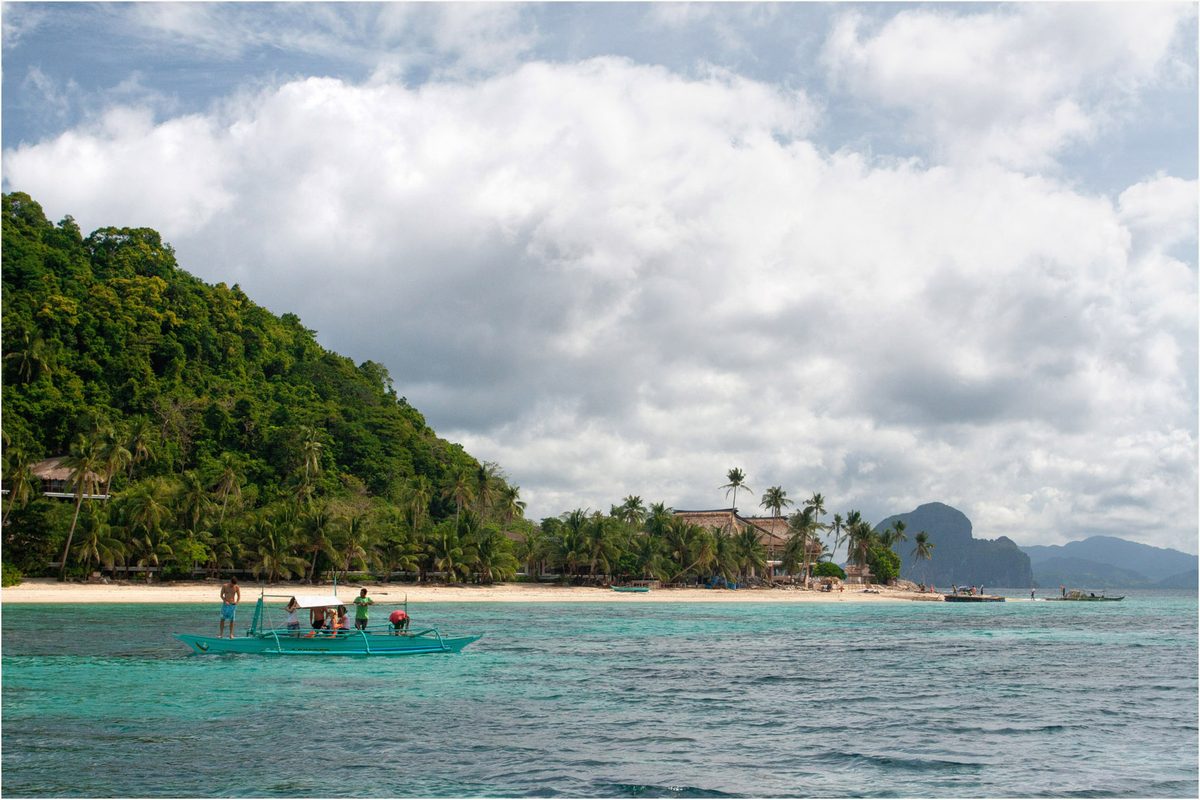
If Amanpulo’s weakness is that there is nothing around it, Pangulasian’s strength is that everything is. This is El Nido Resorts’ flagship eco-luxury property, set on its own island in Bacuit Bay with the limestone-cliff lagoons of El Nido a short boat ride away. Forty-two contemporary Filipino villas, an infinity pool, a spa, and rates from around PHP 61,000 ($950) a night that are all-inclusive of food and drink, which makes the comparison with Amanpulo’s room-only pricing closer than it first looks.
For my money, Pangulasian is the smarter choice for a first big Philippine trip. You get the private-island feel and genuine luxury, but you can spend your days island hopping the Bacuit Archipelago, which is some of the most spectacular scenery on Earth, and come back to a beautiful room. Amanpulo is more secluded and more polished; Pangulasian is more connected to why you came to Palawan in the first place.
Nay Palad Hideaway, Siargao
Formerly known as Dedon Island, Nay Palad Hideaway is the barefoot-luxury counterpoint to Amanpulo’s manicured perfection. It sits on the surf island of Siargao with just ten villas and an all-inclusive model that bundles meals, most drinks (Champagne and premium wines cost extra), spa treatments and listed activities into the rate. It consistently ranks at the very top of Siargao’s hotels.
The vibe is deliberately less starchy than an Aman: think design-led, intimate and laid-back rather than grand. Rates depend on your dates, so request a quote through the hideaway’s booking page. If you want top-tier seclusion with a surf-island soul rather than a private-island fortress, this is the one.
Huma Island Resort & Spa, near Coron
Huma is the closest the Philippines gets to a Maldives-style overwater experience, and it is comfortably the (relative) value play in this guide. On its own island off Busuanga near Coron, it is built around villas, many of them on stilts over the water. Rates have started from around PHP 16,000 per person per night ($250) on introductory and package deals, a fraction of the Amanpulo tier.
It is not pretending to be an Aman, and you should not expect that level of finish or service. But if the dream is specifically an overwater villa with the lagoon under your deck, Huma delivers it without the private-flight surcharge. We dig into this category properly in our guide to Overwater Bungalows in the Philippines.
Cauayan, near El Nido
Cauayan (you will also see it as Cauayan Boutique Private Island, formerly Cauayan Island Resort) is a smaller, quieter alternative in the El Nido area, set within a protected marine reserve. It has 30 villas in eight categories, including pool villas with optional butler service at an additional charge, and Lagoon Villas are advertised from PHP 30,000 ($480) a night. It is a softer, more intimate base than the big-name resorts, well suited to travellers who want El Nido’s water and reefs without a large property’s bustle.
Sangat Island, Coron Bay
Sangat is the wildcard for divers. It is a rustic-luxe dive resort on its own island in Coron Bay, with native-style cottages and chalets and a tri-level villa with private beachfront, and rates from around PHP 18,000 ($290) a night. The draw is the location: Coron’s famous WWII Japanese shipwrecks are right there, and this is one of the best bases in the country for working through them. Do not come expecting Aman polish; come for the diving and the genuine island seclusion at a sane price.
Balesin: the members-only outlier
Balesin gets mentioned in every private-island conversation, so it needs clearing up: it is not a resort you can simply book. Alphaland’s Balesin Island Club, in the Polillo group off Quezon, is a members-only club, and access generally means being a member or the guest of one. Alphaland’s Balesin Key membership has been introduced at around PHP 1.9 million, bundling complimentary villa nights across multiple properties. The island itself, with its themed “village” zones and private flights from Manila, is genuinely impressive, but for the general traveller it is effectively closed. If you are not a member and do not know one, it is not an option, and any site implying you can just reserve a room is misleading you.
So which private island should you choose?
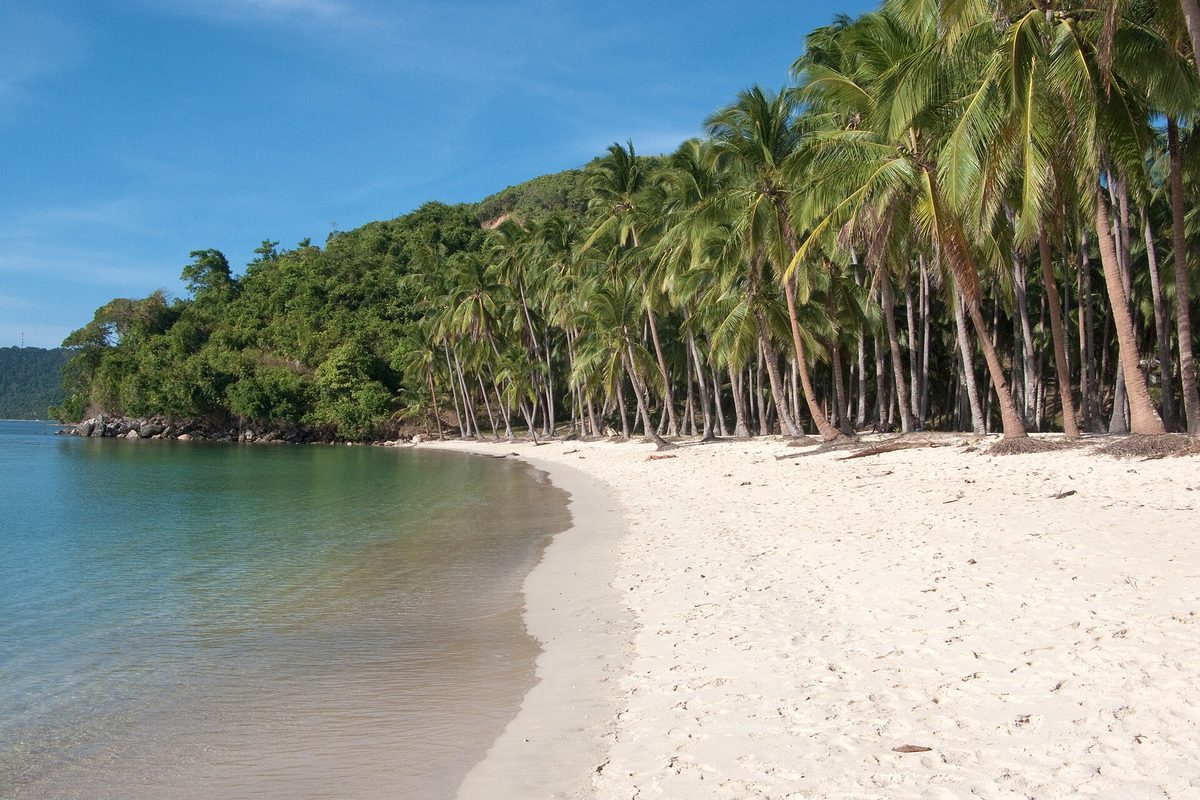
After all this, my practical advice. For the ultimate seclusion-is-the-point splurge with flawless service and your own island, it is Amanpulo, eyes open about the all-in cost. For a first big Palawan trip where you want luxury and the lagoons, Pangulasian is the better-balanced and (all-inclusive) better-value choice. For barefoot design-luxury with a surf-town pulse, Nay Palad. For an overwater villa without remortgaging, Huma. And for divers, Sangat. They are all “private islands,” but they are aimed at genuinely different trips, which is exactly why the lazy ranked lists do you a disservice. If you are still weighing destinations rather than resorts, our roundups of the best islands in the Philippines and the country’s best beaches are a good next step.
Frequently asked questions
How much does Amanpulo cost per night?
As a 2026 reference, casita rates have ranged from roughly PHP 90,000 to PHP 140,000 a night (about $1,430 to $2,200), depending on season, casita type and package, with extras like the private flight, service charge and taxes on top. The multi-bedroom villas, which include a private chef and butler, climb into many thousands of dollars per night and are priced on enquiry rather than published.
How do you get to Amanpulo?
By a private flight that the resort operates from its own lounge at Clark International Airport, on a 12-seat twin-engine turboprop landing on Pamalican Island’s private airstrip. The flight takes approximately 90 minutes each way and is booked through the resort as part of your stay. There is no commercial service to the island and no ferry, so the resort flight is the only practical way in. Pack light, as luggage limits are strict.
Is Amanpulo all-inclusive?
No. Amanpulo’s rates include daily breakfast, afternoon tea, a morning snorkelling trip, a daily wellness class and use of the wellness facilities, but most meals, drinks, spa treatments, diving, private dining and the flights are charged separately. By contrast, some rivals like Pangulasian and Nay Palad run genuinely all-inclusive models, which is worth factoring into any price comparison.
What is the best private island resort in the Philippines?
For sheer seclusion and service, Amanpulo is the benchmark, with its casitas and 17 private villas. But “best” depends on the trip: Pangulasian is better placed for El Nido’s lagoons, Nay Palad nails barefoot design-luxury on Siargao, and Huma is the pick for an affordable overwater villa. Match the island to the holiday you actually want.
Can you visit Amanpulo just for the day?
No. Amanpulo is a private island accessible only to resort guests via the resort’s own flights, so there are no day trips, day passes or visitor access. The whole point of the place is that nobody is there except guests and staff. Access is by the resort’s private flight from Clark, and Amanpulo is the only property on the island.
Is Balesin open to the public?
Not really. Alphaland’s Balesin Island Club is a members-only club, and access generally requires being a member or travelling as a member’s guest. There is no standard public booking, so if you are not connected to the membership, it is effectively off-limits, and the other islands in this guide are your realistic options.
Sources and photo credits
Photo credits
- Pamalican Island and the Cuyo reef — author and license as listed in image metadata, via Wikimedia Commons
- Aerial of a Cuyo Islands sandbar, Palawan — author and license as listed in image metadata, via Wikimedia Commons
- Pangulasian Island, El Nido — author and license as listed in image metadata, via Wikimedia Commons
- El Nido private-island and Bacuit Bay scenery — author and license as listed in image metadata, via Wikimedia Commons
Sources
- Amanpulo official site (Aman) — accommodation, dining, getting here and inclusions
- Amanpulo — Wikipedia — history, ownership, room and villa counts
- El Nido Resorts — Pangulasian Island details
- Philippine Department of Tourism — official travel portal
About this guide: PhilippinesTourism.org independently researches every recommendation; rates and details verified November 2026.