Where to Stay in the Philippines: Resorts and Areas
Where to stay in the Philippines comes down to one decision most guides skip: you are choosing islands, not a single hotel. With more than 7,600 of them, the country rewards people who pick two or three bases that match their trip and string them together by short flights and ferries. For a first visit I tell friends to combine Palawan (El Nido or Coron) with either Boracay for the beach or Cebu and Bohol for variety, then choose the actual room by budget and vibe. This guide breaks down every major area, names real resorts and hostels, and gives honest 2026 prices in pesos and US dollars so you can book with your eyes open.
I have spent months across these islands over several trips, made the classic mistakes (two nights wasted in the wrong town, one ferry I should never have booked), and watched prices climb as the peso slid to around ₱61 to the US dollar in mid-2026. What follows is the resource I wish I had on my first trip: a comparison table to scan, a way to think about the archipelago, what each accommodation tier actually costs now, and a frank walk through Palawan, Boracay, Cebu, Bohol, Siargao, Manila and a handful of quieter islands worth basing on.
Where to Stay in the Philippines at a Glance
Here is the short version. Use this table to shortlist two or three areas, then read the detailed section for each. Prices are a typical mid-range double room per night in 2026; budget and luxury sit well below and above. “Nearest airport” is the practical one you will fly into, and “driest months” is roughly when each area sees its best weather, which feeds straight into price.
| Area | Best for | Vibe | Nearest airport | Min. nights | Mid-range double (2026) | Driest months |
|---|---|---|---|---|---|---|
| El Nido & Coron (Palawan) | First-timers, island-hopping | Dramatic limestone, boats, laid-back | El Nido (ENI) / Busuanga (USU), now via Clark | 3–4 | ₱3,500–8,000 ($57–130) | Dec–Apr |
| Boracay | Beach resorts, nightlife | Polished, busy, sociable | Caticlan (MPH) | 3 | ₱4,000–9,000 ($65–150) | Nov–May |
| Cebu & Mactan | Convenience, diving, families | City plus resort coast | Cebu/Mactan (CEB) | 3–4 | ₱3,000–7,500 ($50–125) | Dec–May |
| Bohol (Panglao) | Families, easy beaches | Calm, resort-lined, green interior | Bohol-Panglao (TAG) | 2–3 | ₱3,000–7,000 ($50–115) | Dec–May |
| Siargao | Surf, slow mornings, solo | Barefoot, surf-town cool | Sayak/Siargao (IAO) | 4–5 | ₱2,500–6,500 ($40–105) | Mar–Oct |
| Manila | Stopovers, flights, city | Sprawling, urban, useful | Manila (MNL) | 1–2 | ₱3,500–8,000 ($57–130) | Dec–Apr |
| Siquijor | Quiet, motorbikes, value | Sleepy, mystical, unhurried | Dumaguete (DGT) + ferry | 2–3 | ₱2,000–5,000 ($33–80) | Mar–May |
| Camiguin | Off-radar nature | Volcanic, lush, local | Cagayan de Oro (CGY)/Camiguin (CGM) | 2–3 | ₱2,000–4,500 ($33–75) | Mar–Jun |
| Dumaguete & Apo | Diving, long stays | University town, easygoing | Dumaguete (DGT) | 2–4 | ₱1,800–4,500 ($30–75) | Mar–May |
| La Union (Luzon) | Weekend surf near Manila | Café-and-surf, weekendy | Manila/Clark + drive | 2 | ₱2,500–6,000 ($40–100) | Nov–Apr |
If you only remember one thing: do not try to “see the Philippines” from a single hotel. Two well-chosen bases over ten days beats five rushed ones. For help slotting these into a route, our day-by-day Philippines itinerary shows how the islands connect, and the best islands in the Philippines guide goes deeper on each one’s character.
How to Decide Where to Stay
Three questions sort almost everyone into the right area: how you want to spend your days, how you are getting between islands, and how the seasons move prices. Get those right and the specific resort is the easy part.
Choose islands first, then a town, then a room
The Philippines is not a place you base in one spot and day-trip from. The islands are spread across hundreds of kilometres of sea, and the “quick hop” between two famous spots is often a flight back through Manila or Cebu. So the order of decisions matters. Start by picking islands that suit your trip, then the town or beach within each island (this is where most people go wrong — El Nido town and the El Nido island resorts are an hour apart by boat and feel like different holidays), and only then the room. Our guide to getting around the Philippines covers the flight-and-ferry logistics in detail; for accommodation, the key is to cluster your nights so you are not repacking every morning.
Match the island to the kind of trip you want
Beach-and-resort first-timers do well in Boracay or Bohol’s Panglao. Island-hopping and scenery point to Palawan. Divers gravitate to Cebu (Moalboal, Malapascua), Bohol (Balicasag), Dumaguete (Apo Island) and Anilao. Surfers go to Siargao or, for a quick Luzon fix, La Union. Couples after quiet splurge on the El Nido island resorts or Amanpulo; families want shallow beaches, pools and short transfers, which is Panglao and Mactan to a tee. Backpackers and solo travellers find the easiest social scene in Siargao, El Nido and Cebu. I will give named picks for each of these later in the by-traveller section.
Understand how seasons move the price
Two monsoons shape the calendar. The Amihan (roughly December to May) brings the dry, breezy weather most of the country calls high season, and it peaks hard around Christmas-New Year and Holy Week, when rates on the popular islands can double and the best rooms vanish months ahead. The Habagat (roughly June to October) is the southwest monsoon — wetter, cheaper, and genuinely fine for travel if you stay flexible, though it overlaps typhoon season. Siargao is the contrarian: its best surf and weather run March to October, so it is busy when much of the country is quiet. For the full month-by-month picture, see our best time to visit the Philippines guide. The practical takeaway for booking: shoulder months (late October to early December, and again in May and June) are the sweet spot, with resorts often 30–40% below peak.
Philippines Accommodation and What It Costs in 2026
One thing nearly every “where to stay” listicle leaves out is the actual money. Here is the honest ladder, from a ₱500 dorm bed to a ₱120,000 private-island casita, with the trade-offs at each rung. All figures are 2026 ranges and move with season and island; El Nido, Coron and Siargao run noticeably pricier than the national average because everything arrives by boat.
| Style | Typical 2026 price / night | What you get | Best on |
|---|---|---|---|
| Hostel dorm | ₱500–1,200 ($8–20) | Bunk, fan or AC, social common area | Siargao, El Nido, Cebu, Manila |
| Guesthouse / pension / homestay | ₱1,200–2,800 ($20–46) | Simple private room, sometimes shared bath | Everywhere; best value off the big islands |
| Mid-range hotel or beach resort | ₱3,000–6,500 ($50–105) | AC double, pool, breakfast, reliable Wi‑Fi | Panglao, Mactan, Boracay, Puerto Princesa |
| Boutique / 4–5 star resort | ₱7,000–18,000 ($115–295) | Design, beachfront, spa, real service | Boracay, Mactan, Panglao, El Nido town |
| Ultra-luxury / private island | ₱30,000–120,000+ ($490–1,950+) | All-inclusive villas, often your own beach | El Nido island resorts, Amanpulo, Nay Palad |
For a whole-trip view that folds in flights, food and tours alongside rooms, pair this with our Philippines travel cost and budget guide. As a rule of thumb, accommodation will be your second-biggest line after inter-island flights, and it is the one where a little flexibility on dates saves the most.
Where to actually book, and how to not overpay
In the Philippines, Agoda usually has the deepest inventory and the sharpest prices — it has long been the dominant platform across Southeast Asia, with stronger local hotel relationships than its rivals. Booking.com is close behind and wins on free cancellation, which it offers on the majority of its listings; that flexibility is worth real money in a country where a typhoon can rearrange your week. My habit is to compare the same room on both, then check the property’s own Facebook page or email, because many small island resorts quote lower direct rates and some are not on the big sites at all. Airbnb is strong for apartments in Manila, Cebu and Boracay and for villas on Siargao, but thinner on the remote islands. Two practical notes: carry enough cash for the smallest places (El Nido, Siquijor and Camiguin still run heavily on pesos, and card machines are scarce), and read the fine print on “beachfront”, which on some islands means a sea wall rather than sand.
Palawan: Where to Stay for First-Timers and Island-Hopping
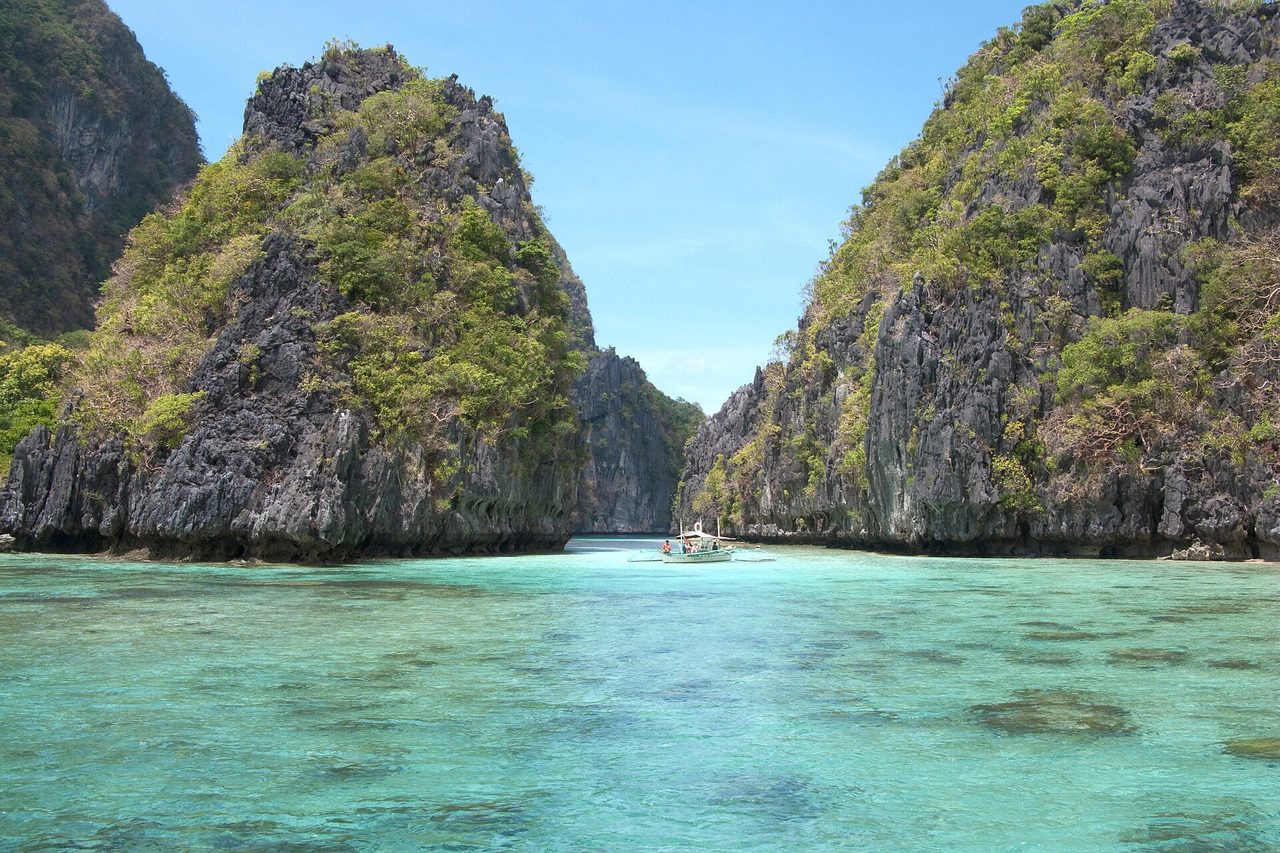
If you can only choose one island, make it Palawan. The Bacuit archipelago around El Nido and the lagoons of Coron are the postcard the Philippines sells, and they live up to it. The catch is geography: Palawan is long and thinly connected, and the three main bases — El Nido, Coron and Puerto Princesa — are hours apart. Pick the right one and you will barely move; pick wrong and you will lose a day to a van or a slow ferry. There is a fresh 2026 wrinkle, too: since 29 March 2026, the AirSWIFT turboprops that used to fly Manila–El Nido now operate from Clark instead, and the Manila–Coron (Busuanga) turboprop flights moved to Clark as well, so factor a transfer up to Clark (about two hours north of central Manila) into your plans. Our full Palawan travel guide maps the routes; here is the lodging logic.
El Nido: town energy or island seclusion
El Nido splits into three moods. El Nido town is walkable, scruffy-charming and packed with restaurants and tour desks — convenient but noisy, and the beach here is a working boat launch, not a swimming beach. Just south, Corong-Corong is a 10-minute trike ride away, quieter, and where the sunsets happen. And out in the bay sit the famous island resorts, each on its own slip of sand. Backpackers should look at Outpost Beach Hostel or Mad Monkey for a dorm around ₱700–1,100 ($11–18); mid-range, Karuna El Nido and Cadlao Resort sit in the ₱4,000–7,000 ($65–115) band; and for the splurge, the El Nido Resorts properties — Pangulasian, Lagen and Miniloc — are all-inclusive and exceptional, running roughly ₱45,000–75,000 ($740–1,230) a night with meals, boats and snorkelling included. Honest cons: El Nido’s grid still suffers brownouts, the main road can be dusty and chaotic, and the town’s popularity has outrun its infrastructure. Book an island resort and you escape all of that, but you also commit to it — getting back to town for dinner is an expedition.
Coron: wrecks, lakes and a mellower base
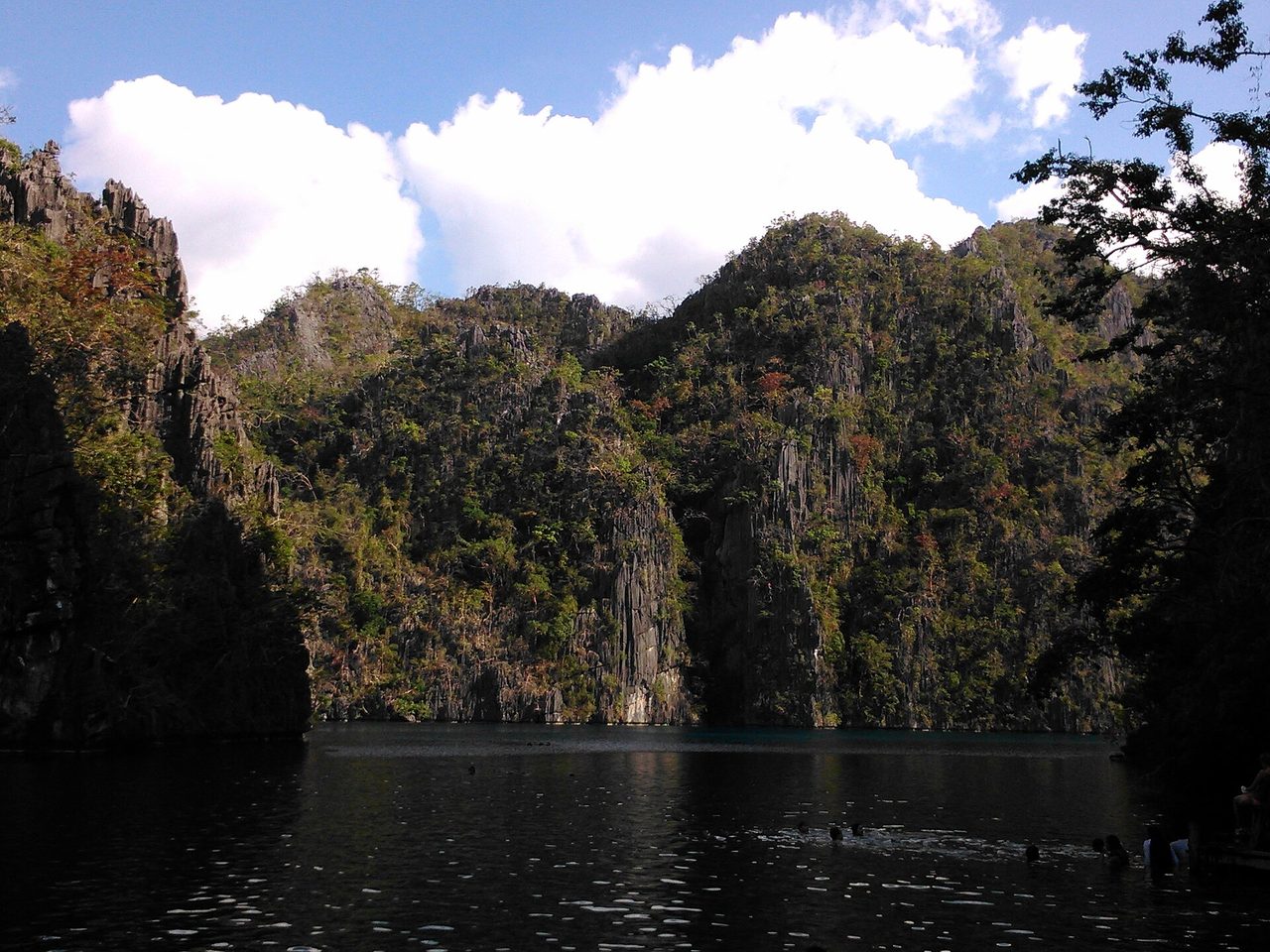
Coron feels a notch calmer than El Nido and a notch more dramatic underwater — this is the spot for WWII wreck diving and the surreal, cliff-ringed Kayangan and Barracuda lakes. Most travellers stay in Coron town (not on a beach, but handy for tours and cheap eats) with the island resorts a boat ride away. Expect dorms around ₱600–1,000 ($10–16), solid mid-range rooms like those at Coron Westown or the many new boutique hotels for ₱3,000–6,000 ($50–100), and a standout splurge in the over-water-style luxury of the smaller island lodges. If wreck diving is your thing, read our Philippines diving guide before you pick a base — it changes the maths.
Puerto Princesa and Port Barton: the in-betweens
Puerto Princesa is Palawan’s capital and main jet airport, useful for the Underground River and as a first or last night, but it is a city, not a beach holiday — stay one night, not three. For something slower and cheaper than El Nido, sleepy Port Barton (3–4 hours from either Puerto Princesa or El Nido) has simple beachfront bungalows from ₱1,500–3,500 ($25–57) and a no-rush, limited-electricity charm that some people fall hard for. And for the once-in-a-lifetime tier, Amanpulo on private Pamalican Island — reached by its own plane from Manila — is the country’s most exclusive resort, with casitas from around ₱90,000 ($1,475) and climbing steeply. It is a different category of trip, but it is the answer to “what is the most luxurious resort in the Philippines.”
Boracay: Where to Stay for Beach Resorts and Nightlife
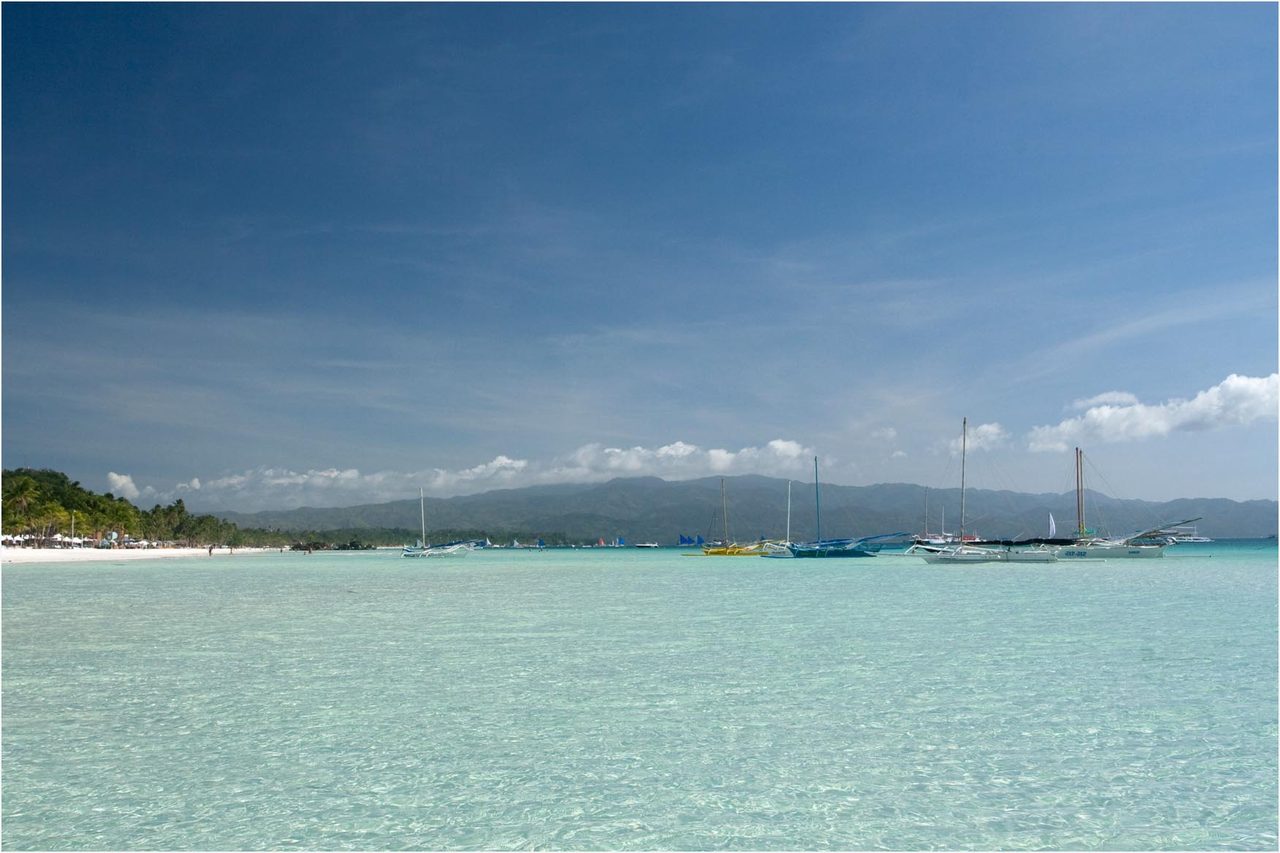
Boracay is small — four kilometres of White Beach and not much else — but it does the beach-resort thing better than anywhere in the country. After its six-month government closure and clean-up in 2018 it reopened with rules (no more beachfront parties of the old kind, no single-use plastics, a setback line for buildings), and the result is a beach that is genuinely lovely again. Where you sleep is defined by White Beach’s three “Stations.” Our Boracay travel guide goes deeper; this is the short version of where to land.
Stations 1, 2 and 3 — and the quiet alternatives
Station 1 has the widest sand and the upmarket resorts (Discovery Shores, Henann Crystal Sands, The Lind). Station 2 is the busy middle — D’Mall, the most bars and restaurants, the most foot traffic — great if you want everything on your doorstep, less great if you want to sleep early. Station 3 is the budget and backpacker end, cheaper and more low-key. For wind and kite-surfers, Bulabog Beach on the island’s other side is the base; for a romantic hideaway, tiny Diniwid just north of Station 1 is a five-minute walk from the action but feels removed. Prices: hostels like Frendz or MNL Beach Hostel run ₱700–1,200 ($11–20); reliable mid-range such as Henann Garden or Astoria Boracay sit at ₱4,500–8,000 ($74–130); and the luxury tier — Shangri-La Boracay on its own cove, Movenpick, Discovery Shores — runs ₱15,000–35,000 ($245–575) and up.
The 2026 fees nobody warns you about
Boracay now charges arrival fees that have crept up and, as of 2026, the local government declined to roll them back for the summer season. Coming in via Caticlan, budget for an environmental fee of around ₱300 for foreign visitors, a terminal fee of roughly ₱150 each way (so ₱300 round trip), and a ₱85 boat/convenience charge that has applied since the Boracay iPass system rolled out in March 2026. None of it is large, but it is cash at the jetty unless you prepay online via the official iPass portal, and the queues move faster if you have. Honest cons for Boracay overall: it is the most commercial island in the country, Station 2 can feel like a theme park in peak season, and a “sea view” room set back behind three others is a real risk — read recent photos, not renders.
Cebu and Mactan: Where to Stay for Convenience and Diving
Cebu is the country’s second hub and the most logistically convenient island to base on, because Mactan-Cebu International Airport connects almost everywhere without routing through Manila. The split here is between the resort coast of Mactan Island (where the airport actually is) and Cebu City across the bridge, plus the dive towns down the coast. Our Cebu travel guide has the full rundown.
Mactan resorts vs Cebu City
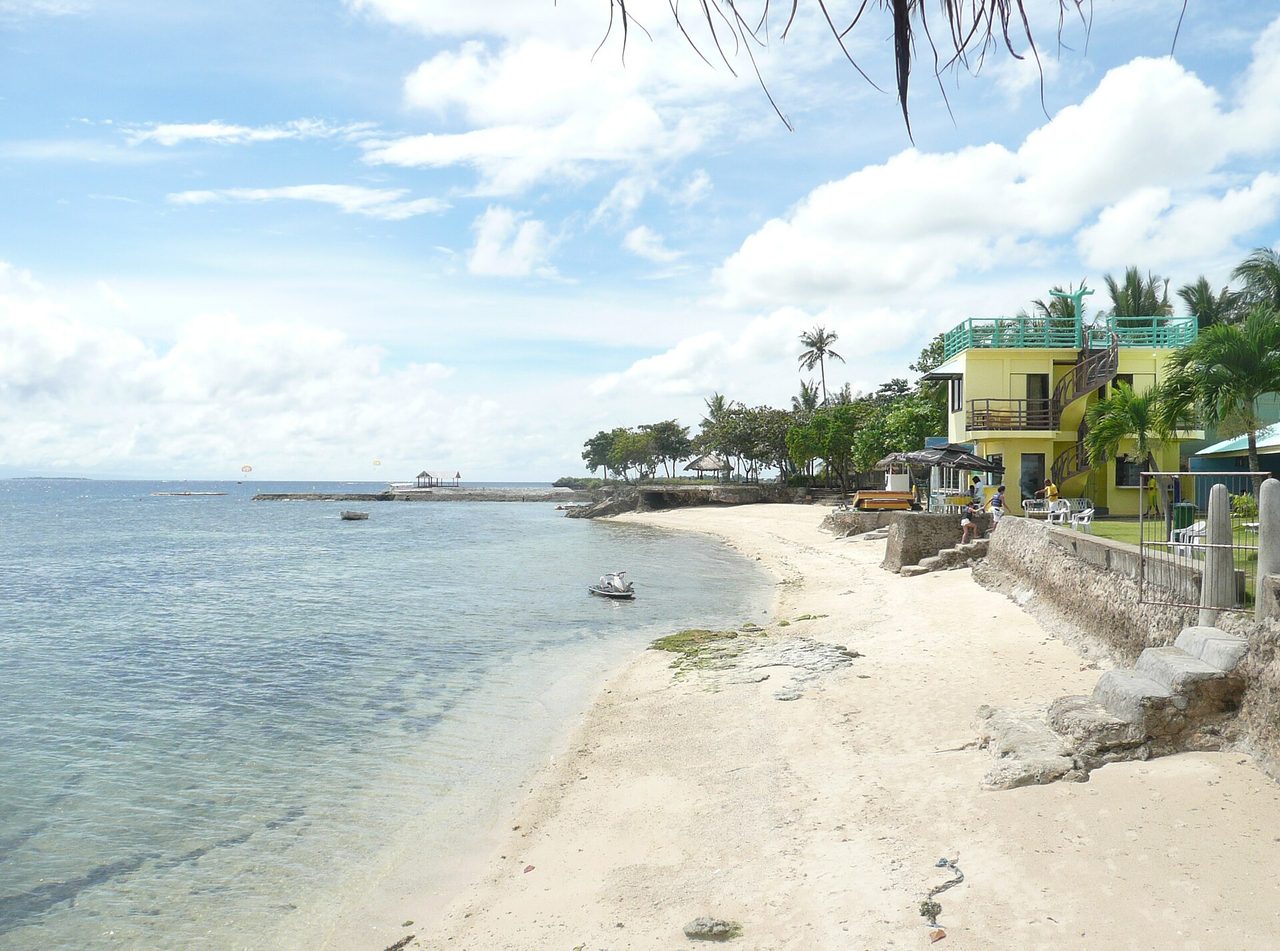
Mactan is where the big beach resorts cluster — Shangri-La Mactan (from around ₱11,000–14,000 / $180–230, with promo rooms quoted near ₱9,888++), Crimson Resort & Spa, Plantation Bay, Dusit Thani and the family-friendly Jpark with its water park. The beaches here are man-made or modest, but the resorts are excellent and you are ten minutes from your flight. Cebu City is for shorter, cheaper, more urban stays — business hotels and condos from ₱2,500–5,000 ($40–80), handy if you are passing through or want city food and history rather than a beach. I usually treat Mactan as a comfortable first-or-last night and head straight out to the dive towns for the real trip.
Moalboal, Malapascua and Bantayan
Down Cebu’s southwest coast, Moalboal is a budget-friendly diving and freediving base famous for its sardine run and turtles, with guesthouses from ₱1,200–3,000 ($20–50) right by the water at Panagsama. Up north, Malapascua is the place to dive with thresher sharks at dawn and has slowly added comfortable mid-range resorts. Bantayan Island is the quiet, white-sand antidote to all of it — slow, cheap, and gorgeous. These take effort to reach (a few hours overland plus, for the islands, a boat), but they are why divers and repeat visitors keep choosing Cebu; the diving guide explains which season suits which site.
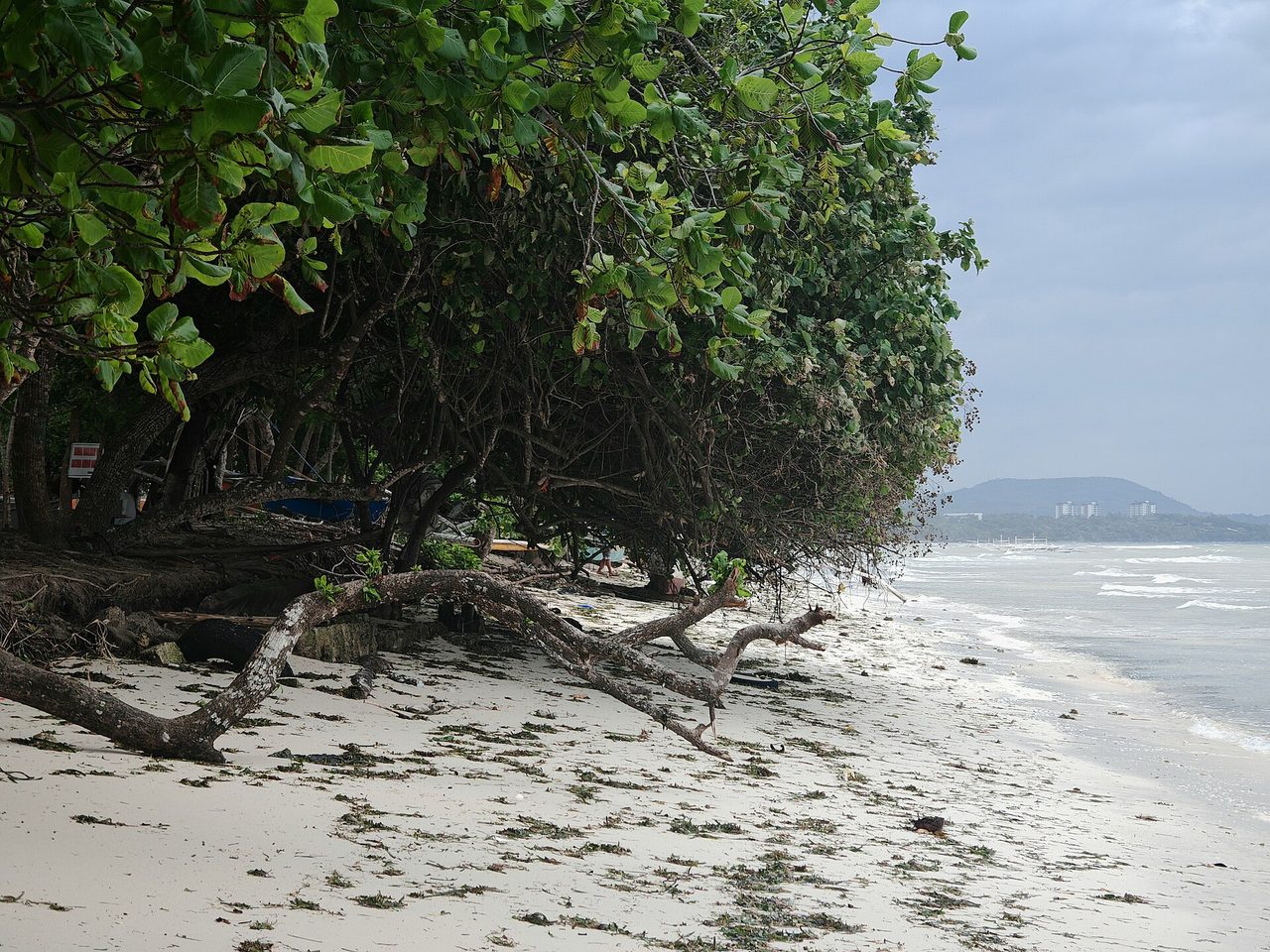
Bohol and Panglao: Where to Stay for Families
Bohol is the easy one — the island I send families and nervous first-timers to. Its airport sits on Panglao Island, a flat, beach-lined extension of Bohol joined by a bridge, so you can land and be at your resort in twenty minutes, with the famous Chocolate Hills and tarsiers an easy inland day trip. Read the Bohol travel guide for the sights; for sleeping, it is mostly about Panglao.
Alona Beach, Doljo and the quiet corners
Alona Beach is Panglao’s main strip — compact, walkable, lined with dive shops and restaurants, and backed by resorts at every price. It is busier and a bit more built-up than people expect, which suits families who want amenities and dining within a stroll. Henann Resort Alona Beach and the well-run South Palms and BE Grand sit in the ₱5,000–10,000 ($82–164) band; Amorita perches on the headland for a more boutique feel; and Bohol Beach Club out on Bingag is a long-running family favourite. For something quieter, Doljo and Dumaluan/Bingag beaches a little further out trade nightlife for space, and budget travellers find dorms and guesthouses inland around ₱700–2,000 ($11–33). For families I rate Panglao above Boracay: the water is calm and shallow, the resorts have real pools and kids’ space, the diving and dolphin trips are right there, and nothing is a long transfer. Honest con: Alona’s main beach is small and gets crowded at sunset, and a few of the cheaper “resorts” are a road-crossing away from the sand.
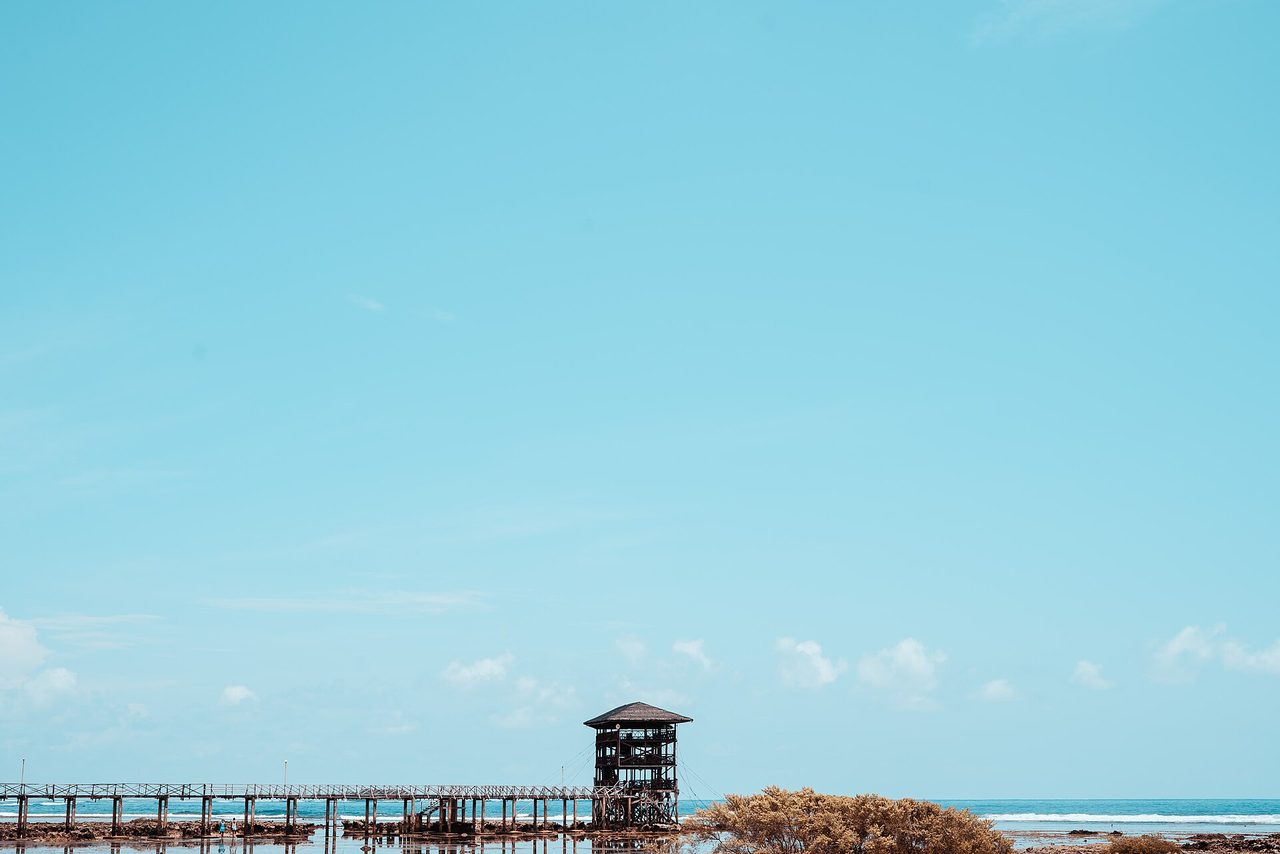
Siargao: Where to Stay for Surf and Slow Mornings
Siargao went from secret to famous in the space of a few years, and even after Typhoon Odette flattened much of it in late 2021, it has rebuilt into the country’s coolest island to base on for a week. It is teardrop-shaped, reef-fringed and unhurried, and almost everyone stays in or around General Luna (“GL”), the surf-and-social hub on the southeast coast. Our Siargao travel guide covers the waves and waterfalls; here is where to sleep.
General Luna, Cloud 9 and the far quiet north
General Luna proper has the restaurants, bars and the easiest social scene — good for solo travellers and first-timers. A little north, the Cloud 9 area sits by the famous wave and its boardwalk, a touch more resort-like. For total quiet, Pacifico and Burgos up the coast are where you go to disappear with your own board. Siargao runs the full range: surf hostels and co-livings from ₱600–1,200 ($10–20), a deep bench of stylish villas and boutique stays from ₱3,000–7,000 ($50–115) that are the island’s sweet spot, and at the top, Nay Palad Hideaway — a barefoot-luxury all-inclusive that lands on global “best hotel” lists and is priced to match (think ₱60,000+ / $980+ a night). Honest cons: Siargao is genuinely remote (flights are small, weather-dependent and not cheap), prices have climbed faster than the infrastructure, and power and water still wobble. It rewards a longer, slower stay — four or five nights minimum — not a quick tick.
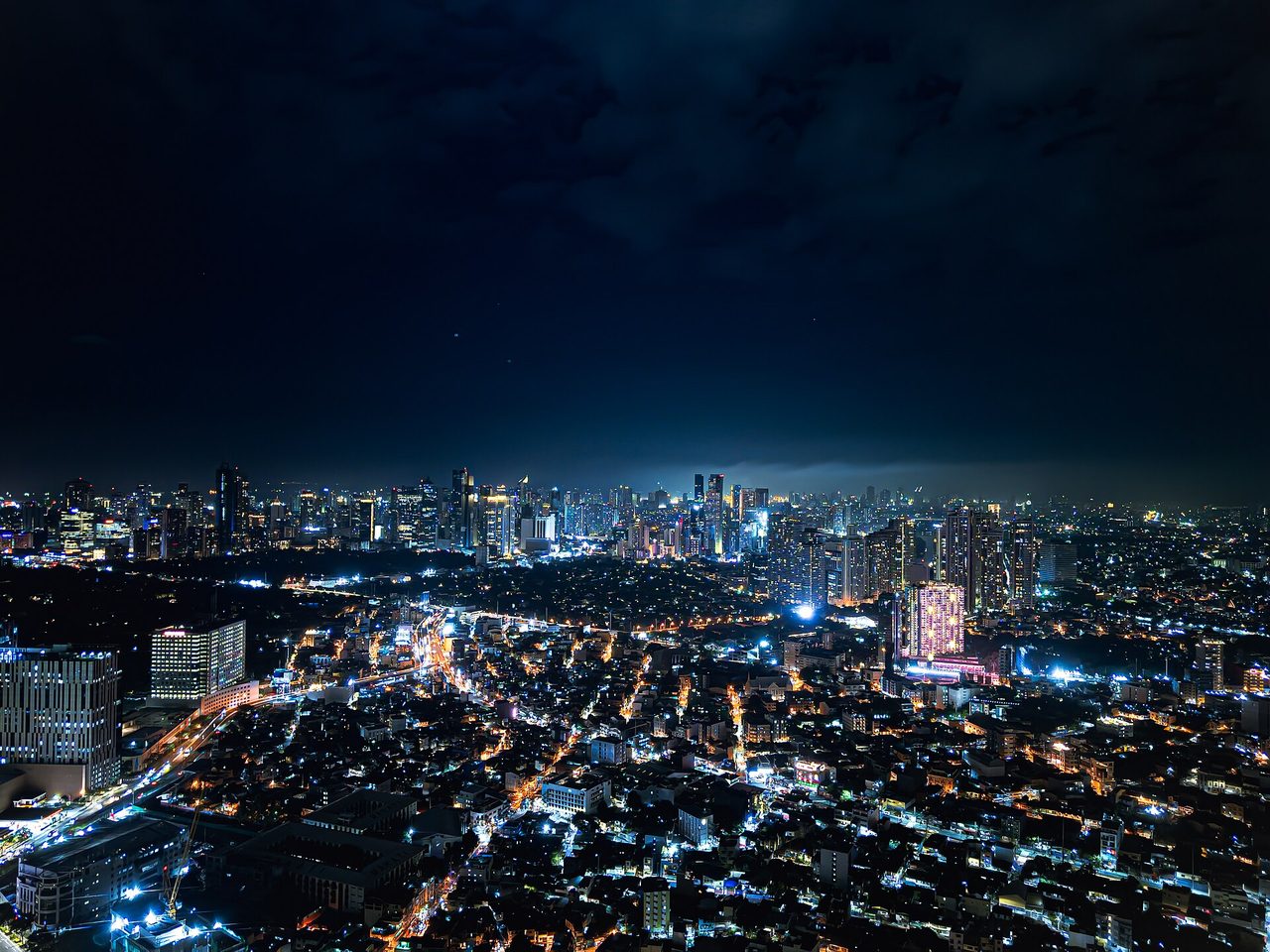
Manila: Where to Stay for Stopovers and Flights
Be honest with yourself about Manila: it is a vast, traffic-clogged capital, and for most beach trips it is a transit point, not a destination. But it is an unavoidable transit point, and where you stay can save or cost you hours. The trick is to pick a district that matches why you are there. Our Manila travel guide goes deeper; for a night or two, here is the cheat sheet.
Makati, BGC, Intramuros and the airport
Makati is the safe default — the business district has the best concentration of hotels, restaurants and malls, feels secure, and is a manageable drive from the airport outside rush hour. Bonifacio Global City (BGC) is newer, cleaner and more walkable, great if you want modern comfort and good coffee over history. Ermita/Malate is older, cheaper and closer to Intramuros, the walled Spanish quarter that is the one genuinely sightseeing-worthy part of the city — stay here if you actually want to see old Manila. And if you have a brutal early flight, the cluster of hotels right by NAIA (and the Resorts World/Newport City complex across from Terminal 3) exists exactly for that; pay for the convenience and skip the 2am traffic gamble. Rates run from ₱1,500 ($25) hostels and capsule hotels up through ₱3,500–8,000 ($57–130) business hotels to the Peninsula, Shangri-La and Fairmont at the top. One 2026 logistics note that affects where you connect: turboprop flights to places like El Nido and Coron now leave from Clark, not NAIA, so if that is your onward route, an overnight near Clark (two hours north) can make more sense than central Manila. The getting around guide untangles the airport-and-transfer maze.
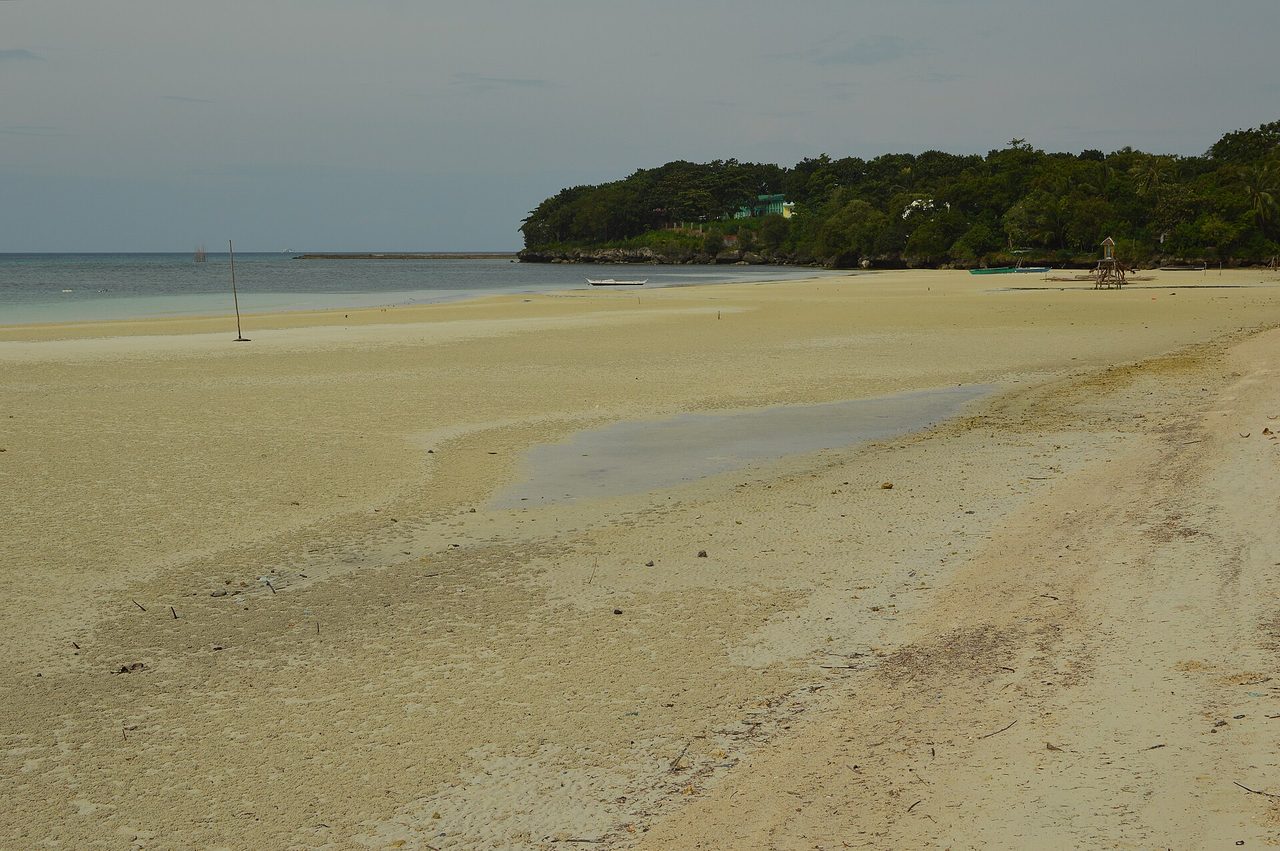
Quieter Islands Worth Basing On
The famous islands are famous for good reason, but some of my best nights in the Philippines have been on the ones the big guides skip. If you have time, or you have done the headline islands already, build a few of these in. They are cheaper, calmer, and they reward travellers who like a motorbike and a vague plan.
Siquijor, Camiguin and Dumaguete
Siquijor — long whispered about for its folk healers and “mystical” reputation — is in reality a sleepy, ridiculously photogenic island of waterfalls, cliff jumps and empty white beaches, reached by a quick ferry from Dumaguete. Guesthouses and small resorts run ₱1,500–4,000 ($25–65) and you rent a scooter and explore. Camiguin, off northern Mindanao, is a lush volcanic island with hot springs, a sunken cemetery and almost no crowds — proper off-radar nature at ₱1,500–4,000. Dumaguete itself is a likeable, walkable university town on Negros that has quietly become a favourite for long-stay travellers and divers (Apo Island, one of the country’s best shore-dive marine sanctuaries, is right there); rooms are some of the best value in the country at ₱1,500–4,000. None of these need advance booking outside peak weeks, which is part of their charm.
La Union, Romblon and Batanes
Up in Luzon, La Union (“Elyu”) is the weekend-surf-and-café town within driving distance of Manila and Clark — beginner waves, a young creative scene, and beachfront stays from ₱2,500–6,000 ($40–100). Romblon is a marble-quarrying trio of islands that diving and slow-travel people adore for being genuinely untouristed. And for the truly intrepid, Batanes — the far-north islands that look like Ireland with stone houses and cliffs — is a bucket-list domestic flight away, with homestays and a couple of lodges; it is weather-dependent and not cheap to reach, but nothing else in the country looks like it. For a wider survey of how these stack up against the headliners, the best islands in the Philippines guide is the companion piece to this one.
Where to Stay by Type of Traveller
Same country, very different trips. Here is who I send where, with a price-tier pick for each so you can move straight to booking.
First-timers
Keep it simple and scenic: three or four nights in El Nido or Coron for the island-hopping, then either Boracay for a polished beach finish or Bohol’s Panglao for an easy, family-friendly one. Stay mid-range and central your first time so you are close to food and tours — Cadlao Resort in El Nido, Henann on Alona Beach. Don’t overload the route; two islands in ten days is plenty, and our itinerary guide shows exactly how to link them.
Couples and honeymooners
This is where the Philippines shines. The El Nido island resorts (Pangulasian for the beach, Lagen for the jungle-and-lagoon setting) are all-inclusive and unforgettable; Amanpulo is the no-limits option; and on Siargao, the boutique villas and Nay Palad deliver barefoot romance. For a mid-range honeymoon, a private pool villa on Panglao or a Diniwid hideaway on Boracay punches above its price.
Families
Prioritise calm water, pools and short transfers: Panglao (Bohol) and Mactan (Cebu) are purpose-built for it, with Jpark’s water park a reliable kid-pleaser. Boracay works too if you take a Station 1 resort with a pool. Avoid trips that need long or rough boat transfers with small children — it sounds obvious until you are on hour two of a bumpy crossing.
Backpackers and solo travellers
Siargao, El Nido, Cebu and Moalboal have the easiest social hostel scenes, with dorms from ₱600–1,200 ($10–20) and organised trips that make meeting people effortless. Solo female travellers consistently report the Philippines as friendly and English-easy; stick to well-reviewed hostels and the usual night-time common sense and you will be fine. The budget guide shows how far a backpacker’s peso stretches.
Divers, surfers and long-stayers
Divers: Moalboal, Malapascua, Apo Island (Dumaguete), Anilao and Coron’s wrecks — base in the dive town, not the city. Surfers: Siargao for the real thing, La Union for a Luzon weekend. Long-stay and remote workers: Siargao, Dumaguete, Cebu City and BGC in Manila have the most reliable Wi‑Fi, cafés and monthly rentals; just confirm real upload speeds before committing, because island “fibre” is not always what it claims.
The Best Resorts in the Philippines: A Shortlist
If you are searching specifically for the best resorts in the Philippines rather than an area, here is my honest shortlist across the price range — the places worth planning a trip around, with what each is best for.
| Resort | Where | Best for | Indicative 2026 rate |
|---|---|---|---|
| Amanpulo | Pamalican I., Palawan | Ultimate private-island splurge | ₱90,000+ ($1,475+) |
| El Nido Resorts (Pangulasian / Lagen / Miniloc) | Bacuit Bay, El Nido | All-inclusive island luxury | ₱45,000–75,000 ($740–1,230) |
| Nay Palad Hideaway | Siargao | Barefoot luxury, service | ₱60,000+ ($980+) |
| Shangri-La Boracay | Boracay (own cove) | Luxury with a private beach | ₱18,000–35,000 ($295–575) |
| Shangri-La Mactan | Mactan, Cebu | Resort comfort by the airport | ₱11,000–16,000 ($180–260) |
| Plantation Bay | Mactan, Cebu | Families, huge lagoon pools | ₱9,000–16,000 ($150–260) |
| Henann (Alona / Boracay) | Panglao & Boracay | Reliable mid-luxury value | ₱5,000–10,000 ($82–164) |
| Movenpick / Discovery Shores | Boracay | Polished beach resorts | ₱14,000–28,000 ($230–460) |
How Much to Budget for Accommodation
Rolling the tiers into a daily plan, here is what two people typically spend on a room across a trip. Solo travellers in dorms spend far less; peak-season and the remote islands push the top of each band higher.
| Travel style | Room per night (2 people) | 10-night accommodation |
|---|---|---|
| Shoestring (dorms/guesthouses) | ₱800–2,000 ($13–33) | ₱8,000–20,000 ($130–330) |
| Comfortable mid-range | ₱3,500–6,500 ($57–105) | ₱35,000–65,000 ($570–1,065) |
| Boutique / upper-mid | ₱7,000–14,000 ($115–230) | ₱70,000–140,000 ($1,150–2,300) |
| Luxury / all-inclusive islands | ₱30,000–90,000+ ($490–1,475+) | ₱300,000+ ($4,900+) |
For the full picture — flights, ferries, food, tours and SIMs alongside rooms — work through the Philippines travel cost guide, which is built to pair with this one.
Honest Mistakes to Avoid
The errors I see again and again, and that cost real time and money: over-basing in Manila (“we’ll explore the capital” turns into traffic; one or two nights is plenty). Booking El Nido town when you wanted a beach — the town beach is a boat launch; you want Corong-Corong, an island resort, or a day-tour habit. Underestimating transfers — that 40km on the map is two hours on the road or a weather-dependent boat. Cramming too many islands — every move is half a travel day; subtract a destination and add nights. Assuming ferries always run — in rough weather they don’t, so leave a buffer night before international flights. Skimping on AC in the hot months (March to May), and running out of cash on Siquijor, Camiguin or Siargao where ATMs are few and sometimes empty. Get these right and the Philippines is one of the easiest, friendliest places to travel in Asia. For peace of mind on the practical worries, our honest safety guide is worth a read before you go.
Frequently Asked Questions
Where should I stay in the Philippines for the first time?
For a first trip, base in Palawan (El Nido or Coron) for three or four nights of island-hopping, then add either Boracay for a polished beach finish or Bohol’s Panglao for an easy, family-friendly one. Stay mid-range and central so you are near food and tours. Two islands over about ten days is the sweet spot — enough to relax without spending half your holiday in transit.
What is the best island to stay on in the Philippines?
There is no single winner, but if forced to pick one island for most travellers I would say Palawan for its scenery and island-hopping, or Cebu if you want the most convenient base with the widest range of day trips and onward flights. Boracay wins for a pure beach-resort holiday, Siargao for surf and atmosphere, and Bohol for families.
Is it better to stay in Palawan or Boracay?
They are different holidays. Palawan is about dramatic limestone scenery, boat trips and a rougher-around-the-edges adventure feel. Boracay is a compact, polished beach resort with the country’s best stretch of white sand, the most dining and nightlife, and the easiest logistics. First-timers with time for both should do Palawan first, then unwind in Boracay. If you only have a few days and want a classic beach, choose Boracay; if you want the “wow” landscapes, choose Palawan.
What is the best area to stay in the Philippines for couples?
For a splurge, the all-inclusive El Nido island resorts (Pangulasian, Lagen) and Amanpulo are hard to beat, with Siargao’s boutique villas and Nay Palad a more barefoot alternative. Mid-range couples do well with a private pool villa on Panglao or a quiet Diniwid Beach stay on Boracay. The common thread is choosing a quieter beach or an island resort over the busy main strips.
Where should families stay in the Philippines?
Panglao (Bohol) and Mactan (Cebu) are the most family-friendly — calm, shallow water, resorts with real pools and kids’ facilities, and short transfers from the airport. Boracay works if you pick a Station 1 resort with a pool. Look at our best beaches guide for the gentlest swimming spots, and avoid itineraries that need long, rough boat transfers with small children.
Where should I stay in the Philippines on a budget?
Hostel dorms run ₱500–1,200 ($8–20) and private guesthouse rooms ₱1,200–2,800 ($20–46), with the best value off the headline islands — Dumaguete, Siquijor, Camiguin, Moalboal and inland Bohol. Siargao, El Nido, Cebu and Moalboal have the easiest social hostels. Travel in the shoulder months and book the smaller islands on arrival to save more.
How many islands should I visit in one trip?
Fewer than you think. Each island move is roughly half a travel day once you count transfers, flights and check-in. For a week, choose one or two bases; for ten days to two weeks, two or three. Cramming in four or five means you spend the trip packing rather than enjoying any one place.
Is the Philippines expensive for accommodation?
No — it offers some of Southeast Asia’s best value at the budget and mid-range, where comfortable resort rooms sit around ₱3,000–6,500 ($50–105). What is genuinely expensive is the luxury island tier (El Nido resorts, Amanpulo), which is world-class and priced accordingly. The remote islands cost more than the average because supplies arrive by boat.
Do I need to book accommodation in advance?
For the popular islands during high season (December to May) and especially around Christmas, New Year and Holy Week, yes — book weeks or months ahead, as the best rooms sell out. In the shoulder and low seasons, and on the quieter islands like Siquijor and Camiguin, you can often arrive and find a room, which gives you flexibility around the weather.
What is the most luxurious resort in the Philippines?
Amanpulo, on its own private island of Pamalican in Palawan and reached by a dedicated flight from Manila, is generally considered the most exclusive, with casitas from around ₱90,000 ($1,475) a night. The El Nido island resorts and Siargao’s Nay Palad Hideaway are the other contenders at the very top.
Where should I stay near Manila airport?
For an early flight, the hotels around NAIA and the Newport City/Resorts World complex opposite Terminal 3 are built for it — pay for the convenience and skip the pre-dawn traffic. If your onward flight is a turboprop to El Nido or Coron, remember those now leave from Clark (about two hours north) as of March 2026, so an overnight near Clark may beat central Manila.
Photo Credits
All images are freely licensed via Wikimedia Commons. Credit to the photographers:
- Limestone cliffs and turquoise lagoon water in Bacuit Bay — Photo: Vyacheslav Argenberg / CC BY 4.0 via Wikimedia Commons. Source
- The powdery sand and clear shallow water of White Beach on Boracay Island — Photo: Tuderna / CC BY 3.0 via Wikimedia Commons. Source
- A quiet white-sand beach fringed with tropical trees on Panglao Island — Photo: Deepak-nsk (CC0) via Wikimedia Commons. Source
- A beachfront with a small resort on Mactan Island — Photo: Lsj / CC BY-SA 3.0 via Wikimedia Commons. Source
- The Cloud 9 surf boardwalk and viewing tower at General Luna — Photo: Spraken eboy2887 / CC BY-SA 4.0 via Wikimedia Commons. Source
- Limestone karst cliffs rising over a sheltered lagoon near Coron — Photo: Lawrence Ruiz / CC BY-SA 4.0 via Wikimedia Commons. Source
- The Makati and wider Metro Manila skyline lit up at night — Photo: YZJay (CC0) via Wikimedia Commons. Source
- A near-empty palm-backed white-sand beach on Siquijor Island — Photo: Marion Paul Baylado from Dumaguete City, Philippines / CC BY 2.0 via Wikimedia Commons. Source
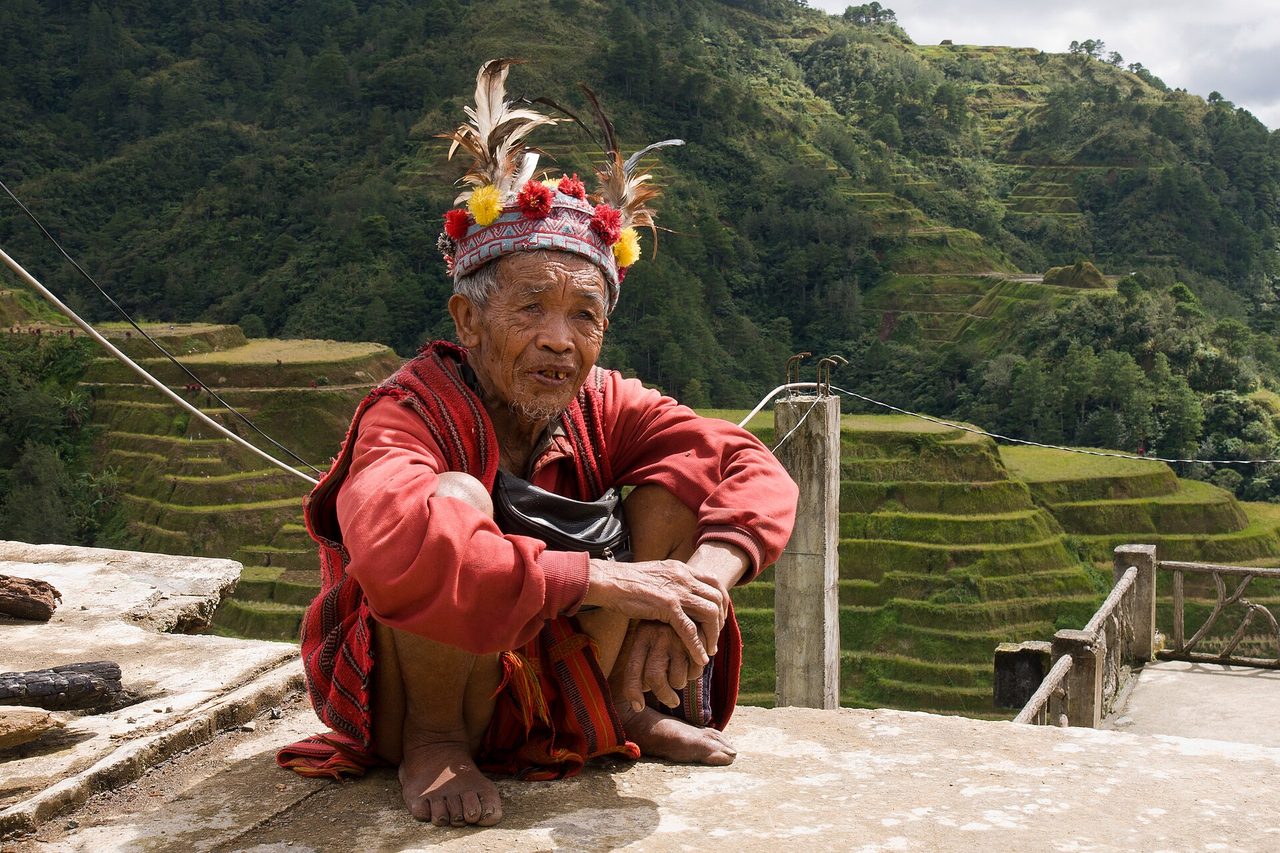
- An Ifugao elder in traditional dress above the Banaue Rice Terraces in northern Luzon — Photo: CEphoto, Uwe Aranas / CC BY-SA 3.0 via Wikimedia Commons. Source
Sources and Further Reading
- Philippine Department of Tourism — philippines.travel
- Boracay iPass (official environmental and terminal fees) — boracayipass.ph
- El Nido Resorts (Pangulasian, Lagen, Miniloc, Apulit) — elnidoresorts.com
- Amanpulo, Pamalican Island — aman.com
- Bangko Sentral ng Pilipinas (peso–dollar exchange rate) — bsp.gov.ph
- Clark International Airport (turboprop transfer from NAIA, March 2026) — crk.clarkairport.com
About This Guide
This guide is part of Philippines Tourism, an independent resource for planning a trip to the islands. It is written from repeated, first-hand travel across Palawan, the Visayas and Mindanao, cross-checked against official sources, and refreshed for 2026 — prices were verified in mid-2026 at roughly ₱61 to the US dollar and are indicative, so always confirm the current rate when you book. Fees, ferry schedules and flight routes change; if you spot something out of date, we want to fix it. For the rest of your planning, start at the Philippines Tourism homepage.
1 response
Comments are closed.