Is the Philippines Cheap? What Everything Costs
Short answer: yes and no. The Philippines is genuinely cheap for the things you do every day here — a sit-down Filipino lunch, a jeepney across town, a cold San Miguel, an hour-long massage. It stops being cheap the moment you want Western comforts, imported wine, or a room on Boracay’s beachfront. So it’s cheap where it counts and surprisingly pricey where it doesn’t, and below I’ve put real 2026 numbers to all of it.
Here is where the pesos actually go, from carinderia plates to tricycle rides. Peso figures convert at roughly ₱63 = US$1 (I use ₱63 for the round-number math below); treat the dollar amounts as ballparks, since the rate drifts. Prices are typical 2026 rates — always sanity-check before you commit.
What everything costs in the Philippines: the at-a-glance price table
Here’s the table I wish every “is the Philippines expensive” article led with. These are everyday, on-the-ground prices in pesos and dollars — the stuff you’ll actually buy in your first 48 hours.
| Item | Typical price (₱) | Approx. (US$) |
|---|---|---|
| Carinderia rice meal (rice + 1 ulam) | ₱70–120 | $1.10–2 |
| Jollibee Chickenjoy solo meal | ₱100–160 | $1.60–2.54 |
| McDonald’s McMeal | ₱200 | $3.20 |
| Mid-range restaurant main | ₱300–600 | $5–10 |
| Western restaurant meal (steak, pasta) | ₱600–1,500 | $10–24 |
| Local beer (San Miguel) at a sari-sari store | ₱40–60 | $0.60–1 |
| San Miguel in a bar / restaurant | ₱90–150 | $1.43–2.40 |
| Bottle of water (1.5L) | ₱25–50 | $0.40–0.79 |
| Cappuccino at a cafe | ₱130–180 | $2.06–2.90 |
| Jeepney (minimum fare) | ₱14–17 | $0.22–0.30 |
| Tricycle ride (short, in town) | ₱20–150 | $0.32–2.40 |
| Grab / taxi (5 km, city) | ₱150–300 | $2.40–5 |
| Tourist SIM data pack (Globe, 25GB / 14 days) | ₱400 | $6.30–6 |
| One-hour massage (local spa) | ₱300–600 | $5–10 |
| Hostel dorm bed | ₱500–900 | $7.90–14.30 |
| Budget private room / guesthouse | ₱1,200–2,600 | $19–41 |
| Mid-range hotel (double) | ₱2,600–5,200 | $41–85 |
| Beachfront resort (El Nido / Boracay) | ₱5,200–10,500+ | $85–170+ |
| Domestic flight (Manila–Cebu, one way) | ₱2,300–5,200 | $37–85 |
| Glass of imported wine | ₱350–700 | $6–11 |
Read that table top to bottom and the pattern jumps out. The cheap rows are local: street food, public transport, domestic beer, massages. The expensive rows are imported or tourist-facing: Western food, wine, beach resorts, anything you’d recognize from home. That split is the whole story, and the rest of this guide just fills in the why.
Food: where the Philippines is at its absolute cheapest
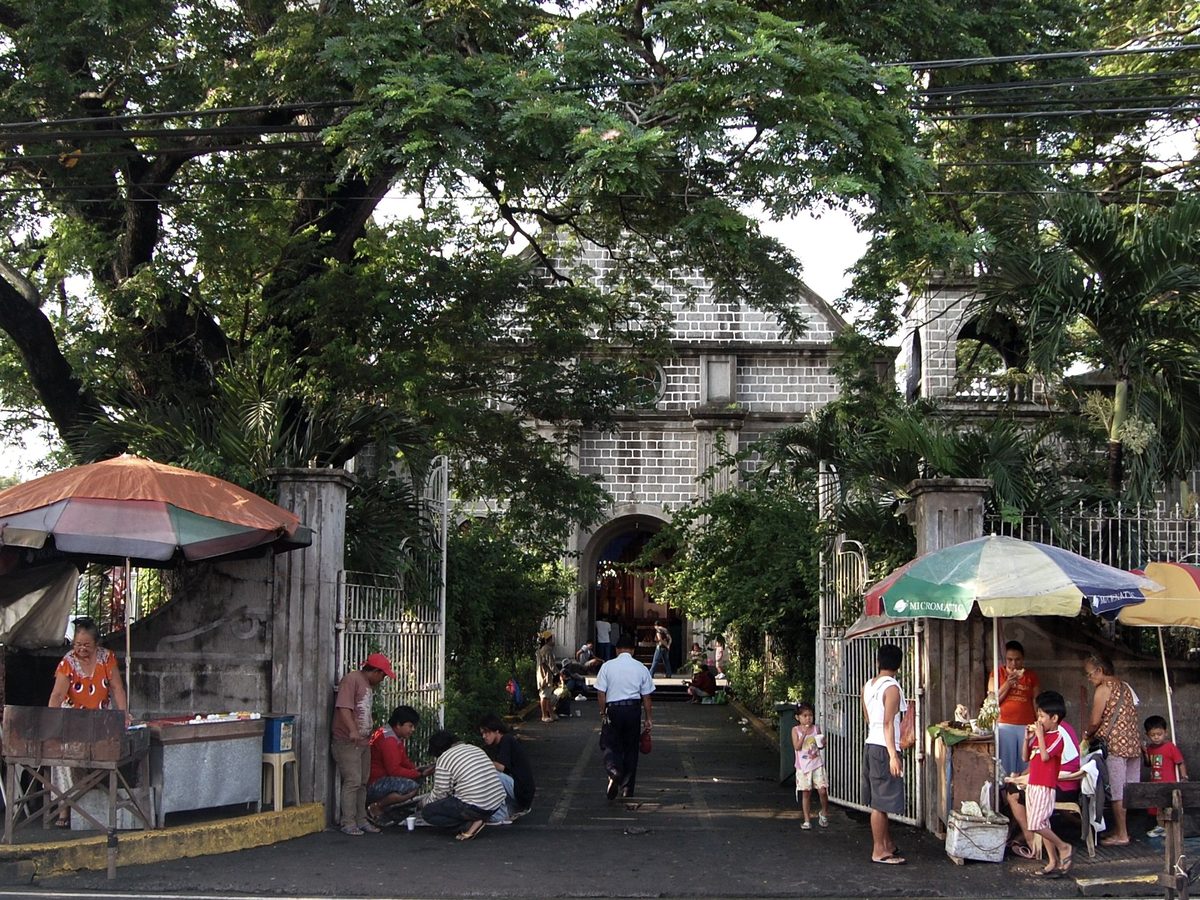
If you eat the way Filipinos eat, food is almost free. The humble carinderia — a roadside eatery with steam trays of pre-cooked dishes — is the engine of cheap eating here. You point at a vat of adobo or kare-kare, get a heap of rice, and walk out for ₱70 to ₱120.
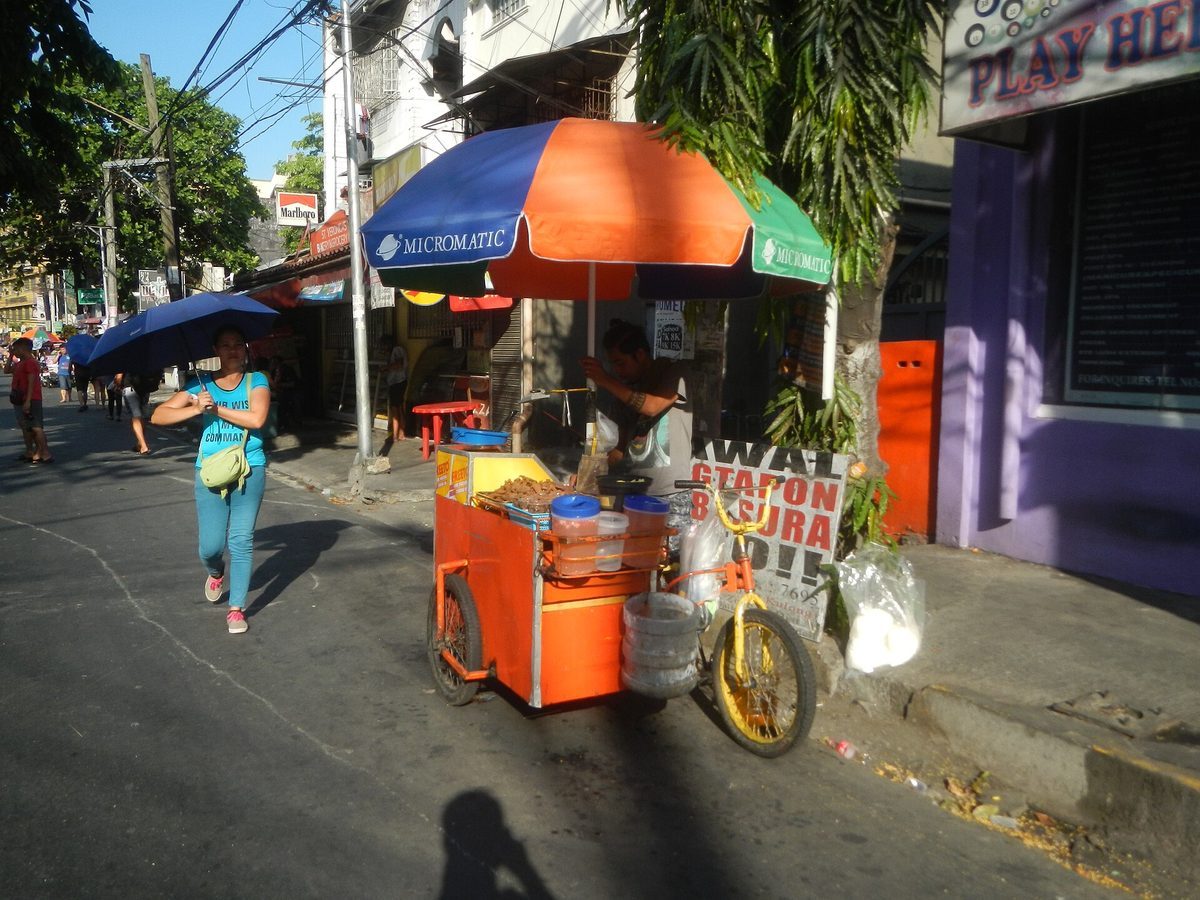
Street food is even cheaper and far more fun than its reputation suggests. Skewers of isaw (grilled chicken intestine, better than it sounds), fish balls, kwek-kwek (battered quail eggs), and banana-cue run ₱10 to ₱30 a stick. A proper street-food dinner crawl rarely tops ₱150. For more on what to order and where, our Filipino food guide goes deep on the dishes worth crossing town for.
Fast food sits in the middle. A Jollibee solo meal — Chickenjoy and the famously sweet spaghetti — is ₱100 to ₱160, and a McDonald’s McMeal lands around ₱200. Sit-down local restaurants charge ₱300 to ₱600 for a shareable main, which by Western standards is still a steal.
Here’s the surprise that catches people out: Western food is not cheap. A plate of imported steak or a decent Italian pasta in a Manila or Cebu restaurant can run ₱600 to ₱1,500 — sometimes more than you’d pay at home. Anything imported carries a tax-and-shipping premium, so the cheese board, the craft burger, the brunch avocado toast all cost real money. My rule: eat Filipino and your food budget stays tiny; chase familiar flavors and it quietly balloons.
Transport: dirt-cheap on land, the budget-killer between islands
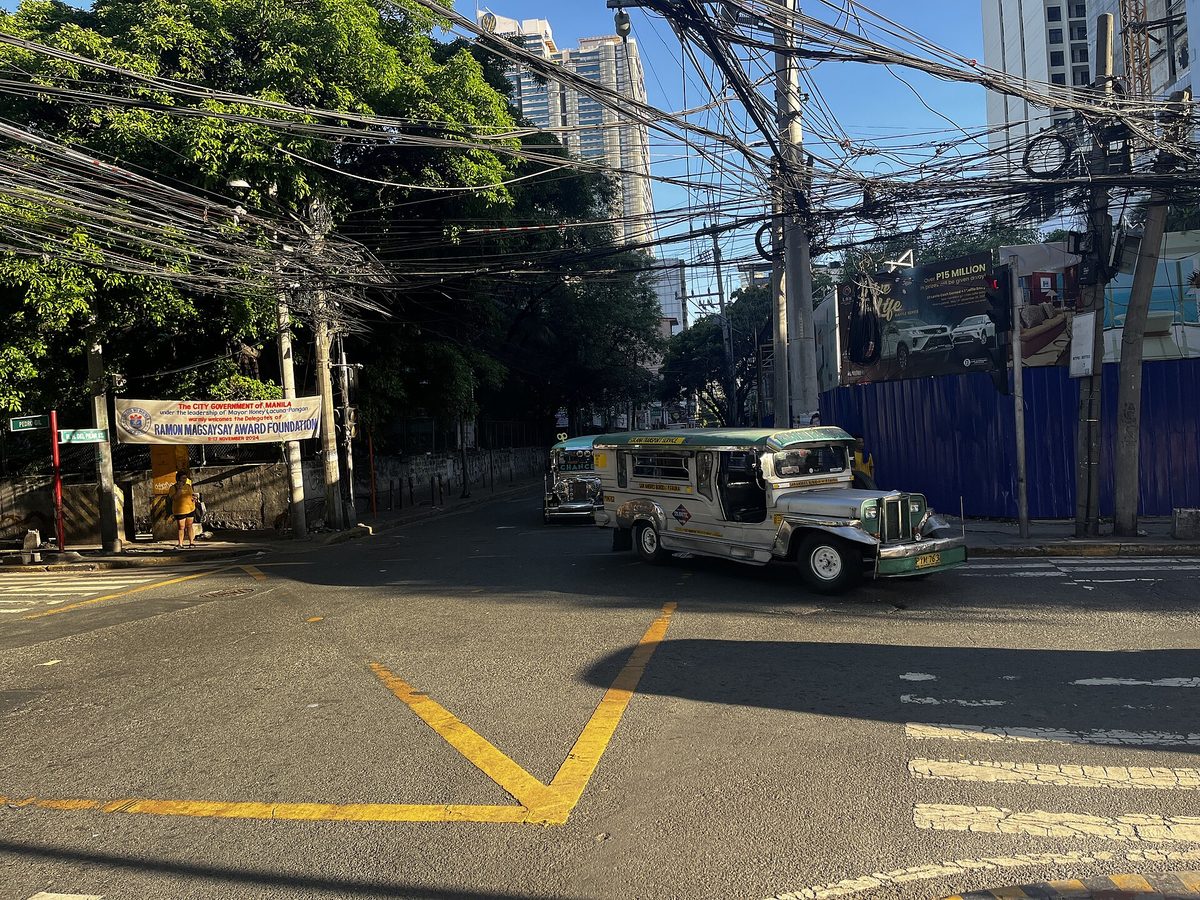
Ground transport inside a city or island is comically cheap. The jeepney — the chrome-plated, hand-painted ex-military jeep that is the Philippines’ rolling mascot — starts at ₱14 for traditional units and ₱17 for the newer modern jeepneys, after the fare adjustment that took effect in September 2026. You pass coins up the cabin to the driver and shout “para po!” to get off. It is the single cheapest way to move anywhere.
Tricycles (a motorbike with a sidecar) handle the last mile for ₱20 to ₱150 depending on distance and how touristy you look. In cities, Grab is your friend — a five-kilometer ride is ₱150 to ₱300, and using the app saves the haggling that taxis invite. Our guide to getting around the Philippines breaks down every option, including the habal-habal motorbike taxis that locals swear by.
Now the part that surprises almost everyone, and the single biggest reason people overspend: getting between the islands is expensive and unavoidable. With 7,641 islands, your dream itinerary — Manila, Palawan, Cebu, Siargao — means domestic flights at ₱2,300 to ₱5,200 a hop, plus ferries (₱600–3,000), plus the tricycle to the port, plus the van at the other end. None of those are huge alone. Stacked across a two-week, four-island trip, they become the line item that blows the budget. The fix isn’t eating cheaper. It’s moving less. Pick two island groups, stay longer in each, and watch your transport spend fall off a cliff.
Accommodation: cheap dorms, fair hotels, eye-watering beachfront
Lodging stretches across a huge range. A hostel dorm bed is ₱500 to ₱900, and the hostel scene in Siargao, Cebu and El Nido is genuinely good — rooftop bars, free breakfast, the works. A clean budget private room or guesthouse runs ₱1,200 to ₱2,600, which is where a lot of couples land comfortably. Mid-range hotels with air-con, a pool and reliable wifi sit at ₱2,600 to ₱5,200 a night.
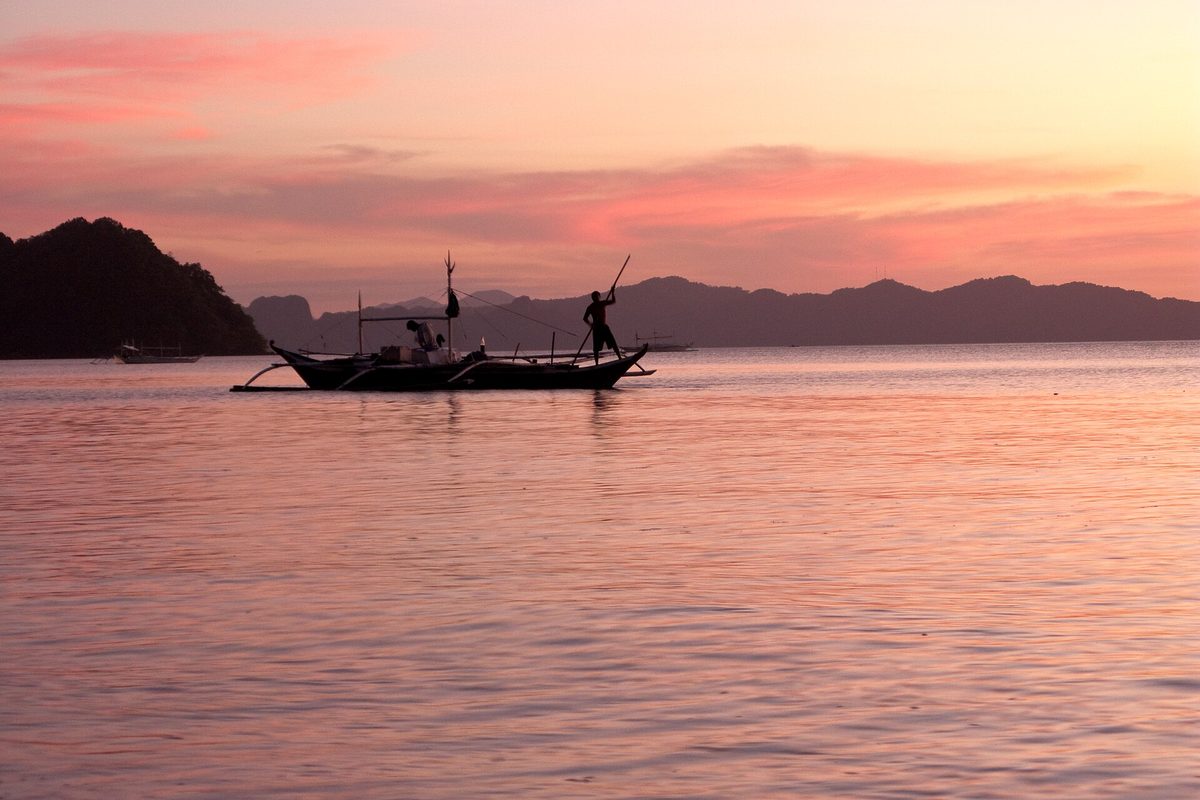
Then there’s the resort tier, where the Philippines stops being a bargain. A beachfront room in El Nido or on Boracay’s White Beach starts around ₱5,200 and climbs past ₱10,500 fast. Go further up — the private-island Amanpulo, say — and you’re into thousands of dollars a night. The scenery is world-class and the price tag matches. If you want to see how nightly rates shift by island and season, our guide to where to stay in the Philippines lays out the trade-offs area by area.
Drinks and nightlife: cheap beer, expensive everything-else
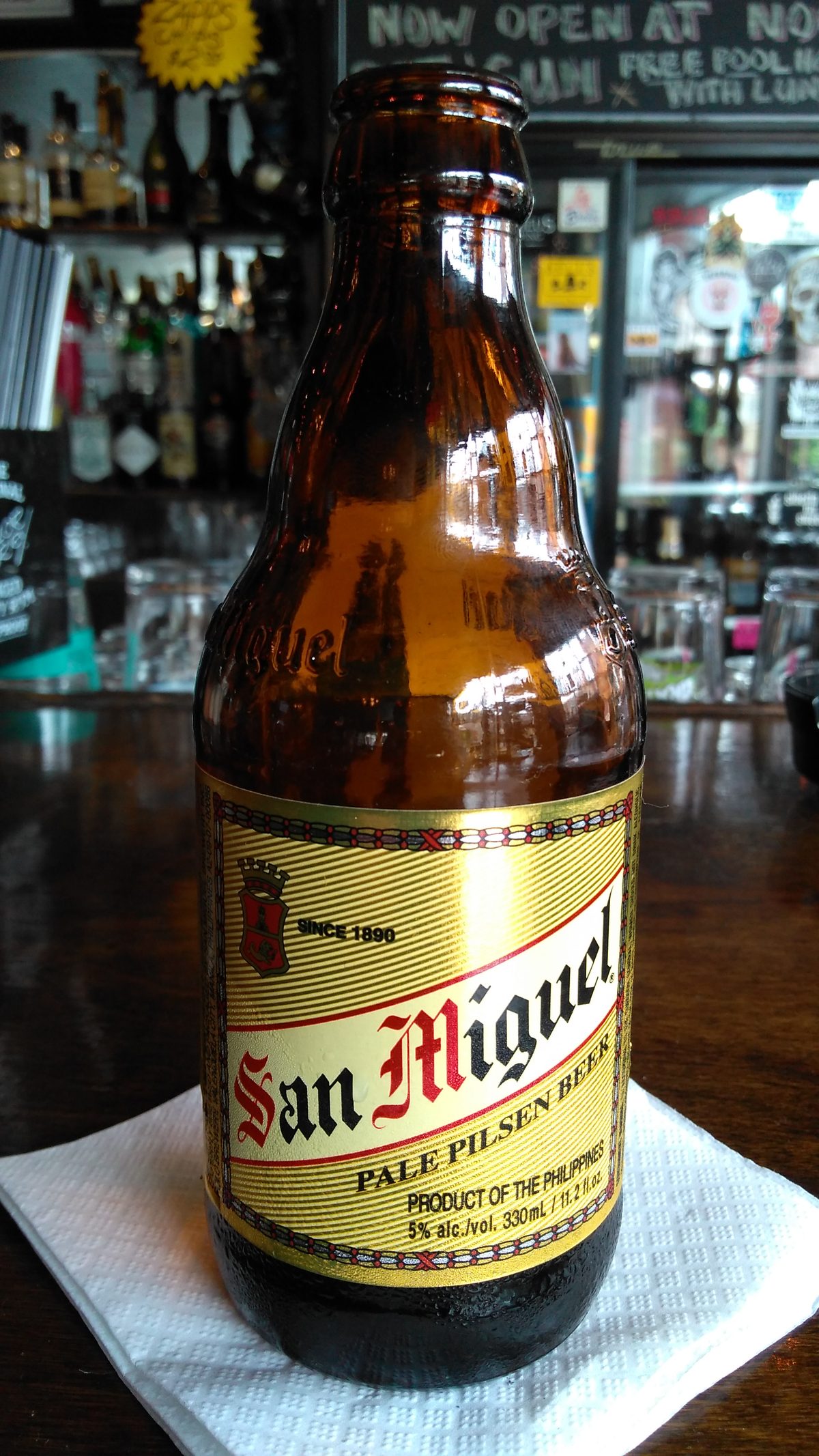
Beer is one of the great Philippine bargains. A bottle of San Miguel Pale Pilsen from a sari-sari store is ₱40 to ₱60 — under a dollar. Even in a bar it’s typically ₱90 to ₱150. Buy a few, grab a plastic stool on the street, and you have a good night out for very little.
Cocktails and imported spirits are a different universe. A passable mojito in a tourist bar is ₱250 to ₱450, and imported wine by the glass runs ₱350 to ₱700. Coffee splits the same way: a sari-sari 3-in-1 sachet costs pennies, but a flat white at a hip third-wave cafe in Poblacion or Cebu is ₱130 to ₱180 — basically Western pricing. Stick to local and you barely spend; order what you’d order at home and you pay what you’d pay at home.
Activities and wellness: outstanding value
This is where the Philippines feels almost unfairly cheap. An hour-long massage at a neighborhood spa is ₱300 to ₱600. Snorkeling the Moalboal sardine run costs about ₱200 all-in for gear and fees. El Nido island-hopping tours are ₱1,400 to ₱1,800 plus a small eco fee. Even a PADI Open Water dive certification comes in at roughly ₱18,000 to ₱30,000, though each dive center sets its own price: El Dive in El Nido lists ₱23,500, and Fisheye Divers in Boracay ₱29,000.
The thread here: experiences are a bargain, comfort is not. You can spend a fortune on a fancy hotel spa (₱2,000 and up) or almost nothing on a massage of the same length next door. The luxury markup is real; the baseline is tiny. For a full menu of what to do and what each thing costs, see our roundup of things to do in the Philippines.
Where the Philippines is genuinely NOT cheap
Let me be blunt about the surprises, because most cost guides gloss over them:
- International flights. Getting here is a big cost of its own — ₱40,000–65,000 ($630–1,050) round-trip from Europe or the US East Coast. On a short or budget trip, the airfare can outweigh everything you spend on the ground.
- Inter-island flights and ferries. The geography taxes you. A multi-island hop can quietly cost more than two weeks of food.
- Imported goods. Wine, cheese, electronics, brand-name toiletries, Western groceries — all carry a steep premium. Bring your own sunscreen and contact-lens solution.
- The marquee islands. El Nido, Boracay and Amanpulo charge resort-island prices. A boat trip, a beachfront dinner and a decent room in El Nido can cost triple a comparable day in, say, Dumaguete.
- ATM fees. Foreign cards get hit with roughly ₱250 per withdrawal. Pull out larger amounts less often, and carry cash to smaller islands where cards simply aren’t accepted.
None of this makes the Philippines an expensive country. It makes it a country with a sharp split between local prices (tiny) and tourist or imported prices (not). Knowing which is which is the entire skill.
Is the Philippines cheap compared to Thailand and Vietnam?
This is the question every Southeast Asia traveler actually wants answered, so here’s my honest read after time in all three. On the ground — food, beer, local transport, a private room — the Philippines is dead even with Thailand and only a touch pricier than Vietnam. Where it loses is the moving around. Thailand and Vietnam are largely overland: cheap night buses and trains stitch the country together. The Philippines makes you fly or ferry between islands, and that single structural difference pushes the all-in trip cost above its neighbors.
| Country | Budget daily spend (on the ground) | Cheap because… | Pricey because… |
|---|---|---|---|
| Vietnam | $25–40 | Lowest food + dorm prices, easy overland buses | Almost nothing — it’s the budget winner |
| Thailand | $30–50 | Fierce hostel competition, great street food | Islands and full-moon zones in peak season |
| Philippines | $35–55 | Same cheap food, beer and massages | Inter-island flights and ferries stack up fast |
So is the Philippines cheap? For daily living, absolutely — it matches the region’s best. For a whirlwind multi-island itinerary, it’s the priciest of the three, and that surprises people who lumped all of Southeast Asia into one budget. Slow your route down and the gap closes almost entirely. For a like-for-like sense of timing and seasonal pricing, our take on the cheapest time to visit the Philippines pairs well with this.
The cost of food in the Philippines, broken down
Since food is where most travelers feel the savings first, it’s worth a closer look. The cost of food in the Philippines splits into three tiers, and knowing them lets you eat brilliantly on almost any budget.
Tier one, the local everyday: carinderias, palengke food stalls, turo-turo (point-point) eateries and Filipino fast food. This is ₱60–160 a meal and the food is honest and filling — adobo, sinigang, pancit, grilled fish, a mountain of rice. A whole day eating this way costs less than a single Western brunch.
Tier two, the casual sit-down: mid-range Filipino and Asian restaurants, the kind with air-con and a menu in English. Mains run ₱250–600, and a shared dinner for two with drinks lands around ₱1,200. Still a bargain, and an easy default for most evenings.
Tier three, the imported and Western: steakhouses, Italian, brunch spots, hotel restaurants. Here a single main can hit ₱800–1,500, and a bottle of imported wine can push the bill up sharply. This tier is where “cheap Southeast Asia” quietly stops being cheap, so I treat it as an occasional splurge rather than a default.
One more honest note: fresh seafood is a genuine bargain on the coast and the small islands — grilled fish straight off the boat for a few hundred pesos — but the same seafood in a landlocked city restaurant can cost as much as it would at home. Eat it where it’s caught. For the dishes worth seeking out at each tier, our Filipino food guide is the companion to this section.
Putting it together: realistic Philippines daily costs
Stack up the everyday numbers and the daily totals fall out cleanly. These exclude international flights, which sit in a category of their own.
| Travel style | Daily spend (₱) | Daily spend (US$) | What it buys |
|---|---|---|---|
| Shoestring backpacker | ₱1,700–2,600 | $27–41 | Dorms, carinderia food, jeepneys, the occasional beer |
| Comfortable mid-range | ₱4,000–5,800 | $65–90 | Private rooms, mix of local and tourist restaurants, a daily tour, Grab |
| Soft-luxury | ₱11,000+ | $170+ | Resorts, hotel-spa massages, private boats, Western dining |
The headline most articles miss: your travel style, not the country, sets your budget here. The same island will cost one traveler $35 a day and another $250. The Philippines simply offers both ends, side by side, more starkly than most places. If you want the full trip math, our breakdown of what a 2-week Philippines trip really costs runs the numbers end to end, and the budget guide to backpacking the Philippines is built for the shoestring end.
SIM cards, data and paying for things
Connectivity is cheap and easy, which helps the budget in small ways. A tourist SIM or eSIM from Globe or Smart is the move: Globe sells tourist data packs from around ₱400, while Smart’s tourist range runs broadly ₱450–2,000 depending on the data and validity you pick. Both work on 5G with a compatible phone where coverage exists. Globe sells its Traveler SIM at selected arrival airports, and Smart sells prepaid eSIMs at international airports and through its online store, so check the outlet before you fly.
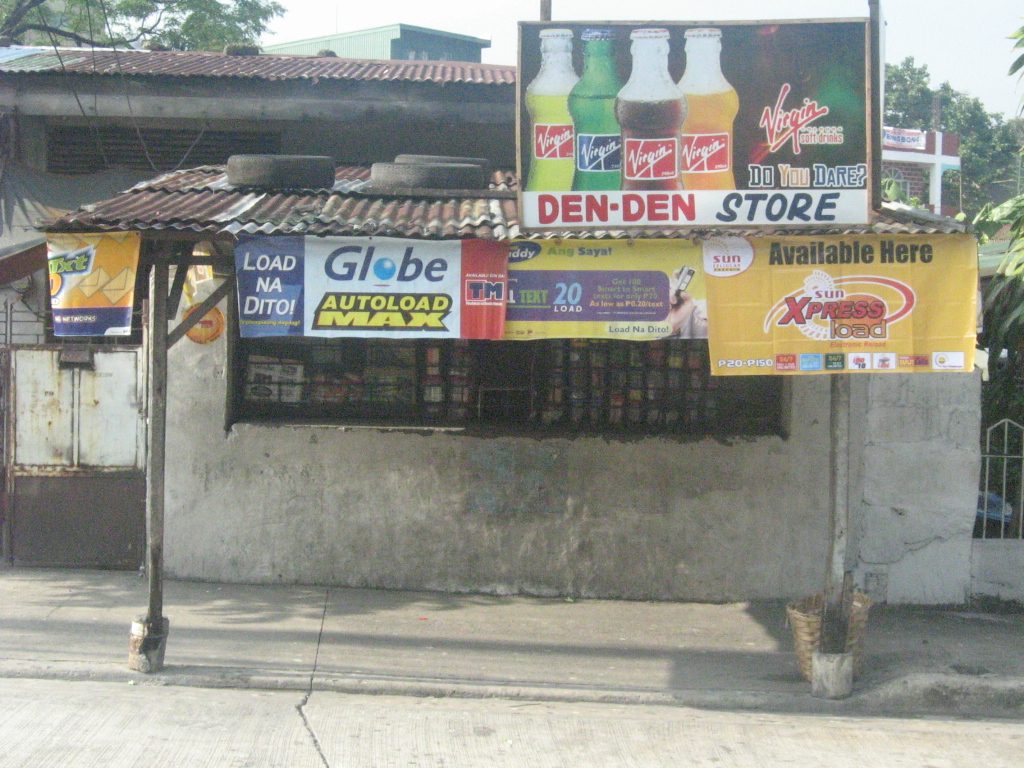
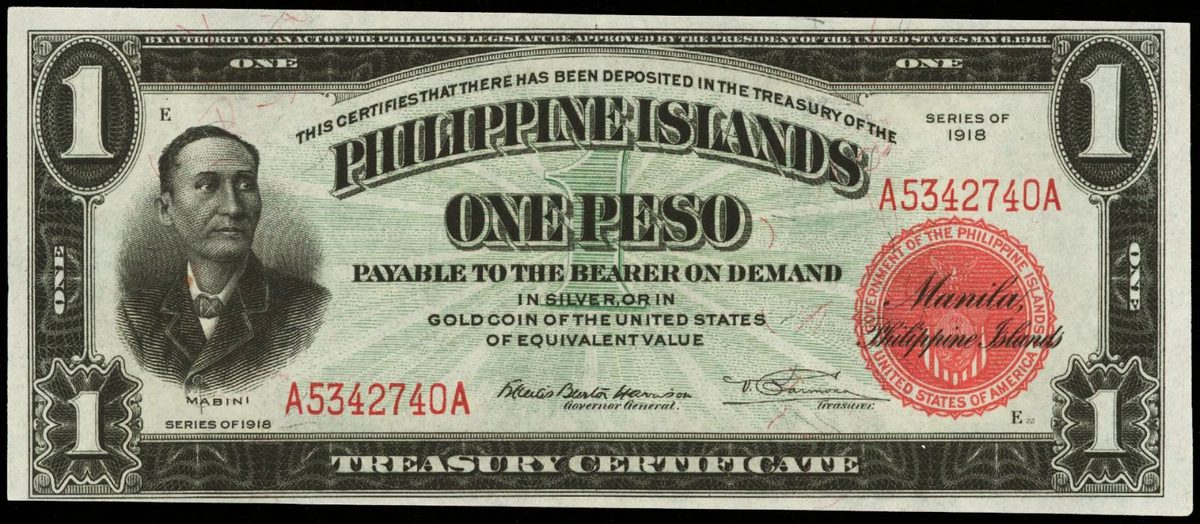
On payment: GCash, the local mobile wallet, is everywhere in cities and increasingly on the islands — worth setting up if you can, since it dodges ATM fees and some merchants prefer it. But cash is still king the moment you leave the bigger towns. Ferries, tricycles, small guesthouses, sari-sari stores and beachside carinderias are cash-only, and ATMs on small islands run dry or simply don’t exist. Before heading anywhere remote, carry enough pesos for a few days, in small bills: a fish-ball cart can rarely break a ₱1,000 note.
How to keep the Philippines cheap: my honest rules
These are the levers that actually move the needle:
- Eat where Filipinos eat. Carinderias, palengke (market) food stalls and Jollibee keep your food budget under ₱500 a day. Western cafes are the silent budget-killer.
- Move less, stay longer. Cutting one island from your route saves more than weeks of skipping desserts. Transport is the real cost here.
- Drink local. San Miguel and Tanduay rum cost a fraction of imported beer, cocktails and wine.
- Carry cash and withdraw big. Local ATMs charge foreign cards per withdrawal (BDO, for one, takes ₱250 on cards issued overseas, on top of your own bank’s charges), so pull out larger sums and check the fee on the ATM screen. Never assume small islands take cards.
- Time it right. Avoid Christmas, New Year and Holy Week, when transport and rooms can triple.
For the full money map — budgets by trip length, region-by-region costs and where to splurge versus save — start with our Philippines travel cost and budget guide, the pillar this article sits under.
Philippines prices by region: where it surprises people
The other thing nobody tells you: prices swing hard by destination. The same San Miguel and the same jeepney fare apply everywhere, but tourist-facing costs — rooms, tours, restaurant meals — vary wildly. Here’s roughly how the main regions stack up for a mid-range traveler’s daily spend on the ground.
| Destination | Mid-range daily (₱) | Approx. (US$) | The honest read |
|---|---|---|---|
| Manila | ₱2,900–5,200 | $45–85 | Cheap food everywhere; traffic and airport transfers are the hidden tax |
| Cebu City | ₱3,200–5,500 | $50–85 | Great value base; costs climb when you day-trip to islands |
| Dumaguete / Siquijor | ₱2,300–4,000 | $37–65 | Quietly one of the best-value corners of the country |
| Palawan (El Nido / Coron) | ₱4,000–7,500 | $65–120 | Where budgets stretch — boat trips and beachfront rooms add up |
| Boracay | ₱4,600–8,000 | $75–130 | Tourism-focused, so beachfront prices run high across the board |
| Siargao | ₱4,000–7,500 | $70–130 | Cheap if you stay simple; trendy cafes and surf costs push it up |
The takeaway that actually saves money: pair one expensive island with one cheap base. A few nights in El Nido balanced by a longer, slower stretch in Dumaguete or Cebu gives you the postcard scenery without paying resort prices for your whole trip. That single move does more for your budget than any amount of penny-pinching on food.
Frequently asked questions about prices in the Philippines
How much money do I need per day in the Philippines?
Excluding international flights, budget backpackers manage on ₱1,700–2,600 ($27–41) a day, a comfortable mid-range trip runs ₱4,000–5,800 ($65–90), and soft-luxury starts around ₱11,000 ($170). Your biggest variable is how often you change islands, since domestic flights and ferries inflate the total far more than meals or rooms.
Is street food in the Philippines safe and cheap?
Both, if you choose well. A street-food meal runs ₱60–200 ($1–3.20), and a carinderia plate of rice and ulam is often under ₱120. Stick to busy stalls with high turnover, where food is fresh and cooked to order, and you’ll rarely have trouble. Carry small bills, since vendors seldom have change for large notes.
Why is the Philippines more expensive than people expect?
Three things catch travelers off guard: inter-island flights and ferries (the geography forces them), the steep markup on imported goods and Western food, and resort-island pricing in places like El Nido and Boracay. Daily local costs are genuinely cheap; it’s these structural extras, plus the long-haul flight to get here, that lift the overall trip price.
Is the Philippines cheaper than Bali or Indonesia?
They’re close. Indonesia and the Philippines land in a similar budget band of roughly $45–90 a day for mid-range travel. Bali specifically can undercut the Philippines on accommodation and scooter rental, but the Philippines often wins on diving, island-hopping value and English ease. Neither is dramatically cheaper; your itinerary decides it.
What is the cheapest part of a Philippines trip?
Daily living, hands down. Local food, jeepneys and tricycles, domestic beer and neighborhood massages cost a fraction of what you’d pay in the West. You can eat three Filipino meals, cross a city several times and have a beer for under ₱700 ($11) a day. The savings vanish only when you add flights, resorts or imports.
Sources and photo credits
Photo credits
- Palengke public market — Shubert Ciencia, CC BY 2.0, via Wikimedia Commons
- Manila street food — Judgefloro, CC0, via Wikimedia Commons
- Jeepney, Manila — Aliceinthealice, CC0, via Wikimedia Commons
- San Miguel Pale Pilsen — Patronanejo, CC BY-SA 4.0, via Wikimedia Commons
- Sari-sari store — User:Exec8, CC0, via Wikimedia Commons
- Philippine peso banknotes and coins — Cjhpaz, CC BY-SA 4.0, via Wikimedia Commons
- El Nido, Palawan — Vyacheslav Argenberg, CC BY 4.0, via Wikimedia Commons
Sources
- Philippine Information Agency — LTFRB reminds PUV operators and drivers to display the updated fare matrix
- Bangko Sentral ng Pilipinas — official peso exchange rates
- Budget Your Trip — crowdsourced Philippines daily cost data
- Philippine Department of Tourism — official travel portal
About this guide: PhilippinesTourism.org tracks everyday Philippine prices in pesos and dollars against current fare rulings and exchange rates, verified September 2026.