Filipino Food: A Traveler’s Guide
Filipino food is the great underrated cuisine of Southeast Asia — the one your neighbours rave about long after the pad thai and the pho have blurred together. It is built on a single, addictive idea: the collision of sour, salty, sweet and savoury in one mouthful, usually with a mountain of white rice to carry it. If you are arriving with a Thai-curry idea of “Asian food” in your head, the Philippines will pleasantly confuse you, then win you over completely.
Here is the short answer for the impatient: the dishes worth flying for are adobo (meat braised in vinegar, soy and garlic), sinigang (a bracingly sour soup), lechon (whole spit-roasted pig, best in Cebu), sisig (a sizzling plate of chopped, crisped pork), and kare-kare (oxtail in peanut sauce). Eat street food from busy stalls, finish with a halo-halo, and you will have understood more about the country in a week of meals than in a month of museums.
I have spent a lot of time eating my way around this archipelago — from turo-turo canteens where you point at what you want, to a roadside lechon stand in Cebu, to the new wave of Manila restaurants that just earned the country its first Michelin stars. This guide is the one I wish someone had handed me on my first night: what to order, what each thing actually tastes like, what it costs in 2026, where regional specialities are worth a detour, how to eat street food without spending the next day in your hotel bathroom, and how to navigate it all as a vegetarian, a nervous eater or a curious one. It pairs naturally with the rest of our guide to things to do in the Philippines.
If you only try ten Filipino dishes
Short on time? This is the shortlist I give friends on their first trip — the ten plates that, between them, tell you most of what Filipino food is about. Everything here gets its own fuller treatment further down.
| Dish | What it is | Where it’s best |
|---|---|---|
| Adobo | Chicken or pork braised dark in vinegar, soy, garlic and bay leaf — the unofficial national dish | Everywhere; every family’s is different |
| Sinigang | Sour tamarind soup with pork or prawns and vegetables | Any Filipino canteen, especially in the rainy season |
| Lechon | Whole pig roasted on a spit until the skin shatters | Cebu (the gold standard) |
| Sisig | Chopped pork face and ears, crisped and served sizzling with calamansi and chilli | Pampanga; any beer joint nationwide |
| Kare-kare | Oxtail and tripe in a thick peanut sauce, eaten with shrimp paste | Manila and the surrounding Tagalog region |
| Crispy pata | Deep-fried pork knuckle, crackling outside, tender within | Manila lutong-bahay restaurants |
| Chicken inasal | Charcoal-grilled chicken marinated in calamansi and annatto | Bacolod and Negros |
| Kinilaw | Filipino ceviche — raw fish “cooked” in vinegar and citrus | The Visayas and Mindanao coasts |
| Halo-halo | Shaved ice piled with sweet beans, jellies, ube and leche flan | Anywhere hot; Razon’s and Chowking for the famous versions |
| Balut | A boiled, partly developed duck egg — the famous dare | From an evening street vendor, with salt and vinegar |
What Filipino food actually tastes like
If there is one thing to understand before your first meal, it is this: Filipino food is not built around chilli heat the way Thai or much Indonesian cooking is. Its backbone is sour and savoury. Vinegar is the national obsession — cane vinegar, coconut vinegar, palm vinegar — and it turns up everywhere, from the braising liquid of adobo to the little saucer of spiced vinegar (sukang sawsawan) that comes with almost anything fried. Alongside it sit soy sauce, fish sauce (patis), fermented shrimp paste (bagoong) and the sharp green citrus called calamansi. The result is food that is tangy, garlicky, deeply savoury, and often a little sweet.
That flavour comes from an unusually layered history. Long before any Europeans arrived, the islands’ Austronesian cooks were already preserving food in vinegar and salt and cooking in clay pots. Then came centuries of trade and conquest, each leaving something on the table: Chinese traders brought noodles, soy and the whole world of pancit and lumpia; more than three hundred years of Spanish rule layered on stews, embutido, and a sweet tooth for custards and fried dough; Mexican galleons crossing the Pacific dropped off tomatoes, corn and chocolate; and the American period in the twentieth century added a national soft spot for fried chicken, processed meat and sweet spaghetti. Filipino food was fusion centuries before the word existed, and it never pretends otherwise.
The other thing to know is that rice is not a side dish here — it is the point. Filipinos eat rice at breakfast, lunch and dinner, and most savoury dishes (the ulam) are designed to season it. Order a rich, salty, sour stew, picture it spooned over plain rice, and you will understand why portions of sauce matter more than portions of meat. Skip the rice and you are, in a real sense, only eating half the meal.
The Filipino dishes worth flying for
You could spend a month eating here and not repeat a dish. But a handful of plates form the core of the cuisine — the ones every cook has an opinion about and every region claims to do best. Start here.
Adobo — the dish that explains the country
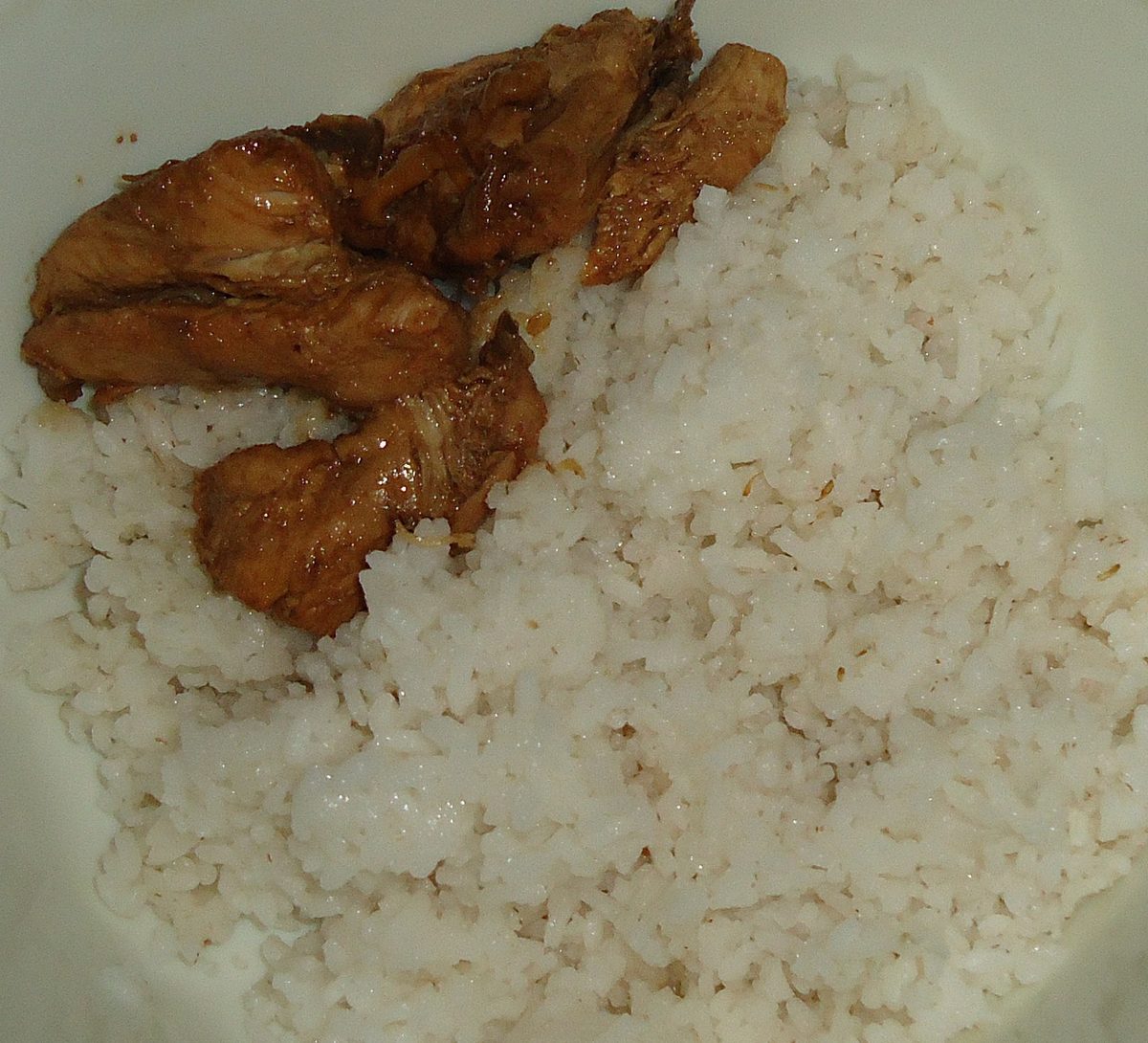
If Filipino food has a flag, it is adobo. The name is Spanish (from adobar, to marinate), but the technique is older than the colonisers who named it: meat simmered slowly in vinegar, soy sauce, garlic, black peppercorns and bay leaf until it is glossy, dark and falling apart. The vinegar both flavours and preserves, which is exactly why it caught on in a tropical climate with no refrigeration. Chicken and pork are the classics, often together; you will also meet squid adobo (adobong pusit, inky and dramatic), water-spinach adobo (adobong kangkong), and a paler version cooked without soy.
Here is the thing nobody tells you: there is no single correct adobo. Every household guards its own ratio of vinegar to soy, its own level of sweetness, its own debate about whether to add coconut milk. Ask ten Filipinos for the “real” recipe and you will start an argument. Order it on your first day, then order it again somewhere else two days later and notice how different it is. That variation is the lesson.
Sinigang — sour soup as comfort food
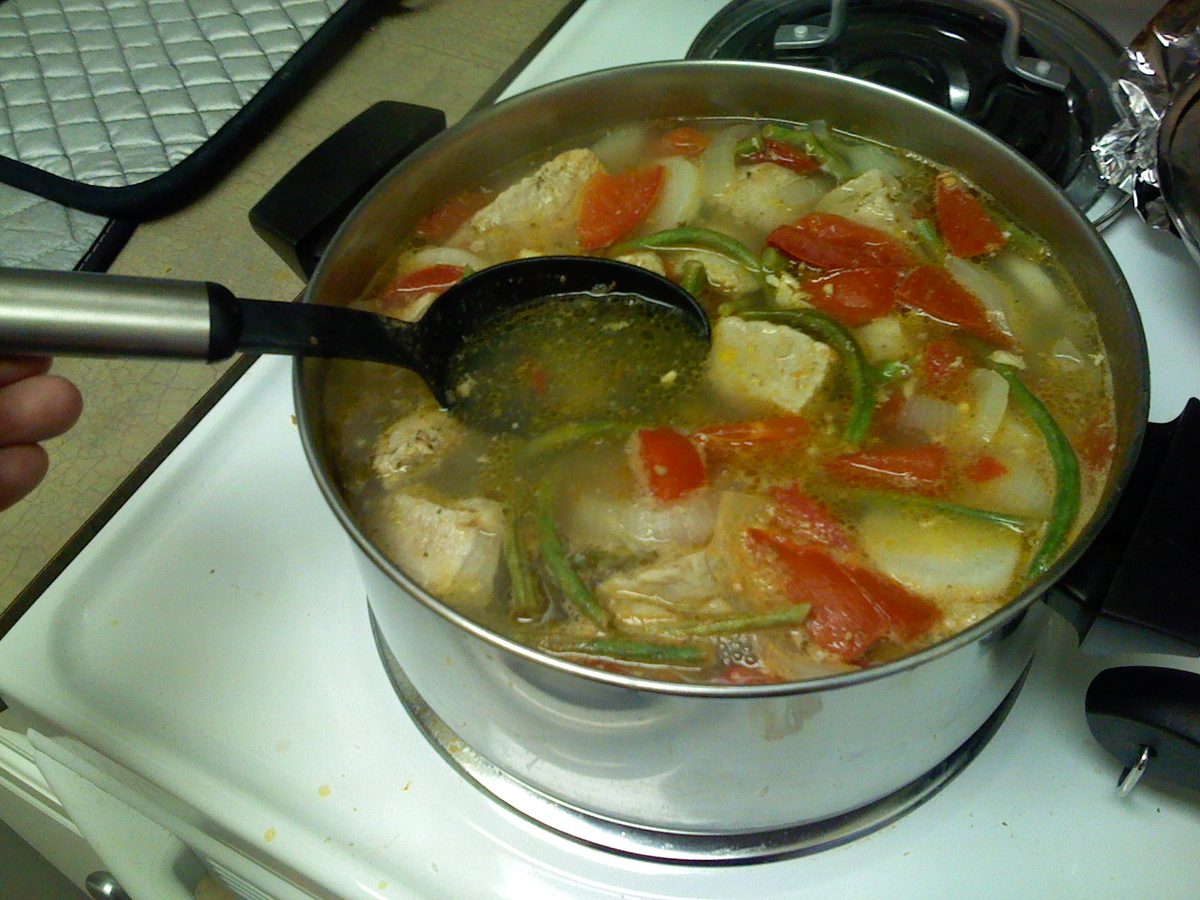
Sinigang is the dish Filipinos abroad miss most, and once you have had a good one you will understand why. It is a soup built around sourness, most commonly from tamarind (sampalok), though guava, green mango, calamansi or the small sour fruit called kamias all do the job in different regions. Into the sour broth go pork ribs, prawns or fish, plus a tumble of vegetables: water spinach, radish, long beans, eggplant, okra and tomatoes. It arrives steaming, tart and savoury, and it is meant to be ladled over rice rather than eaten on its own.
It is the ultimate rainy-season food, and the Philippines has plenty of rain. On a grey afternoon in the wet season, a bowl of pork sinigang is one of the great cheap pleasures of the country. If you only learn to recognise one Tagalog food word, make it sinigang.
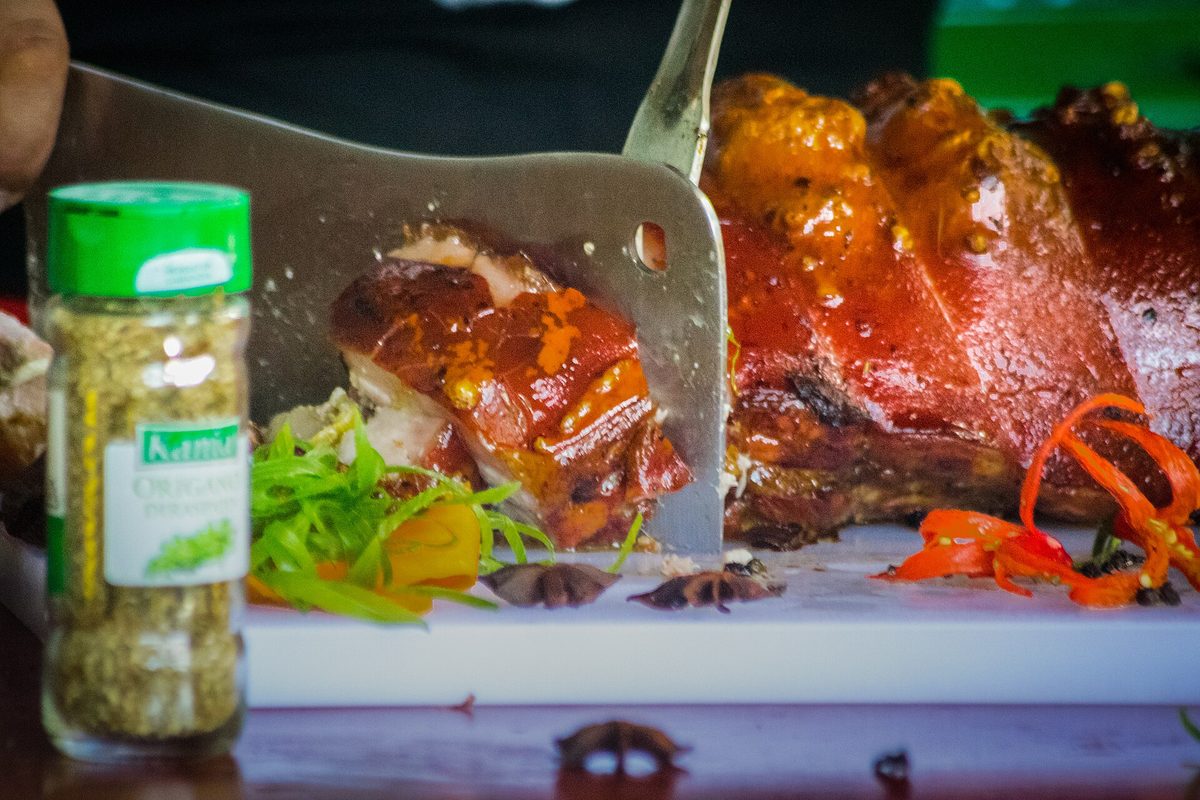
Lechon — the best roast pig in the world
Anthony Bourdain once called Cebu’s lechon the best pig, full stop, and I am not going to argue with him. Lechon is a whole pig roasted slowly over charcoal on a turning spit until the skin crackles into glass and the meat underneath stays moist. It is the centrepiece of every serious Filipino celebration — fiestas, weddings, Christmas — carried in whole and carved at the table to a small chorus of approval.
Regional styles matter here. Luzon lechon is usually seasoned simply and served with a sweet, liver-based sauce called lechon sarsa. Cebu lechon, the one with the reputation, is stuffed with lemongrass, garlic, spring onions and spices so that the meat is fragrant and seasoned all the way through — so good that locals insist it needs no sauce at all. If you are heading to the Visayas, build a lechon stop into your Cebu itinerary; the suburb of Talisay is the pilgrimage site, but excellent versions are sold all over the city. Look out too for lechon kawali (crisp-fried pork belly) and lechon de leche (a milk-fed suckling piglet) on restaurant menus.
Sisig — the sizzling plate you will reorder
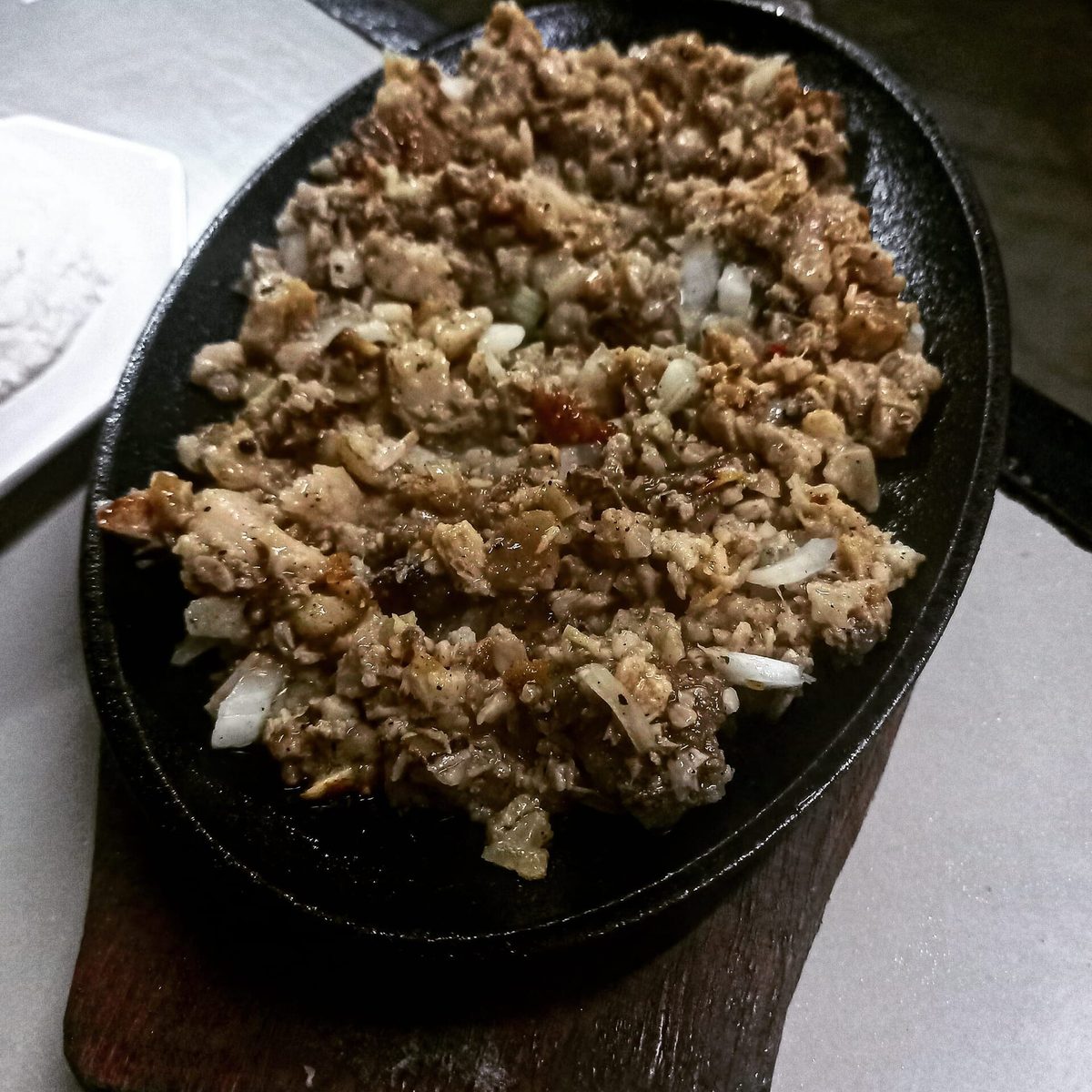
Sisig is the dish I send first-timers towards when they want something that screams “order another beer.” It comes from Pampanga, the province north of Manila that Filipinos themselves call the country’s culinary capital, and it is a small miracle of nose-to-tail cooking: pork face, ears and sometimes liver, boiled, grilled, then chopped fine and served on a screaming-hot cast-iron plate with onions, chilli and a squeeze of calamansi. Often a raw egg is cracked on top at the table and stirred through the residual heat. It is crisp, rich, tangy and faintly funky, and it is glorious with a cold San Miguel.
Sisig has become the great gateway dish — even people who flinch at “pork face” tend to clean the plate once they taste it. You will find it everywhere from roadside inuman (drinking spots) to upscale restaurants doing fancy versions with bagnet or even tuna. The original, in a smoky Angeles City eatery, remains the benchmark.
Kare-kare, crispy pata and the rest of the canon
Kare-kare is a thick, mild, nutty stew of oxtail and tripe (and sometimes vegetables) in a peanut sauce the colour of terracotta, traditionally thickened with ground rice and annatto. It is served with a side of bagoong, the pungent fermented shrimp paste you stir in to taste — the sweet, nutty sauce and the salty funk are designed for each other. It is rich, special-occasion food and a brilliant introduction to how Filipinos balance flavours on the plate rather than in the pot.
Crispy pata is a whole pork knuckle, simmered until tender then deep-fried until the skin blisters and shatters — gloriously unhealthy, meant for sharing, and served with a soy-vinegar dip. Bulalo is a clear, marrow-rich beef-shank soup from the cool Tagaytay highlands south of Manila, the kind of thing you crave on a rare chilly evening. Tinola is a gentle ginger-and-chicken soup with green papaya and chilli leaves — the comfort food cooked when someone is unwell. And chicken inasal, from Bacolod, is charcoal-grilled chicken marinated in calamansi, vinegar, lemongrass and annatto until it is smoky and golden, served with garlic rice and a dipping bowl of soy, vinegar and the rendered chicken oil. Order it by the part — paa (leg), pecho (breast), pakpak (wing) — and do not skip the oil.
The spicy exceptions: Bicol and Mindanao
I said Filipino food is not generally spicy, and that is true — with two delicious exceptions. The Bicol region in southern Luzon cooks with coconut milk and a lot of chilli. Its signature is Bicol Express, a stew of pork belly simmered with coconut cream, shrimp paste and a frankly alarming quantity of long chillies; alongside it sits laing, dried taro leaves slow-cooked in coconut milk until silky, spiked with chilli and pork. Down in Mindanao, especially in the Muslim south, the cooking leans on turmeric, chilli and aromatics in dishes like piaparan and rich beef rendang-style stews. If you like heat, seek these out specifically; the rest of the country will not provide it by default.
Filipino breakfast and the silog universe
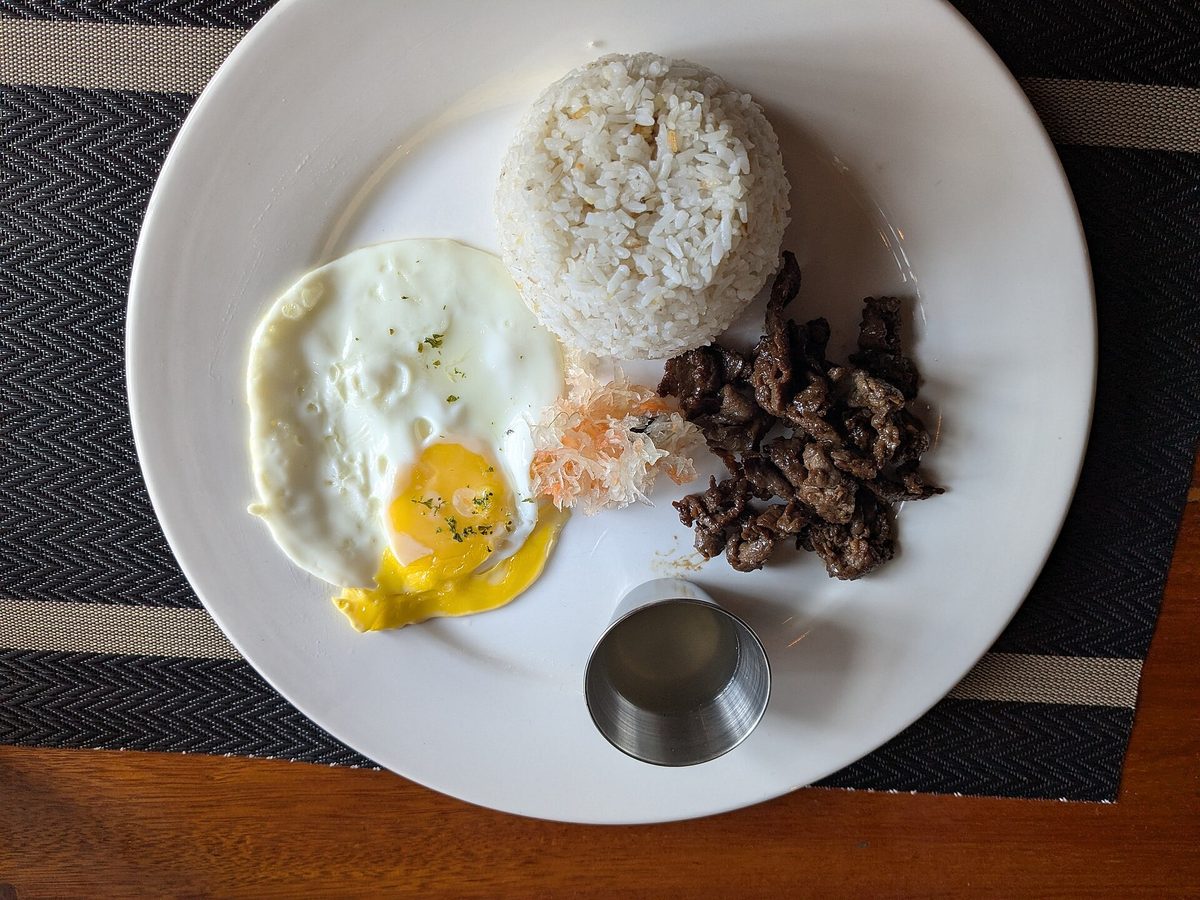
Breakfast might be my favourite Filipino meal, and it runs on a simple, brilliant formula: a protein, a mound of garlic fried rice (sinangag), and a fried egg (itlog). Mash those last two words together with your protein of choice and you get the silog family, the backbone of every Filipino morning and many a hangover.
The originals are tapsilog (with tapa, sweet-salty cured beef), longsilog (with longganisa, the local sausage), and tocilog (with tocino, sweet cured pork that fries up sticky and red). From there it gets gleefully creative: bangsilog with milkfish, hotsilog with hot dogs, even spamsilog with the fried slabs of SPAM that Filipinos love without irony. Wash it down with thick local hot chocolate (tsokolate, made from tablea) or sweet 3-in-1 instant coffee, and you are set for the day for around ₱120–200 (roughly US$2–3.50).
Beyond the silogs, look for champorado (a sweet chocolate rice porridge, bizarrely and wonderfully paired with salty dried fish), arroz caldo and goto (gingery rice porridges, the latter with tripe), pandesal (soft bread rolls sold warm from neighbourhood bakeries at dawn), and taho — warm silken tofu with brown-sugar syrup and chewy sago pearls, carried through the streets each morning by a vendor calling out “Taho!” It costs small change and it is one of the small daily pleasures of the country.
Seafood, the Filipino way
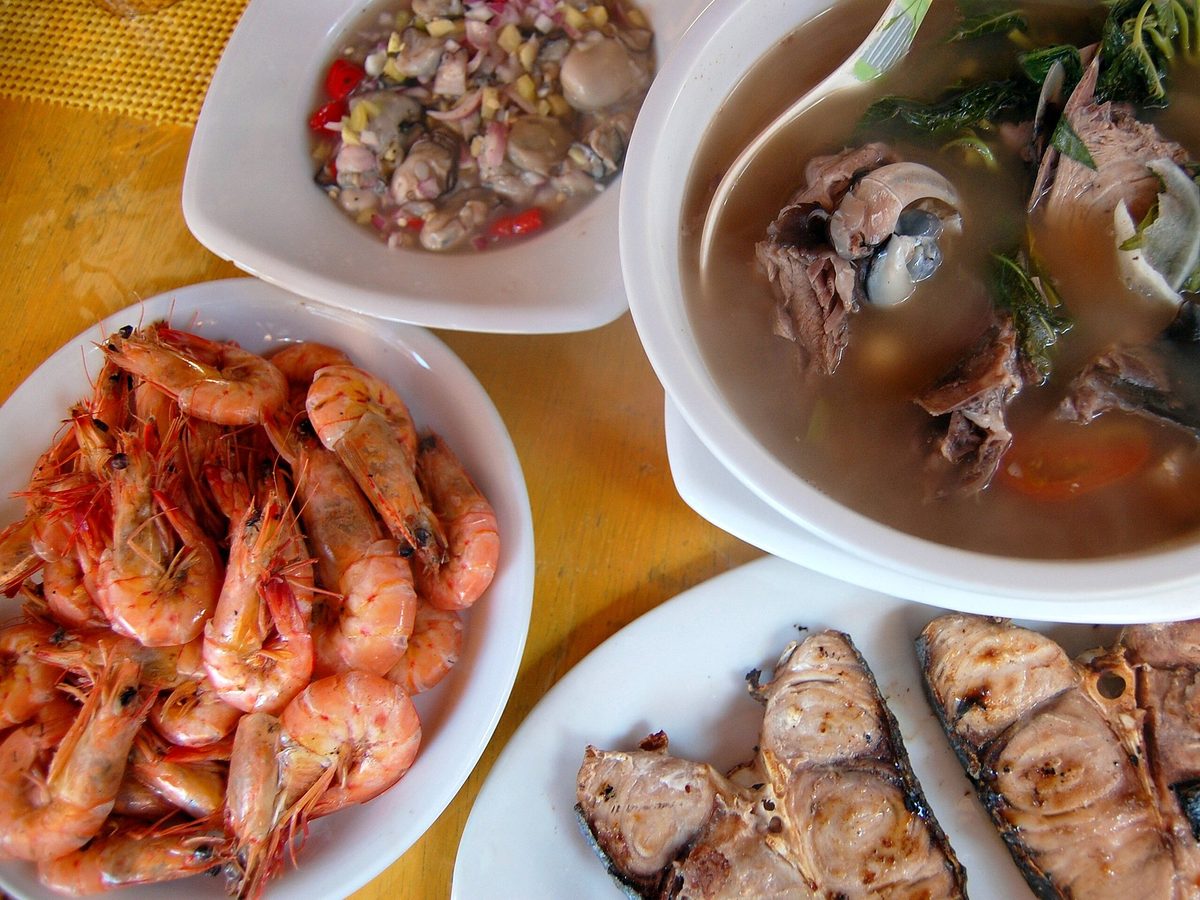
With more than seven thousand islands, the Philippines does seafood with an easy confidence, and often at its most basic and best: a whole fish or a pile of prawns grilled over coconut husks (inihaw) and eaten with rice and spiced vinegar, ideally at a plastic table within sight of the water.
The dish to seek out is kinilaw, the Filipino answer to ceviche — raw tuna or mackerel “cooked” in vinegar and calamansi with ginger, onion, chilli and sometimes coconut milk. Fresher and sharper than its Latin American cousin, it is at its best on the coasts of the Visayas and Mindanao, made from fish that was swimming that morning. Also look for bangus (milkfish, the national fish, served grilled and stuffed as rellenong bangus or marinated and fried as daing na bangus), sinigang na hipon (prawn sinigang), and the simple, perfect grilled squid. In coastal towns you will often find dampa-style markets where you buy your seafood fresh from a stall and pay a nearby kitchen a small fee to cook it however you like — one of the great food experiences in the country.
Filipino street food: what to eat and the rules that keep you well
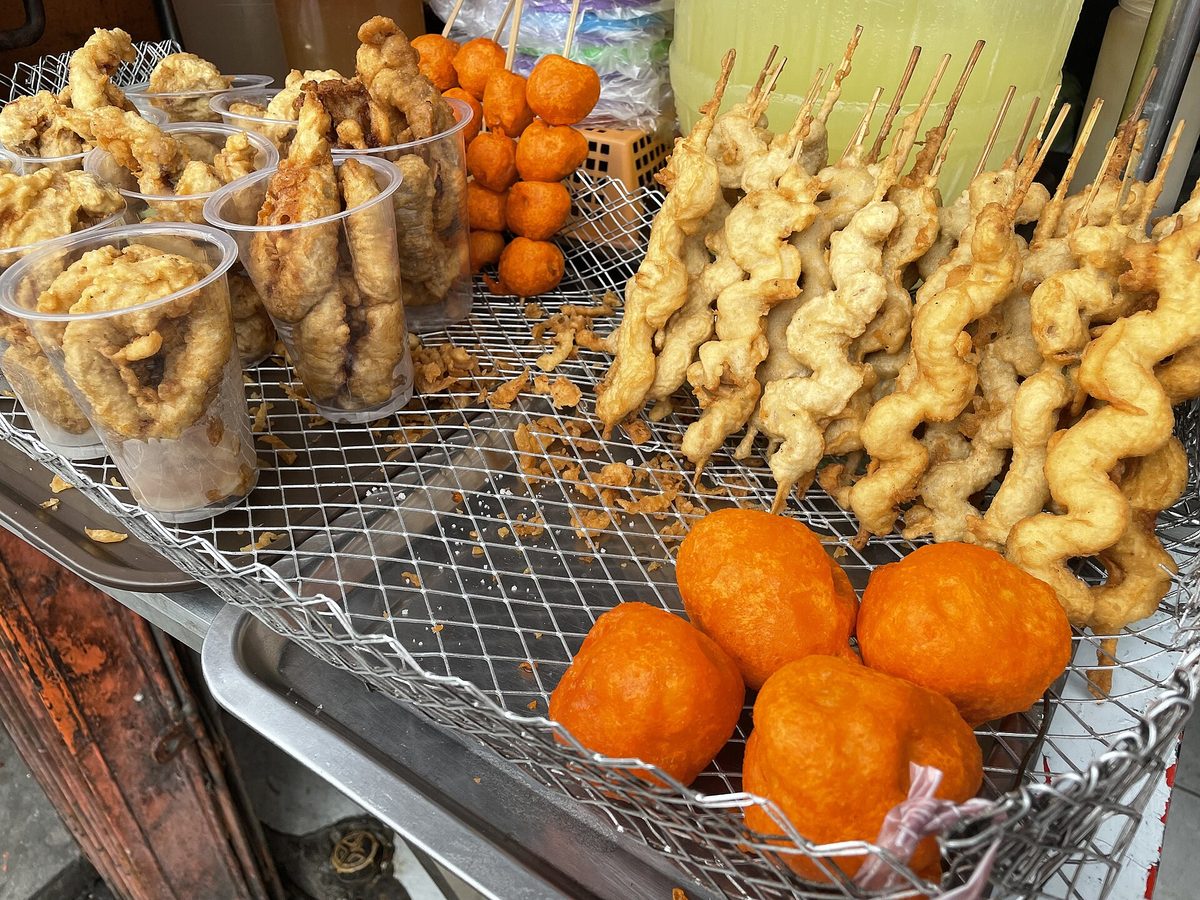
Street food is where Filipino eating gets most adventurous, most social and cheapest. Come evening, pavements fill with carts and grills, and the whole spectrum is on offer — from things you will recognise instantly to things you will want to photograph before you can bring yourself to bite.
The crowd-pleasers first. Lumpia are spring rolls: lumpiang Shanghai are thin, crisp and stuffed with pork, eaten by the dozen; lumpiang sariwa are soft, fresh and vegetable-filled with a sweet peanut sauce. Isaw are grilled, marinated chicken or pork intestines on a skewer — smoky, chewy and far better than they sound. Kwek-kwek are quail eggs in a bright-orange batter, deep-fried and dunked in spiced vinegar. Fishballs, squid balls and kikiam are skewered, fried and slathered in sweet or spicy sauce from a communal pot. Banana cue and camote cue (caramelised fried plantain and sweet potato) handle the sweet tooth, and chicharon — puffed, salty pork crackling — handles the salt one.
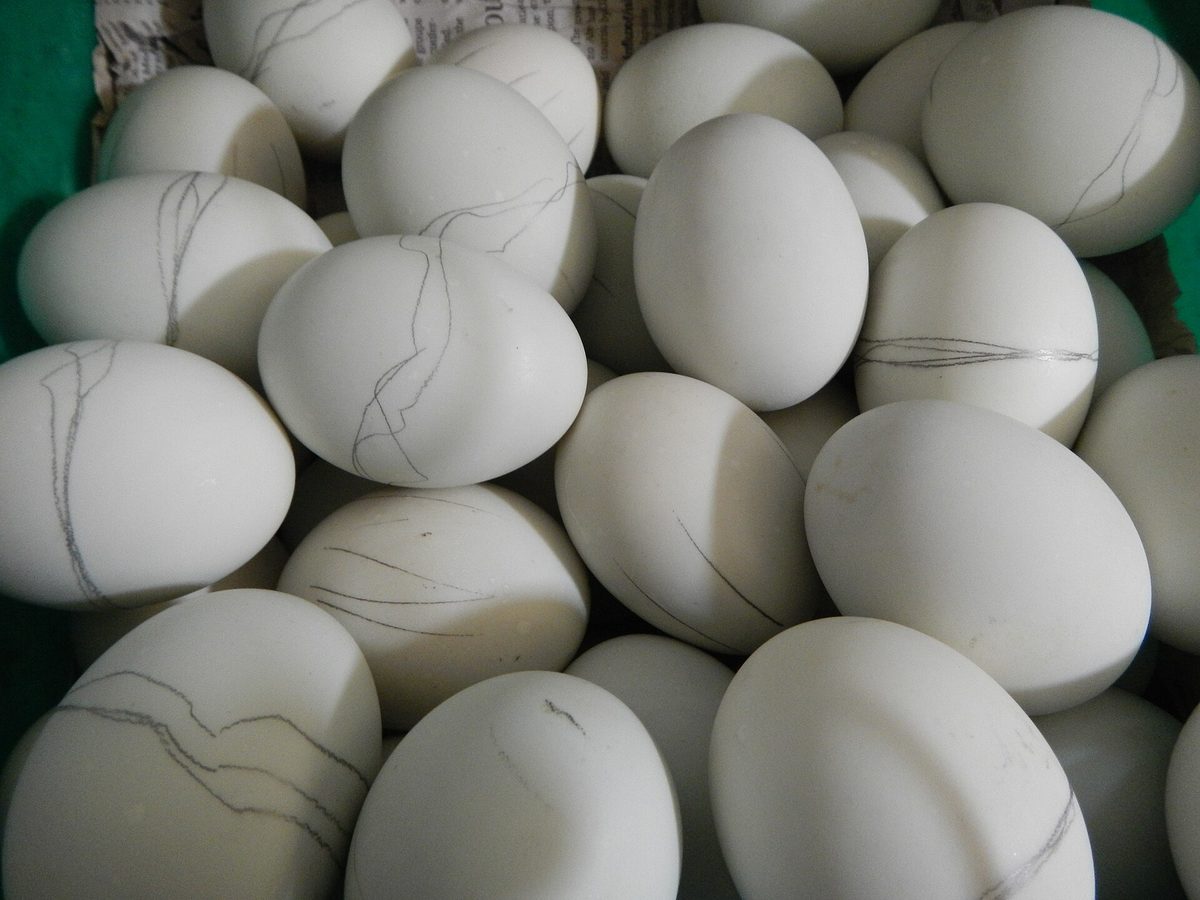
Then there is balut, the one everyone has heard about: a fertilised duck egg incubated for around 17 to 18 days and then boiled, so that inside is a partly formed embryo. It is sold by evening vendors, eaten warm from the shell with a pinch of salt or a splash of spiced vinegar, and it is genuinely nutritious and genuinely cheap. Is it a tourist dare? A bit. But it is also an ordinary, beloved Filipino snack, and trying one (or politely declining one) with a smile goes a long way. If you want to ease in, ask for penoy, the version without a developed embryo — essentially a rich, hard-boiled duck egg.
How to eat street food without getting sick
I have eaten a great deal of Filipino street food and rarely had a problem, because a few simple rules cover most of the risk. None of this is complicated:
- Follow the crowds. A busy stall has high turnover, which means fresh food and a vendor whose reputation depends on not poisoning the neighbourhood. An empty cart with food sitting out is the one to skip.
- Eat it hot and freshly cooked. Anything pulled straight off the grill or out of the fryer — isaw, kwek-kwek, banana cue, lumpia — is low-risk. Be warier of things that have been sitting at room temperature, and of pre-made sauces left uncovered in the heat.
- Mind the water, not just the food. Tap water is not reliably safe for visitors in most of the country. Drink bottled or properly filtered water, use it to brush your teeth, and be a little cautious with ice from informal stalls (ice from established restaurants and chains, made from purified water, is generally fine).
- Carry your own small bills and hand sanitiser. Vendors rarely have change for large notes, and a squirt of sanitiser before you eat with your hands costs you nothing.
For the wider picture on health and getting around safely, our honest safety guide to the Philippines covers water, stomach bugs and travel insurance in more detail. The headline, though, is reassuring: street food here is part of how the whole country eats, and with a little common sense it is one of the best parts of a trip.
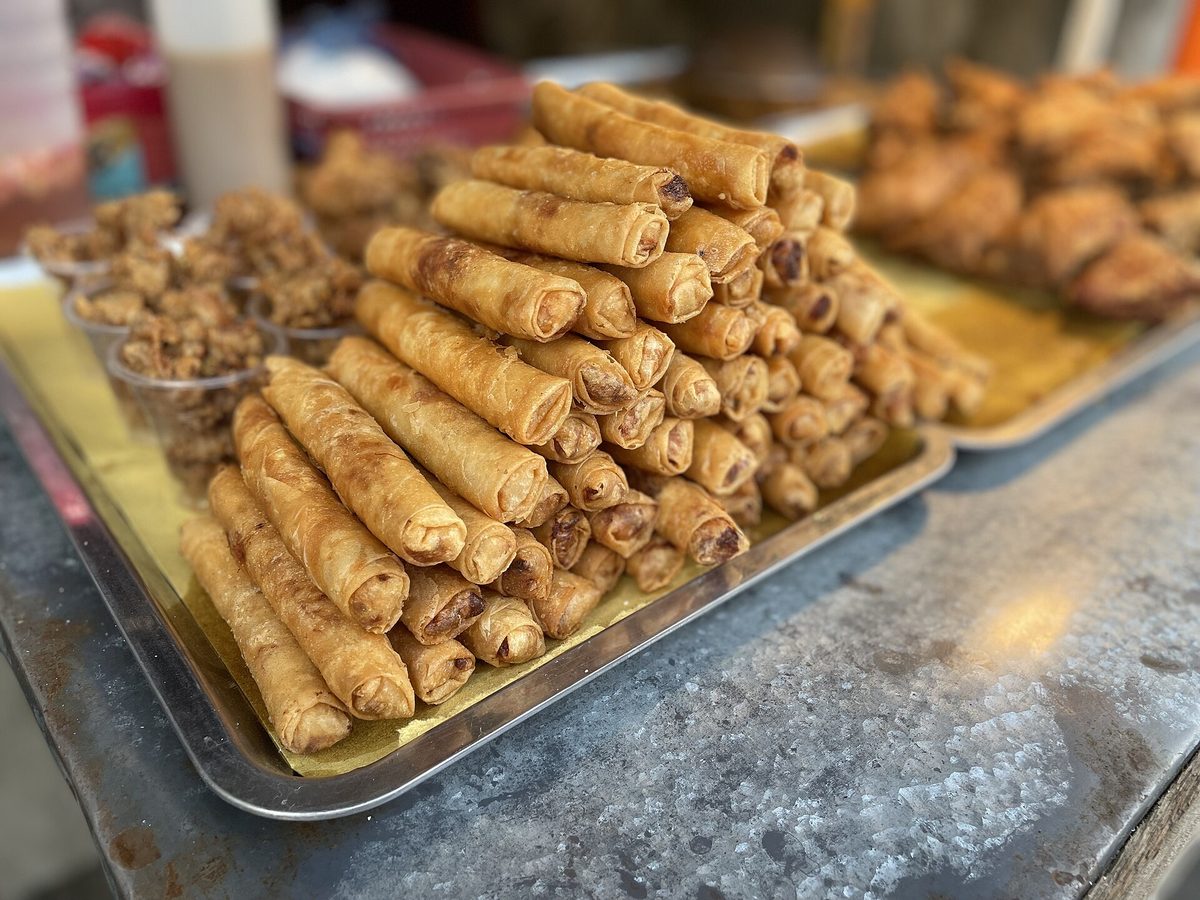
A regional food map of the Philippines
One mistake travellers make is treating “Filipino food” as a single thing. It is really a federation of regional cuisines, and some of the best eating you will do is the result of going somewhere specifically for what it cooks. If you are routing a trip, it is worth letting your stomach influence the itinerary. Here is the rough map I carry in my head.
| Region | Eat this | Why it matters |
|---|---|---|
| Pampanga (Central Luzon) | Sisig, tocino, sweet longganisa, exotic bopis | Self-styled culinary capital; the Kapampangans take cooking seriously and it shows |
| Ilocos (Northern Luzon) | Bagnet, Vigan longganisa, pinakbet, Ilocos empanada | Garlicky, salty, vegetable-and-pork cooking built around bagoong; a highlight of any northern road trip |
| Bicol (Southern Luzon) | Bicol Express, laing, anything in coconut milk | The country’s spice belt — coconut cream and chilli in everything |
| Bacolod & Negros | Chicken inasal, fresh seafood, piaya and other sweets | Sugar country; the inasal here sets the national standard |
| Iloilo (Panay) | La Paz batchoy, pancit molo, seafood | Batchoy — a rich pork-and-noodle soup — was born in its La Paz market |
| Cebu (Visayas) | Lechon, puso (hanging rice), dried mangoes | The best roast pig in the country, and a brilliant first food city |
| Batangas & Tagaytay | Bulalo, lomi, kapeng barako | Cool-highland comfort food a short drive south of Manila |
| Mindanao | Halal Maranao dishes, piaparan, durian, satti | The other spicy region, with Malay and Middle Eastern threads the rest of the country lacks |
You do not need to visit all of these to eat well — Manila and Cebu both pull specialities in from everywhere — but knowing the map helps you order with intent. See “chicken inasal” on a menu in Bacolod and you order it without thinking; see “batchoy” in Iloilo and you know you are in the right place for it.
Filipino desserts and the halo-halo deep dive
Filipinos have a serious sweet tooth, a legacy of Spanish custards and a sugar-growing south, and dessert (or the mid-afternoon snack known as merienda) is taken seriously. The headline act is halo-halo, whose name means “mix-mix” and tells you exactly what to do with it. Into a tall glass go shaved ice and evaporated milk over a rummage of sweet beans, nata de coco, sugar-palm fruit (kaong), jellies, sweet plantain and pinipig, topped with a scoop of purple-yam ice cream, a slice of leche flan and sometimes a spoon of ube halaya. You stir the whole improbable thing into a cold, creamy, texturally chaotic slush. On a 34-degree afternoon it is perfect. There is no single recipe; the joke is that the more colours in the glass, the better.
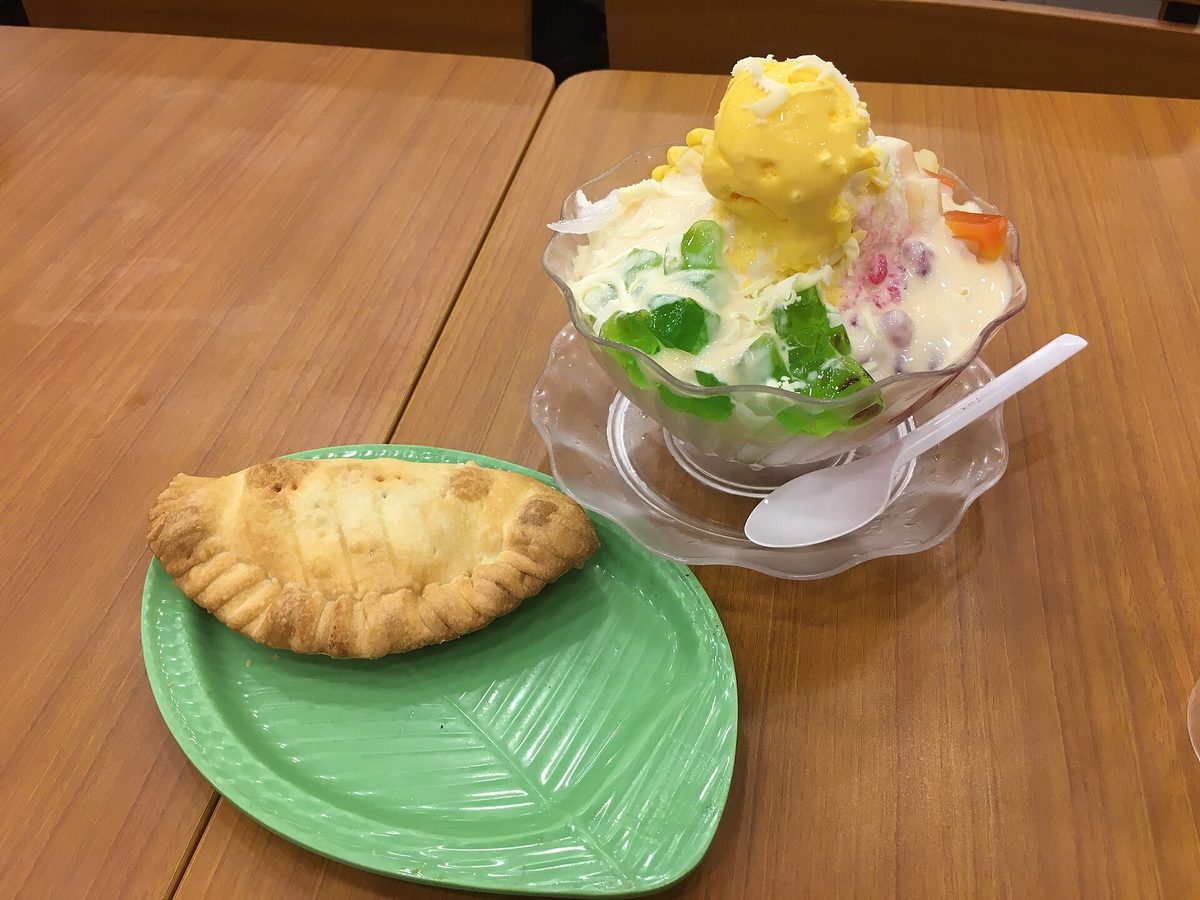
Beyond halo-halo, the dessert world divides roughly in two. There are the Spanish-descended sweets: leche flan (a dense, egg-yolk-rich creme caramel), ensaymada (a buttery brioche coil topped with cheese), turon (caramelised plantain and jackfruit fried in a spring-roll wrapper) and sans rival (a cashew-meringue and buttercream cake). And there are the indigenous rice cakes known collectively as kakanin: puto (steamed rice cakes), suman (sticky rice steamed in banana or palm leaves), bibingka and puto bumbong (the charcoal-baked and bamboo-steamed cakes that appear everywhere at Christmas), and sapin-sapin (a glistening layered cake). Then there is ube itself — the purple yam whose nutty, vanilla-ish flavour has quietly become the country’s most famous culinary export, colouring everything from ice cream to pandesal a startling violet.
What to drink in the Philippines
Drinks are the part of Filipino food that guidebooks routinely forget, which is a shame, because they are half the fun. Start with the soft stuff. Calamansi juice, sweet-sour and served hot or iced, is the national cooler and the thing I order most. Buko (fresh young-coconut water, often scooped straight from the nut) is everywhere and cheap. Sago’t gulaman is a sweet brown-sugar-and-pandan drink loaded with tapioca and jelly — pudding you can sip. And kapeng barako, the strong native coffee of Batangas and Cavite, is worth seeking out for anyone tired of instant 3-in-1.
On the alcohol side, beer is king: San Miguel Pale Pilsen is the default, and its stronger sibling Red Horse is the one that ends evenings early. A bottle runs around ₱70–100 (about US$1.20–1.60) in a small eatery. For something more local, lambanog is a potent distilled coconut-palm spirit from Quezon province (treat it with respect — it is strong), and tuba is the fresher, mildly fermented coconut palm wine you will meet in the Visayas. Filipino drinking culture revolves around pulutan — the savoury bar snacks like sisig, chicharon and grilled things that you order specifically to go with the beer — and being invited to a tagay session, where one shared glass goes round the circle, is one of the warmest ways to spend an evening in this country.
Where to eat: from carinderia to Michelin star
One of the joys of eating here is the range, from a one-dollar plate eaten standing up to a tasting menu that has just put the country on the global map. Here is how the tiers break down.
At the bottom — in price, not quality — is the carinderia or turo-turo (“point-point”), the neighbourhood canteen where a dozen pots of home-style food sit behind glass and you literally point at what you want over rice. This is where Filipinos actually eat lunch, where the adobo and the sinigang are often best, and where a full meal costs around ₱60–120 (US$1–2). Learn to love these and your trip gets cheaper and tastier at the same time. A rung up are the casual lutong-bahay (“home-cooked”) restaurants and the famous regional institutions — the lechon houses of Cebu, the inasal grills of Bacolod, the batchoy stalls of Iloilo — where a sit-down meal runs ₱150–500 (US$2.50–8).
You will also meet the Filipino fast-food giants, and you should at least once. Jollibee, the bee-mascotted chain that has beaten McDonald’s on its home turf, is a genuine cultural institution — order the Chickenjoy fried chicken and the sweet-style Jolly Spaghetti and you will understand a Filipino childhood. It is cheap, it is everywhere, and it is weirdly wonderful.
And then, new as of late 2025, there is the top tier. The Michelin Guide arrived in the Philippines for the first time with its inaugural 2026 selection, announced in Manila, covering Manila and its surrounds plus Cebu. It awarded one two-star restaurant — Helm in Manila — and eight one-star restaurants, among them the pioneering modern-Filipino kitchens Toyo Eatery, Hapag, Gallery by Chele, Linamnam and Inato, alongside a long list of more affordable Bib Gourmand spots. For a cuisine long overlooked on the world stage, it was a watershed, and it makes Manila a serious dining destination in its own right. Booking ahead for the starred places is essential; a tasting menu will run somewhere around ₱5,000–10,000-plus (US$80–165-plus) per person, the rare splurge in an otherwise gloriously cheap food country. To go deeper on the city’s restaurants and food neighbourhoods, see our Manila travel guide.
What Filipino food costs in 2026
This is one of the cheapest countries in the region to eat well, and prices barely register if you eat like a local. The figures below are mid-2026 ballparks (at roughly ₱61 to the US dollar); treat them as a guide rather than a guarantee, since prices drift and cities run dearer than provinces.
| What | Rough price (PHP) | Approx. USD |
|---|---|---|
| Carinderia meal (one dish + rice) | ₱60–120 | $1–2 |
| Silog breakfast | ₱120–200 | $2–3.50 |
| Street-food snack (per skewer/cup) | ₱10–50 | $0.20–0.80 |
| Jollibee Chickenjoy meal | ₱120–200 | $2–3.50 |
| Casual restaurant main | ₱150–500 | $2.50–8 |
| Bottle of San Miguel / Red Horse | ₱70–100 | $1.20–1.60 |
| Fresh buko or calamansi juice | ₱30–70 | $0.50–1.20 |
| Halo-halo | ₱80–200 | $1.30–3.30 |
| Michelin tasting menu (per person) | ₱5,000–10,000+ | $80–165+ |
For how food fits into a daily travel budget alongside rooms and transport, our Philippines travel cost guide has the full breakdown. The short version: you can eat three good meals a day for under US$15 without trying, and under US$8 if you stick to carinderias and street food.
Dining etiquette: kamayan, merienda and eating like a local
Filipino eating is communal and relaxed, and a little awareness goes a long way. Meals are shared family-style, with dishes in the middle and everyone serving themselves over rice — arrive hungry and willing to pass plates. The fork-and-spoon is the standard cutlery (the spoon does the cutting and carrying; the knife is rare), and you will look perfectly at home using them.
But the experience to seek out is kamayan — eating with your hands. Pre-colonial and still very much alive, it is the traditional way, and many restaurants now stage boodle fights: a long table lined with banana leaves, heaped with rice, grilled meats, seafood and vegetables, and eaten communally with bare hands and no plates. Wash your hands first, use your right hand, eat with your fingertips rather than your whole palm, and let an elder or host start. It is messy, joyful and one of the most memorable meals you can have here. A couple of other small things: merienda, the mid-afternoon snack, is a genuine institution — do not be surprised when food appears at 3pm — and tipping, while not obligatory, is appreciated, with around 10 per cent normal in sit-down restaurants if no service charge is included.
Eating with dietary restrictions
I will be honest, because the cheerful listicles often are not: Filipino cuisine is meat-heavy, pork-loving and built on fish sauce and shrimp paste, so vegetarians, vegans and people with allergies need to plan a little. It is very doable; it just is not automatic.
Vegetarians and vegans should know that “vegetarian” is not a widely understood concept in smaller eateries, and a dish described as meat-free may still be cooked with bagoong or pork fat. That said, naturally plant-friendly dishes exist — ginataang gulay (vegetables in coconut milk), chopsuey, lumpiang sariwa, adobong kangkong and grilled vegetables — and you can ask for them walang karne (without meat) and walang bagoong (without shrimp paste). Metro Manila, Cebu and tourist hubs like the main islands now have plenty of dedicated vegetarian and vegan restaurants; rural areas are harder, so self-cater a little when you head off the beaten track. Muslim and halal travellers will find the most options in Mindanao and in the halal-certified restaurants of the big cities. And anyone with a shellfish or peanut allergy should be genuinely careful: shrimp paste is hidden in many dishes, and peanuts are central to kare-kare and some sauces — learn the words hipon (shrimp) and mani (peanut) and flag them clearly.
Filipino food by traveller type
However you travel, there is a way into this cuisine. A few quick steers:
- The nervous first-timer: start safe and delicious with chicken adobo, chicken inasal, lumpiang Shanghai, pancit and a Jollibee Chickenjoy. Everything here is familiar in shape, and it builds your confidence fast.
- The adventurous eater: go straight for sisig, dinuguan (pork-blood stew), balut, isaw and a kinilaw made from this morning’s catch. Then chase regional specialities — Bicol’s chilli, Pampanga’s nose-to-tail cooking — for the real depth.
- Families with kids: Filipino food is a soft landing for children — mild, rice-based and sweet-leaning. Chicken adobo, lumpia, pancit, tocino and halo-halo are easy wins, and Jollibee is a guaranteed crowd-pleaser.
- Budget backpackers: live off carinderias and street food and you will eat brilliantly for a few dollars a day. Point-point lunches, silog breakfasts and evening skewers are your staples.
- Serious foodies: bookend a trip with Manila’s Michelin-tier modern-Filipino restaurants and a Cebu lechon pilgrimage, and fill the middle with regional eating. You are arriving at a genuinely exciting moment for this cuisine.
Filipino food: frequently asked questions
What is the national dish of the Philippines?
Adobo is the unofficial national dish — meat slow-braised in vinegar, soy sauce, garlic, peppercorns and bay leaf. The technique predates Spanish rule (the Spaniards only gave it its name) and every family cooks it slightly differently. Lechon and sinigang are also frequently named as national favourites, but adobo is the one Filipinos rally around.
Is Filipino food spicy?
Generally, no. Filipino cooking is built on sour, salty and savoury flavours — vinegar, garlic, soy and citrus — rather than chilli heat, and many dishes are mild by Thai or Indonesian standards. The two exceptions are the Bicol region and parts of Mindanao, where coconut milk and chilli do feature heavily. If you want heat, seek those out by name.
What exactly is balut?
Balut is a fertilised duck egg incubated for around 17–18 days, then boiled and eaten warm from the shell with salt or spiced vinegar. Inside is a partly developed embryo, which is what gives it its daring reputation. It is a cheap, protein-rich street snack beloved across the country. The milder version without a developed embryo is called penoy.
What is in halo-halo?
Halo-halo (“mix-mix”) is shaved ice and evaporated milk layered over sweet beans, nata de coco, sugar-palm fruit, jellies, sweet plantain and pinipig, then topped with ube ice cream, leche flan and ube jam. You stir it all together into a cold, creamy slush. There is no fixed recipe — the more colourful, the better.
Is Filipino food good for vegetarians?
It is meat-heavy, so it takes a little planning, but it is very doable. Look for vegetable dishes in coconut milk (ginataang gulay), chopsuey, fresh lumpia and adobong kangkong, and ask for them without meat (walang karne) and without shrimp paste (walang bagoong). Big cities and tourist hubs have plenty of dedicated vegetarian and vegan restaurants; rural areas are trickier.
Is street food in the Philippines safe to eat?
Yes, with sensible precautions. Buy from busy stalls with high turnover, eat things freshly cooked and piping hot, and be wary of food or sauces left sitting out in the heat. Drink bottled or filtered water rather than tap, and be a little cautious with ice from informal vendors. Follow those rules and street food is one of the best parts of a trip.
What is the most popular Filipino dish to try first?
Adobo and sisig top almost everyone’s list, followed by lechon (especially Cebu’s), sinigang and kare-kare, with halo-halo for dessert. If you only have one meal, a plate of sisig with rice and a cold beer is the dish that most reliably converts newcomers into fans.
What is the difference between adobo and sinigang?
Adobo is a dark, rich, fairly dry braise built on vinegar and soy sauce. Sinigang is a brothy, bright soup built on tamarind sourness, full of vegetables and meat or seafood. Both are everyday comfort dishes meant to be eaten over rice, but one is savoury-tangy and concentrated while the other is light, hot and sour.
Do Filipinos eat with their hands?
Traditionally, yes — the practice is called kamayan, and it is still common and celebrated, especially at communal “boodle fight” feasts served on banana leaves. Day to day, most Filipinos use a fork and spoon. As a visitor, trying kamayan at least once is a lovely experience: wash up, use your right hand and your fingertips, and wait for the host to begin.
How much does food cost in the Philippines in 2026?
Very little. A point-and-pick carinderia meal runs around ₱60–120 (US$1–2), street snacks a few pesos each, and a casual restaurant main ₱150–500 (US$2.50–8). Even eating well, most travellers spend under US$15 a day on food. The rare splurge is a Manila Michelin tasting menu, which can run ₱5,000–10,000-plus per person.
Final thoughts: come hungry
Filipino food rewards the curious. It does not announce itself with the fireworks of a Thai green curry or the polish of Japanese precision; it sneaks up on you, one sour spoonful and one crackling piece of lechon skin at a time, until you realise three weeks later that you are still thinking about a sisig you ate at a plastic table by the road. It is generous, unpretentious, deeply regional food that tastes like the islands it comes from — and, with the country’s first Michelin stars freshly minted, it is finally getting the global attention it has long deserved.
My advice is simple: eat where the locals eat, say yes more often than no, learn three or four dish names so you can order with confidence, and always leave room for halo-halo. Do that, and the food will become the part of the trip you talk about most when you get home. Kain na — let’s eat.
Sources and photo credits
Photo credits
All images are used under their respective Creative Commons or public-domain licences, sourced from Wikimedia Commons:
- Chicken adobo — Obsidian Soul, CC BY-SA 3.0 (source)
- Lechon (spit-roasted pig) — Micluna, CC BY-SA 4.0 (source)
- Sinigang — Wikimedia Commons contributor, CC BY 2.0 (source)
- Halo-halo — Ian Lopez (Ianlopez1115), CC0 (source)
- Sizzling sisig — Markadan, CC BY-SA 4.0 (source)
- Filipino street food — Aerous, CC BY-SA 4.0 (source)
- Kinilaw and grilled seafood — Shubert Ciencia, CC BY 2.0 (source)
- Lumpia (spring rolls) — Aerous, CC BY-SA 4.0 (source)
- Tapsilog breakfast — LuzViMindaLife, CC BY-SA 4.0 (source)
- Balut — Ramon FVelasquez, CC BY-SA 3.0 (source)
Sources and further reading
- MICHELIN Guide Philippines, inaugural 2026 selection — official announcement and the full restaurant selection
- Philippine stars in the global spotlight — Philippine Daily Inquirer
- Philippine Department of Tourism — official travel site
- Filipino cuisine, history and regional styles — overview and references
- Halo-halo and kakanin background — further reading
About this guide: this is part of PhilippinesTourism.org, an independent guide to travelling the Philippines, written from repeat first-hand visits and a lot of happy eating, and cross-checked against official sources. Last updated June 2026. Prices are 2026 estimates in Philippine pesos with rough US-dollar conversions (at around ₱61 to the dollar) and should be treated as ballpark figures — menus and exchange rates move, so confirm prices locally as you go.