What Tours and Activities Cost in the Philippines
A shared island-hopping tour in the Philippines runs roughly ₱1,400–2,500 per person (about $24–43), plus a small environmental fee almost everywhere. A single fun dive is around ₱2,000, an Open Water course ₱18,000–25,000, and canyoneering to Kawasan Falls about ₱1,800–2,500. Below is what everything actually costs in 2026, and where the money is wasted.
I have lost track of how many bangka boats I have climbed onto in this country, and the one thing I have learned is that the sticker price is never the whole bill. There is a fee at the pier, a fee for the lagoon kayak, a fee you did not see coming. So this guide does two things most price pages skip: it puts the headline activities side by side in one table, with both the joiner (shared) and private rates, and it tells you honestly which experiences are worth the money and which ones to walk past. Prices are typical 2026 rates and convert at roughly ₱58–60 = $1 (the peso has hovered near ₱59–60 through 2026), so treat the dollar figures as ballparks and confirm before you book.
For the bigger picture of what a whole trip adds up to, this article sits under our Philippines travel cost and budget guide; here we are only counting the tours and activities.
The at-a-glance activity price table
These are per-person rates for the activity itself, before tips and before the optional add-ons I flag later. Joiner means you share the boat or van with strangers; private means your group has it to yourselves (I have split the private figure into a per-boat total because that is how it is quoted on the ground).
| Activity | Joiner / shared (₱) | Joiner ($) | Private (₱) | Private ($) |
|---|---|---|---|---|
| El Nido island hopping (Tour A, B or D) | 1,400–1,600 pp | $24–28 | 6,000–9,000 / boat | $105–155 |
| El Nido Tour C (longer route) | 1,500–1,800 pp | $26–31 | 7,000–10,000 / boat | $120–172 |
| Coron island hopping day tour | 1,500–2,000 pp | $26–34 | 5,000–8,000 / boat | $86–138 |
| Boracay island hopping | 1,500–2,500 pp | $26–43 | 4,000–7,000 / boat | $69–121 |
| Siargao three-island hop | 1,500–2,000 pp | $26–34 | 3,500–6,000 / boat | $60–103 |
| Single fun dive (certified) | 1,800–2,600 | $31–45 | — | — |
| PADI Open Water course (3–4 days) | 18,000–25,000 | $310–430 | — | — |
| Kawasan Falls canyoneering | 1,800–2,500 | $31–43 | 3,500–4,500 pp | $60–78 |
| Oslob whale shark interaction | 1,000 (foreigner fee) | $17 | — | — |
| Puerto Princesa Underground River (packaged) | 2,200–2,500 pp | $38–43 | — | — |
| Chocolate Hills + Bohol countryside tour | 1,500–2,000 pp (joiner) | $26–34 | 2,500–3,500 / van | $43–60 |
| Siargao surf lesson (per hour) | 800–1,500 | $14–26 | — | — |
Two things this table does not include, because they are nearly universal and easy to forget: the environmental or terminal fees (usually ₱100–400 per activity), and tips for your boatman and guide (₱100–200 per person is normal and appreciated). I break the sneaky ones down at the end.
Island hopping Philippines cost, area by area
Island hopping is the single biggest line on most activity budgets here, and the price swings more by destination than by operator. The routes are usually standardized within a town, so you are not really shopping for a cheaper boat; you are deciding between the joiner seat and the private charter, and choosing your island.
El Nido: the lettered tours and that ₱200 daily eco fee
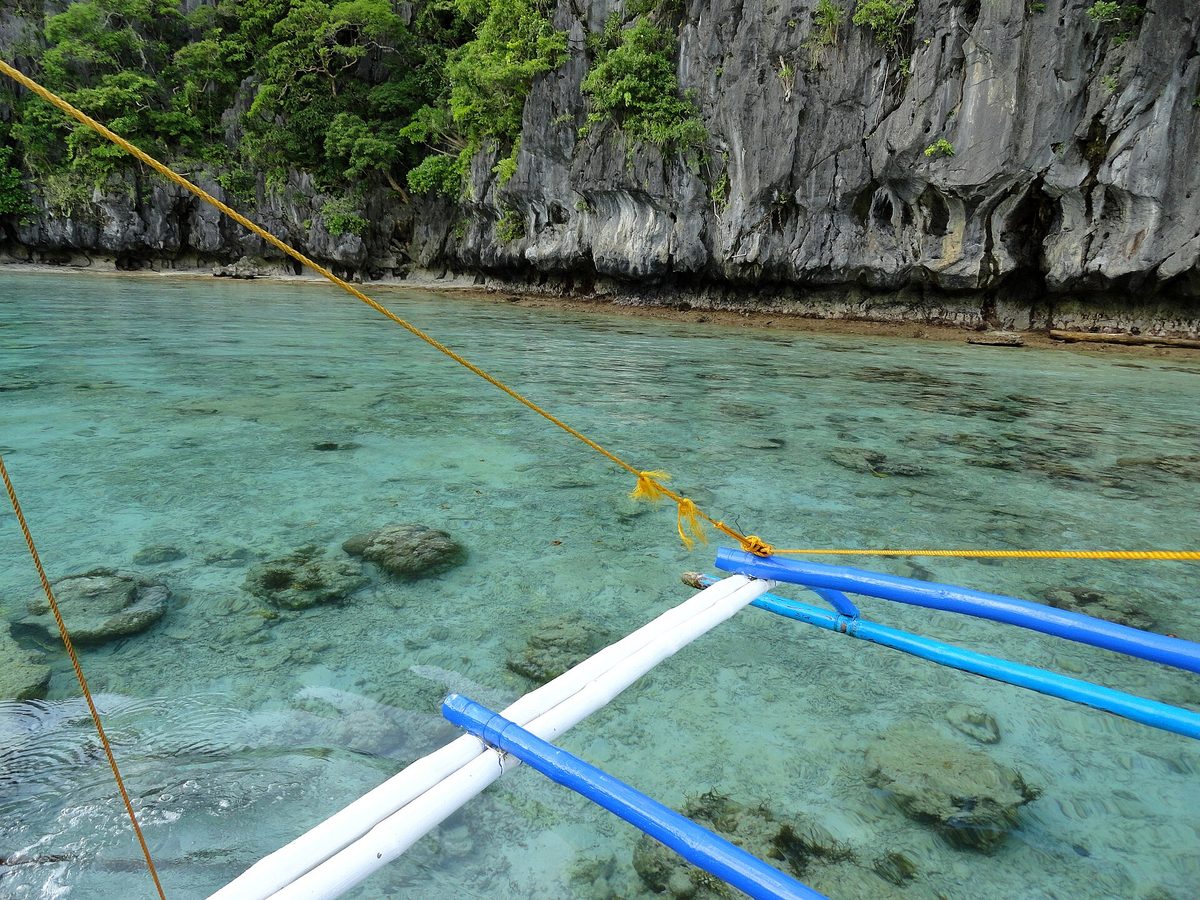
El Nido runs four fixed routes, lettered A through D, and every operator charges close to the same. Expect ₱1,400–1,600 per person for Tours A, B and D, and a touch more (₱1,500–1,800) for Tour C because it burns more fuel reaching the far islands. On top of that sits the ENTP environmental fee, which in 2026 is ₱200 for a single day and is valid for ten days, so if you do two tour days on one ticket the fee effectively halves. There is also a small municipal tourism fee of around ₱100 collected at the pier. Tour A (Big Lagoon, Small Lagoon, Secret Lagoon, Shimizu) is the classic; Tour C (Hidden Beach, Matinloc Shrine, Secret Beach) is the most dramatic. My honest steer: do A and C on separate days, skip B and D unless you have a week, and budget another ₱150–300 for the Big Lagoon kayak, because motors are banned inside and paddling under those karst walls in silence is the whole reason you came. For the full route-by-route breakdown of which lettered tour buys you which lagoons, work through them on separate days rather than cramming two into one.
Coron: cleaner water, similar money
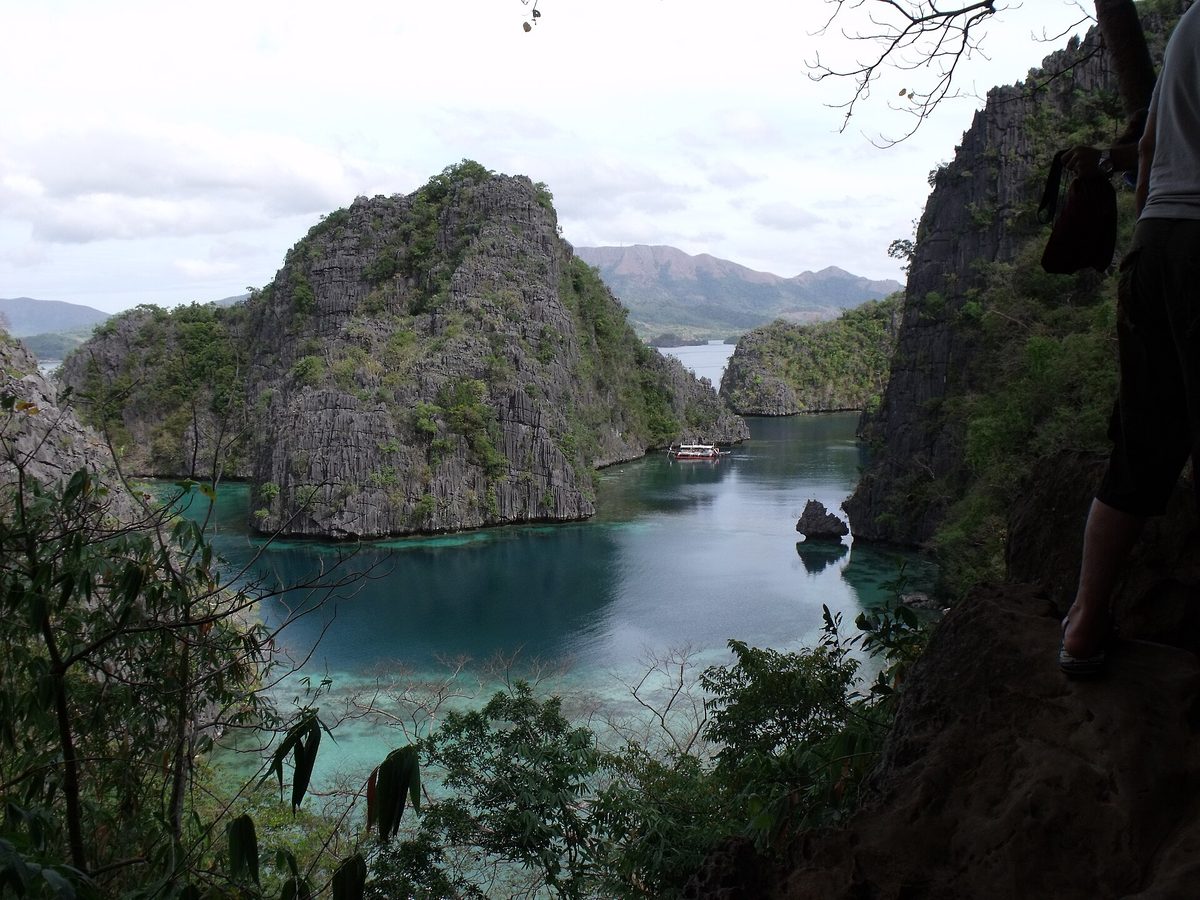
Across Bacuit Bay, Coron one-ups El Nido on water clarity, and the day tours run ₱1,500–2,000 per person in a joiner group of six to ten. Budget extra for the entrance fees that are stacked onto the famous stops: Kayangan Lake alone charges around ₱300, Twin Lagoon a similar amount, and there is a one-time municipal environmental fee of about ₱200. Most packages fold these in, but the cheap ones quote the boat price and let the gate fees ambush you, so ask. Kayangan Lake and Twin Lagoon are the non-negotiables and justify their gate fees; the budget “super ultimate” combo tours that cram in seven stops feel rushed and rarely give you more than ten minutes at the stops that actually matter.
Boracay and Siargao: cheaper hops, different vibe
Boracay’s island hopping (helmet diving aside) is a gentler, party-leaning half day at ₱1,500–2,500 joiner, often with a paraw sailboat sunset tacked on. Siargao’s three-island hop, Naked, Daku and Guyam, is one of the best value boat days in the country at ₱1,500–2,000 including the lunch your boatman grills on Daku. Both are easy to arrange the day before at the beach, and walking in almost always beats the online price. For the strategy across all of these, our complete guide to island hopping in the Philippines goes region by region.
Joiner vs private: when paying more actually saves money
Here is the math nobody spells out, and it is the single biggest lever on your island hopping Philippines cost. A joiner tour is the obvious pick for solo travelers and couples. But a private boat in El Nido runs roughly ₱6,000–9,000 for the whole vessel; split among six people that is ₱1,000–1,500 each, which can undercut the joiner rate while giving you a flexible departure and no waiting on strangers at every stop. The rule of thumb: at four or more people, price the private charter before you default to joiner. Below four, share the boat and spend the difference on the kayak.
Run the numbers and it gets stark. Say four friends want El Nido Tour A. Joiner seats at ₱1,500 each come to ₱6,000, and you are locked to the operator’s schedule, the operator’s route order, and a boat full of strangers. A private boat at the low end of ₱6,000 costs the same total, ₱1,500 a head, but you leave when you want, swap the stop order to dodge the crowds at Big Lagoon, and linger where you like. At five or six people the private boat is flatly cheaper per person than the joiner seat. The break-even is roughly four; above it, private wins on both price and experience, which is the opposite of what most travelers assume. The one caveat: the ENTP eco fee and any per-lagoon charges are per person either way, so they do not shift the comparison.
The multi-day expedition: the big-ticket exception
One island-hopping option blows the day-tour budget out of the water, in the best way: the multi-day bangka expedition between El Nido and Coron. Operators like Tao Philippines and Big Dream Boatman run three-to-five-day crossings where you sleep in beach huts on islands you cannot find on a map, eat fish the crew grills at sunset, and spend evenings with rum and a guitar. It runs roughly ₱14,000–28,000 ($240–480) all-in, which sounds steep until you realize it replaces three days of ferries, hotels and tours in one move. If you have the days, it is the single best-value splurge in this entire guide, and it routinely sells out months ahead in the December–May high season.
Diving: cheap fun dives, world-class certifications
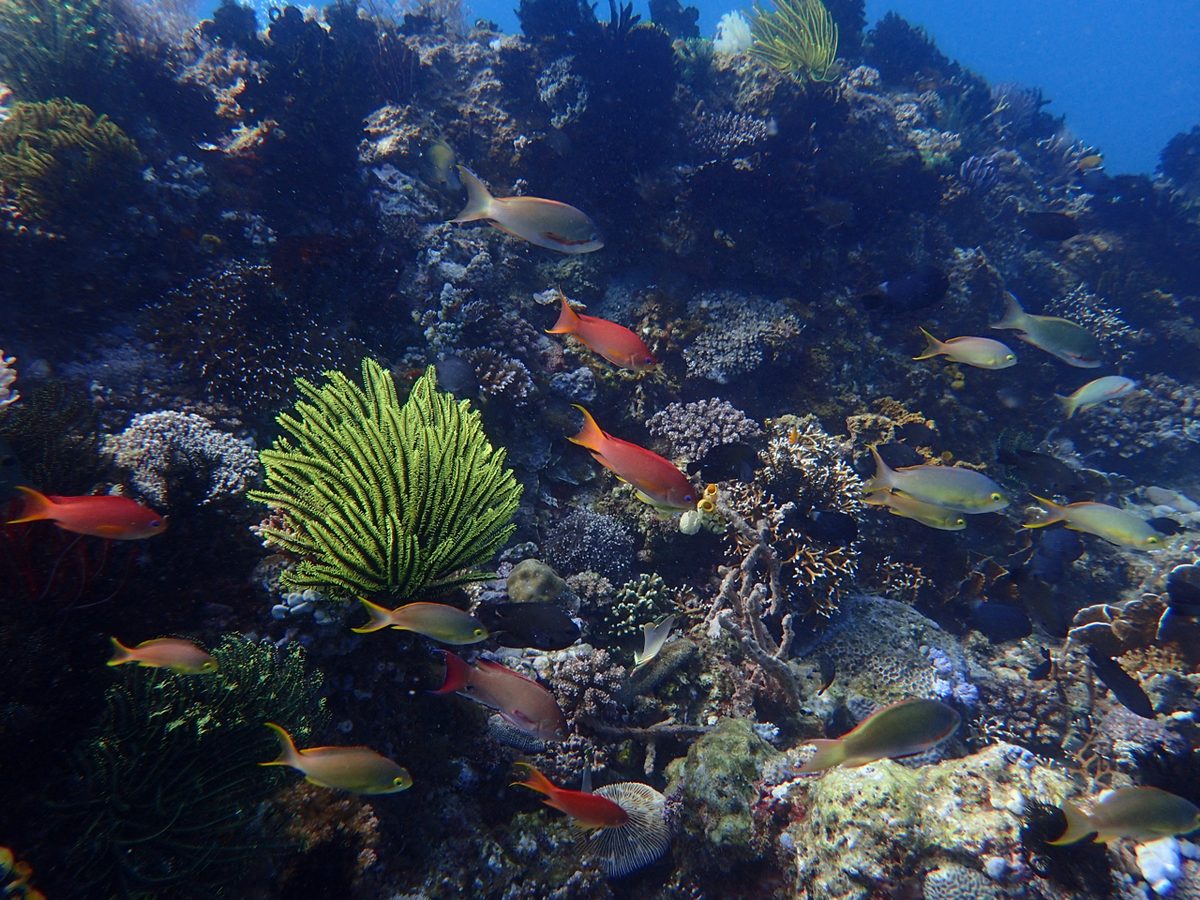
The Philippines is one of the cheapest places on the planet to get underwater, and the gap between a single dive and a full course is where people get the budget wrong. A single fun dive for a certified diver runs ₱1,800–2,600 ($31–45) including tank, weights and a guide; book a package of five or ten and the per-dive rate drops toward ₱1,500. Gear rental, if you do not own a mask and fins, adds maybe ₱500–800 a day. Boat dives at marquee sites cost more than house-reef shore dives, which is why Moalboal and Malapascua are such good value: you roll off the beach or take a five-minute banca.
Learning to dive for less than your flight home
A PADI Open Water course, the three-to-four-day certification that lets you dive anywhere in the world, runs ₱18,000–25,000 ($310–430) at reputable centers in Moalboal, Panglao and Puerto Galera. That is among the lowest prices anywhere, and it includes manuals, pool sessions, four open-water dives and your certification card. Be wary of the rock-bottom ₱12,000 quotes; they usually mean larger groups, rushed theory, or surprise charges for materials and the certification fee. The Advanced Open Water that unlocks deeper sites like Malapascua’s dawn thresher-shark dive adds another ₱14,000–18,000. Our overview of scuba diving in the Philippines covers which regions suit beginners versus serious divers.
Worth it? Unreservedly. If you have ever flirted with the idea of learning to dive, this is the country to do it in, and the certification pays for itself the moment you skip the snorkel and drop to the thresher cleaning station. The one splurge to plan years ahead is a Tubbataha liveaboard, which is $2,000-plus for a week and books out almost a year in advance.
Canyoneering and waterfalls
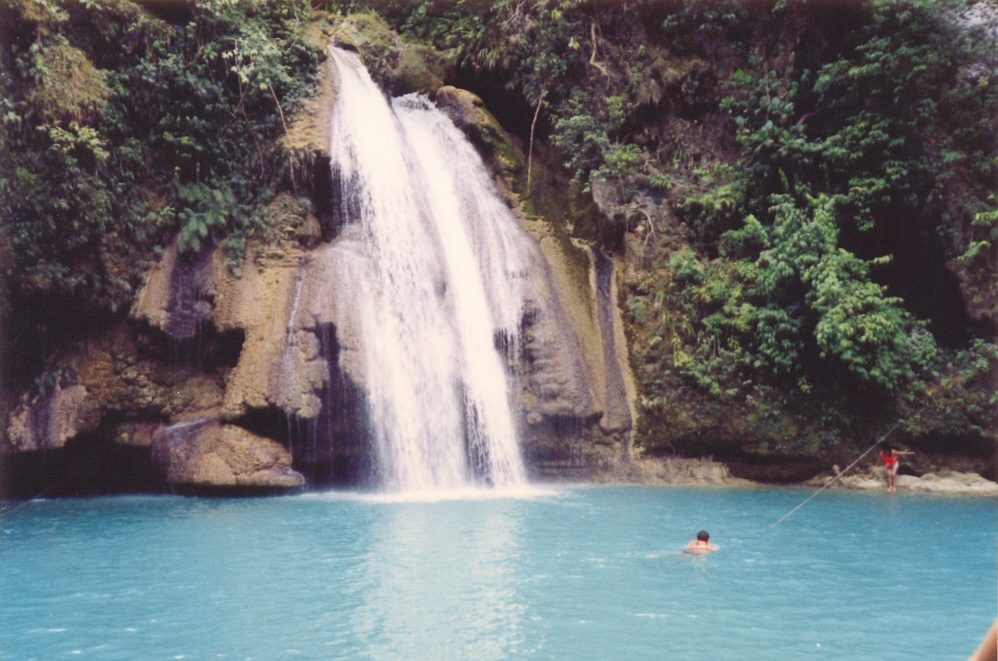
The signature adrenaline day in the Visayas is the Kawasan Falls canyoneering route near Badian, Cebu: four hours of swimming through gorges, sliding natural chutes and jumping from ledges that escalate to a knee-wobbling ten or twelve meters (every jump is optional, no shame in the walk-around). It finishes at the triple-drop Kawasan Falls and its cartoon-blue pools. A joiner package with guide, helmet and life vest runs ₱1,800–2,500; private guiding pushes ₱3,500–4,500 per person. The combo day trips that bolt canyoneering onto Oslob whale sharks look efficient on paper but mean a 3am start and a rushed canyon, so I would not. Book an accredited operator in Moalboal or Badian, take the first morning slot before the crowds, and note that the canyon closes the third Wednesday of each month for cleanup. Factor in roughly ₱100 for the short shuttle between the operator station and the canyon entrance, which is rarely quoted in the headline price.
If you just want the waterfall without the cliffs, plenty of cascades charge pocket change: Cambugahay on Siquijor is around ₱50 entry plus a few pesos for the rope swing, and Tumalog near Oslob is similar. These are some of the best-value hours in the country.
Wildlife: the whale shark question
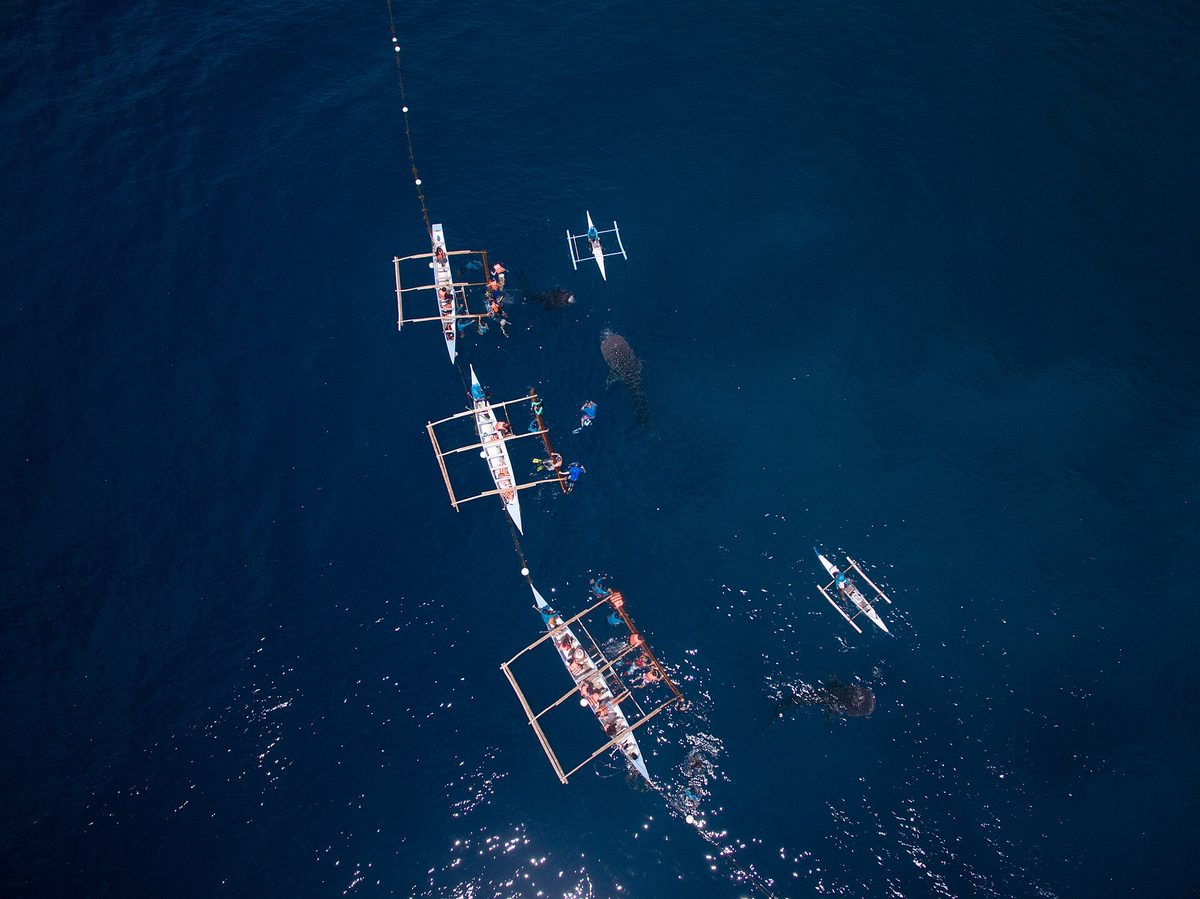
Swimming beside the biggest fish in the sea is bucket-list royalty, and the Philippines offers it two very different ways. In Oslob, south Cebu, operators hand-feed whale sharks every morning, so sightings are effectively guaranteed on a conveyor-belt schedule. The foreigner fee climbed to around ₱1,000 in 2026 for a brief snorkel session. It is cheap and it is certain, and I still tell people to skip it: feeding wild sharks alters their migration and surface behavior, and marine scientists have criticized the Oslob operation for years.
The better spend is Donsol in Sorsogon, where interactions are wild, spotters scan and you slip in when a shark cruises past, with no touching and no feeding. A registration plus a shared six-person boat works out around ₱3,500–4,500 each, and yes, some days you get skunked, which is exactly the point. It costs more and guarantees less, and it is the version I would pay for every time. We lay out both sides in our guide to the Oslob whale sharks and the ethics.
Land tours: caves, hills and countryside
Puerto Princesa Underground River
The UNESCO-listed Underground River is a paddle into a vast cave system, and the cost depends entirely on whether you do it yourself or buy the package. A packaged day tour from Puerto Princesa city is ₱2,200–2,500 per person and covers the van transfer, the permits, a licensed guide and a buffet lunch, which for a faff-heavy trip an hour and a half from town is genuinely good value. Go independent and you will pay roughly ₱750 for the national-park permit plus a small environmental fee and the boat, but you still have to secure the permit in advance and arrange your own transport. For most people the package wins. Either way, book the permit ahead in peak weeks, as daily visitor numbers are capped. Our Puerto Princesa and the Underground River guide walks through the permit process.
Chocolate Hills and the Bohol countryside
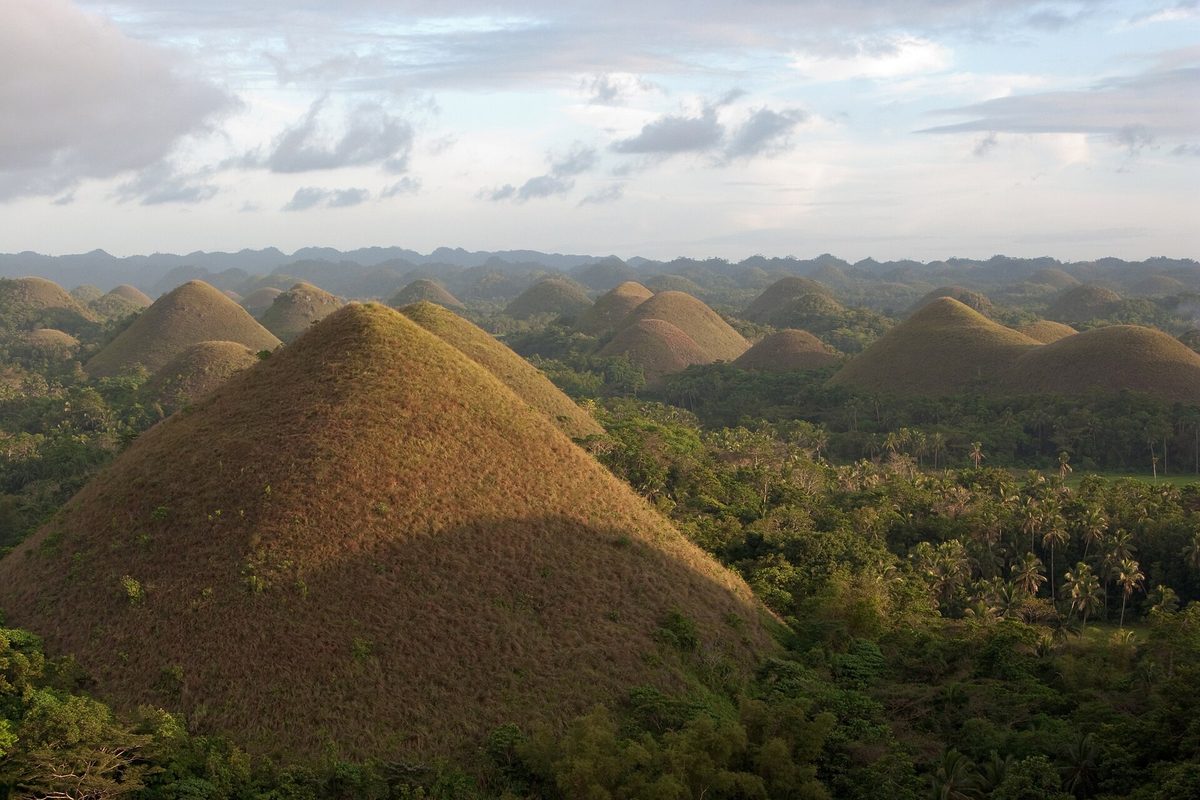
Bohol’s countryside loop is the classic land day: the Chocolate Hills viewpoint (entry around ₱100), a tarsier sanctuary, the Loboc River, hanging bridges and a few colonial churches. A private van for the day is ₱2,500–3,500 split among your group, which for four people beats most joiner seats and lets you beat the tour buses to the hills before 8am. The buffet-lunch river cruise is a tourist-trap classic, fine but overpriced; skip it and eat at a roadside carinderia for a tenth of the cost.
Surfing in Siargao
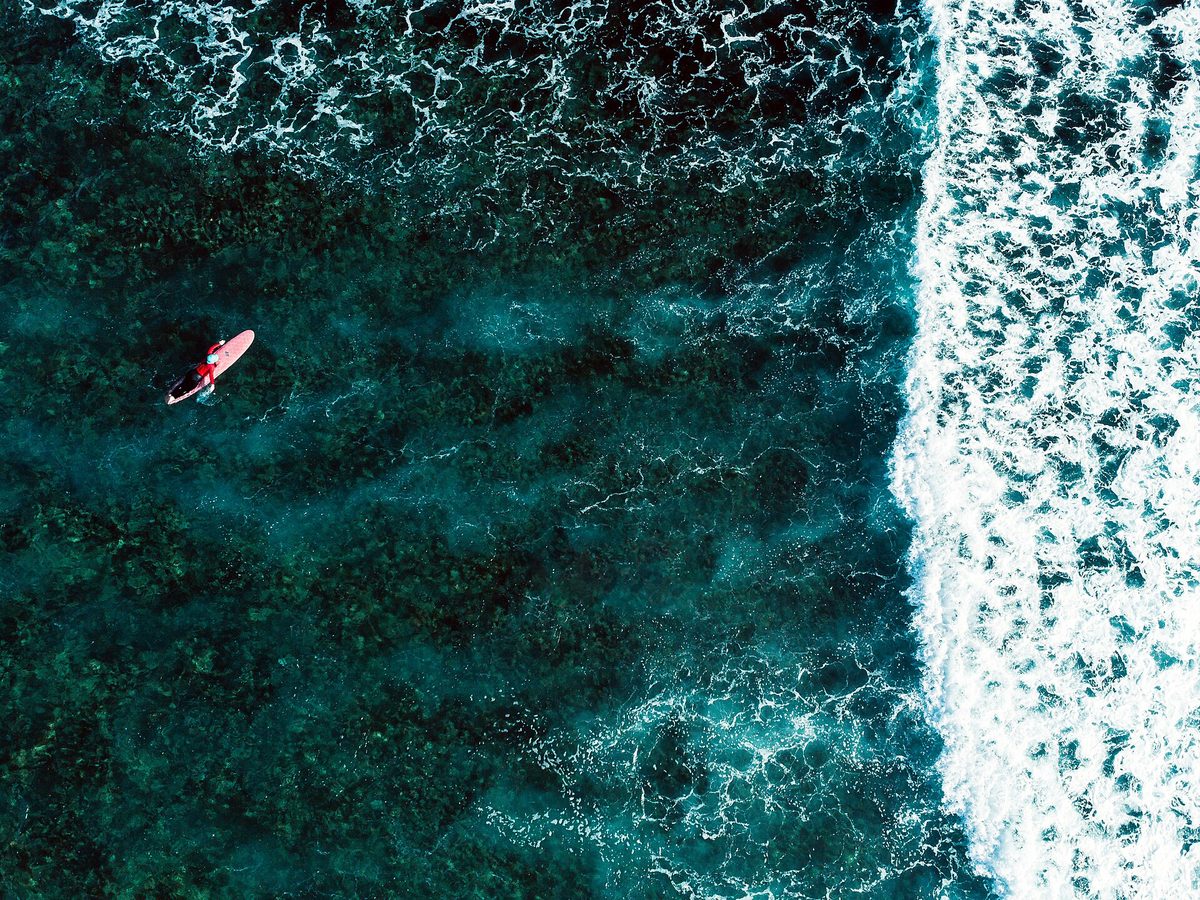
Siargao made its name on Cloud 9, a hollow world-championship right-hander, but the island teaches beginners every day at gentler breaks like Jacking Horse. A surf lesson with a local coach runs ₱800–1,500 an hour including the board, and that hour usually includes the board rental for the rest of the session. Surf season peaks August through November. Off the board, Sugba Lagoon and the Magpupungko rock pools fill out the activity budget cheaply. Board rental alone, once you can stand up, is around ₱200–300 an hour.
Worth it vs skip it: my honest calls
After all the line items, here is where I would and would not put the money.
- Worth every peso: the El Nido Big Lagoon kayak, an Open Water dive course, Kawasan canyoneering, a Donsol whale-shark trip, and a private boat once your group hits four.
- Worth it with caveats: the Underground River package (great value, but it is a long day for a short cave); Boracay island hopping (fun, but go for the sunset sail, not the snorkeling).
- Skip or rethink: Oslob’s fed whale sharks on ethics; the seven-stop “ultimate” combo island tours that rush you; the Loboc buffet cruise; and any operator quoting a dive course that looks too cheap to include the certification fee.
The hidden fees nobody quotes you
The gap between the price you are quoted and the price you pay is almost always one of these. None are scams; they are just rarely mentioned upfront.
- Environmental and terminal fees: El Nido’s ₱200 ENTP fee, Coron’s ₱200 plus per-lagoon entrance charges, the Underground River permit. Budget ₱100–400 per activity.
- Kayak and gear rental: the Big Lagoon kayak (₱150–300), snorkel mask and fins (₱100–200 a day) if you did not bring your own.
- Tips: ₱100–200 per person for the boat crew or guide is customary and genuinely earned.
- Drinks at remote stops: a cold beer on a far beach can be ₱80–120. Pack your own.
On haggling: do not expect to talk down a standardized El Nido or Coron tour, because the rates are fixed by the operators’ association. Where you can negotiate is private charters, multi-day arrangements and group bookings of four or more, where asking for a small discount or a free upgrade is normal and usually works. For more on carrying and spending cash on the islands, see our guide to money in the Philippines.
Frequently asked questions
How much does island hopping cost in the Philippines in 2026?
A shared joiner tour is roughly ₱1,400–2,500 per person ($24–43) depending on the destination, plus an environmental or terminal fee of ₱100–400. El Nido and Coron sit at the higher end; Siargao and Port Barton are cheaper. A private boat costs ₱4,000–10,000 for the whole vessel and becomes good value once you have four or more people splitting it.
Is lunch included in island hopping tours?
On most joiner and private boat tours in El Nido, Coron and Siargao, yes: the crew grills fish, pork or chicken with rice and fruit on a beach stop, and it is included in the quoted price. A small number of budget operators exclude it, so confirm when you book. Drinks beyond water are usually extra, and beachside vendors charge tourist prices.
How much is a fun dive versus a diving course in the Philippines?
A single fun dive for certified divers is around ₱1,800–2,600 ($31–45), dropping toward ₱1,500 in a multi-dive package. A full PADI Open Water certification runs ₱18,000–25,000 ($310–430) over three to four days, including manuals, pool sessions and four open-water dives. Both are among the cheapest rates in the world for the quality of water you get.
Do I have to pay an environmental fee for island hopping?
Almost everywhere, yes. El Nido charges a ₱200 ENTP fee valid for ten days plus a small municipal fee; Coron charges around ₱200 plus per-lagoon entrance fees. Some operators fold these into the price and some collect them separately at the pier, so always ask whether the quote is all-in before you hand over cash.
Oslob or Donsol for whale sharks?
Donsol, if you care how the encounter happens. Oslob guarantees sightings by hand-feeding wild sharks daily for about ₱1,000, a practice marine researchers have long criticized. Donsol’s regulated, no-feed swims cost more (₱3,500–4,500) and guarantee nothing, but you meet the animal on its own terms. That uncertainty is exactly why it is the better experience.
Can I haggle on tour prices?
Not on the standardized El Nido and Coron day tours, where rates are fixed by the operators’ association and every booth quotes the same number. You can negotiate on private boat charters, multi-day expeditions and group bookings of four or more, where asking for a modest discount or a free upgrade is normal and often works.
Sources and photo credits
Photo credits
- Big Lagoon, El Nido — Fabio Achilli, CC BY 2.0, via Wikimedia Commons
- Kayangan Lake, Coron — Andre Heroux, CC BY 3.0, via Wikimedia Commons
- Kawasan Falls, Cebu — Magalhaes, public domain (CC0), via Wikimedia Commons
- Scuba diving, Puerto Galera — Firth m, CC BY-SA 4.0, via Wikimedia Commons
- Whale shark, Cebu — choypictures, CC0, via Wikimedia Commons
- Cloud 9 surf boardwalk, Siargao — Michael Angelo Luna, CC BY-SA 4.0, via Wikimedia Commons
- Chocolate Hills, Bohol — Vyacheslav Argenberg, CC BY 4.0, via Wikimedia Commons
Sources and further reading
- Puerto Princesa Underground River — official park and booking site
- Philippine Department of Tourism — official travel portal
- UNESCO: Puerto-Princesa Subterranean River National Park
About this guide: PhilippinesTourism.org tracks tour, dive and activity prices across the islands against operator and official rates, last verified September 2026.