Island Hopping in the Philippines: The Complete Guide
The best island hopping Philippines travellers rave about isn’t a single beach — it’s the day you climb into a wooden bangka at first light and let it carry you between limestone lagoons, drifting sandbars and reefs that no road will ever reach. With more than 7,000 islands strung across three seas, this is the one experience the country does better than almost anywhere on earth, and it’s the reason most people fly home already planning a return.
The short answer, if you’re in a hurry: the headline destinations are El Nido and Coron in Palawan for jaw-dropping lagoons, Bohol and Cebu in the Visayas for reefs and easy logistics, and Siargao for laid-back sandbars. A standard joined day tour runs roughly ₱1,400–2,500 (around US$25–45) per person with lunch, and the calmest seas fall in the dry season, roughly November to May. Pick one region rather than trying to see them all.
I’ve spent years catching these boats — queuing for the first slot into El Nido’s Big Lagoon, freezing my fingers in Coron’s Kayangan Lake, drifting through the sardine cloud off Moalboal — and I’ve learned which tours are worth your pesos and which are a crowded, over-sold disappointment. This guide is the honest version: where to go, what each place is actually like, what it costs in 2026, how to choose between a joined boat and a private one, and what’s worth skipping. It sits inside our wider guide to things to do in the Philippines.
Best island hopping Philippines spots, at a glance
Every destination below is genuinely worth the trip, but they reward different travellers. If you only have time for one and you’re trying to decide which island to base yourself on, our guide to the best islands in the Philippines goes deeper on that choice. Here’s the quick comparison I give friends who message me asking “where do we even start?”
| Destination | Region | Best for | Joined day tour (2026) | Vibe |
|---|---|---|---|---|
| El Nido | Palawan | Lagoons & limestone scenery | ₱1,400–1,800 | Iconic, busy, spectacular |
| Coron | Palawan | Lakes, wrecks & snorkelling | ₱1,500–2,200 | Dramatic, slightly wilder |
| Bohol (Panglao) | Visayas | Reefs, dolphins, families | ₱1,500–2,500 | Easy, comfortable |
| Cebu / Moalboal | Visayas | Sardine run, turtles, value | Free–₱2,500 | Flexible, diver-friendly |
| Siargao | Mindanao | Sandbars & surf-town energy | ₱1,500–2,500 | Laid-back, social |
| Boracay | Visayas | Sunset cruises, beginners | ₱1,500–2,000 | Polished, the beach beats the hop |
| Honda Bay | Palawan | Gentle, sandbar day trips | ₱1,200–1,800 | Relaxed, shallow |
| Hundred Islands | Luzon | Quick escape from Manila | ₱1,400+ per boat | DIY, domestic-favourite |
Prices are per person unless noted, usually include a beach barbecue lunch, and almost always sit on top of separate environmental and terminal fees — more on those below. They’re 2026 ballparks; rates drift, so treat them as a planning guide rather than a quote.
What island hopping in the Philippines actually involves
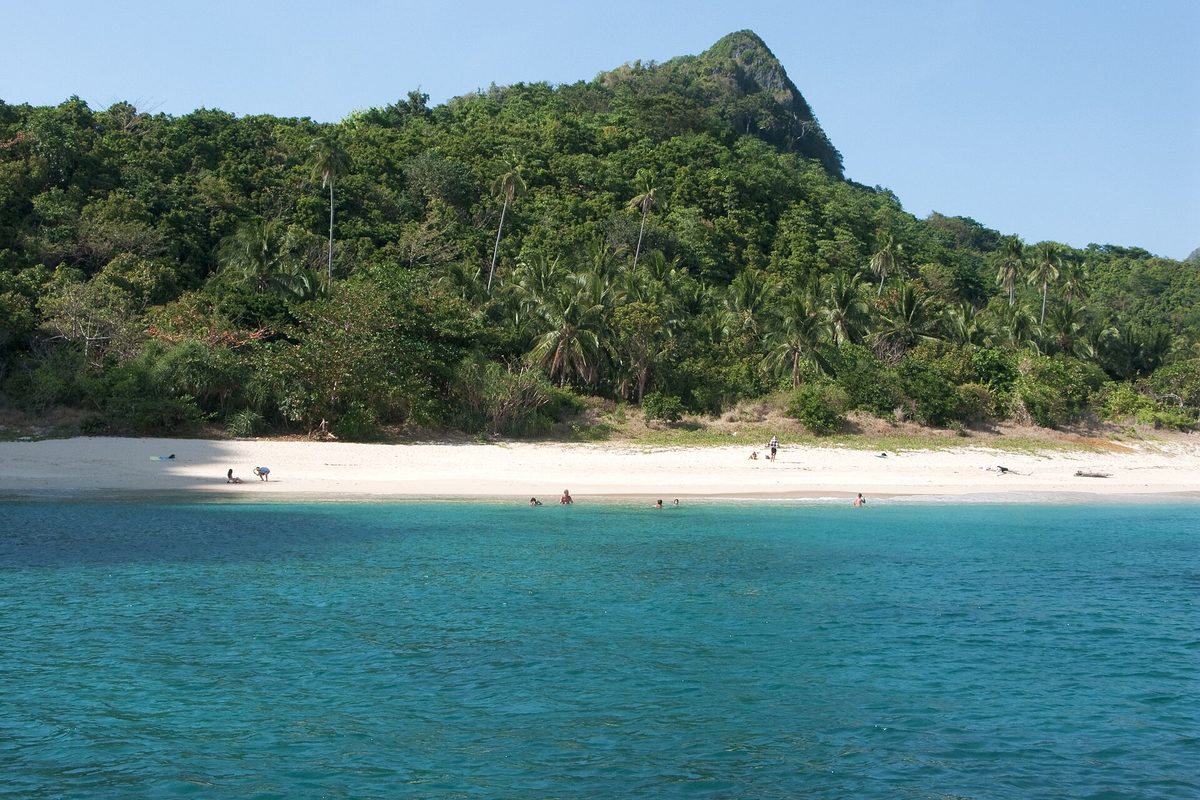
Strip away the marketing and the format is wonderfully simple. You board a bangka — the double-outrigger wooden boat that’s the workhorse of the Philippine seas — usually around 8 or 9 in the morning, and spend five to seven hours hopping between three and six stops: a lagoon to kayak, a reef to snorkel, a beach for a grilled-fish-and-rice lunch, a sandbar for photos. You’re back on shore by mid-afternoon, salt-crusted and happy.
There are two ways to do it. A joined tour (also called a group or shared tour) puts you on a boat with 10–25 other people for a fixed route at a fixed, often government-regulated price. It’s sociable and cheap, and in places like El Nido every operator runs the identical itinerary, so you’re mostly choosing on price and boat quality. A private tour charters the whole boat for your group, which buys you flexibility — a custom route, an earlier start to beat the crowds, more time where you want it — for several times the price. I’ll break down which makes sense for whom further down.
What’s typically included: the boat and crew, a buffet or barbecue lunch, drinking water, snorkelling masks, and life vests (which you can wear all day — you don’t need to be a confident swimmer to enjoy most tours). What’s usually not included: the environmental and terminal fees collected at the pier, fins, a dry bag, a GoPro rental, and tips for the crew. Bring enough cash for all of it, because there are no card machines floating in the Bacuit Archipelago.
The best places to go island hopping
You could spend a lifetime working through the archipelago, but a handful of regions do it best. Here’s where to actually point your boat, starting with the two names everyone arrives knowing.
El Nido, Palawan — the lagoons that launched a thousand screensavers
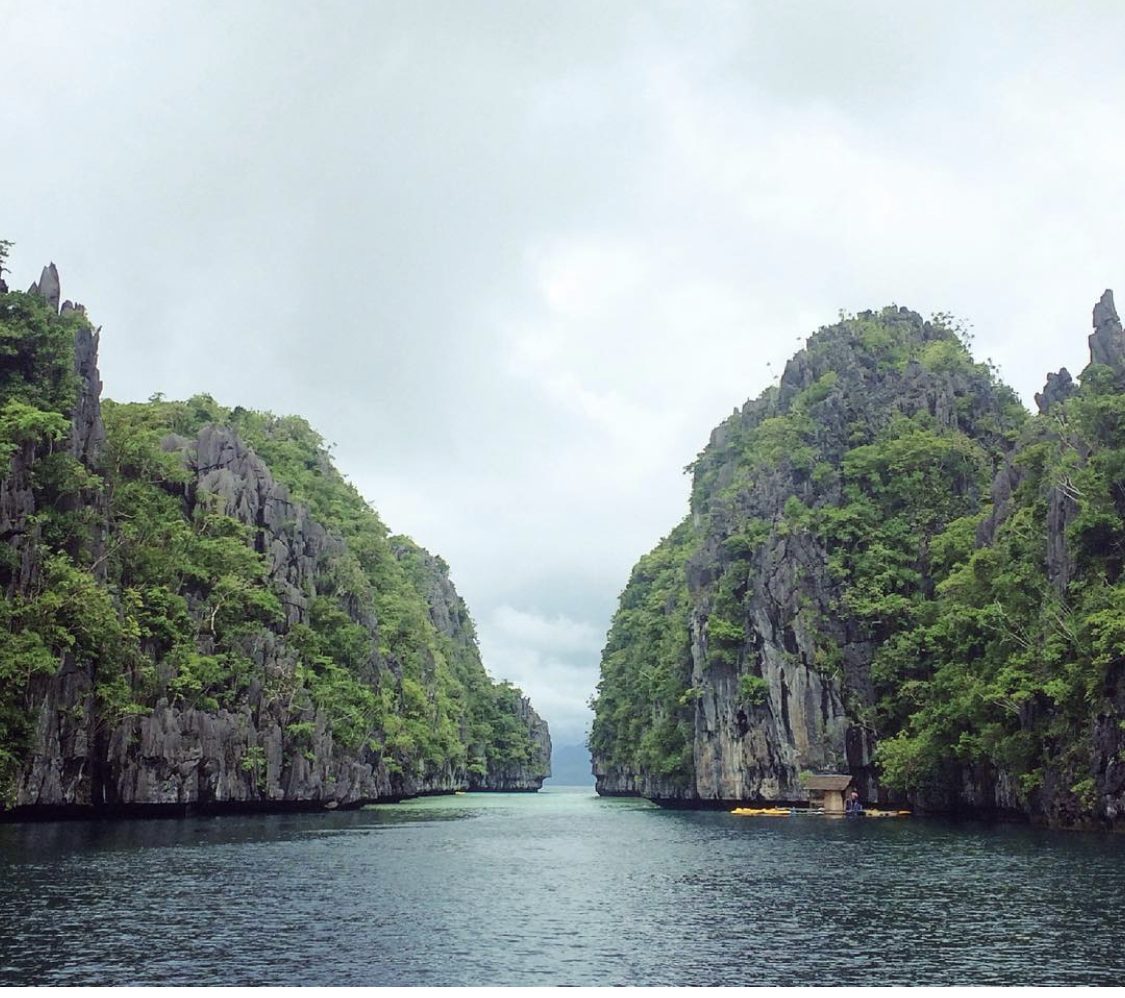
If island hopping has a spiritual home, it’s El Nido, the gateway to the Bacuit Archipelago — a scatter of jungle-topped limestone islands rising straight out of impossibly clear water. The tours here are standardised into four routes (still universally called A, B, C and D despite occasional rebranding), and you choose by what you want to see:
| Tour | Highlights | Best for |
|---|---|---|
| Tour A | Big Lagoon, Small Lagoon, Secret Lagoon, Shimizu Island, Seven Commandos Beach | First-timers — the iconic lagoons |
| Tour B | Snake Island sandbar, Cudugnon Cave, Cathedral Cave, Entalula Beach | A quieter, beach-and-cave day |
| Tour C | Hidden Beach, Secret Beach, Matinloc Shrine, Helicopter Island, Star Beach | The most dramatic scenery (my favourite) |
| Tour D | Cadlao Lagoon, Paradise Beach, Pasandigan, Natnat Beach | Closest islands — good when seas are rough |
Tour A is the bestseller because of the Big Lagoon, where you paddle a kayak beneath cliffs that wouldn’t look out of place in a fantasy film. It is also the single most crowded patch of water in Palawan between about 10am and 2pm, with six or eight boatloads arriving at once. The fix is simple and I’ll repeat it like a mantra: be on the first boat out, around 9am, and you’ll have twenty quiet minutes before the armada turns up. Note that Big Lagoon now has a separate per-lagoon user fee and, at peak times, requires you to rent a kayak rather than swim in. A joined A/B/C/D tour runs around ₱1,400–1,800; a private boat for a small group is roughly ₱5,000–9,000. El Nido is the centrepiece of our full Palawan travel guide, which covers getting there, where to stay and how many days to give it.
Coron, Palawan — lakes, shipwrecks and the wilder cousin
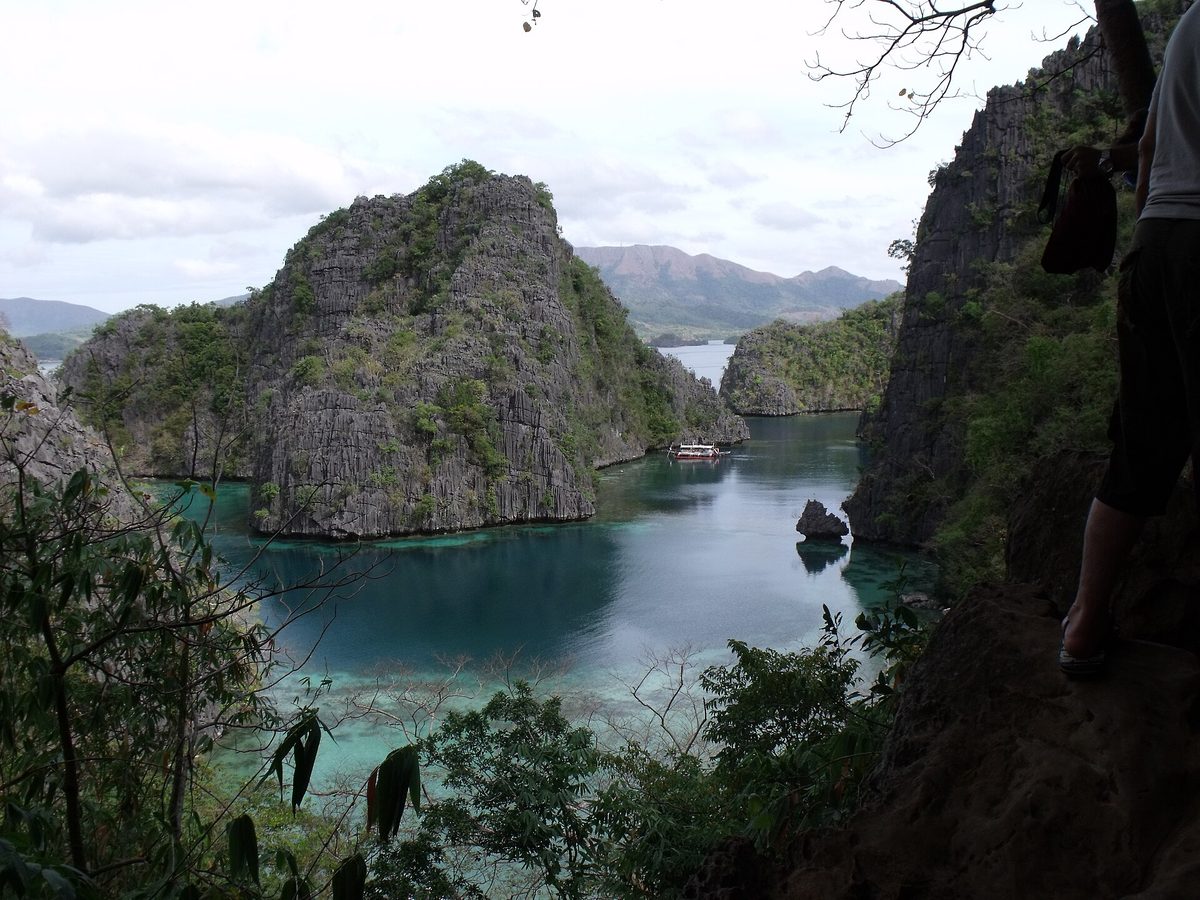
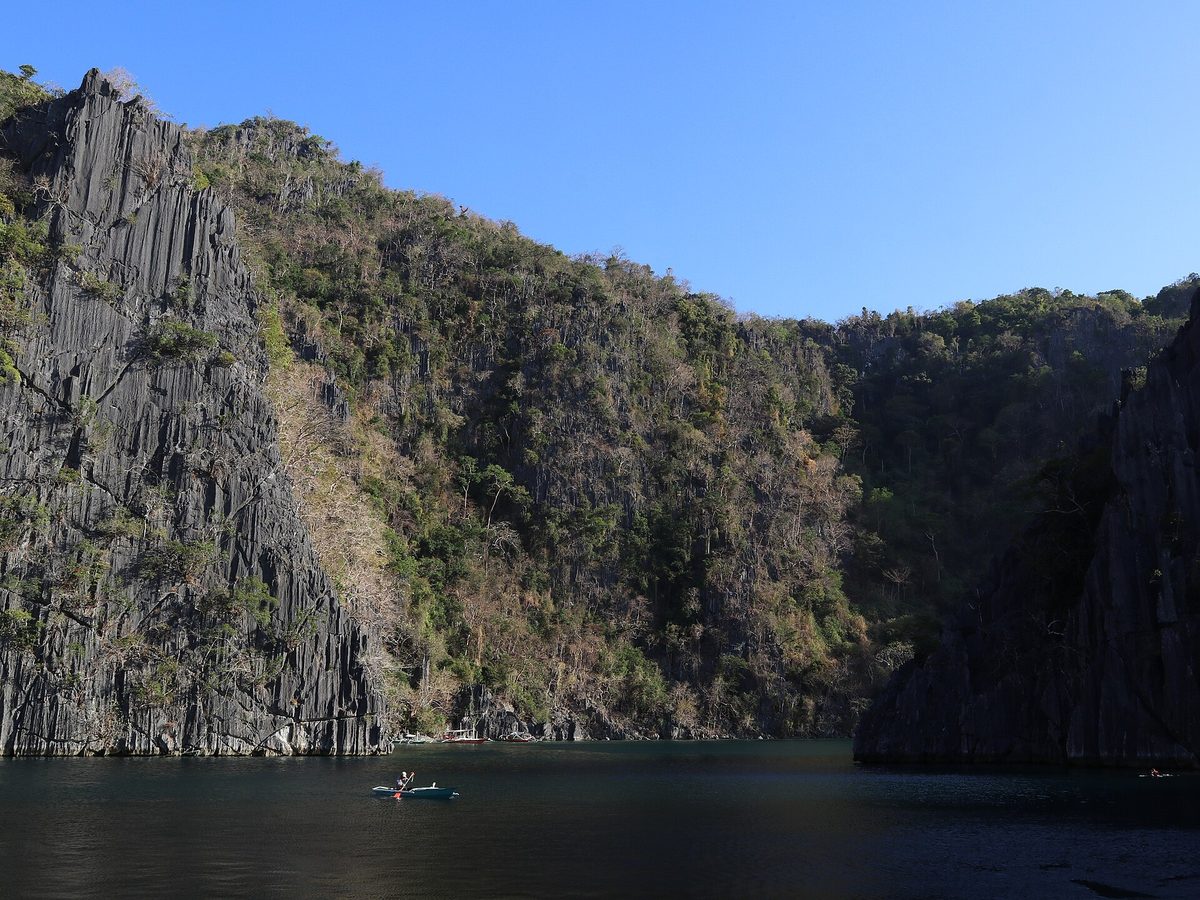
A few hours north by ferry, Coron trades El Nido’s soft beaches for something more cinematic. The star is Kayangan Lake, reached by a short uphill scramble to the most photographed viewpoint in the country, then a swim in brackish water so clear it feels like floating in air. Add the jade-green Twin Lagoon, the eerie thermocline of Barracuda Lake, the coral of Siete Pecados, and a seabed of WWII Japanese shipwrecks that make Coron one of the best wreck-diving sites on the planet.
Tours here come bundled as “Coron Ultimate,” “Super Ultimate” or “Reefs & Wrecks,” priced around ₱1,500–2,200 before fees. Budget extra for the lake entrance fees, which are collected separately and have crept up — Kayangan and Barracuda each carry their own charge. Coron rewards anyone who can put their face in the water; if you’re tempted to go deeper, see our guide to scuba diving in the Philippines, because the wrecks here are a bucket-list dive. Pair Coron and El Nido over a week and you’ve seen the best island hopping Palawan offers.
Bohol & Panglao — the easy, family-friendly Visayas hop
Bohol is where I send people who want the reefs without the logistics. From Alona Beach on Panglao, an early bangka takes you to Balicasag Island, a marine sanctuary with a wall of coral, schools of jackfish and reliable sea turtles in the shallows; then the Virgin Island sandbar; and, on the way, a dawn detour to watch wild dolphins off Pamilacan. The whole loop is gentle, the transfers are short, and it suits children and nervous swimmers.
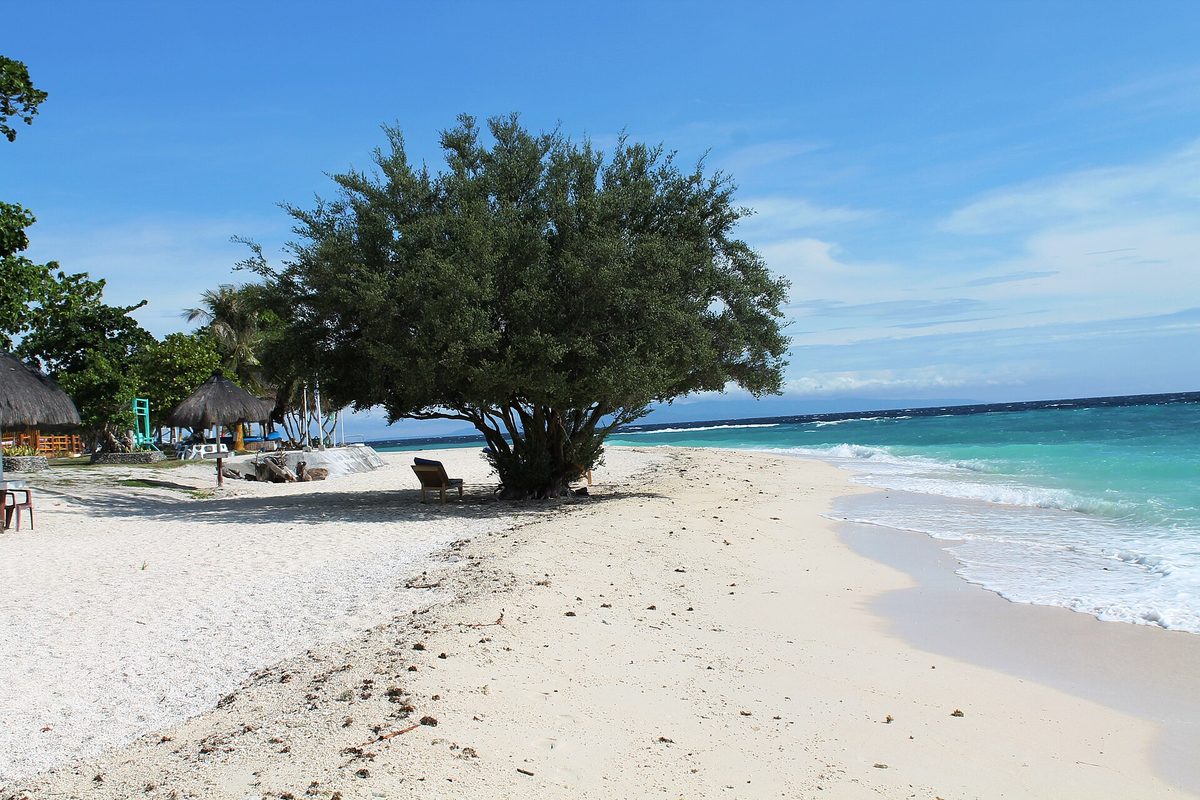
Two honest caveats. Balicasag now manages visitor and boat numbers to protect the reef, so book ahead in peak season and expect a snorkelling guide fee on top of your tour. And the Virgin Island sandbar has become a victim of its own beauty — it charges an entry fee and can be shoulder-to-shoulder by mid-morning, so go early. A joined tour sits around ₱1,500–2,500. There’s far more to the island — the Chocolate Hills, the tarsiers, the river cruise — in our Bohol travel guide.
Cebu & Moalboal — the best value in the country
Cebu is the most flexible island-hopping base because you can mix big-ticket marine encounters with cheap, easy reef days. From Mactan, near the airport, classic three-island tours visit Nalusuan, Hilutungan and Sumilon’s sandbar. But the real magic is two hours south in Moalboal, where millions of sardines swirl in a living tornado just metres off Panagsama Beach — and you can swim into it for free, straight from shore, any day of the year. A local guide with a life jacket, mask and snorkel costs only around ₱300–500, and a short boat adds Pescador Island’s reef and resident turtles — comfortably one of the best snorkelling spots in the Philippines.
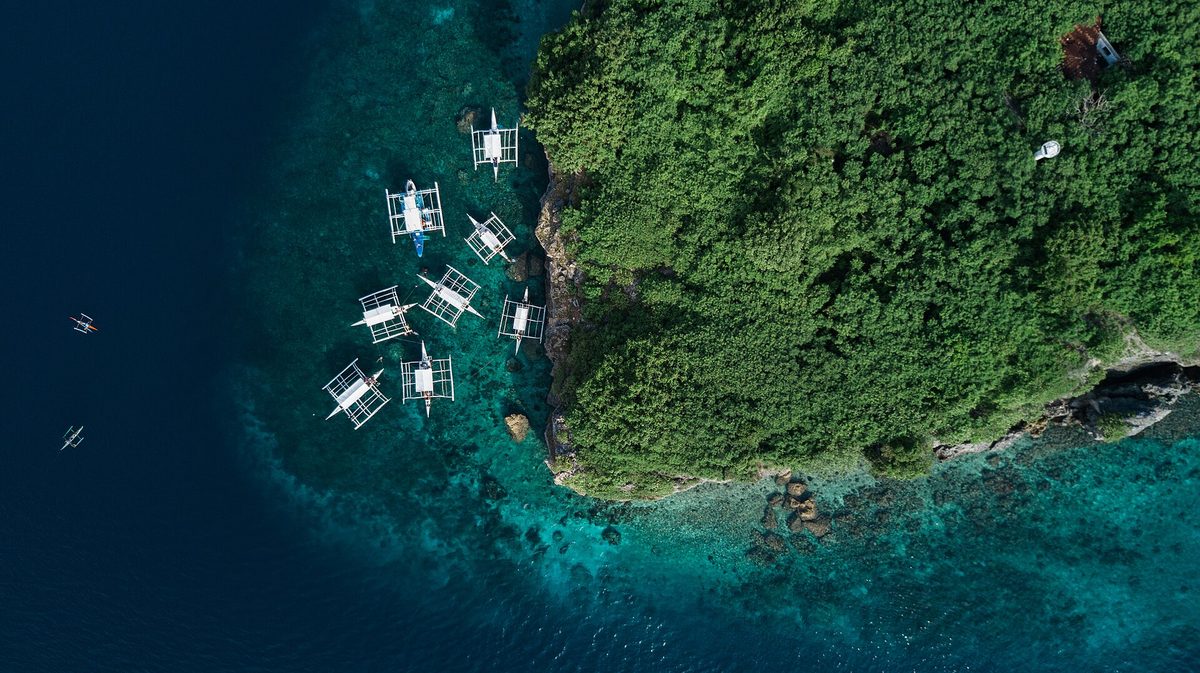
This is also the jumping-off point people use for the Oslob whale sharks, and I’ll be candid: the provisioned feeding there sits uneasily with a lot of responsible travellers, and there are wilder, less harmful ways to meet these animals elsewhere in the country. For the rest of what the island offers, our Cebu travel guide has the detail.
Siargao — sandbars and surf-town soul
Better known for waves, Siargao throws in one of the most charming day tours going: the three-island loop of Naked, Daku and Guyam. Naked is exactly that — a pure sandbar with no trees and no shade, just blinding white sand and open Pacific. Daku is bigger, with families grilling lunch you can buy on the beach, and Guyam is a postcard knot of palms you can walk around in five minutes. It’s social, unhurried and pairs perfectly with a few days learning to surf.
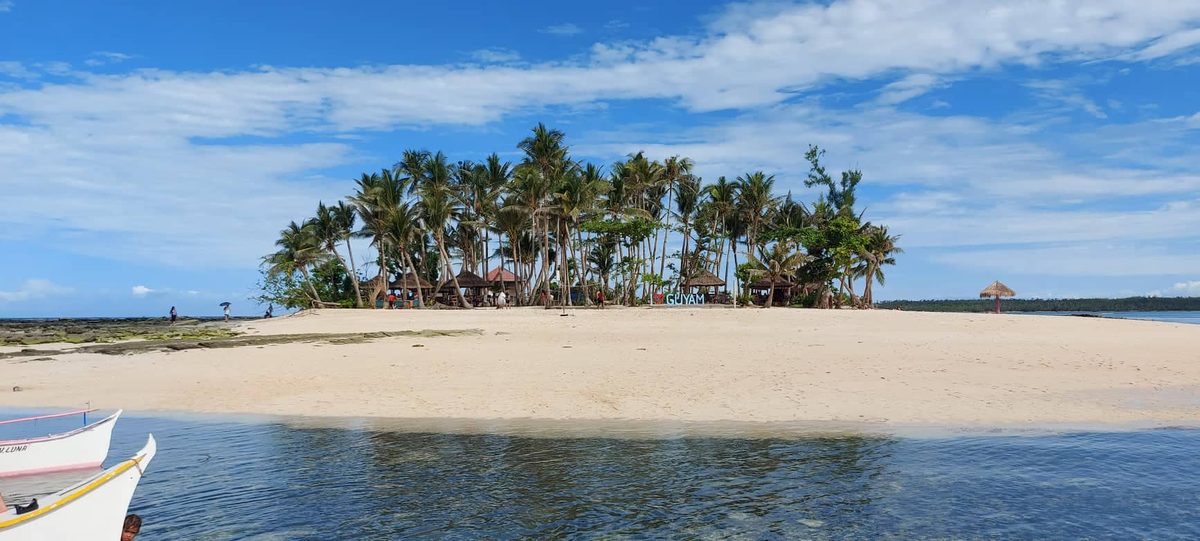
A joined trip runs about ₱1,500–2,500 including the small island fees and a Daku lunch. Bring serious sun protection — there is nowhere to hide on Naked Island at midday. The town, the surf and where to stay are all in our Siargao travel guide.
Boracay — where the beach beats the boat
Here’s the contrarian take this guide exists to give you: Boracay island hopping is the weakest of the famous names, because nothing you visit by boat is as good as the White Beach you’re already standing on. The standard circuit — Crystal Cove, Crocodile Island for snorkelling, Magic Island for cliff jumping, Puka Beach — is fine, and the sunset version is genuinely lovely, but the snorkelling is ordinary and the “helmet diving” and parasailing add-ons are overpriced tourist tat.
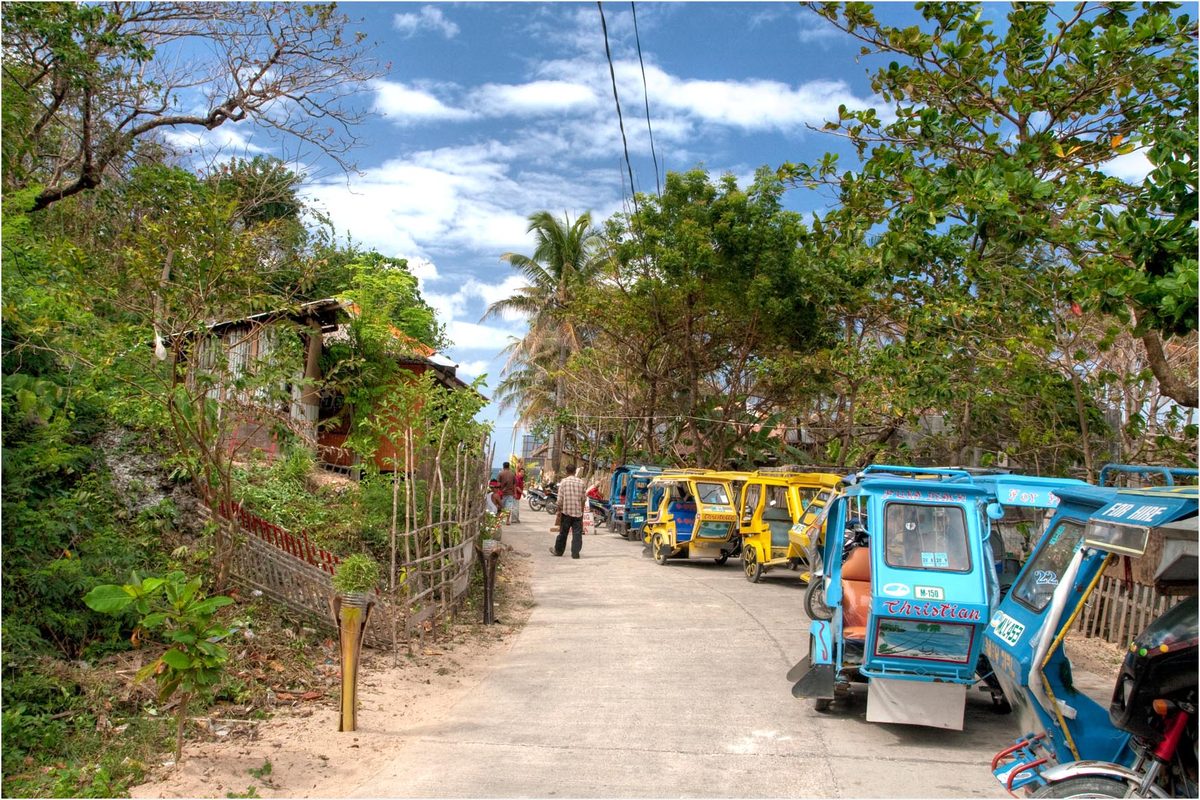
Do it for the late-afternoon paraw sailboat cruise into the sunset, not for the underwater life, and keep your budget modest at around ₱1,500–2,000 for a group tour. Then spend your real time on the sand. Our Boracay travel guide explains why the island earned its reputation in the first place.
Easy day trips and underrated alternatives
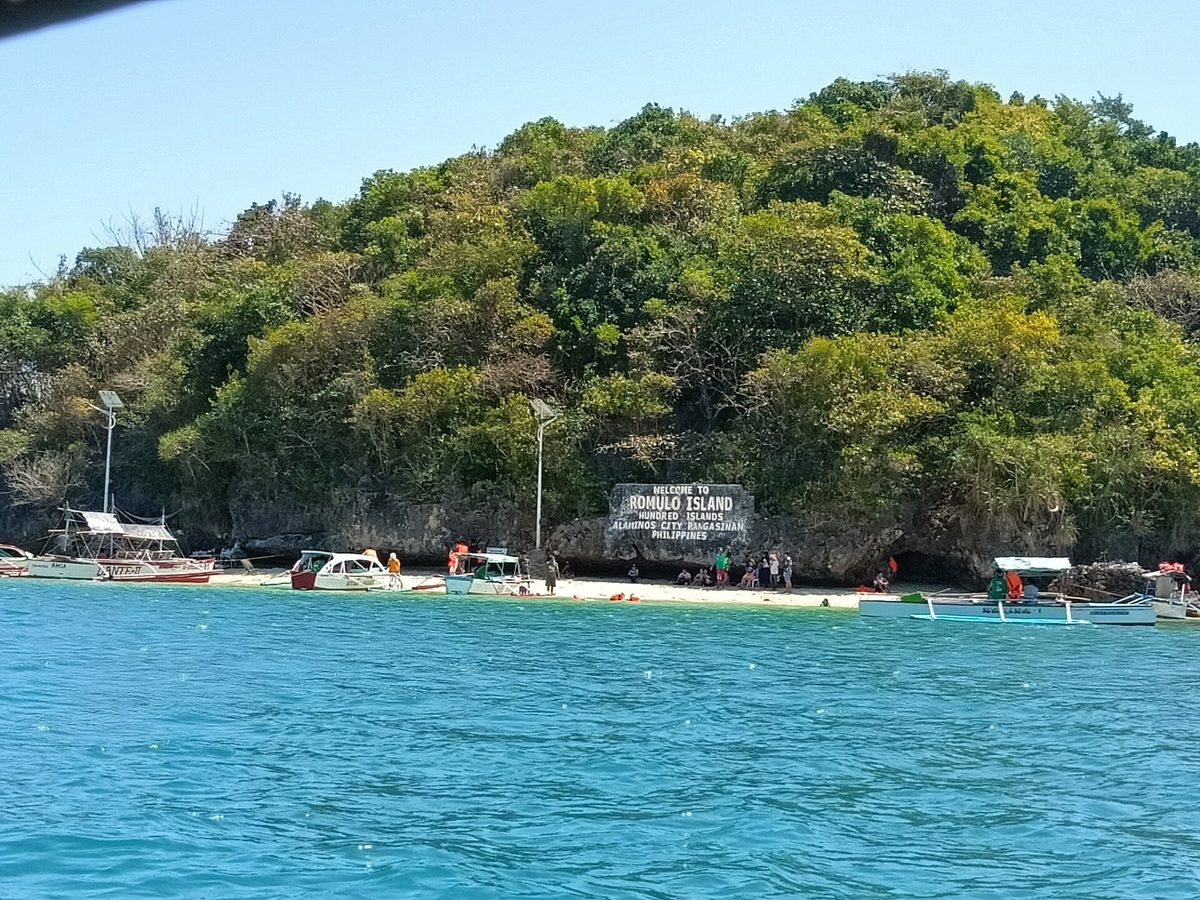
Not every great hop needs a flight to Palawan. Honda Bay, just outside Puerto Princesa, is a gentle, shallow, sandbar-heavy day (Luli, Cowrie, Starfish islands) that’s ideal for families and around ₱1,200–1,800. Port Barton, between Puerto Princesa and El Nido, offers slower, cheaper, far less crowded tours among reefs and turtle-filled bays. And if you’re tied to Luzon, the Hundred Islands of Pangasinan are a five-hour drive from Manila — a DIY boat from Lucap Wharf in Alaminos (from around ₱1,400 for a small group, plus modest park fees) opens up more than a hundred green islets to kayak and climb.
For travellers chasing quiet, the country’s best-kept hops are Islas de Gigantes (Iloilo), all sandbars and cheap seafood; mystical Siquijor; volcanic Camiguin with its sunken cemetery and White Island sandbar; and the “Survivor” islands of Caramoan. None have El Nido’s scenery, but none have its crowds either, and that trade is often worth making.
How much does island hopping in the Philippines cost?
The sticker price of a tour is only part of the story, because almost every destination layers on environmental and terminal fees that aren’t in the headline number. Here’s a realistic per-person budget for a single joined day tour in 2026, using El Nido as the worked example:
| Item | Typical cost (per person) |
|---|---|
| Joined day tour (boat, crew, lunch, mask) | ₱1,400–1,800 |
| Eco-tourism development fee (multi-day pass) | around ₱400 |
| Per-lagoon / terminal & municipal fees | ₱200–400 |
| Fin rental (optional) | ₱100–200 |
| Crew tip (optional but kind) | ₱50–100 |
| Realistic all-in total | ₱2,150–2,900 (US$38–51) |
So while the tour “costs ₱1,500,” budget closer to ₱2,200–2,900 once the pier collects its dues. A private boat changes the maths entirely: in El Nido or Coron expect ₱5,000–9,000+ for the whole boat, which is a bargain split four or five ways and a splurge for two. Boracay’s private tours start around ₱6,900 for one or two people and fall to roughly ₱2,300 a head for a group of ten.
A few ways I keep costs down without cutting the fun: book at a town tour desk on arrival rather than online, where joined-tour prices are often lower and you can read the boat’s condition for yourself; bring your own mask and a dry bag to dodge rental fees; carry your multi-day eco pass so you only pay it once across several tours; and travel in a small group so a private charter becomes affordable. For a country-wide view of what a trip really costs, our wider planning notes live in the Philippines itinerary guide.
The best time to go island hopping
Boats and weather are inseparable here, so timing matters more than for almost any other activity. The broad rule: the dry season, roughly November to May, brings the calmest seas, the clearest underwater visibility and the most reliable departures. Within that window, December to February is cool, bright and peak — book well ahead and brace for crowds and higher prices around Christmas, New Year and Chinese New Year. March to May is hotter but has the best water clarity of the year, broken only by the domestic stampede of Holy Week.
The wet season, roughly June to October, isn’t a write-off — the islands are greener, the crowds thinner and the prices softer — but the southwest monsoon (the habagat) churns up afternoon swells and the occasional typhoon, and tours get cancelled when the Coast Guard raises a “no sail” order. Crucially, the country has more than one climate: while Palawan and the Visayas are stormy, the Pacific-facing east, including Siargao, follows a different rhythm and surfs best from August to November. The full month-by-month picture is in our guide to the best time to visit the Philippines. Whenever you go, book morning tours — the sea is almost always calmest before lunch.
Island hopping by traveller type
The “best” hop depends entirely on who’s in the boat. Match the destination to your group and you’ll have a far better day.
First-timers
Start with El Nido or Coron for the wow factor, or Bohol if you’d rather ease in with short transfers and a comfortable base. Take a joined tour, take Tour A in El Nido, and don’t over-schedule — one tour every other day beats three days straight on a boat.
Families with children
Calm, shallow and short wins. Honda Bay, Bohol’s Panglao loop, the Hundred Islands and Siargao’s three-island trip all keep transfers brief and the water gentle. Life vests are standard, but bring your own well-fitting ones for small children and a lot of reef-safe sunscreen.
Snorkellers and divers
Point yourself at Moalboal’s sardines and turtles, Balicasag’s wall, Apo Island off Dumaguete, and Coron’s wrecks. These are also the spots where paying for a private boat to linger longer genuinely pays off. The dedicated diving in the Philippines guide maps out the best underwater sites in detail.
Budget backpackers
Moalboal (free shore snorkelling), Port Barton, Siquijor and Islas de Gigantes deliver the most island for your peso. Stick to joined tours, book on arrival, and self-cater snacks rather than relying on island vendors.
Couples and honeymooners
This is where a private boat earns its keep — an El Nido or Coron charter with a custom route and an early start gives you those empty-lagoon photos everyone else is queuing for. Siargao suits couples who want barefoot and low-key over polished.
Nervous and non-swimmers
You can absolutely still go. Life vests are provided and worn all day, guides stay close, and beach-and-sandbar tours (Siargao’s three islands, Honda Bay) involve more standing in shallows than open-water swimming. Just say so when you book, and skip the deep-water-only stops.
Joined tour, private tour or DIY: which is right for you?
This single decision shapes your whole day — the cost, the crowds, the pace. Here’s how the three options really compare.
| Option | Cost | Best for | The trade-off |
|---|---|---|---|
| Joined tour | ₱1,400–2,500 pp | Solo travellers, budgets, meeting people | Fixed route and timing; you arrive at the lagoons with everyone else |
| Private tour | ₱5,000–9,000+ per boat | Couples, families, photographers, divers | Several times the price; only a bargain split across a group |
| DIY / self-charter | Varies; haggle locally | Off-the-beaten-track spots, flexible itineraries | More effort and uncertainty; not possible where routes are regulated |
My rule of thumb: take the joined tour for your first day in a new place — it’s cheap, sociable and you’ll see the headline sights. Upgrade to private if you’re two-plus people who care about beating the crowds or want unhurried time to dive, shoot photos or just float. Go DIY in laid-back spots like Port Barton, Siquijor or the Hundred Islands, where you can wander to a wharf and negotiate a boatman directly. One thing to know: in tightly managed destinations like El Nido, the routes and prices are fixed by the local tourism office, so a “private” tour buys flexibility within the system rather than a secret different itinerary.
What to pack, and how to hop responsibly
A good island-hopping day lives or dies on a few small things. After more sunburns and soaked phones than I’d like to admit, this is my non-negotiable list:
- A dry bag (10–20L) — the single most useful thing you’ll bring. Boats are wet.
- Reef-safe sunscreen — some marine parks now check for it, and the reef thanks you. A rash guard saves your back better than any cream.
- Water shoes or sturdy sandals — for sharp rocks, hot sand and reef entries.
- Plenty of small-denomination cash — for fees, tips and island vendors; there are no ATMs out there.
- Your own mask if you have one, plus motion-sickness tablets if afternoons on a boat unsettle you.
- A hat, sunglasses and a refillable water bottle — and a power bank in your dry bag.
On the responsible side, the rules are simple and they matter: don’t touch or stand on coral, don’t feed or chase the fish and turtles, take every scrap of rubbish back with you, and never buy shells or coral souvenirs. Choose operators who brief you properly and don’t overload their boats. And think twice about the animal-attraction add-ons — provisioned whale-shark feeding and captive encounters draw justified criticism, and your money speaks louder than any review.
On safety: wear the life vest, listen to the crew, and respect a cancelled trip — if the Coast Guard suspends sailing because of weather, that’s a decision made to keep you alive, not to ruin your holiday. Check that your boat carries vests and a radio, don’t board an obviously overloaded bangka, and keep an eye on children near the water at all times.
Honest notes: what’s worth it, and what’s just hype
Page-one guides rarely tell you the unglamorous parts, so here they are. Worth every peso: El Nido Tour C and Tour A if you go early; Coron’s Kayangan Lake and the wrecks; Moalboal’s free sardine run, which genuinely rivals tours costing fifty times more; and any private charter that lets you reach a famous lagoon before the crowds.
Over-hyped or over-sold: Boracay’s snorkelling stops (the beach is the attraction, not the boat); “helmet diving,” which is an expensive walk on a murky seabed; midday visits to any famous lagoon or sandbar, where the magic drowns under eight boatloads of selfie sticks; and the temptation to cram three island regions into one trip, which turns a dream holiday into an exhausting airport tour. The single biggest upgrade to your experience isn’t money — it’s going early and going slow. Pick one region, take the first boat out, and let the islands do the rest.
Frequently asked questions
How much does island hopping in the Philippines cost?
A joined group day tour runs roughly ₱1,400–2,500 (about US$25–45) per person and usually includes a boat, crew, lunch and a mask. Budget another ₱400–800 for environmental and terminal fees, which are collected separately at the pier. A private charter costs ₱5,000–9,000 or more for the whole boat.
What is the best island hopping destination in the Philippines?
El Nido in Palawan is the classic answer for sheer scenery — soaring limestone lagoons and beaches you reach only by boat. Coron runs it close with clearer lakes and shipwrecks. For easier logistics and reefs, Bohol and Cebu are hard to beat. There’s no single winner; the best one depends on your travel style.
Is El Nido or Coron better for island hopping?
Both are world-class and many travellers do both. Choose El Nido for soft-sand beaches and that postcard lagoon scenery, and Coron for dramatic lakes, snorkelling and WWII wreck diving. El Nido is busier and a touch softer; Coron feels slightly wilder. If you can spare a week, the ferry between them lets you have both.
Is island hopping in the Philippines safe?
Yes, for the vast majority of trips. Tours are guided, life vests are provided, and operators follow Coast Guard weather rulings. The real risks are sun, dehydration and rough afternoon seas rather than anything sinister. Wear your vest, book morning departures, avoid overloaded boats, and never argue with a weather cancellation.
Do I need to book island hopping tours in advance?
In quiet periods you can usually book a joined tour the day before at a town tour desk, often more cheaply than online. In peak season — Christmas, New Year, Holy Week and the dry-season months — popular routes and private boats sell out, so reserve ahead. Booking on arrival also lets you check the weather and the boat first.
Can non-swimmers go island hopping?
Absolutely. Life vests are standard and you can wear one all day, guides stay close, and many tours focus on shallow sandbars and beaches rather than deep water. Choose a gentle route such as Siargao’s three islands or Honda Bay, mention that you’re not a confident swimmer when you book, and you’ll be fine.
How many island hopping tours should I do?
One tour every other day is the sweet spot for most people. The days are long and sun-heavy, and back-to-back boats blur together fast. Alternate a hopping day with a beach, dive or rest day, and you’ll enjoy each one far more than if you try to tick off every route in a single region.
Final thoughts
Island hopping is the thing the Philippines was made for, and after years of doing it I still get the same flutter when the engine cuts and a lagoon opens up ahead. Don’t overthink it: pick one region, take the first boat out, pay the fees with a smile, go slow, and leave the reef better than you found it. Do that, and you’ll understand within a single morning why people cross the world for this. For the rest of your trip, our guide to things to do in the Philippines and the country’s best beaches will help you fill the days in between.
Sources and photo credits
Photo credits
All images are used under their respective Creative Commons or public-domain licences via Wikimedia Commons. El Nido lagoon and limestone cliffs — Archivalgammaru (CC BY-SA 4.0). Bacuit Archipelago beach, El Nido — Vyacheslav Argenberg (CC BY 4.0). Kayangan Lake viewpoint, Coron — André Héroux (CC BY 3.0). Twin Lagoon, Coron — Patrickroque01 (CC BY-SA 4.0). Balicasag Island reef, Bohol — Ric V Obedencio (CC BY-SA 4.0). Pescador Island, Moalboal — Ken Suarez (CC0 / public domain). Guyam Island, Siargao — Azposse (CC BY-SA 4.0). Puka Beach, Boracay — Tuderna (CC BY 3.0). Hundred Islands, Pangasinan — BiancaBrazal (CC BY-SA 4.0).
Sources and further reading
Philippine Department of Tourism (philippines.travel); El Nido municipal tourism office eco-tourism and lagoon fee schedules; Coron / Calamian Islands tourism fee notices; operator rate cards and current tour prices from Klook, GetYourGuide, Viator and local tour desks; Philippine Coast Guard sailing advisories. Prices and fees were checked in 2026 and are given as ballpark guidance only — tour rates, environmental fees and schedules change frequently, so confirm the current numbers locally before you travel.
About this guide: this is part of Philippines Tourism, an independent, traveller-written resource to the islands. I write from time spent in the boats rather than from press trips, I keep prices current and hedged, and I’d always rather warn you off an over-sold add-on than sell you a postcard. Island hopping is my favourite thing to do in this country — go early, go slow, and give the reef the respect it deserves.