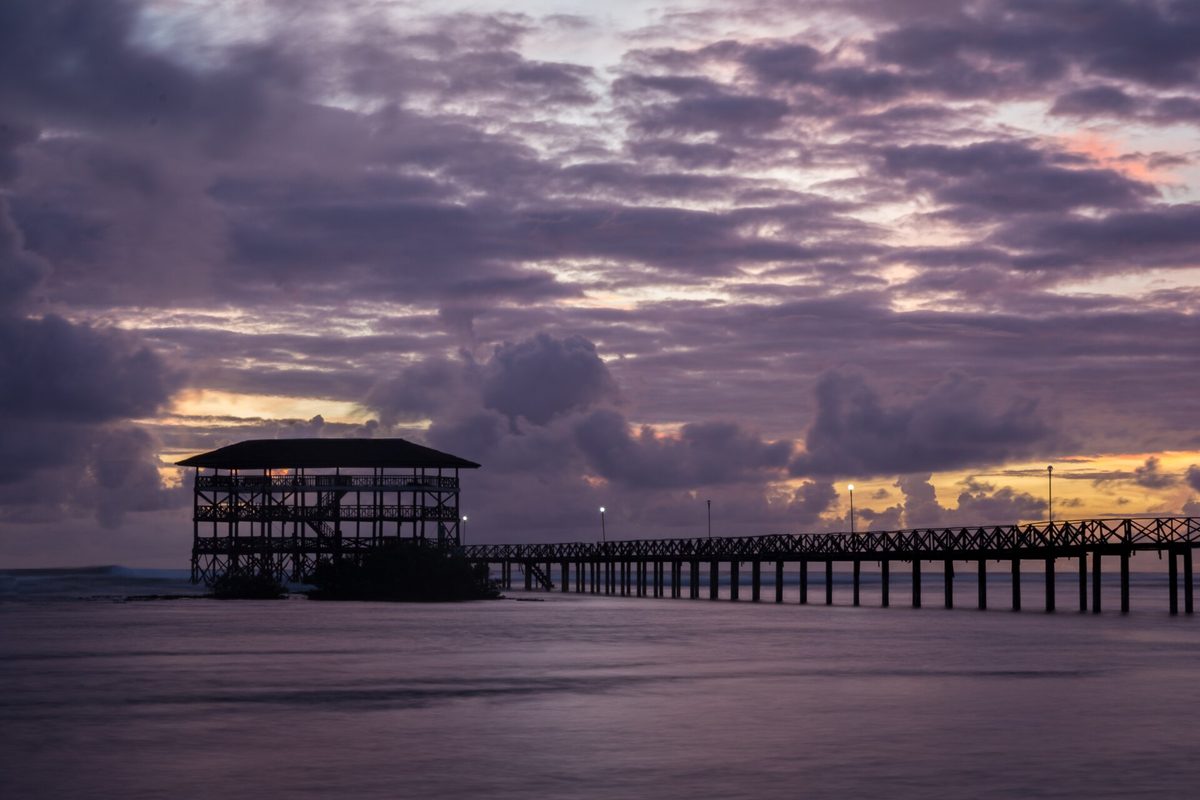
Surfing in the Philippines: Where, When & How to Start
Planning a surfing Philippines trip comes down to one decision the brochures skip: which coast, and which month. The country has two opposite surf seasons, so Siargao’s Cloud 9 and La Union’s San Juan peak at completely different times of year. Pick the wrong pair and you’ll paddle out to a flat, glassy lake. Here’s how to get it right.
I’ve chased waves on both sides of this archipelago, learned to pop up in the warm whitewater off San Juan, and watched the pros get spat out of barrels at Cloud 9 with a San Miguel in hand. This guide covers where to surf, when each break actually fires, what lessons and board rental cost in 2026, and the honest beginner-versus-advanced truth that most listicles gloss over. It sits inside our wider guide to things to do in the Philippines, so if surfing is one stop on a bigger trip, start there too.
Surfing in the Philippines at a glance
If you read nothing else, read this. Prices are typical 2026 rates and convert at roughly PHP 58 = USD 1 — treat them as ballparks and confirm when you book.
| Spot | Best for | Season | Vibe | Group lesson (1 hr) |
|---|---|---|---|---|
| Siargao (Cloud 9, General Luna) | Beginners at Jacking Horse; advanced at Cloud 9 | Aug–Nov (peak Sep–Nov) | Island-time surf mecca; busy, social, beautiful | ~PHP 500–1,000 ($9–17) |
| La Union (San Juan / Urbiztondo) | Beginners & first-timers | Oct–Mar (peak Dec–Feb) | Weekender scene from Manila; bars, cafes, street art | ~PHP 400–500 ($7–9) |
| Baler (Sabang Beach, Aurora) | Beginners & intermediates | Sep–Feb (peak Oct–Jan) | Laid-back surf town with movie-history roots | ~PHP 400–600 ($7–10) |
| Zambales (San Narciso / Liwliwa) | Beginners & progressing surfers | Jul–Mar (variable) | Closest weekend escape from Manila; chilled, bohemian | ~PHP 400–500 ($7–9) |
| Daet / Bagasbas (Camarines Norte) | All levels, learner-friendly | Aug–Jan (typhoon swell Aug–Nov) | Low-key Bicol beach break, rarely crowded | ~PHP 350–500 ($6–9) |
| Catanduanes (Puraran) | Advanced (the “Majestic” barrel) | Sep–Mar (peak Oct–Feb) | Remote, raw, far fewer crowds | ~PHP 500 ($9) |
My quick picks: total beginner with limited time? La Union — it’s a five-to-six-hour drive from Manila and built for learning. Chasing the dream wave and a proper surf-island atmosphere? Siargao, August to November. Want Baler’s sand-bottomed mellow waves with a side of history? Read on.
Surfing Philippines 101: the two-season rule
This is the single most important thing to understand, and it’s why generic “best time to surf” answers are useless here. The Philippines is a long archipelago with coasts facing two different oceans, and it sits under two opposing monsoons. So there is no one surf season — there are two, on opposite sides of the country, six months apart.
The Pacific, east-facing coast — Siargao, Baler, Daet, Catanduanes, Eastern Samar — gets its best surf during the habagat (southwest monsoon) and the typhoon swell season, roughly August to November, peaking around September and October. Distant typhoons spinning across the Pacific send long-period groundswell straight into these reefs. That’s when Cloud 9 turns into the barreling machine you’ve seen in surf films.
The west-facing coast — La Union, Zambales, and the rest of the South China Sea shoreline — works in the opposite window. It comes alive during the amihan (northeast monsoon), roughly October to March, with the most consistent swell from December to February. When the east coast goes quiet for the year, the west coast is just warming up.
So the Philippines surfing season depends entirely on which break you’re aiming for. The good news for nervous first-timers: outside these peak windows, most spots still get smaller, gentler waves that are actually better for learning than the big stuff. You don’t need head-high barrels to stand up on a foamie. If your goal is your first green wave, the shoulder months are your friend.
The gotcha nobody warns you about: on Siargao, the rainy season runs during amihan (roughly November to March), which is the opposite of most of the country’s dry season. So the island’s best-known surf months (August–November) overlap with both good swell and an increasing chance of rain and wind, and the calmer post-November period can be wet. It catches a lot of people out. For a full breakdown of the country’s weather patterns, see our guide to the best time to visit the Philippines.
The best surf spots in the Philippines, region by region
Here’s the honest rundown of where to surf, what each place is actually like, and who each break suits. I’ve ordered these roughly by how many travelers ask about them, not by some pretend ranking.
Siargao: Cloud 9 and the surf capital
Siargao is the undisputed surfing capital of the Philippines, and the teardrop-shaped island deserves the title. Sitting on the country’s far eastern edge near the Philippine Trench, it catches clean Pacific groundswell that wraps around its reefs. Most of the action clusters near the main town of General Luna (“GL” to everyone who’s been).
The headline wave is Cloud 9, a powerful, hollow right-hand reef break that produces world-class barrels and hosts an international competition most years in late September or October. Be clear about this: Cloud 9 breaks over a shallow, razor-sharp reef and is an intermediate-to-advanced wave. Locals call it “Crowd 9” in peak season for good reason. This is not where you learn to surf.
Where you do learn is a short trike ride away. Jacking Horse is the classic beginner break — a forgiving wave over a more manageable bottom, and the spot every surf school takes first-timers. Quiksilver (sometimes written Quicksilver) and a few other gentle peaks round out the learner options. Intermediates who want more can boat out to the outer reefs — Daku, Stimpy’s, Cemetery, Pacifico to the north — for less crowded, punchier waves.
Siargao is more than its surf, which is exactly why people end up staying for months. On flat days you’ve got the Sugba Lagoon, the Magpupungko rock pools at low tide, and the famous palm-lined Coconut Road. For the full island breakdown, our Siargao travel guide covers where to stay, eat, and roam between sessions. Season: August to November, peaking September–November.
La Union: the easy Manila escape (best for beginners)
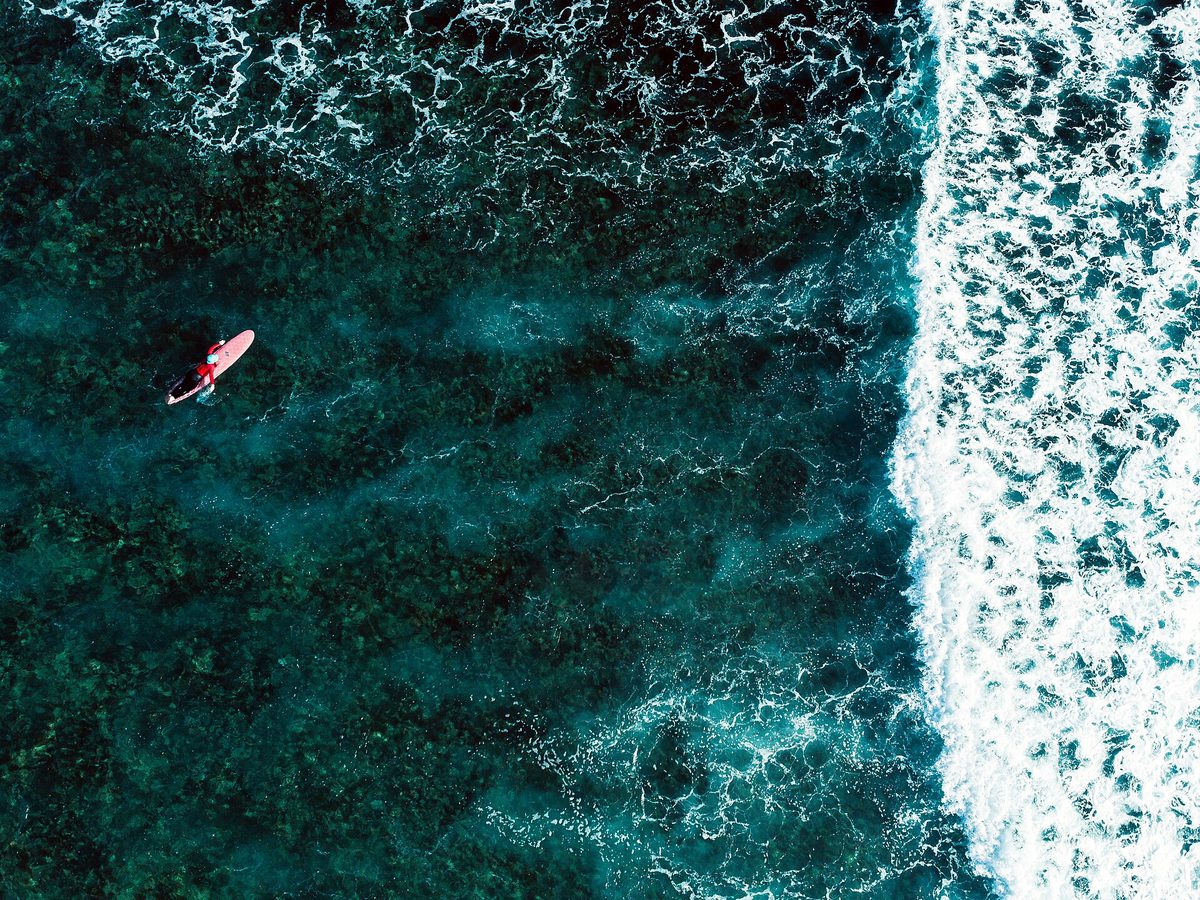
If you’re learning and short on time, this is my pick. La Union — “Elyu” — on Luzon’s northwest coast is the surf capital of the north and the most accessible serious surf town from Manila, a roughly five-to-six-hour drive or van ride up the coast. The heart of it is San Juan, specifically the beach break at Urbiztondo, which is genuinely one of the best beginner surfing Philippines setups in the country: a sandy-bottomed beach break with gentle, rolling waves and a dozen surf schools lined up along the sand.
The trade-off for that accessibility is crowds and development. San Juan has exploded into a weekender scene full of specialty-coffee cafes, beach bars, hostels, surf shops, and street art — great fun off the water, but the main peak gets busy on weekends when Manila empties out. More experienced surfers slide down to spots like Monaliza Point, a long right-hander, or “The Bowl,” which can throw the occasional barrel. Because La Union is part of the country’s largest island, it pairs naturally with a wider Northern Luzon travel guide loop — the rice terraces and Sagada are a scenic detour inland. Season: October to March, peaking December–February.
Baler: the birthplace of Philippine surfing
Baler, the capital of Aurora province on Luzon’s east coast, is where Philippine surfing began — and the origin story is real. The film crew shooting the surf scene in Apocalypse Now (1979) left their boards behind, locals picked them up, and a surf culture was born. The country’s first national champion came out of this scene.
The main learner spot is Sabang Beach, a long, sandy stretch with a mellow beach break that’s ideal for beginners and longboarders — one of the friendliest places in the country to catch your first waves. The movie-famous Charlie’s Point at the river mouth offers lazy, fun peaks on a regular swell. Experienced surfers head to Cemento (Cobra Reef), a fast, hollow right-hand reef break that needs the right conditions and respect. Baler is a roughly five-to-six-hour drive from Manila over the Sierra Madre — the winding road is part of the adventure. Season: September to February, with the most consistent waves October to January.
Zambales: the closest weekend wave from Manila
For pure convenience, nothing beats Zambales. The San Antonio / San Narciso stretch is only about a three-to-four-hour drive northwest of Manila, which makes it the default quick surf escape for city dwellers. The scene centers on Liwliwa in San Felipe — a low-key, slightly bohemian strip of surf hostels and beachfront bars — and on Crystal Beach in San Narciso, the area’s best learner break and a longboarder’s playground. More experienced surfers can find punchier waves at the High 5 Lahar rivermouth when it’s working.
The honest caveat: Zambales is the least predictable of the major spots. The waves are smaller and more weather-dependent than Siargao or La Union, so check a forecast before committing. When it’s on, it’s a brilliant, relaxed weekend. When it’s flat, it’s a nice beach with no waves. Season: broadly July to March, but watch the swell reports closely.
Daet and Bagasbas: Bicol’s quiet beginner coast
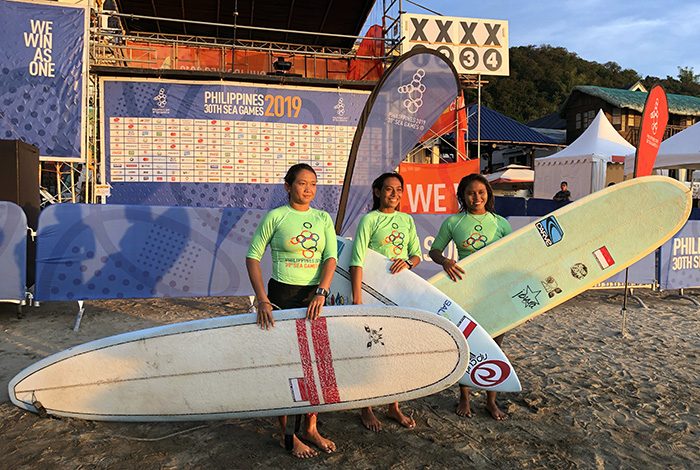
Down in Camarines Norte in the Bicol region, Bagasbas Beach near Daet is the underrated entry on this list. It’s a long, gray-sand beach break that offers something for everyone: small, consistent, sandy-bottomed waves perfect for learners most of the year, plus more powerful peaks when the August-to-November typhoon swells roll in. It’s reachable from Manila (around eight to nine hours by bus, or a short flight to Naga plus a transfer) and, crucially, rarely crowded. If you want to learn without the weekend mob of La Union, Bagasbas is worth the extra travel. Season: August to January, with the biggest waves August to November.
The lesser-known breaks worth a mention
The archipelago hides far more surf than the headline spots. A few that reward the extra effort:
- Catanduanes (Puraran Beach): “the Happy Island” off Bicol is home to Majestic, one of the most hollow right-hand barrels in the country — a remote, advanced wave with a fraction of Siargao’s crowds.
- Eastern Samar (Calicoan, Guiuan): a wild, rugged coast with some of the cleanest tubes in the Philippines, best for intermediate-to-advanced surfers.
- Pagudpud (Ilocos Norte): Luzon’s far northern tip, with beach breaks for all levels around the gorgeous Blue Lagoon and almost nobody on them — the catch is the long haul to get there.
- Dahican (Davao Oriental): a crescent of white sand on Mindanao’s southeast corner, popular with surfers and skimboarders alike.
One safety note on the deep south: parts of mainland Mindanao carry travel advisories, so check your government’s current guidance before planning a surf trip to those areas. The spots in this guide that sit on Mindanao — Siargao and Dahican — are on the well-trodden, welcoming tourist trail, but it’s always worth a quick check.
Best surf spots Philippines by skill level
The mistake I see most often is people booking a trip around a famous wave that’s wildly above their level. Match the break to your ability and you’ll have ten times the fun. Here’s the cheat sheet.
If you’ve never surfed before
Go where the bottom is sand and the waves are forgiving: La Union (Urbiztondo), Baler (Sabang), Zambales (Crystal Beach), or Daet (Bagasbas). On Siargao, that means starting at Jacking Horse, never Cloud 9. Book a lesson, use a soft-top “foamie,” and give yourself two or three sessions before you decide if surfing is for you — almost nobody stands up cleanly on day one, and that’s normal.
If you’re an improving intermediate
You want green, unbroken waves and a bit more push. Step up to the outer reefs around Siargao (Daku, Stimpy’s, Cemetery) by boat, the points at La Union (Monaliza), Charlie’s Point at Baler, or the beach breaks of Eastern Samar. This is the level where a local guide pays for itself — they’ll put you on the right peak at the right tide and keep you off the stuff that’ll humble you.
If you’re advanced and chasing barrels
This is what the Philippines is quietly world-class at. Cloud 9 on its day, Cemento at Baler, Majestic at Puraran, and the reef and rivermouth setups of Eastern Samar will all test you. Respect the reef, know the conditions, and don’t paddle out anywhere new without watching it for a while first.
Reef breaks vs beach breaks: what the difference means for you
It’s worth understanding the bottom you’re surfing over, because it changes everything about safety. Beach breaks (San Juan, Sabang, Bagasbas, Crystal Beach) break over sand — softer wipeouts, more shifting and less predictable shape, and ideal for learning. Reef breaks (Cloud 9, Cemento, Majestic) break over coral or rock — they produce the cleanest, most powerful, most photogenic waves in the country, but a wipeout can mean cuts, and the reef is shallowest at low tide. As a rule: learn on sand, graduate to reef only when your board control is solid, and always ask a local about the tide.
Philippines surfing season: a month-by-month cheat sheet
To put the two-season rule into a practical calendar, here’s roughly when to point yourself east versus west. Conditions vary year to year, so always cross-check a forecast (Surfline and Windy are the standard tools) before you travel.
- August–November: prime time for the Pacific east coast — Siargao, Baler, Daet, Catanduanes. Best swell of the year, plus rising chance of rain and the occasional typhoon. This is the window for advanced surfers chasing Cloud 9.
- December–February: peak for the west coast — La Union and Zambales fire most consistently now. The east coast is winding down but can still serve smaller, learner-friendly waves.
- March–May: the in-between. The west coast tapers off; the country’s dry season is at its hottest. Expect smaller waves most places — fine for beginners, quiet for everyone, and cheap.
- June–July: the shoulder before the east-coast season ramps up. Inconsistent, but early Pacific swells start to appear.
If you’re building surfing around a broader trip and want flat-water backup plans for the days the ocean doesn’t cooperate, our guide to island hopping in the Philippines is full of lagoons, sandbars and reefs that don’t care about the swell forecast, and the best waterfalls in the Philippines make an equally good flat-day fallback.
What surfing in the Philippines actually costs in 2026
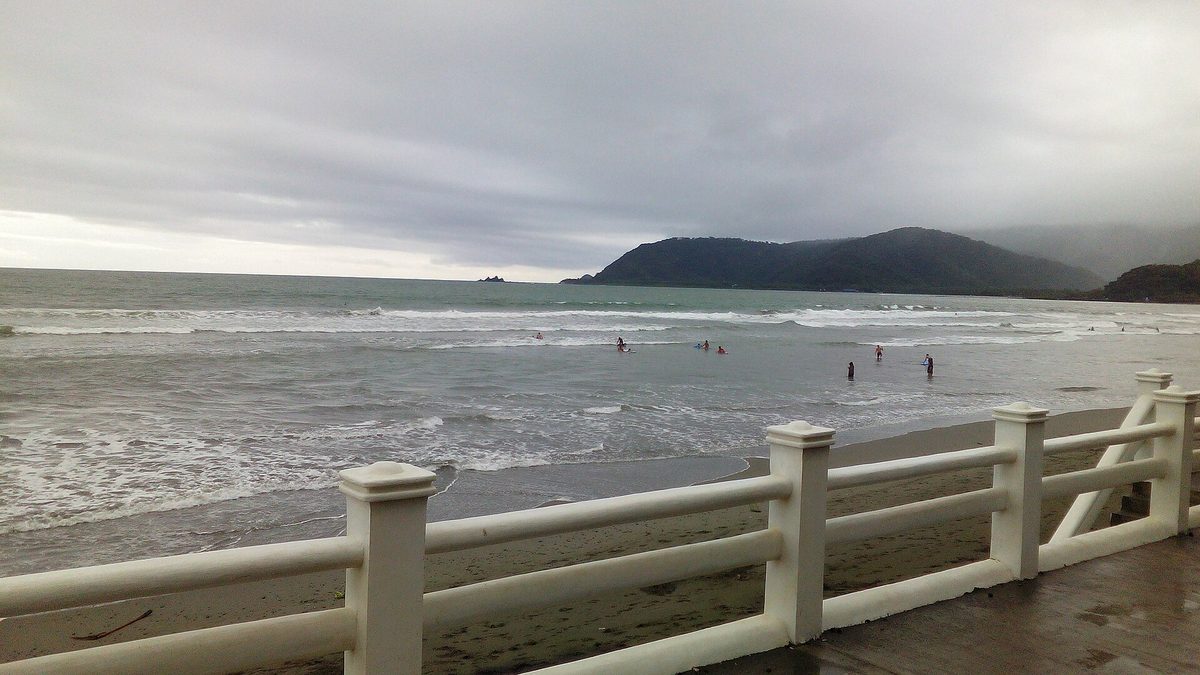
Here’s the genuinely good news: the Philippines is one of the most affordable places in the world to surf, far cheaper than Bali for lessons and rentals. Figures below are typical 2026 rates and convert at roughly PHP 58 = USD 1.
- Group surf lesson (1 hour, board + instructor): about PHP 400–800 ($7–14). La Union and Zambales sit at the lower end; Siargao runs a touch higher in peak season.
- Private or semi-private lesson: roughly PHP 1,000–1,500 ($17–26) per hour, or around PHP 2,500–3,000 per person for a semi-private session on Siargao.
- Board rental: about PHP 200–300 ($3.50–5) per hour on the beach, or roughly PHP 300–500 ($5–9) for a full day — rates drop sharply if you rent by the week or month.
- Surf guide (for advanced surfers who want to be put on the right peaks): very reasonable, often a few hundred pesos for a session.
- Surf camp (accommodation + lessons + community): this is where prices climb to international levels — a week on Siargao typically runs around $700–1,300, comparable to Sri Lanka or Indonesia.
My honest take on lessons: even if you’ve surfed elsewhere, a single lesson at a new spot is worth it just to learn the local hazards, the right peak, and the etiquette. At these prices it’s a no-brainer.
Surf camps, what to bring, and etiquette
Should you book a surf camp?
Surf camps — especially on Siargao and in La Union — bundle accommodation, daily lessons or guiding, and an instant social circle. They’re brilliant for solo travelers and anyone who wants structure and progression rather than figuring it out alone. If you just want flexibility, skip the camp: book lessons day-to-day and rent boards as you go. Both work; it’s a personality question.
What to bring
- Reef-safe sunscreen and a rash guard — the tropical sun is brutal and a long-sleeve rashie saves your back and shoulders. Several spots rightly insist on reef-safe sunscreen.
- Reef booties if you’re heading to reef breaks like Cloud 9 or Cemento — cheap insurance against coral cuts.
- A basic first-aid kit with antiseptic for the inevitable small reef scrapes.
- Cash — many surf shops, trike drivers and beachfront stalls are cash-only, and ATMs thin out fast on the smaller islands.
- You generally don’t need a wetsuit. The water here is warm year-round; a rash guard is plenty.
Surf etiquette that keeps you (and everyone) happy
The Philippine surf scene is famously friendly, and a little respect goes a long way. The basics: the surfer closest to the breaking peak has right of way — don’t “drop in” on them. Don’t paddle straight through the lineup; go around. Wait your turn rather than paddling to the front. Respect local surfers and the kids learning on the inside. And tip your instructor or guide if they’ve looked after you — it’s customary and appreciated.