Northern Luzon Travel Guide
Northern Luzon is the Philippines that never makes the postcards — no white sand, no turquoise lagoon, just mountains. Up here, two-thousand-year-old rice terraces climb into the clouds, century-old coffins hang off limestone cliffs, Spanish cobblestones still echo with horse hooves, and the air turns cool enough to want a jacket at night. This Northern Luzon Philippines travel guide is the one I wish someone had handed me before my first trip north of Manila: where to go, how the regions actually fit together, how to get around the winding roads, what it honestly costs in 2026, when to come for green terraces, and the trade-offs the tour brochures quietly leave out.
The short version: the north is the country’s cultural and scenic heavyweight. The Cordillera mountains in the interior hold the famous rice terraces, the pine city of Baguio, the cave-and-coffin country around Sagada, and the indigenous Igorot and Ifugao cultures that were never fully colonised. The Ilocos coast to the west keeps the Philippines’ best-preserved Spanish town, a row of giant windmills and an empty surf-and-sand coastline. And far out in the strait toward Taiwan sits Batanes, a wind-scoured cluster of islands that looks more like Ireland than the tropics. You can see one slice in a long weekend or string the whole thing into a two-week loop — this guide breaks down how.
Northern Luzon Philippines: a different country from the beaches
Most first-time visitors to the Philippines spend their entire trip in the water — island-hopping in Palawan, diving off Cebu, lying on a beach in Boracay. The north is the antidote to all of that. It is the one part of the country where the headline act is land rather than sea: mountains, terraces, churches and culture, at altitudes high enough that Baguio and the Cordillera towns run 10–15°C cooler than the steamy lowlands. If the rest of the Philippines is a beach holiday, Northern Luzon is a road trip.
Geographically, “Northern Luzon” covers everything on the main island of Luzon roughly from the mountain city of Baguio upward: the landlocked Cordillera highlands, the long Ilocos coast facing the South China Sea, the broad Cagayan Valley in the northeast, and the Batanes islands off the northern tip. Manila, down on the central plains, is the gateway you’ll almost certainly pass through — my Manila travel guide covers the capital itself, but for most travellers Manila is simply where the northern adventure begins, at a bus terminal or an airport.
What makes the region special is also what makes it harder work than the islands. There are no direct international flights into the mountains, the roads twist and climb for hours, and the weather is moodier than the beach belt. In return you get the two things the rest of the country can’t offer in the same measure: genuine living heritage, and scenery that rearranges your idea of what the Philippines looks like. For a sense of how the north stacks up against the islands everyone else is chasing, it’s worth a glance at the best islands in the Philippines — and then a deliberate decision to do something completely different.
How the north fits together: a mental map
The single most useful thing I can give you before you start booking buses is a mental map, because Northern Luzon is bigger and more spread out than people expect and the mistake everyone makes is trying to do too much in too little time. Think of it as four loose blocks.
The Cordillera highlands are the mountainous heart: Baguio as the gateway city, then up to Banaue and Batad for the rice terraces, across to Sagada for caves and coffins, and out to Kalinga for the tattoo village of Buscalan. This is the classic backpacker circuit and the reason most people come north. The Ilocos coast runs up the western shoreline: the heritage city of Vigan, the provincial capital Laoag, the Bangui windmills and the beaches of Pagudpud at the far northwest tip. La Union and the surf coast sit just below Ilocos, the closest proper surf to Manila and an easy first or last stop. And Batanes floats alone in the north — reachable only by plane, and really a separate trip of its own.
Crucially, the Cordillera and the Ilocos coast are two different journeys. The mountains are inland and you reach them by climbing; the Ilocos towns are strung along a coastal highway. You can link them — Sagada down to Vigan is a spectacular if bruising mountain road — but they don’t naturally form a single tidy loop, and pretending they do is how people end up spending their whole holiday on a bus. Pick a block, do it well, and leave the rest for next time.
The best places to visit in Northern Luzon
Here are the destinations worth your time, working roughly from the famous mountain core outward to the coast and the far islands. I’ve flagged how many nights each really needs and who it suits, because the honest truth is that a couple of these are bucket-list-grade and a couple are over-hyped weekend traps if you catch them at the wrong moment.
Banaue and Batad: the rice terraces
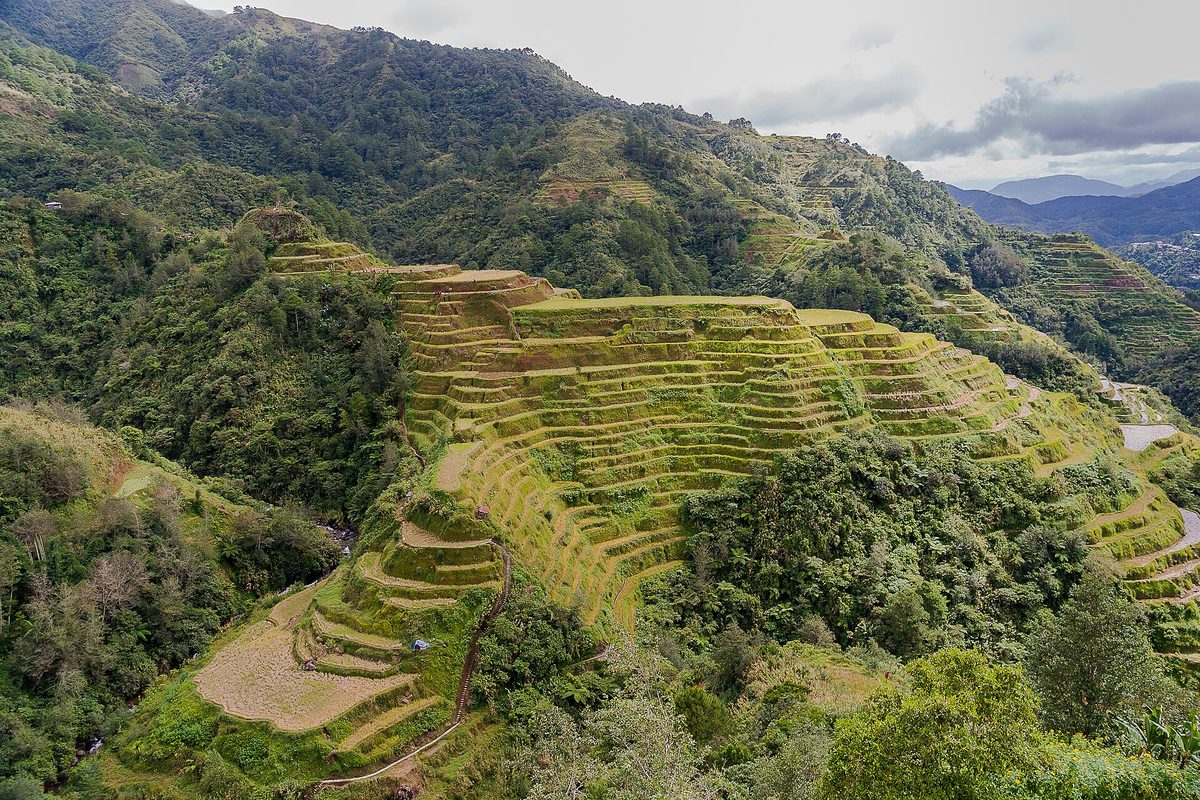
These are the reason most people point a finger at the map and say “let’s go north.” The rice terraces around Banaue, in Ifugao province, were hand-carved into near-vertical mountainsides by the Ifugao people over roughly two thousand years, and they are still farmed today by the descendants of the people who built them. Five terrace clusters — Batad, Bangaan, Hungduan, Mayoyao and the central Nagacadan group — carry a UNESCO World Heritage listing as the Rice Terraces of the Philippine Cordilleras. The much-photographed Banaue amphitheatre on the 20-peso note is, slightly confusingly, not actually part of the UNESCO inscription, but it’s still the easiest grand view and the gateway to everything else.
The terraces you really want, if you can manage the walk, are at Batad. A bumpy ride from Banaue town drops you at a road-end called the Saddle; from there it’s a downhill hike of 20–45 minutes into a perfect natural amphitheatre of stone-walled terraces wrapped around a hidden village, with the slim thread of Tappiya Falls tumbling below. It is, for my money, one of the great views in Southeast Asia, and the effort of getting there filters out the bus crowds. You’ll register at the Banaue tourism office and pay a small environmental fee (around ₱50, well under US$1), plus a few hundred pesos for the jeep or tricycle to the Saddle, and hiring a local Ifugao guide is both required for the longer treks and genuinely worth it.
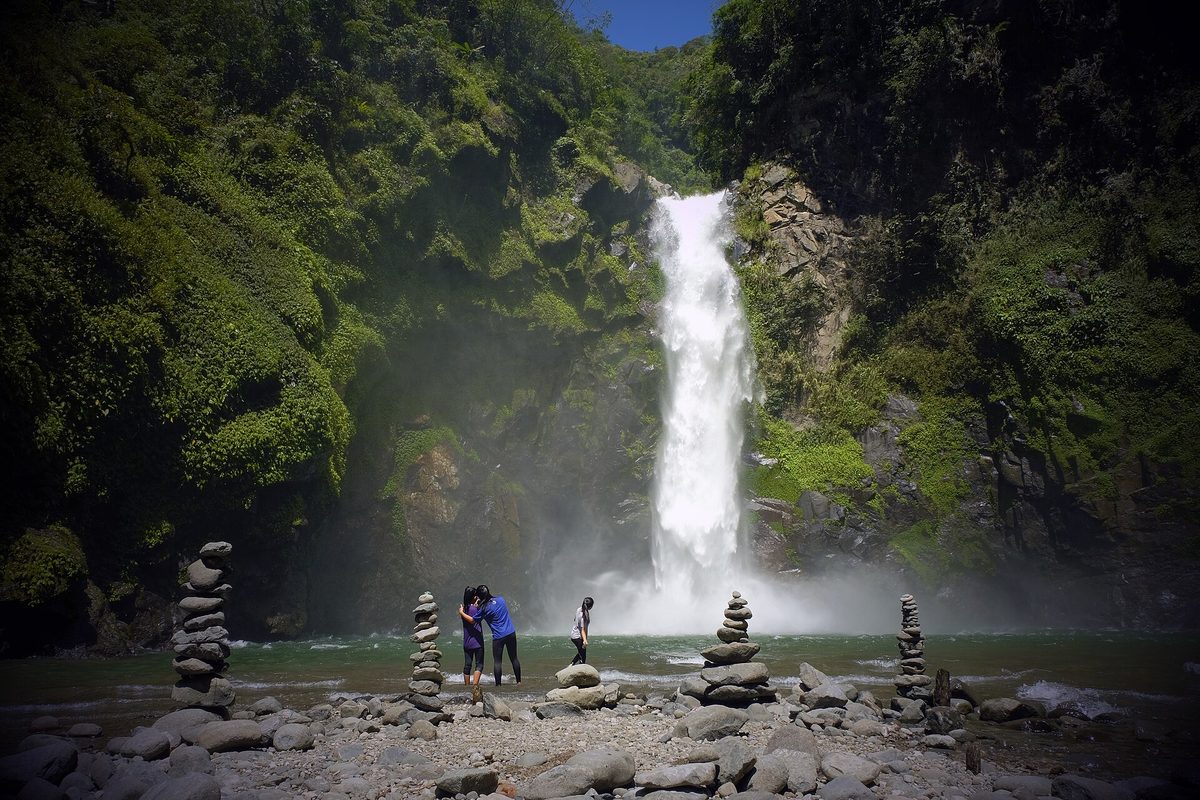
One honest piece of advice that will make or break your visit: timing is everything with the terraces. They are at their luminous emerald best when the rice is growing, roughly April to May and again from late October into November. Catch them just after harvest, around January to March, and you’ll be looking at a hillside of brown mud and stubble and quietly wondering what the fuss is about. More than any other sight in this guide, the rice terraces reward getting the season right — check my notes on the best time to visit the Philippines before you lock in dates.
Sagada: caves, coffins and pine forest
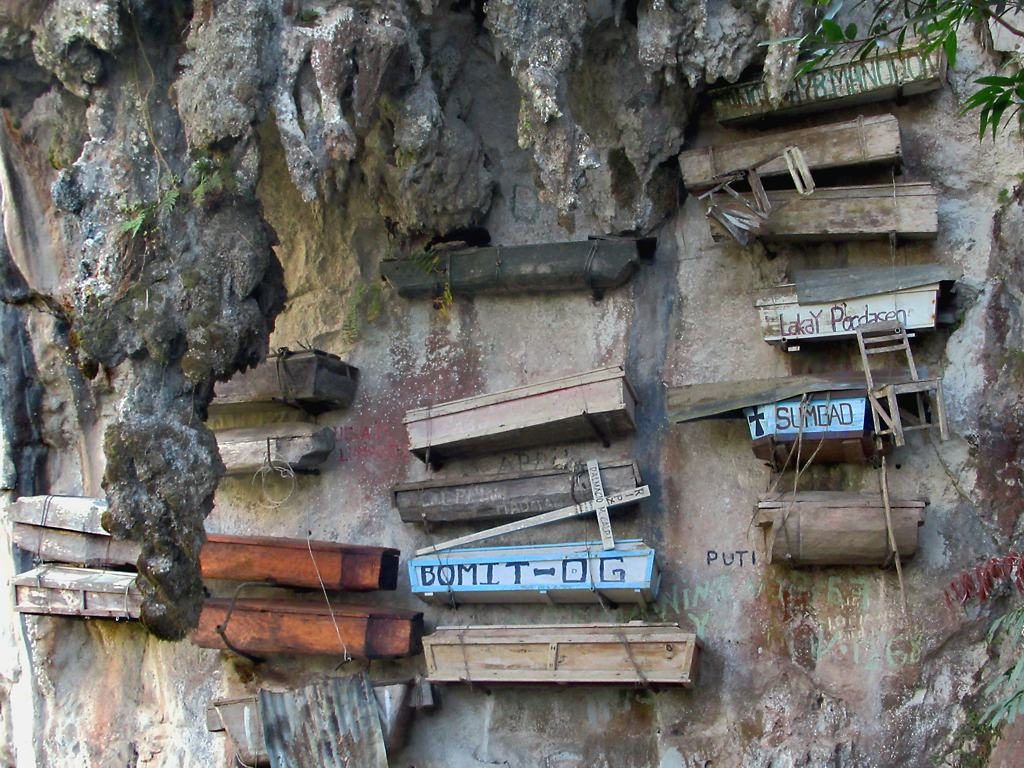
A couple of hours west of Banaue by a jeep-and-van relay through the trading town of Bontoc, Sagada is the spiritual home of Philippine backpacking: a small, cool, pine-scented town in Mountain Province that feels a world away from the tropical lowlands. Its signature sight is macabre and unforgettable — the hanging coffins of Echo Valley, where the local Igorot people have for centuries lashed their dead into wooden coffins and hung them from limestone cliffs, the belief being that a body raised toward the sky brings the spirit closer to its ancestors. A guide walks you down through the valley and the old cemetery to see them; it costs little and the walk is short and atmospheric.
The other half of Sagada is underground. The Sumaguing and Lumiang caves form a vast limestone system, and the classic adventure is the “cave connection” — a three-to-four-hour scramble that enters one cave and exits the other, wading through cold pools, sliding down rock smoothed by a century of bare feet, and trusting a guide with a gas lantern. It is muddy, genuinely thrilling and not for the claustrophobic; a shorter Sumaguing-only trip is the gentler option. Add the dawn pilgrimage to Kiltepan viewpoint for a sea of clouds pooling in the valleys, a bowl of the town’s famous lemon pie and some properly good mountain coffee, and you understand why people come up for two nights and stay for five. Note that all Sagada activities run through the official guides’ association — you can’t freelance the caves, and you shouldn’t want to.
Baguio: the summer capital
Sitting at around 1,500 metres in the southern Cordillera, Baguio is the north’s big city and the one most Filipinos know best — the “Summer Capital of the Philippines,” built by the Americans in the early 1900s as a hill station to escape the lowland heat. The cool climate, pine trees and faded mountain-town charm still pull millions of domestic visitors a year for Burnham Park’s boating lake, the strawberry farms of nearby La Trinidad, the excellent BenCab art museum out of town, and the Ifugao huts of Tam-Awan Village. It’s also the gateway you’ll pass through on the way to the higher mountains, and a reliable place to find a hot shower, an ATM and a real restaurant.
I’ll be honest about Baguio, though, because plenty of guides won’t: it is no longer the sleepy pine retreat the postcards sell. Decades of building have made it crowded and traffic-clogged, and on a holiday weekend the city centre is bumper-to-bumper and the famous cool air carries a tang of exhaust. Come midweek, treat it as a comfortable base and a culture-and-food stop rather than a wilderness escape, and it’s lovely; arrive on a long-weekend Saturday expecting tranquillity and you’ll be disappointed. Use it for what it’s good at — a soft landing into the mountains — and push on to Sagada or Banaue for the real quiet.
Vigan: Spanish colonial heritage
Down on the Ilocos coast, Vigan is the best-preserved Spanish colonial town in Asia and a UNESCO World Heritage Site, and it is the rare heritage attraction that genuinely lives up to the billing. The heart of it is Calle Crisologo, a cobblestoned street of 18th-century merchant houses with their capiz-shell windows and heavy wooden balconies, closed to cars and best seen either early in the morning before the day-trippers arrive or at dusk when the lanterns come on and a horse-drawn kalesa clip-clops past. It is touristy, yes, but it’s also a real, lived-in town with a working cathedral, a Sunday market and some of the best food in the north.
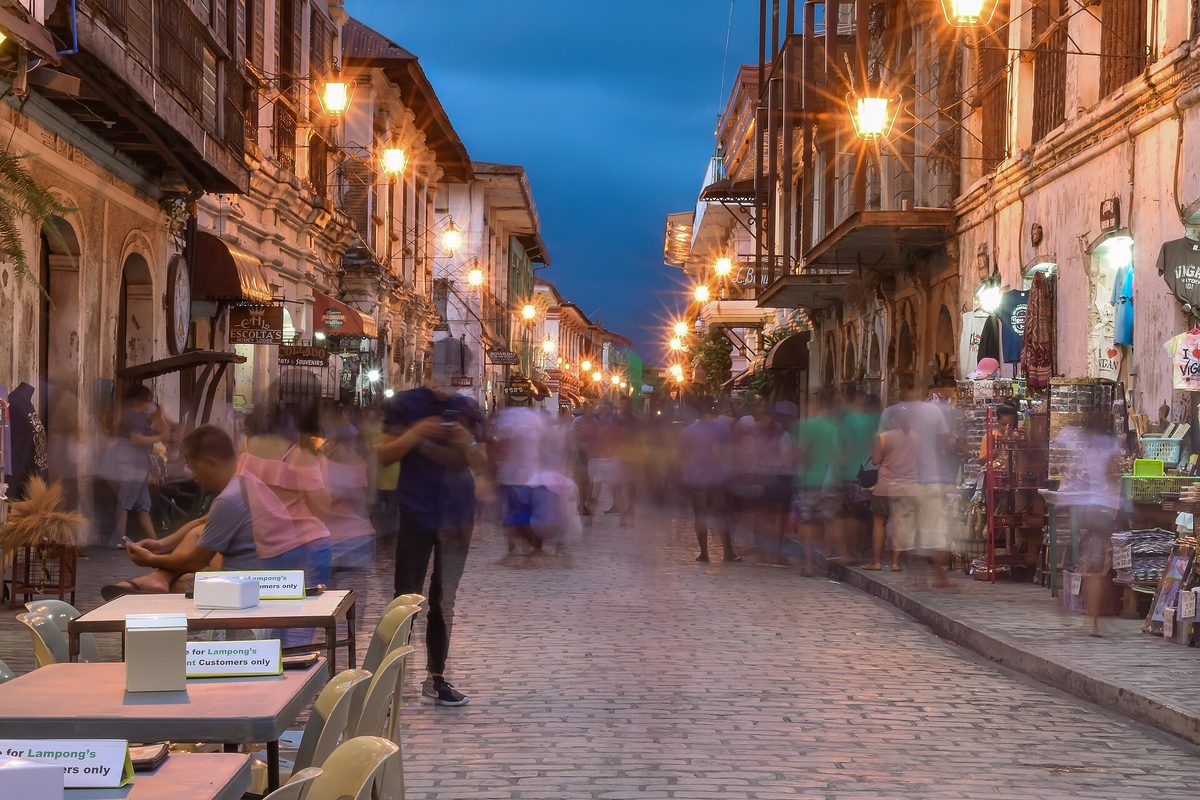
Give Vigan a full day and a night. Beyond Calle Crisologo, climb the Bantay Bell Tower for a view over the red roofs, tour the antique-stuffed Syquia Mansion, watch a potter throw the local burnay jars, and eat your way through Vigan longganisa (garlicky little sausages), bagnet (deep-fried pork belly) and the hot, fresh Vigan empanada cracked open at a market stall. It’s the kind of place that converts people who think they don’t like “heritage” sightseeing.
Ilocos Norte: windmills, dunes and a Baroque church
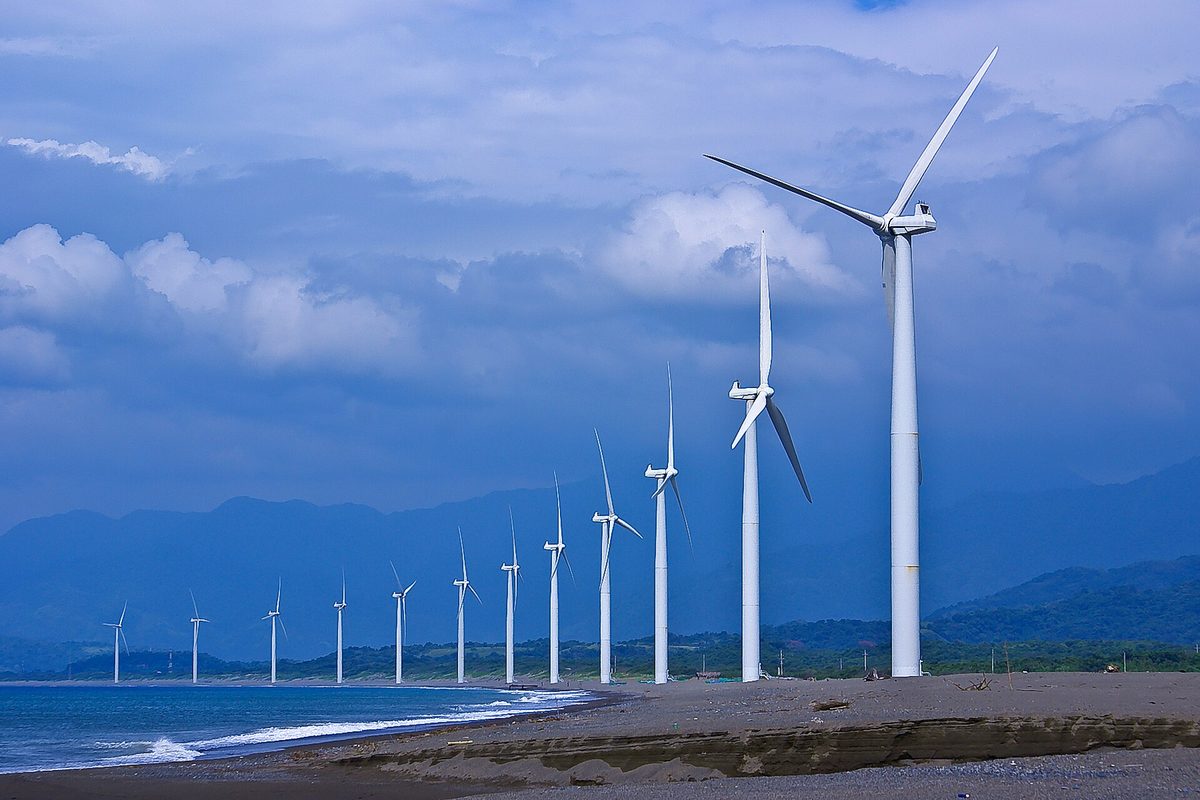
Push north from Vigan into Ilocos Norte and the coast opens out into one of the most photogenic road trips in the country. The headline sight is the Bangui Wind Farm, a line of giant white turbines marching along a grey-sand beach against the backdrop of the mountains — the first big wind farm in Southeast Asia, and far more striking in person than it sounds on paper. Nearby, the Kapurpurawan Rock Formation is a sculpted white limestone headland you can walk out onto, and the lonely Cape Bojeador Lighthouse has guarded the cape since Spanish times.
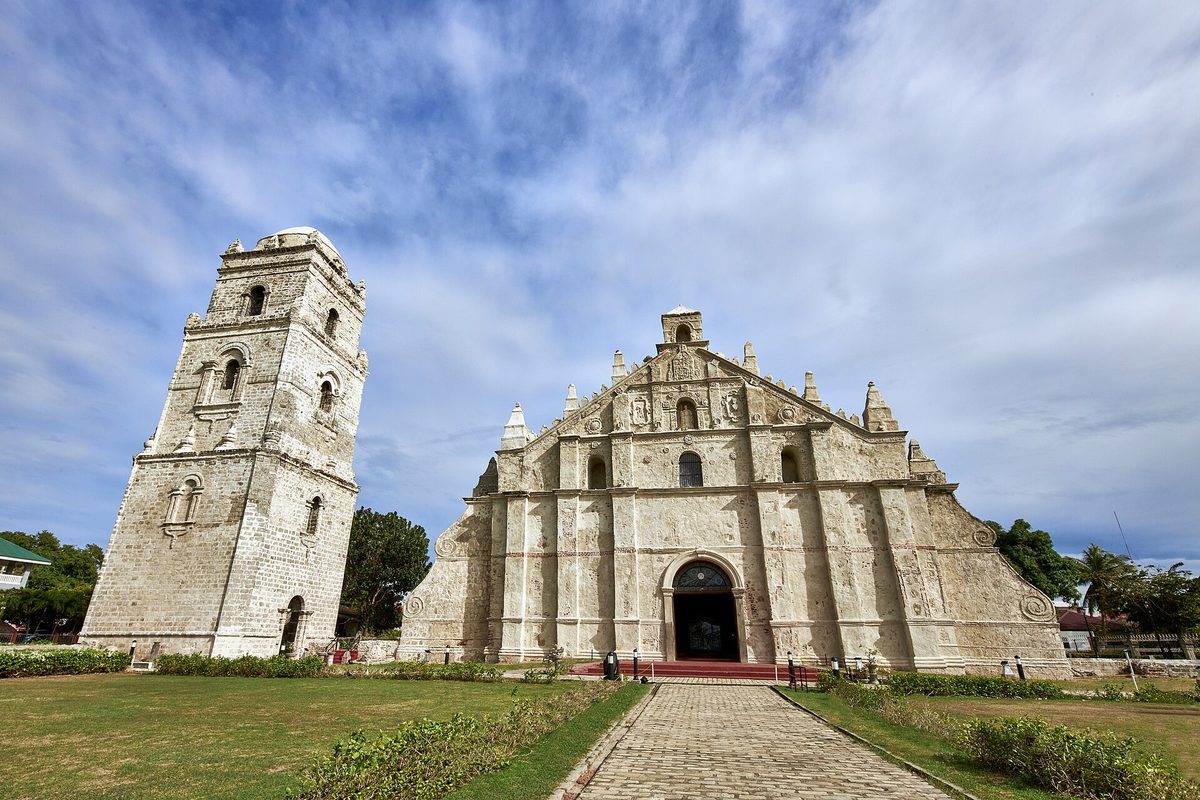
The cultural anchor of the province is the Paoay Church, a colossal 18th-century “earthquake Baroque” church braced by enormous stone buttresses and listed by UNESCO alongside three other Philippine Baroque churches — it is one of the most beautiful buildings in the country and worth a deliberate stop. Round it out with a heart-pounding 4×4-and-sandboard run over the La Paz Sand Dunes near Laoag, and, right up at the northern tip, the white sand and quiet of Pagudpud, sometimes billed as the “Boracay of the North” — an exaggeration, but a genuinely pretty and refreshingly empty beach to end a northern run.
Batanes: the far north
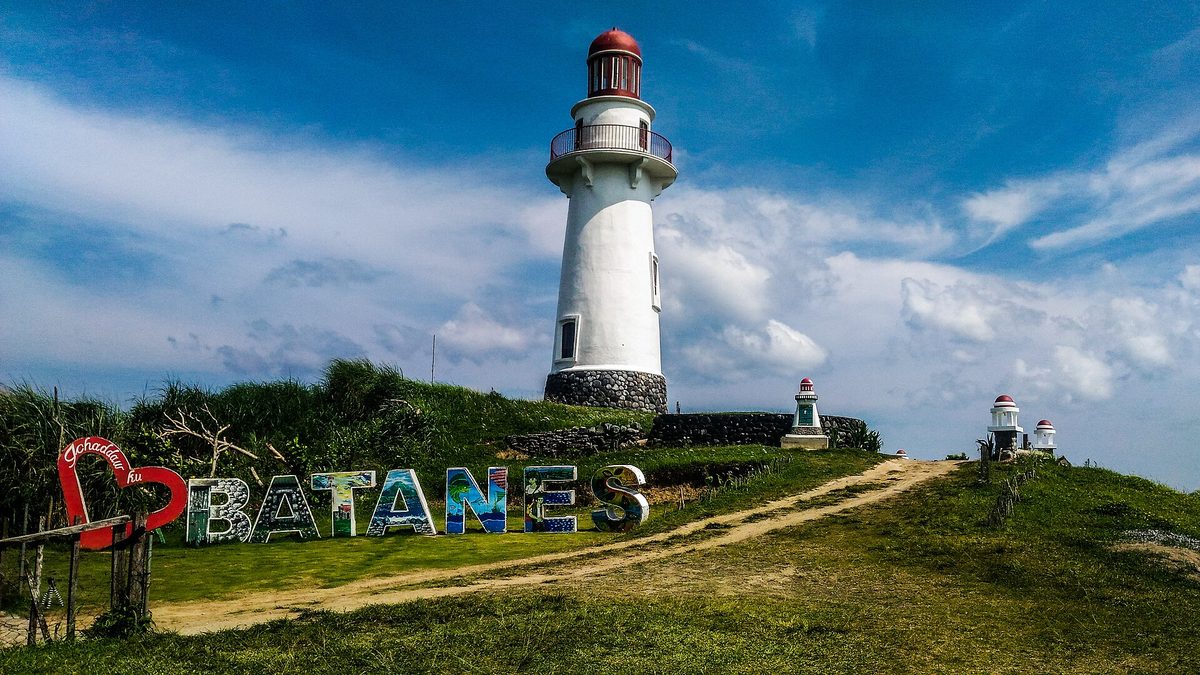
If the rice terraces are the north’s most famous sight, Batanes is its most coveted. This tiny archipelago of ten islands sits closer to Taiwan than to Manila, scoured by wind and ringed by cliffs, and it looks like nowhere else in the country: rolling emerald hills dropping into a violent blue sea, stone-and-lime houses built low against the typhoons, and a culture, the Ivatan, with its own language and an almost mythic reputation for honesty (the islands are famous for unmanned roadside “honesty stores”). The classic images — the lighthouse on Naidi Hills above Basco, the lonely chapel at Tukon, the “Marlboro Country” hills running down to the waves — do not oversell it.
The catch is access and cost. You can only reach Batanes by air, on a roughly 80-minute flight from Manila (and, increasingly, from Clark) into the little airport at Basco, and because the route is short, weather-prone and lightly served, fares are high by Philippine standards — reckon on somewhere around ₱7,000–11,000 (US$120–190) each way unless you pounce on a seat sale. Flights are regularly delayed or cancelled by weather, so never schedule Batanes tight against an international departure. Give it three or four days, rent an e-bike or join an island tour to do the North and South Batan loops plus a day boat to Sabtang island, and treat it as a standalone trip rather than something you bolt onto a Cordillera run. It is, hands down, one of the most beautiful places in the Philippines, and one of the few that genuinely rewards the extra effort and expense.
Buscalan and Apo Whang-Od: the tattoo village
High in Kalinga province, the village of Buscalan has become a pilgrimage site thanks to one extraordinary woman: Apo Whang-Od, the last of the traditional Kalinga mambabatok or hand-tap tattoo artists, who was 109 in early 2026 and has been inked into global fame via a Vogue cover and countless documentaries. The traditional method is striking — charcoal and water tapped into the skin with a thorn from a pomelo tree fixed to a bamboo stick, each design a symbol with meaning rooted in Kalinga identity and rites of passage.
A visit is a serious undertaking: it’s a long drive from Banaue or Bontoc followed by a steep 20–30 minute hike into the village, and most people come on a two-day, one-night guided trip with a homestay. Be realistic and respectful about what you’ll find. Given her age, Whang-Od now mostly taps her signature three dots, while her grand-nieces Grace and Elyang and other younger artists handle the larger designs, and on a busy day the village can feel like a queue. Go for the culture and the mountain setting as much as the ink, bring cash (there’s no signal and no ATM), pack light, and tread gently — this is a living community, not a theme park, and its future depends on visitors treating it that way.
Mount Pulag and the high mountains
For hikers, the north is the best high-country in the Philippines. The star is Mount Pulag, at 2,922 metres the highest peak in Luzon, famous for a dawn “sea of clouds” that fills the valleys below the summit while the sun comes up over the Cordillera. The standard Ambangeg trail is an achievable overnight or pre-dawn climb for reasonably fit walkers, done with a mandatory guide and a chilly night that can drop near freezing — bring proper layers, because people badly underestimate Cordillera cold. Permits and guides are arranged through the protected-area office, and numbers are capped, so book ahead.
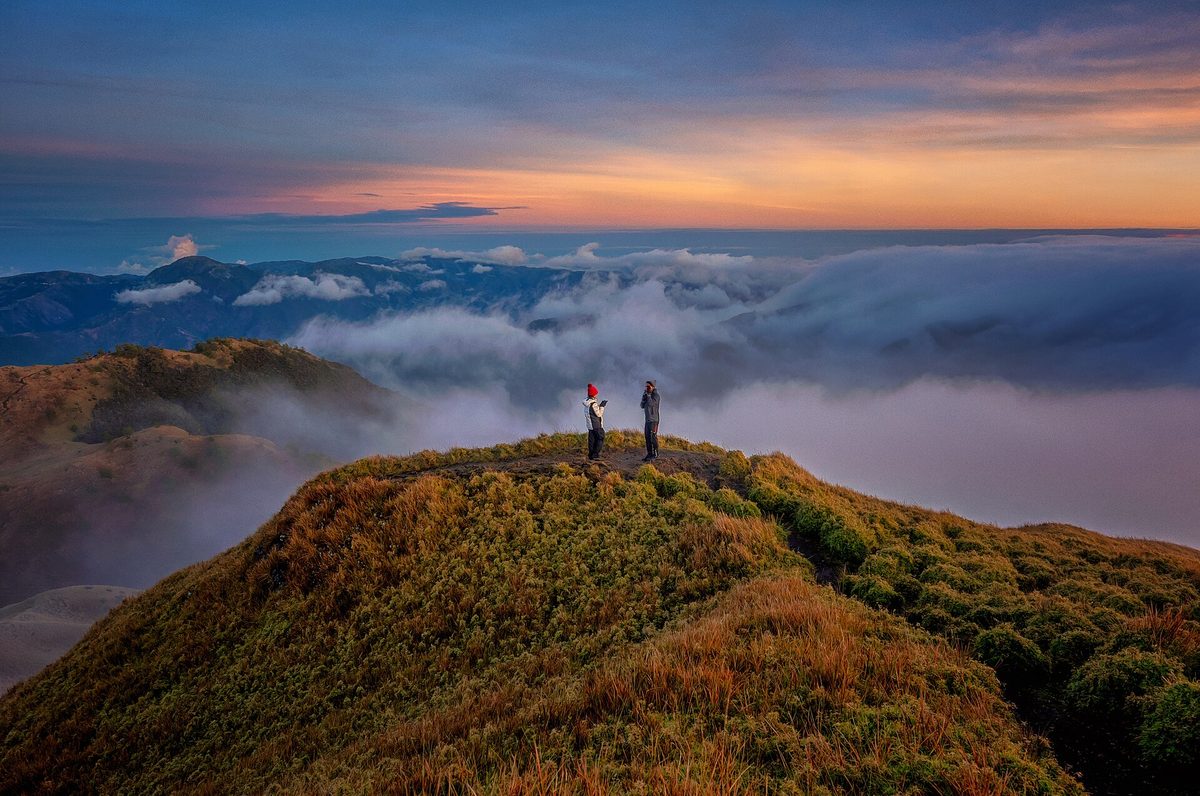
Pulag is far from the only summit. The grassy ridgelines around Mount Ulap near Baguio make a popular, accessible day hike with their own cloud views, and serious trekkers head deeper into the ranges for multi-day traverses. Either way, the mountains are the one place in the Philippines where you’ll want a fleece and a beanie rather than board shorts.
La Union and the Hundred Islands
Two more stops round out the region, both useful as bookends to a northern trip. La Union — specifically the town of San Juan — is the closest decent surf to Manila and the easygoing capital of the country’s surf-and-cafe scene, a fine place to spend a couple of days learning to stand up on a board, eating well and easing into the pace of the north before you head for the mountains. And down on the Pangasinan coast, the Hundred Islands National Park off Alaminos scatters 124 little limestone islets across a calm bay; it’s a popular domestic island-hopping day trip and an easy break to split the long haul between Manila and the far north.
Northern Luzon destinations at a glance
Here’s the quick reference I’d hand a friend sketching out a route. “Nights” is the realistic minimum to do a place justice, not counting travel time to reach it.
| Destination | Known for | Min nights | Best for |
|---|---|---|---|
| Banaue & Batad | UNESCO rice terraces | 2 | Scenery, light hiking, culture |
| Sagada | Caves, hanging coffins, pine | 2 | Backpackers, adventure |
| Baguio | Cool climate, art, food | 1–2 | Gateway, comfort, families |
| Vigan | Spanish heritage town | 1 | History, food, photography |
| Ilocos Norte | Windmills, dunes, Paoay | 2 | Road-trippers, photographers |
| Batanes | Rolling hills, Ivatan culture | 3–4 | Bucket-listers, slow travel |
| Buscalan (Kalinga) | Whang-Od, tattoo culture | 1 | Cultural pilgrims |
| Mount Pulag | Sea of clouds, highest Luzon peak | 1 | Hikers |
| La Union | Surf, cafes | 1–2 | Surfers, easy first stop |
How to get to Northern Luzon
Almost every northern trip starts in Manila, and almost every one starts with a choice between a long bus ride and a short flight. Here’s how the options actually shake out in 2026.
From Manila by bus
The bus network is the backbone of the north, and for the mountain destinations it’s usually the only realistic public option. Comfortable, air-conditioned overnight coaches run from Manila terminals to all the main hubs; you’ll want to book a day or two ahead in peak season and bring a jacket, because drivers treat the air-conditioning as a personal challenge. Rough 2026 fares and times, one way:
| Route | Main operators | Time | Approx fare |
|---|---|---|---|
| Manila → Baguio | Victory Liner, Genesis (Joy Bus) | 4–6 hrs | ₱450–900 (US$8–16) |
| Manila → Banaue | Ohayami Trans, Coda Lines | ~9 hrs (overnight) | ₱670–960 (US$12–17) |
| Manila → Sagada | Coda Lines (direct) | ~12 hrs (overnight) | ₱760–980 (US$13–17) |
| Manila → Vigan | Partas, Viron, Dominion | 8–10 hrs | ₱750–900 (US$13–16) |
| Manila → Laoag | Partas, Florida, Fariñas | 10–11 hrs | ₱850–1,000 (US$15–18) |
| Manila → San Juan (La Union) | Partas, Viron | 5–6 hrs | ₱450–500 (US$8–9) |
The new Tarlac–Pangasinan–La Union Expressway (TPLEX) has knocked a good chunk off the run up the western corridor toward Baguio, Vigan and the Ilocos coast, so those times are faster than older guides suggest. The mountain roads beyond — up to Banaue and across to Sagada — are another matter entirely: spectacular, slow and switchbacked, and not the place for a queasy stomach. The overnight buses are timed to deposit you in the mountains around dawn, which is no accident: you arrive as the mist is lifting off the terraces.
By air
Flying makes sense for the far-flung corners. Batanes can only be reached by air, on roughly 80-minute flights from Manila to Basco operated by Philippine Airlines, Cebu Pacific and the small-plane specialist SkyJet. Up in Ilocos, Laoag has an airport with daily flights from Manila, which is the fastest way to reach Vigan and Ilocos Norte if you’d rather skip the ten-hour bus — Vigan is about two hours by road from Laoag.
One genuinely useful 2026 development worth knowing: Clark International Airport in Pampanga, on the northern edge of the central plains, has grown into a real alternative to Manila’s congested NAIA, and it sits a couple of hours closer to the north. Clark now runs direct flights to Basco in Batanes (handy, and often cheaper than Manila) and to Laoag, and flying in or out of Clark spares you the worst of Metro Manila’s traffic. If you’re building a northern trip, price up Clark as well as Manila before you book. For the bigger picture on domestic routes, baggage rules and booking tricks, see my guide to getting around the Philippines.
Getting around once you’re there
Within the region, the realities are mountain realities. Between Cordillera towns you’ll ride a mix of jeepneys, shared vans and the occasional local bus — cheap, characterful and occasionally white-knuckle on the cliff roads. For the rice-terrace clusters and the Ilocos sights, which are spread out, the most efficient move is to hire a tricycle, jeepney or van-with-driver for the day; in Banaue and Sagada the tourism offices and guides’ associations set fixed rates, so there’s little haggling. Self-driving is feasible along the Ilocos coast and increasingly popular, but I’d think twice about taking the wheel yourself on the high mountain passes unless you’re a confident hill driver — a local who knows where the blind hairpins and the fog banks are is worth every peso.
How many days do you need? Sample itineraries
The biggest planning error in the north is underestimating travel time. These routes are built around real road times, with a bias toward seeing fewer places properly rather than collecting bus tickets. For how a northern leg slots into a broader trip, cross-reference my full Philippines itinerary guide.
The classic 5-day Cordillera loop
The north’s greatest hits in a tight but doable week. Overnight bus from Manila to Banaue (arrive dawn); spend the day on the Batad terraces and a night in a village homestay. Next day, the jeep-and-van journey across to Sagada via Bontoc; two nights there for the caves, the hanging coffins and a Kiltepan sunrise. Then down to Baguio for a night of comfort, food and art, and the easy bus back to Manila. Five nights, three destinations, no wasted days.
The 4–5 day Ilocos heritage run
A completely different flavour, all coast and culture. Bus or fly to Vigan (via Laoag) for a night and a full day in the heritage town. Push north into Ilocos Norte for two days based around Laoag or Pagudpud, looping the Bangui windmills, Paoay Church, Kapurpurawan rocks and the sand dunes. Finish on the beach at Pagudpud before flying home out of Laoag. Pairs beautifully with a night in La Union on the way up.
Batanes: a standalone 3–4 days
Don’t try to wedge Batanes into a Cordillera trip. Fly Manila or Clark to Basco, and give it three or four unhurried days: the North Batan loop one day, South Batan and the Marlboro hills the next, a boat to Sabtang island for its stone villages, and a buffer day for the weather, which you will probably need. Then fly home. It’s a trip in itself, and all the better for it.
The grand two-week northern loop
With two weeks and a tolerance for buses, you can link the lot: La Union surf, up to Vigan and Ilocos Norte, inland over the mountains to Sagada and Banaue, down through Baguio and back to Manila — with Batanes as a separate flight either side. It’s a big, rewarding, occasionally exhausting circuit, and the single best way to understand just how much the north has that the islands don’t.
The best time to visit Northern Luzon
The north runs on a clearer seasonal rhythm than the islands, and getting it right matters more here than almost anywhere else in the country. The broad dry season runs roughly November to May, and that’s when the mountain roads are safest, the skies clearest and the trails driest. But the rice terraces add their own twist: they are greenest and most photogenic when the rice is growing, which means April to May and again late October into November are the sweet spots for Banaue and Batad. Visit in the January-to-March window and the dry weather is lovely but the terraces are bare brown stubble after harvest.
The months to approach with caution are July to September, the heart of the wet season and the typhoon belt, when Cordillera roads are prone to landslides and Batanes flights are routinely grounded — September especially is a gamble for any fixed itinerary. The flip side is that the highlands are blissfully cool all year: Baguio and the mountain towns rarely get hot, and December to February nights up high are genuinely cold. If you’re timing a wider trip around the weather, my month-by-month breakdown of the best time to visit the Philippines goes deeper, and Baguio’s famous Panagbenga flower festival every February is worth building a trip around if you like a party.
Where to stay in the North
Accommodation in Northern Luzon is generally simpler and cheaper than in the beach resorts, and that’s part of its charm — but adjust your expectations. In Banaue, Batad and Sagada you’re mostly looking at family-run inns and homestays: clean, friendly, often with knockout views, but basic, and in the high villages you may be sharing a bathroom and relying on a bucket of hot water. Batad in particular is genuinely rustic — the village has no road to its centre, so your bags and your dinner arrive on foot. Baguio and Vigan have the fullest range, from boutique heritage hotels to mid-range chains; Batanes runs to comfortable lodges and homestays but little true luxury, and rooms there book out far ahead in season.
My general advice for the north: book the first night in each hub ahead (especially in peak season and around Philippine long weekends), but leave yourself room to be spontaneous, because the best homestays are often found by asking the guides’ association on arrival rather than online. For how the region’s lodging compares with the rest of the country and what your money buys at each level, see my guide to where to stay in the Philippines.
What it costs: a Northern Luzon budget
Good news for the wallet: the north is one of the cheaper corners of the Philippines, with the glaring exception of getting to Batanes. Away from the flights, your big costs are buses, guides and the occasional vehicle hire rather than resort rooms and island-hopping boats. Rough 2026 per-person guide prices:
| Item | Budget | Mid-range |
|---|---|---|
| Homestay / inn (per night) | ₱500–1,200 | ₱1,500–3,500 |
| Local meal | ₱80–200 | ₱250–500 |
| Overnight bus (Manila–north) | ₱450–1,000 | ₱1,000–1,500 (deluxe) |
| Local guide (per day/group) | ₱600–1,500 | ₱1,500–2,500 |
| Terrace / site fees | ₱30–200 each | — |
| Batanes return flight | ₱9,000–16,000 | ₱16,000+ |
Outside Batanes, a careful backpacker can do the Cordillera on something like ₱1,500–2,500 (US$27–45) a day including a share of a guide, while a comfortable mid-range trip with private vans and nicer inns sits around ₱4,000–6,000 a day. Carry plenty of cash: ATMs exist in Baguio, Vigan, Laoag and Banaue town, but they run dry, and the high villages, Batad and Buscalan among them, are cash-only with no machines at all. For a full country-wide breakdown, my Philippines travel cost guide lays out the numbers.
Northern Luzon food
The north is, quietly, one of the best eating regions in the country, and the cooking splits along the same lines as the geography. The Ilocos coast is the home of some of the Philippines’ most beloved dishes: bagnet (pork belly boiled then deep-fried to a shattering crisp), garlicky Vigan longganisa sausages, the bitter-savoury vegetable stew pinakbet, and the freshly fried Vigan empanada stuffed with grated papaya, longganisa and egg. Up in the Cordillera the food turns mountain-hearty — smoked etag pork, the traditional Igorot chicken dish pinikpikan, heirloom mountain rice and excellent locally grown Cordillera coffee — while Baguio adds its strawberries, fresh-picked vegetables, ube and that famous lemon pie down the road in Sagada.
Eat where the locals eat: the public markets in Vigan and Baguio, the carinderias along the highways, the homestay kitchen that offers you dinner. It’s cheap, generous and a genuine highlight of a northern trip. For the wider story of the country’s cooking and the dishes you shouldn’t leave without trying, see my guide to Filipino food.
Is Northern Luzon safe?
For the ordinary traveller, yes — the north is one of the safest and most welcoming parts of an already friendly country, and violent crime against tourists is rare. The real risks here are environmental rather than human. The roads are the main one: mountain highways are narrow, foggy and landslide-prone in the wet, so travel them by day where you can and choose reputable bus lines and drivers. The weather turns fast at altitude and typhoons can strand you, so build in buffer days. The cold genuinely catches people out on Mount Pulag and in the high villages — pack warm layers. And a quieter point: much of the north is indigenous land with living traditions, so dress modestly at sacred sites, always ask before photographing people, and follow the local guides’ lead. For the full national picture, my honest take on whether the Philippines is safe covers the details.
Who Northern Luzon is — and isn’t — for
This region rewards a particular kind of traveller and frustrates another, so be honest with yourself about which you are. The north is made for hikers and the outdoorsy, for culture and history travellers who’d rather walk a Spanish street or a tribal village than lie on sand, for photographers chasing terraces and seas of cloud, and for slow travellers happy to trade comfort and convenience for depth and authenticity. It’s also a brilliant second trip to the Philippines once you’ve done the islands and want to see the other half of the country.
It is genuinely not the right call for everyone. If your dream is a beach and a cocktail, the north will feel like hard work for little reward — go to Palawan or Boracay. If you need reliable luxury, fast transfers and predictable comfort, the mountains will test your patience. And if you’re tight on time, a single rushed overnight to Banaue and back rarely does it justice; the north repays the days you give it. If beaches are what you’re really after, be honest about that and steer toward the best things to do in the Philippines elsewhere instead.
The honest downsides
No region is perfect, and a guide that pretends otherwise isn’t worth much. The north’s real drawbacks: travel is long and winding, and a surprising share of any northern trip is spent on a bus or in a van on a mountain road. The weather is a genuine wildcard — clouds can swallow the view you came for, and Batanes flights cancel with little warning. The rice terraces can disappoint if you misjudge the season, which is why I keep harping on timing. Accommodation is basic in the high villages. The honeypots — Baguio, Sagada, Vigan — get genuinely crowded on Philippine holiday weekends, when the magic thins out and the traffic thickens. And the Buscalan tattoo experience has, for some, tipped into over-commodification, a sacred craft turned into a queue. None of these are dealbreakers, but go in knowing them and you’ll have a far better trip than someone expecting an effortless tropical idyll.
Frequently asked questions
How do you get to Banaue from Manila?
By direct overnight bus. Ohayami Trans and Coda Lines run evening departures from Manila that reach Banaue in about nine hours, arriving around dawn, for roughly ₱670–960. There’s no airport at Banaue, so the bus is the standard route; from Banaue town you transfer to a jeep or tricycle for Batad and the terraces.
Are the rice terraces still farmed?
Yes. The Cordillera terraces are living agricultural landscapes, still planted and harvested by Ifugao families as they have been for some two thousand years — which is exactly why their appearance changes so dramatically with the season, from emerald green to bare brown.
Is Batanes worth the cost?
For most who make the trip, emphatically yes — it’s one of the most beautiful and distinctive places in the Philippines. But it’s a deliberate, weather-dependent, flights-only journey of three to four days, not a cheap add-on, so go when you can give it time and budget rather than squeezing it in.
Can you visit Banaue and Sagada in one trip?
Absolutely, and most people do — they’re the two pillars of the classic Cordillera loop. They’re linked by a scenic jeep-and-van journey of around three to four hours via the town of Bontoc, so a typical route does Banaue first, then crosses to Sagada for a couple of nights.
How many days do you need in Sagada?
Two nights is the sweet spot. That gives you a full day for the cave connection or Sumaguing cave and the hanging coffins, plus a dawn for the Kiltepan sea of clouds, without feeling rushed. Add a third night if you want to slow down and hike more.
Is Baguio worth visiting?
As a comfortable base, a food-and-culture stop and the gateway to the higher mountains, yes — midweek. As a tranquil pine retreat it’s a victim of its own popularity, crowded and traffic-bound on weekends, so time your visit and keep your expectations realistic.
When are the rice terraces greenest?
Roughly April to May and again from late October into November, when the rice is growing. Avoid January to March if green terraces are your goal — that’s the post-harvest period when the slopes are brown.
Sources and photo credits
Photo credits
All images are used under their respective Creative Commons or public-domain licences via Wikimedia Commons. Banaue Rice Terraces — CEphoto, Uwe Aranas (CC BY-SA 3.0). Batad amphitheatre — Ranieljosecastaneda (CC BY-SA 4.0). Sagada hanging coffins — David Stanley (CC BY 2.0). Vigan Calle Crisologo — Roniel Soriano (CC BY-SA 4.0). Batanes lighthouse — Jeremy Alinea (CC0 / public domain). Bangui windmills — Obra19 (CC BY-SA 3.0). Paoay Church — Luzviminda7641 (CC0). Mount Pulag sea of clouds — Jeremias Telva (CC BY-SA 4.0).
Sources and further reading
UNESCO World Heritage Centre — Rice Terraces of the Philippine Cordilleras and the Historic City of Vigan (whc.unesco.org); Philippine Department of Tourism (philippines.travel); bus schedules and fares from Ohayami Trans, Coda Lines, Victory Liner and Partas operator pages; flight information from Philippine Airlines, Cebu Pacific and Clark International Airport. Prices were checked in 2026 and are given as ballpark guidance — fares, fees and schedules change, so confirm locally before you travel.
About this guide: this is part of Philippines Tourism, an independent, traveller-written resource to the islands and the highlands. I write from time on the ground rather than press trips, I keep prices current and hedged, and I’d always rather tell you when somewhere is over-hyped than sell you a postcard. The north is my favourite corner of the country — give it the time it deserves.