Oslob Whale Sharks: The Guide and the Ethics
Swimming a few feet from a creature the size of a bus is genuinely one of the most moving things I have done in the Philippines. It is also, in Oslob, a wildlife encounter built on daily hand-feeding, which raises real welfare questions. This guide gives you the current prices, rules and logistics, then walks honestly through the ethics so you can decide for yourself, and points you to more responsible alternatives.
Oslob whale sharks at a glance
| What you want to know | The short answer |
|---|---|
| Where | Barangay Tan-awan, Oslob, on the southeast coast of Cebu |
| Standard fee (2026) | Around PHP 1,000 (about $17) per person for surface watching |
| Snorkel upgrade | Around PHP 200–300 extra; gear rental PHP 100–200 |
| Time | Daily, roughly 6:00 AM to 12:00 noon; no afternoon sessions |
| In-water time | About 20–30 minutes once it is your turn |
| What is included | Registration, licensed spotter, life jacket, outrigger boat ride, session slot |
| Sightings | Near-guaranteed year-round, because the sharks are fed |
| Ethics rating (my honest take) | Contested. Provisioning is linked to scarring and altered behavior; not the encounter I would recommend first |
| More responsible alternatives | Donsol (seasonal, wild), liveaboard diving at Tubbataha, reputable boat-spotting operators |
If you only take one thing from this guide: the experience is extraordinary, the convenience is unmatched, and the practice that makes it so convenient is exactly what the controversy is about. For the wider picture on where Cebu fits into a trip, our Cebu travel guide maps out the island, and these notes slot neatly alongside the other things to do in Cebu.
What the experience is actually like
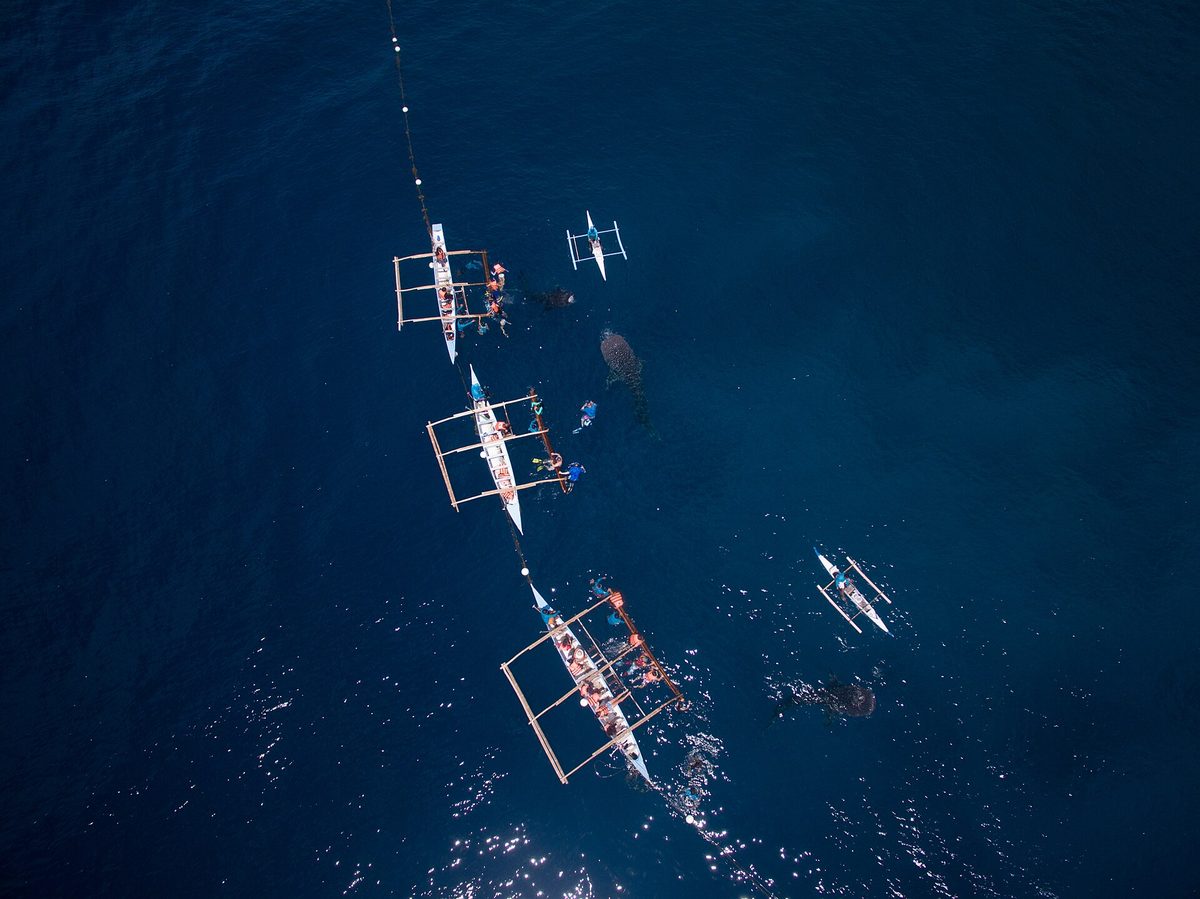
Tan-awan is a small roadside barangay about an hour south of Oslob town proper. There is no grand entrance, no theme-park gloss. You arrive in the dark, register at a booth, sit through a short briefing, and wait for your number. When it is called, you pull on a bulky life jacket, wade out, and climb into a wooden outrigger called a bangka. The paddlers take you maybe 150 meters offshore to a cluster of other boats, and then you slip into the water.
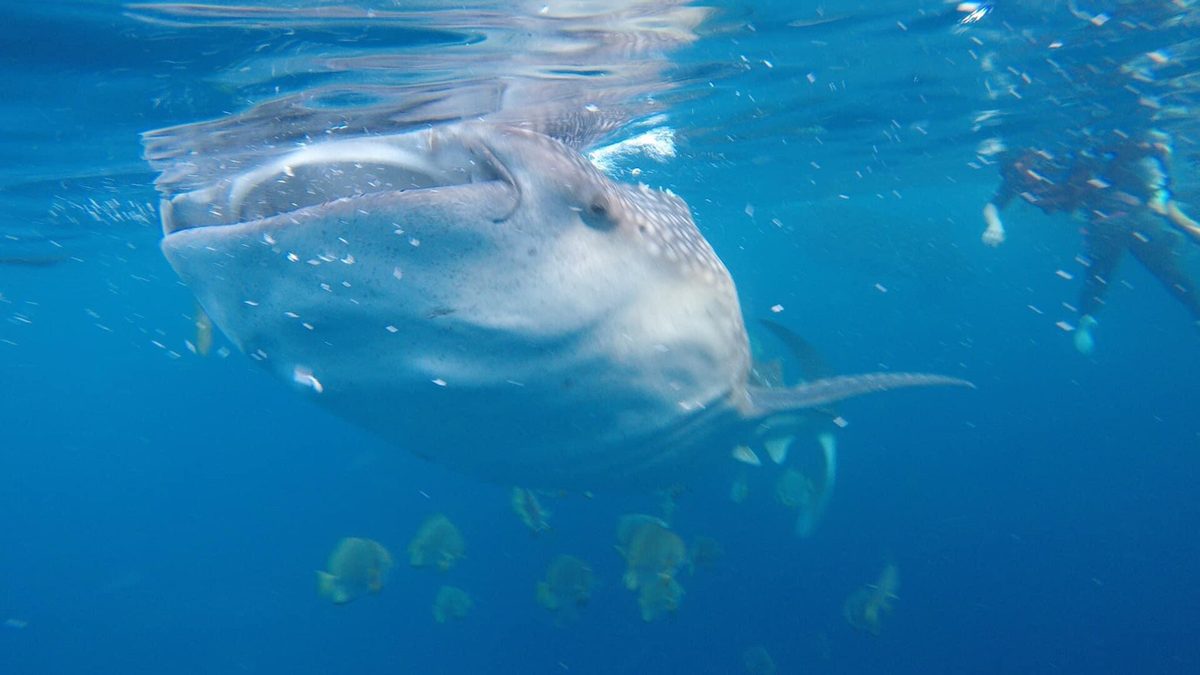
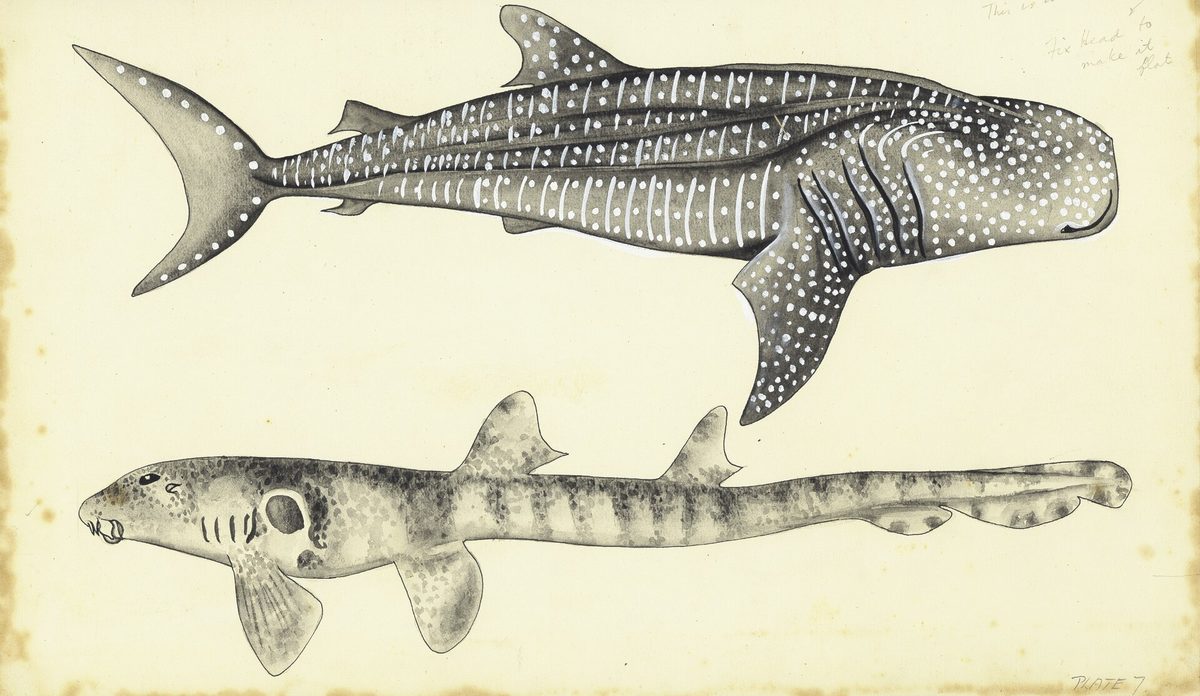
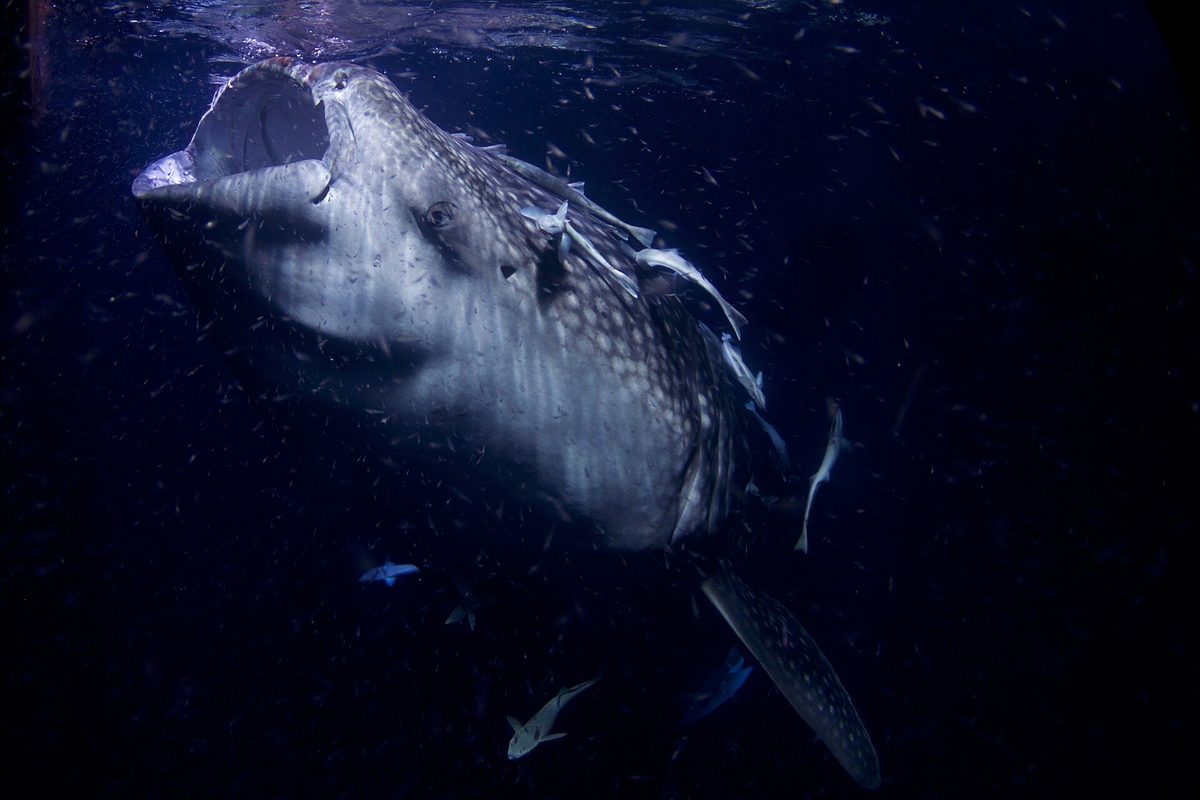
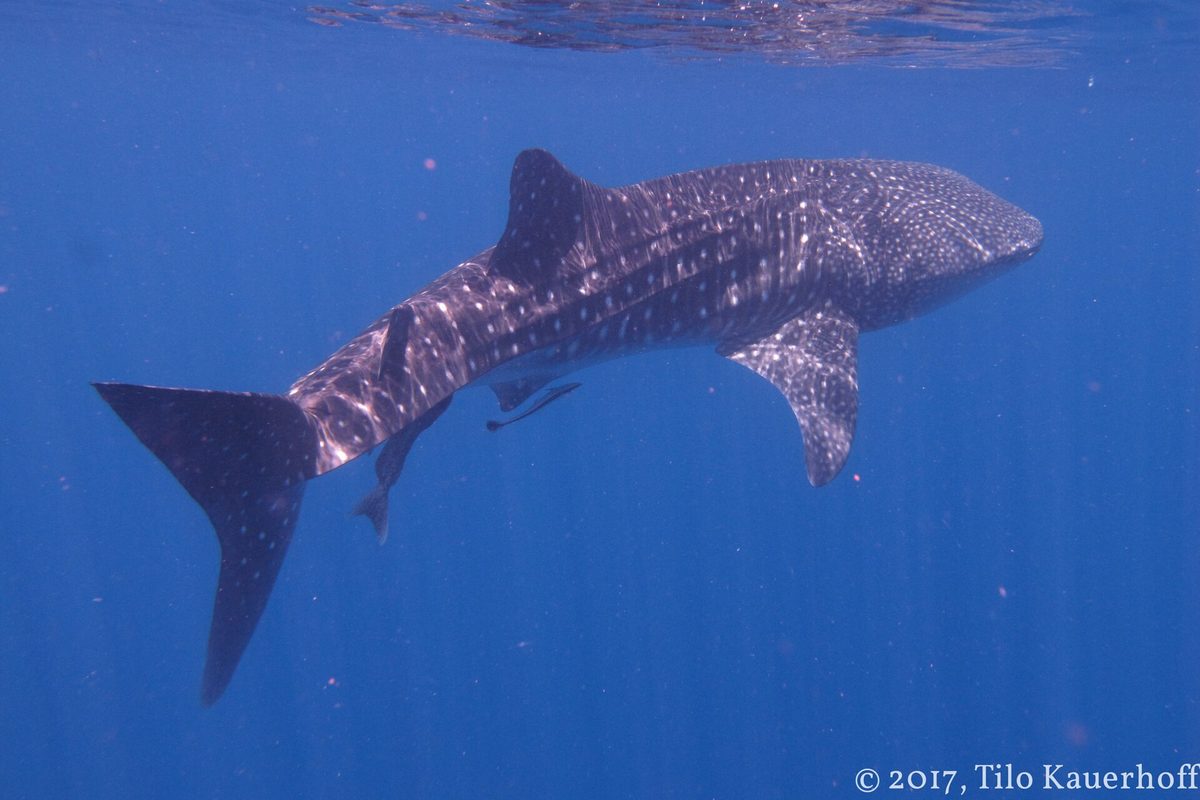
The sharks themselves are unforgettable. On my visit I counted around eight or nine of them moving slowly through the murk, mouths agape, hoovering up the shrimp that feeders flick into the water from small boats. The biggest looked close to seven meters, and even that is modest for a species that can reach twelve. Up close you see the constellation of white spots, the gill slits flexing, the small remoras hitching a ride. It is, briefly, transcendent.
Then you notice the rest of it. There are a lot of people. Limbs everywhere, GoPros on sticks, the occasional swimmer kicking far too close. You get roughly twenty to thirty minutes, and there is an unmistakable conveyor-belt efficiency to the whole operation. I also saw, up close, the pale scrapes and nicks along several sharks’ backs and flanks, the kind of detail you cannot unsee once you know what causes it. That mix of awe and unease is the honest emotional core of Oslob, and most visitors feel it whether or not they say so out loud.
A practical note on what “watching” versus “snorkeling” actually means, because the booth language confuses people. The base fee lets you bob at the surface in your life jacket and look down. The snorkel upgrade lets you put your face in the water and free-dive a little to see the sharks from the side and below, which is a far better view of these animals. Most people who travel this far end up wanting the upgrade, so budget for it. Diving is a separate arrangement through a local shop, covered below.
How crowded does it get?
Very, at peak. Oslob draws on the order of a quarter of a million visitors a year, which makes it one of the most visited wildlife tourism sites on the planet. Researchers studying the site have recommended capping daily numbers at around 500 to ease crowding. In practice, the earlier you go, the calmer it is, both above and below the surface. By mid-morning on a holiday weekend, the line for a numbered ticket can stretch well before the center opens, and you may wait two or three hours for a session that lasts barely half an hour. That ratio of waiting to wonder is worth picturing honestly before you commit a whole day to it.
Current prices and logistics (2026)
Treat every figure here as “around” rather than fixed; the local government adjusts fees periodically and operators bundle things differently. As of 2026 the headline numbers look like this:
| Item | Price (2026) | Notes |
|---|---|---|
| Whale shark watching (standard) | ~PHP 1,000 (~$17) | Mandatory. Surface watching, includes spotter, life jacket and boat |
| Snorkel upgrade | ~PHP 200–300 | To swim under the surface rather than just float |
| Snorkel gear rental | ~PHP 100–200 | Bring your own clean mask if you can |
| Underwater camera rental | ~PHP 300–500 | GoPro-style; optional |
| Locker / shower | ~PHP 20–100 | Basic facilities at Tan-awan |
| Day tour from Cebu City (all-in) | ~PHP 1,800–2,500 (~$31–43) | Includes transport, guide and the activity fee |
There is no separate gate fee for Tan-awan; the activity fee is the only mandatory payment, and the booth is cash only. There are no ATMs at the site, so withdraw pesos in Oslob town or Cebu City first and bring extra for the optional add-ons. Walking in and paying at the booth is the cheapest route if you are already nearby; a packaged day tour costs more but handles the pre-dawn transport and registration queue for you. If you are budgeting a wider trip, the cost is modest by the standards of a major bucket-list wildlife encounter.
What the fee includes, and what it does not
The base fee covers registration, a licensed local spotter who stays with your group, a mandatory life jacket, your seat in the bangka and a timed session. It does not cover snorkeling privileges (you watch from the surface unless you pay the upgrade), gear rental, underwater photography, food, transport or accommodation. Children under eight are generally not allowed in the water but can watch from the boat.
The rules you have to follow
Oslob’s interaction is regulated, and the rules exist precisely because of the welfare concerns. Breaking them can get you pulled from the water without a refund, and more importantly it harms the animals. The core rules in 2026:
- Keep your distance. Stay at least four meters from the sharks. No touching, grabbing or riding, ever. Their skin carries a protective mucus layer that human contact strips away.
- No sunscreen in the water. The chemicals are harmful to the sharks and the reef. Wear a rash guard or long-sleeved shirt for sun cover instead.
- No flash photography and no strobes or bright artificial light near the animals.
- Life jackets are mandatory regardless of how strong a swimmer you are.
- No feeding by visitors. Only the licensed feeders may put bait in the water.
- No fins. Fins are not allowed, mainly to reduce accidental kicks and abrasion to the sharks.
- Respect your session time. When the spotter signals, you return to the boat.
Here is the uncomfortable part: even where rules are well written, compliance in a crowd is patchy. I watched several people drift well inside four meters, and enforcement in the water is only as good as your particular spotter on a busy morning. If you go, hold yourself to the rules even when others do not.
The ethics: the feeding debate, fairly
This is the section most guides skip or soften. I will not, because it is the whole point. The question “is Oslob ethical” does not have a tidy yes-or-no answer, but the evidence does lean a particular way, and you deserve to see it.
How the practice works, and why it is unusual
Whale shark tourism in Oslob began in 2011 when local fishermen, who had treated the sharks as a nuisance, discovered they could lure them in with small shrimp. A dive operator turned that into a viewing attraction, and it grew fast. The crucial point is this: whale sharks do not naturally congregate at Tan-awan the way they do at genuinely wild aggregation sites. They are there because they are fed, by hand, almost every day of the year. Marine scientists call this provisioning, and it is what separates Oslob from seasonal, natural encounters elsewhere in the Philippines and the world.
The mechanics matter for understanding the welfare debate. Small feeder boats sit among the viewing bangkas and hand out krill and sergestid shrimp, the same tiny crustaceans the sharks would normally hunt. Over years of daily repetition, the sharks have learned to associate boats with food. That single piece of conditioning sits underneath almost every concern researchers raise, because a wild animal that swims toward boats instead of away from them behaves in ways evolution never selected for.
The evidence of harm
The most cited concerns come from peer-reviewed work, much of it by the Large Marine Vertebrates Research Institute Philippines (LAMAVE) and university partners:
- Scarring and injury. A study of Oslob sharks found that roughly 95 percent carried scars, with abrasions the most common type and lacerations on about 28 percent of individuals, significantly higher than at non-provisioned aggregation sites such as Ningaloo in Australia and Mozambique. Researchers linked the injuries to repeated close contact with ropes and small boats at the feeding site. New sharks have been observed arriving unmarked and picking up injuries within their first weeks.
- Altered behavior. Sharks at Oslob have been recorded showing anticipatory behavior, arriving at the site within minutes of the feeder boats and learning to approach boats rather than avoid them. That conditioning is dangerous when they migrate to areas with propellers and fishing gear.
- Disrupted natural patterns. Daily feeding can keep sharks in the area longer than they otherwise would stay, with potential knock-on effects for their natural movement and feeding behavior. The long-term population-level impacts are still not fully understood, and honest commentators on both sides acknowledge that uncertainty.
The case the other way
To be fair, the picture is not entirely one-sided. Before the feeding began, Oslob had no real tourism economy and no financial reason to protect the sharks; now the industry brings millions of dollars into the local community, and live sharks are worth far more than dead ones. Some argue that a regulated, monitored interaction is better than the alternative of unmanaged exploitation, and that the research presence the site attracts has itself advanced what we know about the species. These are real points, not excuses, and they are why the debate persists.
It is also fair to say the operation today is more controlled than it was in its first chaotic years. There are licensed spotters, written rules, an enforced season-free schedule that ends at noon to give the animals afternoons without crowds, and a body of ongoing research that exists precisely because the site is so closely watched. None of that erases the scarring data, but it does complicate any attempt to wave Oslob away as a simple villain. Thoughtful conservationists disagree about whether reform or closure is the better path, and that disagreement is genuine rather than performative.
What tourists actually think
One of the more revealing findings comes from a study of more than 1,500 tourist surveys and reviews: most visitors support the feeding even while recognizing it is ethically problematic. Two-thirds of the comments that engaged with the ethics were classified as a “guilty pleasure,” visitors who knew feeding an endangered species for tourism was questionable but did it anyway and recommended it to others. I mention this not to scold anyone, but because it captures the honest tension better than any lecture could.
My own view, for whatever it is worth: the convenience and the near-guarantee are real, but they are purchased with a practice that demonstrably marks these animals. If you can build your trip around a wilder encounter instead, I think you will feel better about it and probably remember it more fondly. If you do go to Oslob, go with clear eyes, follow every rule, and do not pretend it is something it is not.
More responsible alternatives
The good news is that the Philippines offers some of the best wild whale shark encounters anywhere, no feeding required. Our deeper guide to whale shark encounters around the Philippines covers these in detail, but here is the short version.
Donsol, Sorsogon
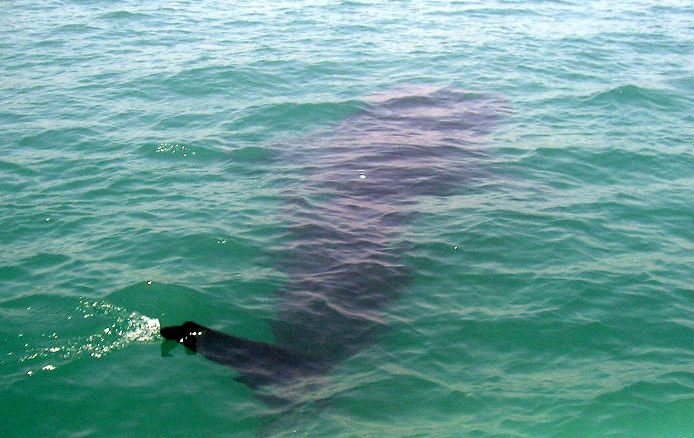
Donsol in the Bicol region is the classic ethical choice. Here you board a boat with a trained Butanding Interaction Officer, search for sharks feeding naturally on plankton, and slip in only when one is found. No baiting, no guarantee, and a genuinely wild encounter, closer to meeting the animals on their terms than the petting-zoo feel of Oslob. The season runs roughly December to May. Be warned that sightings have become less reliable in recent years and prices have risen (expect to charter a boat plus an environmental fee), so manage expectations and treat the morning on the water as worthwhile in itself.
I want to be straight about the trade-off, because pretending Donsol is effortless does no one any favors. It is a longer journey from the main tourist trail, the season is narrow, and on a bad day you spend three hours scanning an empty sea and come home with nothing but a sunburn. That is the price of a wild encounter: the animals owe you nothing. For many travelers the chance, however uncertain, of meeting a whale shark that is simply living its life is worth more than the certainty of meeting one that has been trained to show up. Where you land on that is personal, and it is the real choice underneath the Oslob question.
Liveaboard diving and Tubbataha
If you dive, the remote Tubbataha Reefs Natural Park in the Sulu Sea, reachable only by liveaboard in a short March-to-June window, offers the chance to see whale sharks and far more in pristine, protected waters. It is a bigger commitment of time and money, but it is wild marine tourism at its best. For where to start, see our guide to diving in the Philippines.
Reputable boat-spotting operators
Other spots around the archipelago, including parts of Palawan and Leyte, run no-feeding, spotting-based encounters. Look for operators that enforce distance rules, cap group sizes, do not bait, and work with conservation groups. If snorkeling generally is your thing, the country has no shortage of reefs full of marine life that asks nothing ethically fraught of you.
How to get to Oslob
Tan-awan sits about 120 kilometers south of Cebu City. The two common bases are Cebu City and Moalboal, and most organized tours leave brutally early to beat the queues.
- From Cebu City: roughly 3.5 to 4.5 hours. By public bus, board a Ceres Liner marked “Bato via Oslob” (not “via Barili”) at the Cebu South Bus Terminal and ask for the Tan-awan whale shark stop; a habal-habal motorbike taxi covers the last stretch. Shared group tours leave between about 1 and 3 AM.
- From Moalboal: about 2 hours, with tours typically departing around 3 AM to arrive by 5 to 6 AM. This is the easier launch point, and you can pair the trip with Kawasan Falls on the way. See our guide to Moalboal for basing yourself there.
- From Liloan/Bohol side: if you are crossing from Bohol or heading on to Siquijor, the port near Oslob makes a logical stop.
I would strongly discourage driving yourself through the night on these roads to make a dawn slot; a shared tour or an overnight in Oslob is safer and saner. For the bigger picture on buses, ferries and transfers, our guide to getting around the Philippines is the place to start.
Make a day of it in South Cebu
If you do commit to the early start, do not let the whale sharks be the only thing you see, because the surrounding stretch of South Cebu is genuinely lovely and the activity itself is over by mid-morning. Tumalog Falls is a ten-minute habal-habal ride from Tan-awan, a curtain of misty cascades that is at its quietest right after the first whale shark sessions. Oslob town proper has the atmospheric Spanish-era Cuartel ruins and an eighteenth-century coral-stone church. Heading back toward Moalboal, many travelers fold in Kawasan Falls for canyoneering. Building the day this way also softens the math: you are no longer spending four hours of travel for thirty minutes in the water, but for a full and varied day out.
When to go
Because the sharks are fed daily, they are present year-round, so timing is about sea conditions and crowds rather than sightings. The dry season, roughly November to May, brings calmer water and better visibility but also the biggest crowds, especially around Holy Week and the March-to-May school holidays. The wetter June-to-October months can be rougher on some days but quieter overall. Whatever the month, arrive for the 6 AM opening: the queues are shortest, the water is calmest, and there are fewer people sharing your session.
Frequently asked questions
Is Oslob whale shark watching ethical?
It is genuinely contested. The encounter relies on daily hand-feeding, and peer-reviewed research links this provisioning to high rates of scarring (about 95 percent of Oslob sharks) and to learned behavior like approaching boats. It is legal and regulated and brings real income to the community, but most conservation-minded travelers, myself included, would steer you toward a wild, no-feeding encounter first.
How much does it cost in 2026?
The standard surface-watching fee is around PHP 1,000 (about $17) per person, with a snorkel upgrade of roughly PHP 200 to 300 and gear rental of PHP 100 to 200. A guided day tour from Cebu City, including transport, runs about PHP 1,800 to 2,500. Bring cash; there are no ATMs at Tan-awan.
Are you guaranteed to see whale sharks in Oslob?
Effectively yes, which is the whole draw and the whole problem. The Oslob whale sharks are fed almost every day, so they are reliably present year-round, unlike wild sites where sightings depend on season and luck. That reliability is a direct product of the feeding practice the ethics debate centers on.
What is the difference between Oslob and Donsol?
Oslob feeds the sharks to keep them in one spot, so it is convenient and near-guaranteed but artificial. Donsol does not feed them; you search for sharks feeding naturally on plankton and join them only when found. Donsol is seasonal (about December to May) and not guaranteed, but it is widely regarded as the more ethical, genuinely wild encounter.
Can you scuba dive with the whale sharks at Oslob?
Yes. Diving was once banned but is now permitted through local dive shops, and it lets you skip the long boat queue. The trade-off is higher cost and that you are mostly positioned beneath the sharks, since they feed near the surface. The ethical considerations around feeding are exactly the same as for snorkeling.
What should I bring and wear?
Bring cash, your own clean mask if you have one, and a rash guard or long-sleeved swim shirt for sun protection since sunscreen is banned in the water. Leave the fins (they are not allowed), pack a dry bag for valuables, and arrive at 6 AM. A waterproof camera is nice but optional, and never use flash.
Sources and photo credits
Photo credits
- {{CREDIT:oslob-whale-sharks-snorkeler.jpg}}
- {{CREDIT:oslob-whale-sharks-rhincodon-typus.jpg}}
- {{CREDIT:oslob-whale-sharks-feeding-boat.jpg}}
- {{CREDIT:oslob-whale-sharks-underwater.jpg}}
- {{CREDIT:oslob-whale-sharks-mouth-open.jpg}}
- {{CREDIT:oslob-whale-sharks-donsol-wild.jpg}}
Sources
- Large Marine Vertebrates Research Institute Philippines (LAMAVE) – Whale sharks visiting Oslob have increased incidence of injury
- LAMAVE – The Guilty Pleasure of Swimming with Hand-fed Whale Sharks (Ziegler et al., Tourism Management, 2018)
- National Geographic – Inside the Chaotic World of Whale Shark Tourism
- Schleimer et al. – Learning from a provisioning site: code of conduct compliance and behaviour of whale sharks in Oslob (peer-reviewed)
About this guide: PhilippinesTourism.org is an independent Philippines travel resource. Prices and details were verified August 2026.