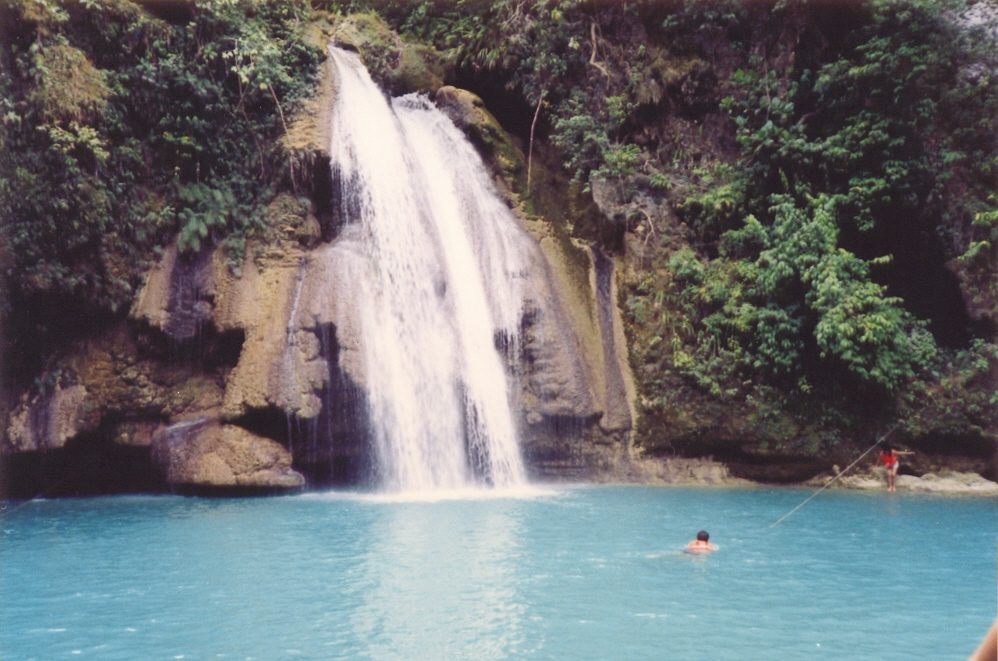
Kawasan Falls and Canyoneering: The Full Experience
Kawasan Falls is a three-tiered turquoise waterfall in Badian, South Cebu, famous for the canyoneering route that jumps, slides, and swims its way down the Kanlaob River to reach it. You can visit the falls on foot for a small fee, or do the full canyoneering adventure for around ₱2,100 per person. Here is the honest version of both.
I have done the Badian canyoneering route, and I have also walked up to the falls on a lazy afternoon with no intention of jumping off anything. They are two completely different days out, and which one is right for you depends almost entirely on how you feel about cold water, heights, and crowds. So before I get into tier-by-tier descriptions and 2026 prices, here is the decision laid out plainly.
Canyoneering or falls-only: the quick decision
The single most useful thing I can tell you is that “visiting Kawasan Falls” and “doing the Kawasan canyoneering” are not the same activity, and a surprising number of people show up confused about this. One is a walk to a swimming hole. The other is a half-day adrenaline sport that happens to finish at that swimming hole. Here is how they compare.
| Canyoneering to the falls | Falls-only visit | |
|---|---|---|
| What it is | A guided 3–5 hour trip down the Kanlaob River canyon: cliff jumps, natural rock slides, swimming, a cave passage, ending at the falls | A flat 15–20 minute walk in to swim at the foot of the falls and hike up to the upper tiers |
| Cost (2026) | Around ₱2,100 per person (regulated), all-inclusive of guide, gear, transfers and lunch | ₱200 entrance fee, plus optional raft and locker rentals |
| Time needed | Half to full day; 10–12 hours door-to-door from Cebu City | 1–3 hours at the falls, plus travel |
| Difficulty | Beginner-friendly but physical; you must be okay being in water for hours. Every jump is optional | Easy. Suitable for almost anyone who can manage a short flat path |
| Best for | Thrill-seekers, confident swimmers, anyone who wants the upper canyon (Tiers 2 and 3 are reachable only this way) | Families, non-swimmers, relaxed travelers, anyone short on time or budget |
If you only read this far: do the canyoneering if you possibly can. It was, without exaggeration, one of my favorite single days in the Philippines. But the falls-only visit is a perfectly good plan B, and for some travelers it is genuinely the better choice. I will defend both below.
What the canyoneering actually involves
Here is the thing nobody tells you clearly: the canyoneering does not start at Kawasan Falls. It ends there. You begin upstream, get a short habal-habal (motorbike) ride to a jump-off point, and then spend the next several hours working your way down the Kanlaob River canyon toward the falls. The falls are the finish line, not the starting gun.
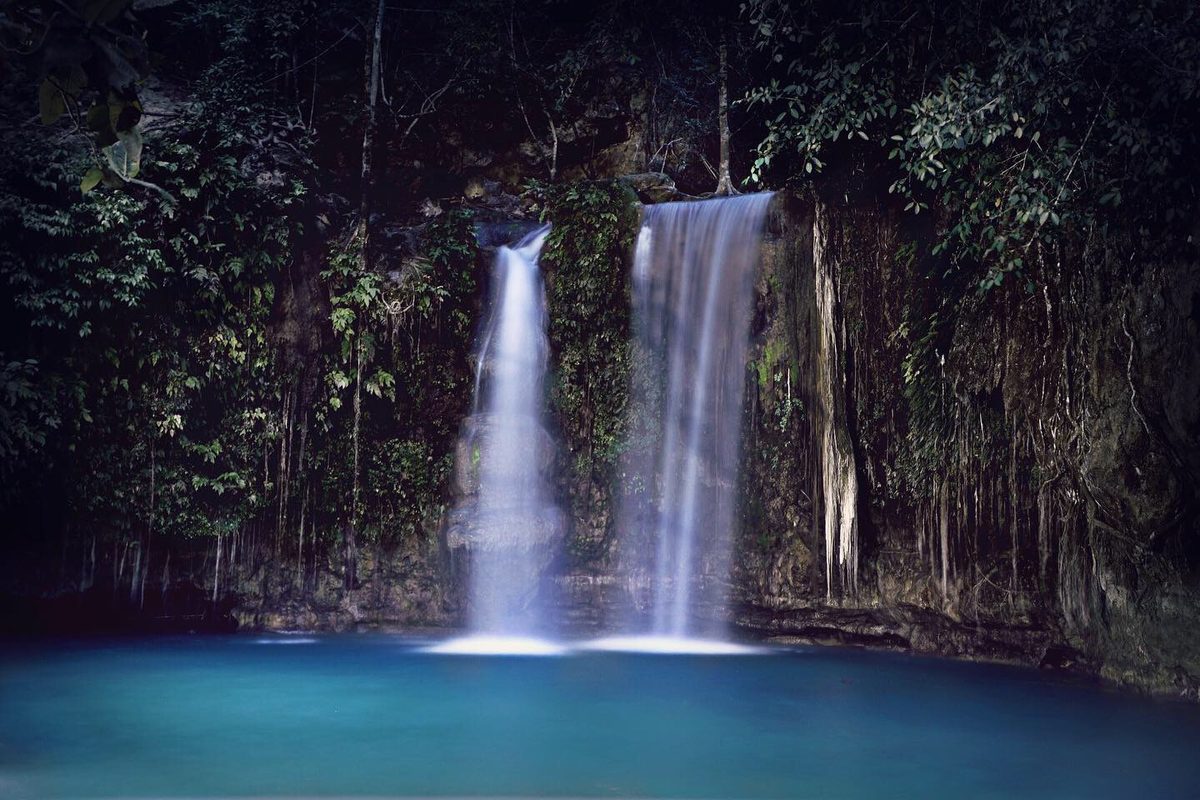
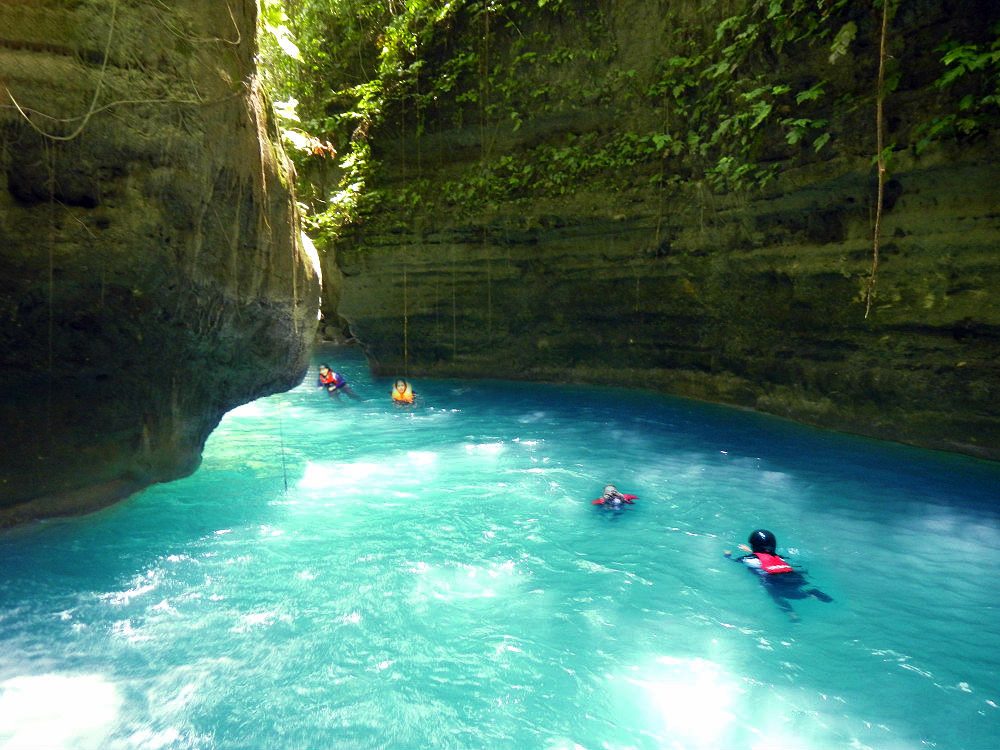
What you do in between is the fun part. The route is roughly five kilometers of river, and it is a continuous mix of trekking along limestone ledges, swimming across deep pools, sliding down channels that the water has carved smooth over thousands of years, and jumping off rocks into water so blue it looks fake. Locals call it the “Gatorade Factory” for exactly this reason, and in person the color genuinely does read as artificial. It is not. It comes from the mineral content and the depth of the spring-fed pools.
The jumps are the headline act. There are several jump stations along the route, ranging from a gentle 4-meter warm-up to a 10-meter leap that is the one you have seen in every Instagram reel about Cebu. Older guides online still mention a 15-meter jump; that one was closed around 2025 after the landing pool got shallower, so 10 meters (about 33 feet) is the current maximum. I want to be crystal clear about this because it matters: every single jump is optional. At each station the guide shows you a climb-down route on the rocks, and plenty of people in my group skipped the big one without a shred of judgment from anyone. There is also a rope swing and a swim through a short, dark cave passage where the guides hand out headlamps, which was my favorite stretch of the whole thing.
Your guide is with you the entire time, in the water, watching. The Badian route is government-regulated precisely so that this is the case, which I will come back to in the safety section. For more adventures in the same league, our roundup of things to do in Cebu puts canyoneering in context with the rest of the island.
The falls themselves: Tiers 1, 2, and 3
Kawasan Falls is not one waterfall. It is a series of cascades on different levels of the canyon, and people generally talk about three of them.
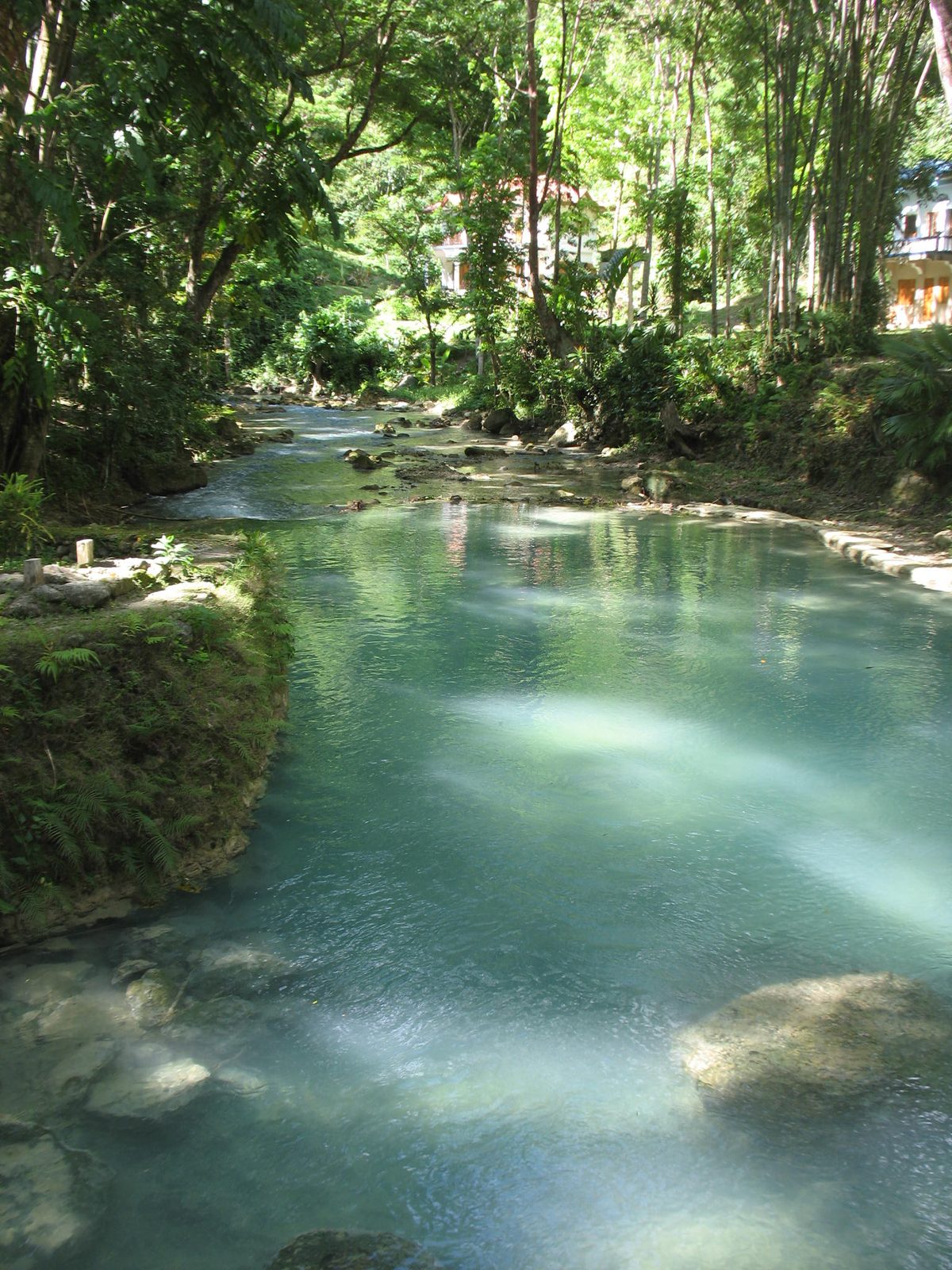
Tier 1 (the main basin) is the big one in all the photos: a wide curtain of turquoise water dropping into a broad pool, ringed by canyon walls and, these days, a fair amount of human activity. This is where the canyoneering finishes and where lunch gets served. It is also where everyone who walks in from the road ends up, so by mid-morning it is busy. Bamboo rafts ferry people right up under the spray, which is fun but means the “pristine jungle waterfall” fantasy has some bamboo and life jackets in the frame.
Tier 2 sits about a 10 to 15 minute hike above the first, and it is smaller, quieter, and to my eye prettier for a swim. Tier 3 is another short climb beyond that, the most secluded of the three. If you are doing the falls-only visit, getting up to Tier 2 and 3 is the move; the crowds thin dramatically with every set of steps. The canyoneering route, by contrast, brings you in from above and shows you stretches of the upper canyon that walk-in visitors never see at all.
Prices in 2026 and what is actually included
This is where I can save you from getting fleeced, because the pricing online is a mess of outdated numbers. Canyoneering in Badian is regulated. The local government sets a fixed rate under Badian Municipal Ordinance No. 11-2022 and Cebu Provincial Ordinance No. 2024-04, and operators who undercut it can be fined and suspended.
As of 2026 the regulated activity rate is ₱2,000 per person, plus roughly ₱100 for the mandatory shuttle between the operator’s station and the canyon entrance. So budget from around ₱2,100 per person, or close to 36 US dollars. If you have read an older guide quoting ₱1,500, that figure is genuinely out of date; the rate went up by about 25 percent, and plenty of “2026” articles simply never updated it. The regulated price is all-inclusive: it covers your accredited guide, the environmental and activity fees, the habal-habal ride to the jump-off, all safety gear (helmet, life vest, water shoes), and lunch at the falls afterward.
Here is what that money does and does not stretch to.
| Included in the ~₱2,100 rate | Bring extra cash for |
|---|---|
| Licensed, LGU-accredited guide for the whole route | Snacks and cold drinks at the midway stall (₱200–500) |
| Helmet, life vest, water shoes, dry bag | A tip for your guide, which is customary and well earned |
| Habal-habal transfer to the jump-off point | Transport to Badian if it is not in your package |
| Environmental and activity fees | A waterproof camera or GoPro, if you want your own footage |
| Lunch at Kawasan Falls after the activity | Travel insurance that covers adventure sports (strongly advised) |
If you are booking a package that includes pickup from Moalboal, expect roughly ₱1,800–2,000; from Cebu City with transport both ways, packages run ₱2,000–2,500 or more. A word of warning that the regulators themselves make: if a “budget” deal is priced well below the regulated rate, the operator is breaking the ordinance, and the corner being cut is usually guide accreditation or insurance. That is not a place to save money.
The falls-only entrance fee is ₱200 per person (up from a token ₱50 a few years ago, after Typhoon Odette forced a rebuild of the access path). Add optional extras like a bamboo raft ride or a locker, and bring cash, because there are no card machines at the falls.
Safety, fitness, and choosing a guide
Let me be honest about the risk, because Kawasan canyoneering involves jumping off rocks into a river, and that is not nothing. The reassuring news is that the activity is now genuinely well managed. After a stretch of unregulated, anything-goes operating years ago that led to accidents, the LGU stepped in: guides must be accredited, you must wear a helmet and high-buoyancy life vest for the entire route, and there is a guide-to-guest ratio that keeps eyes on everyone. You cannot legally do the route alone, and you should not try.
On fitness: you do not need to be an athlete, but you do need to be comfortable in water for several hours. You will be swimming across pools, and while the life vest keeps you afloat, weak swimmers should tell their guide up front so they can stay close. The jumps, again, are all optional, so heights are not a dealbreaker. The cave passage is short and not especially tight, but if you have serious claustrophobia, ask about the surface route around it.
The real environmental hazard here is flash flooding. The Kanlaob is a canyon river fed by mountain rain, and heavy rainfall upstream can raise the water fast and dangerously. This is exactly why you go with a local guide and why the route closes during heavy rain and typhoon warnings; the LGU monitors conditions and posts closures on the official “Breathtaking Badian” Facebook page. If you are traveling down from Cebu City on a rainy day, check before you commit to the drive. Do not argue with a guide who calls it off. They are reading the river, not your itinerary.
When choosing an operator, the single best filter is accreditation. Book through your accommodation in Moalboal, directly at the Badian headquarters, or via a reputable online platform, and confirm the guides are LGU-accredited. Reputable operators are happy to say so.
How to get to Kawasan Falls
Kawasan Falls sits in Badian on the southwest coast of Cebu, roughly 130 kilometers from Cebu City. It is genuinely far, and underestimating the drive is the most common planning mistake people make. For the full lay of the land before you go, start with our Cebu travel guide.
From Cebu City: head to the Cebu South Bus Terminal (not the north one) and take a Ceres bus bound for Bato via Barili. Tell the conductor you want Kawasan Falls or Matutinao Church in Badian. The ride is about 3 to 3.5 hours and costs roughly ₱200–250 on the air-conditioned bus. From the highway drop-off it is a short habal-habal or a 15 to 20 minute walk to the falls or the canyoneering headquarters. Driving yourself is faster but still a solid three hours each way, which is why most people doing it as a day trip from the city leave at dawn.
From Moalboal: this is the easy option, and the reason I recommend basing yourself there. Badian is only about 18 to 21 kilometers south, a 30 to 45 minute hop by bus, habal-habal, or scooter. Most canyoneering packages sold in Moalboal include the transfer, which is one more reason it makes the most sensible base for this trip.
From Oslob: if you are coming from the whale-shark side of the island, it is roughly a 2 to 2.5 hour trip across the south, connecting through Bato. Many combo tours handle this transfer for you with private transport.
Combining Kawasan with Moalboal and Oslob
Kawasan rarely makes sense as a standalone trip from Cebu City, but it slots beautifully into a South Cebu loop. The classic pairing is with Oslob whale sharks: the whale-shark interaction happens at dawn, so a well-run combo tour does Oslob first and then drives you to Badian for a mid-morning canyoneering start. It is a long, tiring, and frankly spectacular single day, and it is the most popular two-in-one in the region.
The other natural combination is with Moalboal itself. The Moalboal sardine run and turtle snorkeling is a morning activity right off the beach, which leaves the rest of the day for canyoneering 40 minutes down the road. If you base in Moalboal for two or three nights, you can do the sardines one day and Kawasan the next without rushing either, then carry the diving north to Malapascua and its thresher sharks if you have the days. Waterfall lovers chasing more cascades after this one will find plenty in our guide to other waterfalls in the Philippines.
Best time to go
The dry months, roughly November through May, are the sweet spot. March to May is hottest and busiest (Filipino summer holidays plus international peak season), so the water is at its most inviting but the falls are at their most crowded. November to February gives you cooler air, good conditions, and slightly fewer people, which is my favorite window. The rainy season from June to October still works on clear days and the canyon is at its lushest, but this is when flash-flood closures happen, so build in flexibility and check conditions before traveling.
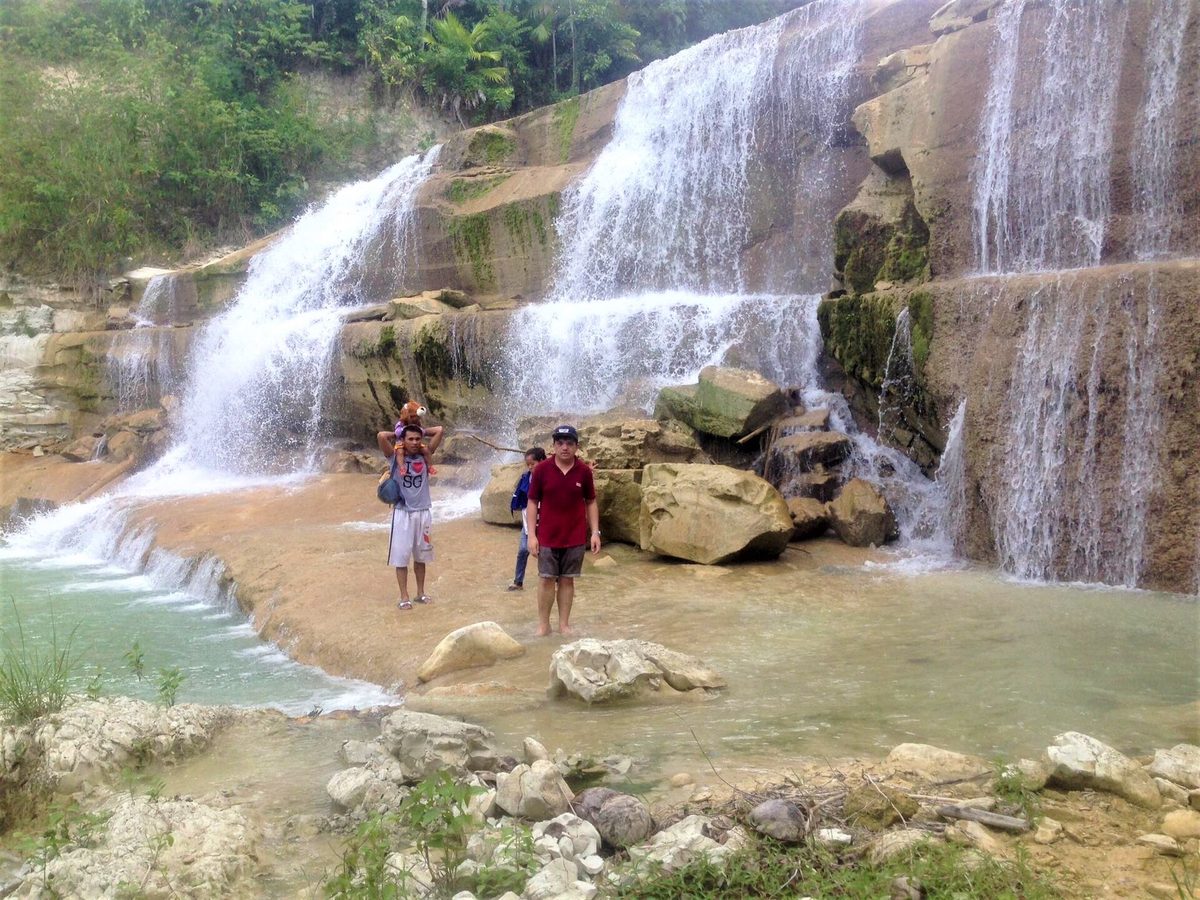
Whatever the season, go early and on a weekday if you can. The big tour buses from Cebu City roll in around 8 to 9 a.m., and weekends bring local crowds on top of that. An early-morning weekday start is the difference between sharing the canyon and feeling like you have it to yourself.
What to bring
For canyoneering, the essentials are short: closed-toe water shoes with grip (the most important single item; flip-flops are useless and unsafe on wet rock), swimwear worn under your clothes, a rash guard for sun and scrape protection, and a little cash in a dry bag for the midway snack stall. A GoPro or waterproof camera is worth it because your phone will not survive the river without a proper housing. Apply reef-safe mineral sunscreen before you start, eat a light breakfast since lunch is hours away, and pack dry clothes and a towel for afterward, because you will be soaked to the bone. Leave your passport, jewelry, and anything non-waterproof at your accommodation.
For a falls-only visit, you need much less: swimwear, a towel, water shoes or sandals for the path, and cash for the entrance fee and any rentals.
Who Kawasan Falls Suits Best, by Traveler Type
I have watched very different people come away from this place with very different verdicts, and most of it comes down to matching the activity to the person.
Thrill-seekers
This is your day. Do the full canyoneering, take every jump including the 10-meter, and go early so the canyon is empty and the guides can let you move at pace. Pair it with the Oslob dawn start or an afternoon hike up Osmeña Peak if you have the legs. You will spend most of the trip grinning.
Families with kids
It depends on the children. Many operators take kids from around age seven on the canyoneering, and confident young swimmers often love it. But for younger children or a relaxed family day, the falls-only visit is the better call: a short flat walk in, safe swimming in the Tier 1 basin, bamboo rafts, and the option to picnic. You get the turquoise water without committing everyone to five hours in a river.
Non-swimmers and the water-shy
Do not write off the canyoneering automatically; the life vest genuinely keeps you afloat and guides position themselves to help through the deep sections, so nervous swimmers regularly complete it. But be honest with yourself. If being out of your depth in moving water sounds like a nightmare rather than a thrill, the falls-only visit lets you wade and paddle in the shallows at your own pace, and there is no shame in that. It is still a gorgeous spot.
Couples and photographers
Go up. The crowds cluster at Tier 1, so the calmer, more photogenic swims are at Tiers 2 and 3, a short hike higher. Arrive at opening time, shoot the main falls before the rafts fill the frame, then retreat upstream for the quiet pools.
Frequently asked questions
How much does Kawasan Falls canyoneering cost in 2026?
The regulated rate is ₱2,000 per person plus around ₱100 for the mandatory shuttle, so roughly ₱2,100 (about 36 US dollars). That is all-inclusive: accredited guide, helmet and life vest, water shoes, the habal-habal transfer, environmental fees, and lunch. Packages with transport from Moalboal or Cebu City cost more. Anything priced well below this is breaking the local ordinance.
Do I have to do every jump?
No. Every jump on the route is optional, from the small warm-up leaps to the 10-meter finale. At each station the guide shows you a route to climb down the rocks instead, and skipping jumps is completely normal. You can do the entire canyoneering trip without making a single big jump and still have a fantastic time.
Can I visit Kawasan Falls without canyoneering?
Yes. The falls are open to walk-in visitors for a ₱200 entrance fee. It is a flat 15 to 20 minute walk to the Tier 1 basin, where you can swim, rent a bamboo raft, and hike up to the quieter upper tiers. You do not need a guide for this. Note that the upper reaches of the canyon are only reachable by doing the canyoneering.
Is Kawasan Falls canyoneering safe?
It is well managed when you go with an LGU-accredited guide, which is now legally required. Helmets and life vests are mandatory throughout, and guides maintain a close ratio. The main risk is flash flooding after heavy rain, which is why the route closes during storms. Travel insurance covering adventure activities is strongly recommended.
How long does the canyoneering take?
The river route itself takes 3 to 5 hours depending on group size and pace, plus the transfer and lunch. From Moalboal, plan on a 7 to 8 hour day. From Cebu City, including the long bus ride each way, it is realistically a 10 to 12 hour day, which is why an overnight in Moalboal makes life so much easier.
What is the best time of day to go?
As early as possible, ideally on a weekday. Tour buses from Cebu City arrive from 8 to 9 a.m. and weekends draw local crowds, so a dawn start gives you the canyon and the falls at their quietest and most photogenic.
Sources and photo credits
Photo credits
Images are sourced from Wikimedia Commons. See individual credits and license details in the image attributions below; each photo is reproduced under its respective Creative Commons or public domain license with attribution to its author.
Sources
- SunStar Cebu — reporting on the regulated canyoneering rate increase
- MyTV — Badian operators reminded to follow regulated rates (Ordinance No. 11-2022 / Provincial Ordinance No. 2024-04)
- Kawasan Canyoneering (Badian) — official operator information on the route and inclusions
About this guide: PhilippinesTourism.org is an independent Philippines travel resource. Prices and details were verified August 2026.