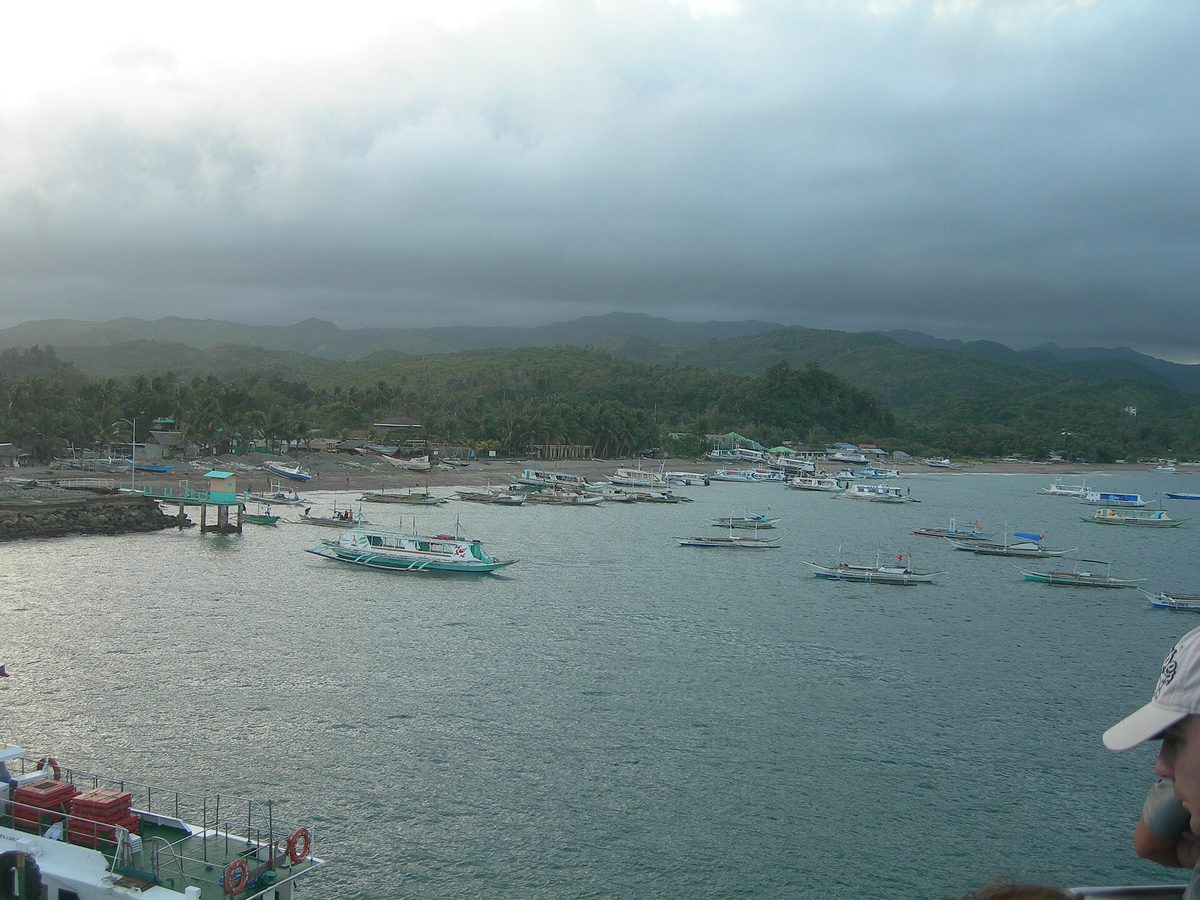
How to Get to Boracay: Flights, Ferries and Transfers
The short answer to how to get to Boracay is that it always takes two legs: a flight to the mainland, then a short boat across the channel. Fly into Caticlan (the close airport) or Kalibo (the cheaper one) on Panay Island, ride to Caticlan Jetty Port, and hop on a 10 to 15 minute ferry to the island. From landing to your hotel runs roughly 45 minutes to 3 hours depending on which airport you pick.
I have done this run both ways, with a backpack and with a stroller, and I can tell you the route itself is simple once you understand the pieces. The confusion comes from the layered port fees, the touts at the jetty, and the question of whether to book an all-in transfer or do it yourself. This guide walks through every option by origin and budget, with current 2026 prices in pesos and US dollars (around 58 PHP to the dollar), so you can land knowing exactly what happens next.
Getting to Boracay at a glance
There is no airport on Boracay itself, so every route ends with a boat. Here is how the three main ways stack up. Treat the costs as ballpark figures for one adult and verify current 2026 rates before you travel, since airfares swing wildly and port fees get reviewed.
| Route | Flight / travel time | Airport-to-island transfer | Rough total cost (one way) | Best for |
|---|---|---|---|---|
| Via Caticlan (MPH) | ~1 hr 5 min from Manila | ~30-60 min (10 min to jetty + boat) | Flight from ~PHP 1,500 + ~PHP 600-1,100 transfer | Speed, short trips, families, anyone tired from a long-haul flight |
| Via Kalibo (KLO) | ~1 hr 10 min from Manila | ~2-3 hr (1.5-2 hr van + boat) | Flight from ~PHP 1,000 + ~PHP 500-900 transfer | Budgets, larger luggage, international charters |
| RORO bus + ferry from Manila | ~16-18 hr total | Included in through-ticket | ~PHP 1,500-2,500 all in | Backpackers with time, no-fly travellers |
For nearly everyone flying in, Caticlan wins on convenience and Kalibo wins on price. The rest of this guide breaks down each leg so you can decide. If you are still mapping out the wider trip, our Boracay travel guide covers where the island fits in a Philippines itinerary.
Caticlan or Kalibo: which airport should you fly into?
This is the first real decision, and it shapes your whole arrival day. Both airports sit on Panay Island and both funnel you to the same Caticlan Jetty Port. The difference is how far that drive is.
Caticlan (Godofredo P. Ramos Airport, code MPH)
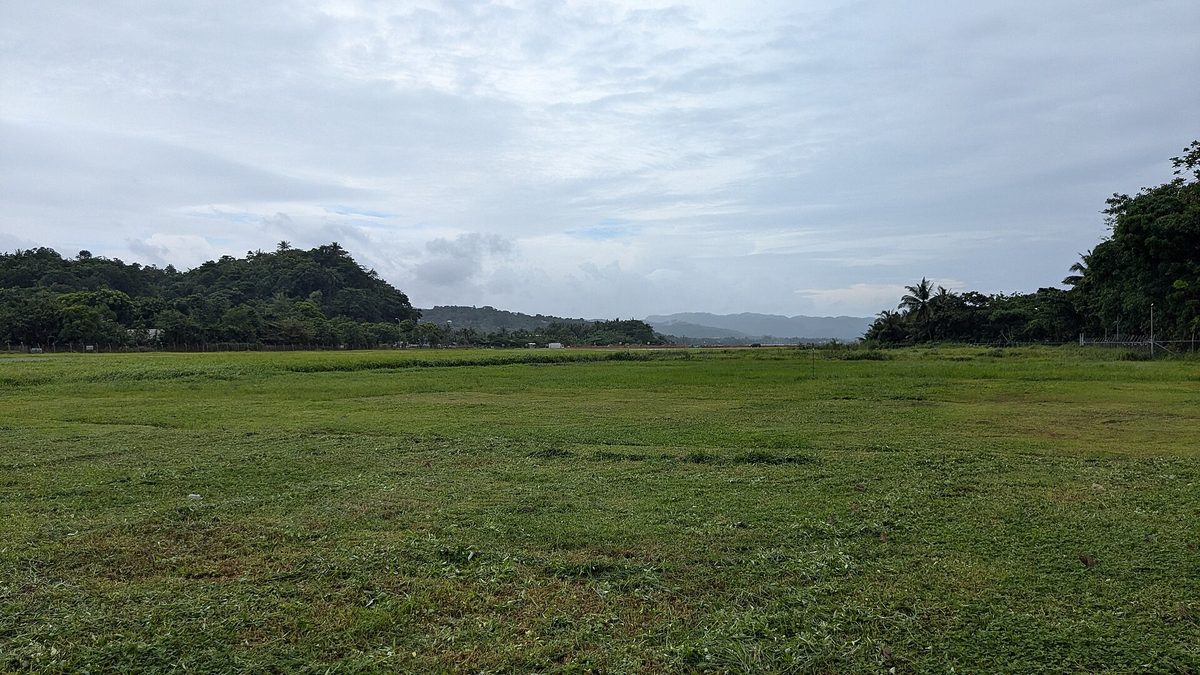
Caticlan is the close one. The official name is Godofredo P. Ramos Airport, but you will see it labelled “Caticlan” or even “Boracay Airport” on booking sites. It sits about 2 km from the jetty, a 5 to 10 minute hop by tricycle or shuttle. Land here and you can realistically be on White Beach within the hour.
For years this airport could only take small turboprops because of a stubby 950 metre runway. That changed: the runway was extended to roughly 1,800 metres, and it now handles narrow-body jets up to the Airbus A321. Cebu Pacific and Philippine Airlines have shifted most of their Caticlan flights to A320s, and Philippines AirAsia serves it too. So the old advice that “only propeller planes land at Caticlan” is out of date. That said, the airport is still weather-sensitive and capacity is tighter than Kalibo, so Caticlan fares usually run 30 to 50 percent higher and checked-bag limits can be stingier (often 10 to 15 kg on promo fares). Book early.
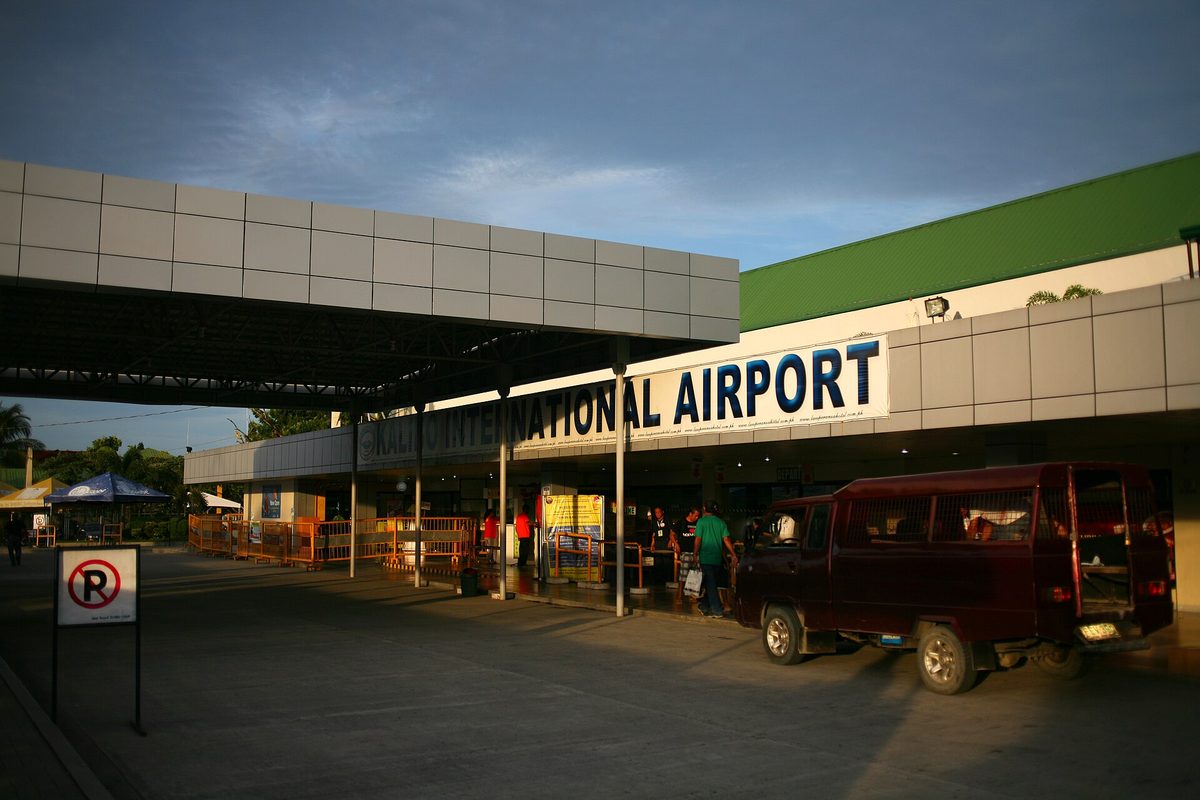
Kalibo (Kalibo International Airport, code KLO)
Kalibo is the budget and international gateway. It is a full-size airport that takes bigger aircraft, more generous baggage allowances, and the international charters and scheduled flights from Korea, China and elsewhere that Caticlan cannot handle. Flights here are often noticeably cheaper. The catch is distance: Kalibo is about 1.5 to 2 hours by van or bus from the Caticlan jetty, so you are adding a real chunk of road time to your journey.
My honest rule of thumb: if you are coming off a long-haul flight, travelling with kids, or only have a few days on the island, pay for Caticlan and save yourself the van slog. If you are price-sensitive, flexible on time, flying in on an international charter, or moving as a group where the per-person saving adds up, Kalibo is the smart play. For a weekend trip, Caticlan almost always pays for itself in recovered time.
Flights to Boracay by origin
Wherever you start, you are flying to Panay and then crossing by boat. Here is how the common origins work in 2026.
Manila to Boracay
This is the busiest route by far, with hundreds of weekly flights. Cebu Pacific, Philippine Airlines (PAL Express) and Philippines AirAsia all fly Manila to Caticlan direct, and the hop is only about 1 hour 5 minutes. Manila to Kalibo is a similar flight time and usually a bit cheaper. Fares to Caticlan can dip near PHP 1,500 (about $26) on promos and climb past PHP 5,500 (about $95) in peak season; Kalibo fares can start nearer PHP 1,000 (about $17). First flights land around 6:20am and the last ones into the evening, so you can build a full first day around an early departure. If you are routing through the capital, our Manila travel guide helps you make the most of a layover.
Cebu to Boracay
Cebu is the other major hub with direct flights to Caticlan, handy if you are island-hopping through the Visayas. Cebu Pacific and PAL run this route, and the airline has been adding frequencies out of Cebu through 2026. Expect roughly an hour in the air. Cebu also connects to Kalibo if Caticlan is full. Pairing Cebu with Boracay is a classic two-island trip; our Cebu travel guide covers the other end.
Clark and other domestic origins
Clark (north of Manila, serving Pampanga and the northern Luzon crowd) has direct flights to Caticlan that let you skip the chaos of Manila’s NAIA entirely. Other domestic links to Caticlan or Kalibo pop up seasonally. If your home airport does not fly direct, you will connect through Manila or Cebu.
International flights via Kalibo
If you are flying in from abroad, you have two paths. Either connect domestically through Manila or Cebu to Caticlan, or take a direct international flight or charter into Kalibo. Kalibo has long handled charters from East Asia, so depending on the season you may find a direct option that skips Manila altogether. Just remember the 1.5 to 2 hour van transfer waiting on the other side, and factor it into your arrival time.
The Caticlan Jetty Port, step by step, with the fees explained
This is the part that trips up first-timers. Once you reach the Caticlan Seaport (the mainland jetty), there is a small stack of fees and a registration step before you board. None of it is hard; it just helps to know the sequence so the touts cannot rush you.
Here is the order of operations if you are doing it yourself:
- Get from the airport to the jetty. From Caticlan airport it is a 5 to 10 minute tricycle (around PHP 75 per person, about $1.30) or a shuttle. From Kalibo it is the long van ride.
- Pay the terminal fee. The port terminal fee is around PHP 150 (about $2.60) per person, collected for the Provincial Government of Aklan. You pay it each way, so budget for it again on departure.
- Pay the environmental fee. Around PHP 300 (about $5.20) for foreign tourists and roughly PHP 150 for Filipinos. This one is a one-time charge for your whole stay, paid on the way in, going to the Municipality of Malay.
- Pay the boat fare. The public ferry or bangka fare is roughly PHP 50 to 100 (about $1 to $1.75) per person.
- Register your stay. You will need your hotel booking confirmation and a valid ID. They log your arrival and departure dates. Keep this handy, because you have to show it again to leave the island; I have watched people get held up at departure because their hotel did not have them on file.
Add it up and the DIY fees plus boat come to roughly PHP 500 to 550 (about $9 to $10) per foreign adult on the way in, before any private transfer or hotel ride. Treat every figure here as “around” and verify current 2026 rates, because the local government reviews these fees periodically.
The Boracay iPass: pay online and skip the queues
Aklan province now runs the Boracay iPass system (boracayipass.ph), and it is genuinely worth using. You register your trip online, enter your hotel and travel details, and prepay the terminal fee, environmental fee and boat fare in one go. You get a personal QR code; at the seaport you just present it for scanning and walk to the boarding dock. The manual payment windows still exist, but in busy periods the iPass line saves real time and sidesteps the cash-handling shuffle. It is the single easiest way to dodge the most common scam at the port (more on that below).
The boat crossing: ferries, bangkas and private transfers
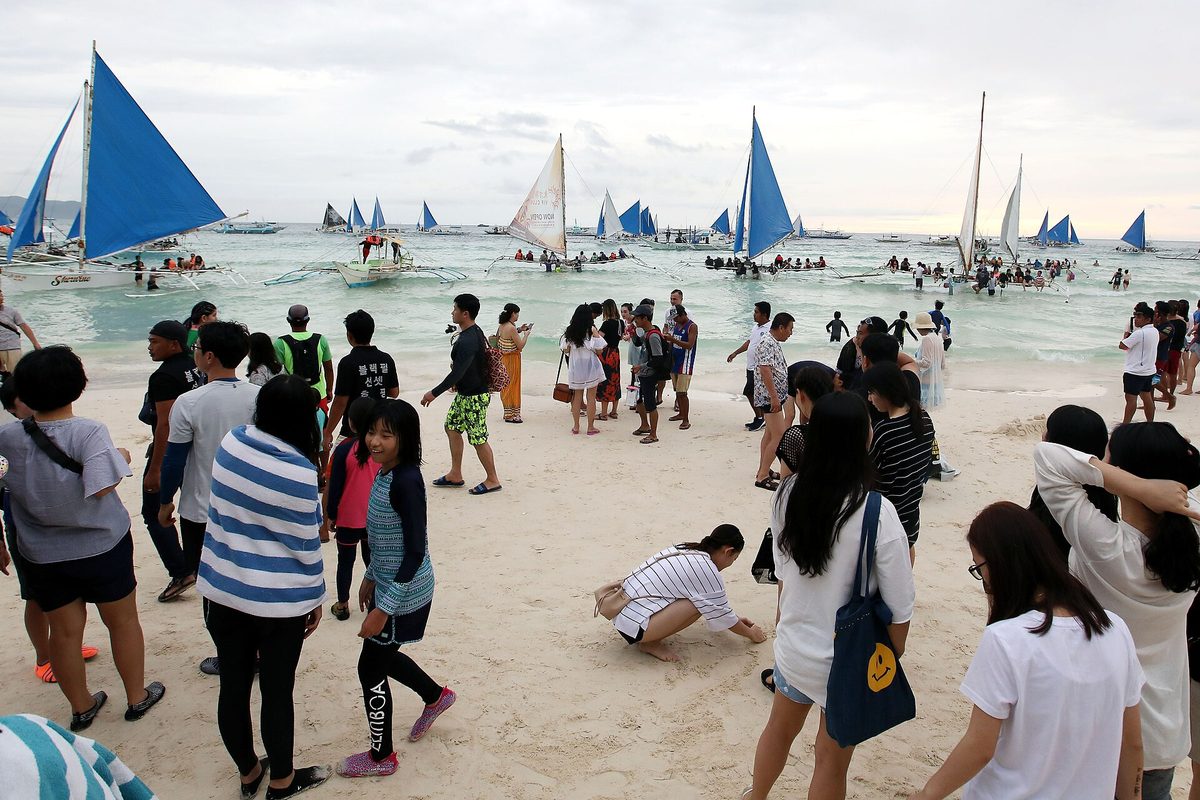
Every route ends with the same short channel crossing from Caticlan Seaport to Cagban Seaport, the main arrival port on Boracay’s southern tip. (A second port, Tambisaan, is sometimes used depending on weather and season.)
Your boat options:
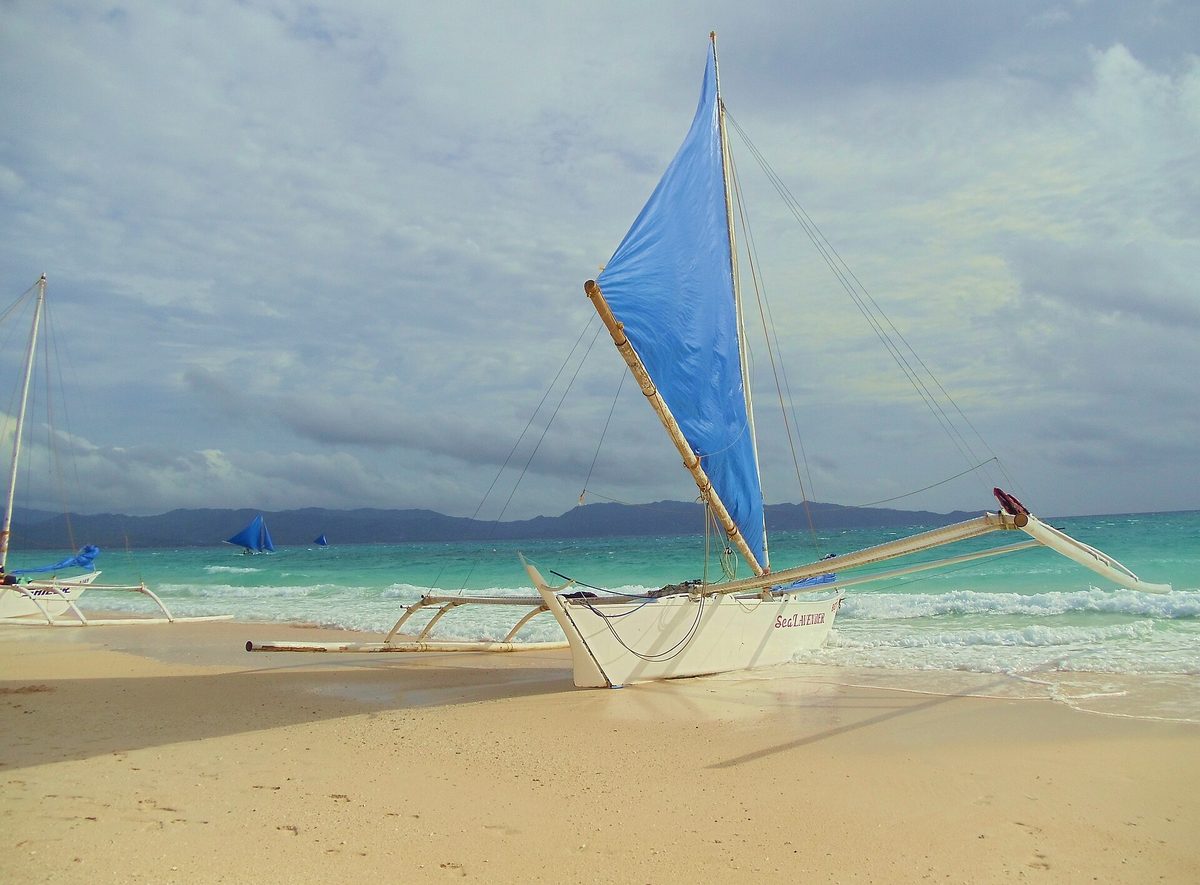
- Public ferry / bangka. The standard outrigger boats run roughly 5am to 9pm and take about 10 to 15 minutes across. They leave when reasonably full, so in quiet periods you may wait a little. This is what the layered fees above cover.
- Speedboat. Faster private craft make the crossing in about 3 to 5 minutes and are usually part of a paid transfer package.
- Private “fastcraft” or all-in transfer. Operators sell door-to-door packages that bundle the van to the jetty, all port fees, the boat, and the e-trike to your hotel. Expect around PHP 950 to 1,050 (about $16 to $18) per person for a shared transfer; private ones cost more.
Should you book a transfer or do it yourself?
Here is my honest take. If you are a confident, light-packing traveller arriving in daylight, DIY is cheap and easy, and the savings are real for solo travellers. If you are arriving late, jet-lagged, travelling with family, or simply do not want to think about it, a pre-booked all-in transfer is worth every peso. The math is closer than the touts want you to believe: once you add the official fees to the DIY route, a shared package is often only a little more, and it fast-tracks you through the steps. Just confirm exactly what is included before you pay (does it cover the environmental fee? the hotel drop-off?), because “transfer” means different things to different sellers.
The Kalibo land transfer
If you fly into Kalibo, your extra leg is the road to the Caticlan jetty. It is straightforward but it is the part that makes Kalibo slower overall.
Vans and buses line up right outside the Kalibo terminal. Operators like Southwest Tours and Island Star Express run shared vans roughly every half hour, and the ride takes about 1.5 to 2 hours depending on traffic. A van-plus-boat ticket runs around PHP 250 (about $4.30) per person, though note that government fees (the terminal and environmental fees) are usually not included in those cheap transfer prices, so add those on top. You can also book a through-transfer that takes you all the way from Kalibo airport to your Boracay hotel in one ticket, which is the least stressful way to do it.
One tip: book the Kalibo transfer in advance if you land late, because van frequency drops in the evening and you do not want to be negotiating with the last driver in the lot after dark.
The RORO bus and ferry option from Manila
If you have time and would rather not fly, you can reach Boracay overland by bus and roll-on/roll-off (RORO) ferry. It is the slow, scenic, budget option, and a bit of an adventure.
There is no direct Manila-to-Boracay ferry. The usual chain is a bus from Manila (Cubao or Pasay) down to Batangas Port, then a long ferry with 2GO or a similar line over to Caticlan, then the short jetty crossing. Some operators sell a combined bus-plus-RORO ticket for roughly PHP 1,500 to 2,500 (about $26 to $43) all in. Budget around 16 to 18 hours door to door, often overnight. It is best for backpackers with flexible schedules or anyone who would rather not fly; for most travellers, a cheap Kalibo flight beats it on both time and total cost. A similar bus-and-ferry chain runs from Cebu and other Visayan cities for island-hoppers.
From the boat to your hotel: the e-trike leg
The boat drops you at Cagban Seaport on Boracay, but almost no hotels are walking distance from there. You have one short leg left.
Inside the Cagban terminal, look for the official land-transport booth (or the iPass land-transport option) to arrange your ride. The island runs electric tricycles (e-trikes) and shuttles, and there is also a hop-on hop-off service. Tell the driver your station number and hotel name: Boracay’s beachfront is split into Station 1 (north, generally the upscale end), Station 2 (the lively middle), and Station 3 (south, more budget-friendly). A ride to the stations typically costs around PHP 150 to 200 (about $2.60 to $3.50), more like PHP 250-plus if your hotel sits outside the main strip on the island’s quieter sides. The e-trike drops you at the nearest beach-path entrance, and you walk the last stretch down the alley to your hotel with your bags — and once the bags are down, the same sort of outrigger you just crossed on is what takes you out on a Boracay island hopping day.
For more on moving around once you arrive, our guide to getting around the Philippines covers tricycles, vans and ferries countrywide, and our where to stay in Boracay guide explains the stations in detail so you can pick the right drop-off.
Arrival tips and scams to avoid
Boracay’s arrival process is well organised, but a few traps catch newcomers. A little awareness saves you money and hassle.
- The fake fee collector. The most common scam: someone intercepts you before the official cashier windows and offers to “process” your environmental and terminal fees. They collect an inflated amount (PHP 600 to 900), hand over a manual-looking receipt, and pocket the difference, leaving you to pay the real fees again at the gate. Only pay at the accredited cashier windows, or prepay via the iPass app and show your QR code.
- Tricycle overcharging. Drivers will quote new arrivals with luggage well above the going rate. Agree the fare before you get in, and know the rough numbers above so you have a reference.
- Carry cash. The port fees and small transfers generally want pesos in hand. There are ATMs on Boracay, but bring enough cash for the arrival leg so you are not stuck.
- Keep every slip. Hold onto your paper receipts and the plastic boat token. If you lose them you may have to pay again, and you will need your hotel booking info to register both on arrival and departure.
- Book accredited operators. For transfers, stick to operators accredited by the Department of Tourism. It is your best protection against the dodgy middlemen.
How to get to Boracay on a budget: cost-saving tips
The journey does not have to be expensive. Here is where the savings actually are.
- Fly into Kalibo if you have time. The fare gap with Caticlan is real, especially for groups. Just weigh the saving against the 1.5 to 2 hour van ride.
- Book flights early. Caticlan capacity is limited, so promo fares vanish fast. Booking weeks ahead, and comparing across Cebu Pacific, PAL and AirAsia plus a flight search engine, routinely beats booking last-minute on one airline’s site.
- Do the jetty yourself if you are travelling light. Solo and confident? Skip the package and pay the fees directly. For a couple or family arriving tired, the all-in transfer is usually worth it.
- Prepay fees with iPass. It will not save much money, but it saves time and shuts down the fake-collector scam.
- Travel in shoulder season. Fares and crowds both drop outside the December-to-May peak. See our guide to the best time to visit Boracay, and for the bigger picture our breakdown of Philippines travel costs.
Frequently asked questions
Which airport is best for Boracay?
For most travellers, Caticlan (Godofredo P. Ramos Airport, MPH) is best because it sits about 2 km from the jetty and you can reach the island within an hour. Choose Kalibo (KLO) if you want cheaper fares, a larger baggage allowance, or a direct international flight, accepting the 1.5 to 2 hour van transfer that follows.
How do you get from Caticlan airport to Boracay?
From Caticlan airport, take a 5 to 10 minute tricycle or shuttle to the Caticlan Jetty Port (around PHP 75). Pay the terminal fee, environmental fee and boat fare (or prepay via the Boracay iPass app), register your stay, then ride the 10 to 15 minute public ferry to Cagban port on Boracay. An e-trike finishes the trip to your hotel.
How much does it cost to get to Boracay?
Budget roughly PHP 1,500 to 5,500 (about $26 to $95) for a flight to Caticlan from Manila, plus around PHP 500 to 1,100 (about $9 to $19) for the airport-to-hotel transfer and port fees. A pre-booked all-in shared transfer runs about PHP 950 to 1,050 per person. Kalibo flights are cheaper but add van costs. Verify current 2026 rates before booking.
Is Kalibo or Caticlan closer to Boracay?
Caticlan is far closer. The Caticlan airport is only about 2 km from the jetty, a 5 to 10 minute ride, and the boat crossing is 10 to 15 minutes. Kalibo is roughly 1.5 to 2 hours away by van or bus before you even reach the jetty, which is why Caticlan saves you so much time on arrival day.
Do I need to book a Boracay transfer in advance?
You do not have to. Doing it yourself at the jetty is cheap and simple in daylight, especially for solo travellers. But if you arrive late, travel with family, or want zero hassle, a pre-booked transfer that bundles the van, port fees, boat and hotel drop-off is worth it. Always confirm exactly what is included before you pay.
What is the Boracay environmental fee and do I have to pay it?
Yes, it is mandatory. The environmental fee is around PHP 300 for foreign tourists (about PHP 150 for Filipinos), paid once on arrival and valid for your whole stay. It is separate from the roughly PHP 150 terminal fee, which you pay each way. You can prepay both online through the Boracay iPass system to skip the queues.
Sources and photo credits
Photo credits
Images are sourced from Wikimedia Commons under their respective licenses. See the credits below; each photo lists its author and license.
- Boats at Caticlan Jetty Port: Photo: Iloilo Wanderer / CC BY-SA 3.0 via Wikimedia Commons
- Caticlan airport terminal: Photo: Martin Michlmayr / CC BY-SA 4.0 via Wikimedia Commons
- Outrigger boats on the water near Boracay: Photo: Freyire / CC BY-SA 4.0 via Wikimedia Commons
- Boats lined along the Boracay shoreline after the crossing from Caticlan: Photo: Joey Razon for Philippine News Agency (CC0) via Wikimedia Commons
- Kalibo International Airport: Photo: Paolobon140 (CC0) via Wikimedia Commons
Sources
- Boracay iPass — official online registration and fee-payment system (Provincial Government of Aklan, Municipality of Malay).
- Provincial Government of Aklan — official Boracay iPass information and entry procedures.
- Godofredo P. Ramos (Caticlan) Airport — runway specifications and aircraft capacity.
- Philippine Airlines — current routes and fares to Boracay (Caticlan).
About this guide: PhilippinesTourism.org is an independent Philippines travel resource. This guide was researched and verified August 2026.