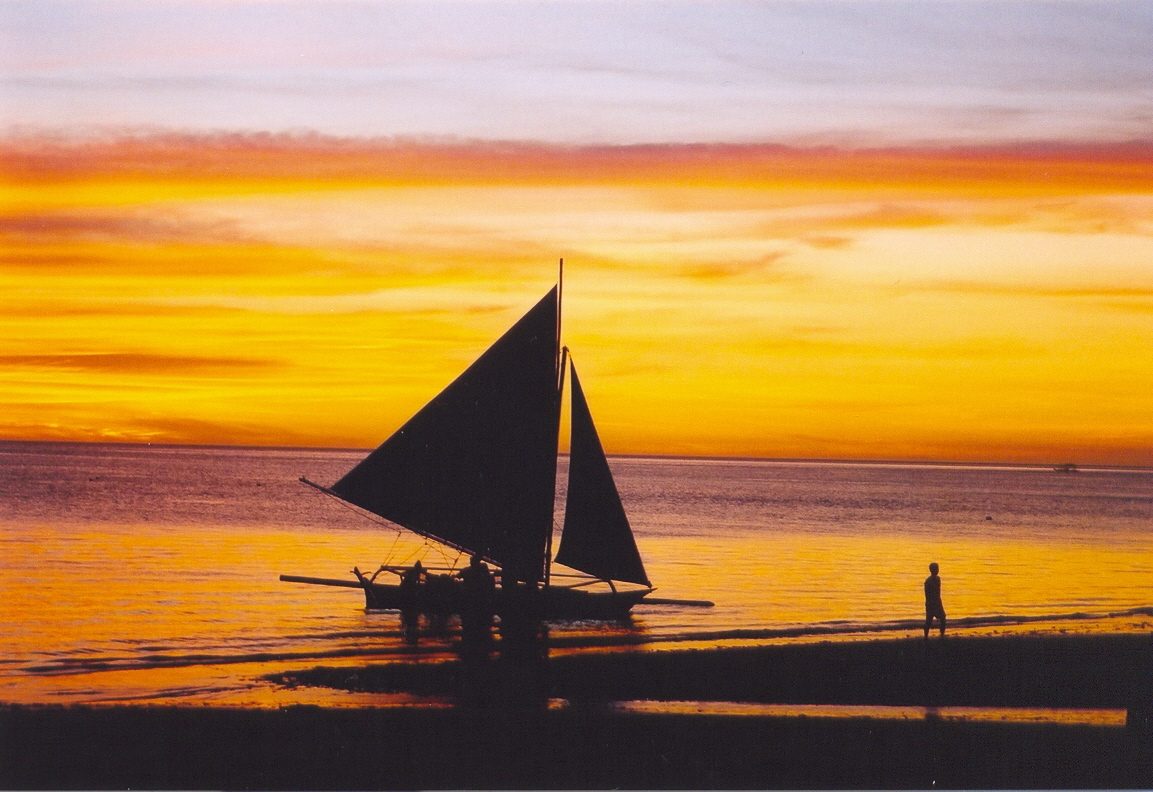
Boracay Island Hopping and Water Activities
Boracay island hopping is the one activity almost every visitor ends up doing, and for good reason: a half-day on an outrigger boat gets you to the caves, snorkel reefs, and quiet beaches you simply cannot reach on foot. A standard joiner tour runs roughly ₱1,700 to ₱2,500 per person (around $30 to $43) for about five hours with snorkelling and lunch. Below I break down the real stops, honest “worth it or skip” calls, hedged 2026 prices for every water sport, and how the Amihan and Habagat seasons change what you can actually do.
I have run this circuit on both a packed joiner banca and a half-empty private boat, jumped off Magic Island, and sat on the net of a paraw at sunset more times than I can count. This guide pulls all of it together so you book the right thing at the right price. For the wider picture of the island, start with our Boracay travel guide.
Boracay water activities at a glance: 2026 prices and worth-it calls
The Boracay activities prices below are typical 2026 rates and shift with season, operator, and how hard you haggle. Treat them as a planning baseline and always confirm the current rate before you pay. I have converted to US dollars at roughly ₱58 to $1.
| Activity | Rough 2026 price | Duration | Worth it? |
|---|---|---|---|
| Group (joiner) island hopping | ₱1,700–2,500 / person (~$30–43) | ~5 hours | Yes — best first-timer value |
| Private banca charter | ₱3,500–6,900 / boat (4–6 pax) | 4–6 hours, flexible | Yes for groups of 4+ |
| Sunset paraw sailing (joiner) | ~₱750 / person (~$13) | ~30 min | Yes — the iconic Boracay shot |
| Private paraw charter | ₱2,500–3,700 / boat | 30–60 min | Yes for couples and families |
| Parasailing (solo) | ~₱2,500 (~$43); tandem ~₱4,400 | 10–15 min flight | Worth it once |
| Helmet diving / sea walking | ~₱1,400 / person (~$24) | ~15 min underwater | Yes for non-swimmers |
| Banana boat / UFO ride | ~₱2,700 / boat (1–6 pax), ~₱450 pp | ~15 min | Fun with a group |
| Jet ski | ~₱2,500 (15 min) / ~₱4,000 (30 min) per unit | 15–30 min | Pricey — skip unless keen |
| Flyfish | ~₱1,500–2,500 / ride (verify) | ~15 min | Adrenaline pick |
| Discover scuba (intro dive) | ~₱3,000–4,500 (verify) | 2–3 hours | Yes if you have never dived |
| Kitesurfing lesson (Bulabog) | ~₱2,000–3,000 / hour (verify) | 1–3 hours | Amihan season only |
| Ariel’s Point day trip | ~₱2,500–3,500 / person (~$43–60) | Full day (6–7 hours) | Yes — best all-rounder |
Entrance fees that are sometimes excluded: Crystal Cove around ₱200 and Magic Island around ₱200 to ₱300. Bring ₱500 to ₱1,000 in cash per person on top of your tour price for fees, tips, and beach-stop drinks.
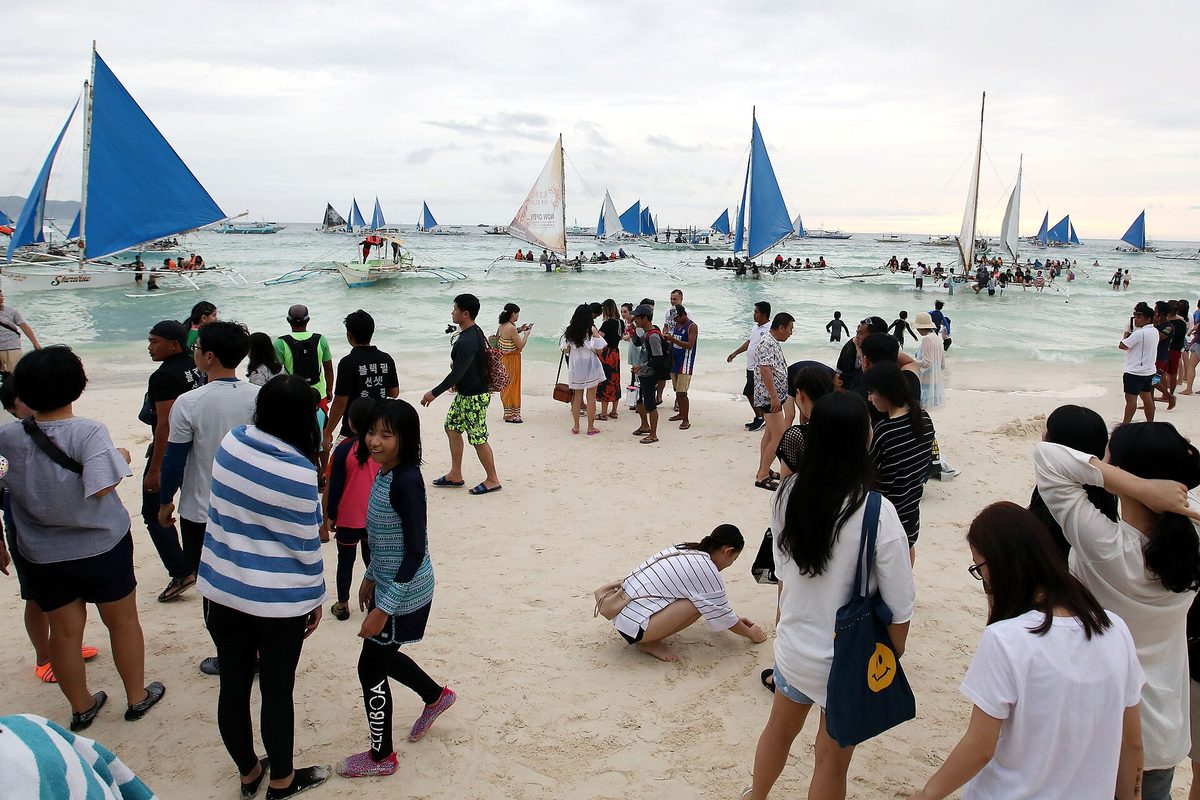
What a Boracay boat tour includes and the island hopping stops worth making
A standard tour leaves White Beach (usually Station 1 or 3, depending on the operator) between 9 and 10am and is back by early afternoon. You board a traditional outrigger boat, called a bangka, with a local crew, hit three to four stops for swimming, snorkelling, and sightseeing, and eat a Filipino lunch either on the boat or at a beach stop. Snorkel masks, life vests, and a water bottle are normally provided; hotel pickup usually is too. Go in the morning. The sea is calmest before noon, snorkelling visibility is best, and you dodge the worst of the afternoon sun.
Here is the honest Boracay island hopping run-down of the usual stops, with the ones I would prioritise and the ones I would happily skip.
Crystal Cove: the stop that earns the trip
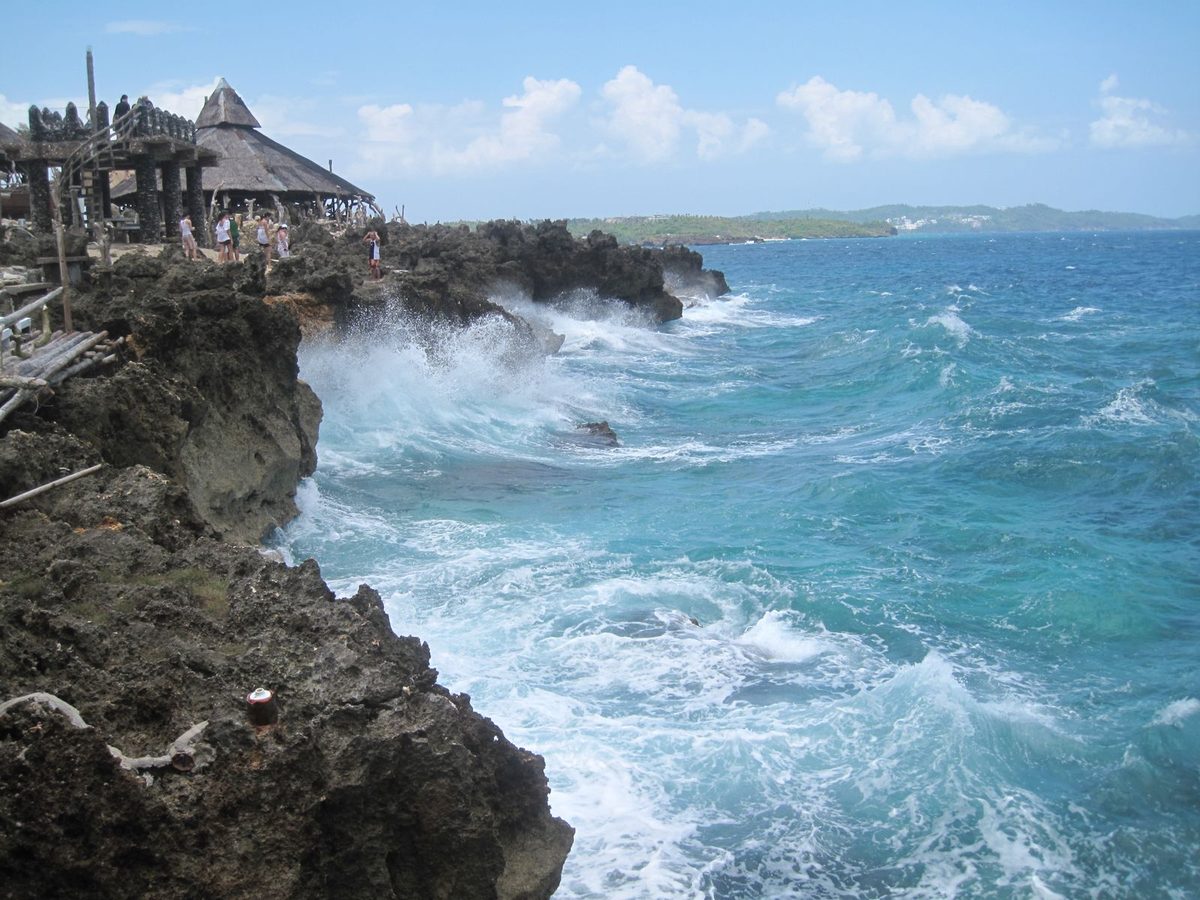
Crystal Cove is a small, privately managed island about 20 minutes by boat from White Beach, and it is the highlight of most tours. There is an entrance fee of around ₱200 (often, but not always, bundled into the tour, so check). Two sea caves carved into the rocky coastline are the draw. You walk down stone steps into each one and it opens out to the water. Cove 1 is the more photogenic of the pair, with turquoise water and natural light pouring in. There are viewing platforms, hammocks, a snack bar, and clean toilets. Wear reef shoes here. The rocks are sharp and barnacle-covered, and a coral cut in the tropics turns nasty fast.
Crocodile Island and Coral Garden: the best snorkelling
Named for its shape rather than its residents, Crocodile Island is the best snorkel stop on the standard route. The water is shallow enough to stand in places and drops to three to five metres along the reef edge, where you will see parrotfish, the odd clownfish, sea stars, and healthy coral. Nearby Coral Garden and Friday’s Rock are the other reliable snorkel spots. The boat anchors offshore and you slip in directly from the outrigger. The provided masks are hit and miss, so test yours before you jump or bring your own. The current can pick up on a tide change, so wear the life jacket if you are not a strong swimmer.
Magic Island: the cliff-jumping stop
Magic Island is a rocky outcrop with jump platforms at roughly three, five, and eight metres, plus a small entrance fee (around ₱200 to ₱300, sometimes included). The three-metre platform gives a satisfying splash without real fear; five metres is where it gets honest; eight is for confident jumpers only, feet first and body straight. Lifeguards point you to the safe spots. My one rule: do not jump after the boat beers. People get braver and clumsier in equal measure, and a bad entry from height genuinely hurts.
Puka Beach and Tambisaan: pretty, but you can skip them on the boat
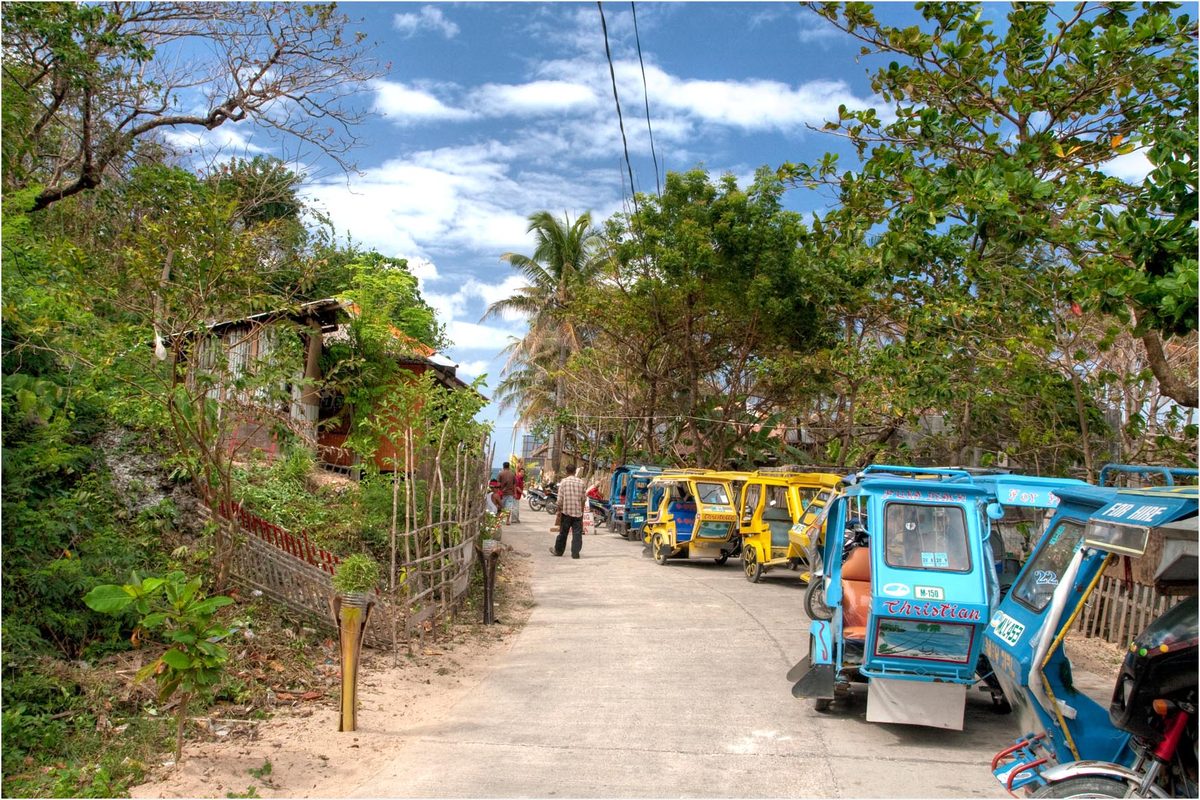
Puka Beach (also called Yapak) sits on the northern tip and is named for the tiny puka shells in its coarse sand. It is wider, quieter, and far less developed than White Beach, with fewer vendors and a more local feel. Here is the catch: an island hopping tour gives you 30 to 40 minutes there before the boat moves on, which is barely enough to walk the length and back. You can reach Puka by e-trike from any station for ₱40 to ₱80 and stay as long as you like. Same logic for Tambisaan Beach on the southeast coast, a decent snorkel entry point also reachable by land. If either appeals, visit independently and make an afternoon of it. For a wider list of land-and-water options, see our roundup of things to do in Boracay.
Joiner versus private banca: which to book
Group joiner tours (₱1,700 to ₱2,500 per person) put 10 to 20 people on one boat with a fixed schedule and roughly 20 to 40 minutes per stop. They are good value and perfectly fine for a first visit. The trade-off is that you are on someone else’s timetable.
Private charters (₱3,500 to ₱6,900 for the whole boat, usually 4 to 6 passengers) let you choose the route, linger where you like, skip what you do not, and leave when you want. If you are a group of four or more, a private boat often lands at a similar per-person cost to a joiner tour with a much better day. My rule of thumb: two people, take the joiner; four or more, split a private boat. The snorkel reefs and Crystal Cove are far nicer when you are not queuing behind three other tour groups.
Paraw sailing Boracay: the sunset trip you should not miss
If you do one thing on the water besides island hopping, make it a paraw sail at sunset. A paraw is the traditional double-outrigger sailboat of the Philippines, built from wood and bamboo and powered entirely by the wind. You sit on a net stretched between the two outriggers while the crew runs it along White Beach, with nothing but the sound of wind and water around you. It is the photo everyone associates with Boracay, and it earns the cliche.
The classic is a 30-minute sunset ride timed to the golden hour, usually departing Station 1 around 5 to 5:30pm, which puts you back on the sand just as the beachfront bars and fire dancers are warming up. A joiner seat runs roughly ₱750 per person; a private charter is about ₱2,500 to ₱3,700 for the whole boat, with longer daytime sails available for a little more. For couples, families, or anyone who wants the boat to themselves for photos, the private charter is worth it because the sunset window is short and a shared boat fills fast. A practical tip: many paraws are now plastered in company logos. If you want the traditional blue-and-white look in your photos, ask the operator in advance.
Paraw sailing is calm and scenic, not a thrill ride. Do not confuse it with parasailing, which is the harnessed-to-a-parachute activity covered below. If you want more on the boat-based traditions across the country, our guide to island hopping in the Philippines puts Boracay in context.
Boracay water sports rundown: honest takes and prices
White Beach and the surrounding water are stacked with operators selling the full menu of Boracay water sports. Here is what each one is actually like and whether it is worth your pesos.
Parasailing
You are strapped into a harness and lifted behind a speedboat for a 10 to 15 minute flight a few hundred feet above the water. Solo runs around ₱2,500, tandem (two people) about ₱4,400. The views along the coastline are genuinely lovely and it is gentler than it looks. Worth doing once, especially if you have never parasailed. Book the morning slot when winds are steadier.
Helmet diving and sea walking
An air-fed helmet lets you walk on the seabed and breathe normally with no swimming skill required, for about ₱1,400 per person and roughly 15 minutes down. This is the standout pick for non-swimmers and nervous first-timers who still want to see fish up close. Photos are usually included. The viewing is decent but not a patch on actual snorkelling or diving, so set expectations accordingly.
Banana boat, UFO ride, and flyfish
The towables are the cheapest group fun on the water. A banana boat runs about ₱2,700 for one to six people (roughly ₱450 each in a full group), and the UFO and similar rides are priced the same way. Flyfish, an inflatable that lifts off the surface as the boat speeds up, is the wilder one at roughly ₱1,500 to ₱2,500 a ride (verify current rates). Great with a group, forgettable solo. Hold on properly and expect to get launched.
Jet ski
Jet ski rental is the priciest-per-minute option on the beach: around ₱2,500 for 15 minutes or ₱4,000 for 30 minutes per unit, and you are often kept inside a marked zone rather than roaming freely. Fun if you love the throttle, but for most people the money goes further on parasailing or a discover-scuba session. I would skip it unless you are specifically keen.

Scuba diving and intro dives
Boracay has a solid cluster of dive shops and reefs suitable for everyone from total beginners to certified divers. A discover-scuba or intro dive, no certification needed, runs roughly ₱3,000 to ₱4,500 (verify) and includes a briefing, shallow training, and a guided dive with an instructor. If you have never breathed underwater, this is a far better use of money than another towable ride. Certified divers will find fun dives and courses readily available; visibility is best in the calm Amihan months.
Bulabog Beach: kitesurfing and windsurfing season

While White Beach faces west and stays calm in winter, Bulabog Beach on the opposite, eastern side of the island is where the wind goes to work. During the Amihan season, roughly mid-November through April, steady northeast winds of about 15 to 30 knots turn Bulabog into one of Asia’s best-known kitesurfing and windsurfing spots. The wide, shallow bay with a protecting reef gives you flat water near shore and small waves further out, which suits both first lessons and freestyle progression.
If you have never flown a kite, book a lesson with one of the established Bulabog schools. Beginner instruction runs roughly ₱2,000 to ₱3,000 per hour (verify current rates), with multi-day courses that take you from kite control to riding. The crucial point is timing: outside the Amihan window, from around June, the wind drops and swings to the southwest, and Bulabog goes quiet for kiting. If kitesurfing is the reason you are coming, plan your trip for December to March, when the wind is most reliable.
Ariel’s Point: the cliff-diving day trip (book it separately)
Ariel’s Point is not part of island hopping, and that trips a lot of people up. It is a dedicated cliff-diving and activity venue on the Panay mainland coast, about 30 minutes by boat from White Beach, and it is sold as its own full-day, all-inclusive package, not a stop on a standard tour. I am flagging it here because it is the single best-value “activity day” on Boracay and people constantly ask how it compares.
The package runs roughly ₱2,500 to ₱3,500 per person and typically includes the round-trip boat, five cliff-jump platforms from about three up to 15 metres, kayaking, paddleboarding, snorkel gear, a buffet lunch, and unlimited drinks. You leave late morning and return around 5 to 6pm. The 15-metre platform is genuinely high and staff assess you before allowing it; most people spend their time on the lower jumps. It is a well-run operation with safety crew and clear rules. If you can only pick one big-ticket day on the water, Ariel’s Point gives you more variety than a standard island hopping tour. Book ahead, because it sells out in peak season.
Booking tips and dodging overpriced beach touts
This is where the biggest price swings happen. The exact same Boracay island hopping tour can cost ₱1,800 through your hotel and ₱5,000 from a beach vendor quoting you a “special price.” A few rules keep you from overpaying:
- Book through your hotel or a reputable operator. Most accommodation has partnerships with local boats and a reputation to protect, so prices stay reasonable (typically ₱1,800 to ₱2,500).
- Use accredited operators. The Department of Tourism accredits boat operators, which means the boat is insured, the crew licensed, and safety gear aboard. Ask to see accreditation before you board a random boat off the sand.
- Be wary of vendors who approach you on the beach. Many are middlemen adding 50 to 100 percent to the real operator’s price. They do not run the boats themselves.
- Treat “VIP” and “exclusive” labels with suspicion. Often it is the identical route in a slightly tidier boat at two to three times the price. Unless it is genuinely private with a custom route, pass.
- Agree everything before you pay. Confirm which entrance fees are included, whether lunch is in the price, and the exact return time. Settle photo fees with the crew up front; a tip of ₱100 to ₱200 per person is standard and appreciated.
Cash is king for beach operators, so carry pesos. Where you sleep affects which station you launch from and how easy pickups are, so it is worth reading our notes on where to stay in Boracay before you lock in tours.
Safety and what to bring
None of this is high-risk if you use sense. Wear the provided life vest at snorkel stops if you are not a confident swimmer, respect the lifeguards’ guidance on cliff jumps, and never jump or dive after drinking. Tours are weather-dependent: in rough seas the crew may reroute or cancel, and a reputable operator refunds or reschedules rather than pushing a dangerous crossing. If you are prone to seasickness, take a tablet 30 minutes before boarding, because the short crossings can be bouncy — the same applies to the pump-boat transfer over from Caticlan that brought you to the island in the first place.
Pack a dry bag (boats take spray, so phones, cash, and documents need to stay dry), reef shoes for Crystal Cove’s sharp rocks, reef-safe sunscreen for four shadeless hours on the water, a waterproof phone case or action camera for the snorkel stops, your own snorkel mask if you have one, and ₱500 to ₱1,000 in cash for fees, tips, and drinks. A hat and a light cover-up save you from a brutal sunburn.
How to choose by traveller type
The water menu is long, so here is how I would steer different visitors.
- First-timers and budget travellers: a morning joiner island hopping tour covers the highlights cheaply. Add a ₱750 sunset paraw and you have nailed the two essential Boracay experiences for under ₱3,000.
- Couples: splurge on a private paraw at sunset and a private banca for the snorkel circuit. The flexibility and the photos are worth the premium.
- Families with kids: island hopping with life vests, helmet diving for the non-swimmers, and a banana boat for the group. Skip the high cliff jumps with younger children.
- Thrill-seekers: Ariel’s Point for a full day of cliff jumping and watersports, plus a flyfish or parasail back on White Beach.
- Active and sporty travellers: come in Amihan season and base yourself near Bulabog for kitesurfing, then dive or snorkel on the calmer west-side reefs.
When to go: Amihan versus Habagat
Boracay has two wind seasons and they decide what works on the water. The Amihan (the northeast monsoon), roughly November through May, keeps White Beach calm and is prime time for island hopping, snorkelling, paraw sailing, and diving, with the clearest visibility and the steadiest sunsets. It is also the kitesurfing season on the windy eastern Bulabog side. The Habagat (the southwest monsoon), roughly June through October, brings southwest winds, more rain, and choppier seas on the west side, so some boat trips get rerouted or cancelled and snorkel visibility drops. You can still have a great time in the shoulder months, but build in flexibility and check conditions the day before you book. For the full seasonal picture, the best time to visit Boracay guide goes deeper.
Frequently asked questions
How much is island hopping in Boracay?
A group joiner tour costs roughly ₱1,700 to ₱2,500 per person (about $30 to $43) for a five-hour trip with snorkelling, life vest, and lunch. A private boat runs around ₱3,500 to ₱6,900 for the whole boat. Budget an extra ₱500 to ₱1,000 per person for entrance fees at Crystal Cove and Magic Island, tips, and drinks. Always confirm the current rate before paying.
Is Boracay island hopping worth it?
Yes, for most visitors it is the single best way to see the island beyond White Beach. Crystal Cove’s sea caves and the snorkelling at Crocodile Island are genuinely good and unreachable on foot. If you are short on time or have done a lot of island hopping elsewhere, you could skip the boat and visit Puka Beach by e-trike instead, but first-timers should not miss the standard circuit.
What is included in a Boracay boat tour?
A standard tour includes hotel pickup, a shared outrigger boat with crew, a snorkel mask and life vest, a water bottle, and a Filipino lunch, plus stops at Crystal Cove, a snorkel reef such as Crocodile Island or Coral Garden, and a beach like Puka. Entrance fees at Crystal Cove and Magic Island (about ₱200 each) are often excluded, so check before you book.
What is the best time for island hopping in Boracay?
The best months are November through April, during the Amihan dry season, when seas are calm, skies are clear, and snorkelling visibility is at its best. Within the day, the morning departure around 9am is ideal because the water is calmest and the light is good. Avoid the rougher Habagat months from June to September, when trips may be cancelled or rerouted for weather.
What is the difference between a paraw and parasailing?
A paraw is a traditional wooden sailboat with two outriggers, and paraw sailing is a calm, scenic ride powered by the wind, perfect for sunset. Parasailing is a separate adrenaline activity where you are harnessed to a parachute and towed up behind a speedboat. They sound alike but are completely different experiences, so book the one you actually want.
Do I need to book Boracay water sports in advance?
For island hopping, paraw sailing, and Ariel’s Point, booking a day ahead is smart, especially in peak season from November to April when slots fill quickly. For walk-up water sports like parasailing, jet ski, and banana boat on White Beach, you can usually arrange them on the spot, though pre-booking locks in a fair price and saves you haggling with beach touts.
Sources and photo credits
Photo credits
All images sourced from Wikimedia Commons under the licenses noted below.
- Paraw sailboat at sunset — Magalhães, CC0 / public domain, via Wikimedia Commons.
- Island hopping boats on White Beach — Joey Razon for Philippine News Agency, CC0 / public domain, via Wikimedia Commons.
- Crystal Cove Island — Anthony Alger (Bloodtm at en.wikipedia), CC BY-SA 3.0, via Wikimedia Commons.
- Bulabog Beach kitesurfing — Alexey Komarov, CC BY 3.0, via Wikimedia Commons.
- Puka Beach — Tuderna, CC BY 3.0, via Wikimedia Commons.
- Parasailing over clear water — Yinan Chen, CC0 / public domain, via Wikimedia Commons.
Sources
- Philippine Department of Tourism (DOT) — official tourism information and operator accreditation.
- PAGASA — the Philippine weather agency, for Amihan and Habagat monsoon seasons.
- Malay/Boracay Local Government Unit information — island regulations and visitor guidance.
About this guide: PhilippinesTourism.org is an independent Philippines travel resource. This guide was researched and verified August 2026.