Malapascua Island: Thresher Sharks and Slow Mornings
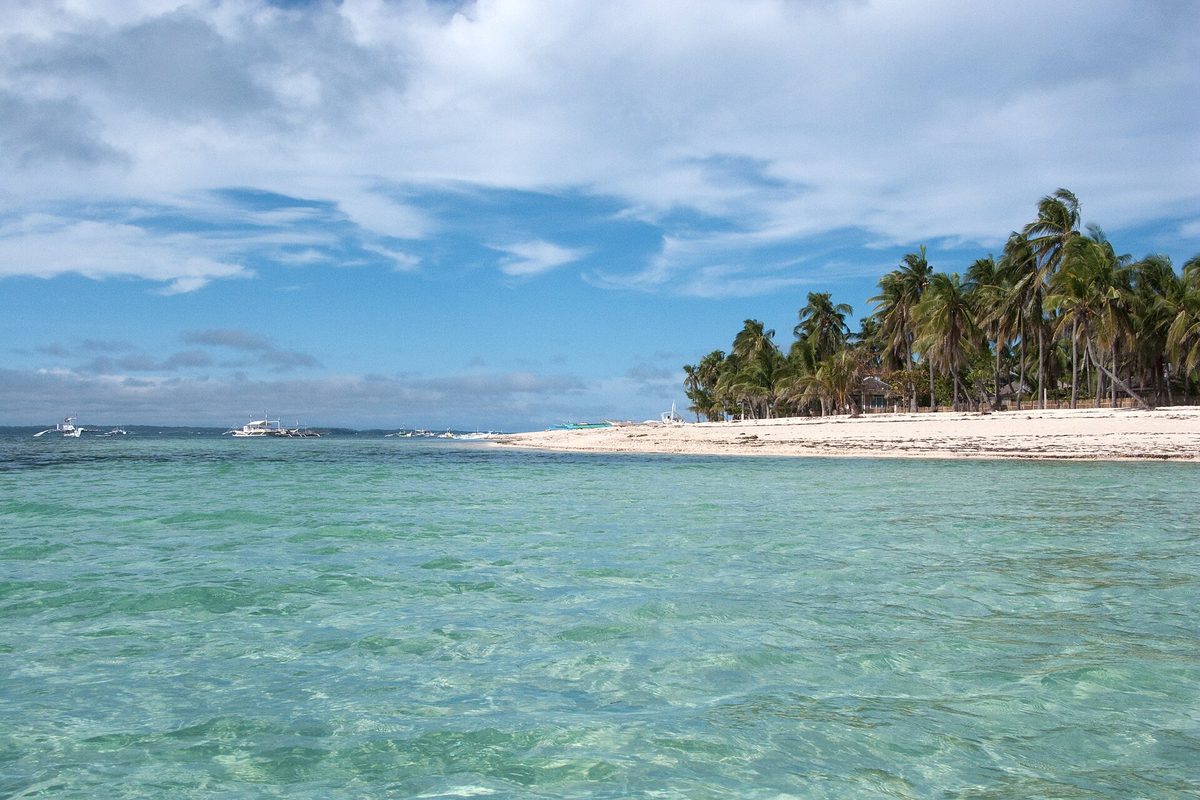
Malapascua, Philippines, is a 2.5-kilometre speck of sand off the northern tip of Cebu, and it is the only place on earth where divers can see pelagic thresher sharks almost every single morning. Beyond the sharks you get powdery beaches, slow island mornings, and almost nothing to rush for. Here is how to dive it, reach it, and enjoy it in 2026.
Malapascua at a glance
| What | The short version |
|---|---|
| Main draw | Daily dawn dives with pelagic thresher sharks — the only reliable spot on the planet |
| Where it is | Off the northern tip of Cebu, central Philippines (Visayas) |
| Getting there | Cebu City to Maya port by bus or van (~4-5 hrs), then a 30-minute outrigger boat |
| Thresher dive cost (2026) | From ~PHP 5,150 (about US$89) for a two-dive trip with your own gear; more for instructor-led |
| Best for | Certified divers first, but couples and beach-loungers find their slow rhythm too |
| Diver vs non-diver | Divers get a world-class site; non-divers get beaches, snorkelling and Kalanggaman day trips |
| Best time to visit | Sharks year-round; clearest water and calmest seas roughly December to May |
| How long to stay | 3-4 nights for divers; 2 nights if you only want one shark dive and some beach time |
I came to Malapascua Island for one reason, the same reason almost everyone comes: the sharks. I left understanding that the island itself — small, scruffy, friendly, slow — is half the point. This guide leads with the diving because that is the honest order of priorities, then covers everything a non-diver actually wants to know. For the wider region, our Cebu travel guide sets the scene, and Malapascua sits in the diving family alongside the rest of diving in the Philippines.
Thresher sharks: the real story (Monad and Kimud Shoal)
Pelagic thresher sharks are deep-water animals. They normally live below 200 metres and you would almost never encounter one on a recreational dive. What makes Malapascua singular is a pair of underwater seamounts where cleaner wrasse run cleaning stations, and the sharks rise to diveable depth at dawn to be groomed. That daily ritual is the whole show.
Here is the part most older guides get wrong, so pay attention if you are booking. For two decades the threshers were seen at Monad Shoal, the famous sunrise site. Around 2020 to 2022 they moved. Tiger sharks — bigger, higher up the food chain — started patrolling Monad, and the threshers relocated to nearby Kimud Shoal (you will also see it spelled Kemod or Kinad), a shallower sunken island a bit further out. The dive operators I spoke to are blunt about it: threshers are now seen at Kimud, not Monad.
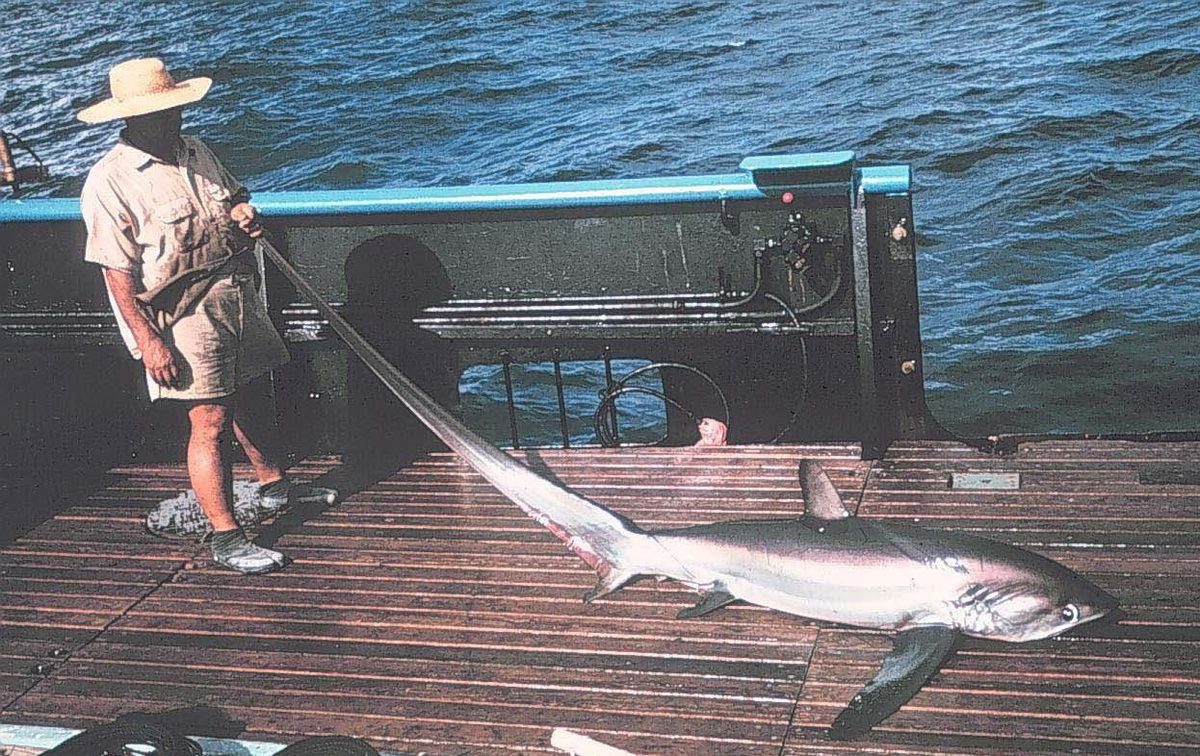
That move actually improved the experience. Kimud’s reef top sits at roughly 12 to 18 metres, shallower than Monad, so you get more ambient light and longer, safer bottom time. Operators report sighting rates around 90 to 99 percent, and on a good morning you might see five, ten or more threshers gliding past a cleaning station, sometimes within a few metres. Because the sharks now appear throughout the morning rather than only at first light, most shops sell a two-dive trip, and three-dive options have become popular.
Monad Shoal is still very much worth a dive — it is now the tiger shark site. Be honest with yourself about the odds, though. Threshers at Kimud are close to guaranteed; tigers at Monad are not. One diver I met logged two dawn dives at Monad and saw nothing but blue water and a hopeful manta. A few others got their tiger. Treat Monad as a thrilling lottery ticket layered onto the near-certain thresher dive, and you will not be disappointed either way.
What the dive is actually like
You meet at the dive shop in the dark, somewhere between 4:00 and 5:00 a.m., and the boat leaves in the 5-to-8 a.m. window. It is cold on the water before sunrise; bring a layer. You descend onto the reef top, kneel or hover behind a designated line so you do not crowd the cleaning stations, and wait. The threshers materialise out of the deep blue like grey ribbons, those absurdly long upper tail lobes trailing behind them. They are not aggressive and there are no recorded attacks on divers, but the etiquette matters: no flash, no sudden lunges, no chasing. Spook one and you ruin the encounter for everyone.
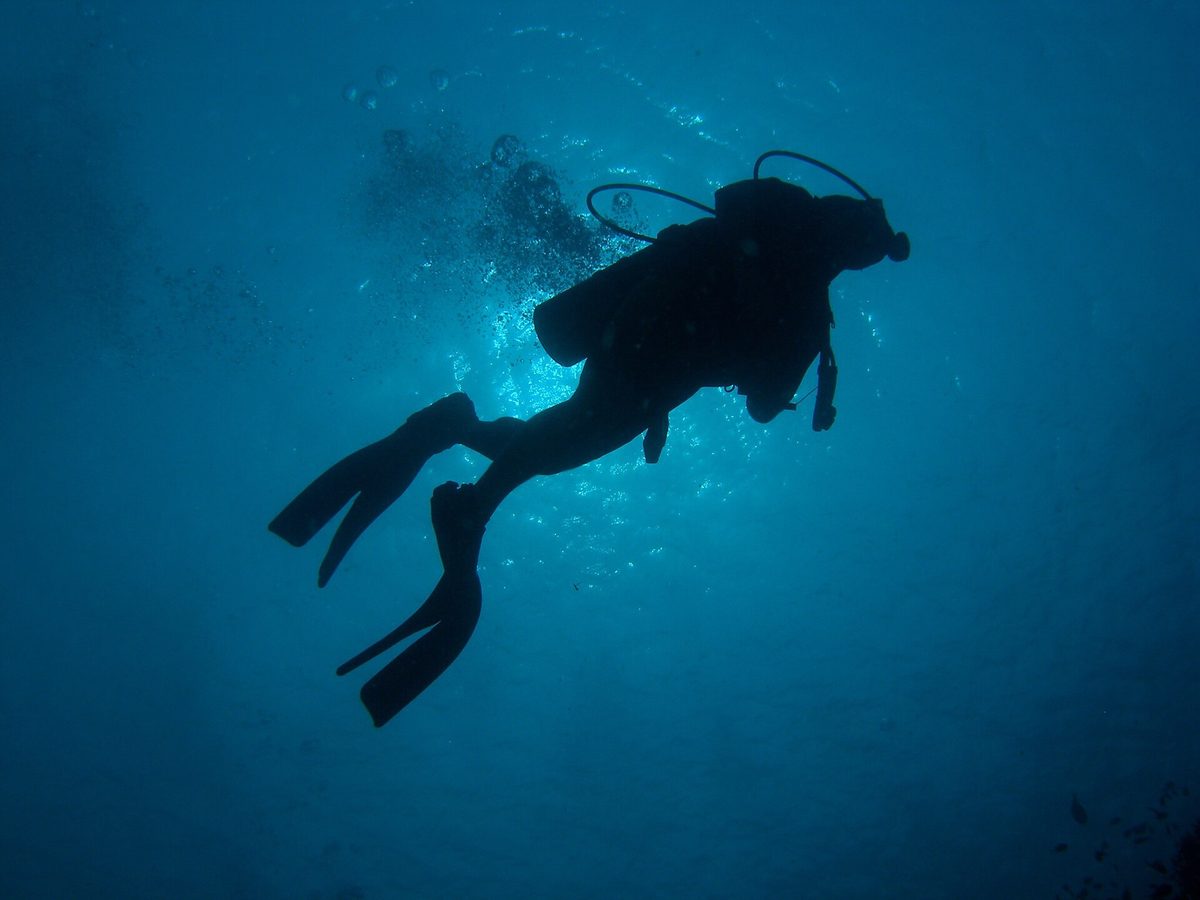
One requirement caught a few people out in 2026: most operators now run a mandatory check dive or buoyancy assessment before your first shark dive, usually a short dive the previous day so the team can gauge your level. Open Water divers in particular should expect it, while divers who can show recent experience with a logbook or a higher certification are sometimes waved through. Build a spare half-day into your plan for it.
Other diving: Gato Island, Kemod and the local sites
If you only dive the sharks and leave, you miss the best of what Malapascua diving has to offer. The reef here is genuinely varied, and the macro life is some of the best in Cebu.
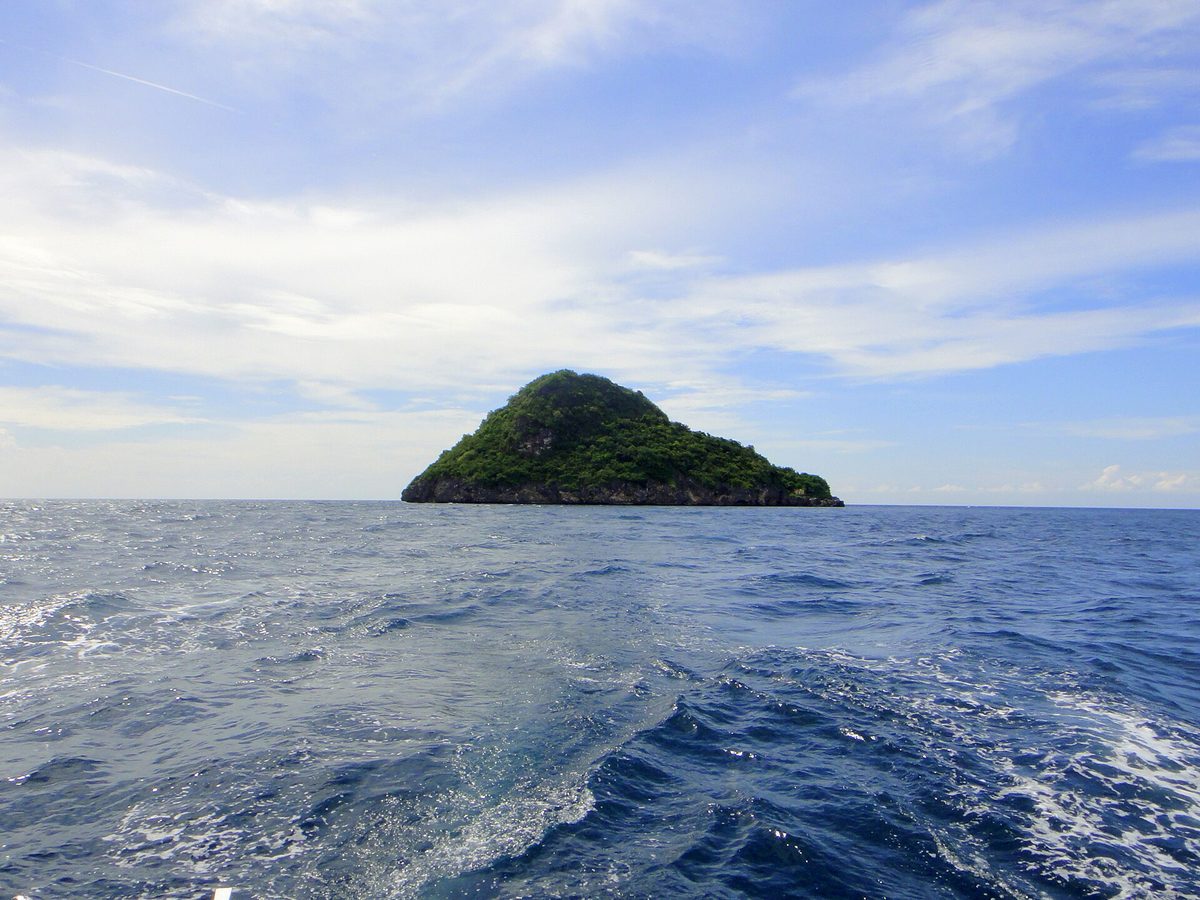
Gato Island is the standout. It is an uninhabited rock about 16 kilometres out, a marine reserve and sea-snake sanctuary ringed by healthy soft-coral gardens. The signature dive is a roughly 30-metre swim-through tunnel that cuts under the island; inside and around the entrance you will almost always find whitetip reef sharks resting under ledges, plus bamboo sharks, banded sea kraits, cuttlefish, frogfish and, if you have sharp eyes and a good guide, pygmy seahorses on the sea fans. The sea snakes are highly venomous but completely uninterested in divers. Gato is usually a two-dive day trip and pairs beautifully with the morning shark run.
Kimud Shoal doubles as a deeper site beyond the thresher cleaning stations, and historically it was a hammerhead spot — schooling hammerheads have not shown up reliably for a few seasons, so do not book a trip on that promise alone, but it does happen. Closer to home, a cluster of local dive sites ring the island: Lighthouse (famous for the dusk mandarinfish mating display), Ka Osting, Bugtong Bato, Chocolate Island and the Dona Marilyn wreck, a 100-metre ferry that sank in the 1980s and now wears a coat of coral. These shallow, current-free reefs make Malapascua a fine place to learn to dive or knock out an Advanced Open Water course between shark mornings.
Things to do in Malapascua if you do not dive
Plenty of people come with a diving partner and do not dive themselves, and the island rewards them more than they expect — as long as they have calibrated their expectations. This is not a resort island with a spa on every corner. It is small, a little rough around the edges, and the pleasure is in the slowness.
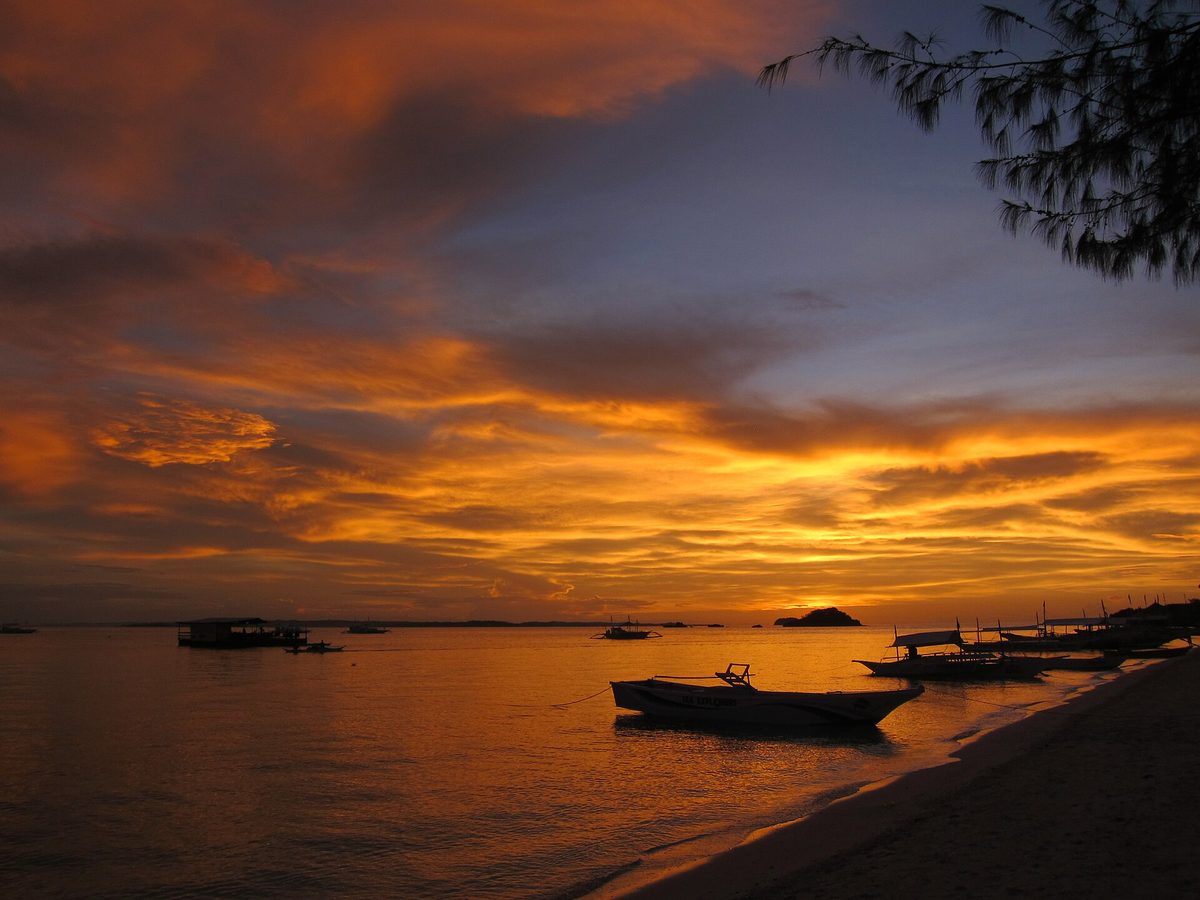
Bounty Beach is the main strip, a curve of white sand on the south side where the boats land and most of the resorts, bars and restaurants cluster. It is the social heart of the island and the best swimming beach at high tide. For something quieter, walk fifteen to thirty minutes to Langob Beach on the north end, or seek out smaller coves like Bugtong Bato and the beach below the lighthouse. Shade is genuinely scarce on most of them, so bring a hat and reef-safe sunscreen, and be wary of sitting directly under coconut palms.
Snorkelling is good and cheap. From the south end near Tepanee, there is shallow coral with resident baby blacktip reef sharks you can snorkel with, and any boatman will run you out to nearby reefs. Island hopping is the other big non-diver day out: the headline trip is Kalanggaman Island, a tiny uninhabited islet ringed by twin sandbars that stretch into ridiculously clear turquoise water. It is about 90 minutes by boat from Malapascua, and a joiner day trip runs roughly PHP 1,500 to 2,500 including the boat, lunch and the protected-area entrance fee (around PHP 500, sometimes higher for foreigners). Heed the local warning not to swim off the sandbar tips, where riptides are strong.
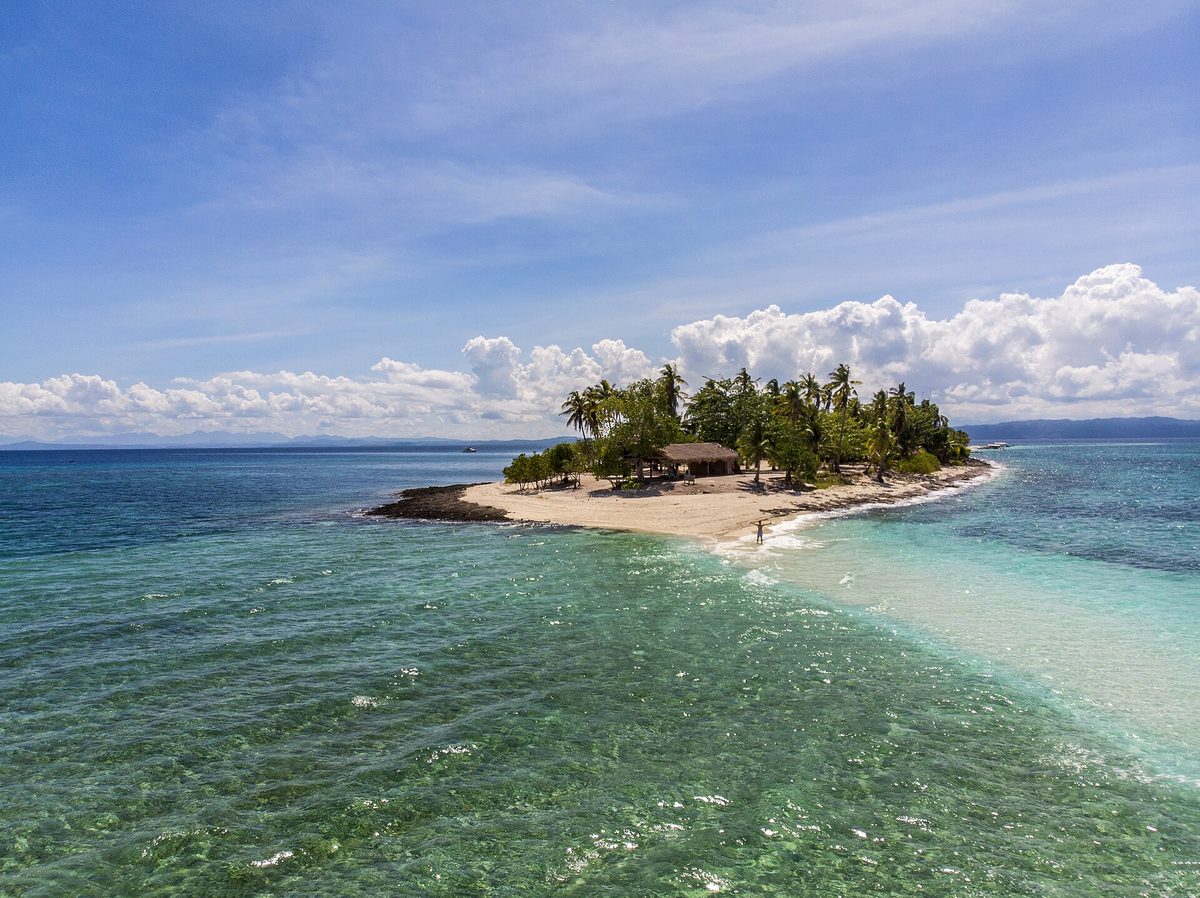
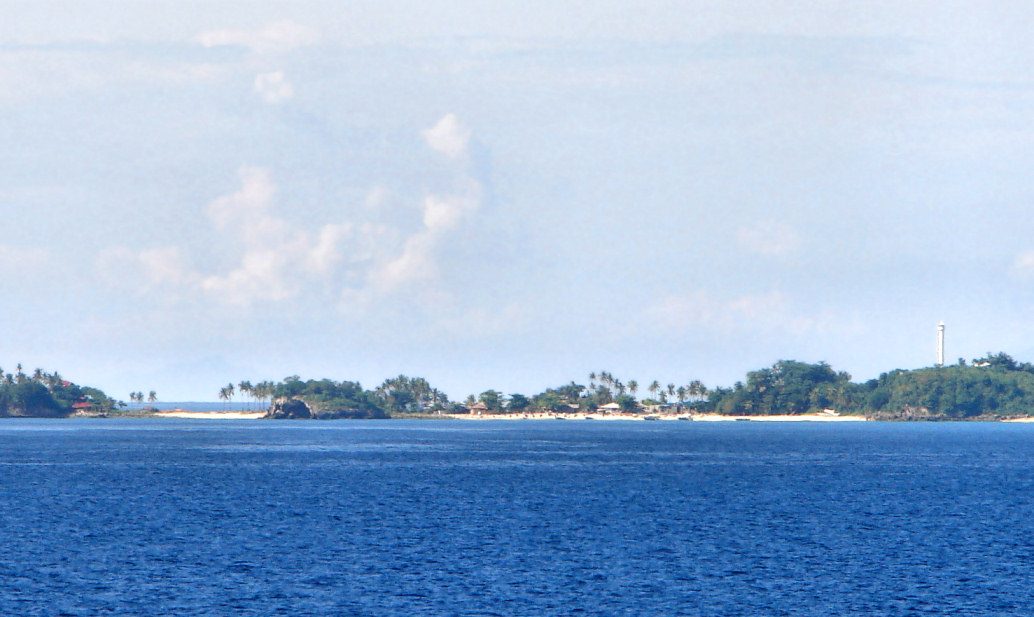
For sunset, climb the steps to the lighthouse viewpoint on the island’s high point — about a 30-minute walk from the south end, with a swing, a quiet beach and the best light of the day. One thing to skip: the old Lapus Lapus cliff jump is no longer accessible on foot, a landowner walled off the final approach a few years back, so do not waste a hot afternoon hiking to it. If shark encounters are your theme for a Cebu trip, the gentler counterpoint is the Oslob whale sharks on the island’s south coast, a very different and more controversial experience.
How to get to Malapascua from Cebu City
Malapascua’s distance is the main reason it stays less crowded than the rest of Cebu, and getting there is a half-day commitment. The route is straightforward, just long. The plan is: Cebu City to Maya port by road, then a short boat across to the island.
Step 1: Cebu City to Maya port (4-5 hours)
From the Cebu North Bus Terminal, you have two options. The Ceres Liner buses (the yellow ones) are the reliable budget choice at around PHP 230 to 400; they start as early as 4:00 a.m. and run every 30 to 60 minutes. Air-conditioned minivans cost around PHP 300 to 350 and leave when full, which sounds faster but means an unpredictable wait at the terminal and a more cramped ride — I would take the bus again. Either way it is roughly 4 to 5 hours to the northern tip of Cebu, traffic depending. For the bigger picture on transport, see our guide to getting around the Philippines.
Step 2: Maya port to Malapascua (30 minutes)
At the new Maya port you register at the environmental office and pay a small fee (around PHP 100 to 140), then board a public outrigger bangka across to Malapascua. The crossing takes about 30 minutes and costs roughly PHP 200. Public boats run daily, with the first departures around 5:30 to 6:30 a.m. and the last in the late afternoon (around 4:30 to 5:30 p.m.). If the sea is rough you may transfer to a small dinghy to reach the beach, and you wade the last few metres — pack accordingly.
Two practical notes. First, if you are flying into Cebu-Mactan and want to skip the logistics, most resorts and dive shops sell private van-plus-boat transfers door to door for a flat fee; worth it for a group or after a long flight. Second, do not arrive at Maya late in the day, you can miss the last public boat; there are basic lodges near the port if you do.
Where to stay on Malapascua Island
Almost everyone stays on or just behind Bounty Beach on the south side, and for good reason: it is a flat walk from the boat landing, close to the dive shops, restaurants and the little market, and it is where the island’s modest nightlife happens. If you want quiet over convenience, a handful of resorts sit on the north and east ends near Langob Beach, but you will be a longer walk or short boat ride from everything.
The island recovered remarkably well from Typhoon Yolanda (Haiyan), which flattened much of it in 2013. Roofs were rebuilt within months and the coconut crowns have grown back; today you would barely know. Accommodation runs the full range, from simple guesthouses and backpacker rooms around PHP 1,000 to 1,500 a night, through comfortable mid-range dive resorts, up to a few genuinely lovely boutique places on the quieter beaches. Many divers book a package combining a few nights, breakfast, the shark dives and Cebu transfers, which can simplify the whole trip. For how lodging works elsewhere, see our notes on where to stay around the Philippines.
Food and the island day
Malapascua is small, so do not expect a deep restaurant scene, but you will eat well and cheaply. The Bounty Beach strip has a row of beachfront spots doing fresh grilled fish, Filipino staples like adobo and sinigang, decent wood-fired pizza and cold San Miguel. There is a local carinderia scene and a market near the port for the cheapest eats — a full meal of rice, grilled fish and vegetables for a couple of hundred pesos. A few cafes do real coffee and breakfast for the post-dive crowd. After your dawn dive, the slow island morning is the reward: a big breakfast, a nap, a swim, and not much else on the schedule. That is the appeal.
Best time to dive and visit Malapascua
The headline: thresher sharks are seen year-round, with no strong seasonal pattern, so there is no wrong time to come for them. What changes is the weather and the water.
The dry season, roughly December to May, brings the calmest seas and the best visibility, often 20 to 30 metres — this is the prime window and also the busiest and priciest. March to June tends to be the sweet spot for warm, settled conditions. The typhoon and wet months, August to October, carry the most weather risk; trips do still run and operators lose few diving days, but you are gambling more on the sea and on transfer delays. November and December can see reduced visibility. If you are reading this for an August trip, you can absolutely still dive — just keep your plans flexible and watch the forecast.
What it costs in 2026
Diving is the big line item, and Malapascua is mid-priced by Philippine standards — not cheap, not Maldives. Here are current figures from island operators (USD at roughly PHP 58 to the dollar; treat as a guide, prices shift).
| Item | Approx. cost (2026) |
|---|---|
| Thresher shark trip, 2 dives at Kimud (AOW+, own gear) | ~PHP 5,150 (about US$89), incl. park & fuel fees; ~PHP 5,950 with rental gear |
| Thresher trip for Open Water divers (instructor-led) | ~PHP 8,350 (about US$144) |
| Single fun dive | ~PHP 1,700-2,000 (about US$30), plus ~US$7 gear rental |
| Multi-night dive package (3 nights, ~6 dives, breakfast, transfers) | From ~PHP 25,000 (about US$430) per person |
| Cebu City to Maya bus / van | PHP 230-400 |
| Maya to Malapascua boat + environmental fee | ~PHP 200 + ~PHP 100-140 |
| Budget room / night | ~PHP 1,000-1,500 |
| Kalanggaman day trip (joiner) | ~PHP 1,500-2,500 incl. lunch & entrance |
Add a fuel surcharge in periods when diesel is high, and budget extra for the now-mandatory check dive before your first shark trip.
Malapascua by traveller type
For divers, this is close to a pilgrimage. Plan three to four nights so you can do the shark dives across more than one morning (sightings are reliable but you want a buffer), add Gato and a couple of local or macro dives, and leave room for the mandatory check dive. Bring or budget for your Advanced Open Water if you only hold Open Water, since it widens your options — though Open Water divers can still do the threshers on an instructor-led dive.
For non-divers, set expectations honestly: Malapascua is a slow, simple beach island, not a polished resort. If that sounds like heaven, you will love two or three nights of Bounty Beach, snorkelling with baby blacktips, a Kalanggaman day trip and sunset at the lighthouse. If you need constant activity, you may get island fever — it really is tiny. Consider pairing it with livelier Moalboal on Cebu’s west coast, where the sardine run and turtles are a snorkeller’s dream, with the Kawasan Falls canyoneering run a short hop further down the same coast.
For couples, Malapascua is quietly romantic precisely because there is so little to do. Book a room on a quieter beach, time dinner for sunset on the sand, and let the diver in the partnership chase sharks while the other sleeps in. It slots naturally into a wider trip through some of the best islands in the Philippines.
Frequently asked questions
Can you see thresher sharks in Malapascua without diving?
No. Snorkelling at the thresher sites is not permitted by law because of strong currents and heavy boat traffic, and the sharks stay at 12 to 25 metres anyway. You must be a certified diver. Open Water divers can join on an instructor-led dive; Advanced Open Water divers join the regular group trip. Non-divers can still snorkel with baby blacktip reef sharks in the shallows near shore.
Are thresher sharks dangerous to divers?
No. Pelagic thresher sharks have small mouths, a shy temperament and feed on small fish; there are no recorded attacks on divers. They are curious but easily spooked, so the rule is to stay still behind the line and avoid flash photography or sudden movements. The bigger tiger sharks at Monad Shoal command more respect, but they too have shown no aggression toward divers here.
How many days do you need in Malapascua?
Divers should plan three to four nights to cover the shark dives, Gato Island and the mandatory check dive with a weather buffer. Non-divers are usually content with two to three nights of beach time and a Kalanggaman day trip. Much longer and the smallness of the island starts to show unless you are doing a dive course or simply love doing nothing.
Is Malapascua expensive?
It is mid-range for the Philippines. Rooms start around PHP 1,000 a night and food is cheap, but the diving adds up: a two-dive thresher trip runs roughly PHP 5,150 and up, and an Open Water instructor-led trip more. A multi-night dive package from about PHP 25,000 can bundle accommodation, dives and transfers for better value if you are diving daily.
Has Malapascua recovered from Typhoon Yolanda?
Yes, completely. Typhoon Yolanda (Haiyan) devastated the island in 2013, but resorts and homes were rebuilt within months, the reefs were largely unaffected, and the coconut palms have regrown. Visiting today, you would have no idea it was ever flattened.
Sources and photo credits
Photo credits
Images are sourced from Wikimedia Commons under their respective Creative Commons or public-domain licences. See the credits accompanying each image; full attribution and licence details are recorded with the source files.
Sources
- Thresher Shark Divers — dive schedule and 2026 pricing
- Divers Alert Network — Malapascua and the Monad-to-Kimud shark move
- Diving Squad — first-person Malapascua dive guide
- WhyCebu — Kalanggaman Island day-trip guide
About this guide: PhilippinesTourism.org is an independent Philippines travel resource. Prices and details were verified August 2026.
1 response
Comments are closed.