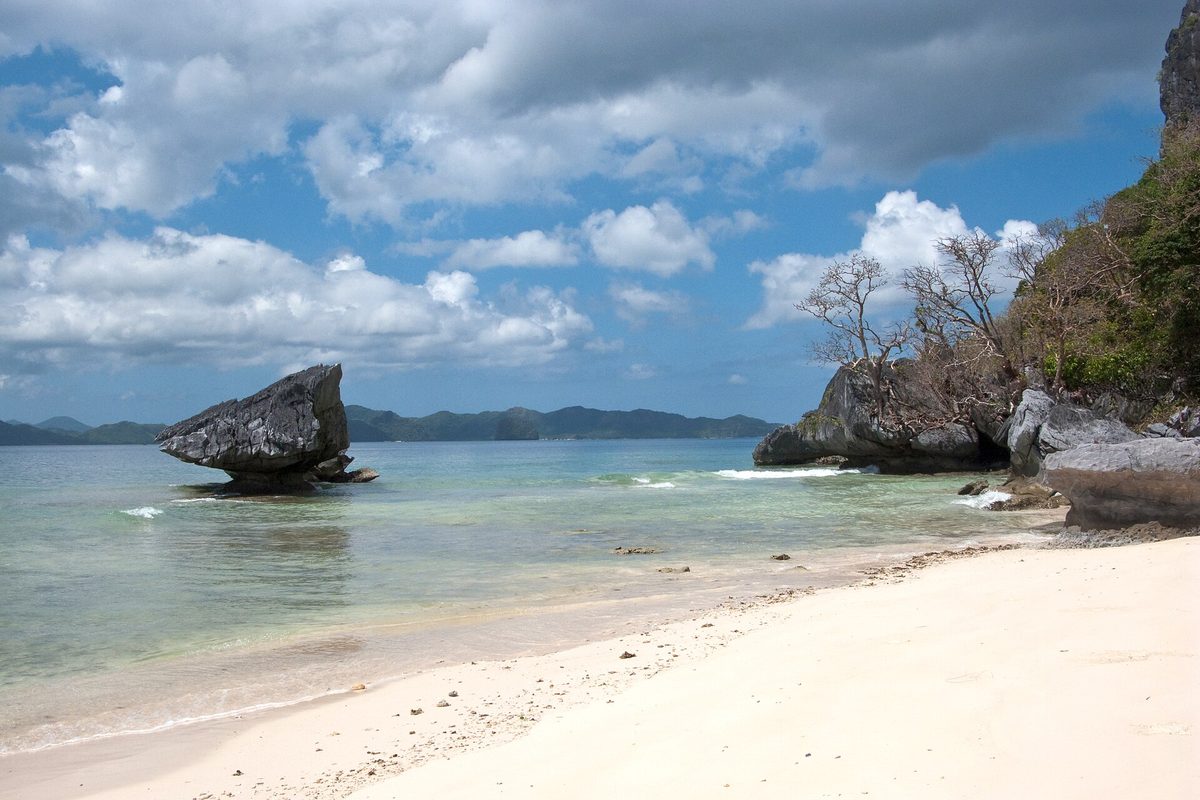
The Cheapest Time to Visit the Philippines
The cheapest time to visit the Philippines is the wet “green” season, roughly June through October, when airfares, hotel rates and tour prices all sag and the crowds thin out. The honest catch: that’s also peak rain and typhoon season, so you trade money saved for weather risk. If you want the genuine sweet spot, read on.
I’ve booked Philippine trips in the dead-cheap depths of August and in the eye-watering pricey week between Christmas and New Year, and the gap on the same itinerary can be hundreds of dollars. Below I’ve laid out exactly when prices drop, why, and how to grab the savings without ending up stranded under a five-day downpour. Every figure here is a 2026 ballpark, hedged in pesos and US dollars at roughly 58 PHP to the dollar, because rates move and I’d rather you check than trust a stale number.
The cheapest time to visit Philippines beaches, month by month
Here’s the view I wish every guide led with: a single table that weighs price against crowds, weather and overall value, so you can see the trade-off at a glance instead of reading twelve paragraphs. Prices are relative to the December peak; “value” is my call on what you actually get for your money.
| Month | Price level | Crowds | Weather trade-off | Value verdict |
|---|---|---|---|---|
| January | High | Busy | Cool, dry, near perfect | Great weather, you pay for it |
| February | Mid-high | Busy | Dry, warm, lovely | Good; flights dip after the holidays |
| March | Low-mid | Moderate | Hot, very dry | Best all-round value of the year |
| April | Mid (spikes at Holy Week) | Moderate, holiday surge | Hottest, dry | Good outside Holy Week week |
| May | Low-mid | Quiet | Hot, first showers late month | Strong value, shoulder season |
| June | Low | Quiet | Rains begin, still swimmable | Excellent value, manageable rain |
| July | Low | Very quiet | Wet, typhoon risk rising | Cheap; weather is the gamble |
| August | Lowest | Very quiet | Wettest, typhoon season | Rock-bottom prices, highest risk |
| September | Low | Very quiet | Wet, typhoons on the Pacific side | Cheapest flights, surf season starts |
| October | Low | Quiet | Rain easing west, storms east | Great value, weather improving |
| November | Mid | Building | Drying out, very pleasant | Lovely shoulder month, prices climb |
| December | Highest | Packed | Cool, dry, festive | Peak everything; book far ahead |
The pattern is clear: the cheapest stretch runs through the rainy months, bottoming out around August and September, while the priciest is December into February. The clever play sits in the shoulder shifts, late May to June and again September to November, when you catch low-season prices but dodge the worst of the weather. More on that below.
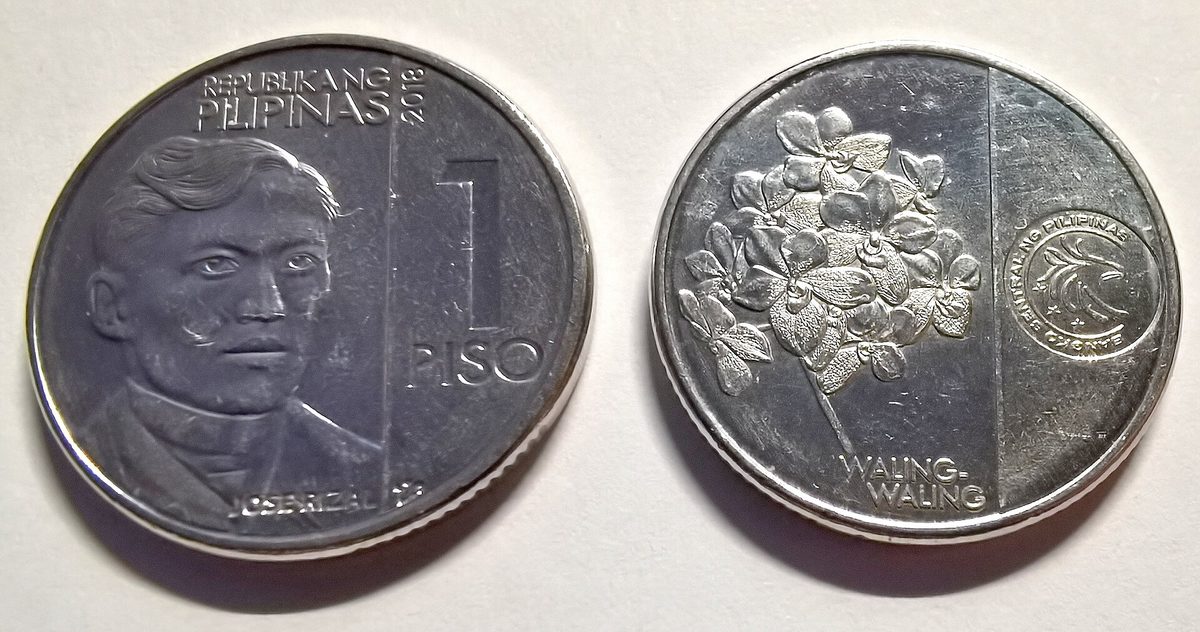
When prices are lowest, and why
The Philippines runs on a simple supply-and-demand calendar, and once you understand it the savings almost plan themselves.
Low season (green season), roughly June to October
This is the cheapest overall window, full stop. The southwest monsoon (the habagat) brings the rains, tour operators see fewer bookings, and hotels and airlines drop prices to fill rooms and seats. You’ll find the lowest airfares of the year, room rates marked down 20 to 40 percent off peak, and island-hopping boats half empty. Resorts on Boracay, Siargao and in El Nido that are impossible to book in December suddenly have space and run promotions. A beachfront room that commands ₱6,000 a night over the holidays can fall to ₱3,500 or less in August, and island-hopping operators start bundling in free extras to compete for the handful of travelers around. The trade is weather: this is also when rain is heaviest and typhoon risk peaks, especially July through October. Plenty of travelers happily take that deal, and I’ve had glorious half-rainy, half-sunny low-season trips for a fraction of high-season cost.
Shoulder season, late May to June and September to November
The shoulder months are where savvy travelers live. Late May and June sit just before the rains settle in, so you get tail-end dry weather at near-low-season prices. September through November is the back shoulder: prices stay low, crowds stay thin, and the weather steadily improves through October and into a genuinely pleasant November. The one asterisk is typhoon risk, which lingers on the Pacific-facing east (Bicol, Eastern Visayas, northern Luzon) into October and November even as the western seaboard dries out. Travel the west, in Palawan, western Visayas, or the Boracay side, during these months and you get most of the savings with much less of the risk.
Peak season, December to February (plus the movable holidays)
This is the cool, dry, gorgeous high season, and you pay a premium for every bit of it. Mid-December through New Year is the single most expensive window of the year, when overseas Filipinos fly home, domestic travel explodes, and both fares and room rates can double or more. January and February stay dry, beautiful and pricey. For a deeper look at the season-by-season picture, our guide to the best time to visit the Philippines breaks down exactly what each month feels like on the ground.
Here’s the nuance most guides bury: the rainy months win on the absolute-cheapest flights and tours, but they’re not the only way to save. March and early June sit in a sweet spot of their own, dry weather, moderate post-holiday crowds, and prices well below the December peak, so you give up only a sliver of the rock-bottom airfare and gain reliable sunshine. That’s why I keep nudging value-hunters toward those windows rather than the soggy depths of August, unless squeezing out every last peso is the whole point of the trip.
The cheapest months to fly to the Philippines
Flights are usually the biggest line item on a Philippine trip, so timing them well saves more than any other single decision. The good news is that the cheapest months to fly and the cheapest months to be there mostly overlap.
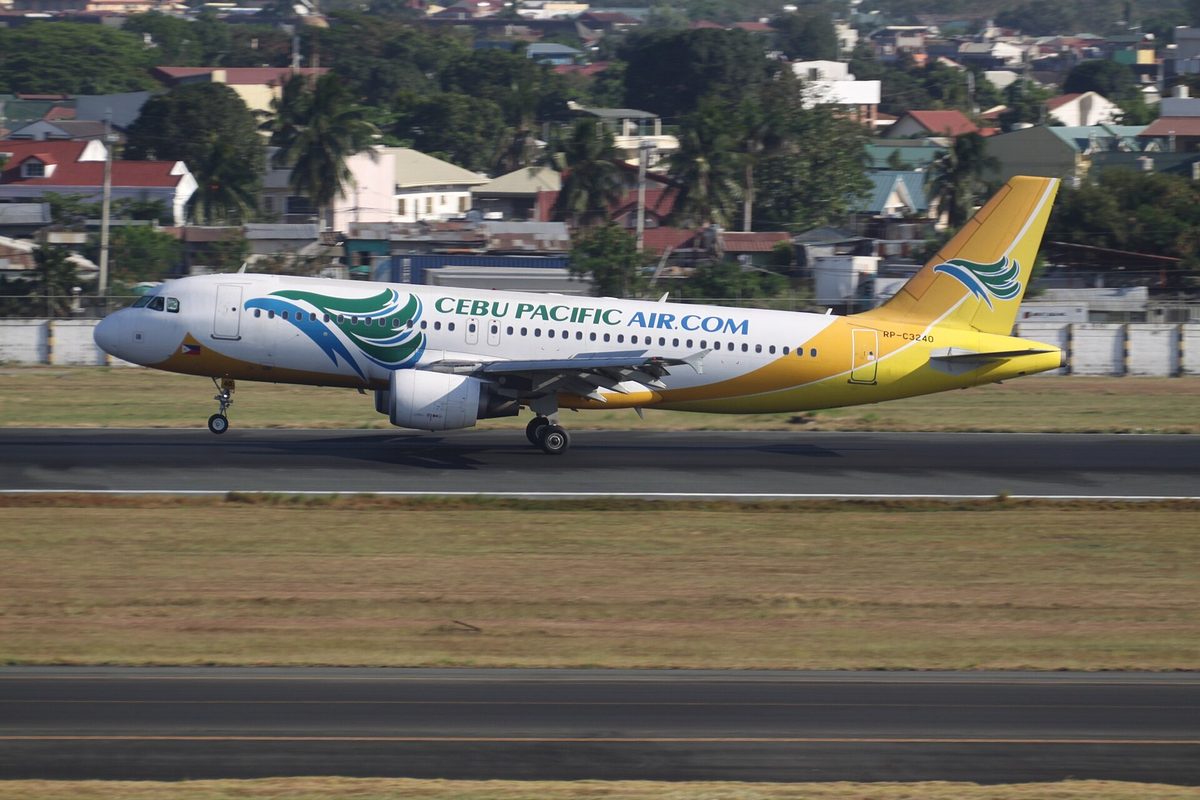
International flights
From the US, Canada, the UK and Australia, the cheapest months to fly into Manila or Cebu are generally September, October, February and early March, the stretches that fall outside the summer-holiday and Christmas demand spikes. Fare trackers have found low-season round trips from the US to Manila dropping toward the $600 to $700 range in these windows, versus well over $1,000 around the December holidays. The most expensive months to fly are reliably December (Christmas and New Year), June and July (northern-hemisphere summer and the Filipino-American visiting season), and the week of Holy Week.
Three tactics that consistently work for international fares:
- Book two to four months out for regular travel, and four to six months out if you must fly over Christmas or Holy Week.
- Fly midweek. Tuesday and Wednesday departures routinely undercut weekend ones.
- Consider a one-stop routing through Tokyo, Seoul, Taipei or Hong Kong, which often beats nonstop fares, and price flying into Cebu, Clark or Davao instead of Manila if it saves you a domestic hop.
Domestic flights and the famous seat sales
Once you’re in the country, the low-cost carriers, Cebu Pacific, AirAsia Philippines and Philippine Airlines, make hopping between islands genuinely cheap, especially if you pack light and travel midweek. The legend here is the Cebu Pacific “Piso fare,” a recurring promo that slashes base fares on selected seats to a single peso (taxes and fees still apply, so a “piso” ticket realistically lands at a few hundred to a thousand-odd pesos once everything’s added). These seat sales run roughly monthly, often tied to anniversaries or national holidays, with travel periods set months ahead. In 2026, for example, Cebu Pacific ran Independence Day and anniversary piso sales with travel windows reaching into the low-season months, squarely where you want to be flying anyway. AirAsia and PAL run their own frequent sales too.
You can’t reliably plan a whole trip around a specific seat sale, since fares are limited and sell out within days, but if your dates are flexible it’s worth following the airlines’ channels and pouncing. Know your travel dates, have your payment ready, and book the moment the sale opens. For the nuts and bolts of moving between islands cheaply, it pays to compare ferries, buses and flights side by side before you commit to a route.
The rainy-season trade-off: is cheap actually worth it?
Let’s deal with the elephant in the room, because this is the question that decides whether low-season savings are a bargain or a trap.
Philippine rainy-season weather is not a constant grey curtain. Through much of June, October and even into the wetter months, the typical day is sunny mornings with heavy showers or thunderstorms rolling in by afternoon, then clearing. You can dive, island-hop and lounge for a good chunk of most days. What you’re really gambling on is the tail risk: a tropical storm or typhoon parking over your islands for two to four days, cancelling ferries and flights and turning your beach into a washing machine. That risk is real and it peaks July through October. For the full picture, see our guides to the Philippines rainy season and typhoon season in the Philippines, which map out exactly which regions get hit when.
My honest take: low-season travel is worth it if you (1) build in buffer days so a single storm doesn’t blow up your whole trip, (2) favor the western seaboard, Palawan and the western Visayas dry out earlier and dodge most Pacific typhoons, (3) buy travel insurance that covers weather disruption, and (4) stay flexible enough to swap a rained-out island day for a city, cave or food day. If you need guaranteed sunshine for a once-in-a-lifetime honeymoon, pay up for the dry season instead and treat the premium as insurance against disappointment. But if you’re a flexible traveler chasing value, the green season is one of the best deals in Asia, and the empty beaches and slashed prices more than make up for the occasional washout afternoon. To match your dates to the conditions island by island, our Philippines weather by month guide is the companion piece to this one.
Dates to avoid if you’re watching your wallet
Some windows are expensive no matter how cleverly you book, because the entire country is travelling at once. Steer around these unless your dates are fixed:
- Christmas and New Year (mid-December to the first week of January). The undisputed price peak. Overseas Filipinos fly home en masse, domestic flights and ferries sell out, and hotel rates can double or triple. Book months ahead or avoid entirely.
- Holy Week (the week before Easter, late March or April, movable). Domestic travel spikes hard as Filipinos head to provinces and beaches. Fares jump, resorts fill, and ferry queues balloon. Easter weekend itself is the crunch.
- Chinese New Year (late January or February). Drives a wave of regional visitors and a bump in fares and hotel demand, especially in Manila, Cebu and tourist hubs.
- Filipino long weekends and holidays. The country observes plenty of public holidays, and when one falls beside a weekend, domestic travel surges and beach-town prices climb. A quick check of the holiday calendar before locking dates can save real money.
The flip side of this coin is obvious: the cheapest time to visit the Philippines is precisely when everyone else stays home, the rainy low season and the quiet shoulders around it.
Sample budgets by travel style
How much you spend per day depends far more on your travel style and which islands you pick than on the calendar, though traveling in low or shoulder season shaves money off every tier below. These are typical 2026 daily figures per person, excluding international airfare, hedged at roughly 58 PHP to the US dollar.
| Travel style | Daily budget (PHP) | Daily budget (USD) | What it looks like |
|---|---|---|---|
| Shoestring / backpacker | ~₱1,500–2,800 | ~$26–48 | Hostel dorms, carinderia meals, jeepneys and ferries, joined tours |
| Mid-range | ~₱4,000–8,000 | ~$70–140 | Private rooms or nice guesthouses, mix of local and tourist dining, the odd domestic flight |
| Comfortable / upper | ~₱10,000+ | ~$170+ | Boutique hotels and resorts, private tours, flights between islands, restaurants |
A few honest caveats on those numbers. The headline islands, Siargao, Boracay and El Nido, run noticeably pricier than the mainland and the quieter provinces, so the same budget stretches further in, say, Dumaguete or Bohol than on a trophy island. And many remote islands have unreliable ATMs or none at all, so carry enough cash to cover your stay plus a buffer. For a full breakdown of what things cost across the country, our Philippines travel cost guide goes line by line on flights, rooms, food and tours.
Where your money goes furthest
Picking the right region is its own form of seasonal saving. Even in peak months, some places stay kind to your wallet while the trophy islands never really get cheap.
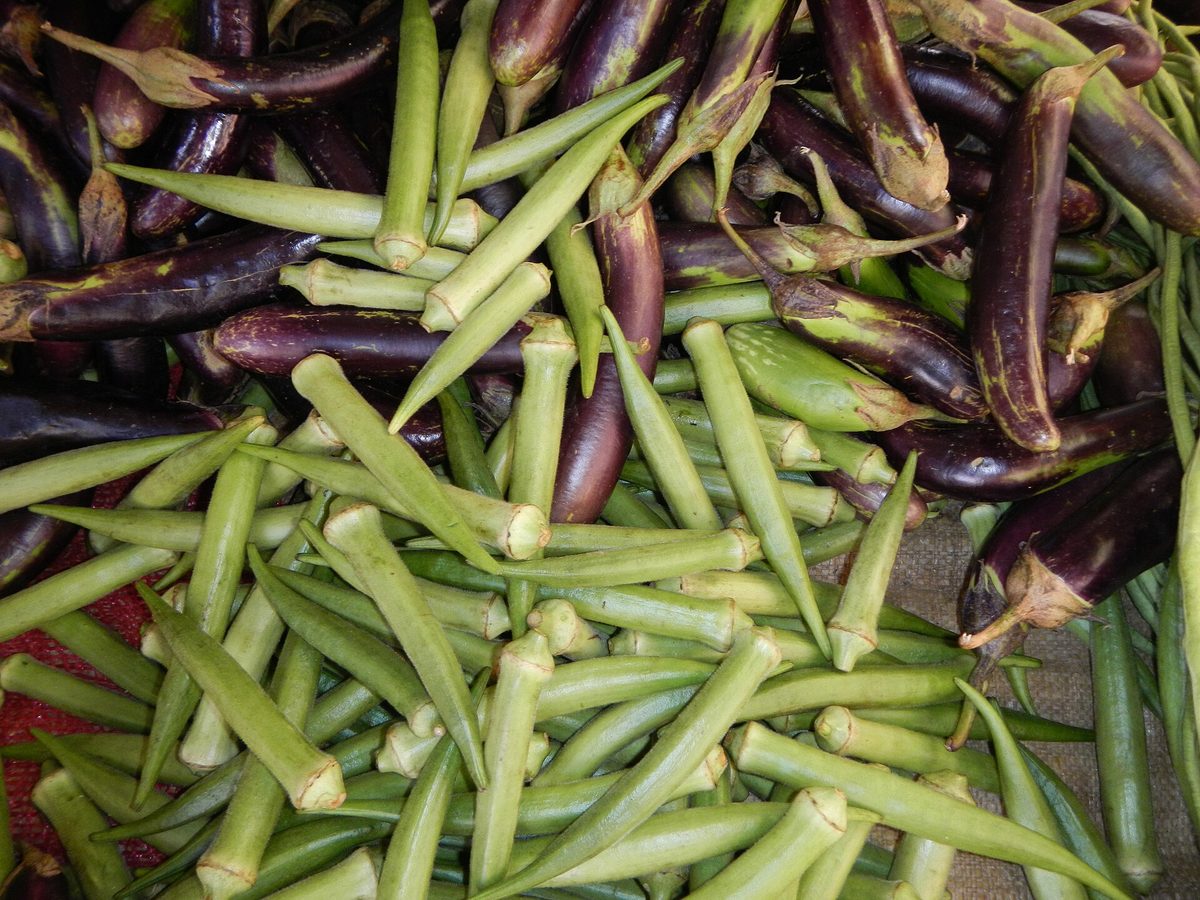
The mainland and the less-hyped provinces, think Dumaguete and the rest of Negros, much of Bohol beyond the resort strip, Cebu away from the beach towns, and the northern Luzon highlands around Banaue and Sagada, deliver the best value year-round. Rooms are cheaper, food is local-priced, and transport is largely buses and ferries rather than flights. In a town like Dumaguete you can eat well for ₱150 a meal and sleep comfortably for ₱1,200, numbers that simply don’t exist on a trophy island in high season. By contrast, the islands that dominate the postcards (Siargao, Boracay, El Nido and Coron) carry a premium baked into everything from boat tours to beer, simply because demand is relentless. You can still do them affordably by visiting in low season, staying in hostels or budget guesthouses, and choosing joined tours over private ones, but they will never be the cheapest corners of the country.
One more lever: overland beats flying for value when you have the time. A night bus or a fast ferry between regions costs a fraction of a domestic flight, and the western Visayas and Palawan reward shoulder-month travel with both lower prices and better weather than the storm-exposed east. As a rule, basing yourself in a regional town and taking day trips out to the islands costs far less than sleeping on the trophy beach itself, where every room carries a resort markup.
Money-saving tactics that actually move the needle
Beyond timing, these are the habits that consistently cut my Philippine spending without making the trip feel like a hardship.
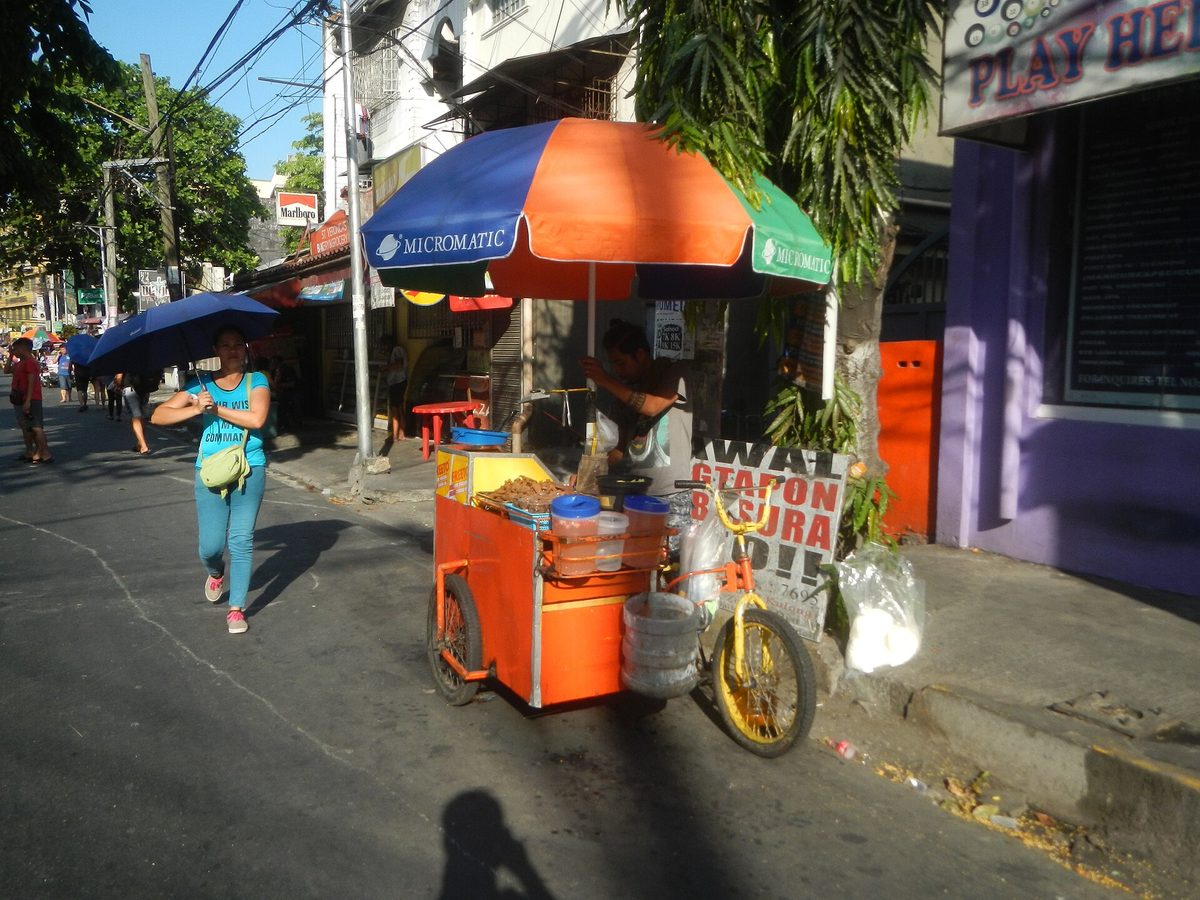
- Eat where locals eat. A carinderia or turo-turo (point-point) eatery serves a hearty rice-and-viand meal for ₱80 to ₱200, against ₱300 to ₱500-plus at tourist restaurants. Street food, fresh-fruit stalls and public markets are cheaper still and often the best food you’ll eat.
- Take ferries and buses over flights where time allows. Inter-island ferries and long-distance buses cost a fraction of domestic airfare. You trade hours for pesos, but the views are usually part of the fun.
- Choose joined island-hopping tours over private. A shared boat tour runs roughly ₱1,200 to ₱2,500 per person; a private charter costs many times that. Unless you need the privacy, the group boat hits the same lagoons.
- Use jeepneys, tricycles and Grab in the cities. A jeepney ride starts around ₱13 to ₱15, the cheapest transport in the country and a small adventure in itself.
- Carry cash, especially off the beaten track. Remote islands have spotty or nonexistent ATMs, and cards are widely declined outside cities and resorts. Withdraw in larger towns and bring a buffer so you’re never stuck.
- Travel the western seaboard in shoulder months to stack a regional discount on top of a seasonal one, with better weather to boot.

The verdict: the single best-value window
If you want the absolute lowest prices and you’re weather-flexible, target August and September, when airfares, rooms and tours all bottom out and the islands are blissfully empty, accepting that a typhoon could eat a few of your days. If you want the best balance of low cost and reliable conditions, my pick is the shoulders: late May into June, and again late September through November, with a special nod to March if your dates are fixed and you’ll pay a touch more for guaranteed sunshine. June, in particular, is my personal sweet spot, low-season prices, warm seas, and rain that’s usually a refreshing afternoon event rather than a trip-killer. Plan the days themselves with a ready-made Philippines itinerary, and you’ll get a memorable trip for a price the December crowd would envy.
Frequently asked questions
What is the cheapest month to visit the Philippines?
August is typically the cheapest month overall, sitting deep in the rainy low season when airfares, hotel rates and tour prices all hit their lowest. September runs a close second and often has the cheapest international flights. The catch is weather: both months carry the year’s highest typhoon risk, so build in buffer days and stay flexible.
What is the cheapest time to fly to the Philippines?
From the US, UK, Canada and Australia, the cheapest months to fly are generally September, October, February and early March, when demand dips between the summer and Christmas peaks. Booking two to four months ahead and flying midweek helps further. Avoid December, June, July and Holy Week, when fares climb sharply.
Is the Philippines cheaper in the rainy season?
Yes, clearly. The wet season from June to October is the cheapest time to visit, with lower airfares, discounted rooms and quieter tours. You’re trading money for weather risk, since this is also peak rain and typhoon season. Favor the western islands like Palawan, which dry out earlier, to get the savings with less disruption.
What months should I avoid for cheap travel in the Philippines?
Avoid mid-December through early January (Christmas and New Year), which is the price peak, and Holy Week in late March or April, when domestic travel surges. Chinese New Year and Filipino long weekends also push fares and room rates up. These are the windows when the whole country travels at once.
How much money do I need per day in the Philippines?
Backpackers can travel on roughly ₱1,500 to ₱2,800 (about $26 to $48) a day using dorms, local food and public transport. A comfortable mid-range trip runs ₱4,000 to ₱8,000 ($70 to $140), and upper-end travel starts around ₱10,000 ($170) a day. Trophy islands like Boracay and El Nido cost more than the mainland.
What is the shoulder season in the Philippines?
The shoulder season falls roughly in late May to June and again September to November, the transitions between the wet low season and the dry peak. You get low-season prices and thin crowds while the weather is better than midsummer, though the Pacific-facing east still carries typhoon risk into October and November. It’s the best-value compromise for most travelers.
Sources and photo credits
Photo credits
- Philippine peso currency — via Wikimedia Commons (CC0)
- Cebu Pacific Airbus A320 — Aeroprints.com, CC BY-SA 3.0, via Wikimedia Commons
- Near-empty beach, Corong-Corong, El Nido — Vyacheslav Argenberg, CC BY 4.0, via Wikimedia Commons
- Public market, Iba, Zambales — Ramon FVelasquez, CC BY-SA 3.0, via Wikimedia Commons
- Carinderia street eatery, Malate, Manila — Judgefloro, CC0, via Wikimedia Commons
- Jeepney — Jorge Láscar, CC BY 2.0, via Wikimedia Commons
Sources
- Philippine Department of Tourism — official travel portal
- PAGASA — Climate of the Philippines (wet and dry seasons)
- Budget Your Trip — Philippines average daily costs
- Cebu Pacific — current seat sales and deals
About this guide: PhilippinesTourism.org is an independent Philippines travel resource. Prices were verified July 2026 and hedged in PHP and USD (~58 PHP = $1); fares and rates change, so confirm current prices before booking.