Philippines Weather by Month: The Full Breakdown
Here is the honest version: the Philippines runs on two monsoons, not four neat seasons, and the rain you get depends as much on which coast you stand on as on the calendar. Broadly, expect a dry stretch from about November to May and a wetter, stormier run from June to October — but the Pacific-facing east flips that script entirely.
I have now done the rounds in every month of the Filipino year, soaked and sunburned in roughly equal measure, and the section below is the at-a-glance table I wish someone had handed me on my first trip. Find your month, then read the regional notes before you book anything, because a “wet” month in Boracay can be a glorious dry one in Siargao.
Philippines Weather by Month: The At-a-Glance Table
This table describes the western and central pattern most travelers plan around (Manila, Palawan, Boracay, Cebu, Bohol). The Pacific east (Siargao, Bicol, Eastern Samar) runs almost opposite and gets its own section below. Temperatures are lowland norms; the highlands are far cooler. “Crowds” reflects tourist and domestic demand, which drives prices.
| Month | Typical weather (lowlands) | Rain | Typhoon risk | Crowds & prices | My one-line verdict |
|---|---|---|---|---|---|
| January | Cool-dry amihan; ~24–30°C, breezy, low humidity | Low (west) | Low | High (post-NYE, Sinulog) | Arguably the best all-round month to visit. |
| February | Cool-dry amihan; ~24–31°C, sunny, dry | Low | Very low | High | Peak conditions, slightly thinner crowds than January. |
| March | Heat building; ~25–32°C, dry, clear | Low | Very low | Medium-high (Holy Week may fall late) | Great beaches; watch for the movable Holy Week rush. |
| April | Hot-dry; ~26–34°C, humid afternoons | Low | Low | High (Holy Week peak) | Hot and busy, but bone-dry and beach-perfect. |
| May | Hottest; ~27–34°C, heat index can top 40°C | Low, late showers | Low-medium | Medium | Sweaty but still mostly dry; the value sweet spot. |
| June | Habagat arrives; ~26–32°C, humid, afternoon rain | Medium, rising | Medium | Low (green season begins) | Showers come and go; prices fall; book flexibly. |
| July | Wet habagat; ~25–31°C, frequent downpours | High | High | Low | Rainy and cheap; surf wakes up in the east. |
| August | Wettest in the west; ~25–31°C, monsoon spells | Very high | High (peak) | Low | The west’s rainiest month; I’d skip Manila and Boracay now. |
| September | Wet, stormy; ~25–31°C, humid | High | High (peak) | Low | Typhoon prime time; flexible plans only. |
| October | Rain easing late; ~25–31°C | Medium-high | Medium-high | Low-medium | Improving by month’s end; shoulder-season bargains. |
| November | Dry season returns to the west; ~24–31°C | Low-medium (west) | Medium (early) | Medium | West dries out as the Pacific east turns wet. |
| December | Cool-dry amihan; ~24–30°C, pleasant | Low (west) | Low-medium | Very high (Christmas/NYE) | Lovely weather, peak prices and packed flights. |
The Two-Monsoon System: Amihan vs Habagat
Forget the four-seasons mental model you grew up with. The Philippines has a tropical, maritime climate, and its weather is governed by two monsoon winds that take turns. Get these two words straight and the whole year suddenly makes sense.
Amihan: the cool-dry northeast monsoon (roughly November to February/March)
The amihan is the northeast monsoon, and it is the season everyone is chasing. Cool, dry air slides down from the Asian mainland, humidity drops, the skies over the western islands go a hard, cloudless blue, and the seas around Palawan and Boracay flatten out. Lowland temperatures sit in a comfortable 24–30°C band, and for once the nights actually feel cool. According to PAGASA, the national weather service, January is the coolest month of the year with a mean of about 25.5°C. If you only ever visit the Philippines once, the amihan months are when to do it.
One under-appreciated detail: the amihan wind itself matters for some activities. That steady northeasterly is what powers kitesurfing season in Boracay’s Bulabog Bay (roughly December to March) and pushes swell onto certain east-facing breaks. It is not just “nice weather” — it is a weather pattern with a direction.
The hot-dry season (roughly March to May)
As the amihan fades, the winds go slack and the mercury climbs. This is the Filipino “summer,” locally called tag-init, and it is still firmly in the dry season — clear skies, calm seas, postcard beaches — just hot. March is pleasant, April warms up, and May is the hottest month, with a national mean around 28.3°C and a heat index that can push past 40°C in Manila and the lowland cities on a bad afternoon. PAGASA notes that March through May is when temperature and humidity hit their annual peak, so it is genuinely uncomfortable inland. The fix is simple: get to the coast or the mountains, drink more water than you think you need, and schedule strenuous things for the morning.
Habagat: the wet southwest monsoon (roughly June to October)
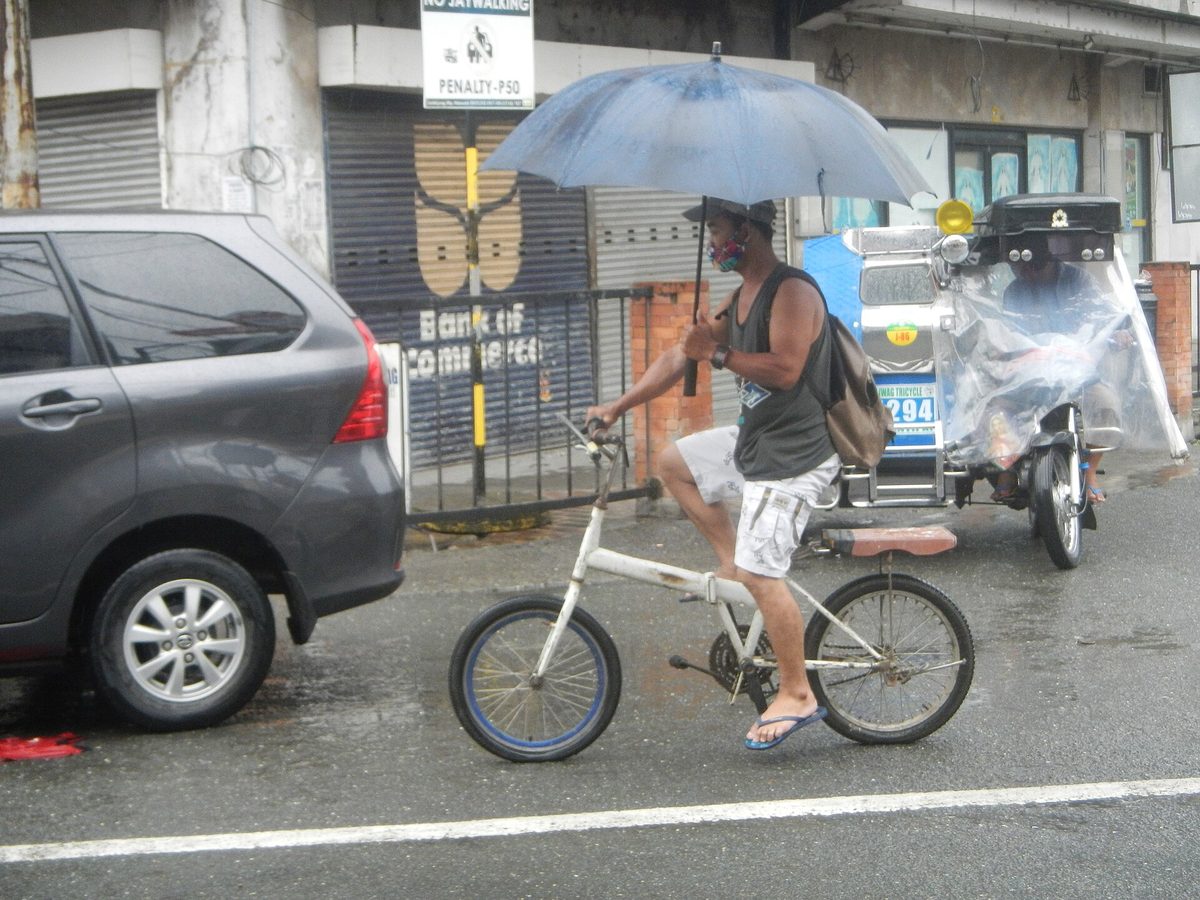
The habagat is the southwest monsoon, and it brings the rain. Warm, moisture-laden air flows up from the southwest, humidity climbs back toward 85%, and the western half of the country settles into a pattern of bright, sticky mornings followed by heavy afternoon and evening downpours. It rarely rains all day every day — that is the single biggest misconception about the Philippine wet season — but when a habagat surge or a passing typhoon parks over Luzon, it can rain for days and Manila’s streets flood fast. August is the wettest month in the west; in Manila the long-term August average tops 400mm, against a barely-there 7–16mm in February. Same city, wildly different months.
The trade-off is real: green season is the cheap season. Rooms, flights and tours all soften, the rice terraces glow emerald, waterfalls run full, and the crowds thin to almost nothing. If you can read a forecast and stay flexible, June and late October in particular can be smart, affordable times to travel.
The Big One Most Guides Get Wrong: The Pacific East Runs Backwards
Here is the fact that should change how you plan, and that generic month-by-month guides routinely fudge: the Philippines does not have one rainfall calendar, it has several. PAGASA officially divides the country into four climate types based on rainfall distribution, and the two that matter most for travelers are near-opposites.
- Type I (the classic west): Manila, most of western Luzon, Palawan, Boracay (Panay) and the western Visayas. Two sharp seasons — dry November to April, wet the rest of the year. This is the pattern the table above describes, and the one nearly every travel article quietly assumes applies everywhere.
- Type II (the Pacific east): Eastern Samar, Catanduanes, much of Bicol, the Eastern Visayas, eastern Mindanao and Siargao. No true dry season at all, and — this is the kicker — maximum rainfall from roughly November to January, exactly when the west is drying out and everyone is posting Palawan sunset photos.
What this means on the ground: when Palawan and Boracay are at their glorious December best, the eastern seaboard can be grey, wet and lashed by amihan-driven rains that pile up against its mountains. And when the west is drowning in August habagat, places like Siargao are often comparatively drier and just hitting their best surf. I have flown from a soaked Manila to a sun-baked Siargao in the same afternoon and watched fellow travelers’ faces fall when they realized their “rainy season” research was written for the wrong half of the country.
The rule I give friends: if your trip centers on the Pacific east, treat roughly March to early October as the better window and November to February as the wettest. If it centers on the west, do the opposite. And if you are island-hopping across both — say Palawan plus Siargao — accept that no single month is perfect everywhere and plan the sequence around it. Our guide to the best time to visit the Philippines digs deeper into matching dates to regions, and a well-sequenced route can string the two coasts together sensibly.
A Month-by-Month Walk Through the Philippine Year
The table up top is for quick decisions. This is the slower read — what each stretch of the year actually feels like, grouped by season, with the honest calls about when to come and when to think twice. Rainfall figures below are long-term station averages for the western pattern unless noted.
December to February: the cool-dry amihan (the sweet spot)
This is the Philippines at its most postcard-perfect for the western and central islands, and it is no accident that this is peak tourist season. Days are sunny and warm, nights are genuinely cool, humidity is low, and the seas calm right down for island hopping in Palawan and the Visayas. Manila sees barely any rain — on the order of 16mm in January and 7mm in February — while Palawan and Boracay are reliably dry. December brings Christmas and New Year, the biggest domestic travel surge of the year, so flights and resorts book out and prices spike from mid-December into the first week of January. Our guide to the Philippines in December and January unpacks that Christmas crush properly. January calms down after New Year and hosts the country’s two giant festivals, Sinulog in Cebu and Ati-Atihan in Kalibo, both around the third week. February is my personal pick: the same fine weather as January with slightly thinner crowds. Just remember the Pacific east (Siargao, Bicol, Eastern Samar) is in its wettest stretch right now.

March to May: the hot-dry season (beaches yes, inland heat no)
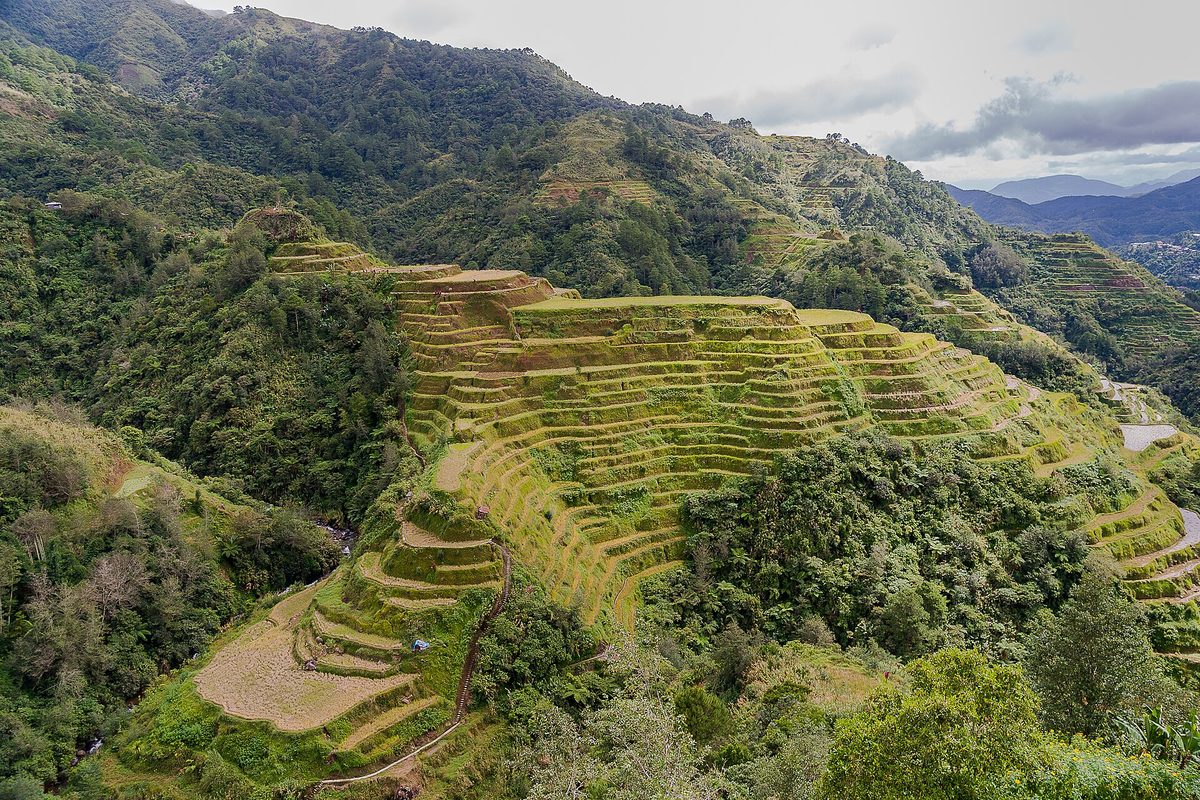
Still dry, still beach-perfect, but the heat builds week by week. March is the last comfortable month inland and a brilliant time for the Banaue rice terraces and the beaches alike. April and May are the hottest months of the year — lowland cities bake, and PAGASA’s heat index can nudge past 40°C on the worst afternoons. The sea, though, is bathwater-warm and the skies stay clear, so this is prime time for Palawan, Boracay and Coron if you do not mind sweating. Two scheduling landmines: Holy Week (the week before Easter, movable, usually late March or April) triggers a massive domestic exodus when many businesses close from Maundy Thursday to Easter Sunday and transport sells out; and the school-break months push Filipino families to the beaches. Book Holy Week far ahead or steer around it. For divers, this is when Donsol’s whale-shark season peaks (roughly February to April).
June to August: the habagat opens (rain returns, prices drop)
The southwest monsoon arrives, usually filtering down from the north through June. June is a genuine shoulder month: showers come and go, but you still get plenty of sun, and prices fall off the peak-season cliff. July turns properly wet in the west, and August is the rainiest month of all for Manila, Boracay and much of Luzon — Manila’s August average tops 400mm and Boracay can clear 500mm. This is also when typhoons get serious. My honest take: if your heart is set on Boracay or a Manila-Luzon trip, August is the month I would most readily skip. But the same rains that drown the west are when the Pacific east is comparatively drier, and it is the start of Siargao’s marquee surf season, which runs roughly August to November.
September to November: peak storms, then the turn (gamble early, win late)
September sits squarely in typhoon prime time and stays wet and humid; unless you are chasing surf or cheap green-season rates, it is a roll of the dice. October is the great improver — rains ease through the month and by the last week the western islands often look gorgeous again, with shoulder-season prices still in effect. November is the official return of the dry season to the west: the amihan reasserts itself, Palawan and Boracay dry out, and crowds are still moderate before the December rush. The flip side, again, is that November is when the Pacific east tips into its wettest months — so a November trip to Siargao or Bicol is a different bet than a November trip to El Nido.
Temperature and Humidity: What to Actually Pack
The thing that surprises first-timers is how little the temperature moves. Lowland Philippines hovers around 24–32°C all year — PAGASA puts the national mean at about 26.6°C, ranging from a coolest January (25.5°C) to a warmest May (28.3°C). Sea temperatures stay warm enough for swimming in any month. What changes is not really the heat, it is the humidity and the rain. March is the driest air of the year; September the most humid, around 85%.
So for the lowlands and beaches, pack light: breathable cotton and linen, swimwear, reef-safe sunscreen, a hat, and a light rain shell or travel umbrella if you are visiting June to November (or the Pacific east November to January). The one thing people get badly wrong is altitude. The mountains are a different country, weather-wise.
- Baguio (about 1,500m) runs roughly 19–20°C on the annual mean and dips to about 18°C in its coolest months — sweater weather, especially at night. Locals call it the summer capital for a reason.
- Sagada and the Cordillera highlands get cold, foggy mornings; bring a fleece even in the dry season.
- Mount Pulag, Luzon’s highest peak, can drop near freezing at the dawn summit, and frost on the grass is a regular event in the cool-dry months. A proper jacket, hat and gloves are not optional up there.
If your itinerary mixes beach and mountains — a very common Luzon combo — pack as if for two climates, because you are. The same week can mean board shorts on the coast and a down jacket at 2,900 metres.
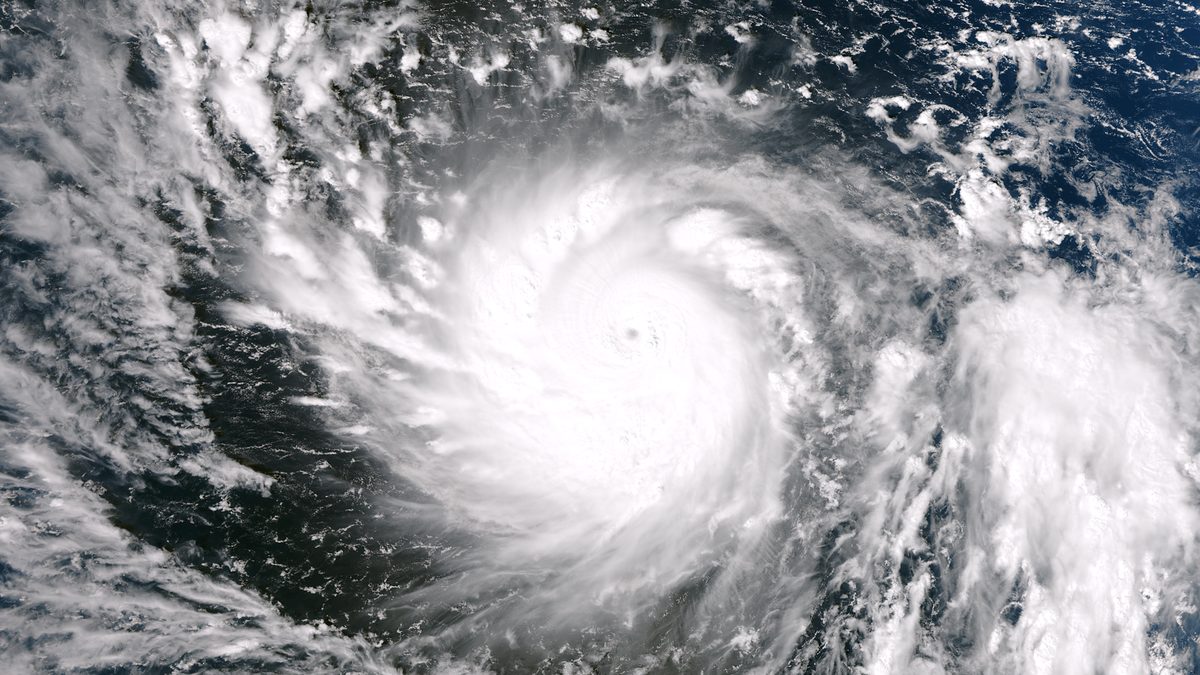
Typhoon Season: When and Where the Storms Hit
Let us be clear-eyed about this, because it is the part that actually disrupts trips. Tropical cyclones can form in any month, but the season has a distinct shape — and our full guide to typhoon season in the Philippines covers what to do if one lands on your dates. On average, around 20 tropical cyclones enter the Philippine Area of Responsibility each year, and roughly 8 or 9 make landfall. The peak runs July through October, when nearly 70% of all Philippine typhoons occur, with August to October the most active stretch. For 2026 specifically, PAGASA’s seasonal outlook projected on the order of 9 to 17 tropical cyclones entering the Area of Responsibility between May and October — though PAGASA revises these forecasts through the year, so check its latest bulletin for the current figure.
Geography matters as much as the calendar. The eastern seaboard — Bicol, Eastern Samar, Catanduanes, eastern Mindanao — faces the Pacific and takes the first and hardest hits; Mindanao, sitting at a lower latitude, is spared the majority of direct strikes, which is part of why the far south stays so reliably warm and farmable. A storm does not have to make landfall near you to matter, either: a typhoon hundreds of kilometres away can drag the habagat over Luzon and flood Manila for days (the locals call these habagat rains).
What this means practically: if you travel July to October, build slack into your plans, favour trip insurance, avoid tight back-to-back domestic flight connections, and keep an eye on PAGASA bulletins. Ferries are the first thing to stop when seas get rough, so an island-hopping itinerary is the most weather-exposed kind of trip in storm season. None of this should scare you off green-season travel — millions visit happily — but go in flexible, not on a rigid schedule. Our notes on staying safe in the Philippines cover typhoon-season common sense in more depth.
Weather by Region: The Quick Version
Because the country is not one weather system, “when should I go to the Philippines” is really a stack of regional questions. Here is how the main destinations break down. When in doubt, match the region to the season rather than picking a month and hoping.
Palawan (El Nido, Coron, Puerto Princesa)
Classic Type I western pattern. Dry and gorgeous roughly November to May, with the calmest seas and clearest lagoon water from December through April — the prime island-hopping window. June to October brings habagat showers and choppier crossings, though Palawan often stays a touch drier than Manila. If El Nido’s Big Lagoon is your dream shot, aim for the amihan and book a morning boat. See our full Palawan travel guide for the month-by-month detail.
Boracay and the western Visayas (Panay, Negros)
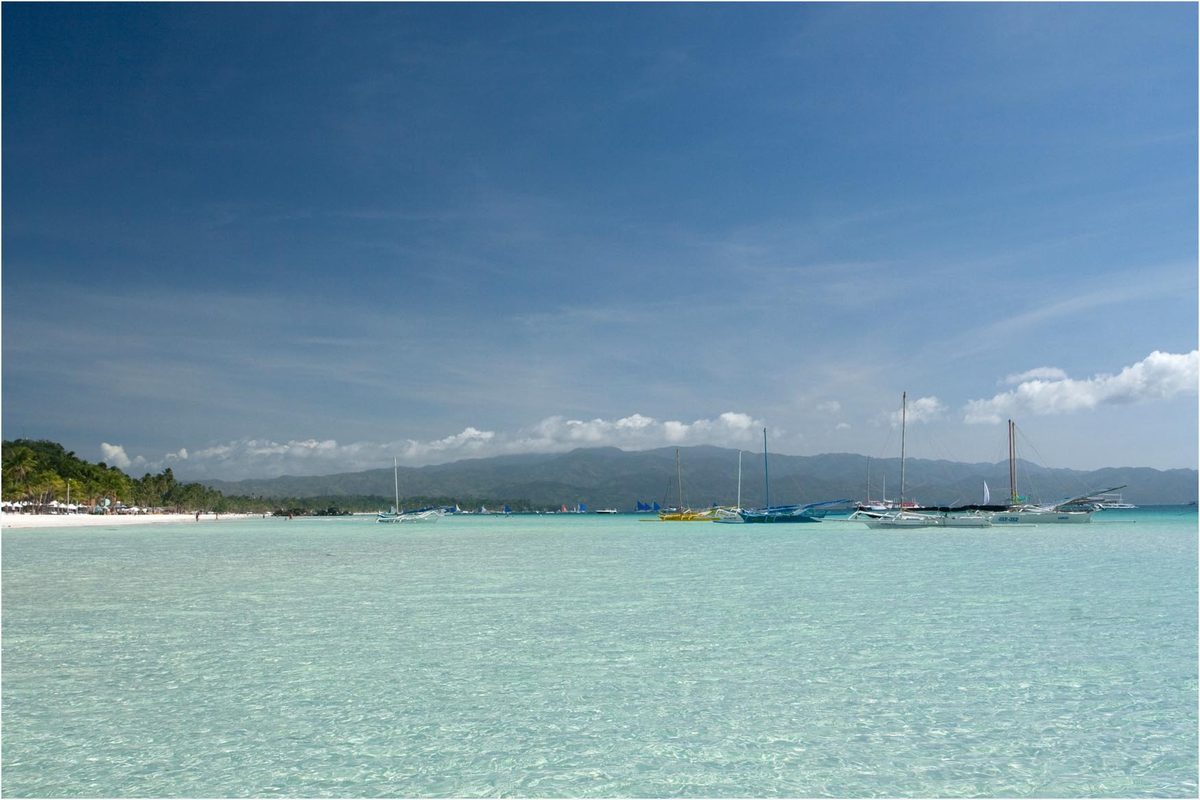
Also Type I, and the seasonality is sharp. White Beach is at its best November to May; the amihan months also bring the steady wind that fuels Bulabog’s kitesurfing scene (December to March). August is the wettest month and the one I would avoid for a beach holiday here. The Boracay travel guide breaks down which season suits which side of the island.
Cebu, Bohol and the central Visayas
A milder version of the western pattern — rain is spread more evenly through the year, so there is no truly dead month. The driest, easiest stretch is roughly February to May. Cebu often stays usable when Manila is soaked, which is part of why it makes such a reliable base; the Moalboal sardine run and Malapascua’s thresher sharks are year-round. October to December can see the odd late storm swing through.
Siargao and the Pacific east (Bicol, Eastern Samar)
This is the Type II zone with no real dry season and its wettest months around November to January. Counter-intuitively, the best window is roughly March to October — and that overlaps neatly with surf season, which peaks August to November when the Pacific swells arrive. So Siargao is the rare Philippine destination where the western “rainy season” is actually a fine time to go. The Siargao travel guide covers the surf calendar break by break.
Manila and central Luzon
Type I, and the textbook example of it: bone-dry winters (February averages under 10mm) and a drenched August over 400mm. The cool-dry months (December to February) are by far the most comfortable for city sightseeing; April and May are punishingly hot; and the habagat months bring the flash flooding the city is known for. Treat Manila as a gateway and time your days here for the dry season if you can.
Northern highlands (Baguio, Sagada, Banaue)
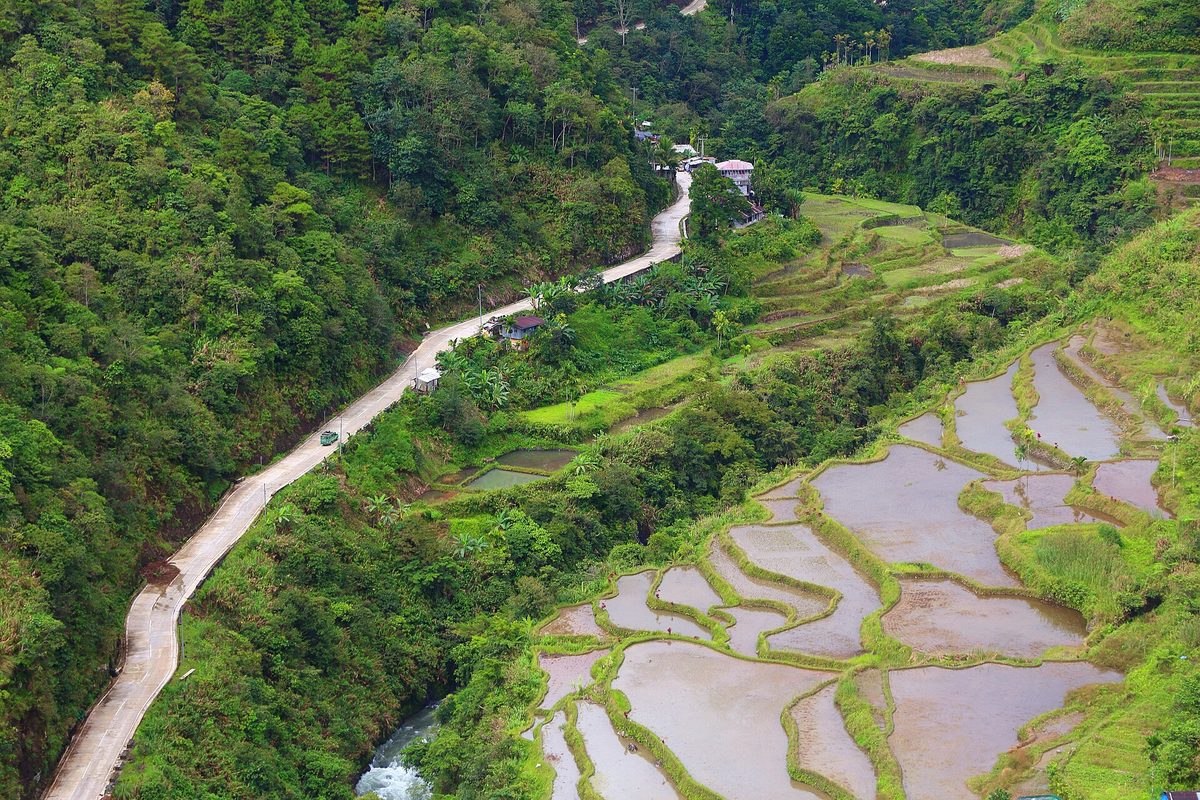
Cool all year and a refuge from the lowland heat, but wetter than the coast — the mountains wring rain out of both monsoons. The best trekking and rice-terrace months are the drier shoulders: roughly March to May and again October to November, when the terraces are either freshly planted-green or golden at harvest. Pack warm layers regardless of season, and note that mountain roads are the first to suffer in heavy rain — check conditions before committing to a tight highland loop.
Best Time to Go by Type of Traveler
Sometimes the right month is dictated less by where you are going than by what you want to do. Here is how I would time the trip around the activity.
- Beaches and island hopping: December to May for the west (Palawan, Boracay, Coron), with February to April the safest bet for calm seas and clear water. Skip August in the west.
- Diving: Largely year-round, but visibility is best in the dry months. Tubbataha in the Sulu Sea is liveaboard-only and runs a tight mid-March to mid-June window. Donsol’s whale sharks peak February to April.
- Surfing: Flip the calendar. Siargao and the Pacific coast fire from roughly August to November, when the western “wet season” sends the swell the surfers want.
- Festivals: January is the heavyweight month — Sinulog (Cebu) and Ati-Atihan (Kalibo) both land mid-month, with Panagbenga in Baguio in February and MassKara in Bacolod in October. Our festivals calendar lays out the whole year if you want to plan a trip around one.
- Budget and crowds: June to early December (minus the Christmas spike) is green season — the cheapest flights, the lowest room rates, the emptiest beaches. If you can tolerate some rain and stay flexible, your money goes much further. Off-season travel can roughly halve what you spend on rooms and flights.
- Rice terraces and trekking: March to May for green planted terraces, October to November for the golden terraces of harvest season; both avoid the wettest highland months.
Frequently Asked Questions
What is the rainiest month in the Philippines?
For the western and central islands — Manila, Boracay, much of Luzon — August is the wettest month, with Manila averaging over 400mm and Boracay clearing 500mm. But this is region-specific: on the Pacific east (Siargao, Bicol, Eastern Samar), the rainiest months are roughly November through January, the exact opposite. Always ask “rainiest where?” before you plan.
When is the best month to visit the Philippines for good weather?
For most travelers, the cool-dry amihan months of December through February are the best overall: warm, sunny days, low humidity, calm seas and minimal typhoon risk across the popular western and central islands. February in particular pairs peak weather with slightly thinner crowds than the Christmas-and-New-Year rush. If you are heading to the Pacific east instead, aim for March to October.
Is the rainy season a bad time to visit the Philippines?
Not necessarily. The wet season (roughly June to October in the west) rarely means all-day rain — you typically get sunny mornings and heavy afternoon showers, plus the lowest prices and thinnest crowds of the year. The real risks are typhoons and ferry cancellations, so build slack into the schedule and buy travel insurance. For a fixed, can’t-shift beach holiday in the west, though, I would still favour the dry season.
Does it ever get cold in the Philippines?
In the lowlands, no — it stays warm (24–32°C) all year, and sea temperatures are swimmable in every month. Altitude is the exception. Baguio averages in the high teens to around 20°C, the Cordillera highlands get genuinely chilly at night, and Mount Pulag can approach freezing at its dawn summit, frost included. If your trip climbs into the mountains, pack warm layers even in “summer.”
How many typhoons hit the Philippines each year?
On average about 20 tropical cyclones enter the Philippine Area of Responsibility annually, and roughly 8 or 9 make landfall. The peak is July to October, which together account for around 70% of the country’s typhoons. The eastern, Pacific-facing provinces take the brunt; Mindanao in the far south is largely spared direct hits, which is why it stays so reliably warm.
What is amihan and habagat?
They are the two monsoon winds that drive Philippine weather. Amihan is the cool-dry northeast monsoon (about November to March) that brings the pleasant, sunny peak season to the western islands. Habagat is the warm, wet southwest monsoon (about June to October) that brings the rainy season and the afternoon downpours. Knowing which one is blowing tells you more than any single temperature figure.
The Bottom Line
If you want the one-sentence answer: come during the cool-dry amihan (December to February) for the best all-round weather across the popular western and central islands, accept the heat if you travel March to May, and treat June to October as the cheaper, greener, storm-exposed gamble that pays off for surfers and budget travelers. Then double-check your specific region, because the Pacific east plays by its own rules. Match the season to the place, stay flexible in storm months, and the Philippines will deliver in any month you choose.
Sources and photo credits
Photo Credits
- White Beach, Boracay (dry season) — Tuderna, CC BY 3.0, via Wikimedia Commons
- Banaue rice terraces, Ifugao — CEphoto, Uwe Aranas, CC BY-SA 3.0, via Wikimedia Commons
- Christmas parol lanterns — Lady01v, CC BY-SA 4.0, via Wikimedia Commons
- Wet-season flooding, central Luzon — Judgefloro, CC0, via Wikimedia Commons
- Cool northern highlands, Cordillera — Marek Ślusarczyk (Tupungato) Photo portfolio, CC BY 3.0, via Wikimedia Commons
- Typhoon satellite image — NASA/NOAA, Public domain, via Wikimedia Commons
- El Nido lagoon, Palawan — Vyacheslav Argenberg, CC BY 4.0, via Wikimedia Commons
Sources
- PAGASA — Climate of the Philippines (seasons, climate types, temperature and rainfall norms)
- PAGASA — Tropical Cyclone Information (typhoon frequency and seasonal outlook)
- Philippine Department of Tourism — official travel portal
- Climate of the Philippines — overview and regional data
About this guide: PhilippinesTourism.org is an independent Philippines travel resource. Facts and prices were verified July 2026; seasons and weather vary year to year, so check current forecasts before you travel.