Dry Season vs Rainy Season in the Philippines
The Philippines runs on two seasons, not four: a dry season from roughly November to May and a wet, or rainy, season from about June to October. The cool, dry stretch from December to February is the easiest time to travel, but the rains are far more forgiving than most people fear, and the right month really depends on which island you choose.
I have traveled this country in blazing April heat and in the thick of an August downpour, and I will say upfront that the seasons here are misunderstood almost everywhere online. People picture monsoon as a wall of grey rain for months. What you actually get, in most of the country, is bright mornings and a heavy afternoon shower that clears as fast as it arrived. So before you cancel a July trip or pay peak prices for January, let me walk you through how it really works.
Dry season vs rainy season in the Philippines: an at-a-glance comparison
Here is the short version in a single table. Treat the months as rules of thumb, not hard borders, because the changeover drifts by a few weeks every year and the eastern coast plays by its own rules (more on that below).
| Dry season | Rainy season | |
|---|---|---|
| Months | ~November to May | ~June to October |
| Monsoon | Amihan (cool NE) then hot-dry | Habagat (southwest) |
| Weather | Mostly sunny; Dec–Feb cool and dry, Mar–May hot and humid | Sunny mornings, afternoon and evening downpours, higher humidity |
| Crowds | High, peaking Dec–Feb and Holy Week | Low; you often have beaches to yourself |
| Prices | Highest, especially Christmas and Easter week | Lowest; flights and rooms drop noticeably |
| Island hopping | Reliable; calm seas almost everywhere | Good on most days, but western-coast tours can be cancelled by no-sail rulings |
| Surf | Quiet on the Pacific coast | Prime season on Siargao and the east (Aug–Nov) |
| Scenery | Toasted brown by April; clearest skies | Green, lush, waterfalls at full volume |
| Best for | First-timers, divers, beach trips, festivals | Surfers, budget travelers, anyone who hates crowds |
The monsoon system: amihan and habagat in plain English
Almost every season in the Philippines comes down to two winds, and locals name them after the direction the wind blows from. Understand these two words and you understand the whole year.
Amihan is the northeast monsoon. From around November to February, cool, dry air sweeps down from the Asian mainland across the archipelago. This is the pleasant one. Mornings can feel almost crisp in Manila and genuinely cold up in the mountains around Baguio and Sagada. The skies are at their clearest, the sea flattens out, and this is why peak tourist season lines up almost exactly with amihan.
Habagat is the southwest monsoon, and it is the engine of the rainy season. From around June to October, warm, moisture-laden air blows up from the Indian Ocean and the South China Sea, dumping its water on the western side of the country. Habagat is why Manila, Boracay and the west coast of Palawan get their soaking from June onward. It also raises the humidity, so even on a rain-free afternoon the air feels heavier than it does in January.
Between the two sits a short, hot transition. Once amihan fades in late February and before habagat arrives in late May or early June, the country bakes. Filipinos sometimes call this “summer,” and it is the hottest, most humid stretch of the year. So the dry season is really two seasons wearing one label: a cool-dry phase and a hot-dry phase. Keep that distinction in your head and you will never book the wrong month by accident.
Philippines rainy season, month by month (and the cool-dry vs hot-dry split)
The national weather service, PAGASA, splits the calendar into a rainy season from June to November and a dry season from December to May, then subdivides the dry season into cool-dry (December to February) and hot-dry (March to May). Here is how that feels on the ground.
December to February: cool, dry, and the best window
This is the sweet spot. Daytime temperatures sit comfortably in the high twenties Celsius (low eighties Fahrenheit), humidity drops, and rain is scarce across most of the country. January is statistically the coolest month. The trade-off is that everyone else knows this too, so you are paying peak prices and sharing the lagoons. If you only get one shot at the Philippines and you hate gambling on weather, come now.
March to May: hot, dry, and increasingly sweaty
The rain stays away but the heat builds relentlessly. By April and May the lowlands can feel genuinely punishing, with the heat index spiking on still afternoons. It is still a fine time for the beach and the sea is calm, but skip strenuous daytime hikes. One big caveat: Holy Week, the week leading up to Easter (late March or April), is the single biggest domestic travel surge of the year. Filipinos flood the beaches, transport sells out, and resort rates can double or triple. Book months ahead or steer around it entirely.
June to October: the habagat rains arrive
This is the heart of the rainy season. The rains usually begin in the second half of May or early June; in 2026, PAGASA officially declared the onset of the rainy season on June 4, a few days after the southwest monsoon set in. Expect warm, humid days broken by heavy afternoon or evening showers, with July and August the wettest months on the western side. This is also when tropical cyclones are most likely, with the bureau forecasting nine to thirteen of them entering Philippine waters across the June-to-November window in 2026.
November: the shoulder month
November is the hinge. The western rains taper off and amihan starts to nose in, so it often delivers dry-season conditions at slightly-below-peak prices on the popular islands. The catch is that late-season typhoons remain possible, and on the Pacific coast November is when the wettest stretch is just beginning. It is my favorite gamble: usually it pays off beautifully.
The Pacific-seaboard exception: why “rainy season” depends on where you go
Here is the single most important thing most guides leave out. The “June-to-October rains, November-to-May dry” pattern describes the western and central Philippines. The eastern, Pacific-facing coast does almost the opposite, and if you ignore this you can land in a downpour during what you thought was the dry season.
PAGASA recognizes four climate types across the archipelago, based on how rainfall is spread through the year. You do not need the textbook, just two of them.
- Type I covers Manila, western Luzon, most of Palawan and Boracay. It has a clearly defined dry season from roughly November to April and a wet season the rest of the year. This is the pattern everyone means when they say “Philippines rainy season.”
- Type II covers the eastern seaboard: Siargao, Eastern Visayas (Samar, Leyte), much of Bicol, and eastern Mindanao. There is no true dry season here at all, and the rainiest stretch falls around November to January. Rainfall is, broadly, reversed.
The other two types sit in between: more even rainfall, with the central islands like Cebu seeing seasons that are far less pronounced than Manila’s. The practical upshot is simple. If you are chasing dry weather in July, you go west to Palawan only if you accept some risk, or you accept the rain and lean into the upsides. If you want sunshine in December and your friend is heading to Siargao, warn them: that is the start of the east coast’s wet stretch, even as Manila enjoys its finest weather of the year. Same country, same week, opposite skies.
What the rainy season actually feels like (the afternoon-shower truth)
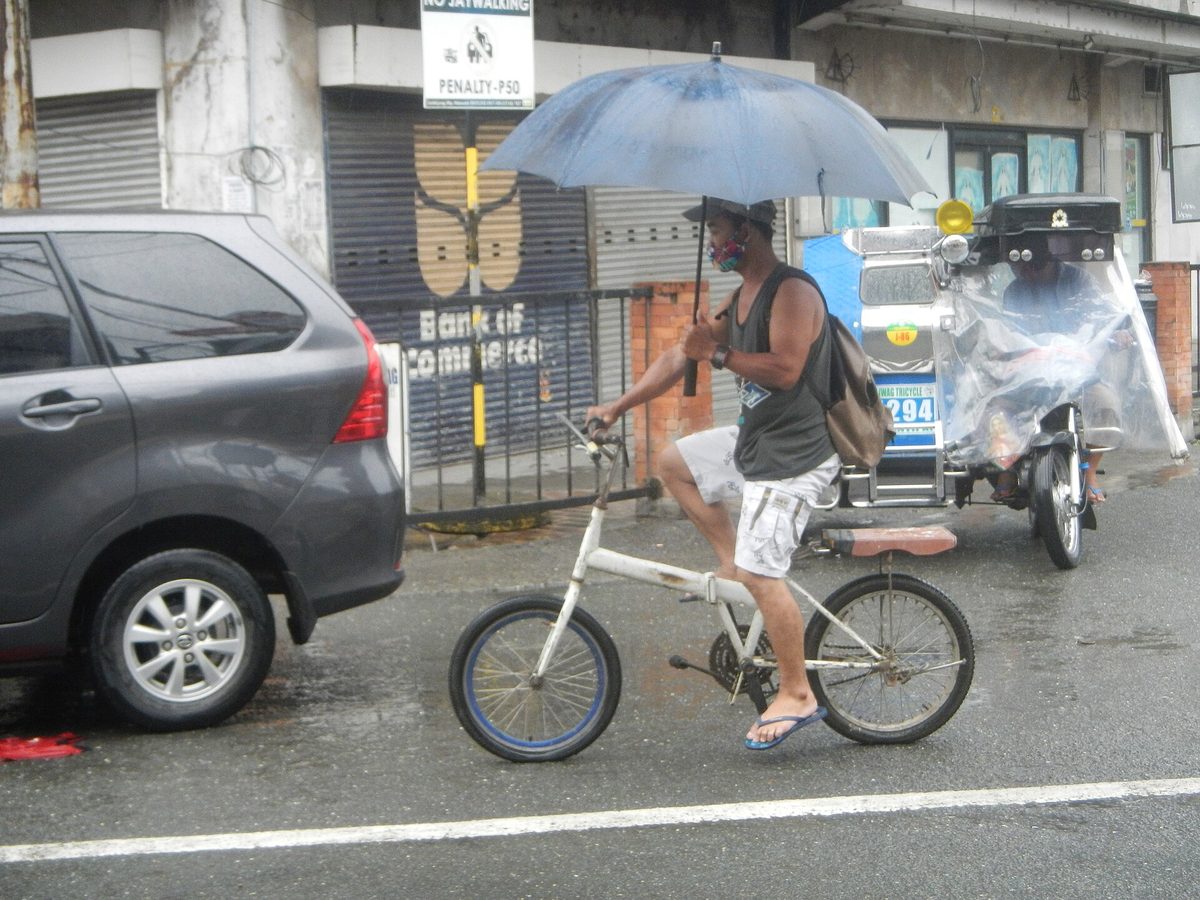
Let me bust the biggest myth directly, because it costs people good trips. Rainy season in most of the Philippines does not mean all-day, every-day rain. The typical pattern is a bright or partly cloudy morning, clouds building through midday, and then a heavy burst of rain in the late afternoon or evening that often clears within an hour or two. Plenty of wet-season days hand you a full morning of sunshine, which is more than enough to get out on the water before lunch.
What does change is the rhythm of your day. You front-load activities into the morning, you keep plans flexible, and you carry a light rain jacket and a dry bag for your phone. Sudden downpours and sunny breaks can happen within the same hour, so the trick is to plan around the weather rather than against it. A rained-out afternoon in the Philippines is not a disaster; it is an excuse for a long lunch, a massage, or a nap while the world steams outside.
The honest exceptions are the bad days. When a tropical storm or typhoon is in the area, or when the habagat surges, you can get a genuine multi-day soaking with grey skies and rough seas. Those stretches are real and worth planning around, which is exactly why I would not build a tight, unmovable itinerary through the western islands in July or September. Give yourself slack and the rainy season is far more forgiving than its reputation.
Pros and cons of each season
Neither season is “better.” They are better for different trips. Here is how I weigh them.
Dry season: the case for and against
For: reliable sunshine, calm seas for island hopping, the best underwater visibility for diving, and the festival-packed December-to-February calendar. If your dates are fixed and you cannot afford a washout, this is the safe pick. Against: the highest prices of the year, crowded boats and beaches, sold-out rooms around Christmas and Holy Week, and brutal heat by April and May. The brown, sun-scorched landscapes of late dry season also photograph far less lushly than the green of the wet months.
Rainy season: the case for and against
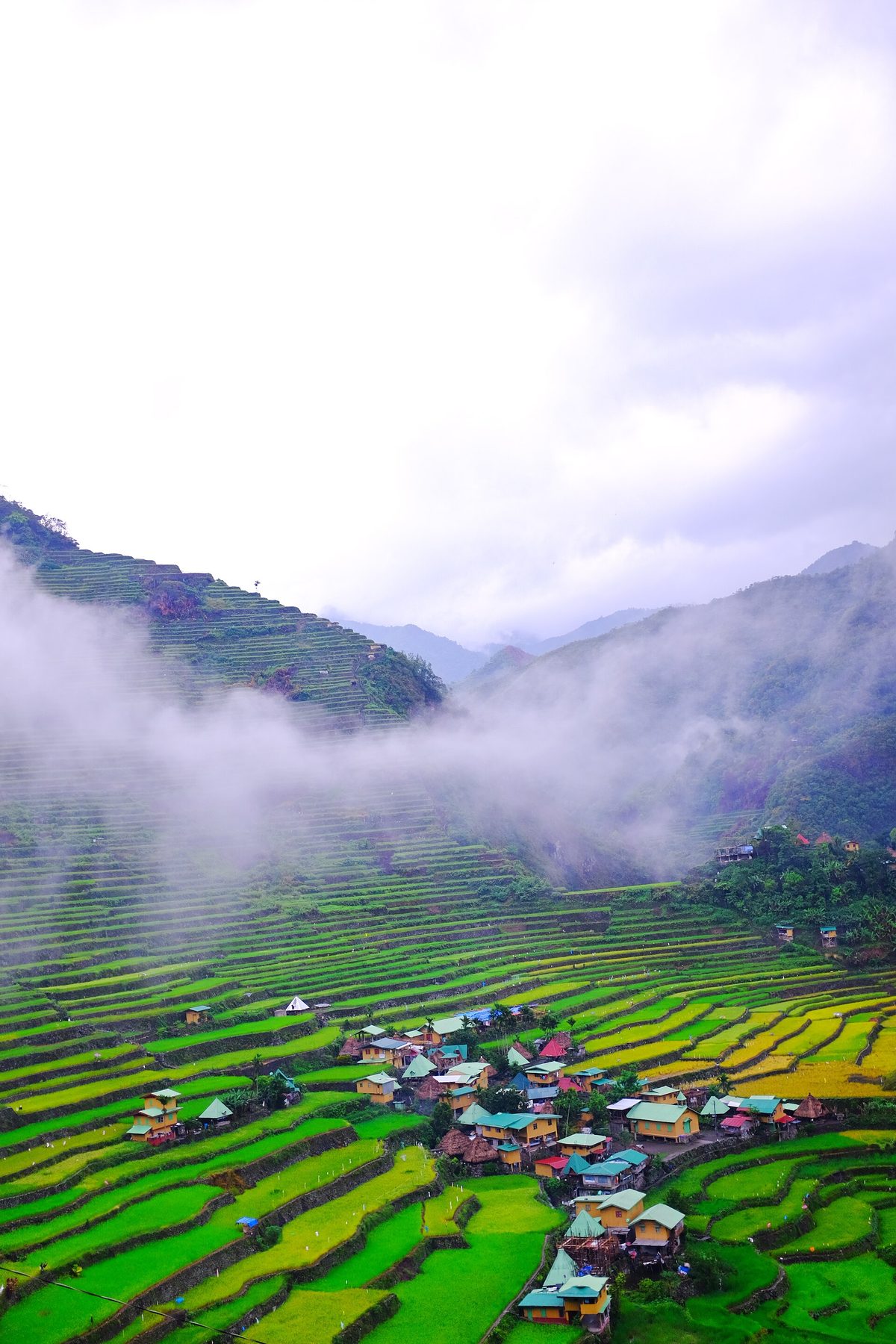
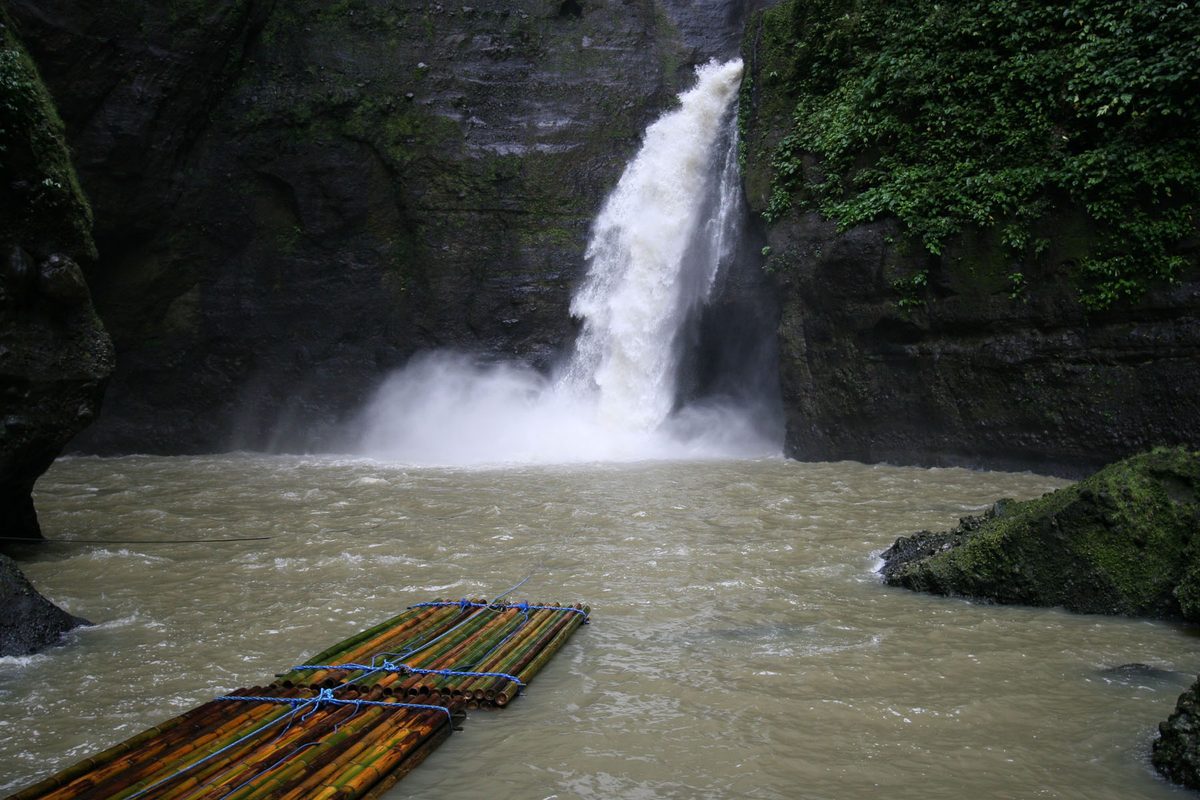
For: dramatically fewer crowds, lower prices on flights and rooms, electric-green rice terraces, waterfalls thundering at full volume, and prime surf on the Pacific. You can have famous spots almost to yourself. Against: the real risk of cancelled boat trips and ferries on the western coast when the Coast Guard issues a no-sail ruling, peak typhoon season from July to October, and the chance that a storm parks itself over your beach for three days. Diving visibility can also drop after heavy rain stirs up the water.
Season by region: where to go and when
Because the climate types vary so much, the right month depends entirely on your destination. Here is the quick regional read.
Palawan (El Nido, Coron, Puerto Princesa)
Classic Type I weather. The dry season from roughly December to May is prime time for the lagoons, with calm seas and dependable sunshine, peaking in clarity from January to April. June to October brings the habagat, and while plenty of tours still run on sunny mornings, this is the coast most likely to see boat trips paused when the sea kicks up. If you come to Palawan in the wet months, build in spare days. Read more in our guide to island hopping conditions in the Philippines.
Boracay
Also Type I. White Beach is at its postcard best from late November through May, when the water is glassy and the sunsets are reliable. The rains build from May into the summer months, with July and August the wettest. The upside of a wet-season Boracay trip is obvious the moment you see the half-empty beach and the slashed room rates. The downside is that water sports and Tour-style boat trips depend on the day.
Cebu and the central Visayas
The middle of the country is more forgiving. Cebu’s rainfall is spread more evenly through the year, so there is no dramatic wet-versus-dry swing the way there is in Manila. You can dive Moalboal’s sardine run or canyoneer to Kawasan Falls in almost any month, though the December-to-May window still gives you the most settled conditions. This makes the Visayas a smart rainy-season hedge: when the western islands are getting soaked, central destinations like Cebu, Bohol and Negros often stay workable.
Siargao and the Pacific coast
This is the reversal in action. Siargao sits on the Type II eastern seaboard, with no real dry season and its wettest stretch around November to January. But for surfers that timing is the whole point: the swell builds from around August to November, which is peak season for Cloud 9 and the reason surfers happily ignore the national “dry season” calendar. If you are coming for the waves, the western rainy season is your friend. See our Siargao travel guide for the surf calendar in detail.
Manila
The capital follows the textbook Type I pattern as clearly as anywhere: bone-dry and pleasant from December to February, increasingly hot through April and May, then genuinely wet from June, when habagat downpours can flood low-lying streets within an hour. If Manila is just your gateway, time your arrival and departure to dodge the afternoon deluge in the wet months and you will barely notice it.

Season by traveler type
Still not sure? Match the season to the kind of trip you actually want.
- Beach and island hopping: December to May, with January to April the safest for calm western seas. Avoid Holy Week unless you have booked far ahead.
- Diving: the dry season generally gives the best visibility, though specific sites have their own calendars. Thresher sharks off Malapascua and the Moalboal sardine run are reliable year-round, so divers have good options in every season; whale-shark encounters in Donsol, by contrast, peak in the dry months from December to May.
- Surfing: flip the calendar. Siargao and the Pacific coast peak from August to November, squarely inside the western rainy season.
- Budget travelers: the rainy season, hands down. Lower flight prices, cheaper rooms, and far fewer people, in exchange for a bit of weather flexibility. Our breakdown of the cheapest time to visit the Philippines puts numbers on the savings.
- Festival chasers: January is the jackpot, with Sinulog in Cebu, Ati-Atihan in Kalibo and Dinagyang in Iloilo all landing mid-month, right in the cool-dry sweet spot.
So, dry or rainy? My honest verdict
If this is your first trip and you want the surest bet, come in the dry season, ideally from December to February, and accept the crowds and prices as the cost of dependable sunshine. It is the easy answer and a good one.
But do not write off the rainy season, because that reflex costs travelers some of the best value in Southeast Asia. If you can keep your plans loose, lean toward the central Visayas or the Pacific coast, and treat an afternoon shower as a feature rather than a failure, June through October hands you green landscapes, empty beaches and half-price everything. I have had some of my favorite Philippine days under a clearing wet-season sky. The rains are not a dealbreaker. They are a discount, and a deterrent to everyone who did not read this far.
Whichever way you lean, line your timing up with where you are actually going, cross-check it against our Philippines weather by month breakdown and the typhoon season outlook, and you will land in the country you were hoping for. For the full picture of when to go, start with our pillar guide to the best time to visit the Philippines, then map it onto a route with our Philippines itinerary planner.
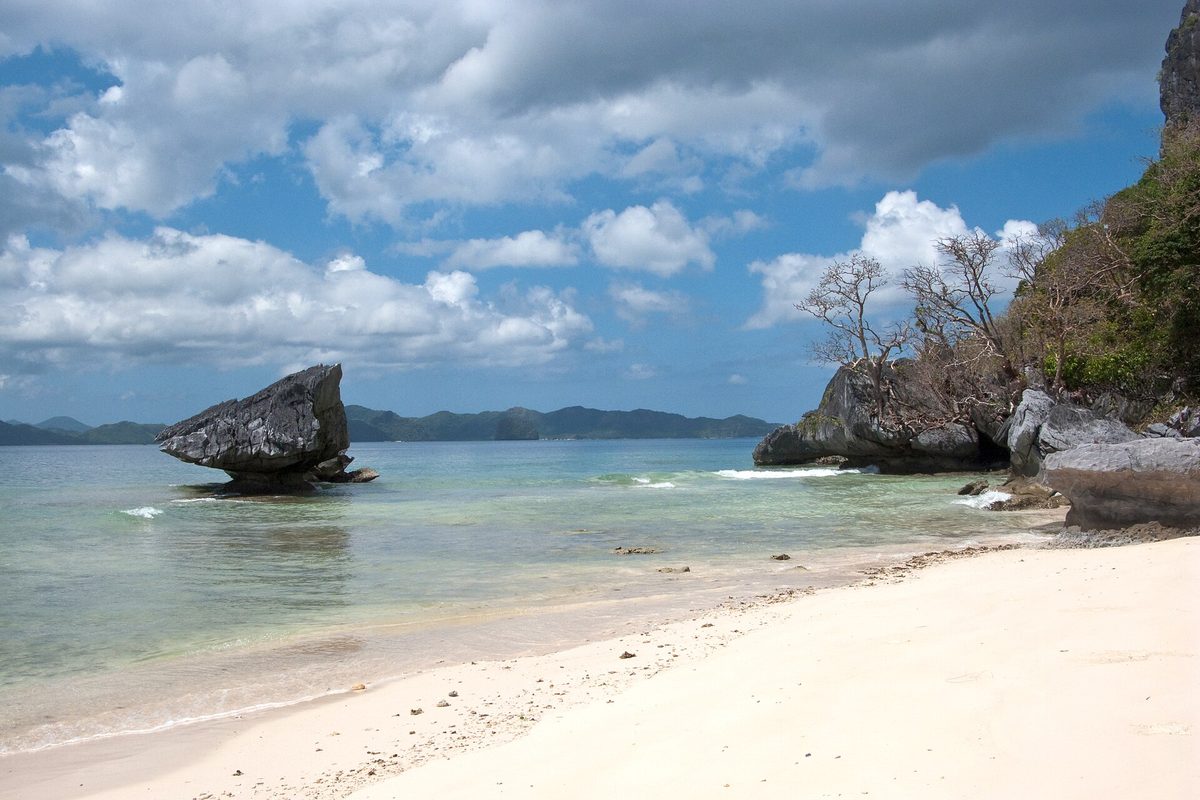
Planning around the weather, whichever season you pick
A few habits make either season run smoothly, and they cost almost nothing to adopt. In the rainy months, book your most weather-dependent activity, your island hopping or your big boat day, for early in your stay so you have spare days to reroll if a storm rolls through. Treat domestic flight connections with suspicion in typhoon season and avoid same-day tight transfers between islands; a single cancelled ferry can unravel a packed plan. And always check the latest forecast and any Coast Guard advisories the night before a boat trip rather than assuming the brochure schedule holds.
Packing shifts a little too. For the cool-dry months, throw in a light layer for chilly Manila mornings and genuinely cold nights if you are heading up to Baguio, Sagada or Banaue. For the hot-dry stretch of April and May, prioritize sun protection, electrolytes and a plan to be off the trails by midday. And for the rainy season, a compact rain jacket and a dry bag for your phone and camera are the only two items that separate a soggy afternoon from a comfortable one. None of this is dramatic, and none of it should put you off a wet-season trip. It is simply the difference between traveling with the weather and being caught out by it.
Frequently asked questions
What months are the rainy season in the Philippines?
For most of the country, the rainy season runs from about June to October or November, driven by the habagat southwest monsoon. July and August are usually the wettest months on the western side. The eastern, Pacific-facing coast is the exception, with its heaviest rain falling around November to January instead.
Is it worth visiting the Philippines during the rainy season?
Often, yes. You trade some weather certainty for far fewer crowds, lower prices, lush green scenery and the best surf of the year on the Pacific coast. The rain typically comes as afternoon showers rather than all-day downpours. Keep your itinerary flexible, favor the central Visayas or eastern islands, and the rainy season can be a genuine bargain.
What is the difference between amihan and habagat?
Amihan is the northeast monsoon, blowing cool, dry air across the country from around November to February; it brings the most pleasant weather and lines up with peak tourist season. Habagat is the southwest monsoon, from around June to October, which carries the warm, wet air responsible for the main rainy season on the western side of the islands.
Which months are the hottest in the Philippines?
April and May are the hottest. After the cool amihan fades in late February, the country enters a hot, dry stretch that builds steadily, and by late April the lowland heat and humidity can feel intense. If you are sensitive to heat, December to February is far more comfortable, while the rainy months are warm but tempered by cloud cover and showers.
Does it rain all day during the rainy season in the Philippines?
Usually not. The typical rainy-season day brings a bright or partly cloudy morning followed by a heavy burst of rain in the afternoon or evening that often clears within an hour or two. Multi-day soakings do happen when a tropical storm or typhoon is nearby, which is why you should keep some slack in your plans during the wet months.
When is typhoon season in the Philippines?
Tropical cyclones can form across much of the year, but the risk is highest from July to October, overlapping the rainy season. In 2026, PAGASA forecast nine to thirteen tropical cyclones entering Philippine waters between June and November. For a fuller breakdown of the risk and how to plan around it, see our dedicated typhoon season guide.
Sources and photo credits
Photo credits
- Lush green rice terraces, Batad — Johnkevinreglos, CC BY-SA 4.0, via Wikimedia Commons
- Pagsanjan Falls, Laguna — Andrew Martin, CC BY 3.0, via Wikimedia Commons
- Cyclist in the rain, Bulacan — Judgefloro, CC0, via Wikimedia Commons
- Surfer off Siargao — Michael Angelo Luna, CC BY-SA 4.0, via Wikimedia Commons
- El Nido beach, Palawan — Vyacheslav Argenberg, CC BY 4.0, via Wikimedia Commons
- Jeepney, Intramuros, Manila — Bahnfrend, CC BY-SA 4.0, via Wikimedia Commons
Sources
- PAGASA — Climate of the Philippines (seasons and climate types)
- Rappler — PAGASA declares onset of the 2026 rainy season
- Audley Travel — Philippines climate and rainfall by destination
About this guide: PhilippinesTourism.org is an independent Philippines travel resource. Facts were verified July 2026; seasons shift year to year, so check current forecasts before booking.