Coron Travel Guide
Coron is the northern gateway to Palawan: a small town on Busuanga Island beside one of the most dramatic seascapes in the Philippines, all jagged limestone, hidden lakes, and a bay full of World War II shipwrecks. People come to swim glass-clear lagoons, dive the wrecks, and climb a hill for sunset. It is wilder and cheaper than El Nido.
| Best time to visit | Dry season, roughly late November to May; March and April are hottest and busiest |
|---|---|
| Days you need | 3 to 4 full days (add 2 more if you want to dive the wrecks properly) |
| Getting there | Fly to Busuanga / Francisco B. Reyes Airport (USU) from Manila, Cebu or El Nido; or the slow 2GO ferry from Manila |
| Daily budget (2026) | Around 2,500-4,500 PHP (~$43-78) midrange; backpackers can do less, with island tours the biggest line item |
| Signature experiences | Kayangan Lake, Twin Lagoon, Barracuda Lake, wreck diving, Mount Tapyas sunset, Maquinit Hot Springs |
Coron, Busuanga and Coron Island: what is actually what
The name “Coron” gets used three different ways, and untangling them saves a lot of confusion before you book anything. Here is how I keep them straight.
Busuanga Island is the large island where you actually land. The airport (code USU) sits in its interior, about a 30 to 45 minute van ride from town. Coron town — officially the municipality of Coron — is the busy little port on the southeast corner of Busuanga where almost every visitor sleeps, eats and books tours. Confusingly, the town is on Busuanga, not on Coron Island. When people say they are going to “Coron Palawan,” this is almost always the place they mean.
Coron Island is the separate, roughly 15-minute boat ride away across the bay. It is the postcard: a wall of black limestone cliffs hiding Kayangan Lake, Twin Lagoon and Barracuda Lake. Almost no one stays on Coron Island itself because it is the ancestral domain of the Tagbanua people and largely off-limits to overnight tourism. You visit it on day trips and sleep back in town.
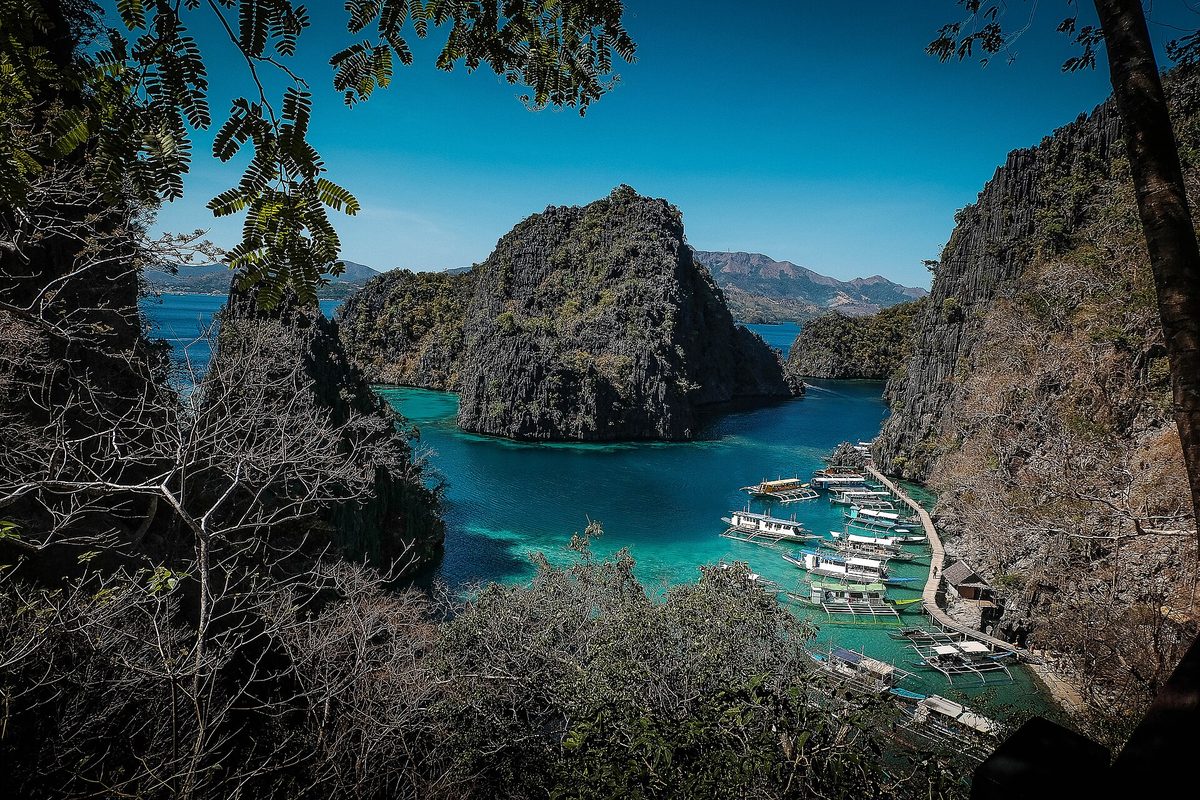
So your stay looks like this: base yourself in Coron town on Busuanga, and take boats out to Coron Island and the surrounding islets each day. If you want the wider regional picture, our Palawan travel guide covers how Coron fits alongside El Nido, Puerto Princesa and the rest of the province.
How to get to Coron in 2026
There are two realistic routes: fly, or take the ferry. Flying is what I recommend for almost everyone.
By air
Francisco B. Reyes Airport (USU), still called “Busuanga airport” by basically everyone, is the only airport serving the area. It is small, domestic-only, and a single runway in the middle of Busuanga’s hills. As of mid-2026 the main carriers are Cebu Pacific / Cebgo, Philippine Airlines, AirSwift and Sunlight Air, with direct flights from Manila, Cebu, Clark and (on AirSwift) El Nido.
Flight time from Manila is about 1 hour 5 minutes; from Cebu around 1 hour 15 minutes. Fares swing hard with season and how early you book — I have seen one-way Manila-Coron tickets from around 1,600 PHP (~$28) on a sale and north of 6,000 PHP (~$104) when you book last minute over Holy Week. Book early. The El Nido-Coron AirSwift hop is scenic but pricey and the planes are tiny, so weight limits are strict.
From the airport, shared vans meet every flight and run to town for roughly 150-300 PHP (~$3-5) per person depending on the operator; a private transfer or tricycle costs more. The ride takes 30-45 minutes on a decent sealed road.
By ferry
2GO Travel runs a passenger ferry from Manila (North Port) to Coron a couple of times a week. It is cheap-ish and an adventure, but it is a commitment: the crossing takes roughly 13-15 hours, usually overnight, with fares in the 2026 range of about 1,800-4,100 PHP (~$31-71) depending on whether you take a bunk in a shared hall or a cabin. Unless you specifically want the sea passage or are bringing a lot of gear, the flight wins on every practical measure.
The other popular boat is the fast ferry between El Nido and Coron, run by operators like Montenegro Lines. It takes roughly 3.5-4 hours in good conditions and costs around 1,800 PHP (~$31). It is the standard way people string the two destinations together. Be warned: the open-water stretch gets rough, and sailings are cancelled outright in bad weather, so do not put it on the day before an international flight.
When to go: Coron by season
Coron has a fairly classic two-season climate, and the difference between them is large enough to plan around.
Dry season (roughly late November to May) is prime time. Skies are mostly clear, the sea is calm enough for island hopping nearly every day, and underwater visibility for diving is at its best. The trade-off is crowds and price: March and April bring the most domestic and international visitors, the hottest temperatures, and the highest room rates. If you want dry weather with thinner crowds, aim for December or early-to-mid January (skip the Christmas-New Year peak itself) or the shoulder weeks of late May.
Wet season (roughly June to October) is low season for a reason. Coron sits in a typhoon corridor, and while it rarely rains all day every day, you can lose whole days to storms, and boat tours get cancelled when the coastguard suspends sailings. Rooms are cheaper and the islands are emptier, which some travellers love. I would only book this window if you are flexible and not heartbroken to miss a tour or two. August and September are the riskiest.
The best things to do in Coron
Nearly everything here happens on the water. The classic structure is a mix of “Tour A” and “Tour B” boat itineraries that bundle the headline sites, plus a half-day on land. Here is what is actually worth your time, and the order I would prioritise.
Kayangan Lake
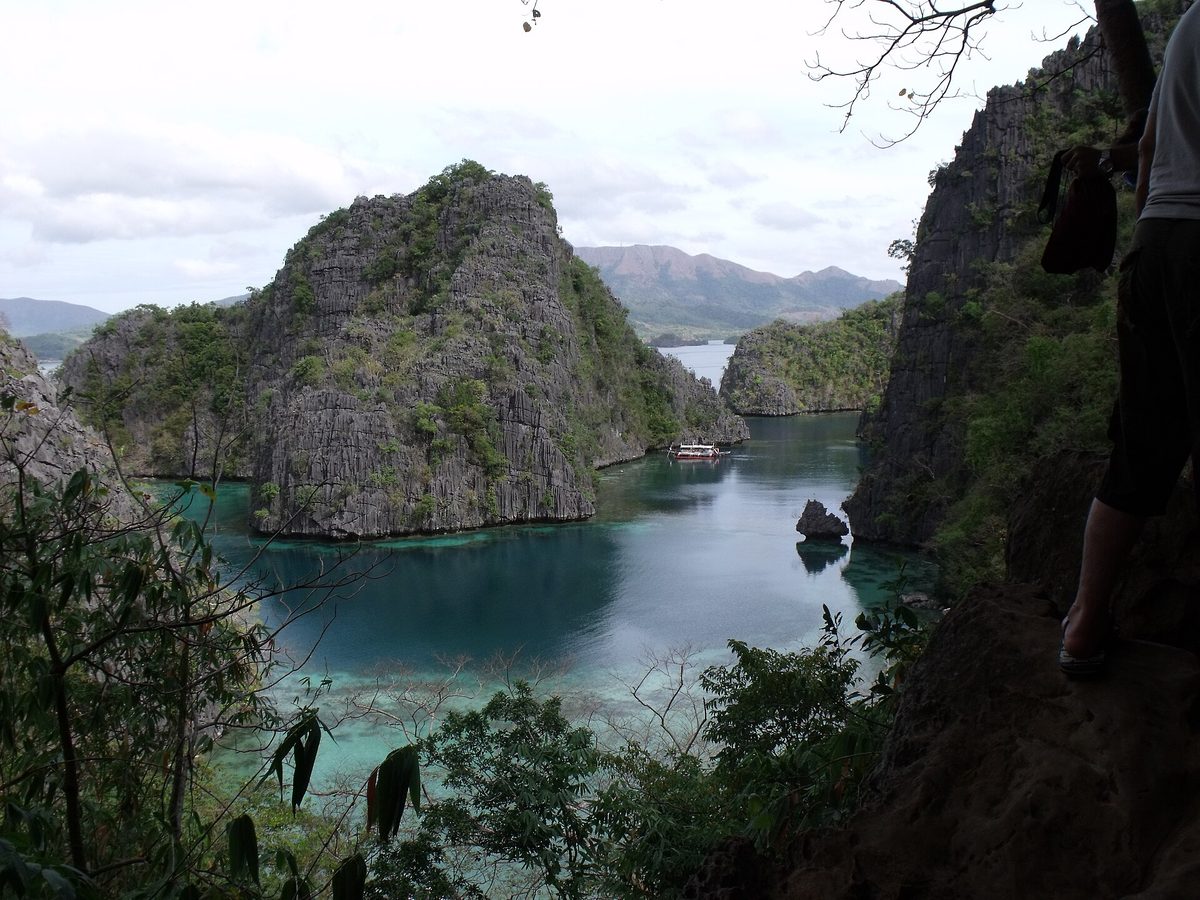
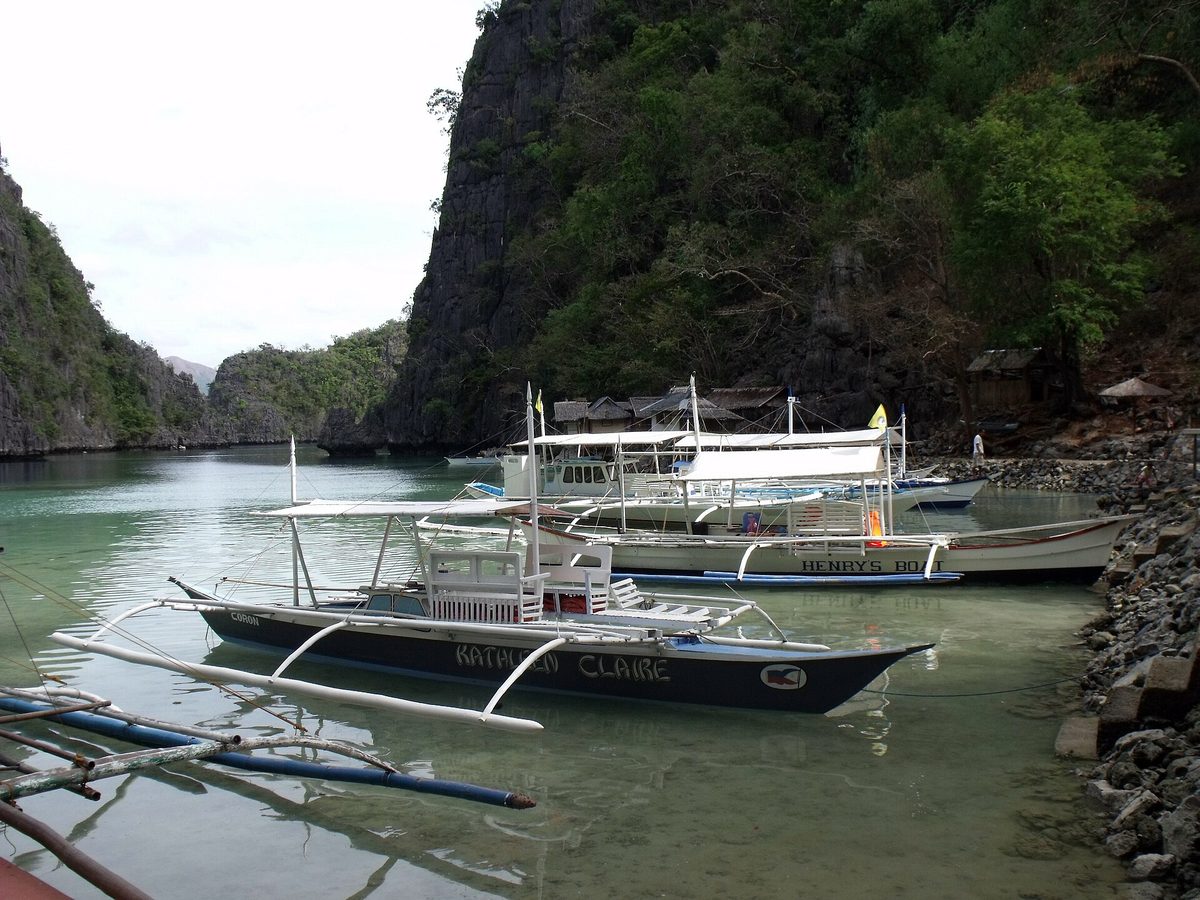
This is the one on every postcard, and it earns it. You boat into a sheltered cove, climb a short flight of stone steps to the famous viewpoint over the bay, then descend the other side to the lake itself — a brackish, almost unnervingly clear pool ringed by towering karst. The water is calm and easy to float in, and the rock formations underwater are superb for snorkelling and free-diving. Go first thing in the morning; by 10am the steps and the viewpoint platform are shoulder to shoulder.
Twin Lagoon
A short hop from Kayangan, Twin Lagoon is two pools separated by a limestone wall. At low tide you duck under the rock through a small gap; at high tide you climb a wooden ladder over it. Inside, cold seawater and warmer freshwater mix in shimmering layers that blur your vision underwater — strange and lovely. It gets busy with boats, so again, earlier is better.
Barracuda Lake
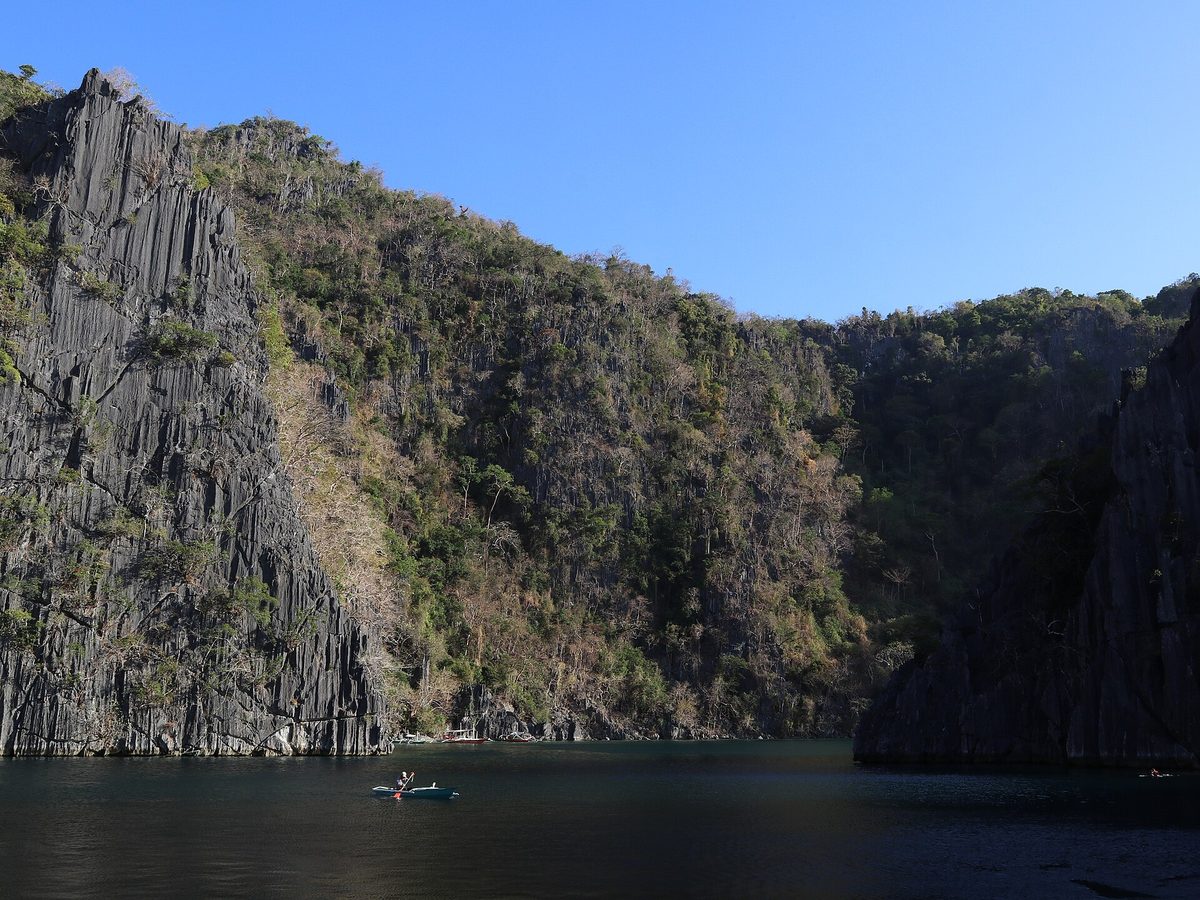
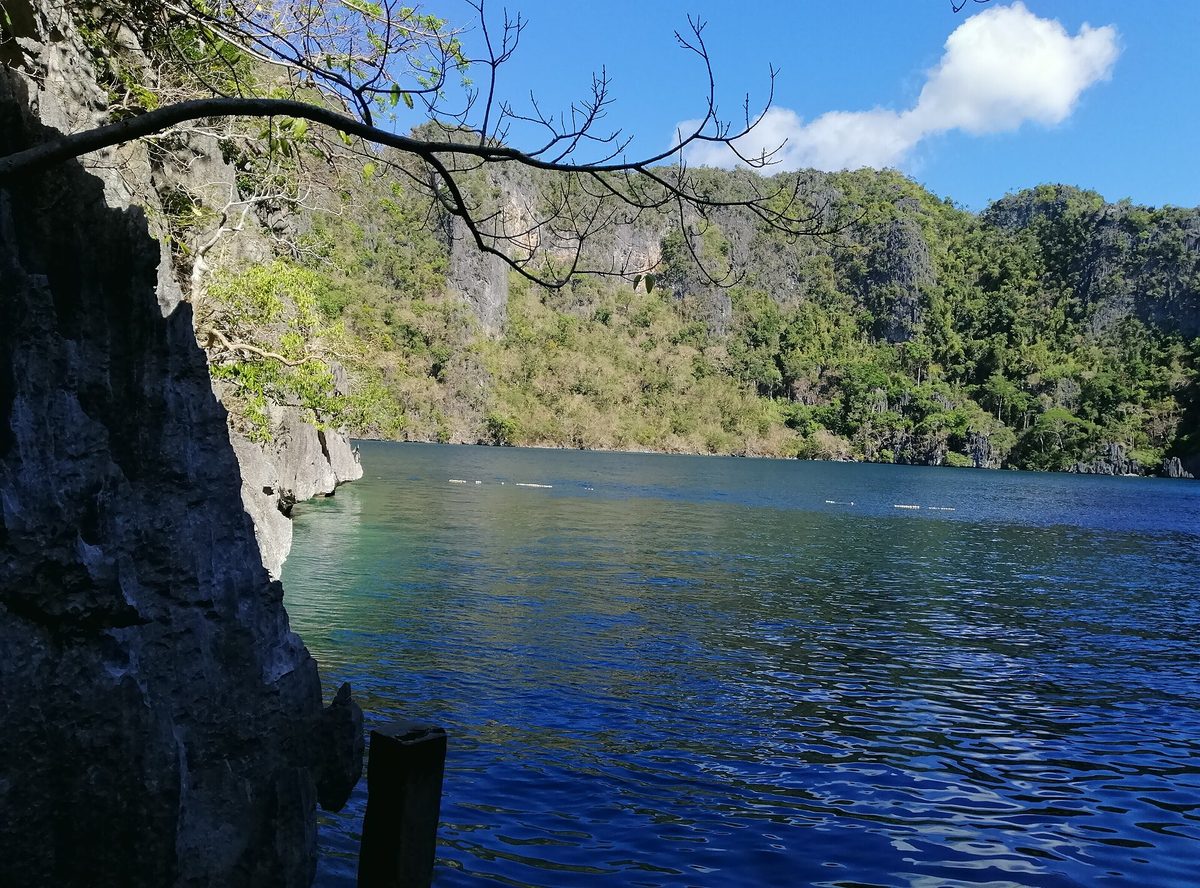
My personal favourite, and a must if you dive or free-dive. Barracuda Lake is another cliff-walled lake, but its party trick is temperature: you swim down through distinct thermoclines where the water jumps from around 28°C to over 38°C, and the visual distortion makes the whole lake feel like liquid glass. There is almost no marine life beyond the odd namesake barracuda, but the underwater scenery, sloping rock walls vanishing into the blue, is unforgettable. Open Water divers can do this as a fun dive.
Siete Pecados Marine Park
A cluster of seven little islets right off Coron town, Siete Pecados is the easy-access snorkelling stop and a good place to start if you are nervous in the water. The coral is healthy and the fish life is dense — schools of sergeant majors, the occasional clownfish, and decent visibility. It is shallow, sheltered and close, which is exactly why it is often the last stop on a tour when everyone is tired.
Mount Tapyas
The best free thing to do in town, and the antidote to all that boat time. A staircase climbs from the edge of Coron town up to a viewing deck crowned by a giant cross and the big “CORON” sign. Sources argue endlessly about the exact step count — you will see 700-something quoted everywhere, though many who count get a lower number — but the point is it is a proper sweaty climb that takes 15-25 minutes. Go for sunset: the view over the bay and its scattered islands is the best in town, and it costs nothing.

Maquinit Hot Springs
One of the few saltwater hot springs in the world, Maquinit sits a short tricycle ride from town through mangroves. The pools run hot, around 38-40°C, so it is a strange choice in tropical heat, but it comes into its own after dark when the air cools, and after a hard hike or a day of diving it genuinely soothes. Entry runs roughly 200-300 PHP (~$3-5) as of 2026. Bring mosquito repellent; the mangrove setting earns its bites.
Diving Coron: the wrecks
This is what put Coron on the map for divers, and it is world-class. In September 1944, a US carrier air raid caught a Japanese supply fleet sheltering in Coron Bay and sank around a dozen ships in a single day. They have been resting in 10 to 40 metres of water ever since, and they are spectacular.
The headline wrecks include the Akitsushima (a seaplane tender lying on its side around 35m, for experienced divers), the Irako (a beautifully intact refrigeration ship, deep and current-prone, the connoisseur’s favourite), and the Okikawa Maru, the largest in the bay at roughly 170m long. Shallower wrecks like the Lusong Gunboat sit so close to the surface you can snorkel them, which makes Coron rare among wreck destinations: there is something here whether you are a non-diver, a fresh Open Water graduate, or a technical diver chasing penetrations.
A typical two-tank wreck day with a town dive shop costs in the ballpark of 4,000-6,000 PHP (~$69-103) in 2026 including gear, with deals for multi-day packages. If you are weighing Coron against other Philippine dive hubs, our overview of diving in the Philippines sets the wrecks in context against places like Malapascua and Tubbataha. One honest note: Coron’s wrecks are about history, structure and big silhouettes in the gloom, not technicolour reef. If you want clouds of fish and pristine coral, manage that expectation — or pair your wreck dives with a reef day.
Where to stay in Coron
For a first trip, the answer to where to stay in Coron is simple: stay in Coron town. It is walkable, it is where the boats leave from, and it has the restaurants, dive shops and tour desks. Splitting hairs over micro-areas matters less here than in bigger destinations, but here is how I would think about it by budget.
| Style | Nightly (PHP) | Nightly (USD) | Who it suits |
|---|---|---|---|
| Hostel dorm / basic guesthouse | ~700-1,400 | ~$12-24 | Backpackers; central town |
| Midrange hotel / nice room | ~2,500-5,000 | ~$43-86 | Most travellers; AC, breakfast, walkable |
| Upper-midrange / boutique | ~5,000-9,000 | ~$86-155 | Comfort seekers; pools, bay views |
| Island / dive resort (off town) | ~9,000+ | ~$155+ | Honeymooners, divers wanting seclusion |
Town centre is best for value and convenience — you can walk to dinner and roll out of bed onto a boat. The bayside / waterfront strip trades a little walking distance for sea views and quick port access. If you want quiet and a pool, a handful of resorts on the outskirts of Busuanga (or a boat ride away) give you seclusion, but you will rely on tricycles or resort shuttles to reach town, which adds up. For a first, short trip I would not bother — sleep central, spend the money on tours. Coron pairs naturally with El Nido for a Palawan loop; see our El Nido travel guide if you are building the two-stop classic.
Costs and fees: what Coron really costs in 2026
Coron is affordable by Western standards but not as dirt-cheap as some imagine, mostly because the tours and fees add up. Never trust a single quoted “package” price blindly — confirm what is and is not included before you hand over cash. Here are the typical 2026 numbers; treat them as “around,” because fees in particular get revised.
| Item | Approx. PHP | Approx. USD |
|---|---|---|
| Shared island-hopping day tour (Tour A or B) | ~1,500-2,200 pp | ~$26-38 |
| Private boat charter (small group, full day) | ~5,000-9,000+ | ~$86-155+ |
| Kayangan Lake entrance | ~300 pp | ~$5 |
| Twin Lagoon entrance | ~200 pp | ~$3.50 |
| Barracuda Lake entrance | ~200 pp | ~$3.50 |
| Busuanga environmental / terminal fee (on arrival) | ~200 pp | ~$3.50 |
| Maquinit Hot Springs entry | ~200-300 pp | ~$3.50-5 |
| Airport van transfer to town | ~150-300 pp | ~$3-5 |
| Tricycle around town (short hop) | ~15-50 | ~$0.25-0.90 |
| Casual local meal | ~150-350 | ~$2.50-6 |
The per-site entrance fees go to the Tagbanua community that owns Coron Island, and they are usually not bundled into the cheapest shared-tour prices — budget an extra few hundred pesos per person per day for them. On top of that, a roughly 200 PHP environmental/terminal fee is collected on arrival at the airport, payable in cash. Carry plenty of small bills: ATMs in town exist but run dry, and most boats, fees and small eateries are cash-only.
Getting around Coron
In town you barely need transport — it is small enough to walk end to end in 20 minutes. For anything further, the tricycle (a motorbike with a sidecar) is the workhorse: short hops in town run 15-50 PHP per person, and a ride out to Maquinit Hot Springs or the airport costs more. Agree the fare before you climb in.
To explore wider Busuanga — the beaches and dive spots scattered around the island — you can hire a van or a motorbike, or join a land tour. Roads are mostly fine but get rough off the main routes, and signage is thin, so a local driver is often worth it. For the islands and lagoons, of course, everything is by banca (outrigger boat), which you arrange through your hotel or a tour desk. If you are sketching out a longer trip across the country, our guide to getting around the Philippines covers the wider ferry-and-flight picture.
One booking tip worth knowing: you can arrange island-hopping tours three ways, and the price gap is real. Booking through your hotel or a town tour desk the night before is easiest and cheapest for joining a shared boat. Walking down to the waterfront and negotiating directly with a boat owner can be cheaper still for a private charter, especially in low season or for a small group, but you give up the convenience of a fixed itinerary and lunch. Online platforms cost the most but lock in your spot during the March-April peak, when popular shared tours genuinely sell out. Whichever route you choose, confirm whether entrance fees, lunch, snorkel gear and the environmental fee are included before you pay.
Is Coron Philippines right for you? An honest take
I love Coron, but it is not for everyone, and it is better to know that going in. Come if you want dramatic limestone scenery, surreal lakes and lagoons, world-class wreck diving, and a town that still feels rough-edged and real rather than polished. It rewards travellers who are happy on boats and relaxed about plans changing with the weather.
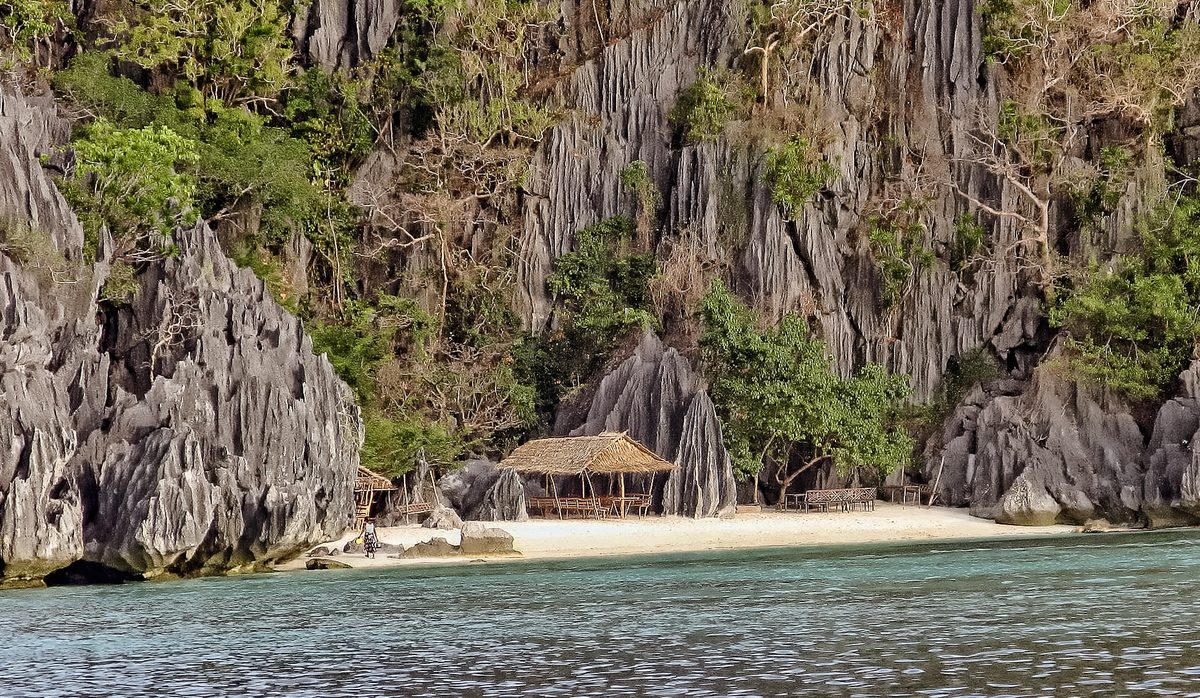
Manage your expectations on a few fronts. Coron town itself is not pretty — it is a working port with concrete buildings and a scruffy waterfront; the beauty is out on the water, not in the streets. The famous lakes get genuinely crowded mid-morning, so the dreamy empty photos require early starts. And if your dream is long stretches of powdery white-sand beach to lounge on, Coron has fewer of those than, say, Boracay or even El Nido — the headline beaches here are small coves you reach by boat. If beach lounging is the whole point of your trip, you might prefer somewhere else; our roundup of the best beaches in the Philippines can help you compare. But if you want adventure, geology and history above sunbathing, Coron is one of the most rewarding places in the country.
Frequently asked questions
How many days do you need in Coron?
Three to four full days is the sweet spot for most travellers. That gives you a couple of island-hopping days to cover Kayangan Lake, Twin Lagoon and the snorkelling sites, one day for Mount Tapyas and Maquinit Hot Springs around town, and a buffer day for weather. Divers should add at least two more days to do the WWII wrecks justice without rushing.
Is Coron better than El Nido?
They are different, not ranked. El Nido has more dramatic island-hopping scenery and better beaches but bigger crowds and higher prices. Coron has the wreck diving, the surreal lakes, and a rawer, cheaper feel. Most people who can spare the time do both, linked by the 3.5 to 4 hour fast ferry. If you only pick one and you dive, choose Coron; if you want beaches, lean El Nido, and our full El Nido vs Coron comparison weighs up the rest.
When is the best time to visit Coron?
The dry season from roughly late November to May offers the calmest seas and clearest water, which matters because almost everything here is on a boat. December and early January, plus late May, give you good weather with thinner crowds than the March-April peak. The June-to-October wet season is cheaper and quieter but carries a real risk of typhoons cancelling tours.
Do you need to know how to dive to enjoy Coron?
Not at all. The lakes, lagoons and reefs are all snorkelling-friendly, and the island-hopping tours are built around swimming and snorkelling, not scuba. That said, Coron is one of the world’s great wreck-diving sites, and even a couple of shallow wrecks are reachable by snorkel. If you have ever thought about learning, this is a fantastic place to do an Open Water course.
How much does a trip to Coron cost?
Budget travellers can get by on roughly 2,000-2,800 PHP (~$35-48) a day with hostels and shared tours; midrange travellers should plan around 3,500-5,500 PHP (~$60-95) a day including a private-ish tour, decent room and meals. The biggest variables are boat tours and diving. Remember the per-site entrance fees and the arrival environmental fee are usually extra, and Coron runs heavily on cash.
Is Coron safe for tourists?
Coron is generally a safe, relaxed destination with low crime; the bigger risks are environmental. Boats sometimes operate in marginal conditions, so use reputable operators and do not pressure crews to sail in rough weather. The sun is fierce, currents around some sites are strong, and medical facilities on Busuanga are basic, with serious cases flown to Manila. Travel insurance that covers diving and evacuation is a sensible buy.
Sources and photo credits
Photo credits
- Kayangan Lake, Coron — Photo: André Héroux / CC BY 3.0 via Wikimedia Commons
- Iconic Kayangan viewpoint over Coron Bay — Photo: Billy Palatino / CC BY-SA 4.0 via Wikimedia Commons
- Limestone beach, Coron — Photo: Ray in Manila / CC BY 2.0 via Wikimedia Commons
- Twin Lagoon, Coron — Photo: Patrickroque01 / CC BY-SA 4.0 via Wikimedia Commons
- Pier at Kayangan lagoon, Coron Island — Photo: André Héroux / CC BY 3.0 via Wikimedia Commons
- Coron from Mount Tapyas — Photo: Matikas 0805 / CC BY-SA 3.0 via Wikimedia Commons
- Barracuda Lake, Coron — Photo: Madcel / CC BY-SA 4.0 via Wikimedia Commons
Sources
- Philippine Department of Tourism — official national tourism information.
- Philippine Airlines — flights to Coron (Busuanga) — current routes and fares.
- Municipality of Coron, Palawan — local government tourism and fee information.
- UNESCO — Coron Island (World Heritage Tentative List) — on the island’s protected status and Tagbanua ancestral domain.
About this guide: PhilippinesTourism.org is an independent Philippines travel resource; details were researched and verified July 2026.