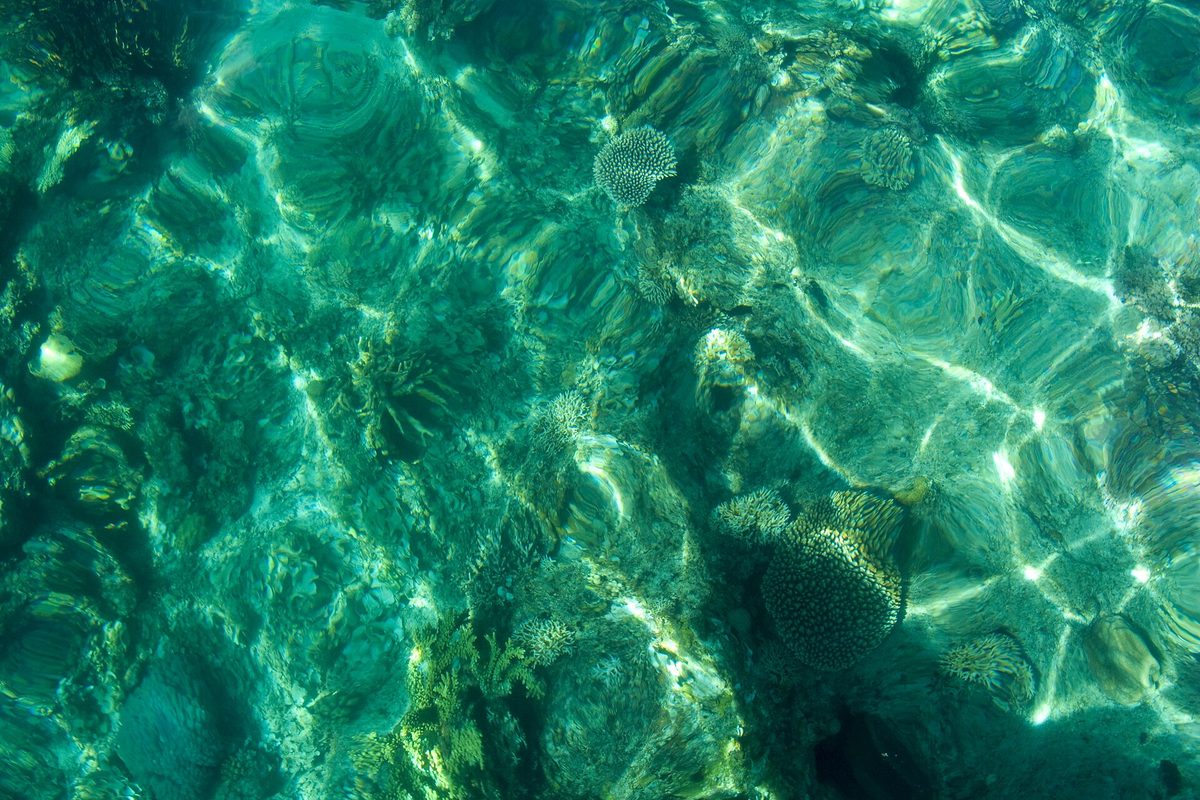
El Nido Travel Guide
El Nido is a small town on the northern tip of Palawan that fronts Bacuit Bay, a scatter of limestone islands, hidden lagoons and reef-fringed beaches that ranks among the most spectacular seascapes in Asia. Should you go? If you want world-class island hopping and you can handle a bumpy journey to get there, yes. This is a place worth crossing the planet for.
I’ll be honest about the trade-offs too, because a lot of guides aren’t. El Nido is gorgeous and genuinely busy, the power goes out more than you’d like, and getting here in 2026 changed in a way that catches first-timers off guard. Below is what I’d tell a friend before their first trip: when to come, how to actually arrive, where to sleep by budget, what the island-hopping tours cost, and who should skip El Nido entirely.
El Nido at a glance
| Question | Short answer |
|---|---|
| Where is it | Northern tip of Palawan island, western Philippines, fronting Bacuit Bay |
| Best time to go | December to May (dry season). February is the single best month; November and early December are the quiet sweet spot |
| How long to stay | Three to four nights minimum; five if you also want Nacpan and a slow day |
| Getting there | Fly AirSwift to Lio Airport (now via Clark, not Manila, since March 2026), or take a 5 to 6 hour van from Puerto Princesa |
| Daily budget | Backpacker around PHP 2,500 ($43); mid-range around PHP 5,500 ($95); comfortable around PHP 9,000+ ($155+) |
| Eco-tourism fee (ETDF) | PHP 400 per visitor (about $7), valid 10 days, paid on arrival |
| The main thing to do | Island-hopping Tours A, B, C and D around Bacuit Bay (around PHP 1,400 to 1,600 each) |
For the wider region, our Palawan travel guide covers how El Nido fits with Coron, Port Barton and Puerto Princesa.
What El Nido actually is: town, Corong-Corong and Lio
People say “El Nido” and mean three different things, so let me separate them, because where you book changes your whole trip.
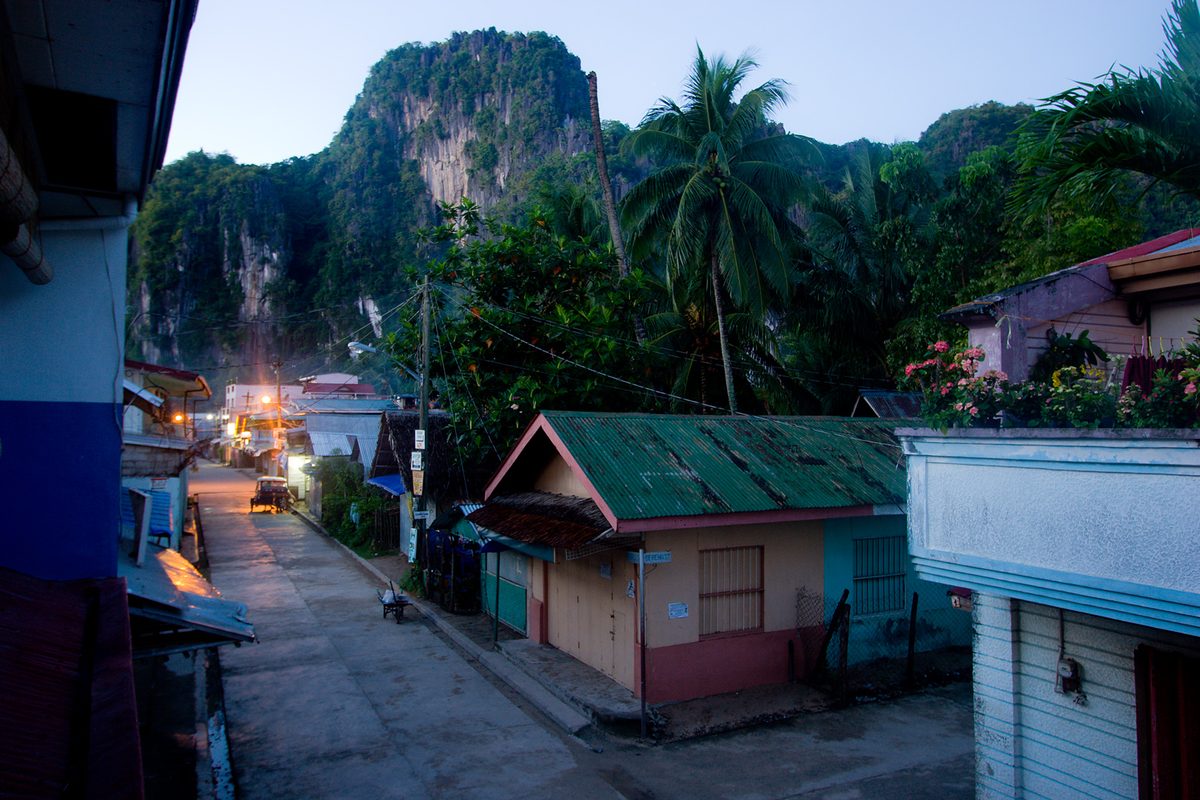
El Nido town is the cramped, lively core: a grid of narrow streets jammed between a karst cliff and a thin town beach, packed with tour offices, dive shops, hostels and restaurants. The town beach itself is honestly mediocre, lined with parked bangka boats, and not where you swim. You stay in town for convenience: every tour leaves from here, and you can walk to dinner. It is the loudest, most crowded option and the one I’d pick for a first short trip.
Corong-Corong sits a 5 to 10 minute tricycle ride south of town. It’s calmer, the sunsets are the best in the area, and the beachfront bars are mellower. You give up almost nothing in convenience and gain a lot of quiet. For couples and anyone who wants to stay near the action without sleeping inside it, this is my default recommendation.
Lio Beach is 15 to 20 minutes north, a master-planned resort estate right by the airport with a genuinely beautiful, raked-clean beach. It’s polished and a touch sterile, with the area’s best high-end hotels and almost no backpacker grit. Stay here if you want a smooth, upscale base and don’t mind tricycling into town for the gritty fun.
Two more names you’ll hear: Las Cabanas (a strip of beach bars just past Corong-Corong, famous for sundowners and a zipline) and Nacpan (a stunning long beach 45 minutes north, covered below). El Nido the municipality is huge; El Nido the place you’ll spend your time is this compact stretch of Bacuit Bay coast.
How to get to El Nido in 2026 (this changed)
This is the section to read twice, because the 2026 logistics trip up people who booked on old information.
Flying: AirSwift now goes via Clark, not Manila
The fast way in is a small AirSwift turboprop straight to Lio Airport (airport code ENI), a 4-kilometre tricycle ride from town. Here’s the change: since 29 March 2026, AirSwift relocated its hub from Manila’s NAIA to Clark International Airport as part of the move to phase turboprops out of congested NAIA. The flight is about 1 hour 15 minutes. If your international flight lands at NAIA in Manila, you now need to get yourself up to Clark (roughly 2 to 3 hours by road north, traffic depending) to catch the El Nido hop. Build a generous buffer; do not book a tight same-day connection through Manila traffic. Fares swing widely by season and how early you book, often landing somewhere around PHP 5,000 to 12,000 ($85 to $205) each way in 2026, sometimes more in peak weeks.
Cebu Pacific and PAL fly into Puerto Princesa (the bigger Palawan airport, code PPS) far more cheaply, and many travellers fly there and take the road north instead.
The van from Puerto Princesa: cheap, scenic, long
From Puerto Princesa, shared vans run to El Nido in roughly 5 to 6 hours for around PHP 600 to 900 ($10 to $15), usually with one stop in Roxas or Taytay. The road is paved but winding, and “5 hours” can become 6 or 7 with traffic and breaks. Sit up front if you get carsick. It’s a long day but a genuinely pretty one, and pairing a cheap PPS flight with the van is the budget traveller’s standard move. You can also break the trip with a night in Port Barton or at the Underground River.
If you’re stitching El Nido into a bigger trip, our Philippines itinerary routes show sensible ways to combine Palawan with Cebu, Bohol or Siargao without spending your whole holiday in transit. If you’re keeping it to one province, our Palawan itinerary maps five days to two weeks.
When to go to El Nido
El Nido has two clear seasons, and timing matters more here than at most Philippine beaches because rough seas can cancel the island hopping that is the entire reason you came.
- Peak dry season (December to February): The northeast monsoon (locally amihan) brings clear skies, calm Bacuit Bay water and the best snorkelling visibility. February is the single most reliable month. It’s also the busiest and priciest, and lagoons fill with boats by mid-morning.
- Shoulder dry season (March to May): Still dry and excellent for the water, but hot. April and May are scorchers; late May brings the first proper rains as the seasons flip.
- Wet season (June to October): The southwest monsoon (habagat) brings heavy rain and wind, with July and August the wettest. Tours still run between downpours and prices drop, but you’re gambling on the weather and some boat days get cancelled outright. Visibility underwater drops too.
- The sweet spot (November and early December): Rain eases, seas calm down, prices haven’t spiked and the December crowds haven’t landed. If I had to pick one window for good weather without the crush, it’s mid-November to mid-December.
Two dates to avoid unless you’ve booked far ahead: the Christmas/New Year stretch and Holy Week (the week before Easter), when the whole country travels, rooms sell out and rates jump. For the national picture across all the islands, see our guide to the best time to visit the Philippines.
Things to do in El Nido: the island-hopping Tours A, B, C and D
The headline experience, and the reason “things to do in El Nido” basically means “which boat tour do I take,” is island hopping around Bacuit Bay. The local government standardised everything into four lettered routes, so every operator runs the same A, B, C and D itineraries at regulated prices, generally PHP 1,400 to 1,600 ($24 to $28) per person for a shared boat, lunch included, roughly 9am to 4pm. A private boat for your group runs more like PHP 6,000 to 12,000 total. Here’s what each covers and my honest take.
Tour A: the classic, and rightly so
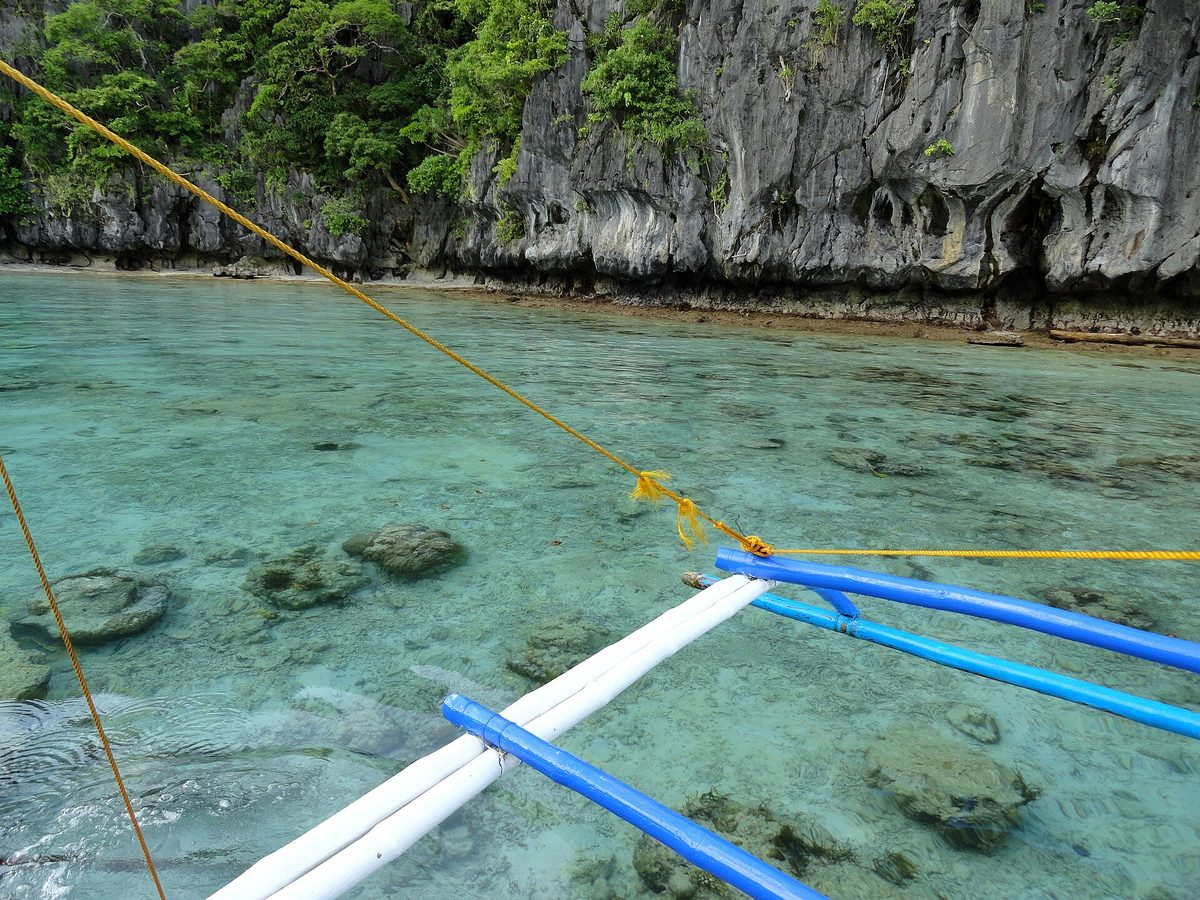
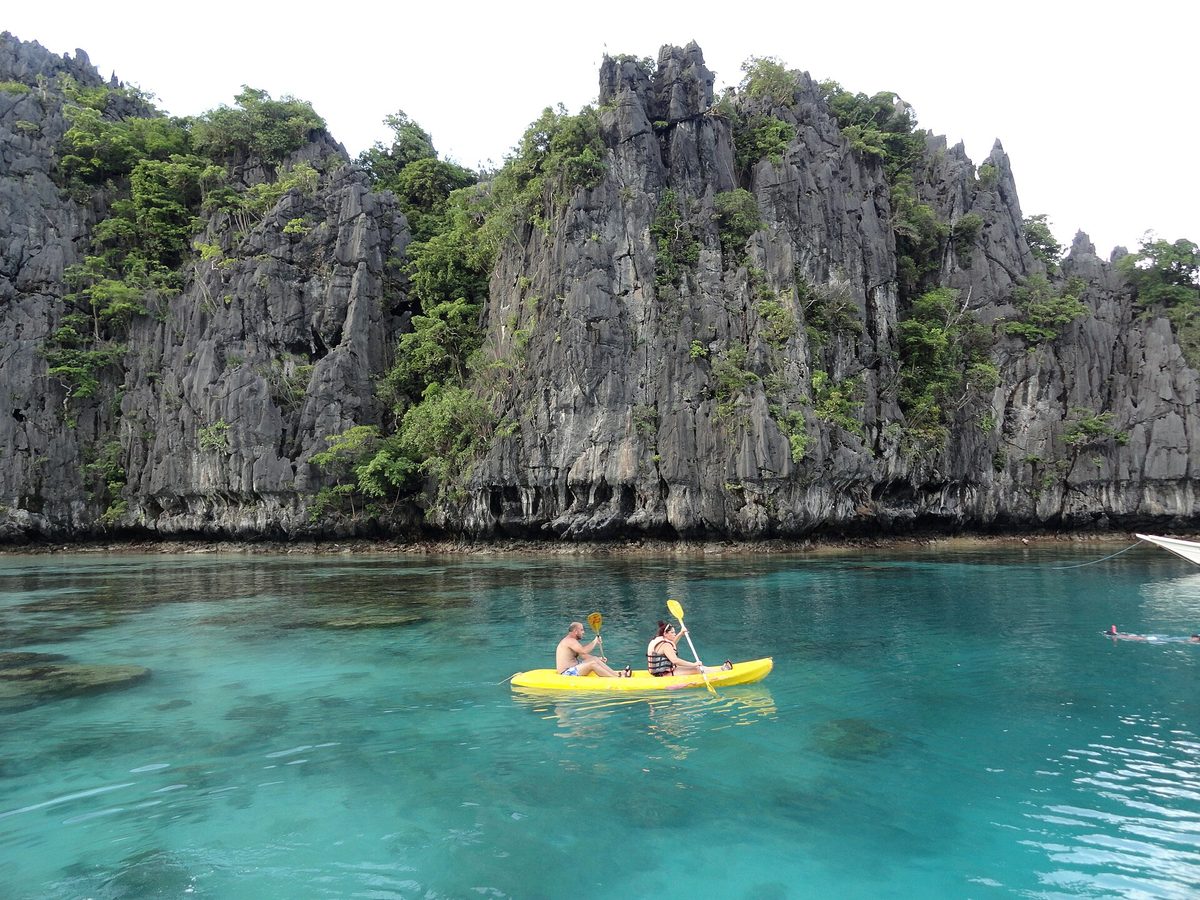
Big Lagoon, Secret Lagoon, Shimizu Island and Seven Commandos Beach. This is the one to do if you only do one. Big Lagoon is the postcard: you glide between towering karst walls into glassy jade water. Engines are banned inside, so you’ll rent a kayak (around PHP 300 plus a small Big Lagoon entrance fee) to go in properly, and it’s worth every peso. The catch is everyone wants Tour A, so it gets crowded; pay the small premium for an early departure and you’ll have the lagoon almost to yourself before the fleet arrives.
Tour C: the dramatic runner-up
Helicopter Island, Matinloc Shrine, Secret Beach and Hidden Beach, with the most jaw-dropping cliff scenery of the four and excellent snorkelling. Secret Beach is a tiny cove you swim into through a gap in the rock. It’s my second pick, and many regulars rate it their favourite. Do A and C on separate days and you’ve seen the best of Bacuit Bay.
Tour B and Tour D: for longer stays
Tour B (Snake Island’s sandbar, Pinagbuyutan, Cudugnon and Cathedral caves, Papaya Beach) is the most low-key, with good beaches and World War II caves but fewer signature lagoons. Tour D (Cadlao Lagoon, plus quieter beaches like Pasandigan and Paradise) is the least crowded and closest to town. Both are lovely, but if you’ve only got two boat days, skip them in favour of A and C.
Budget for the fees on top of the tour price: the one-time ETDF of PHP 400 (valid 10 days, so it covers your whole stay) plus small per-lagoon kayak and entrance fees. Bring cash; bring reef-safe sunscreen, which several sites rightly require. We’re building a dedicated El Nido island-hopping guide that breaks down each stop in detail; until it’s live, the summaries above are what you need to choose.
Beyond the boats, the water itself is the draw. El Nido’s reefs and walls make it a strong base for snorkelling and scuba; if you’re certified or want to learn, see our overview of diving in the Philippines for how Palawan compares to Cebu and Coron.
Beaches, including Nacpan
El Nido’s best beaches are mostly out on the islands, reached by tour boat, but a few are on the mainland and worth your time.
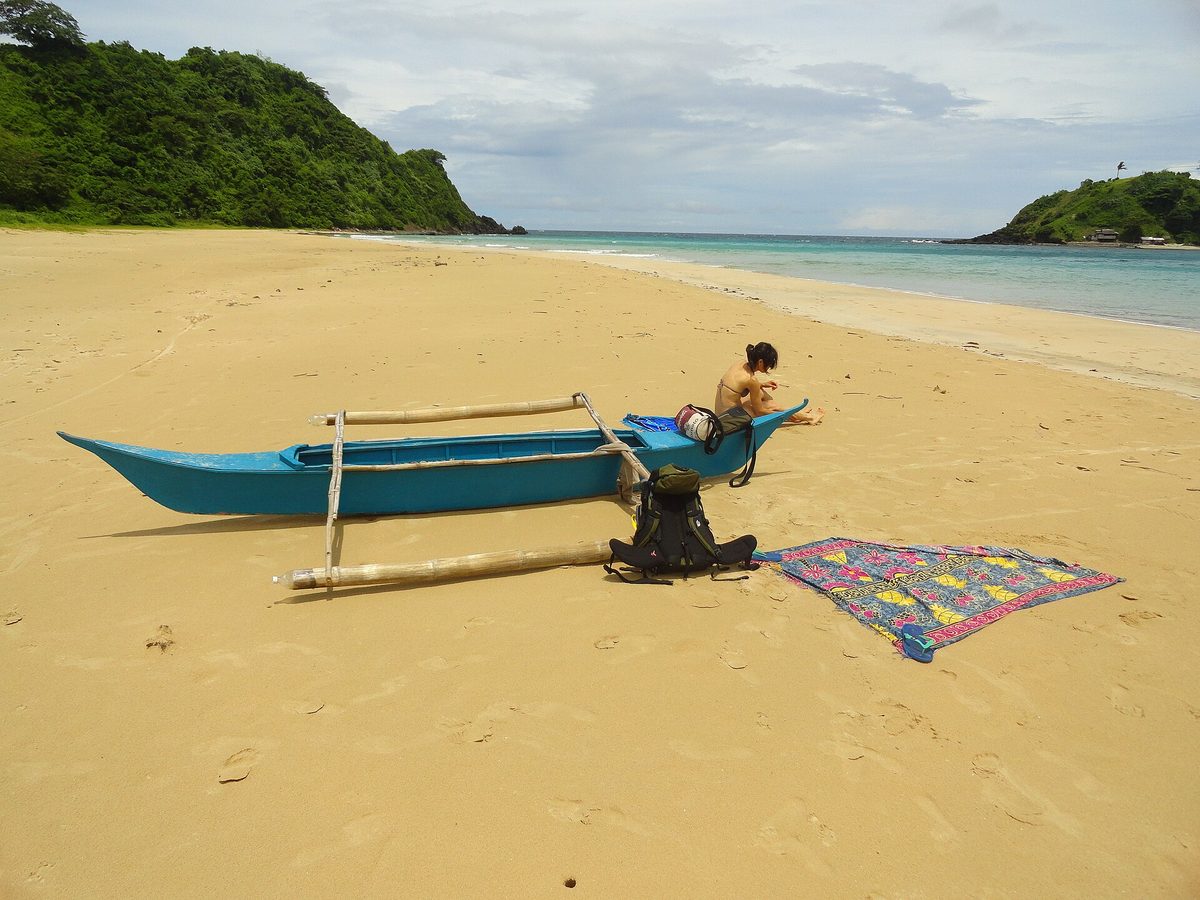
Nacpan Beach is the big one: a four-kilometre curve of golden sand backed by coconut palms, about 45 minutes north of town by rented scooter or tricycle. It’s far less developed than anything in town, with a handful of beach bars and the famous “Twin Beaches” sandbar where Nacpan meets neighbouring Calitang. The road out can be rough and accommodations book up, but it’s the closest thing to an empty postcard beach you’ll find here. Make a half-day of it.
Las Cabanas / Marimegmeg Beach, just south past Corong-Corong, is the sunset-and-cocktails strip, with a zipline running out to a small island if you want the gimmick. Corong-Corong Beach is more for watching the sky go pink than for swimming. The town beach, as I said, is for boarding boats, not sunbathing. If beaches are your whole reason for the trip, compare notes against the best beaches in the Philippines before you commit, because El Nido sells lagoons harder than it sells sand.
Where to stay in El Nido by budget and area
Match the area to your trip first (town for convenience, Corong-Corong for calm-but-close, Lio for upscale, Nacpan for remote), then the budget. These are typical 2026 nightly rates; treat them as ballparks and book the dry-season months well ahead.
| Style | Rough nightly rate | Best area | What you get |
|---|---|---|---|
| Hostel dorm / basic | PHP 600 to 1,200 ($10 to $21) | Town, Corong-Corong | Dorm bed or simple fan room, social scene, walkable to tours |
| Budget guesthouse | PHP 1,500 to 2,800 ($26 to $48) | Town, Corong-Corong | Private aircon room, decent wifi, basic breakfast |
| Mid-range hotel | PHP 3,000 to 6,500 ($52 to $112) | Corong-Corong, town, Nacpan | Pool, generator backup, reliable aircon, better breakfast |
| Upscale / resort | PHP 8,000 to 20,000+ ($138 to $345+) | Lio, Nacpan, private islands | Beachfront, full service, the polished version of El Nido |
One practical filter most listicles skip: ask whether the property has a backup generator before you book. El Nido’s grid (run by the PALECO cooperative) is unreliable, and mid-range and luxury places usually have generators while the cheapest guesthouses often don’t. In the hot months, a brownout without a generator means no fan, no aircon and a rough night.
Costs and budgeting
El Nido is more expensive than mainland Palawan because nearly everything is ferried or flown in, but it’s still good value by Western standards. Rough daily budgets per person, excluding your flight in:
- Backpacker, around PHP 2,500 ($43)/day: dorm bed, street and carinderia meals, one shared island-hopping tour averaged across your stay, tricycle hops.
- Mid-range, around PHP 5,500 ($95)/day: private aircon room with a pool, restaurant meals and a few beers, a tour most days, the odd scooter rental.
- Comfortable, around PHP 9,000+ ($155+)/day: a resort or upscale hotel, private boat tours, nicer dinners, no real budgeting.
Build in the fixed extras: the one-time ETDF (PHP 400), per-tour fees, kayak and lagoon entrance fees, and tricycle fares (short town hops around PHP 50 to 150, Nacpan a few hundred each way). Crucially, carry plenty of cash. ATMs in El Nido are few, frequently out of order or out of money, and many small operators don’t take cards. Withdraw what you’ll need in Puerto Princesa or Manila before you arrive, and keep a buffer.

Getting around once you’re there
Town is walkable end to end in 15 minutes. For everything else it’s the tricycle, the workhorse motorbike-and-sidecar that runs everywhere; agree the fare before you climb in. Renting a scooter (around PHP 500 to 700 a day) is the move for Nacpan and the quieter beaches if you’re confident on two wheels, though some stretches of road are rough. Island travel is by bangka, the outrigger boats your tours use. There’s no need for a car here.
Brownouts, wifi and managing expectations
Here’s the honest infrastructure picture, because it’s the gap between the Instagram version of El Nido and the lived one. Power outages are a normal part of life. PALECO runs scheduled maintenance brownouts that can last 4 to 8 hours in the daytime, plus unscheduled cuts during grid strain and storms. Wifi is unreliable almost everywhere; mid-range and luxury hotels manage workable speeds, budget places often don’t. If you need to work or stay connected, buy a local SIM (Globe or Smart) with data at the airport or in Puerto Princesa, and even then expect patchy coverage on the islands. Treat El Nido as a place to be offline, and you’ll enjoy it far more.
Who should skip El Nido (an honest call)
El Nido is not for everyone, and I’d rather tell you now than have you arrive disappointed. Skip it, or at least reset your expectations, if:
- You want a quiet, undeveloped paradise. El Nido is busy and the lagoons get genuinely crowded by mid-morning in peak season. If solitude is the goal, Port Barton or far-south Palawan’s Balabac deliver more of it.
- You hate long, bumpy journeys. Getting here always involves either a pricey small-plane hop (now via Clark) or a 5-to-6-hour van. There is no quick, cheap way in.
- You’re chasing a flawless five-star resort bubble. Town is gritty and the power is patchy. Lio and the private islands soften that, but the broader area is rougher than Boracay or a Bohol resort strip. If that’s your comparison, our Palawan vs Boracay breakdown will help you choose.
- Your dates fall in deep wet season (July to September) and the boats are your only reason to go. You might lose days to weather. Go in the dry months or pick a different island.
For everyone else, and that’s most people, El Nido delivers some of the best scenery in Southeast Asia. Come with cash, a power bank, realistic expectations and an early-departure tour booking, and it’s hard to beat.
El Nido FAQ
How many days do you need in El Nido?
Three to four nights is the sweet spot: enough for two island-hopping tours (do A and C), a beach day, and a buffer in case rough seas cancel a boat. Add a fifth night if you also want to get out to Nacpan or simply slow down. Fewer than three nights and a single bad-weather day can wipe out your only chance to see the lagoons.
How much does El Nido island hopping cost?
The standardised shared tours run roughly PHP 1,400 to 1,600 (about $24 to $28) per person, lunch included, for a full day. On top of that budget the one-time PHP 400 eco-tourism fee that covers 10 days, plus small kayak and lagoon entrance fees of a few hundred pesos. A private boat for your own group costs more like PHP 6,000 to 12,000 total. Bring cash, as card payment is rare.
Is El Nido Philippines worth visiting?
For most travellers, yes. El Nido delivers some of the best island-hopping scenery in Southeast Asia, with lagoons and limestone cliffs that genuinely live up to the photos. The honest caveats are the crowds in peak season, the patchy power, and the long journey in. If dramatic lagoons and a lively beach town appeal more than a flawless resort bubble, it is well worth the trip.
Is the water in El Nido safe to drink?
No, stick to bottled or filtered water; tap water isn’t reliably safe for visitors. Most accommodations sell or provide drinking water, and refill stations are common, which cuts down on plastic. The food is generally fine if you choose busy places with high turnover, and the carinderias (local eateries) are both cheap and good.
Do I need to book El Nido tours and hotels in advance?
Hotels: yes in the dry season (December to May) and absolutely around Christmas and Holy Week, when rooms sell out. Tours: usually no. Walking into a tour office the day before routinely matches or beats online prices, and lets you check the weather forecast first. The one thing worth pre-arranging is an early-morning departure for Tour A, to beat the crowds into Big Lagoon.
How do I get from Manila to El Nido now?
Since March 2026, the direct AirSwift flight to El Nido’s Lio Airport departs from Clark, not Manila’s NAIA. If you land internationally at NAIA, you’ll transfer by road up to Clark (2 to 3 hours) for the roughly 75-minute flight. The cheaper alternative is to fly Cebu Pacific or PAL into Puerto Princesa, then take a 5-to-6-hour shared van north. Don’t book a tight same-day connection through Manila traffic.
Sources and photo credits
Photo credits
- Bacuit Bay, El Nido — Photo: Vyacheslav Argenberg / CC BY 4.0 via Wikimedia Commons
- El Nido town — Photo: User: (WT-shared) Jdkoenig at wts wikivoyage (CC0) via Wikimedia Commons
- Big Lagoon, El Nido — Photo: Fabio Achilli from Milano, Italy / CC BY 2.0 via Wikimedia Commons
- Small Lagoon, El Nido — Photo: Fabio Achilli from Milano, Italy / CC BY 2.0 via Wikimedia Commons
- Nacpan Beach, Palawan — Photo: Fabio Achilli from Milano, Italy / CC BY 2.0 via Wikimedia Commons
- Sunset near Corong-Corong, El Nido — Photo: Xavier Smet xsmet (CC0) via Wikimedia Commons
Sources
- Municipality of El Nido official site and the Eco-Tourism Development Fee (ETDF) Management Board, for current fee rates and validity (Municipal Ordinance 01, Series of 2024).
- AirSwift, for the 2026 relocation of El Nido flights from Manila NAIA to Clark and current routes.
- Philippine Department of Tourism, for destination and travel-planning guidance.
- UNESCO World Heritage tentative list: El Nido-Taytay Managed Resource Protected Area, for the protected-area status of Bacuit Bay.
About this guide: PhilippinesTourism.org is an independent Philippines travel resource; details were researched and verified July 2026.