Palawan vs Boracay: Which Should You Visit?
The short answer: pick Boracay if it is your first Philippines trip, you have five days or fewer, and you want an easy, lively beach. Pick Palawan for limestone scenery, island-hopping, and diving, if you do not mind longer travel. Different trips, not better-or-worse versions of one.
I have made the case to friends both ways. Boracay is one small island you can walk end to end, with White Beach doing most of the heavy lifting. Palawan is a whole province the size of a small country, spread across El Nido, Coron, Port Barton, and Puerto Princesa, where the magic is out on the water rather than on the sand. Below I compare them honestly across every category that actually changes your decision, with hedged 2026 prices and real flight and boat times. If you are still mapping the bigger picture, our guide to the best islands in the Philippines puts both in context.
Palawan vs Boracay at a Glance
This table is the fast version. Each row is unpacked in its own section further down, but if you only read one thing, read this.
| Category | Boracay | Palawan |
|---|---|---|
| What it is | One small island (about 10 km long), built around White Beach | A large province: El Nido, Coron, Port Barton, Puerto Princesa |
| Vibe | Polished, social, easy; resort-town energy | Rugged, scenic, spread out; adventure energy |
| Getting there | Fly Caticlan or Kalibo, then a 10-15 min boat. Door to sand in about 3-5 hrs from Manila | Fly Puerto Princesa, El Nido (Lio), or Coron (Busuanga); then vans, boats, or short hops between hubs |
| Beaches | One world-class beach (White Beach) plus Puka and Diniwid; powdery sand, amenities steps away | Dozens, from Nacpan to San Vicente’s 14 km Long Beach, often backed by karst cliffs and reached by boat |
| Things to do | Sunbathing, paraw sailing, kiteboarding, watersports, day-trip island hops | Lagoon island-hopping, wreck and reef diving, the Underground River, kayaking, caving |
| Nightlife & dining | The best in the Philippines: beach bars, clubs, fire dancers, big restaurant range | Low-key: live-music bars in El Nido, casual eats in Coron, early nights |
| Crowds | Compact and busy; a daily carrying-capacity cap keeps numbers managed since the 2018 rehab | Spreads out, so it feels quieter, though El Nido’s lagoons get packed at midday |
| Cost per day | Around PHP 4,500-9,000 ($80-155) midrange; food and drinks run higher | Around PHP 3,500-7,000 ($60-120) midrange, but tours and transfers stack up |
| Best for | First-timers, short trips, families with small kids, couples who want lively, nightlife | Scenery lovers, divers, island-hoppers, photographers, longer or second trips |
What Each Place Actually Is
This is the distinction that trips people up, so I will be blunt. Boracay is a single island in Aklan, roughly 10 km from tip to tip, and you can cover its spine on a tricycle in fifteen minutes. The whole experience orbits one 4 km stretch of sand called White Beach. That compactness is the entire appeal: hotel, dinner, bar, and dive shop are all a short barefoot walk apart.
Palawan is a province, not a beach. It is a long, skinny landmass plus hundreds of outlying islands, and the headline destinations sit hours apart. El Nido and Coron, the two you have seen on Instagram, are at the northern end. Puerto Princesa, the capital and main airport, is in the middle. Port Barton, the mellow one, is in between. You do not do Palawan in a weekend; you pick one or two bases and accept that boats and vans are part of the deal. Our full Palawan travel guide breaks the regions down if you want to go deeper, and the Boracay travel guide does the same for the island.
Mini-verdict: Boracay is a destination; Palawan is a region. If the idea of internal transfers makes you tired, that tells you something already.
Getting There: Boracay Wins on Ease
Boracay has no airport of its own. You fly into Caticlan (Godofredo P. Ramos Airport, code MPH) on the mainland, which is about an hour and ten minutes from Manila, then take a tricycle two minutes to the jetty and a 10-to-15-minute outrigger boat across to the island. Total door-to-sand time from Manila is usually around three to five hours depending on connections. The budget alternative is Kalibo, a larger airport about two hours drive from the jetty; flights there are often cheaper, and as an international gateway it sometimes lets travelers skip a Manila layover.
Palawan is more involved because there are three gateways for three different parts of the province. Puerto Princesa (PPS) is the workhorse, roughly an hour from Manila on Cebu Pacific or Philippine Airlines. Coron uses Busuanga airport (USU), served by both full-size carriers and the turboprop airline AirSwift. And El Nido has its own tiny strip, Lio Airport (ENI), flown only by AirSwift on small ATR turboprops, about an hour and fifteen minutes in the air.
Here is the 2026 wrinkle that most older guides miss. As of March 29, 2026, AirSwift relocated its Manila turboprop operations from NAIA to Clark International Airport, north of the capital. So the El Nido route now runs Clark–El Nido–Clark rather than out of central Manila. Clark is about two hours from downtown Manila by road, so if El Nido is your target, build that transfer into your plan or route through Puerto Princesa instead and go overland. I would treat this as the current setup for 2026 and double-check schedules when you book, since these arrangements do shift.
If you skip the flight to El Nido, the overland run from Puerto Princesa is a scenic 5.5-to-6-hour bus or van ride (Cherry Bus or shared vans, around PHP 600-1,000 / $10-17). Between Coron and El Nido, fast ferries take roughly 3.5 to 5 hours and cost around PHP 1,760-3,980 ($30-69), though seas get rough in the June-to-October monsoon.
Mini-verdict: Boracay is the easier arrival by a wide margin, and that matters more than it sounds when your holiday is short. Palawan asks for patience and at least one internal transfer, sometimes two.
Beaches and Scenery: Different Kinds of Beautiful
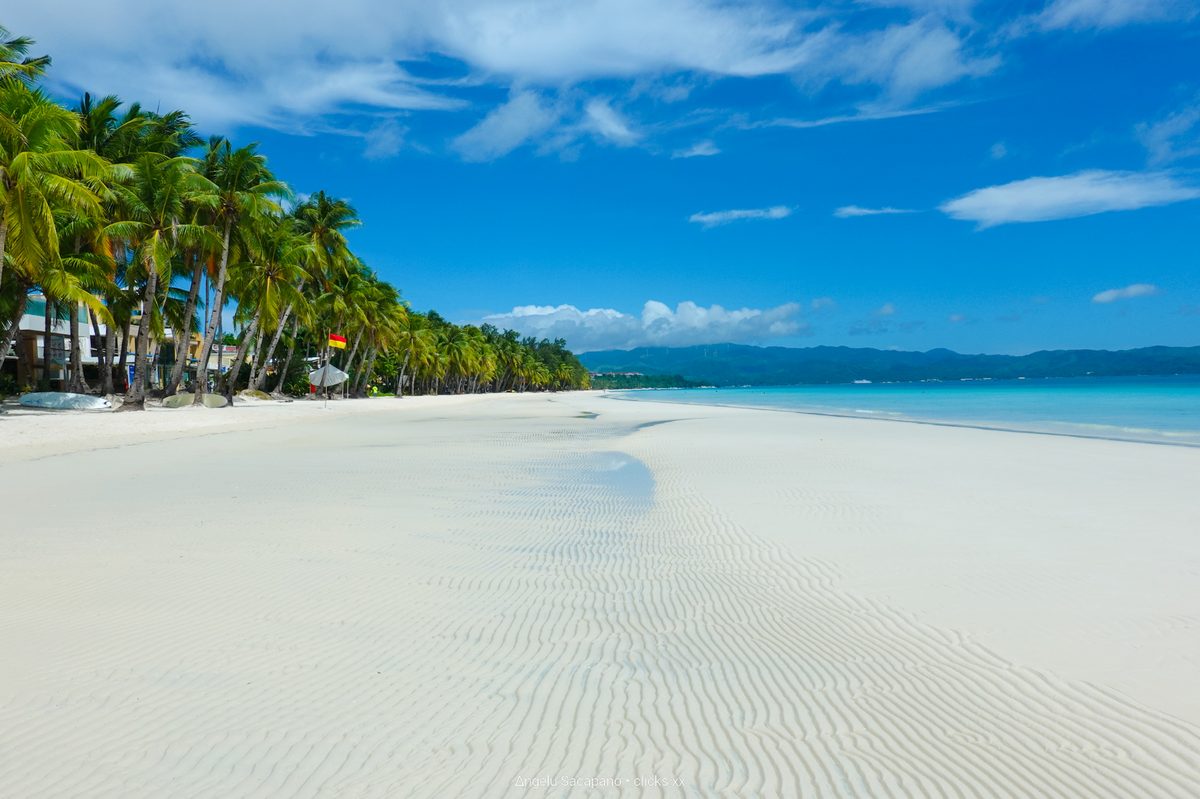
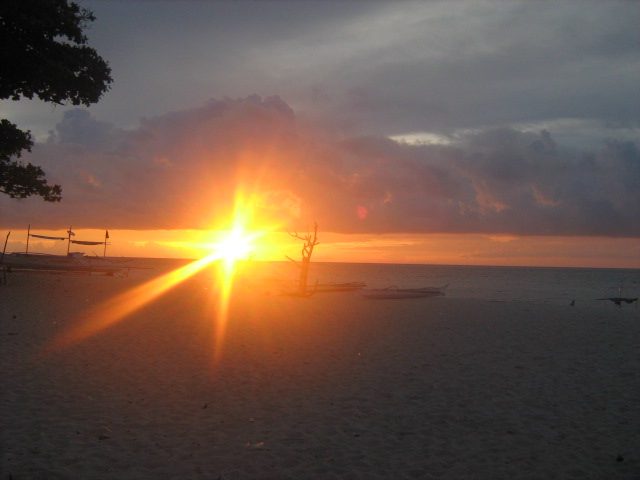
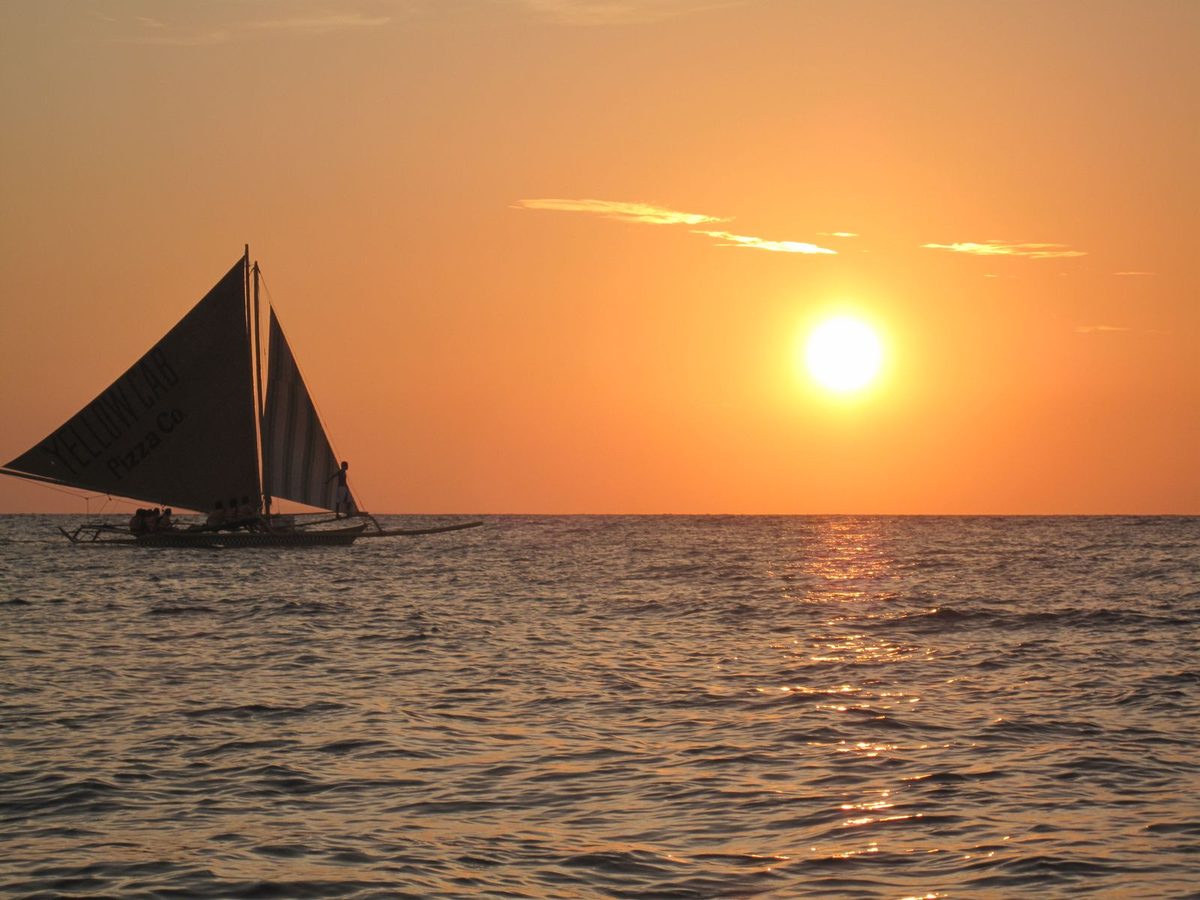
If your benchmark is a single perfect beach with everything laid on, Boracay is hard to beat. White Beach runs about four kilometers of fine, pale, genuinely powdery sand, divided into Stations 1, 2, and 3. Station 1 is the wide, upmarket north end; Station 2 is the busy social middle; Station 3 is quieter and cheaper. Around the headlands you get Puka Beach (coarser shells, far fewer people) and tucked-away Diniwid. The water is calm and swimmable, and the sunsets, with paraw sailboats drifting across them, are the postcard for a reason.
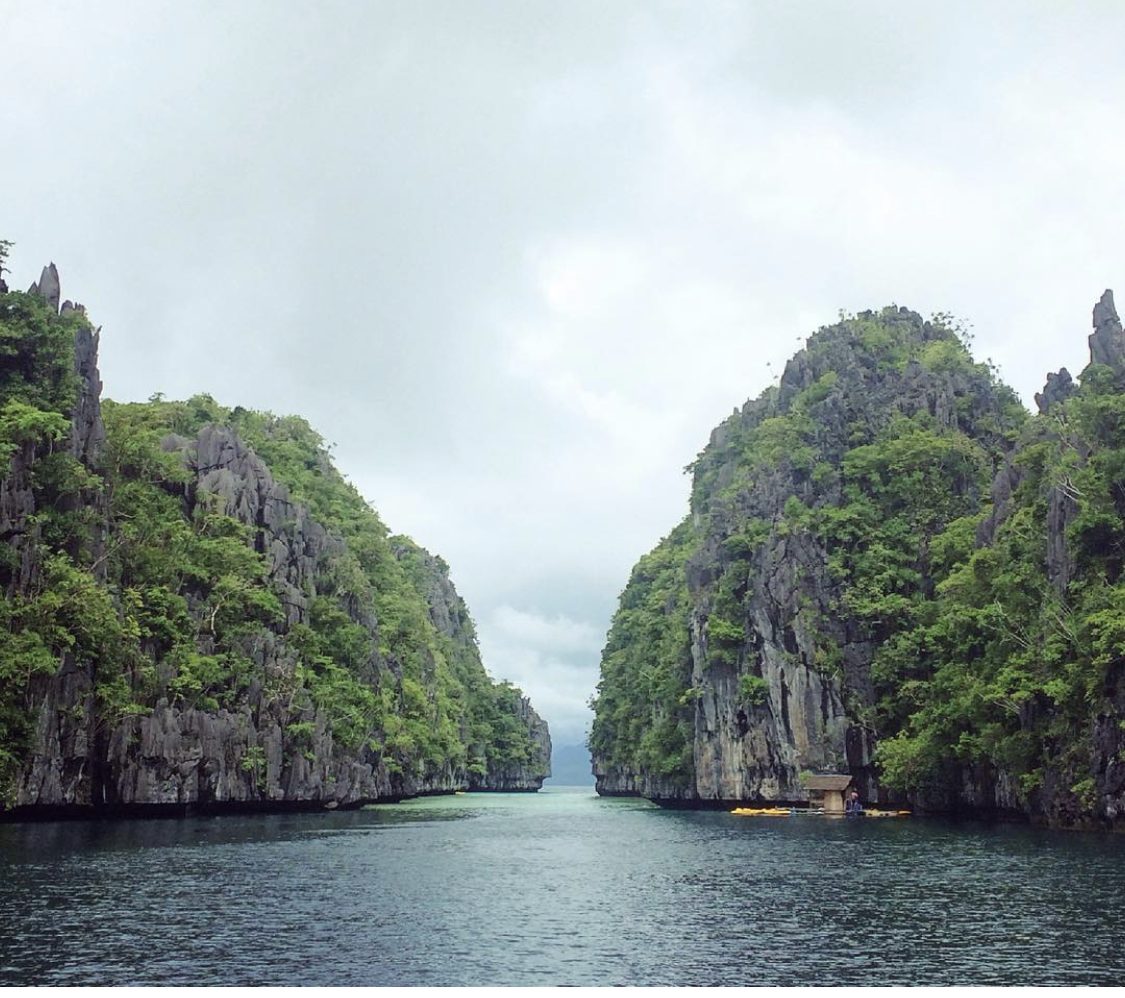
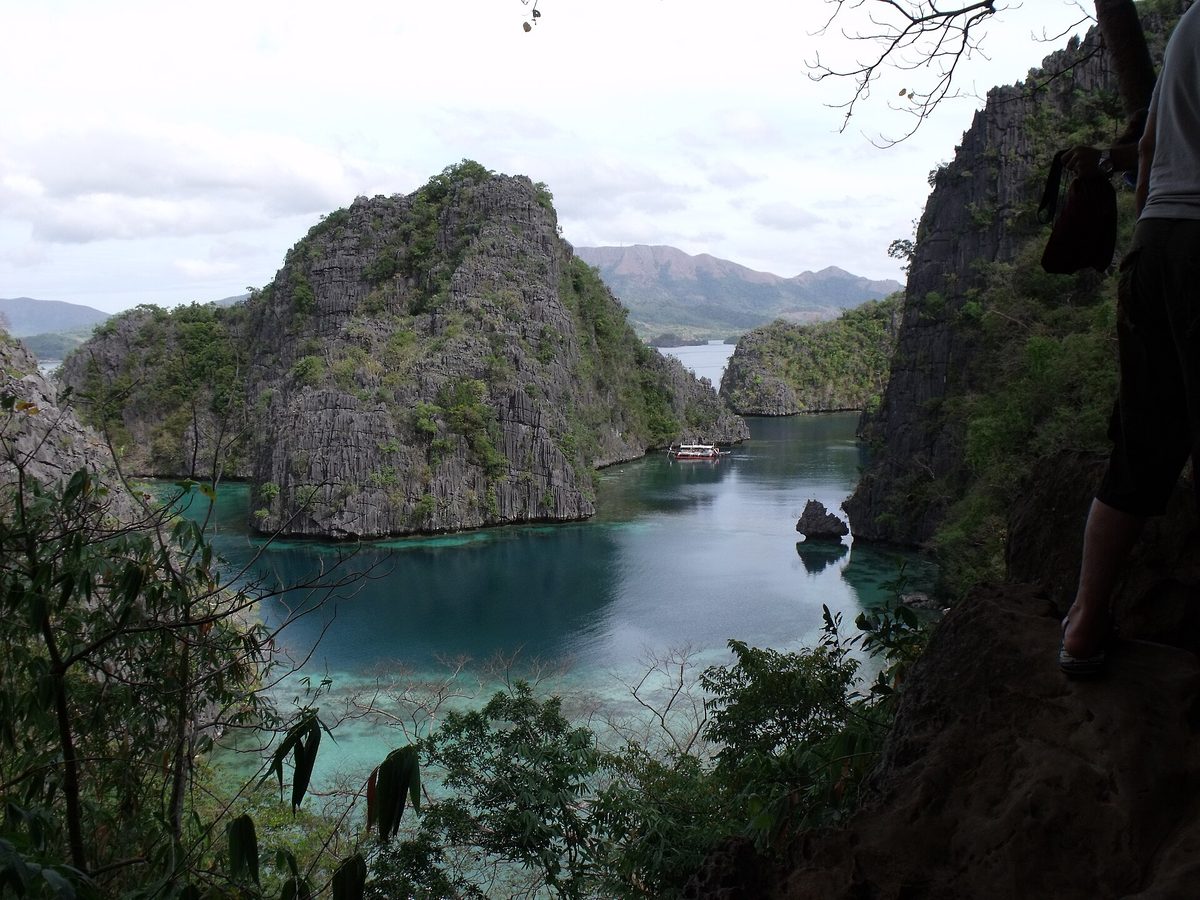
Palawan does not really compete on one beach. It competes on scenery, and there it is in a different league. The draw is the limestone karst, towering grey cliffs rising straight out of turquoise water, plus the lagoons hidden among them. In El Nido you have the Big and Small Lagoons, Secret Lagoon, and Hidden Beach; in Coron, Kayangan Lake and the Twin Lagoon, ringed by jagged rock. For straight sand, Palawan still delivers: Nacpan Beach near El Nido is a four-kilometer crescent, and Long Beach in San Vicente stretches about 14 km, the longest white-sand beach in the country. The catch is that the best spots are reached by boat, not by walking out of your hotel.
Mini-verdict: Boracay for the best single beach and effortless access. Palawan for scenery that will genuinely stop you mid-sentence, if you are willing to get on a boat to find it. For more options nationwide, see our roundup of the best beaches in the Philippines.
Things to Do: Watersports vs Island-Hopping
On Boracay, the days are easy to fill without planning much. You sunbathe, you take a paraw sail at sunset for about PHP 1,500 ($26), you try kiteboarding off Bulabog Beach (the Amihan wind season, roughly November to April, is prime), or you book parasailing, helmet diving, and banana boats straight off White Beach. There is a half-day island-hopping circuit to Crystal Cove, Magic Island, and Puka, but it is a supporting act, not the main event. The point of Boracay is that the activity comes to you.
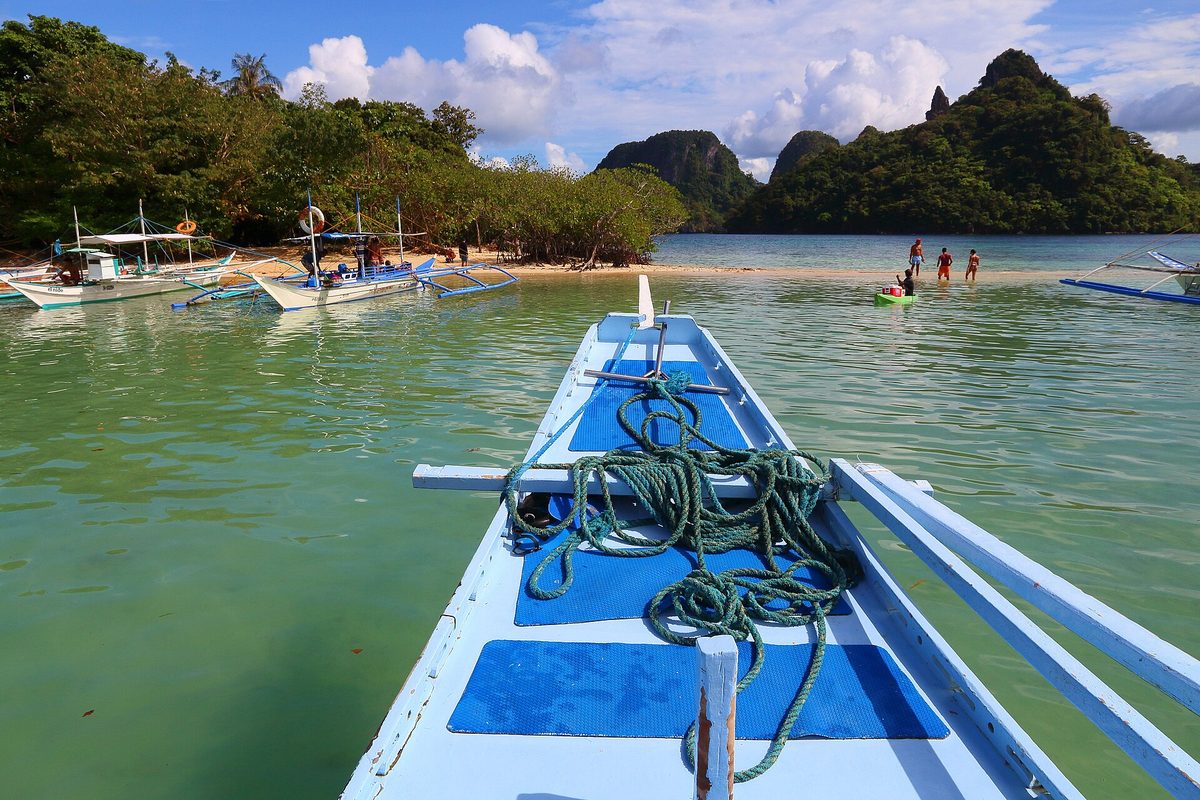
Palawan is built around doing things, and the headline act is island hopping. El Nido sells standardized boat tours labeled A, B, C, and D, each a different mix of lagoons, snorkel stops, and beaches; a group tour runs around PHP 1,400-1,800 ($24-31) plus an eco fee. Coron is the diving capital, with a cluster of Japanese WWII shipwrecks (the Skeleton and Irako wrecks among them) plus the surreal, jade-colored Barracuda Lake. And near Puerto Princesa sits the Underground River, a UNESCO-listed navigable cave you tour by paddleboat. Add kayaking, caving, and reef diving, and Palawan can fill ten days without repeating itself.
Mini-verdict: Boracay if you want a beach with watersports on tap and zero pressure to plan. Palawan if things to do means lagoons, wrecks, and a UNESCO cave, and you actively want an itinerary.
Nightlife and Dining: No Contest, Really
If you want a beach holiday with a proper night out attached, Boracay wins, and it is not close. White Beach is lined with bars, beach clubs, and restaurants, with the densest cluster around Station 2 and the D Mall area. Sunset brings fire dancers; the night brings live bands and DJs. The food range is the widest of any Philippine beach destination, from cheap grilled seafood to genuinely good Italian, Indian, and Japanese. One rule worth knowing: since the 2018 rehabilitation, eating, drinking, and smoking directly on the sand are banned, so the party now sits at the venues just off the beach rather than on it.
Palawan is a quieter night. El Nido has a handful of relaxed bars with live acoustic music and a young backpacker crowd; Coron is mellower still; Puerto Princesa has a few city restaurants worth a table, like Kalui, but nights end early. This is a feature if you came to be on a boat at 7 a.m., and a drawback if you came to dance. Do not expect Boracay energy anywhere in the province.
Mini-verdict: Boracay for nightlife and dining variety, full stop. Palawan if an early dinner and a quiet beer is exactly your speed.
Crowds and Over-Tourism: The Honest Picture
Boracay learned this the hard way. In 2018, after the president called the island a cesspool, the government closed it to tourists for six months (April 26 to October 25) for a full environmental rehabilitation, rebuilding the sewage system, clearing structures off the beach easement, and resetting the rules. Since then the island has operated under a carrying capacity: authorities set a ceiling of roughly 19,215 visitors on the island at any one time, with a target daily average around 6,405 arrivals. In practice it still feels busy in peak season, because everyone is squeezed onto the same four-kilometer beach, but it is cleaner and better managed than the pre-2018 version.
Palawan has the opposite problem and the opposite feel. Because it is huge and the attractions are scattered, the province absorbs crowds better, and you can find genuinely quiet corners in Port Barton or southern Palawan. The pinch point is El Nido, where every island-hopping boat hits the same lagoons around midday; the Big Lagoon at 11 a.m. in March is a traffic jam of bangka boats. El Nido and Coron have introduced their own eco fees and visitor caps on the most sensitive sites to manage this. Go early, and the same lagoon is yours.
Mini-verdict: Boracay is managed-busy on one beach; Palawan is busy only at its famous lagoons and empty almost everywhere else. If crowds bother you, Palawan gives you more room to escape them.
Cost: Palawan Is Cheaper at the Base, but It Is Complicated
The quick answer everyone gives, Palawan is cheaper than Boracay, is true at the level of a hotel room and a plate of food, but the full picture has nuance. On Boracay, expect a midrange day of around PHP 4,500-9,000 ($80-155) per person once you add a decent room, meals, drinks, and an activity. Beachfront dining and bar tabs are where Boracay quietly gets expensive, and peak-season room rates jump hard around Christmas, New Year, and Holy Week.
Palawan runs lower at the base, roughly PHP 3,500-7,000 ($60-120) midrange per day, and budget travelers can do El Nido or Coron for noticeably less. The thing that closes the gap is tours and transfers: an El Nido island-hopping tour plus eco fees, a Coron day boat, the Underground River permit, and the flights or ferries between hubs all stack up. A week of Palawan with daily boat tours can end up costing as much as Boracay, just spread across more line items. Backpackers will still find Palawan cheaper; comfort-seekers doing every tour may find it a wash.
Mini-verdict: Palawan for a lower daily base and better budget options. Boracay if you would rather pay a bit more to have everything walkable and avoid booking a boat every morning.
Who Should Pick Which
Here is how I steer people when they ask, which is essentially the best Philippine island for first timers question in disguise. If your shortlist has drifted to the Visayas instead, the same logic runs through Cebu vs Bohol.
First-timers and short trips: Boracay. It is the easiest possible introduction to a Philippine beach, hard to get wrong, and forgiving if your plans wobble. If you have five days or fewer and have never been, start here.
Families with young kids: Boracay. Calm, shallow water, short distances, and food and pharmacies a two-minute walk from the sand. Palawan boat days are long and can be a lot for small children.
Couples: Either, depending on temperament. Boracay for a lively, social, sundowner-and-dinner trip; Palawan for a scenic, slow, just-the-two-of-you-on-a-boat honeymoon feel.
Divers and adventurers: Palawan, every time. Coron wreck diving and Tubbataha (a UNESCO reef reached by liveaboard from Palawan) are bucket-list dives Boracay simply cannot match; if you want reef and turtle diving on a smaller budget, Apo Island off Dumaguete is the other name worth knowing.
Budget backpackers: Palawan edges it, with cheaper rooms and food, especially outside El Nido high season.
When to Go
Both share the same broad calendar, because both want the dry season. The sweet spot for either island is the dry months of roughly December through May, when seas are calm and island-hopping runs without weather drama. December to March is peak, with the best conditions but the biggest crowds and highest prices; April brings Holy Week, when Filipino families travel en masse and rooms fill and prices spike. For the best balance, I aim at the shoulder weeks of November or late May into early June: decent weather, thinner crowds, softer rates. The June-to-October rainy season brings the southwest monsoon and typhoon risk, though Palawan sits largely outside the main typhoon belt and stays drier than much of the country, which is a quiet point in its favor. For the full breakdown, see our guide to the best time to visit the Philippines.
Pick Palawan If / Pick Boracay If
Pick Boracay if…
- It is your first trip to the Philippines, or you have five days or fewer.
- You want one great beach with everything walkable and no daily planning.
- You are traveling with young kids or older relatives who want it easy.
- Nightlife, beach bars, and a wide choice of restaurants matter to you.
- You would rather arrive, drop your bags, and not think about logistics again.
Pick Palawan if…
- You want the most dramatic scenery in the country: karst cliffs and hidden lagoons.
- You came to island-hop, dive, kayak, or chase the Underground River and wrecks.
- You have at least seven days and do not mind boats, vans, and a transfer or two.
- You prefer quiet nights and the option to escape the crowds entirely.
- This is a second Philippine trip, or you are a confident, adventurous traveler.
Can You Do Both in One Trip?
Yes, and if you have the days, I would. The two pair beautifully, because Boracay is the easy, social bookend and Palawan is the scenic main course. The routing is genuinely convenient: AirSwift flies Caticlan directly to El Nido in about an hour and ten minutes, several times a week, so you can hop straight from Boracay to Palawan without backtracking through Manila. That single flight is the trick that makes a combined trip painless.
My suggested shape for around 9 to 11 days: start with 3 to 4 nights in Boracay to ease in and enjoy the beach and nightlife, fly Caticlan to El Nido, spend 3 to 4 nights in El Nido island-hopping, then either add 2 to 3 nights in Coron (fast ferry or short flight from El Nido) for the wreck diving and Kayangan Lake, or fly home from Puerto Princesa. Do Boracay first while you are fresh and social, and let Palawan be the slower, more rewarding finish. If you only have a week, pick one; trying to cram both into seven days means spending too much of it in transit. For help sequencing it all, our Philippines itinerary and where to stay guides are good next stops.
The Verdict
If you make me choose one line: for a first Philippine trip, Boracay; for the trip you will not stop talking about, Palawan. Boracay is the safer, easier, more sociable choice and the right call for most first-timers and short holidays. Palawan is the more spectacular, more adventurous, more rewarding one, and it is where I would send anyone who wants scenery over convenience and has the time to earn it. Neither is a mistake. They are simply built for different travelers, and now you know which one is built for you.
Frequently Asked Questions
Is Palawan or Boracay better for first-timers?
For most first-timers, Boracay is the easier, lower-stress choice. One small island, a short transfer from Manila, everything walkable, and a forgiving setup if plans change. Palawan is more rewarding scenically but involves longer travel and more planning. If it is your first Philippine trip and you have five days or fewer, start with Boracay.
Is Boracay worth visiting after the rehabilitation?
Yes, arguably more than before. The 2018 six-month closure rebuilt the sewage system, cleared the beach easement, and brought in a daily visitor cap, so the water and sand are cleaner and the island is better managed. You cannot eat or drink on the sand anymore, but White Beach itself is in the best shape it has been in years.
How many days do you need for Palawan versus Boracay?
Boracay works in 3 to 4 days; it is small and you will have seen the highlights. Palawan needs more: plan 3 to 4 nights for El Nido alone, and 7 to 10 days if you want to add Coron or Puerto Princesa. Palawan rewards a longer, slower trip, while Boracay is ideal for a short getaway.
Which is cheaper, Palawan or Boracay?
Palawan is generally cheaper at the base, with lower room and food prices, especially outside El Nido high season. The catch is that Palawan tours, eco fees, and inter-hub transfers add up, so a tour-heavy week can rival Boracay. Budget backpackers will spend less in Palawan; comfort travelers doing daily boat tours may find the two roughly even.
How do you get from Boracay to Palawan?
The easy way is AirSwift direct from Caticlan (Boracay gateway) to El Nido, about an hour and ten minutes, several times a week, no Manila backtrack. From El Nido you can continue to Coron by fast ferry (3.5 to 5 hours) or short flight. Note that AirSwift Manila turboprop services shifted to Clark Airport in March 2026, so verify routings when booking.
Is Palawan or Boracay better for couples?
Both work; it depends on your style. Boracay suits couples who want a lively, social trip with sunset cocktails, beach clubs, and a buzzing dinner scene. Palawan suits couples after a quieter, more scenic honeymoon feel, drifting through lagoons by day and having early, low-key dinners. For a romantic-and-remote vibe, Palawan; for romantic-and-fun, Boracay.
Sources and photo credits
Photo Credits
- palawan-boracay-el-nido-lagoon.jpg: Photo: Archivalgammaru / CC BY-SA 4.0 via Wikimedia Commons. Source.
- palawan-boracay-white-beach.jpg: Photo: Jhun Sacapano / CC BY-SA 4.0 via Wikimedia Commons. Source.
- palawan-boracay-coron-lagoon.jpg: Photo: André Héroux / CC BY 3.0 via Wikimedia Commons. Source.
- palawan-boracay-island-hopping.jpg: Photo: Marek Ślusarczyk (Tupungato) Photo portfolio / CC BY 3.0 via Wikimedia Commons. Source.
- palawan-boracay-puka-beach.jpg: Photo: Sarahr (CC0) via Wikimedia Commons. Source.
- palawan-boracay-sunset-sailboat.jpg: Photo: Anthony Alger / CC BY-SA 3.0 via Wikimedia Commons. Source.
Sources
- Philippine Department of Tourism – official destination and travel information.
- Philippine News Agency: Boracay carrying capacity limited to ~19,000 a day – DENR carrying-capacity figures and 2018 rehabilitation.
- AirSwift – El Nido, Coron, and Caticlan route and schedule information (Clark transfer, 2026).
- PAGASA: Climate of the Philippines – wet and dry season guidance.
About this guide: PhilippinesTourism.org publishes independent, on-the-ground Philippines travel guides. Information verified June 2026.