
Cebu vs Bohol: Which Should You Visit?
The short answer to Cebu vs Bohol: pick Cebu for adventure, marine life and a real city behind your beach days; pick Bohol for a calmer, greener island with the Chocolate Hills and easy Panglao beaches. They are only a 2-hour ferry apart, so for most first-timers the honest verdict is both.
I have done this run more than once, usually flying into Cebu, looping the south, then catching the morning OceanJet across to Bohol for a softer second act. The two islands get lumped together because they are neighbors in the Central Visayas, but they travel completely differently. Cebu is big, busy and adventure-forward. Bohol is smaller, slower and built around its countryside. Below I compare them category by category with hedged 2026 prices in pesos and dollars (roughly PHP 58 = USD 1), give a clear verdict for each, and lay out exactly how to combine them if you have a week. For the wider picture, this guide sits under our ranking of the best islands in the Philippines.
Cebu vs Bohol at a Glance
If you read nothing else, this table is the comparison in one screen. Treat the costs as ballpark daily spend per person for a comfortable mid-range trip, not a quote.
| Cebu | Bohol | |
|---|---|---|
| Vibe | Big island, real city, adventure-forward and a bit of hustle | Compact, green, relaxed and countryside-led |
| Getting there | Mactan-Cebu International Airport (CEB) — the main regional gateway | Bohol-Panglao International Airport (TAG), or the 2-hr ferry from Cebu |
| Beaches | Scattered — Mactan, Moalboal, Bantayan, remote north; more effort | Panglao (Alona, Dumaluan) right there; easy and walkable |
| Nature & wildlife | Whale sharks (Oslob), thresher sharks, turtles, sardine run | Chocolate Hills, tarsiers, Loboc River, dolphins off Pamilacan |
| Adventure | Excellent — Kawasan canyoneering, diving, more variety | Lighter — diving at Balicasag, SUP, gentle countryside tours |
| Nightlife & dining | Cebu City restaurants and bars; the famous lechon belt | Alona Beach strip; mellow, more couples-and-families |
| Crowds | Busier overall; Oslob and Kawasan can be packed | Quieter inland; Alona and Chocolate Hills viewpoint get busy |
| Cost / day | Around PHP 4,000–6,500 ($70–112) mid-range | Around PHP 3,800–6,000 ($66–104) mid-range |
| Best for | Adventurers, divers, foodies, anyone who wants variety in one base region | Couples, families, first-timers and anyone who wants an easy, scenic pace |
Mini-verdict: Cebu wins on range and adrenaline; Bohol wins on ease, scenery and a softer rhythm. Neither is “better” in the abstract — it depends on the trip you want. Keep reading for the category-by-category calls.
Getting There and Getting Around
This is where the two islands differ most in day-to-day reality, and it shaped how I planned each trip.
Flying in
Cebu is the gateway. Mactan-Cebu International Airport (CEB) is the second-busiest airport in the country, with direct flights from Manila plus international links to hubs like Singapore, Seoul, Tokyo and Dubai. If you are coming from abroad, you will almost certainly route through Cebu (or Manila) anyway. Bohol used to mean a domestic hop or a ferry, but since 2018 it has its own Bohol-Panglao International Airport (TAG) out on Panglao Island, a short transfer from the Alona beach strip. It runs frequent daily flights to Manila (around 90 minutes) on Cebu Pacific, PAL Express and Philippine Airlines, plus a thinner schedule of international and regional routes that comes and goes. Verify current international service before you bank on flying straight into Bohol.
The ferry between them
The link that makes “do both” so easy: fast ferries run all day between Cebu City and Tagbilaran on Bohol. OceanJet is the main operator, with a dozen-plus daily fastcraft departures from Cebu’s Pier 1, and the crossing takes around 2 hours. Expect a fare in the region of PHP 1,000–1,560 (about $17–27) depending on class, and book a day or two ahead on weekends and holidays because popular slots sell out. One thing first-timers underestimate: Cebu’s airport sits on Mactan Island, and the city ferry piers are a separate 30–45 minute drive away (longer in traffic), so leave 2–3 hours between a landing flight and a ferry. The boats are air-conditioned and fine; bring a layer because crews crank the AC.
Moving around each island
Bohol is the easier island to get around. From a Panglao base, the Chocolate Hills, tarsiers and Loboc River sit on one well-worn countryside loop you can do in a day by hired van or guided tour. Cebu is much bigger, and its headline sights are spread to opposite ends: Oslob is roughly 3 hours south of the city, Moalboal and Kawasan are 2.5–3.5 hours southwest, and Malapascua is a multi-hour drive plus a boat to the far north. You will spend real time in transit in Cebu, so pick a base region rather than trying to bounce between all of them.
Mini-verdict: Bohol is genuinely easier — shorter transfers, an airport beside the beaches, less planning. Cebu gives you more, but you pay for it in road hours. For a relaxed, low-logistics trip, Bohol takes this round.
Beaches
If your priority is rolling out of bed and onto good sand, this matters a lot, and the two islands handle beaches very differently.
Bohol concentrates its beach life on Panglao, a small island joined to the mainland by bridges. Alona Beach is the social hub, a curve of white sand lined with dive shops, bars and restaurants. It is pretty but busy, and it leans more toward a base for boats than a place to find solitude. Walk or ride a few minutes east, though, and the Dumaluan and Bohol Beach Club stretches are wider, quieter and frankly nicer for a lazy day. The big win is convenience: everything is close, walkable and a short hop from the airport.
Cebu’s beaches are better in parts but scattered. Mactan, right by the airport, is mostly resort-fronted coves, convenient for a first or last night rather than a destination in themselves. The standout is Bantayan Island off the northwest tip, with powdery sand and a sleepy feel reminiscent of Boracay fifteen years ago, the sort of place that belongs on any off-the-beaten-path shortlist for the Philippines, but it is a long haul (bus or car plus a ferry). Sumilon Island near Oslob has a gorgeous shifting sandbar, usually visited on a day pass. Moalboal, oddly, is more of a dive-town coastline than a classic beach. So Cebu rewards effort with some excellent sand, while Bohol just hands you a decent beach the moment you arrive. For the wider shortlist, see our guide to the best beaches in the Philippines.
Mini-verdict: For easy, walk-to beach time, Bohol (Panglao) wins. For the single best beach if you are willing to travel for it, Cebu’s Bantayan edges ahead. Most beach-first travelers will be happier basing on Panglao.
Nature and Wildlife
This is the category people actually decide on, because the two islands offer almost opposite headline encounters.
Bohol’s land-and-water mix
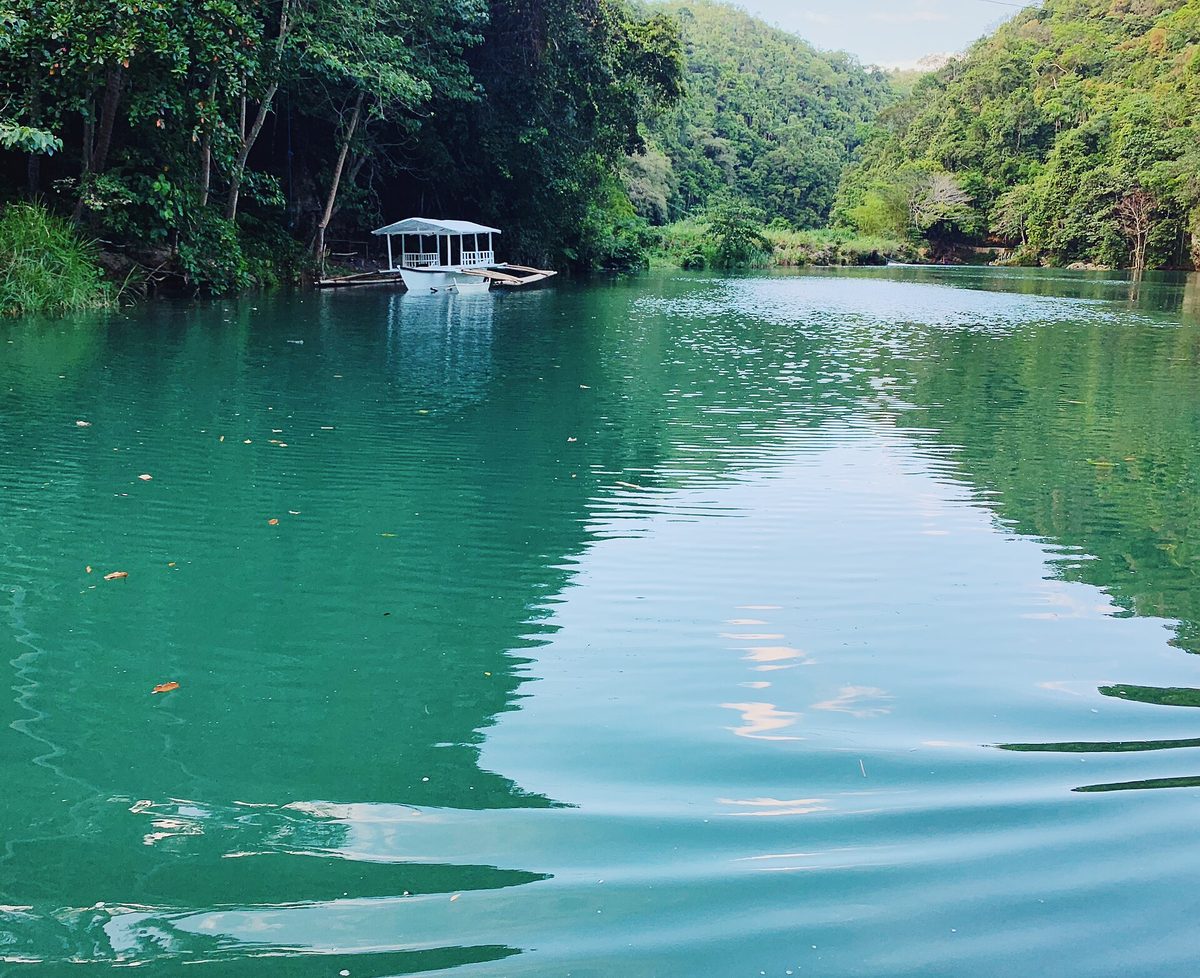
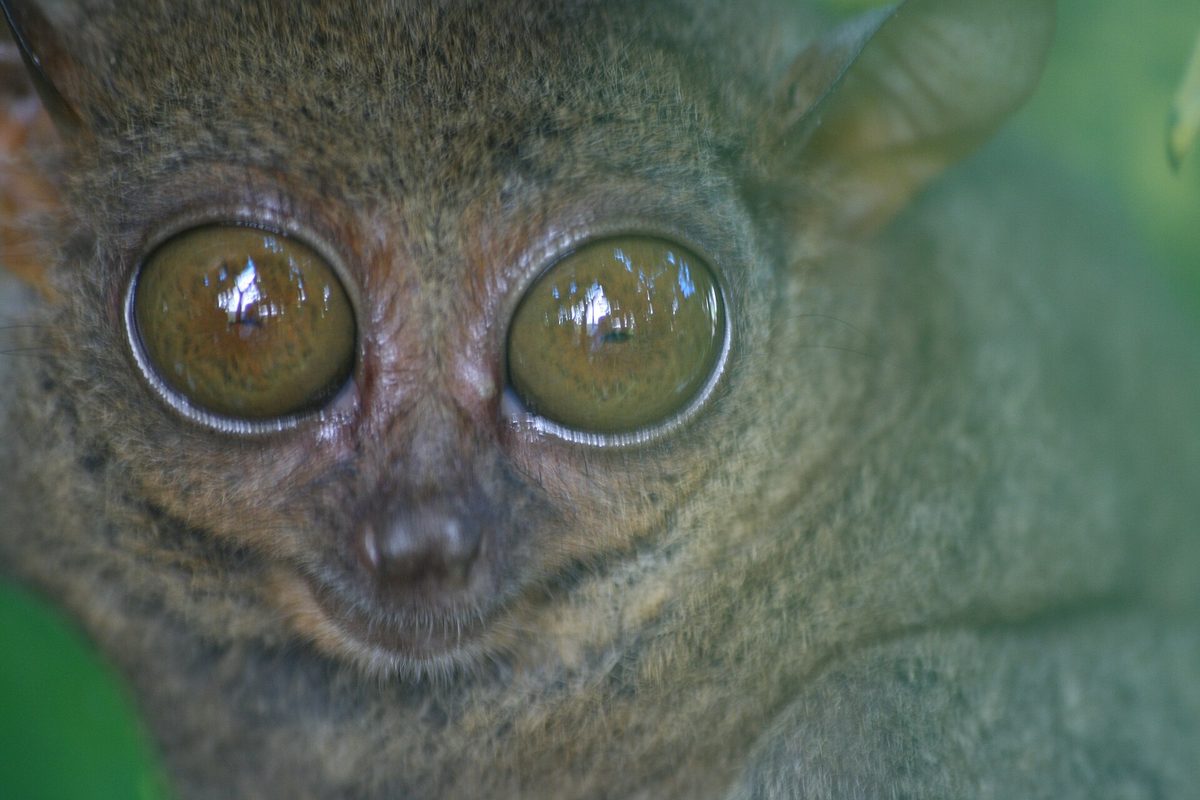
Bohol’s signature is the Chocolate Hills, more than 1,200 near-identical grassy mounds rolling to the horizon, which toast to a chocolate brown late in the dry season. The main viewpoint near Carmen costs around PHP 100 and is worth the early start to beat the tour buses. Nearby you will meet the Philippine tarsier, a fist-sized, saucer-eyed primate best seen at the Philippine Tarsier Sanctuary in Corella, where they live wild in a protected forest (entry around PHP 150–200). Skip any roadside cage offering tarsier selfies. Add the Loboc River lunch cruise, dawn dolphin-watching off Pamilacan Island, and the snorkel-and-dive reef at Balicasag, and Bohol delivers a tidy, varied wildlife day without long drives.
Cebu’s marine heavy-hitters
Cebu’s wildlife is mostly underwater and genuinely world-class. The Moalboal sardine run, a tornado of several million sardines swirling 20 meters off Panagsama Beach, is one of the best snorkeling experiences in the country, and it costs almost nothing (gear and fees run a few hundred pesos). Sea turtles drift through the same shallows. Off the northern tip, Malapascua is the only reliable place on Earth to dive with pelagic thresher sharks at dawn. And then there is Oslob, where operators hand-feed whale sharks daily.
I will be straight about Oslob, because most guides tiptoe around it. The encounter is real and the sightings are basically guaranteed, but the animals are fed to keep them in the bay, and marine scientists have criticized that feeding for years for altering the sharks’ natural migration and surface behavior. I do not recommend it. If swimming with the biggest fish in the sea is on your list, the wild, regulated, no-feed encounters in Donsol (southern Luzon) are the ethical version. There is more on the trade-offs in our piece on whale sharks in Oslob and the alternatives.
Mini-verdict: For land-based scenery and gentle wildlife (hills, tarsiers, river, dolphins), Bohol wins. For trophy marine encounters, sardine run and thresher sharks, Cebu wins. If the whale sharks were your reason for choosing Cebu, read the ethics paragraph first; it may change your mind.
Adventure and Activities
If your trip is built around doing things rather than lying down, this is a real separator.
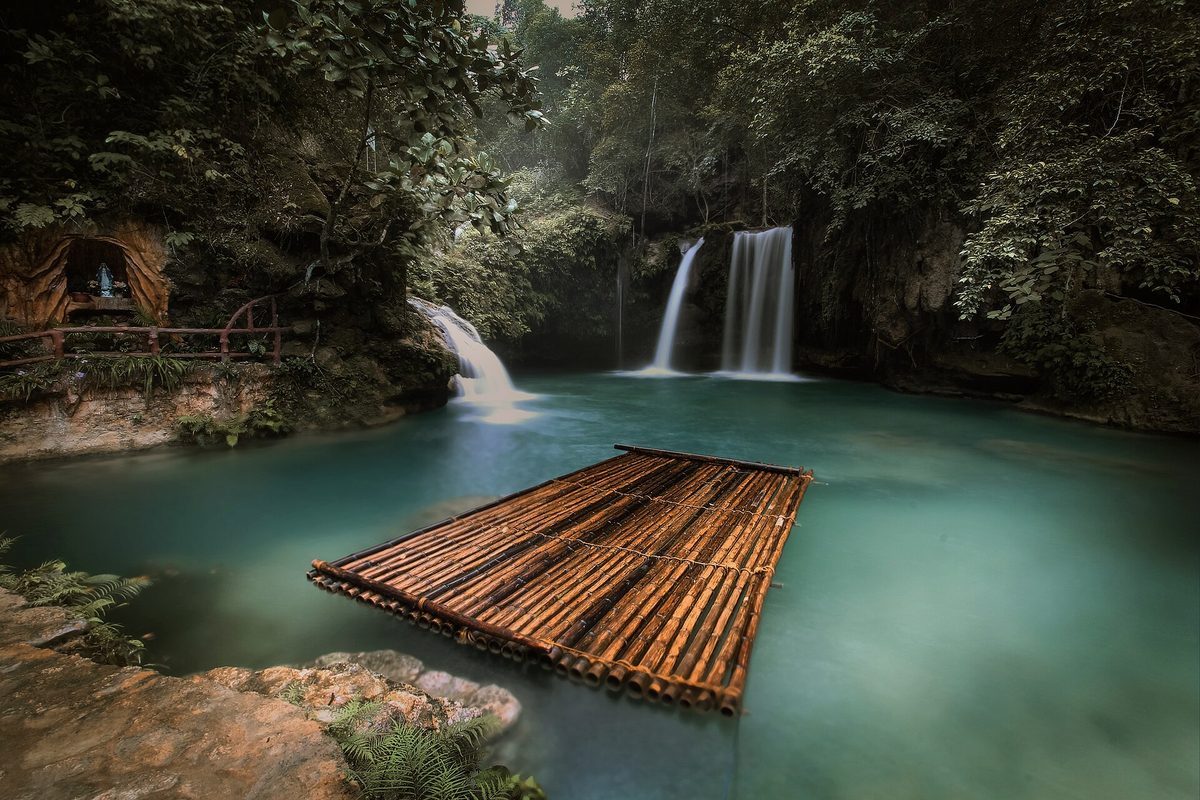
Cebu is the adventure island, full stop. The headline is Kawasan Falls canyoneering near Badian: four hours of swimming through gorges, sliding natural chutes and leaping off ledges (the highest a knee-wobbling 10–12 meters, every jump optional) before you reach the cartoon-blue triple-drop falls. Reckon on roughly PHP 1,800–2,500 with a guide, helmet and life vest, and go on the first morning slot. Beyond that, Cebu has the country’s best spread of diving for the money, from Moalboal’s house reefs and Pescador Island to the Malapascua thresher dives, plus easy hikes like Osmena Peak. It is a genuine playground.
Bohol’s adventure menu is lighter and gentler. The diving is good, especially the walls and turtles around Balicasag and Napaling, and there is stand-up paddleboarding on the Loboc River, ATV rides at the Chocolate Hills, and a zip-line or two. But there is nothing on Bohol with the adrenaline or the variety of Cebu’s south. That is not a knock; plenty of travelers want their island calm. It is just an honest gap.
Mini-verdict: Cebu, clearly, for adventure and for serious diving variety. Bohol is fine for divers who want a relaxed pace and a couple of standout reefs, but adrenaline-seekers belong in Cebu.
Family-Friendliness
Traveling with kids tilts the maths, and here Bohol pulls ahead for most families.
Bohol is the softer, simpler option: short transfers, calm and shallow Panglao beaches, and a countryside loop (tarsiers, Chocolate Hills, the Loboc River lunch cruise) that genuinely entertains children without anyone melting down in a three-hour van ride. The compact geography means less time strapped into a vehicle and more time actually doing things. It is the island I would point most first-time families toward.
Cebu can absolutely work for families, but you have to curate it. The whale-shark and canyoneering circuits involve long drives and, in Oslob’s case, an ethics call I would not make with kids watching. Base on Mactan for resort pools and calm water, do the sardine-run snorkel if your children are confident swimmers, and keep the big southern day trips to one or two. Done that way, Cebu is a great family trip; done as a checklist, it is exhausting for small legs.
Mini-verdict: Bohol for an easy family holiday with young kids. Cebu for active families with older children who want adventure and do not mind the transit.
Nightlife and Dining
Be honest with yourself about how much you want a real night out, because the two islands are not close on this.
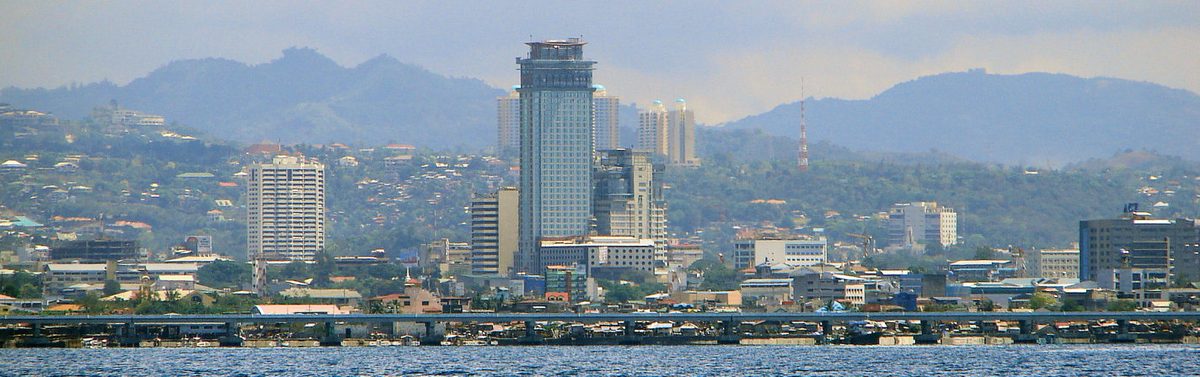
Cebu has the food and the nightlife. Cebu City is a proper metropolis with everything from hole-in-the-wall Filipino joints to craft-beer bars and late-night districts around IT Park and Mango Avenue. It is also the spiritual home of lechon, the slow-roasted pig Anthony Bourdain called the best he had eaten; Carcar’s market stalls and city institutions like Rico’s or Zubuchon settle the argument for around PHP 200–400 a plate. For variety and a genuine night out, nothing in Bohol compares.
Bohol’s scene is concentrated and mellow. Alona Beach has the bars, the live music and the fresh-seafood grills, and it is plenty for a few sociable evenings, but it winds down early and skews toward couples and families rather than party crowds. Tagbilaran, the capital, is functional rather than fun. If your idea of a holiday includes a real night out, Cebu is the pick.
Mini-verdict: Cebu wins comfortably on both dining range and nightlife. Bohol is fine for relaxed evenings on the beach strip, but it is not a nightlife destination.
Crowds, Cost and Best Time to Go
Two practical tie-breakers, plus the seasonal note that applies to both.
Crowds: Cebu is busier overall, and its marquee sights show it. Oslob’s whale-shark queue and the Kawasan canyoneering line can both feel like a conveyor belt by mid-morning, and Cebu City has real traffic. Bohol is quieter once you leave Alona Beach, though the Chocolate Hills viewpoint and Alona itself get packed at peak times. On both islands the fix is the same: start early. The Chocolate Hills before 8am and the sardine run at first light are calmer, better experiences.
Cost: The two are close, and both are excellent value by global standards. Cebu can run slightly higher simply because the activities (canyoneering, multi-dive days, long private transfers) add up, while Bohol’s costs creep in through tours and transfers rather than nightlife. Budget travelers manage on roughly PHP 2,000–3,000 ($34–52) a day on either island; a comfortable mid-range day with a private room, a tour and decent meals lands around PHP 4,000–6,500 ($70–112). Carry cash outside the cities; cards and GCash thin out fast.
Best time: Both islands share the Central Visayas climate, with a dry season running roughly December to May (best for island-hopping and canyoneering) and a wetter, stormier stretch from June to November. The shoulder months of December and May tend to balance decent weather with thinner crowds. Whale-shark feeding in Oslob and the Moalboal sardine run both run year-round. For a fuller breakdown, see our guide to the best time to visit.
Mini-verdict: Bohol is marginally calmer and a touch cheaper day to day; Cebu costs a little more mainly because there is more to do. Neither will break a sensible budget.
The Verdict: Pick Cebu If / Pick Bohol If
After all the categories, here is the honest shortcut. Most people will see themselves clearly in one of these two columns.
Pick Cebu if you:
- Want adventure front and center, especially Kawasan canyoneering and the Moalboal sardine run.
- Are a diver after variety, from thresher sharks to house reefs.
- Like a real city behind your beach days, with proper restaurants, lechon and nightlife.
- Do not mind longer drives and a bit more planning to reach the headline sights.
- Want a single base region that can fill a full week on its own.
Pick Bohol if you:
- Want an easy, low-logistics trip with short transfers and an airport beside the beach.
- Are traveling as a couple or with young kids and value a calm, scenic pace.
- Came for the Chocolate Hills, tarsiers and a gentle countryside loop.
- Want to walk from your room to a decent beach without a day trip.
- Prefer relaxed evenings on a beach strip over a big night out.
If you are a first-timer who genuinely cannot decide, that is usually a sign you should do both, which is easier than it sounds. And if your real dilemma is a bigger one, our Palawan vs Boracay comparison settles the other great Philippine either/or.
Why Not Do Both? Cebu and Bohol in One Trip
Here is the thing the “Cebu or Bohol” framing misses: they are 2 hours apart by fast ferry, and combining them gives you the best of each without a long travel day. For most people on a week or more, a Cebu and Bohol trip is the answer, and it is the route I would push almost any first-timer toward. You get Cebu’s adventure and Bohol’s calm in one loop, with our wider Philippines itinerary ideas to slot it into a longer trip.
The routing
Fly into Cebu (it is the bigger gateway), do the Cebu portion first while you have energy for the adventure days, then take a morning OceanJet from Pier 1 to Tagbilaran and finish soft on Panglao. Flying home is flexible: either ferry back to Cebu for your international flight, or fly out of Bohol-Panglao to Manila and connect. Doing Cebu first and Bohol second also means you end the trip relaxed rather than wrung out from canyoneering.
How long, and how to split the days
Five days is the workable minimum; seven is the sweet spot. A rough split that works:
- 5 days: 2.5 days Cebu (one big south day for Kawasan and the sardine run, one Cebu City or Mactan day), ferry, 2.5 days Bohol (countryside loop, then Panglao beach and Balicasag).
- 7 days: 3–4 days Cebu (south adventure day, a beach or Bantayan day, a city-and-food day), ferry, 3 days Bohol (countryside loop, Balicasag island-hopping, a slow Panglao beach day).
- 10+ days: add Malapascua’s thresher dives in the north of Cebu, or more island time off Panglao, without rushing.
One scheduling tip: do not try to ferry across and back for a single day. Sleep on each island, give Bohol at least 2 to 3 nights, and budget 2 to 3 hours between your Cebu landing and any onward ferry. Done this way, “both” is not a compromise; it is the trip most people wish they had booked.
Frequently Asked Questions
Is Cebu or Bohol better for first-time visitors?
Both work, but they suit different first trips. Cebu is better if you want variety, adventure and a city base, and do not mind some long drives. Bohol is better if you want an easy, scenic, low-logistics holiday with short transfers and walk-to beaches. If you cannot choose, do both: they are only a 2-hour ferry apart.
Is Cebu or Bohol better for families?
Bohol, for most families with young children. The transfers are short, Panglao’s beaches are calm and shallow, and the countryside loop with tarsiers and the Loboc River cruise keeps kids engaged without long van days. Cebu suits active families with older kids who want adventure and can handle the bigger distances between sights.
Can you do Cebu and Bohol in one trip?
Yes, and it is the move I recommend for most first-timers. The two islands are about 80 km apart, linked by frequent fast ferries that take around 2 hours. Fly into Cebu, do the adventure-heavy Cebu portion first, then ferry to Bohol for a calmer finish. Five days is the minimum; seven is comfortable.
How long is the ferry from Cebu to Bohol?
Around 2 hours on a fast craft. OceanJet is the main operator, running a dozen-plus daily departures from Cebu City’s Pier 1 to Tagbilaran on Bohol, with fares roughly PHP 1,000–1,560 (about $17–27) depending on class. Book a day or two ahead on weekends and holidays, and allow 2 to 3 hours between your Cebu landing and any onward ferry.
Which is cheaper, Cebu or Bohol?
They are close, and both are great value. Bohol tends to run a touch cheaper day to day because there is less to spend on, while Cebu’s costs creep up through adventure activities and longer transfers. Budget around PHP 2,000–3,000 ($34–52) a day for backpacking on either, or PHP 4,000–6,500 ($70–112) for a comfortable mid-range day.
Should I do the Oslob whale sharks in Cebu?
I would not. The Oslob encounter relies on hand-feeding wild whale sharks daily, which marine scientists have long criticized for altering the animals’ natural behavior and migration. If swimming with whale sharks is a priority, choose the wild, regulated, no-feed encounters in Donsol instead. It is a real encounter on the animal’s terms, and usually cheaper than you would expect.
Final Word
If someone forced a single answer out of me: choose Cebu for a first trip built on adventure and variety, choose Bohol for a first trip built on ease and scenery, and if you have a week, stop choosing and do both. The 2-hour ferry between them is the most useful sentence in this whole guide. Whichever you pick, you are landing in two of the best islands the Central Visayas has to offer, and it is genuinely hard to get this one wrong. For the deeper dive on each, our Cebu travel guide and Bohol travel guide take it from here.
Sources and photo credits
Photo Credits
- Chocolate Hills, Bohol — rogel tura (CC0) via Wikimedia Commons
- Alona Beach, Panglao, Bohol — yeowatzup / CC BY 2.0 via Wikimedia Commons
- Kawasan Falls, Badian, Cebu — Shemlongakit / CC BY-SA 4.0 via Wikimedia Commons
- Philippine tarsier, Bohol — John Martin PERRY / CC BY-SA 4.0 via Wikimedia Commons
- Loboc River, Bohol — Kris Fulgencio / CC BY-SA 4.0 via Wikimedia Commons
- Cebu City skyline — P199 / Public domain via Wikimedia Commons
Sources
- Philippine Department of Tourism — official travel portal
- OceanJet — Cebu–Bohol fast ferry schedules and fares
- Province of Bohol — official government and tourism site
- PAGASA — Philippine climate and seasons
About this guide: PhilippinesTourism.org publishes independent, on-the-ground Philippines travel guides. Information verified June 2026.