Off the Beaten Path: The Philippines’ Hidden Gems
Going off the beaten path in the Philippines does not mean finding a beach nobody has photographed. With more than 7,000 islands, it means choosing places where the crowds and the prices have not yet caught up to how good the scenery is. My two favorites: Batanes for its cliffs, and Romblon for raw, near-empty beaches.
I have spent a lot of trips chasing the quiet corners, and I want to be honest with you here: some of the “secret” islands you will read about are already busy in peak season, a few are genuinely hard to reach, and one or two are not worth the effort unless you have the right reason to go. Below is my curated, region-by-region list of genuinely underrated and lesser-known destinations Philippines travelers keep missing, with real transport details, rough 2026 costs (Philippine peso and US dollar at around 58 PHP to the dollar), the months that actually work, and a blunt verdict on who should go and who should skip it. If you want the bigger picture first, start with our guide to the best islands in the Philippines and use this as the deeper cut.
At a glance: the shortlist
Here is the quick version. Skim it, pick two or three that fit your route and your tolerance for travel time, then read the honest detail below.
| Place | Region | Best for | Effort to reach | Best months |
|---|---|---|---|---|
| Batanes | Luzon (far north) | Cliffs, rolling hills, slow days | High (flight-only, weather-dependent) | Mar–May |
| Catanduanes | Luzon (Bicol) | Surf, empty coast, headlands | Medium (flight or ferry) | Nov–Mar (calm); May–Oct (surf) |
| Marinduque | Luzon (heart) | Quiet towns, Holy Week tradition | Medium (ferry or small flight) | Dec–May |
| Romblon & Sibuyan | Visayas (north) | Marble, near-empty beaches, jungle | High (ferry-heavy) | Dec–May |
| Cresta de Gallo | Visayas (off Sibuyan) | A lone sandbar, no facilities | Very high (multi-leg) | Mar–May |
| Camotes Islands | Visayas (off Cebu) | Easy escape, lakes, caves | Low (short ferry from Cebu) | Dec–May |
| Biliran | Visayas (near Leyte) | Waterfalls, hot springs, green | Medium (ferry or land) | Dec–May |
| Guimaras | Visayas (off Iloilo) | Mangoes, mellow beaches, cycling | Low (15-minute boat) | Mar–May |
| Siquijor | Visayas (central) | Waterfalls, folklore, scooter loops | Low–medium (ferry via Dumaguete) | Dec–May |
| Camiguin | Mindanao (north) | Volcanoes, hot and cold springs | Medium (small flight or ferry) | Dec–May |
| Dinagat Islands | Mindanao (Caraga) | El Nido-style cliffs, no crowds | High (flight + boat) | Mar–Jun |
The best off the beaten path Philippines destinations in Luzon
The north and the Bicol region hide some of the country’s most distinctive landscapes. If the Luzon, Visayas and Mindanao split is still a blur to you, sort that out before you map a route. None of these are quick day trips, but two of the three are easier than their remote reputation suggests.
Batanes: cliffs, cows, and the country’s most cinematic silence
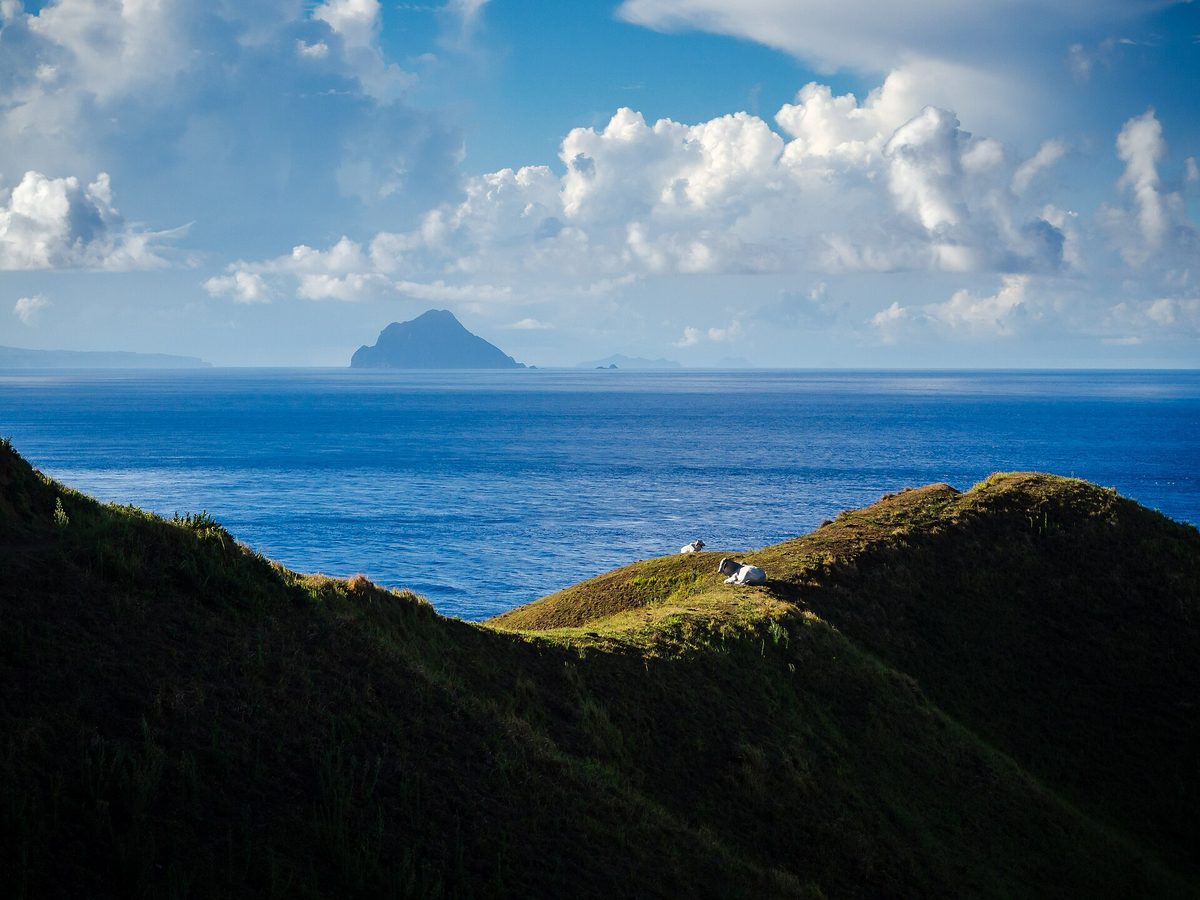
If you only have the budget and the patience for one far-flung trip, make it Batanes. This is the northernmost province in the Philippines, closer to Taiwan than to Manila, and it looks nothing like the postcard tropics. Think rolling green hills cropped short by grazing cows, stone Ivatan houses built to survive typhoons, and basalt cliffs where the Pacific slams into the West Philippine Sea. There are almost no crowds, no nightlife, and that is the entire point.
How to get there: Fly. There is no sensible sea route for visitors. Philippine Airlines runs the main non-stop flights from Manila to Basco, the capital, taking roughly one hour and fifty minutes, with several departures a week; other carriers such as SkyJet operate seasonally or with a connection, so schedules shift year to year. Expect to pay somewhere around PHP 13,000 to 16,000 (about $225 to $275) round-trip in 2026, and more in peak season. Book early, as seats are limited. Once there, you explore the main island of Batan by tricycle, rented scooter, or an arranged van tour, and take a day boat to rugged Sabtang.
When to go: March to May is the sweet spot, with the clearest skies and the lowest chance of a cancelled flight. Batanes sits in the typhoon corridor, so from June through November weather can ground planes for days. Build slack into your schedule no matter when you go.
Roughly what it costs: Beyond the airfare, guesthouses run about PHP 1,200 to 2,500 (around $20 to $43) a night, and a full-day guided tour of the north or south of Batan is commonly around PHP 1,500 to 2,500 per person. It is not a backpacker bargain, mostly because everything except fish has to be flown or shipped in.
Honest verdict: Worth it, with a caveat. Go if you want scenery and slowness and you can absorb a weather delay without ruining the rest of your trip. Skip it if your holiday is short and rigid, or if you need warm swimmable beaches and bars; that is not what Batanes does. Pair it conceptually with our wider Northern Luzon guide if you want to build a longer northern route.
Catanduanes: the surf island Bicol keeps quiet
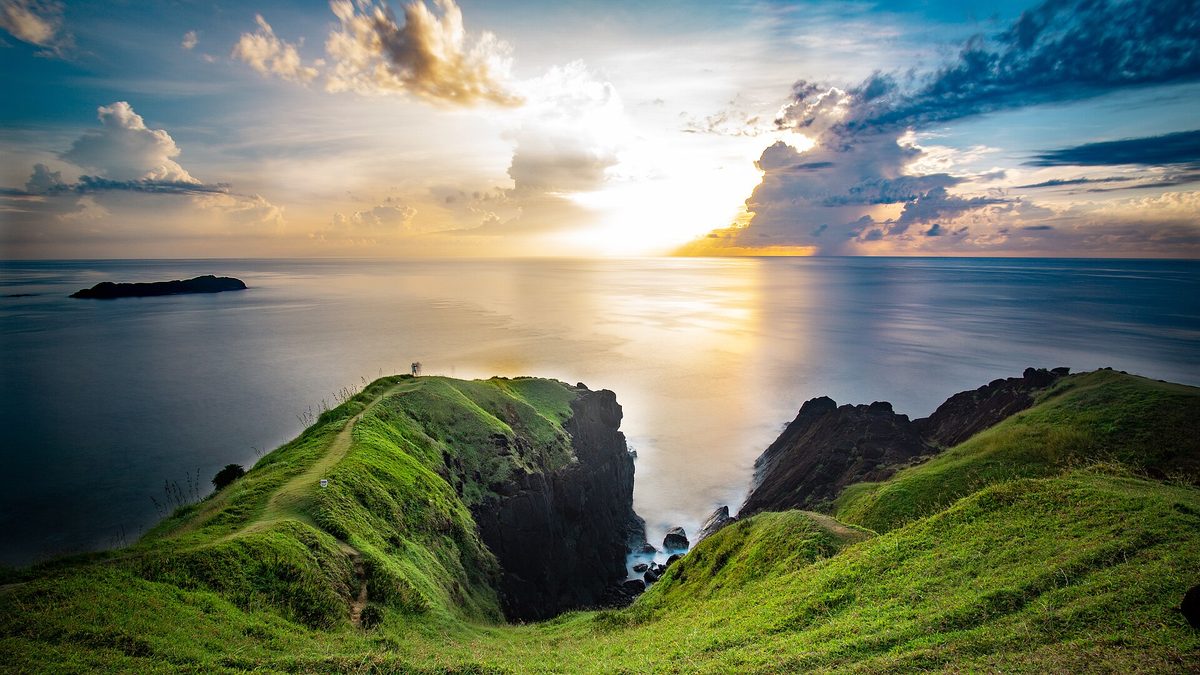
Catanduanes is an island province off the eastern tip of Bicol, and it stays under the radar largely because it catches the weather first. That same exposure gives it serious waves. Puraran Beach is the headline break, a reef wave nicknamed “Majestics” that draws a small, committed surf crowd, while Binurong Point delivers grassy clifftop ridges that look almost Irish at sunrise. The rest of the coast is green, rough, and gloriously underbuilt.
How to get there: Two options. Cebu Pacific flies Manila to Virac, the capital, several days a week (typically Monday, Wednesday, Friday, and Sunday), which is the fast way in. The scenic way is overland to Tabaco port, then a roll-on roll-off ferry to Virac for roughly PHP 150 to 300, or a faster craft around PHP 450, taking a few hours. From Virac, jeepneys and vans run to Baras (about PHP 45 to 100), then a tricycle out to Puraran for around PHP 150.
When to go: This one splits by purpose. For calm seas, beach days, and reliable transport, come November to early March. For surf, the swell builds from around May to October, which is also typhoon season, so you trade waves for risk. Check forecasts obsessively if you are chasing the latter.
Roughly what it costs: Simple beachfront lodges near Puraran sit around PHP 800 to 2,000 ($14 to $34) a night. Board rental and a lesson will run you a few hundred pesos to low thousands. Food is cheap and local.
Honest verdict: Worth it for surfers and for travelers who actively want a coast with almost no tourism infrastructure. Skip it if you want guaranteed flat water and resorts, or if you are travelling in the deep wet months and cannot tolerate a washed-out itinerary.
Marinduque: the heart-shaped island most people drive past
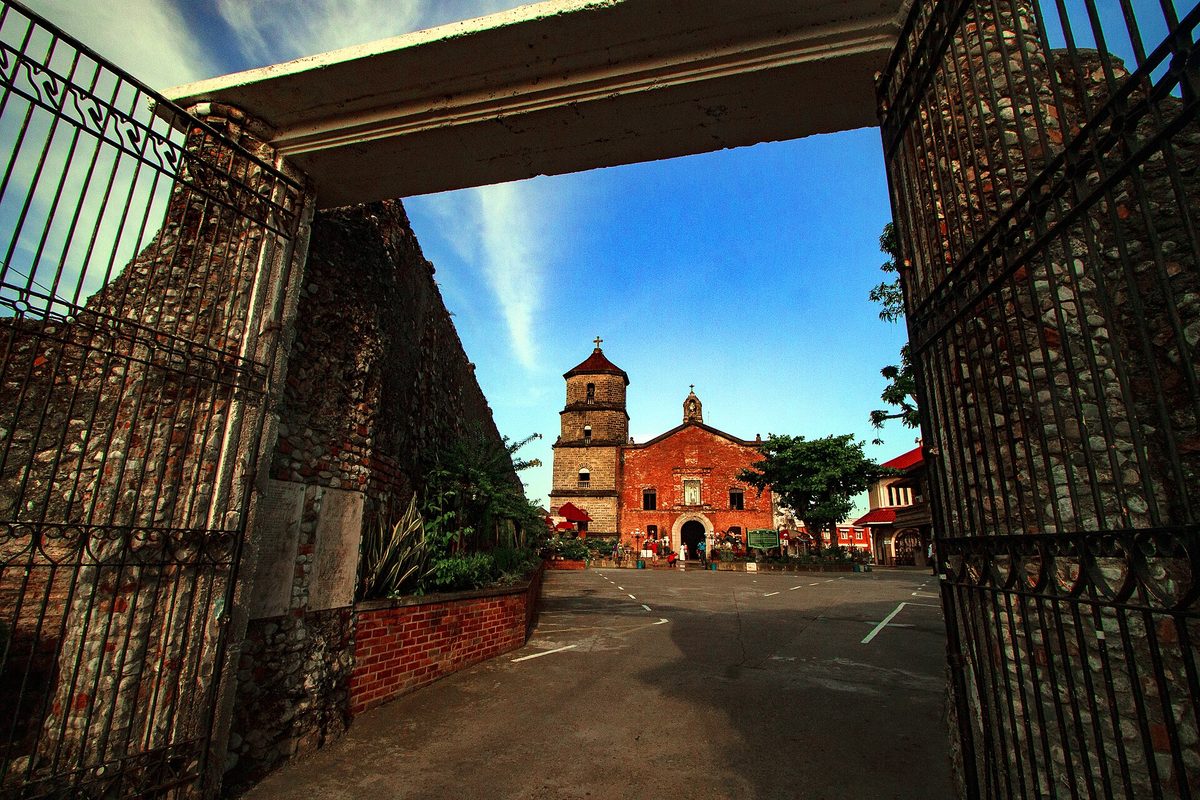
Marinduque sits almost dead center in the Philippine map, a heart-shaped island that somehow gets skipped on the way to flashier places. It is gentle country: old Spanish-era churches in Boac, the quiet sands of Poctoy White Beach, hot springs, and small towns where nothing is in a hurry. Its one moment of fame is the Moriones Festival during Holy Week, when masked, costumed “Roman soldiers” roam the streets in a centuries-old tradition.
How to get there: The usual route is a bus or drive to Lucena port in Quezon, then a ferry to Balanacan (or Cawit) on Marinduque, roughly three hours, with passenger fares around PHP 300 to 470. Montenegro and other lines sail daily. There is also a small airport with intermittent flights from Manila, but the ferry is the dependable choice. On the island, tricycles and rented scooters cover everything.
When to go: December to May for dry, easy travel. If you specifically want the Moriones Festival, target Holy Week (late March or April in 2026’s calendar), but book early because the island fills with returning families and the few hotels sell out.
Roughly what it costs: Budget and mid-range rooms run about PHP 900 to 2,500 ($16 to $43). Because so little is geared to tourists, day-to-day spending stays low outside the festival.
Honest verdict: Worth it if you like slow, cultural, low-key islands and you are not chasing dramatic beaches. The coastline is pleasant rather than spectacular. Skip it if you want nightlife or dive-resort polish; Marinduque is about texture and calm, not wow-factor swimming.
Underrated islands in the Visayas
The central Visayas is where you find the densest cluster of lesser-known islands, partly because the famous ones (Boracay, Cebu, Bohol) absorb most of the attention and leave their neighbors in peace. Most travelers arrive having already agonized over Cebu versus Bohol and never notice the quieter islands sitting between them. This is my favorite region for stringing together two or three under-the-radar stops on a single ferry-hopping trip. For the logistics of moving between them, our guide to getting around the Philippines is worth reading before you go.
Romblon and Sibuyan: marble, jungle, and beaches that stay empty
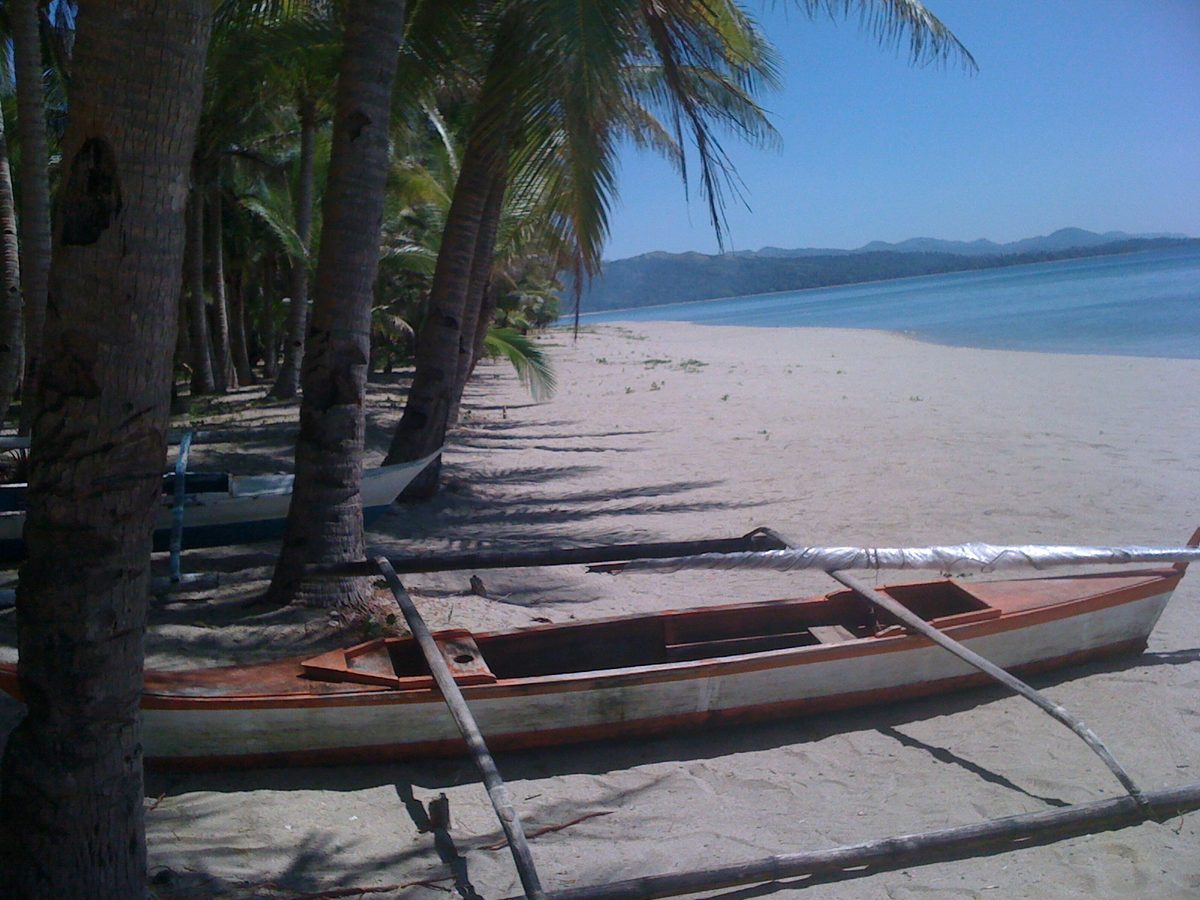
Romblon province is three main islands and a scatter of smaller ones, and it remains one of the most underrated destinations in the Philippines despite being directly between Luzon and the Visayas. Romblon town is the “marble capital,” where workshops carve everything from tiles to tabletops out of stone pulled from the hills. Tablas is the largest island and the transport hub, with quiet beaches like Binucot. And then there is Sibuyan, often called the “Galapagos of Asia” for its high share of species found nowhere else, crowned by the serrated peak of Mount Guiting-Guiting, a brutal climb that serious hikers treat as a badge of honor.
How to get there: This takes commitment. From Batangas port you can take a ferry (lines such as Starlite sail in the afternoon) toward Romblon and Sibuyan; there are also flights from Manila to Tablas airport, then onward ferries between the islands. Inter-island boats connect Tablas, Romblon, and Sibuyan, but they run on island time, so pad your schedule.
When to go: December to May. The seas around here get rough in the wet months and small ferries are the first thing cancelled.
Roughly what it costs: Rooms are cheap, broadly PHP 800 to 2,500 ($14 to $43), and food and transport are inexpensive. The cost here is measured in travel hours, not pesos.
Honest verdict: Worth it for travelers who genuinely enjoy slow, multi-ferry journeys and want beaches without beach clubs. Sibuyan in particular rewards hikers and nature people. Skip it if you have under a week, get seasick easily, or expect resort comforts; the payoff here is space and quiet, not amenities.
Cresta de Gallo: a sandbar at the edge of everything
If there is a single image that sells the idea of going off the grid, it is Cresta de Gallo, a slim curl of white sand and clear shallows floating off the southern tip of Sibuyan. It is genuinely beautiful and genuinely remote. There is no resort, no shop, no shade beyond what you bring, no reliable phone signal, and no fresh water. You go for a few hours, then you leave.
How to get there: You must already be on Sibuyan. From Magdiwang port, take a van or jeep to the San Fernando or Azagra side (around PHP 300), arrange a private outrigger boat (often from about PHP 2,500 for a small group for the day), and launch early, ideally before 7 a.m., because afternoon seas can turn the crossing uncomfortable.
When to go: March to May, on a calm, clear day. The boat trip is genuinely weather-dependent and not worth forcing.
Roughly what it costs: The boat is the main expense, split among your group. Bring everything: water, food, sun protection, and a dry bag.
Honest verdict: Worth it only as an add-on once you have already done the work of reaching Sibuyan. It is a stunning half-day, not a destination in itself. Skip it if you are short on time, travelling solo on a tight budget (the boat cost stings when not shared), or unwilling to deal with zero facilities.
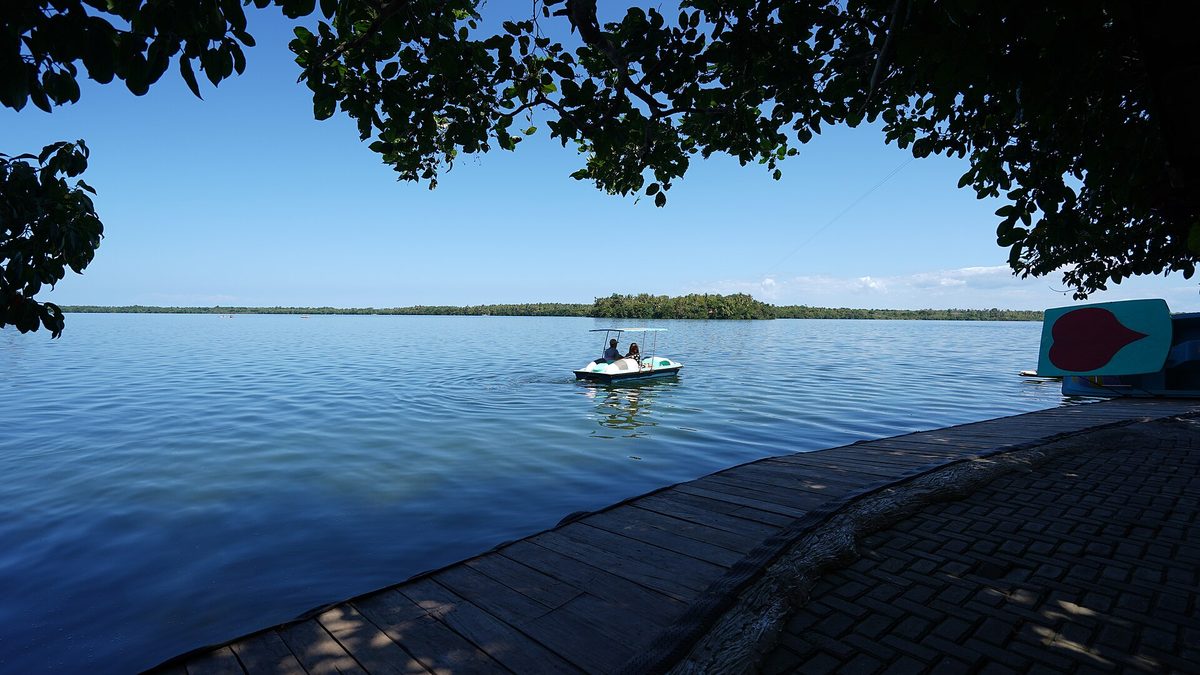
Camotes Islands: the easy one, two hours from Cebu
Not every underrated place has to be an expedition. The Camotes Islands sit just off Cebu’s east coast and make the easiest “secret” escape on this list. You get quiet white-sand beaches, the pretty inland Lake Danao, caves and cliff jumps, and a pace that drops the moment you arrive, all without a punishing journey.
How to get there: Ferries leave Cebu (from Danao City, or from Liloan and Mactan depending on the operator) multiple times a day, taking roughly one and a half to three hours, with fares commonly around PHP 500 to 700. Jomalia and Super Shuttle are the usual names. On the islands, rent a scooter or hire a habal-habal (motorbike taxi) to get around.
When to go: December to May for the calmest seas and best beach weather, though Camotes is doable much of the year given the short crossing.
Roughly what it costs: Rooms run about PHP 1,000 to 2,500 ($17 to $43), and the whole trip is friendly to a modest budget.
Honest verdict: Worth it for almost anyone, especially first-timers who want a taste of the quiet Philippines without committing two days to travel. It is not the most jaw-dropping island here, but the effort-to-reward ratio is the best on the list. Skip it only if you are already deep in the south and Cebu is out of your way.
Biliran: waterfalls and hot springs almost nobody visits
Biliran is a small island province bolted onto the north of Leyte, and it is one of the greenest, least-touristed spots in the Visayas. The interior is mountainous and dripping with waterfalls (Tinago and Recoletos among them), there are hot springs to soak in, and offshore islets like Higatangan have a shifting sandbar that changes shape with the tides. It feels like the Philippines before the guidebooks arrived.
How to get there: You can reach Biliran overland from Tacloban on Leyte (a few hours by bus or van across the connecting bridge), or take a fast craft from Cebu to Naval, the capital, which runs several days a week (departing Cebu in the morning) in roughly three to four hours. Once there, scooters and habal-habal cover the island.
When to go: December to May. The Eastern Visayas catches a lot of rain, and the waterfall trails get slippery and the seas choppy in the wet season.
Roughly what it costs: Lodging is inexpensive, broadly PHP 800 to 2,000 ($14 to $34), and there is little to spend money on beyond transport and small entrance fees.
Honest verdict: Worth it for waterfall-chasers and travelers who like rural, unpolished islands. Skip it if you want beach-resort comfort or a lively scene; Biliran is quiet to the point of sleepy, which is exactly why I like it.

Guimaras: mangoes and mellow days off Iloilo
Guimaras is the antidote to a hard trip. This small island sits a 15-minute boat ride from Iloilo City and is famous nationwide for growing what many Filipinos consider the sweetest mangoes in the country. Beyond the fruit, it is a low-key place of small beaches, easy cycling, a quirky pitstop at the SEAFDEC, and resort islets you can boat to. It is underrated mostly because people treat it as a half-day add-on rather than a stay.
How to get there: From Iloilo City, take a pumpboat from Ortiz or Parola wharf across the strait to Jordan, about 15 to 20 minutes for roughly PHP 15 to 30. There is also a roll-on roll-off ferry for vehicles. On Guimaras, hire a tricycle or rent a scooter; the island is small enough to explore in a day or two.
When to go: March to May lines up with peak mango season and the dry weather, and the Manggahan (mango) Festival lands in this window. It is the obvious time to come.
Roughly what it costs: Guesthouses and small resorts run about PHP 1,000 to 3,000 ($17 to $52). Day-tripping from Iloilo keeps it even cheaper.
Honest verdict: Worth it as a relaxed one-or-two-night stop, especially paired with Iloilo. Skip it as a standalone long-haul destination; the appeal is gentle and culinary, not dramatic scenery. Eat the mangoes. All of them.
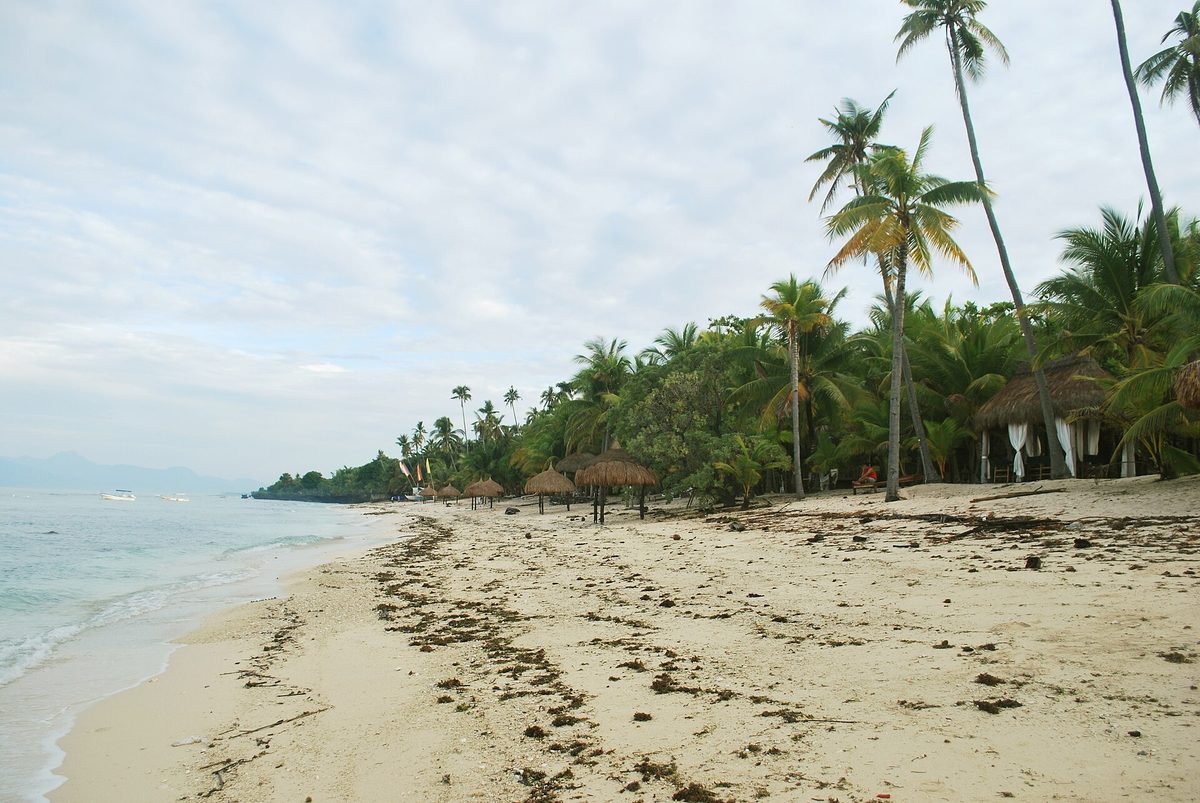
Siquijor: folklore, waterfalls, and the most popular pick here
I have to be straight with you: Siquijor is the least “secret” island on this list, and it gets busier every year. It still earns a place because it remains genuinely lovely and easy to fall for. The island carries a centuries-old reputation for healers and folk magic, which gives it an atmosphere the others lack, but the day-to-day reality is turquoise water at Cambugahay Falls, an old balete tree with a natural foot-spa pool at its roots, cliff jumps at Salagdoong, and sunset beaches you loop between on a scooter.
How to get there: There is no airport, which is part of what has kept it manageable. Fly to Dumaguete on Negros, then take a passenger ferry across to Siquijor (roughly an hour). Boats run frequently through the day. On the island, a rented scooter is the way everyone gets around.
When to go: December to May for dry, dependable weather. Try to avoid the Holy Week and Christmas-New Year peaks if you want the quieter version of the island.
Roughly what it costs: Accommodation spans real backpacker prices up to comfortable boutique stays, broadly PHP 800 to 4,000 ($14 to $69). Scooter hire is cheap, around PHP 300 to 450 a day.
Honest verdict: Worth it, with expectations set. Go for an easy, scenic island with character, but do not expect a deserted secret; in high season the waterfalls and the famous balete tree get crowded by mid-morning. Arrive early, explore at the edges of the day, and it still delivers.
Lesser-known escapes in Mindanao
Mindanao carries an outsized reputation for risk that does not match the reality of its calmer, traveler-friendly corners. The two below are well established with visitors and sit far from any area covered by advisories, but as anywhere, check current government guidance before you book.
Camiguin: a small island that collects volcanoes
Camiguin packs an absurd amount into 23 kilometers: seven volcanoes, hot and cold springs, waterfalls, a giant clam sanctuary, and the eerie Sunken Cemetery marked by a cross rising out of the sea, the remains of a town drowned by an 1871 eruption. You can hike Mount Hibok-Hibok, snorkel over the sunken graves, and soak in Ardent Springs in a single day. It is one of the most rewarding underrated destinations in the Philippines for its size.
How to get there: There are limited flights to Camiguin’s small airport, but the dependable route is via Cagayan de Oro: travel to Balingoan port, then a ferry to Benoni on Camiguin (around an hour, frequent sailings). From Cebu, you can also route through Bohol or Cagayan de Oro. Scooters rule on the island.
When to go: December to May for the driest weather. The lanzones fruit festival in October is a fun reason to come in the shoulder season if you do not mind some rain.
Roughly what it costs: Rooms run about PHP 1,000 to 3,000 ($17 to $52), with mountainside and beachfront options. Activities and entrance fees are modest.
Honest verdict: Worth it, full stop. It is one of the best value, most varied small islands in the country, and it never feels overrun. The only reason to skip it is pure logistics if you simply cannot route through northern Mindanao. For a deeper look, see our dedicated Camiguin guide.
Dinagat Islands: El Nido scenery without the boats full of people
If you want the dramatic limestone-and-lagoon look of El Nido without the armada of tour boats, the Dinagat Islands deliver. This young province north of Surigao has pristine shores, an enchanting island lake, and natural tidal pools, and it sees a fraction of the visitors of its famous Palawan cousin. It is wilder, rougher around the edges, and far quieter.
How to get there: Fly to Surigao (or to Siargao and connect), make your way to Surigao port, then take a passenger boat to San Jose on Dinagat. Many travelers arrange a boat through their accommodation. Island hopping is the main way to see the best spots, and some areas are only reachable by chartered banca.
When to go: March to June tends to be calmest. This is the Pacific-facing northeast, so seas can be lumpy outside that window.
Roughly what it costs: Lodging is simple and inexpensive, broadly PHP 800 to 2,500 ($14 to $43). Boat charters for island hopping are the main spend and are best shared.
Honest verdict: Worth it for travelers who want El Nido-style scenery and actively prefer rough-and-ready over polished. Skip it if you need comfort, easy logistics, or a busy social scene; infrastructure here is thin and that is the trade. Pair it with nearby Siargao if you want one mainstream base and one wild side trip.
A word on the “secret” islands that are not so secret anymore
Honesty matters more than hype, so here is the caveat the listicles skip. Several places sold as hidden are now firmly on the map. Siargao went from surf secret to one of the country’s busiest islands in under a decade, and in peak season it books out. Siquijor, as I said above, gets crowded at its famous spots. Even genuinely remote names like Balabac in southern Palawan, with its sandbars and turtle-laden islets, now have a steady stream of multi-day tours, plus real logistical effort and a sensitive environment that suffers when too many boats arrive. The lesson is timing as much as place: go in the shoulder months, start your days early, sleep on the island rather than day-tripping, and you will find the quiet version of almost anywhere. Treat “off the beaten path” as a way of travelling, not just a list of coordinates.
How to travel responsibly off the beaten path
The places in this guide stay special precisely because few people reach them, which means each visitor’s footprint counts for more. A few habits make a real difference. Carry your trash out, especially on islands like Cresta de Gallo where there is no waste collection at all, and refuse single-use plastic where you can. Spend your money locally: stay in family-run guesthouses, hire local guides and boatmen, and buy directly from growers and weavers rather than middlemen. In low-capacity spots, book ahead, because a handful of rooms can fill fast during festivals and the dry-season peak, and a no-show or a turned-away traveler hits a tiny operator hard. Respect local customs and sacred sites, ask before photographing people, and on fragile reefs do not touch or stand on coral. Plan your timing around the seasons rather than fighting them; our guide to the best time to visit the Philippines is the easiest way to line up dry-season weather with the quieter shoulder weeks. The goal is simple: leave these islands at least as good as you found them.
Frequently asked questions
What is the most underrated island in the Philippines?
If I have to pick one, it is Camiguin: a compact island with seven volcanoes, hot and cold springs, waterfalls, and a sunken cemetery, all reachable in a day or two, and it never feels crowded. For raw remoteness over convenience, Sibuyan in Romblon (the “Galapagos of Asia”) is the stronger choice. Both reward you with scenery that punches far above their visitor numbers.
Where can I avoid crowds in the Philippines?
Skip the headline trio of Boracay, El Nido, and Cebu’s tourist core and head to the islands their fame overshadows: Romblon, Biliran, Catanduanes, the Camotes, Guimaras, and Marinduque all stay quiet even in the dry season. Timing helps as much as place. Travel in the shoulder months and start sightseeing early, before the day-trip boats arrive.
Are these hidden gems in the Philippines hard to reach?
It varies a lot, which is why I rated effort in the table above. Some are genuinely easy: Guimaras is a 15-minute boat from Iloilo, and the Camotes are a short ferry from Cebu. Others, like Batanes, Sibuyan, and Cresta de Gallo, take flights or multiple ferries and depend on the weather. Match the effort to your time and patience.
When is the best time to visit these off-the-beaten-path destinations?
For most of them, the dry season from roughly December to May gives the calmest seas and the most reliable transport, which matters when small ferries are involved. The main exception is surf: Catanduanes and similar east-coast breaks peak from about May to October, which overlaps typhoon season, so you trade better waves for higher risk and more cancellations.
Is it safe to travel off the beaten path in the Philippines?
The destinations in this guide are well established with travelers and sit far from areas covered by advisories, but conditions can change, so check your government’s current guidance before booking, particularly for Mindanao. The bigger day-to-day risks are practical ones: weather-grounded flights, rough ferry crossings, thin medical facilities, and patchy mobile signal. Carry cash, build in buffer days, and travel with good insurance.
Which underrated destination is best for a first-timer?
Start with the Camotes Islands or Guimaras. Both give you the quiet, local, under-the-radar feeling this guide is about without a punishing journey or a need for tight weather windows, and both pair easily with a major gateway (Cebu and Iloilo). Save the harder, weather-dependent trips like Batanes and Sibuyan for a return visit once you know how Philippine travel flows.
Sources and photo credits
Photo credits
- Batanes rolling hills: Photo: Cid Jacobo / CC BY-SA 4.0 via Wikimedia Commons (source)
- Romblon / Cresta de Gallo area beach: Photo: Martyn Savident / CC BY-SA 3.0 via Wikimedia Commons (source)
- Catanduanes (Binurong Point): Photo: ASEBASTIAN1218 / CC BY-SA 4.0 via Wikimedia Commons (source)
- Marinduque (Boac Cathedral): Photo: Ranieljosecastaneda / CC BY-SA 4.0 via Wikimedia Commons (source)
- Camotes Islands (Lake Danao): Photo: choypictures (CC0) via Wikimedia Commons (source)
- Siquijor beach: Photo: Renzelle Mae Abasolo from Philippines / CC BY 2.0 via Wikimedia Commons (source)
- Guimaras (Manggahan Festival): Photo: FroyR / CC BY-SA 4.0 via Wikimedia Commons (source)
Sources
- Philippine Department of Tourism – official travel portal
- PAGASA – Climate of the Philippines (dry and wet season patterns)
- Province of Guimaras – official “How to Get There” page
- PhilAtlas – Philippine geography and provincial data
About this guide: PhilippinesTourism.org publishes independent, on-the-ground Philippines travel guides. Information verified June 2026.
1 response
Comments are closed.