Is Siargao, Davao or the Rest of Mindanao Safe?
Mindanao is not one place. Siargao, Davao City, Camiguin and Dinagat are exempted from the warnings and rank among the friendliest, most laid-back spots in the country, while the advisories target a specific corner of the far southwest. Here’s the honest breakdown, destination by destination, so you can plan with confidence.
When people ask me whether the south of the Philippines is off-limits, they are usually picturing a single blanket warning. That picture is wrong. The travel advisories are geographically narrow, the popular islands sit far outside the flagged zones, and the genuine no-go areas are concentrated in places almost no leisure traveller would visit anyway. Below I split the region the way the official maps actually split it, then walk through each destination with the real risks and the practical precautions that matter.
Mindanao safety at a glance
This table summarises where each major destination stands against the September 2026 advisories. Tiers reflect the US State Department and the UK Foreign, Commonwealth & Development Office (FCDO). Advisory levels change, so I treat them as a snapshot and link the official sources at the end.
| Place | Advisory status | Safe for tourists? | Notes |
|---|---|---|---|
| Siargao Island | Exempted (not under the Level 3 / “all but essential” warning) | Yes — routinely visited | Relaxed surf-and-island culture; the real risk is scooter accidents, not crime. |
| Davao City (& Davao del Norte) | Exempted from Level 3 | Yes — one of the most orderly cities in the country | A Feb 2026 US Embassy note restricted its own staff’s personal travel here; it is an internal personnel measure, not a tourist threat. |
| Camiguin | Exempted (FCDO names it specifically) | Yes — quiet and low-key | Small volcanic island; gentle pace, very low crime. |
| Dinagat Islands | Exempted (named in both advisories) | Yes — remote and untouristed | Off-grid feel; bring patience and cash. |
| Rest of Mindanao | US Level 3 “Reconsider Travel” / FCDO “all but essential travel” | Not a casual-tourism call | Covers the wider island outside the exempted areas; most travellers have no reason to enter these provinces. |
| Sulu Archipelago + western & central Mindanao + Marawi City | US Level 4 “Do Not Travel” (Sulu, Marawi) / FCDO “against all travel” (W & C Mindanao, Sulu) | No — genuine no-go zone | Active kidnapping and armed-conflict risk; this is the corner the warnings are actually about. |
The single most useful thing to understand is that the dangerous tier is small and specific. For the bigger picture beyond this region, our honest Philippines safety guide sets out how the country as a whole compares, and our companion piece on Philippines areas to avoid maps the flagged zones nationwide.
Why “is Mindanao safe?” is the wrong question
Mindanao is the second-largest island in the Philippines and the heart of an entire island group, home to more than 25 million people across dozens of provinces. Asking whether the whole of it is safe makes about as much sense as asking whether “Europe” is safe, or treating a warning about one district as a verdict on a continent. The geography is enormous and varied, and the security picture changes completely depending on which corner you mean.
Here is the reality the official maps show. The flagged areas sit in the far southwest: the Sulu Archipelago out toward Borneo, the western and central provinces, and the city of Marawi. The places travellers actually fly to for surf, diving and island-hopping sit on the opposite, northeastern side, hundreds of kilometres away. The FCDO underlines this by naming Camiguin, Dinagat and Siargao as explicit exceptions to its warning, and the US State Department exempts Siargao, the Dinagat Islands, Davao City and Davao del Norte from the higher tier. Those exemptions are not vague reassurances; they are written into the advisories.
So the honest answer is a split, not a single word. Most of the southwest deserves real caution and a couple of pockets deserve a firm no. The exempted islands and Davao City, meanwhile, are not merely tolerable — they are some of the most welcoming, low-stress destinations in the entire archipelago. Let’s take them one at a time.
Is Siargao safe? Yes — here’s the honest detail
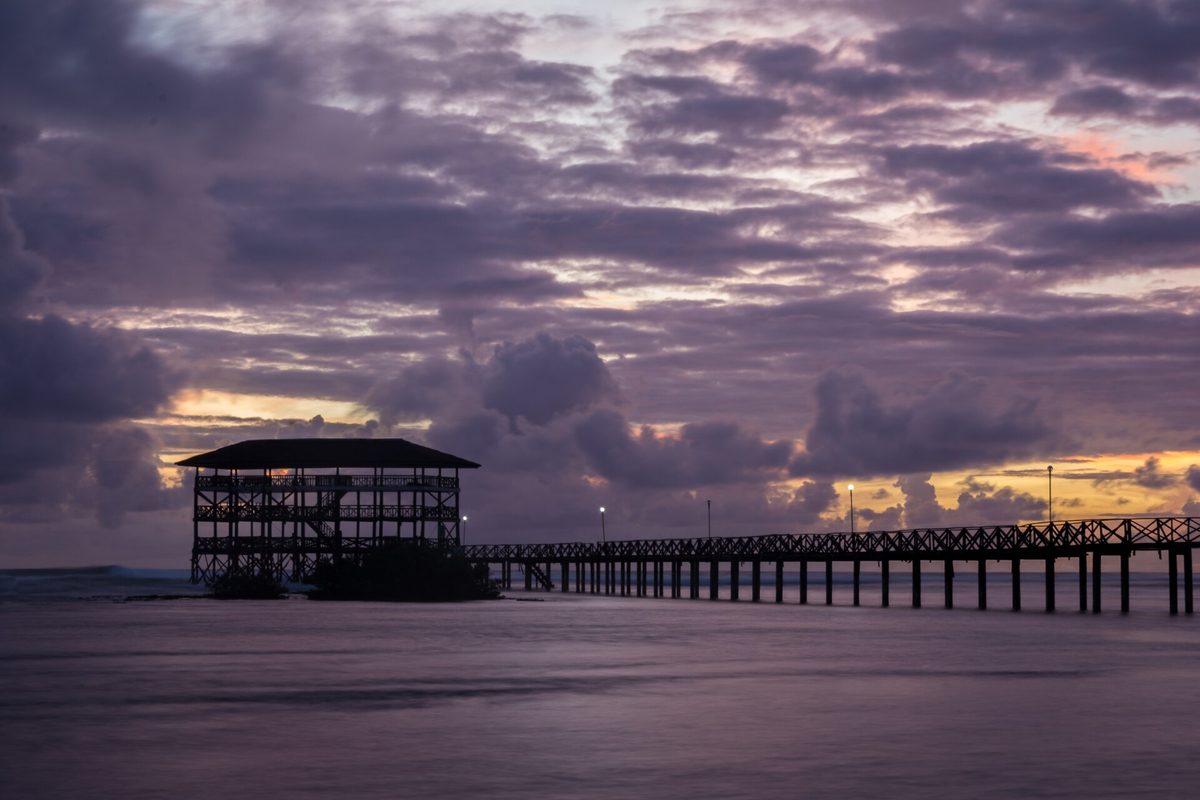
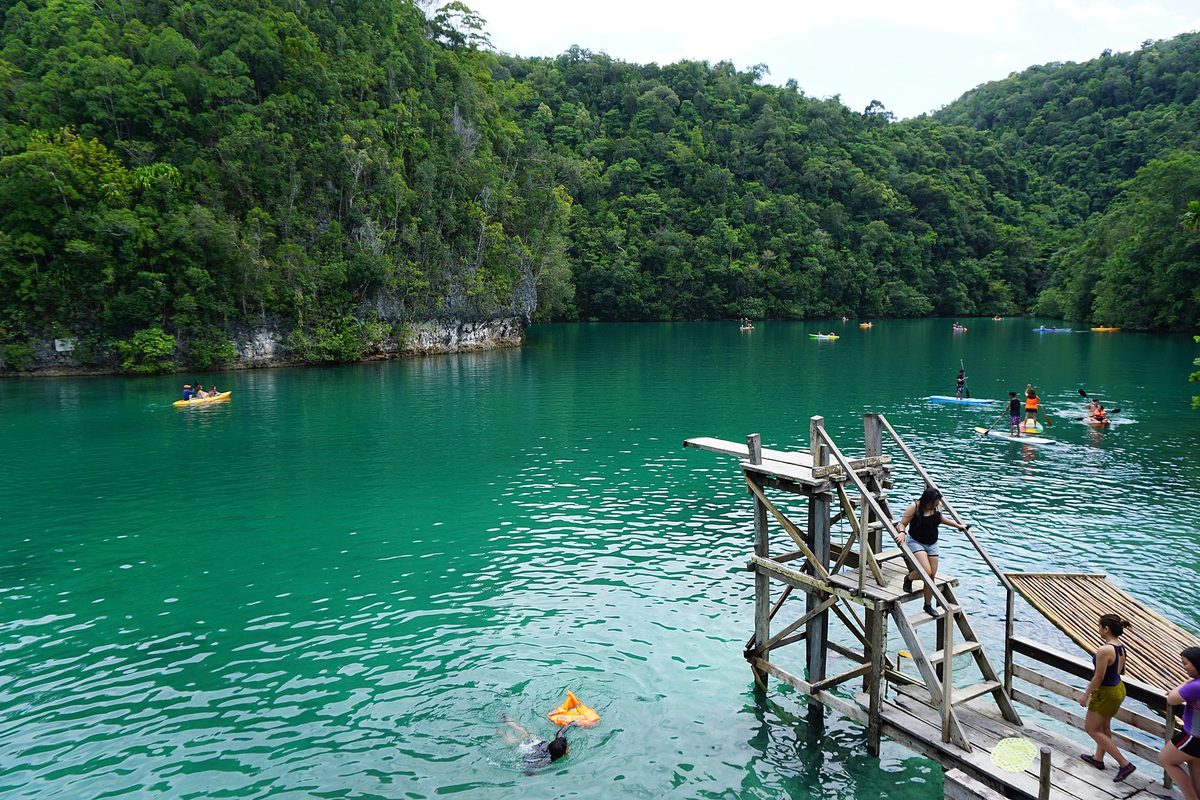
Siargao is the teardrop-shaped surf island off the northeastern tip of Mindanao, and it is one of the most relaxed places I know in the Philippines. The town of General Luna anchors the scene, with Cloud 9’s famous reef break a short ride away, mangrove channels and the turquoise water of Sugba Lagoon to the west, and a string of tiny picture-book islets offshore. For a destination so often filed under “Mindanao,” it has a security profile closer to a sleepy beach town than anything the headlines suggest.
On the formal side, the question of whether is siargao safe has a clear answer: the island is specifically exempted from the higher advisory tiers. The FCDO lists Siargao by name as an exception to its “all but essential travel” warning, and the US State Department leaves it off its Level 3 list. Terrorism and armed-conflict risk — the thing the Mindanao warnings are built around — simply does not track to this island. Tourists arrive in a steady stream year-round without security problems.
Violent crime against visitors is uncommon. What does cause trouble is far more mundane: scooter accidents. Renting a motorbike feels like the natural Siargao thing to do, but the roads between General Luna, Dapa and the northern villages can be dark, narrow, wet and shared with dogs and tricycles. Far more travellers come unstuck on a rented scooter after rain or after a night out than ever encounter a criminal. If you do not ride confidently at home, this is not the place to learn. Wear a helmet every time, never drink and ride, take a tricycle home after the bars, and make sure your travel insurance actually covers two wheels — many policies exclude scooters unless you hold the right licence.
The other real risks are environmental and petty. The ocean here is beautiful and unforgiving in equal measure: respect reef breaks, ask locals where it is safe to swim, and do not pressure boat operators to sail in rough seas. Petty theft happens occasionally around busy nightlife and in unlocked rooms, so secure your phone, cash and cards the way you would anywhere. Spread your money around because ATMs can run dry, and agree prices before you take a tricycle or join an island-hopping trip. In short, Siargao safety comes down to riding sensibly, reading the sea and locking your door rather than worrying about crime. None of this is unusual for a tropical surf town; it is ordinary common sense rather than a reason to stay away. For the full rundown of beaches, breaks and where to stay, see our Siargao travel guide.
Is Davao City safe? An orderly city, carefully explained
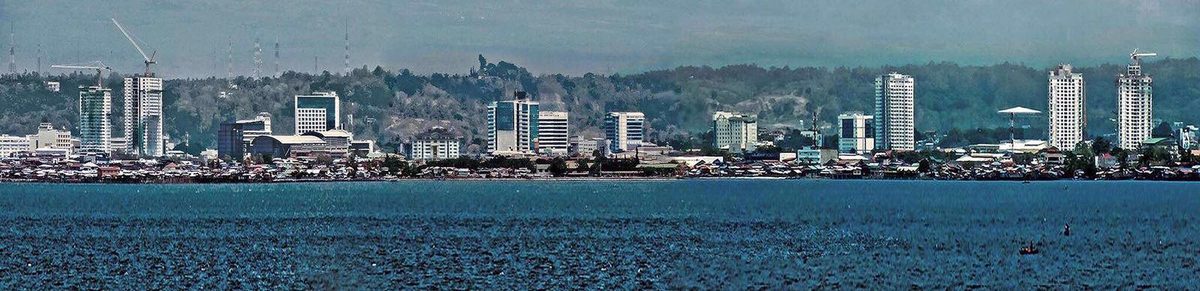
So is Davao safe? On the evidence, yes: Davao City has a long-standing reputation as one of the most orderly and safest large cities in the Philippines. It consistently ranks near the top of national safety indices, and visitors regularly describe feeling comfortable both by day and at night. Strict local enforcement is part of the texture here — smoking bans, a liquor curfew, speed limits that are actually observed — and the result is a big southern city that feels calm and easy to navigate. As a gateway it also opens up some lovely day trips: Samal Island’s beaches just across the strait, the highland gardens around Eden, and the slopes of Mount Apo, the country’s highest peak.
On the advisories, Davao City and Davao del Norte are exempted from the higher tier. The US State Department does not place them under its Level 3 warning, treating the metropolitan area as an exception to the wider Mindanao caution.
There is one detail worth explaining carefully, because it is easy to misread. In February 2026 the US Embassy restricted its own personnel’s personal travel within Davao City. That is an internal staff security measure governing where embassy employees may go off-duty, not a public advisory and not evidence of a specific threat aimed at private tourists. The city’s exemption from the Level 3 tier did not change. Embassies routinely set tighter internal rules for their staff than they recommend for ordinary travellers, and it is a mistake to read a personnel directive as a tourist warning. The sensible takeaway is the same as for any city: keep an eye on your belongings in crowds, use registered transport, and stay aware. Davao remains a destination people visit and enjoy.
Camiguin and Dinagat: safe, quiet and low-key
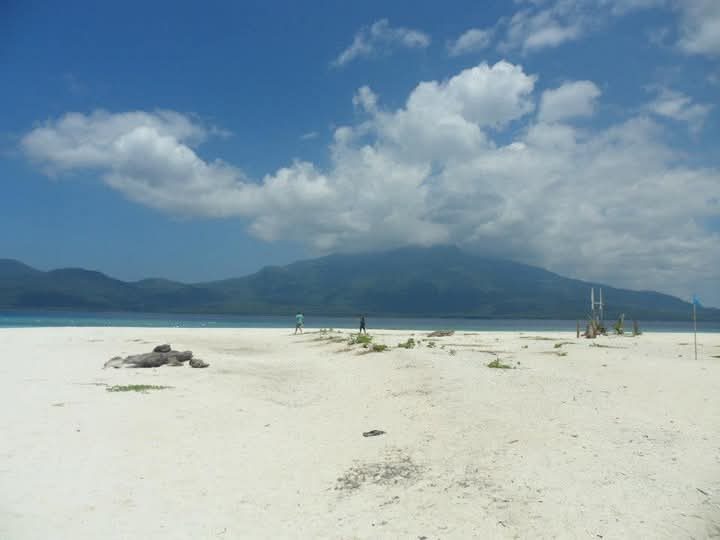
Two smaller islands round out the exempted list, and both are named specifically in the FCDO advice. Camiguin is a compact volcanic island north of mainland Mindanao, ringed by hot springs, waterfalls, a sunken cemetery marked by a lone cross, and the bright sandbar of White Island offshore. It is gentle, green and genuinely low-key, the kind of place where the biggest daily decision is which spring to soak in. Crime that affects visitors is rare; the practical notes are the universal tropical ones about sun, water and weather.
Dinagat, north of Surigao and a neighbour of Siargao, is more remote and far less touristed. It rewards travellers who want quiet coves and an off-grid feel, and it asks for a little patience in return: services are thinner, transport takes longer, and you should carry enough cash because card payments are limited. Neither island carries the security concerns associated with the southwest, and both sit comfortably in the “exempted and safe” column. If you are weighing them against the country’s better-known beaches, our roundup of the best islands in the Philippines helps put them in context.
The genuine no-go zones, and why they are flagged
Being honest about the safe places means being equally honest about the unsafe ones. There is a real corner of the far south that both governments warn against, and it deserves a clear, unvarnished explanation rather than a hand-wave.
The Sulu Archipelago — the chain of islands stretching southwest toward Borneo, including Jolo and Basilan — sits under the US State Department’s Level 4 “Do Not Travel” tier. This is the highest warning the department issues. The reason is a long history of kidnapping for ransom by armed groups such as Abu Sayyaf, who have specifically targeted foreign nationals, alongside ongoing armed conflict. The FCDO advises against all travel to the Sulu archipelago for the same reasons.
Western and central Mindanao carry the FCDO’s “advises against all travel” warning as well, driven by terrorist activity and clashes between the military and insurgent groups across these provinces. The US State Department places these areas under Level 3 “Reconsider Travel.” Marawi City, in Lanao del Sur, sits under its own Level 4 “Do Not Travel” designation; the city was the site of a major siege and continues to carry exceptional risk.
It also helps to keep the country-wide picture in proportion. The Philippines as a whole sits at the US State Department’s Level 2, “Exercise Increased Caution” — the same tier the United States applies to France, Spain, Italy, Germany and the United Kingdom. The higher tiers exist only for that far-southwest corner. Every mainstream destination, from Palawan and Cebu to Boracay, Bohol, Siargao and all of Luzon, sits comfortably outside the flagged zones, which is why a trip built around the exempted islands is no more fraught than a holiday in southern Europe. The headline risk in the south is geographic and local, not national.
These are not places that appear on a normal Philippines itinerary. There are no mainstream beach resorts, dive operators or surf camps drawing leisure travellers into them, which is part of why the exempted islands feel so different in practice. If your travel insurer sees that you entered an “advise against all travel” zone, your cover can also be invalidated, which is a concrete reason beyond the security risk to take the lines on the map seriously. The rule is simple: enjoy the exempted islands and Davao freely, and leave the flagged southwest to those with an essential reason and specialist support.
The June 2026 southern Mindanao earthquake, in context
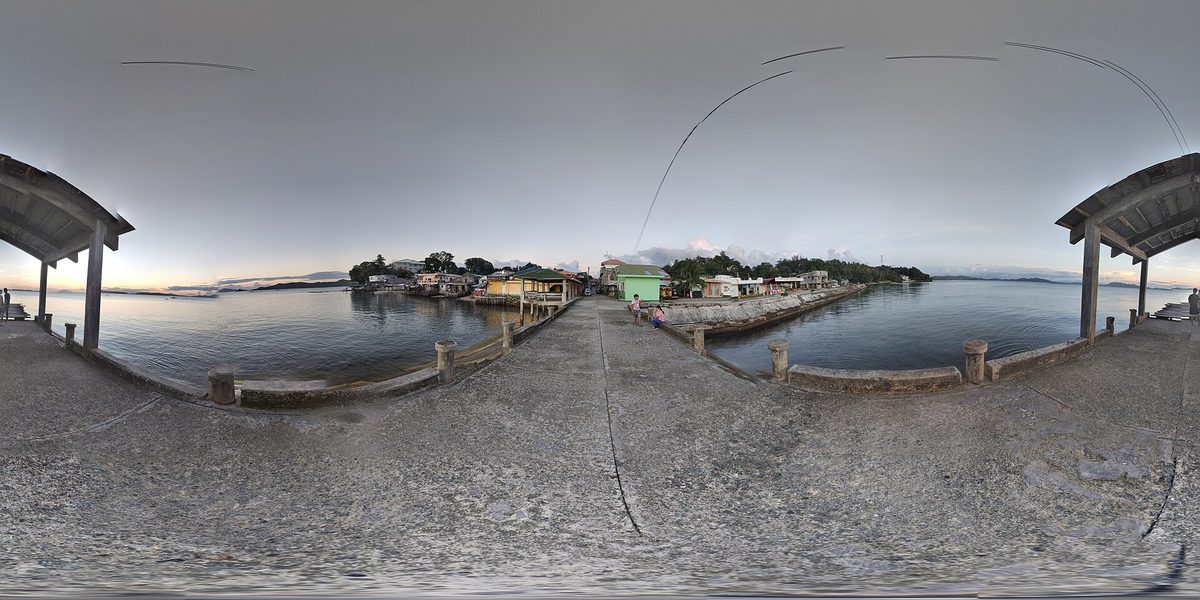
On 8 June 2026, a magnitude 7.8 earthquake struck offshore near Maasim in Sarangani province, in southern Mindanao, at around 7:37 in the morning, roughly 32 kilometres off the coast. A tsunami warning was issued and then lifted. The quake killed dozens of people and damaged hospitals, homes and schools across the affected southern-Mindanao provinces, with aftershocks and landslide risk following in the days afterward. Davao Occidental, one of the nearer provinces, briefly suspended tourism activity in the immediate aftermath.
Two points matter for trip planning. First, this was a past event by the time you are reading this; the immediate emergency phase is over, and I describe it here for context rather than as a current hazard. Second, the destinations in this guide were far from the epicentre. Siargao and Davao City lie well to the northeast of Sarangani, and the major tourist regions of the country — Luzon including Manila, plus Cebu, Bohol, Boracay and Palawan — sit hundreds of kilometres away and were unaffected.
The honest framing is that the Philippines sits squarely on the Pacific Ring of Fire, so earthquakes are a background reality across the whole country rather than a Mindanao-specific danger. That is not a reason to avoid the region; it is a reason to know the basics. Learn the drop, cover and hold-on drill, note the exits and assembly points wherever you are staying, and follow local authorities if the ground moves. For confirmed details on this and any future event, PHIVOLCS is the authoritative source, linked below.
How to get to the safe islands
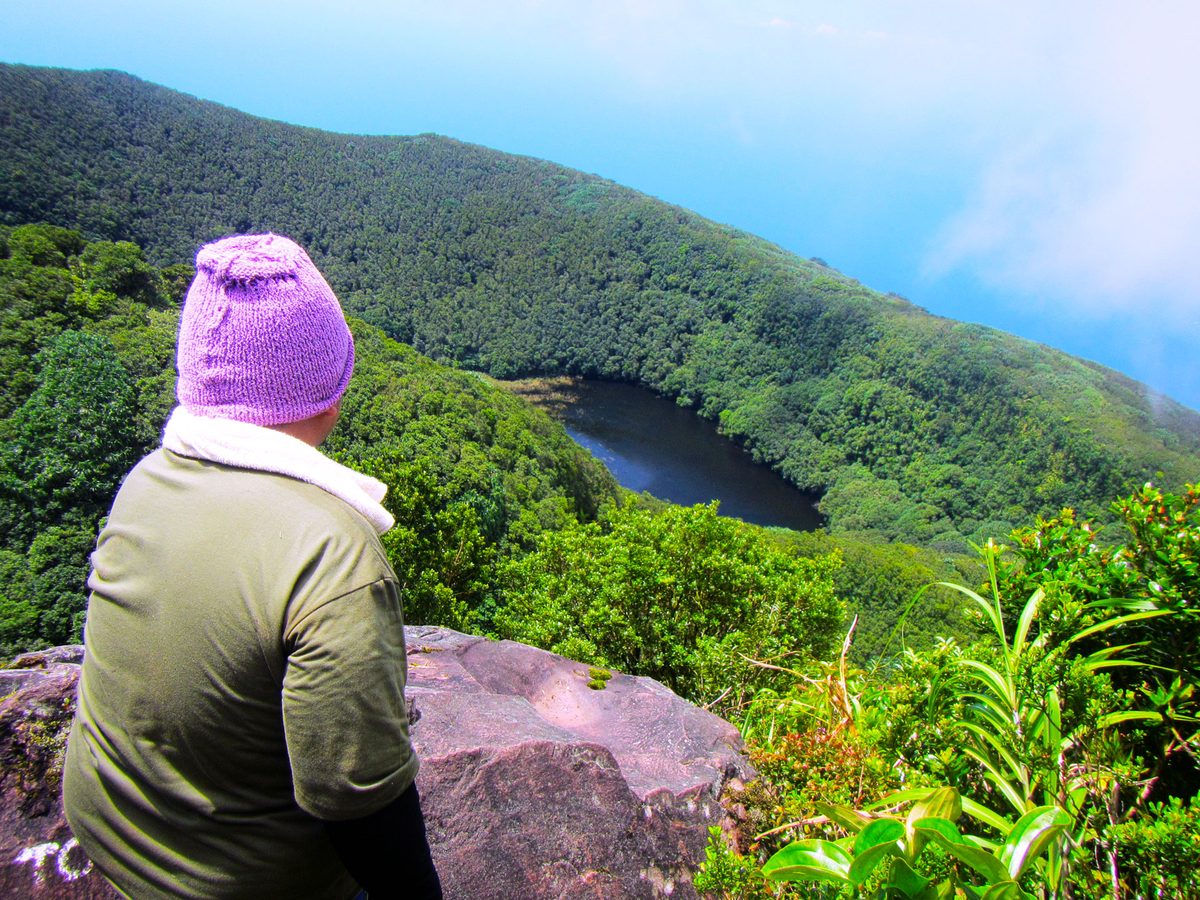
Reaching the exempted destinations is straightforward, with one quirk worth flagging for 2026. Siargao is served by Sayak Airport near Del Carmen, and in 2026 the practical routing is to connect through Cebu rather than to expect a direct hop from Manila’s main international airport — there is no direct NAIA-to-Siargao flight on the schedules this year, so build the Cebu connection into your plan. From Sayak it is about an hour by van or transfer down to General Luna.
Davao City is much simpler: Francisco Bangoy International Airport takes direct flights from Manila and Cebu and is one of the busier gateways in the south. Camiguin is reached via a short flight or a ferry from mainland Mindanao, and Dinagat is typically a boat ride from Surigao. Because September falls in typhoon season, give yourself buffer days and never book a tight island-to-international connection during storm months. For the nuts and bolts of ferries, flights and transfers, our guide to getting around the Philippines covers the practicalities, and if you are a woman travelling alone, our notes on solo female travel in the Philippines are worth a read before you go.
The honest verdict, destination by destination
If you want a single takeaway, it is this: the warnings are real but narrow, and the popular destinations are not in them. Here is where I land on each.
- Siargao — Go. Exempted from the advisories, low crime, friendly. Treat scooters and the ocean with respect and you are dealing with ordinary holiday risks, not security ones.
- Davao City — Go. One of the most orderly cities in the country, exempted from the higher tier. The February 2026 embassy note governs its own staff, not tourists.
- Camiguin and Dinagat — Go, if you want quiet. Both are named exceptions to the warnings and carry no special security concern; just plan for thinner services and carry cash.
- The rest of Mindanao — Reconsider. Outside the exempted areas, the wider island sits under “reconsider travel,” and most leisure travellers have no need to enter these provinces.
- Sulu, western and central Mindanao, Marawi — Do not go. This is the genuine no-go zone the warnings are about, with active kidnapping and conflict risk.
Plan around that split and the south becomes a rewarding, relaxed part of any trip rather than a place to fear. These islands also slot neatly into a longer route that pairs Siargao with the Visayas.
Frequently asked questions
Is Siargao safe for tourists?
Yes. Siargao is specifically exempted from the higher Mindanao advisory tiers by both the US State Department and the UK FCDO, and violent crime against visitors is uncommon. The genuine risks are practical rather than criminal: scooter accidents, rough seas and occasional petty theft. Ride carefully, respect the ocean and secure your valuables, and it is one of the most relaxed islands in the country.
Is Davao City safe to visit?
Yes. Davao City is consistently ranked among the safest large cities in the Philippines and is exempted from the Level 3 Mindanao warning. The February 2026 US Embassy measure restricted its own personnel’s personal travel within the city; it is an internal staff rule, not a public advisory or a specific threat to tourists. Take normal city precautions and you will find it calm and orderly.
Is it safe to travel to Mindanao right now?
It depends entirely on which part. Siargao, Davao City, Camiguin and Dinagat are exempted from the warnings and are routinely visited. The wider island sits under “reconsider travel,” while the Sulu Archipelago, western and central Mindanao, and Marawi City carry “do not travel” warnings due to kidnapping and conflict risk. Stick to the exempted areas and avoid the flagged southwest.
Was Siargao affected by the June 2026 earthquake?
No. The magnitude 7.8 earthquake on 8 June 2026 struck offshore near Sarangani in southern Mindanao, far to the southwest. Siargao and Davao City lie well to the northeast and were not in the affected zone, and the main tourist regions further north were unaffected. The emergency phase has passed; the Philippines does sit on the Ring of Fire, so it is worth knowing basic earthquake safety wherever you travel.
Do the travel advisories mean I should cancel my trip to the south?
Not if you are heading to the exempted islands or Davao. The advisories are geographically narrow and target a specific far-southwest corner. Every mainstream destination in the south — Siargao, Davao City, Camiguin, Dinagat — sits outside the flagged zones. Always check the current official advisory before you travel, since levels can change, but a blanket cancellation is not warranted.
What is the biggest real risk on Siargao?
Scooter accidents, by a wide margin. The roads can be dark, wet and shared with dogs and tricycles, and a lot of visitors who rarely ride at home rent a motorbike anyway. Wear a helmet, never ride after drinking, avoid riding at night, and confirm your travel insurance covers two wheels with the correct licence. After that, respect the ocean and lock up your valuables.
Sources and photo credits
Photo credits
- Photo: JupitReyes / CC BY-SA 4.0 via Wikimedia Commons — source
- Photo: Lucky Ambago Purok Otso / CC BY-SA 4.0 via Wikimedia Commons — source
- Photo: Kadayawan / CC BY-SA 4.0 via Wikimedia Commons — source
- Photo: Khdamayo (CC0) via Wikimedia Commons — source
- Photo: JoshyNesh / CC BY-SA 4.0 via Wikimedia Commons — source
- Photo: Ervin Malicdem / CC BY-SA 4.0 via Wikimedia Commons — source
Sources
- US Department of State — Philippines Travel Advisory
- UK Foreign, Commonwealth & Development Office — Philippines travel advice
- Philippine Institute of Volcanology and Seismology (PHIVOLCS)
- Philippine Department of Tourism
About this guide: PhilippinesTourism.org is an independent Philippines travel resource. Advisory levels were verified September 2026; advisories change — always check the current official version before you travel.