Staying Healthy in the Philippines: Vaccines, Dengue and Water
There are no vaccines you are legally required to have for a normal trip to the Philippines, but there are several your doctor will probably recommend, and the risks worth planning around are not the ones most people worry about. Day to day, the things to manage are mosquito-borne dengue and ordinary food and water hygiene. See a travel clinic four to six weeks before you fly.
I have spent a lot of time in the Philippines, and I have watched friends arrive either terrified by a wall of scary-sounding shots or completely blasé with no preparation at all. Neither is right. The honest picture sits in the middle: a short, sensible vaccine list, a real but manageable dengue risk, and a few everyday habits around water and food that keep most travellers perfectly well. This guide walks through all of it the way a calm travel-medicine nurse might, and then sends you to a professional to confirm the details for your own health and itinerary.
One thing to say clearly up front: I am not a doctor, and this is general travel information, not medical advice. Health recommendations change, your own medical history matters, and the only person who can tell you what is right for you is a qualified clinician. Treat everything below as a briefing to take to that appointment, not a substitute for it. For the wider picture on crime, natural hazards and getting around, pair this with our honest Philippines safety guide.
At a glance: the Philippines vaccine checklist
Here is the short version a clinic would typically work from. Use it as a starting point for the conversation, not a prescription. Most short-term travellers staying in cities and resorts need far less than the alarming lists you see online suggest.
| Vaccine | Who it is usually for | Notes |
|---|---|---|
| Routine vaccinations (MMR, Tdap, polio, varicella, flu, etc.) | Everyone | Make sure these are up to date before any international trip. Measles still circulates in the region, so MMR matters. |
| Hepatitis A | Most travellers | Spread through contaminated food and water. The one many clinics recommend almost across the board for the Philippines. |
| Typhoid | Most travellers, especially smaller towns, rural areas and longer stays | Also food and water related. Available as a shot or oral capsules. |
| Hepatitis B | Many travellers; longer stays, possible medical care, tattoos, new partners | Spread through blood and body fluids. Often already part of childhood schedules. |
| Japanese encephalitis | Long stays or a lot of rural and farming areas, especially in the wet season | Mosquito-borne and rare on short city or resort trips. A clinic decides based on your itinerary. |
| Rabies (pre-exposure) | Some travellers: long stays, remote areas, cyclists, animal workers, young children | The Philippines has rabies. Pre-exposure shots simplify treatment if you are bitten but do not replace it. |
| Yellow fever | Only if you are arriving from a country with yellow fever risk | Not needed for travellers coming from places like the US, UK, Europe or Australia. There is no yellow fever in the Philippines. |
| Malaria pills | Usually nobody on a typical trip | Malaria risk is low and absent from cities and the main islands. Most travellers take no tablets; a clinic may discuss them only for specific rural areas. |
Please read this as general information, not medical advice. Your age, pregnancy status, medical history, length of stay and exact destinations all change the picture. A travel-medicine professional, your country’s official travel-health service, or the CDC and WHO pages linked at the end are the right places to confirm what you personally need.
Philippines travel vaccines: what is recommended in 2026
Let me walk through the list properly, because the names sound scarier than the reality. Think of these in three buckets: the routine shots you should already have, the food-and-water vaccines almost everyone gets, and the situational ones a clinic will weigh up against your specific plans.
Routine vaccinations
Before any long-haul trip, the baseline is making sure your routine vaccinations are current. That means measles, mumps and rubella (MMR), diphtheria, tetanus and pertussis (the Tdap or equivalent), polio, chickenpox if you have never had it, and your seasonal flu shot. Measles in particular still circulates across Southeast Asia, and it spreads easily, so an up-to-date MMR is one of the more genuinely useful things in your record. A clinic will simply check your history and top up anything that has lapsed.
Hepatitis A and typhoid
These are the two that come up for almost every traveller to the Philippines, and both are about food and water rather than anything exotic. Hepatitis A is a viral liver infection you can pick up from contaminated food or water, and the vaccine is highly effective and long-lasting. Typhoid, caused by Salmonella Typhi, travels the same way and is more of a concern if you are eating widely at street stalls, visiting smaller towns, or staying for a while. Typhoid comes as a single injection or a short course of oral capsules. Neither vaccine is a licence to be careless with hygiene, but together they remove two of the more unpleasant food-borne risks.
Hepatitis B
Hepatitis B spreads through blood and body fluids, so the relevance depends on what you will be doing. It matters more for longer stays, anyone who might need medical or dental care, people considering a tattoo or piercing, and travellers who may have new sexual partners. Many people from countries with childhood immunisation programmes are already covered. A clinic can check and, if needed, start the course, which is sometimes combined with hepatitis A in a single vaccine.
Japanese encephalitis
Japanese encephalitis is a mosquito-borne brain infection that sounds frightening and is, thankfully, rare in typical travellers. The risk concentrates in rural and agricultural areas, especially around rice paddies and pig farming, and rises with the length of time you spend in those settings during the wet season. For a one or two week trip built around cities and beach resorts, most clinics will not recommend it. For someone spending months in the countryside, the conversation changes. This is a textbook example of why the itinerary matters more than the destination.
Rabies
Rabies is present in the Philippines, mostly in dogs, and it is essentially always fatal once symptoms begin, which is exactly why it gets attention. The pre-exposure vaccine does not make you immune; what it does is simplify and buy time on the treatment you would still need after any bite or scratch. Clinics often suggest it for long stays, remote travel, cyclists and runners, people working with animals, and young children, who are both more likely to approach animals and less likely to report a bite. Whether or not you have the pre-exposure shots, any potential rabies exposure is a medical emergency that needs prompt, properly sourced treatment, which I cover further down.
What you almost certainly do not need
Two items deserve a clear “no” for most readers. Yellow fever does not exist in the Philippines; a yellow fever certificate is only required if you are arriving from a country where the disease is present, which does not apply to travellers coming straight from North America, Europe, the UK or Australia. Malaria tablets are usually unnecessary too. Malaria risk in the Philippines is low and absent from cities and the main tourist islands, with only limited risk in specific rural parts of places like Palawan and Mindanao. The CDC and most national services do not recommend routine antimalarials for typical trips, though a clinic may raise it for particular rural itineraries. The point is not to talk you out of advice, but to show why the genuine list is short.
Dengue in the Philippines: the risk worth respecting
If there is one health topic to actually internalise before a Philippines trip, it is dengue, not the vaccine list. Dengue is a viral infection spread by Aedes mosquitoes, and it is present year-round and nationwide. The CDC classifies the Philippines as an area of frequent and continuous dengue risk, which simply means it is always around rather than a seasonal surprise.
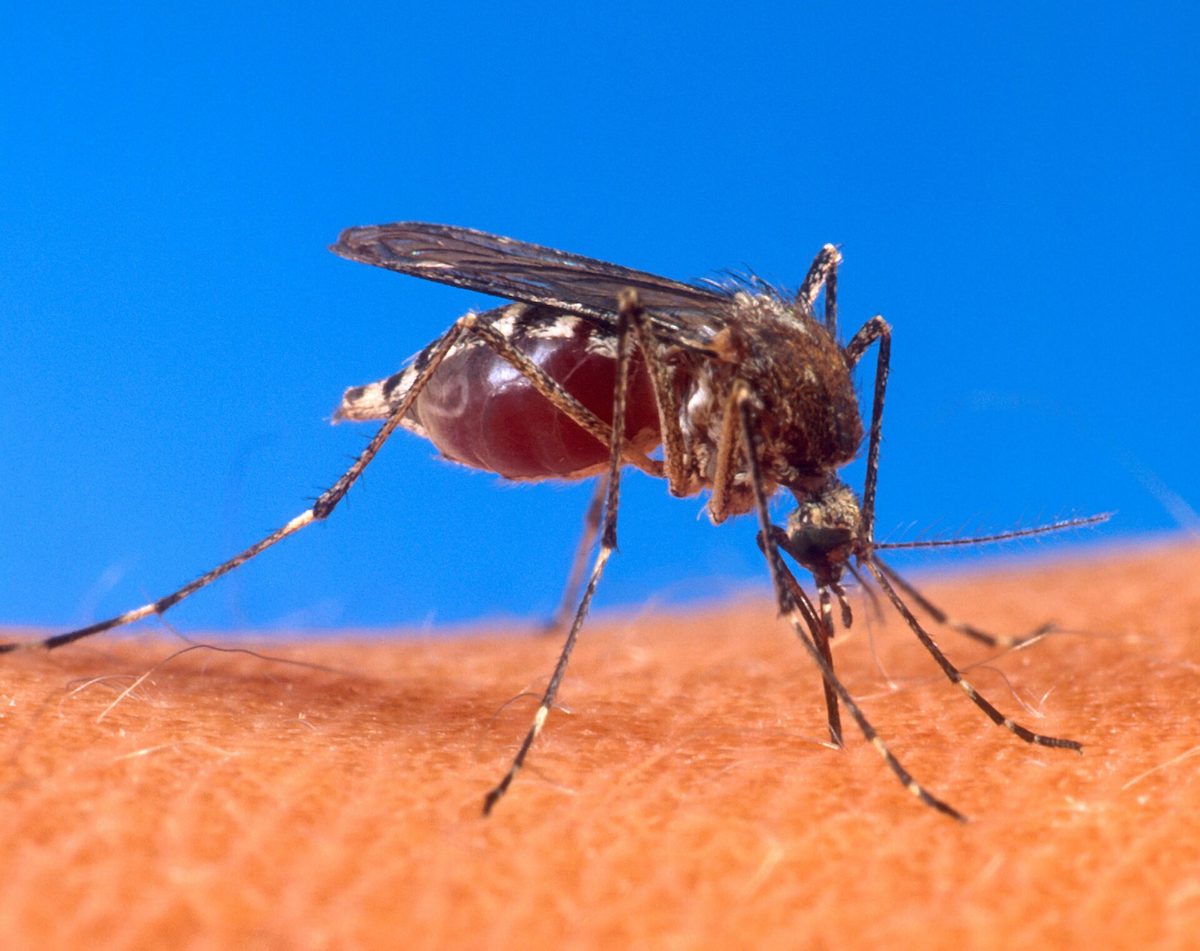
The single most useful thing to know is behavioural: the Aedes mosquito that carries dengue bites during the day, with peaks around dawn and the late afternoon, and it breeds in small pockets of clean standing water in towns and cities. This flips the usual mental model. People picture mosquito risk as a dusk-and-jungle problem, so they relax in the middle of a city afternoon, which is exactly when these mosquitoes are active. Urban and suburban areas can carry as much risk as rural ones.
The realistic 2026 picture
It is worth being straight about the numbers rather than alarmist. Early 2026 actually ran well below the previous year, with January cases down sharply on 2025, before climbing again through February. In other words, dengue activity moves around a lot from month to month and year to year, and a quiet headline does not mean the risk has gone away. The wet season, roughly June to November, tends to raise mosquito numbers, which overlaps with the period I cover in our guide to typhoon season in the Philippines. If you want to weigh weather against health risk when choosing dates, our breakdown of the best time to visit the Philippines is a useful companion. For official current figures, the Philippine Department of Health publishes regular updates, and the framing I would keep in mind is “ongoing, manageable risk,” not “panic” and not “nothing to see here.”
Prevention comes first
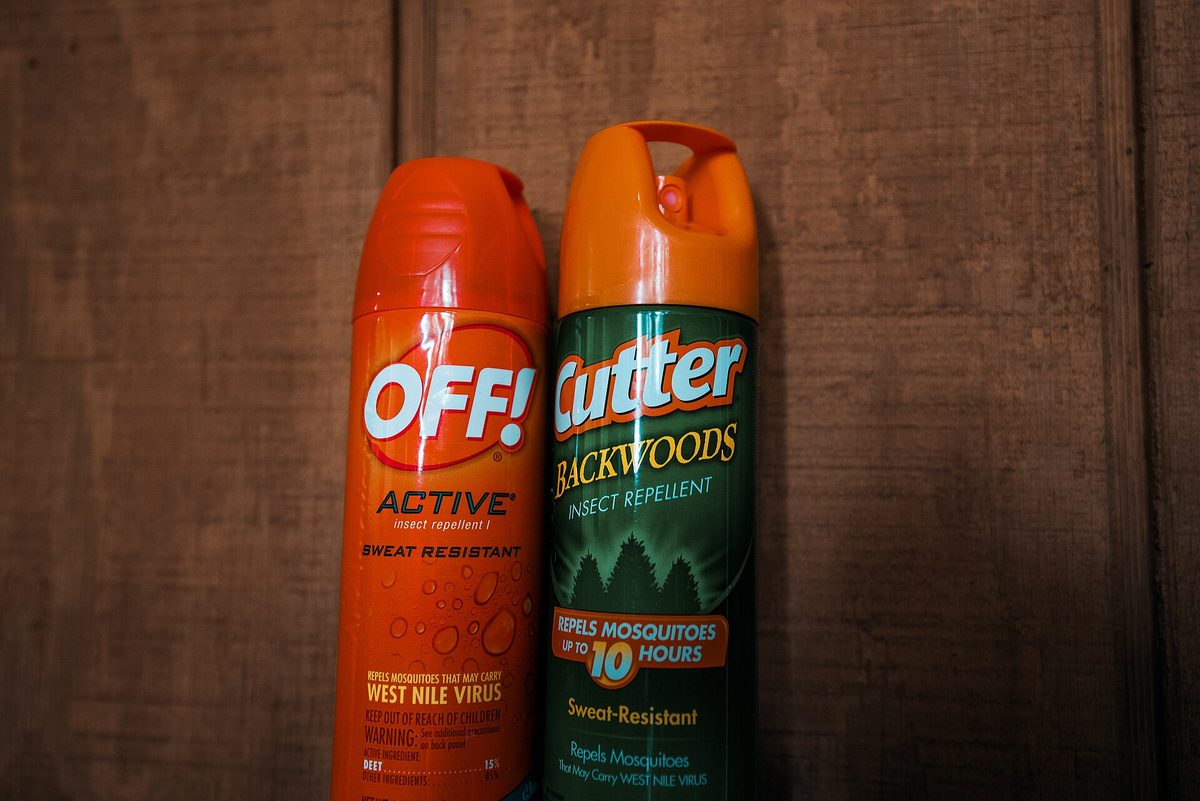
Because there is no everyday pill for it, dengue is overwhelmingly about not getting bitten. The practical defence is simple and effective when you actually do it. Use a repellent containing DEET or picaridin on exposed skin during the day, reapplying as directed. Wear loose, light, long-sleeved clothing when you can, particularly in the morning and late afternoon. Sleep and rest in rooms with air conditioning or good window screens. Mosquitoes breed in standing water, so emptying or avoiding pots, buckets and trays of water around your accommodation helps too. None of this is dramatic, and packing the right repellent and clothing is the kind of small prep our Philippines packing list is built around.
Symptoms and when to seek care
Classic dengue brings a sudden high fever, a bad headache often felt behind the eyes, muscle and joint aches that earned it the old nickname “breakbone fever,” nausea, and sometimes a rash a few days in. Many cases are mild and pass with rest and fluids. The reason to take it seriously is that a small share of cases become severe, and the danger window is often as the fever drops, not at its peak. Warning signs that mean see a doctor without delay include severe stomach pain, persistent vomiting, bleeding from the gums or nose, blood in vomit or stool, restlessness or extreme tiredness, and rapid breathing. If you develop a fever during or shortly after a trip, mention dengue to whoever treats you, and importantly, avoid ibuprofen and aspirin, which can worsen bleeding; clinicians generally use paracetamol instead. This is general information, and a doctor on the ground should always guide actual treatment.
The dengue vaccine question
A dengue vaccine called Qdenga (TAK-003) does exist and is approved in a number of countries, including across the EU and the UK, though not in the United States. I am flagging it rather than recommending it, because the picture for travellers is genuinely nuanced. International travel-medicine guidance has been cautious about using it for short-term, first-time visitors, since much of its proven benefit relates to people who have had dengue before. For most holidaymakers it is not standard advice, and it is exactly the sort of decision that belongs with a travel-medicine specialist who can look at your history and plans. Do not read this paragraph as a prescription either way; read it as a prompt to ask.
Food and water safety: the everyday stuff that matters most
Travellers’ diarrhoea is far more likely to interrupt your trip than any of the diseases above, and it is mostly preventable with a few habits that quickly become second nature.
Water and ice
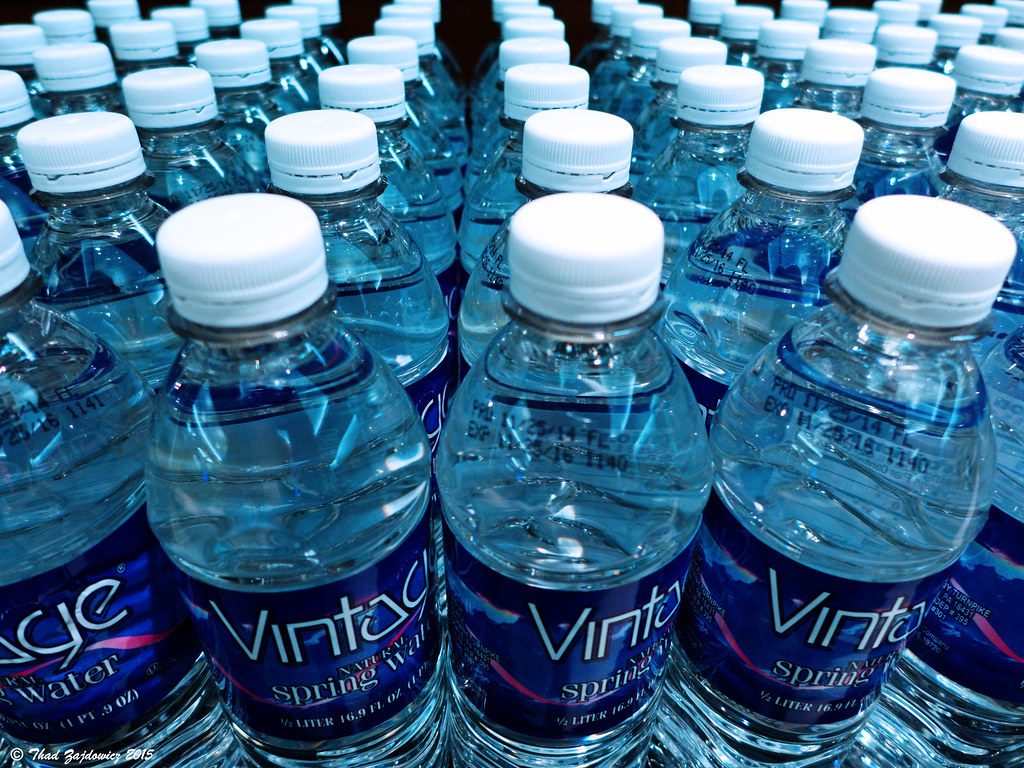
Tap water in the Philippines is not reliably safe for visitors to drink. Even where municipal water is treated to a decent standard, the state of the building plumbing between the treatment plant and your glass is an unknown, so the simple rule is to drink sealed bottled or properly filtered water. Most resorts, hotels and established restaurants either provide safe drinking water or are set up around bottled supply, and many guesthouses offer refill stations, which is kinder on plastic waste. Use bottled or filtered water for brushing your teeth too if you want to be cautious. Ice is the usual worry, and the reassuring reality is that commercial ice in the Philippines is generally factory-made from purified water and turns up as uniform cylinders or tubes; the ice to be wary of is irregular, hand-crushed ice from informal vendors.
Food and street eating
Filipino food is one of the real pleasures of a trip, and you do not need to hide from it. The guiding principle is the old travel maxim: cook it, peel it, or skip it. Food that is freshly and thoroughly cooked and served hot is your safest bet, which happens to describe most of what comes off a busy grill. Street food can be excellent, and a stall with high turnover and a queue of locals is often a better sign than an empty, slow kitchen. Be a little more thoughtful with raw salads washed in tap water, pre-peeled fruit, shellfish, and anything lukewarm that has been sitting out. Wash or sanitise your hands before eating, since plenty of stomach trouble is hand-to-mouth rather than the food itself.
A simple travellers’ diarrhoea kit
Even careful travellers get caught out, so it helps to be ready. Oral rehydration salts are the genuinely important item, because the main risk from a bad stomach is dehydration, especially in the tropical heat; they are cheap and sold widely in Philippine pharmacies. Pack a basic anti-diarrhoeal such as loperamide for the times you simply must travel, but use it sparingly and not if you have a high fever or blood in your stool, which need a doctor instead. If symptoms are severe, persistent, or come with high fever, get medical advice rather than pushing through. A pharmacist can help with the rest, and the big Mercury Drug chain is easy to find in towns and malls across the country.
Other health risks worth a sentence each
None of these should dominate your planning, but a quick awareness goes a long way.
Rabies and a 2026 counterfeit-vaccine warning
I mentioned rabies among the vaccines; the practical point bears repeating because it can save a life. Any bite, scratch or lick on broken skin from a dog, cat, monkey or bat should be washed thoroughly with soap and water for several minutes and treated as a medical emergency, whether or not you had pre-exposure shots. One current and important caveat: in 2026 the Philippine FDA flagged counterfeit rabies vaccine in circulation. The takeaway is not to panic but to be deliberate, seek post-exposure treatment at a reputable hospital or recognised animal-bite centre, and avoid informal sources. This is one more reason the quality of where you get care genuinely matters.
Leptospirosis after floods
Leptospirosis is a bacterial infection spread through water contaminated by animal urine, and cases tend to rise after heavy rain and flooding, which is a real consideration in the wet season. The simple precaution is to avoid wading through floodwater, and to keep any cuts covered and clean if you cannot avoid it. If you develop a fever after wading through floods, mention that exposure to a doctor.
Heat, sun and humidity
The tropical sun and humidity are an underrated risk precisely because they feel ordinary. Heat exhaustion sneaks up on active travellers, so drink more water than you think you need, build in shade and rest, and take a high-factor reef-safe sunscreen seriously. Pace your first couple of days while you acclimatise.
Hand, foot and mouth disease
Hand, foot and mouth disease is a common, usually mild viral illness most relevant to families with young children. It spreads easily in groups of little ones, and hand hygiene is the main defence; it generally clears on its own.
Freshwater and schistosomiasis
Schistosomiasis, a parasitic infection from certain freshwater snails, is present in parts of the Philippines, mainly in specific rural areas. It is not a concern for swimming pools or the sea, but it is a reason to be cautious about swimming or wading in still or slow freshwater lakes and rivers in affected regions. When in doubt, ask locally.
Motion sickness on the water
This one is mild but practical. The Philippines runs on boats, from big ferries to small bangka outriggers, and crossings can be choppy. If you are prone to motion sickness, pack your preferred remedy, because finding it mid-journey is no fun.
The healthcare system and why insurance matters
Understanding how care actually works here is the part that quietly motivates everything else, especially travel insurance.
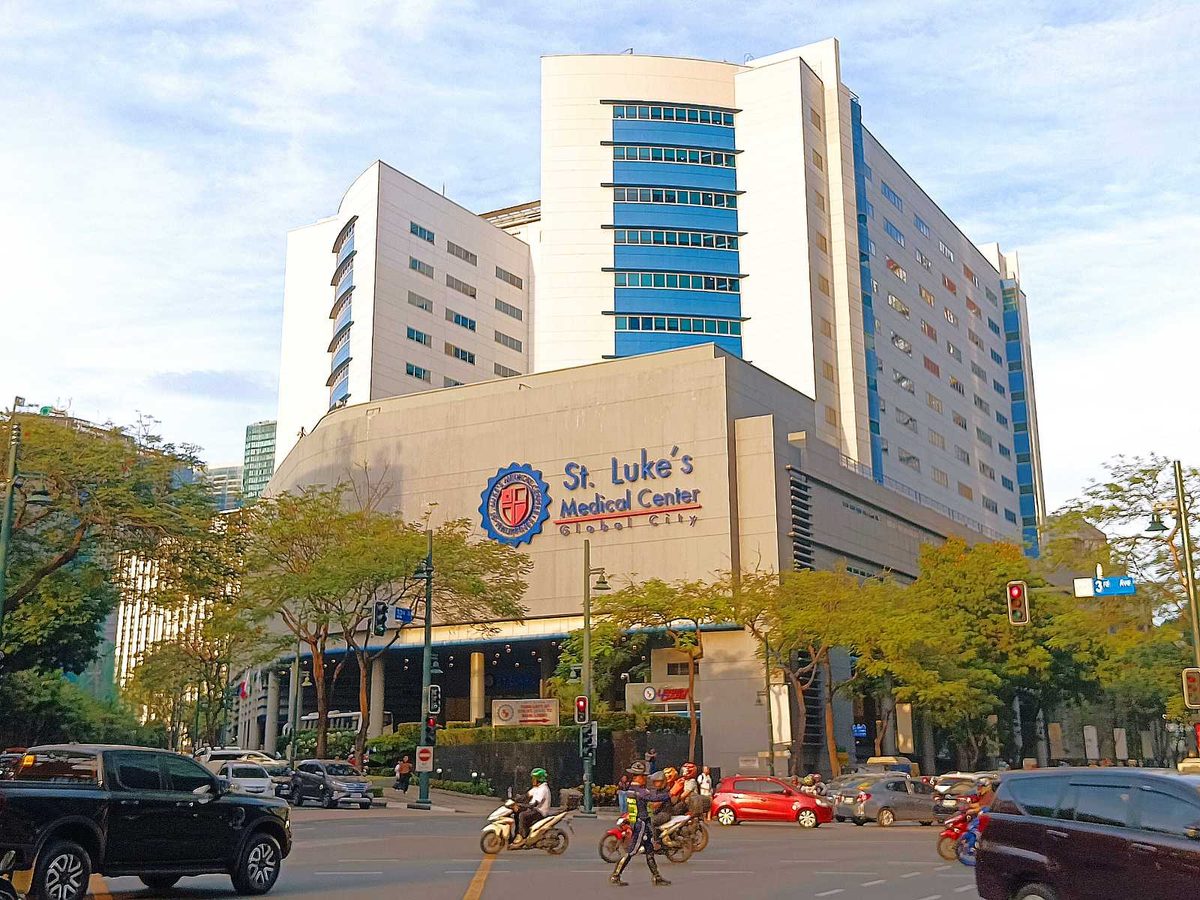
The good news is that the Philippines has genuinely excellent private hospitals in its major cities. Manila has well-known institutions such as St. Luke’s Medical Center and Makati Medical Center, Cebu has Chong Hua Hospital, and Davao and other regional hubs have solid private facilities too. Care in these places is competent, often with English-speaking, internationally trained doctors, and frequently cheaper than the equivalent at home. Standard pharmacies are widespread, the Mercury Drug chain being the obvious one, and many common medicines are easy to buy.
The honest counterweight is geography. Rural and small-island clinics are basic, sometimes very basic, and serious cases generally need to be moved to a city hospital. If you are diving off a remote island, hiking in the mountains, or staying somewhere far from a hub, the realistic plan for a real emergency is evacuation to a city, and that can be slow and expensive. Medical evacuation across the archipelago, or home, can run into many thousands of dollars and is simply not something you want to be arranging on a credit card mid-crisis. That single fact is the strongest argument for proper travel insurance that explicitly covers medical care and emergency evacuation, plus any adventure activities you actually intend to do. It is also worth carrying your insurer’s 24-hour line and your embassy contact, and noting that 911 is the nationwide emergency number.
A simple travel first-aid kit
You do not need a field hospital, just a small bag that handles the common stuff so you are not hunting for a pharmacy at an awkward moment. The things I would not leave out:
- Insect repellent with DEET or picaridin, and a small after-bite cream
- High-factor, reef-safe sunscreen and after-sun
- Oral rehydration salts, plus a basic anti-diarrhoeal like loperamide
- Paracetamol for fever and pain (remember, the dengue-safe choice over ibuprofen or aspirin)
- Plasters, antiseptic wipes or gel, and a small roll of tape for cuts and blisters
- Any personal prescription medicines in their original packaging, with a copy of the prescription
- Motion-sickness remedy if ferries are on your itinerary, and hand sanitiser
Pharmacies here are good and well stocked, so this is about convenience rather than scarcity. For everything else that goes in the bag, our full Philippines packing list covers the non-medical side.
Diving, altitude and activity health
The Philippines is one of the world’s great diving destinations, and a little health planning keeps it that way. If you are diving, the golden rule that trips people up is the flying-after-diving interval: leave a clear gap, generally at least 18 to 24 hours after diving, before getting on a plane, which matters a lot when island-hopping involves short flights. Dive within your training and certification, stay well hydrated, and know where the nearest recompression chamber is for your area, as they are not on every island. Our guide to scuba diving in the Philippines goes into the practicalities in more depth. Genuine high-altitude illness is not really a Philippine concern, since the country is overwhelmingly lowland and coastal, so that is one worry you can set aside.
Frequently asked questions
Do I need vaccines to travel to the Philippines?
No vaccines are legally required for most travellers, and a yellow fever certificate is only needed if you arrive from a country with yellow fever risk. That said, several vaccines are commonly recommended, especially hepatitis A and typhoid, plus making sure your routine shots are current. Book a travel clinic four to six weeks ahead so they can tailor advice to your trip.
Is dengue a risk in the Philippines?
Yes. Dengue is present year-round and across the country, carried by day-biting Aedes mosquitoes in towns and cities as well as rural areas. It is the health risk most worth respecting. There is no everyday pill, so prevention means repellent, covering up in the daytime, and air-conditioned or screened rooms. Most cases are mild, but seek care quickly if warning signs appear.
Can you drink the tap water in the Philippines?
It is best not to. Tap water is not reliably safe for visitors, even where it is treated, because building plumbing varies. Stick to sealed bottled or filtered water, use it for brushing teeth if you want to be careful, and refill at the stations many guesthouses provide. Commercially made ice from purified water is generally fine; irregular, hand-crushed ice is the kind to avoid.
Do I need malaria tablets for the Philippines?
Usually not. Malaria risk is low and absent from cities and the main tourist islands, with only limited risk in specific rural areas of places like Palawan and Mindanao. Most travellers take no antimalarials at all. If your itinerary includes a higher-risk rural area, a travel-medicine clinic can advise whether tablets make sense for you.
What should I do if a dog bites or scratches me in the Philippines?
Treat it as urgent. Wash the wound thoroughly with soap and running water for several minutes, then get to a reputable hospital or recognised animal-bite centre promptly for post-exposure rabies treatment, even if you had pre-exposure shots. Because counterfeit rabies vaccine was flagged in 2026, use established hospitals rather than informal sources, and contact your insurer’s assistance line.
Is the Philippines safe for travellers health-wise?
For most visitors, yes, with sensible preparation. The realistic risks are dengue and ordinary stomach upsets rather than dramatic diseases, and both respond well to simple precautions. Get a short, clinic-confirmed vaccine list, prevent mosquito bites, mind your food and water, and carry travel insurance that covers medical care and evacuation. Then enjoy the trip with a clear head.
The bottom line
Staying well in the Philippines is mostly about getting a few sensible things right and then relaxing. Sort out your Philippines travel vaccines with a clinic four to six weeks ahead, keep the dengue mosquitoes off you during the day, be a little thoughtful about water and food, and carry insurance that would actually fly you to a city hospital if it ever came to that. Do those, and the health side fades into the background where it belongs. For everything beyond health, from crime to natural hazards, our wider Philippines safety guide ties the full picture together.
Sources and photo credits
Photo credits
- Photo: Judgefloro (CC0) via Wikimedia Commons
- Photo: Original author: US Department of Agriculture; then denoised rescaled, enhanced (CC0) via Wikimedia Commons
- Photo: Thad Zajdowicz (CC0) via Wikimedia Commons
- Photo: PH 0447 / CC BY-SA 4.0 via Wikimedia Commons
- Photo: Tony Webster from Minneapolis, Minnesota, United States / CC BY 2.0 via Wikimedia Commons
Sources
- CDC Travelers’ Health: Philippines
- CDC: Areas with Risk of Dengue
- World Health Organization: Dengue and severe dengue
- Philippine Department of Health (DOH)
About this guide: PhilippinesTourism.org is an independent Philippines travel resource and not a substitute for professional medical advice. Information was researched and verified September 2026; confirm current health recommendations with a travel-medicine professional.