Travel Insurance for the Philippines: What You Actually Need
The Philippines is one of the cheapest countries I know to travel day to day, yet a single diving accident, a dengue hospitalisation or a typhoon-stranded flight can cost more than your entire trip. This guide walks through what travel insurance actually needs to cover here, honestly, from someone who does not sell it.
I want to be upfront about that last point. PhilippinesTourism.org is an independent travel resource. We do not sell policies, take a cut of any premium, or run a paid ranking of “best” insurers. What follows is the reasoning I would give a friend flying to Manila next month: where the real financial risks sit in this particular country, and the specific clauses that decide whether a claim gets paid or quietly denied.
At a glance: what to look for in a Philippines travel insurance policy
Before the detail, here is the short version. These are the covers that matter most for a Philippines trip, why each one is more relevant here than in, say, western Europe, and the exact thing I would check in the policy wording before buying.
| Cover | Why it matters in the Philippines | What to check |
|---|---|---|
| Emergency medical | Good private hospitals exist in Manila, Cebu and Davao, but you usually pay up front and your home health plan rarely travels. | A medical limit in the high hundreds of thousands or low millions (USD or equivalent), plus whether the insurer can guarantee payment directly to the hospital. |
| Emergency evacuation & repatriation | Get hurt on a remote island and you may need a boat, a domestic flight, then an air ambulance to a city or home. This is the line that runs into tens of thousands of dollars. | That evacuation and repatriation are covered with a high or unlimited sub-limit, and that a 24/7 assistance line coordinates it. |
| Adventure activities | Scuba, canyoneering, surfing and volcano hikes are the whole point for many visitors, and standard policies often exclude them. | Your specific activities are named, scuba is covered to the depth you are certified for, and any upgrade tier is selected. |
| Motorbike / scooter | Renting a scooter on Siargao or Bohol is normal, and an accident on one is one of the commonest serious claims. | Riding is covered only if you hold a valid licence (often a motorcycle endorsement), wear a helmet, and stay within engine-size limits. This is the clause most likely to void a claim. |
| Trip cancellation & disruption | September is peak typhoon season; storms cancel ferries, close airports and ripple into missed connections. | Covered reasons include severe weather and natural disaster, and the delay threshold (often 6 to 12 hours) and missed-connection cover suit your itinerary. |
| Baggage & electronics theft | Petty theft happens in crowds and on transport; phones, cameras and dive gear are the usual targets. | Per-item limits are realistic for your kit, valuables are not excluded, and you understand the police-report requirement. |
| COVID / illness cover | Routine infections, food-borne illness and the odd respiratory bug still happen and can mean a clinic visit or a few lost days. | That illness, including COVID-19, is treated like any other medical claim rather than excluded in the small print. |
Almost everything below is an expansion of that table. If you only remember one thing, make it this: the headline price of a policy matters far less than whether evacuation, your actual activities and scooter use are genuinely covered.
Do you really need travel insurance for the Philippines?
The Philippines does not require visitors to hold travel insurance to enter. A short-lived pandemic-era rule was dropped back in 2022, and there is no entry checkpoint asking for a policy today. So strictly speaking, the answer to “do I need travel insurance for the Philippines” is no, not legally.
My honest answer is different: yes, for almost everyone, and more firmly than for a lot of destinations. Here is the reasoning rather than a sales pitch. The country spreads across more than 7,000 islands, the best experiences pull you away from major hospitals, and the calendar in which most people visit overlaps with typhoon season. None of that should put you off the trip. It simply means the gap between “cheap holiday” and “very expensive emergency” is wider here than in a compact, well-connected country.
The few cases where I would not push hard on it: a short, low-key city break spent mostly in Manila or Cebu, no water sports, no scooter, no expensive gear, and a domestic health plan you have confirmed covers you internationally with direct hospital billing. Even then, the disruption cover alone often justifies a modest premium in storm season. For anyone diving, island-hopping, riding a scooter, travelling with kids, or carrying a laptop and camera they rely on, insurance is not optional in any sensible reading.
This sits inside the bigger picture we lay out in our honest Philippines safety guide: the country is far safer than headlines suggest, the real risks are everyday ones like road accidents, mosquito-borne illness and weather disruption, and insurance is simply the financial backstop for those ordinary risks rather than protection against some exotic danger.
The medical-evacuation reality: the number that should decide your policy
If one section changes how you shop for a policy, I hope it is this one. The single largest financial risk on a Philippines trip is usually not the hospital bill itself. It is getting you to the hospital.
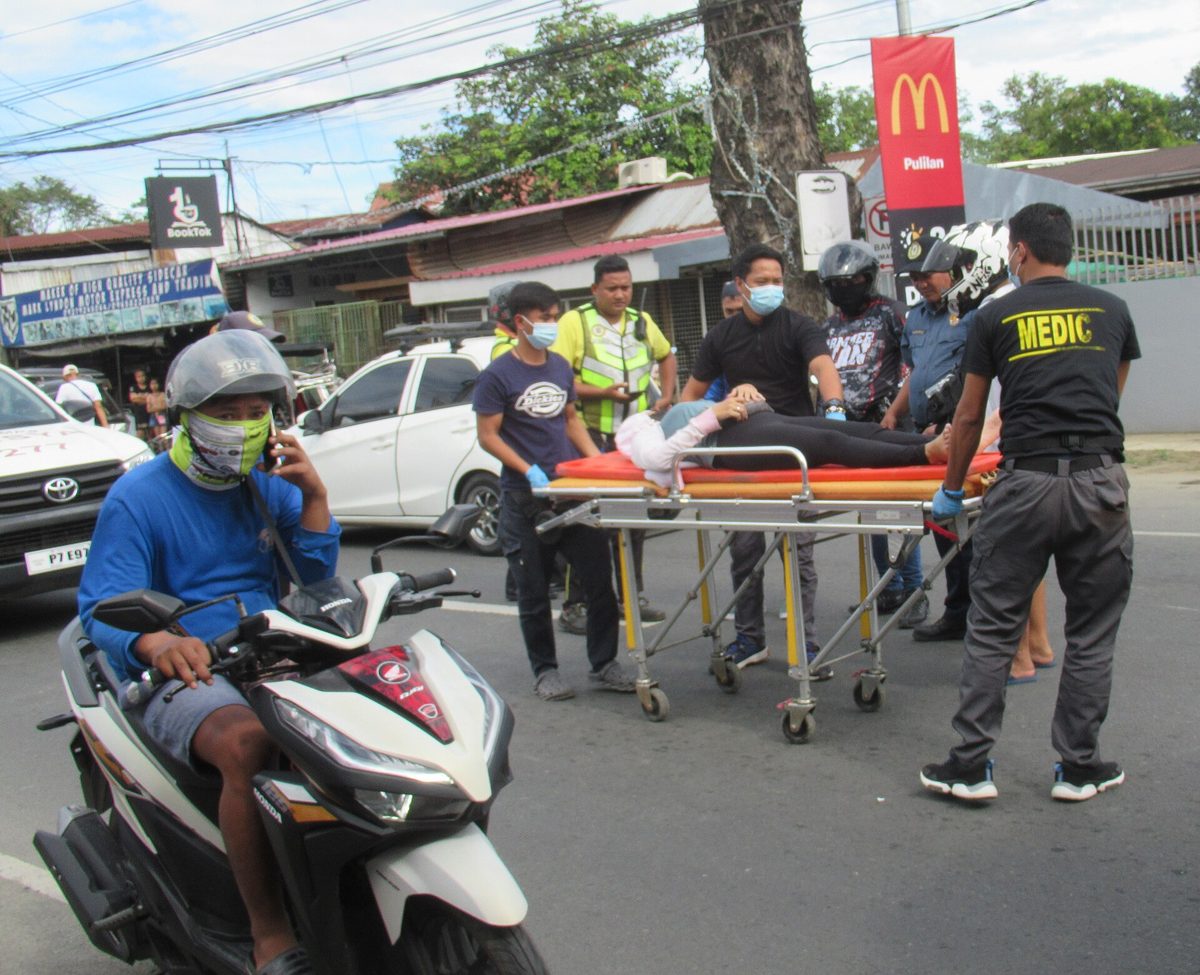
Picture a fairly ordinary scenario. You are diving or hiking on a smaller island, a few hours by boat from the nearest town with a real hospital. Something goes wrong: a serious decompression issue, a bad fall, an appendix that picks the worst possible day. The local clinic can stabilise you, but it cannot treat you. Now you need a boat transfer, then a domestic flight, and in the worst cases a medically staffed air ambulance to Manila, Cebu, or all the way home. Each leg has a cost, and an international medical evacuation can run well into the tens of thousands of US dollars. Add specialist treatment such as a recompression chamber and the figure climbs further.
That is the number a good policy exists to absorb. The care itself, once you reach a strong private hospital, is genuinely good. Manila, Cebu and Davao have well-regarded private hospitals, as we cover in more detail in our guide to staying healthy in the Philippines. Rural and island clinics, though, are basic by design, and serious cases get moved to a city. Your job when buying insurance is to make sure “getting moved” is covered generously and coordinated for you, not something you are scrambling to arrange and fund mid-crisis.
Two practical checks follow from this. First, look for emergency evacuation and repatriation listed with a high or unlimited sub-limit, separate from the ordinary medical limit. Second, confirm there is a 24/7 assistance line that arranges and guarantees the evacuation directly. A policy that reimburses you later is far less useful than one that books the air ambulance while you are still on the island.
The activity gotchas that quietly void claims
This is where I see travellers get caught out, because the cover gap is invisible until you try to claim. A policy can look comprehensive and still exclude the exact thing you came to the Philippines to do. Three areas deserve real attention.
Scuba diving: covered, but only to your certified depth
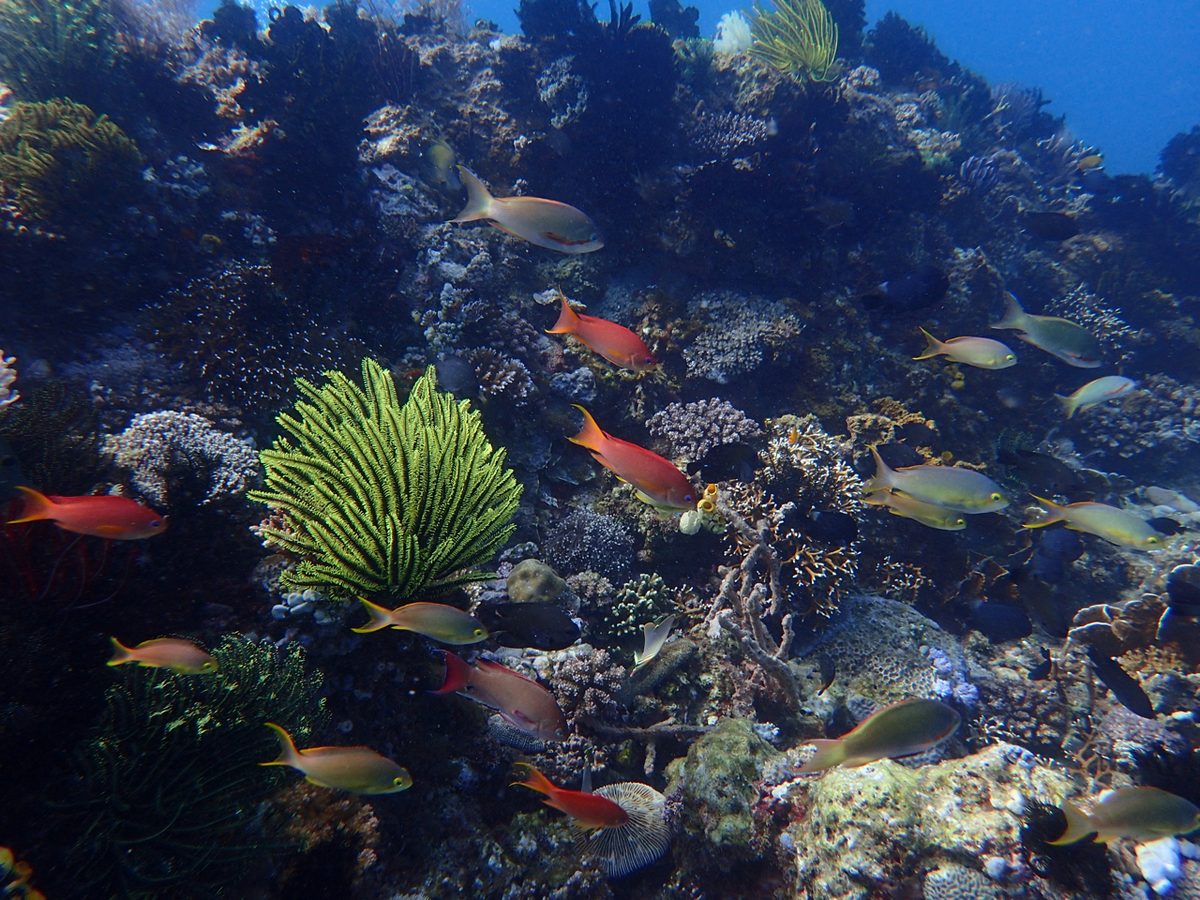
Diving is one of the best reasons to visit, and the good news is that many travel policies do cover recreational scuba, sometimes as standard and sometimes via an adventure upgrade. The catch is the conditions attached. Cover is typically limited to diving within the depth you are certified for, with a qualified instructor or dive master, and within recreational limits. Drop below your certification depth, dive solo, or dive without the right qualification and you can hand the insurer a clean reason to decline a decompression-illness claim, which is the expensive kind because it can involve a recompression chamber and evacuation.
If diving is central to your trip, I would do two things. Check the policy names scuba and states the maximum covered depth, and seriously consider dedicated dive cover such as DAN (Divers Alert Network) alongside or instead of a general policy. DAN-style cover is built around exactly the diving emergencies a generalist policy treats as edge cases, including chamber treatment and dive-specific evacuation. Our guide to scuba diving in the Philippines goes deeper on the sites and operators; the insurance point is simply to match your cover to the depth and style of diving you will actually do.
The scooter and motorbike trap
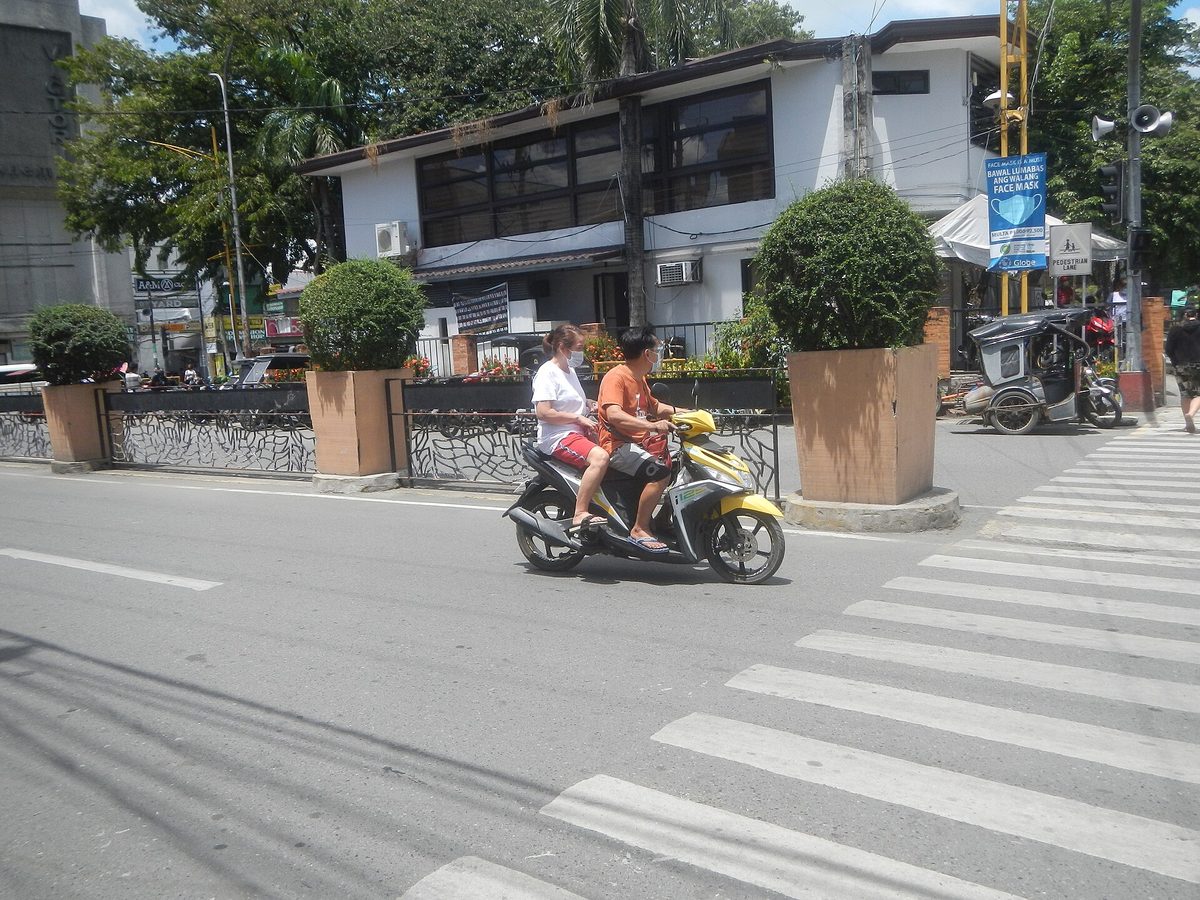
This is the clause I most want you to read carefully, because renting a scooter is so normal here and the exclusion is so easy to trigger. On Siargao, Bohol, Palawan and plenty of other islands, a rented scooter is the default way to get around, and a crash on one is among the most common serious claims travellers make anywhere in Southeast Asia.
Here is the trap. Most travel policies will only pay a motorbike or scooter accident claim if you were riding legally. In practice that usually means holding a valid licence that permits riding that machine, frequently a specific motorcycle entitlement or endorsement rather than just a car licence, plus wearing a helmet and staying within any engine-size limit in the policy. Rent a 125cc scooter on a car-only licence, which rental shops here will happily let you do, have an accident, and the insurer can legitimately refuse the medical and evacuation costs. Given those costs can be the tens-of-thousands evacuation figure from earlier, this is not a small-print technicality. It is potentially the difference between a covered claim and financial ruin.
So before you ride: confirm what your licence actually permits at home, check whether your policy requires a motorcycle endorsement, always wear the helmet, and note any engine-size cap. If you cannot satisfy those conditions, the honest move is to not ride and use other transport instead. We cover the realistic alternatives in our guide to getting around the Philippines, and frankly, for many visitors the safer and simpler choice is to skip the scooter entirely.
Canyoneering, surfing and volcano hikes
Beyond diving and scooters, the Philippines is full of activities that sit in the “adventure” tier of a policy: canyoneering near Kawasan Falls, surfing on Siargao or in La Union, hiking active volcanoes, ziplining, caving. Standard plans frequently exclude or limit these. The fix is not complicated, but it does require honesty when you buy. List the activities you genuinely intend to do and select the cover tier that includes them, even if it costs a little more. An adventure upgrade is cheap compared with an uncovered evacuation, and insurers are within their rights to deny a claim for an activity you did not declare.
Typhoon-season disruption: why September buyers should read the fine print
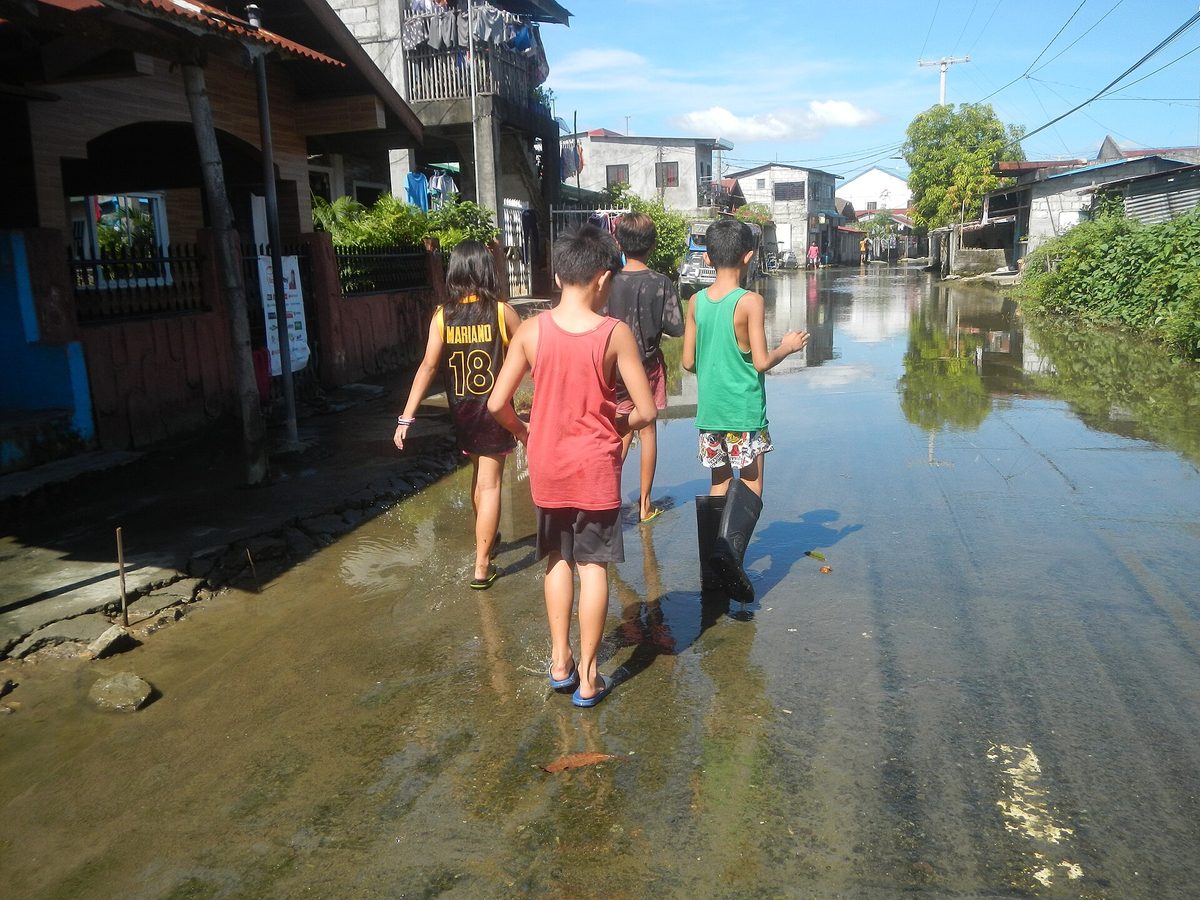
Timing matters here, and this article publishes squarely in the part of the year when it matters most. The Philippine typhoon season runs roughly June to November, and September sits near the peak. Around twenty tropical cyclones enter Philippine waters in an average year, with several making landfall. The eastern seaboard tends to be hit first and hardest, while Palawan and parts of the south are comparatively sheltered, but the knock-on effects reach the whole country through cancelled flights and suspended ferry services.
For your trip, the practical risk is rarely being caught in a direct hit. It is disruption: a domestic flight cancelled, an island ferry suspended for a day or two, a missed international connection because the leg before it did not run. That is exactly what trip cancellation, trip interruption and travel-delay cover are for. When buying in storm season I would check that severe weather and natural disaster are listed as covered reasons, look at the delay threshold before benefits kick in (often somewhere between 6 and 12 hours), and confirm there is missed-connection cover if your itinerary is tight.
Insurance is the financial backstop, not the plan. The planning side matters just as much: build buffer days into the itinerary, and never book a tight same-day connection between a domestic island flight and an international departure during storm season. Our guide to typhoon season in the Philippines covers how to read PAGASA warnings and build a sensible buffer; the insurance angle is simply to make sure your policy pays when a storm rearranges your week.
What travel insurance usually does NOT cover
Knowing the exclusions is half the value of understanding a policy, so here are the ones that bite most often. None of this is unique to one insurer; it is the common shape of the small print.
- Alcohol and drug-related incidents. Get injured while drunk, and most policies can decline the claim. Given that a lot of accidents, especially on scooters and around water, involve alcohol, this is a bigger exclusion than it looks.
- Riding without the right licence. As covered above, a scooter or motorbike claim is commonly refused if you were not legally entitled to ride, were not wearing a helmet, or exceeded an engine-size limit.
- Undeclared pre-existing conditions. Existing medical conditions are often excluded unless you declare them and, where required, pay to have them covered. Declaring honestly is what keeps the cover valid.
- Undeclared or excluded extreme activities. Anything in the adventure or extreme tier that you did not add to the policy can be excluded, from technical diving to certain climbs.
- Reckless or illegal behaviour, and unattended belongings. Claims tied to clearly reckless acts, or theft of items left unattended, are frequently denied. Leaving a bag on a beach while you swim is a classic uncovered loss.
- Travel against official advice. Some policies limit or void cover if you travel to an area your government formally advises against. It is worth knowing which corners of the country carry official advisories before you travel.
The pattern across all of these is simple. Insurers pay for genuine misfortune and decline for avoidable or undisclosed risk. Declare honestly, ride legally, stay within your activity tier, keep belongings secure, and the vast majority of real emergencies are covered.
Travel insurance Philippines: matching the type of cover to your trip
There is no single best policy, only the right shape of cover for your trip. Here is how the main options compare in general terms, without ranking specific brands, since the right pick depends on your nationality, age, trip length and activities.
Single-trip versus annual. A single-trip policy covers one journey and is usually the simplest, cheapest choice for a one-off two or three week visit. An annual multi-trip policy can work out better value if the Philippines is one of several trips you will take in a year. Check that an annual plan covers a trip of your length, since many cap the maximum duration of any single trip.
Backpacker and long-stay cover. For extended travel or a multi-month Southeast Asia loop, subscription-style or long-stay insurers such as SafetyWing are built around exactly that pattern, often billed monthly and easy to extend. They tend to be medical-led, so check how they handle trip cancellation and your gear if those matter to you.
Comprehensive travel insurance. Names such as World Nomads, Heymondo, IMG and Allianz sit in the broader comprehensive category, typically bundling medical, evacuation, cancellation, baggage and an adventure-activity option. These are the policies to compare when you want one plan that covers most scenarios; the differences are in limits, the activity list and price, so read those rather than the marketing.
Credit-card travel cover. Many premium cards include some travel insurance if you pay for the trip on the card. It can be a genuine bonus, but treat it as a starting point, not a complete solution. The medical and evacuation limits are often lower than you want for a remote-island trip, adventure activities and scooters are commonly excluded, and the cover can depend on how you paid. Read what your card actually provides before relying on it.
I have deliberately not crowned a winner. The honest reality is that the “best travel insurance for the Philippines” is whichever policy covers your specific activities and evacuation needs at a fair price, and that varies enough between travellers that a blanket recommendation would be misleading.
How much does Philippines travel insurance cost?
Travel insurance Philippines pricing is the question I get asked most, and I will hedge it on purpose, because anyone quoting you a fixed premium without knowing your age, nationality, trip length and activities is guessing. Travel insurance is priced individually, and the only reliable number is the quote you get for your own trip.
That said, here is the honest shape of it. For a standard comprehensive policy, the premium is typically a modest percentage of your total trip cost, often in the low-to-mid single digits as a share of what you have prepaid. For long-stay and subscription cover, you are usually looking at a modest weekly or monthly rate instead. Adding an adventure-activity tier, declaring a pre-existing condition, travelling at an older age, or raising your medical and evacuation limits will all push the price up, and all of those are usually worth paying for if they apply to you.
To put the spending in perspective, day-to-day costs in the Philippines are low, as our breakdown of Philippines travel costs shows. Against that backdrop a comprehensive policy is one of the better-value lines in your budget: a small, known cost that stands between you and the one genuinely trip-ending expense, an uncovered evacuation. Rather than anchoring on a figure, get two or three quotes for your actual dates and activities and compare what each one covers, not just the headline price. For reference, prices are usually quoted in your home currency or US dollars, and the peso traded around 58 to 60 to the US dollar through 2026, so converting a local figure is straightforward.
How to claim without losing the argument
A claim is won or lost on documentation, and the time to set yourself up is before anything goes wrong. The principles are the same across insurers.
- Call the 24/7 assistance line early. For any medical event or evacuation, contact the insurer’s emergency line as soon as you reasonably can, ideally before treatment, so they can authorise care, arrange evacuation and guarantee payment. This single step prevents most disputes.
- Document everything. Keep receipts, medical reports, diagnoses, boarding passes, booking confirmations and any proof of prepaid costs. If it is not documented, it is hard to claim.
- Get a police report for theft. Stolen phone, camera or bag? File a police report promptly and keep a copy. Most policies require it, and a claim for theft without one is usually a non-starter. Pickpocketing in crowds and on transport, and the odd street scam, are the kinds of incident behind these claims.
- Get airline and provider confirmation for disruption. For cancelled or delayed flights and ferries, obtain written confirmation of the delay and its cause, and keep receipts for reasonable extra costs such as meals and a night’s accommodation.
- Claim within the window. Policies have deadlines for notifying and submitting a claim. Start the paperwork while everything is fresh rather than after you get home.
Carry your policy number and the insurer’s 24/7 line saved on your phone and written somewhere offline, alongside the nationwide emergency number, 911. In a real emergency you do not want to be searching for any of that.
What I would prioritise, by type of traveller
Cover needs differ enough that one checklist does not fit everyone. Here is where I would focus depending on the kind of trip.
The backpacker or long-stay traveller. Prioritise strong medical and evacuation cover and a policy or subscription that comfortably spans your dates and can be extended. Confirm the everyday adventure activities you are likely to do, snorkelling, hiking, the occasional dive, are within the tier you have chosen. This is also the group most likely to be tempted by a cheap scooter rental, so be honest about the licence requirement.
The diver. Make diving cover the centre of the decision. Check the maximum covered depth matches your certification and plans, and strongly consider dedicated dive cover such as DAN for chamber treatment and dive-specific evacuation. If you are doing repeated or deeper dives, do not rely on a generalist policy’s basic scuba clause.
The family. Look hardest at medical cover for children, trip cancellation and interruption (a sick child is one of the commonest reasons a family trip changes), and the practicalities of the assistance service, including help rebooking and translation. A family policy can be more economical than insuring everyone separately, but check children are covered for the activities they will join.
The digital nomad or long-stay remote worker. Beyond medical and evacuation, weigh how the policy treats laptops, cameras and other work gear, since per-item limits can be low. Some travel policies are not designed for long stays or working abroad, so a long-stay or nomad-specific product may fit better, and check whether any work activity affects cover.
The honeymoon or higher-end traveller. If you have prepaid resorts, flights and tours, robust trip cancellation and interruption cover protects a larger sum, so match the cover limit to what you have actually committed. A Philippines honeymoon tends to lean toward the more sheltered, settled-weather options, which also reduces the odds of a storm rearranging the trip in the first place.
Frequently asked questions
Do I need travel insurance for the Philippines?
Not legally. The Philippines dropped its short-lived insurance entry requirement in 2022 and does not check for a policy at the border. Practically, though, I would say yes for almost everyone. Remote islands, water sports, scooter use and peak typhoon-season disruption make the gap between a cheap trip and a costly emergency unusually wide here.
Does travel insurance cover scuba diving in the Philippines?
Often yes, but with conditions. Many policies cover recreational scuba as standard or via an adventure upgrade, typically limited to the depth you are certified for and diving with a qualified professional. Dive beyond your certification or without it and a claim can be refused. For serious diving, consider dedicated cover such as DAN alongside a travel policy.
Does travel insurance cover motorbike and scooter accidents?
Only if you were riding legally. Most policies require a valid licence that permits that machine, often a specific motorcycle endorsement rather than a car licence, plus a helmet and any engine-size limit. Rent a scooter on a car-only licence, crash, and the insurer can decline the medical and evacuation costs. Check your licence and policy before you ride.
Does Philippines travel insurance cover typhoons and cancelled flights?
A comprehensive policy usually does, through trip cancellation, interruption and travel-delay benefits, provided severe weather and natural disaster are listed as covered reasons. September is peak season, so check the delay threshold and any missed-connection cover, build buffer days into your itinerary, and avoid tight same-day domestic-to-international connections.
How much does travel insurance for the Philippines cost?
It depends on your age, nationality, trip length and activities, so the only reliable figure is your own quote. As a rough shape, a comprehensive policy is typically a modest percentage of your prepaid trip cost, while long-stay cover is billed at a modest weekly or monthly rate. Adventure tiers and higher limits cost more and are usually worth it.
Will my domestic health insurance work in the Philippines?
Usually not, or not well. Many home health plans offer little or no cover abroad, rarely pay Philippine hospitals directly, and almost never fund an international medical evacuation. That evacuation cost is the main reason to hold dedicated travel insurance rather than rely on your existing health plan. Confirm in writing what your plan covers overseas before you depend on it.
Sources and photo credits
Photo credits
- Photo: Marek Ślusarczyk (Tupungato) Photo portfolio / CC BY 3.0 via Wikimedia Commons
- Photo: SwarmCheng / CC BY-SA 4.0 via Wikimedia Commons
- Photo: Firth m / CC BY-SA 4.0 via Wikimedia Commons
- Photo: Judgefloro (CC0) via Wikimedia Commons
- Photo: Judgefloro (CC0) via Wikimedia Commons
- Photo: Tiia Monto / CC BY-SA 3.0 via Wikimedia Commons
Sources
- UK Foreign, Commonwealth & Development Office, Philippines travel advice (warnings and insurance notes)
- U.S. Department of State, travel insurance guidance on overseas coverage and medical evacuation
- Divers Alert Network (DAN), dive accident and diving-specific insurance information
- PAGASA, the Philippine national weather service, for typhoon warnings and signals
About this guide: PhilippinesTourism.org is an independent Philippines travel resource and does not sell insurance. Information was researched and verified September 2026; always read a policy’s wording before you buy.