The Manila Layover Guide: 4, 8 or 24 Hours
Here is the short version. If you have under five hours gate-to-gate, stay inside the airport. If you have eight clear hours or more, with carry-on only and a connecting flight from the same terminal, leave and see Intramuros. Manila traffic, not distance, decides everything here, so the honest answer hinges on your buffer, not your appetite for adventure.
Your Manila layover at a glance
I built this table the way I plan my own connections through NAIA: by usable hours on the ground, not by the gap printed on the ticket. “Usable” means after immigration, baggage, and the round trip into the city. Treat the buffer column as a minimum, not a target.
| Layover length | Recommended plan | Min. buffer before your next flight | Leave the airport? |
|---|---|---|---|
| Under 4 hours | Stay airside; eat, shower, or sleep in a lounge | n/a (do not leave) | No |
| ~4 hours | Newport World mall by Terminal 3, or a quick Manila Bay sunset if timing is perfect | 3 hours back at the gate | Risky / No |
| ~8 hours | Intramuros plus one proper Filipino meal, or the DOT Transit Tour | 3.5 hours back at the gate | Yes |
| ~24 hours | Intramuros, Binondo (Chinatown), Manila Bay, and a hotel for real sleep | 3 hours back at the gate | Yes, with a hotel |
One number worth memorizing before we go further: budget at least three hours back at your departure gate for any international onward flight. That is not me being timid. That is NAIA traffic plus check-in lines plus immigration on a normal day.
Should you even leave NAIA? The honest gate
Most layover guides assume you want to leave and then cheer you on. I am going to do the opposite first, because the wrong call here costs you a flight, not just an afternoon.
Leave the airport only if all four of these are true. One, you have at least eight hours between flights. Two, you are a citizen of a visa-free country (the US, UK, EU, Canada, Australia, and most of ASEAN all qualify for visa-free entry of up to 30 days) or you hold a valid Philippine visa. Three, your bags are checked through to your final destination, or you are traveling carry-on only. Four, your onward flight departs from a terminal you are comfortable getting back to. If any one of those is shaky, stay inside.
The immigration reality is simpler than the forums make it sound. If you stay airside in the same terminal and never clear immigration, you are a transit passenger and you need no visa. The moment you want to see the city, you clear arrivals immigration like any visitor, which visa-free nationals can do without a separate transit visa. Coming back, if you formally entered the country you will need an eTravel declaration (a free online form) before departure immigration. Pure transit passengers who never leave airside do not need eTravel for the onward leg.
Baggage is the quiet trap. If you arrived on an international flight and your next flight is also international on the same ticket, your checked bag is usually tagged through and you can walk out with just your carry-on. If you are self-connecting on separate tickets, you will likely have to claim your bag, which eats time and means you are now hauling luggage around Manila. In that case, either store it (more on that below) or do not leave.
The NAIA terminals and the transfer problem
NAIA has four terminals, and here is the part that catches people: they are not connected airside. Terminal 1 sits in Paranaque; Terminals 2, 3, and 4 are in Pasay. If your onward flight leaves from a different terminal than the one you arrived at, you must exit the secure area, travel between buildings landside, and check in again. There is no air-bridge, no shared transit hall.
This matters in 2026 more than usual because NAIA is in the middle of a terminal reshuffle under its new private operator. As of the late-March 2026 reassignments, both Terminal 1 and Terminal 3 handle international flights, with the rough split being low-cost carriers at Terminal 1 and full-service airlines at Terminal 3; Terminal 2 remains Philippine Airlines’ home. Several carriers swapped buildings in this round (for example, AirAsia’s international flights moved to Terminal 1, while Japan Airlines shifted to Terminal 3), and Terminal 3 still serves Cebu Pacific plus a long list of foreign airlines. Assignments are genuinely moving around, so do not trust an old itinerary or a year-old blog. Check your exact arrival and departure terminals on your airline’s app the week you fly, and again the day before.
If you do need to switch terminals, you have three options. There is a free inter-terminal shuttle bus that loops the terminals, but it is infrequent and crawls in traffic. There is the paid UBE Express loop. And there is Grab or a taxi, which most self-connecting travelers end up using. A hop that looks like 10 minutes on a map can be 45 minutes at rush hour. For a self-transfer between different terminals, treat three hours as tight and four as comfortable, especially with a checked bag.
One more 2026 note that saves domestic connectors a nasty surprise: Cebu Pacific, Cebgo, and AirSwift moved all their remaining turboprop operations (think Coron, El Nido, Naga) out of NAIA to Clark by late March 2026. If your onward leg is a small propeller flight to an island, double-check whether it actually departs Manila or Clark, because Clark is a two-to-three-hour drive north and is not a “layover dash” you can improvise.
To make the buffer concrete, picture a common real-world case: you land at Terminal 1 on a long-haul flight and your onward flight leaves from Terminal 3. You clear immigration (20 to 40 minutes on a good day, longer when several wide-bodies land together), claim your bag if it is not checked through, walk out, wait for and ride the shuttle or a Grab between terminals (15 to 60 minutes depending on traffic), then re-check in, clear departure immigration, and pass security again. Strung together, that is easily three hours of moving parts before you ever sit at the gate. If your connection is on a single ticket the airline absorbs the risk and may allow tighter timing; on separate tickets, you absorb all of it.
Left luggage, getting downtown, and realistic times
If you are carrying bags you do not want to drag through Intramuros, NAIA has left-luggage counters. At Terminal 3 expect rates from around 150 to 300 pesos depending on hours (very roughly $3 to $5; about 58 pesos to the dollar in mid-2026). The Wings Transit Lounge in Terminal 3 also stores bags from around 250 pesos for a few hours up to about 350 pesos for 24 hours. Prices drift, so verify the current rate at the counter.
To get into the city, Grab is what I use and what I recommend. Order it from the app at the designated ride-hailing pickup (Terminal 3 now has a more orderly, signed TNVS hub with dedicated lanes). A Grab from NAIA to Intramuros or Makati typically runs somewhere around 250 to 600 pesos depending on terminal, time of day, and surge. If Grab is surging hard, the official airport coupon taxis with fixed, posted fares are a fine fallback. Avoid anyone inside the terminal offering you a “special” private ride.
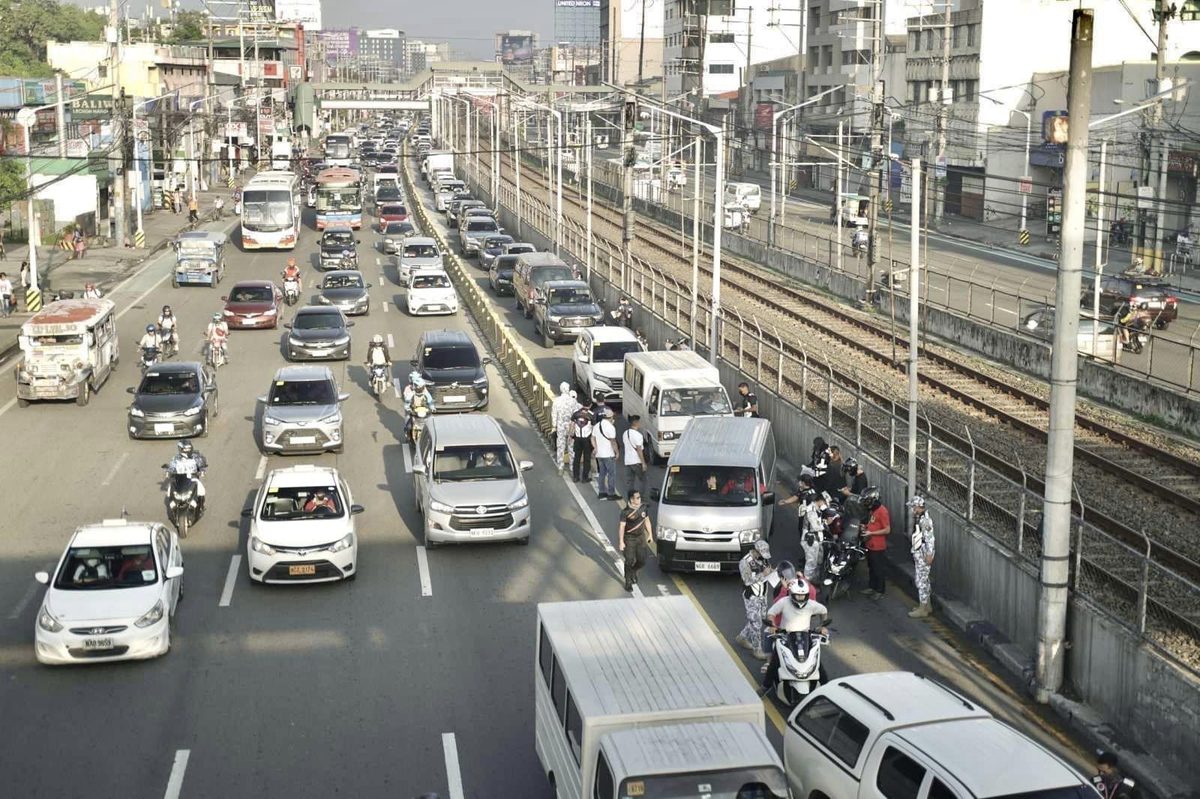
Now the times, which are the whole ballgame. Intramuros is only about 10 to 13 km from the terminals. Off-peak, that is a 15 to 25 minute drive. During Manila rush hour (roughly 6 to 9 in the morning and 4 to 8 in the evening) the same trip can stretch past an hour each way. So a round trip to the old city is realistically 45 minutes to over two hours of pure driving depending entirely on when you travel. Build your plan around avoiding those windows, and read our guide to getting around the Philippines if you want the wider picture on Grab, jeepneys, and trains.
The 4-hour Manila layover plan
Be honest with yourself: four hours is barely a layover once you subtract immigration and the round trip. My default at four hours is to not leave the secure area at all, especially if it overlaps rush hour. NAIA has genuinely improved on this front, with three new food halls at Terminal 3 (including the all-Filipino Tambayan Food Hall) and well over a hundred dining spots across the airport. Eat a proper bowl of kare-kare or some fried chicken at Max’s, find a quiet gate, and call it.
If the goal of your four hours is simply to feel human again rather than to sightsee, spend the money on a shower and a lie-down instead of a taxi. A capsule or a shower at the Terminal 3 transit lounge does more for a jet-lagged body than a stressful dash to a landmark you will half-remember. I have made that swap more than once and never regretted it.
If you must stretch your legs and you are at or near Terminal 3, the lowest-risk move is Newport World Resorts, directly across from T3. You can walk or take a two-minute shuttle to a mall, dozens of restaurants, a cinema, and a casino without ever entering Manila traffic. It is not the “real Manila,” but it is genuinely relaxing and you stay within a sprint of your gate.
Only if your four hours fall in the late afternoon, with no checked bag and a fast immigration mood, would I consider a quick Grab to the Manila Bay seawall for sunset and straight back. It is the single most photogenic free thing near the airport. But this is the plan most likely to end in a panic. If anything feels tight, abort and stay at Newport.
The 8-hour Manila layover plan
Eight hours is the sweet spot, and it is where the phrase “what to do on a Manila layover” finally has a satisfying answer. After immigration and a 30-to-45-minute ride, you realistically have three to four hours in the city. Spend them in one place done well rather than three places done badly.
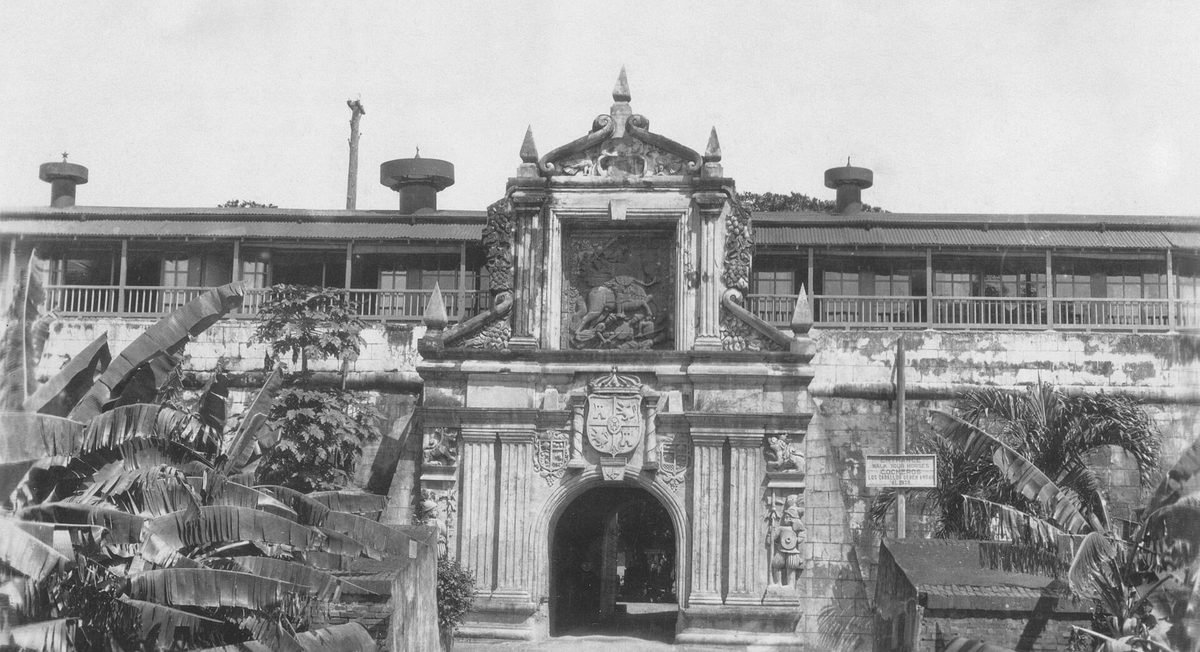
My pick is Intramuros, the walled Spanish-colonial core and the most rewarding history you can reach quickly from NAIA. Walk Fort Santiago, step inside San Agustin Church (a UNESCO World Heritage site), wander the cobblestones, and consider a bamboo-bike or kalesa loop if your legs are tired from the flight. Two hours here is plenty for a first taste; our deeper Intramuros guide maps out exactly what to prioritize. Then have one real meal nearby before heading back. If you want ideas beyond the old city, the things to do in Manila roundup has the rest.
There is now an official option built for exactly this situation. The Department of Tourism launched its first Transit Tour Program in January 2026 for international transit passengers with at least an eight-hour layover, carry-on only, and a connecting flight from the same terminal. It is a curated four-hour, fully-guided run (one hour out, two hours touring, one hour back) priced at $50 (about 2,900 pesos), and it includes an air-conditioned bus, a DOT guide, entrance fees, travel insurance, an onboard police escort, and snacks. You can pick a heritage route (Intramuros and the National Museum) or a leisure route (Okada or Solaire). You book at the Transit Tour concierge desks at NAIA Terminals 1 and 3, via the Philippine Airlines website, or through the LovePH Tourism portal. The fixed schedule and guaranteed return are the real selling point: someone else owns the traffic risk, not you. Verify current days and timings, as the program is new and routes run on set days.
The 24-hour Manila layover plan
With a full day, stop treating it as a layover and treat it as a one-night city break. The single best decision you can make is to book a hotel, get horizontal for real sleep, and shower. You will see more, enjoy it more, and arrive at your onward flight human.
Here is the shape of a day I would actually run. On arrival, drop your bag at a hotel (or in left luggage if you land too early to check in) and head to Intramuros while you are fresh. Have lunch in or near the old city. In the afternoon, Grab to Binondo, the oldest Chinatown in the world, and eat your way through it: hopia, dumplings, fresh lumpia, and whatever a food stall pushes on you. As the light softens, make your way to the Manila Bay seawall along Roxas Boulevard for the sunset the city is genuinely famous for. Dinner, sleep, and a calm morning ride back to NAIA with your three-hour buffer intact.
A few specifics make that day better. In Binondo, aim for the stretch around Ongpin Street and do not over-plan it; the joy is ducking into a hole-in-the-wall for soup dumplings, grabbing hopia to take onward, and following your nose. If you would rather not wander solo, a cheap food-crawl tour hands you the best stops in two hours. And one weather caveat that overrides every itinerary here: from roughly June to October is the southwest monsoon and typhoon season, when a single afternoon downpour can flood low-lying roads and turn a 30-minute ride into a two-hour ordeal. During that season I shrink my ambitions, stay closer to the airport, and watch the forecast the morning of my connection rather than trusting yesterday’s plan.

For where to base yourself, anywhere around Intramuros, Malate, or the Bay area keeps your sightseeing tight, while Makati or Newport (next to the airport) suits an early onward flight. If you want a primer on neighborhoods and price tiers before you book, our overview of where to stay in the Philippines covers it. And if it is your first time and the city’s reputation has you uneasy, the candid is Manila safe guide is worth five minutes; the short version is use Grab, stay in busy areas at night, and watch your bag.
Staying inside the airport: lounges, sleep, and transit hotels
Sometimes the right answer is simply to not leave, and NAIA has gotten better at making that bearable. If you are at Terminal 3, the Wings Transit Lounge is the headline option. It is a 24-hour facility in the Terminal 3 mall area with reclining chairs, sleep capsules, private twin and family rooms, showers, a massage room, and a pantry. Last I checked, a sleep capsule started around 1,000 pesos for five hours (roughly $21, with a light meal and Wi-Fi), and twin rooms from around 1,800 pesos for five hours. For a red-eye connection, that is money well spent.
Beyond Wings, the standard airport survival kit applies: pick a quiet gate, bring an eye mask and a power bank, and remember that air-conditioning at NAIA is aggressive, so have a layer. The new food halls at T3 mean you are no longer stuck with sad sandwiches. If your layover is shorter than five hours, this is almost always the smarter, lower-stress choice, full stop.
Red flags and the buffer math
Let me put the warnings in one place so you can screenshot them. Do not leave if your bag is checked only to Manila and you are self-connecting on separate tickets, unless you store it. Do not leave if your onward flight is from a different terminal and you have under five or six hours. Do not leave during a typhoon-season downpour, when Manila flooding can paralyze roads with zero notice. And do not leave if your gut says the timing is tight; it almost always is tighter than it looks.
The buffer math, one more time, plainly. Work backwards from your departure: be back at the airport three hours before an international flight. Add your worst-case ride back (assume an hour from Intramuros). Add your time in the city. That sum is the layover you actually need. If the ticket gives you less, the city stays a window view this trip, and that is a perfectly good outcome. For the full picture of the city beyond the airport, start with our Manila travel guide (overview).
Manila layover FAQ
Can I leave the airport during a layover in Manila?
Yes, if you are from a visa-free country or hold a valid Philippine visa, you can clear immigration and enter the city like any visitor. You do not need a special transit visa. Just make sure your bag is checked through or stored, and that you leave a generous buffer to get back, ideally three hours before an international departure.
How long a layover do I need to visit Manila?
Eight hours is the practical minimum to leave and see something like Intramuros without stress. That accounts for immigration, a round-trip drive of up to two hours in bad traffic, and real time in the city. With under five hours, stay airside. With 24 hours, book a hotel and treat it as a proper overnight.
Do I need a visa for a layover in the Philippines?
If you stay airside in the same terminal and never clear immigration, no visa is needed. If you want to leave the airport, visa-free nationals (most Western and ASEAN passports) can enter for up to 30 days with no advance visa. If you exit and re-enter to depart internationally, you will also need a free eTravel declaration before departure immigration.
How much does a Grab from NAIA to the city cost?
Plan on roughly 250 to 600 pesos (about $5 to $11) to Intramuros or Makati, varying with the terminal, the time of day, and surge pricing. Order it from the app at the marked ride-hailing pickup zone. If Grab is surging, the official fixed-fare coupon taxis are a reliable fallback. Always avoid touts offering rides inside the terminal.
Are NAIA terminals connected? How do I transfer between them?
No, NAIA’s four terminals are not connected airside. To change terminals you exit landside and travel by the free inter-terminal shuttle, the UBE Express loop, or Grab/taxi. Budget at least three hours for a different-terminal self-transfer, more with a checked bag, because traffic between buildings can take 45 minutes or longer at peak times.
Is it safe to do a Manila layover tour alone?
Generally yes, with normal city sense. Use Grab rather than street-hailing, keep your bag zipped and in front of you in crowds, stick to busy, well-lit areas after dark, and keep your passport secure. The official DOT Transit Tour adds a guide and police escort if you would rather not navigate solo on a tight schedule.
Sources and photo credits
Photo credits
All images are from Wikimedia Commons under their respective licenses.
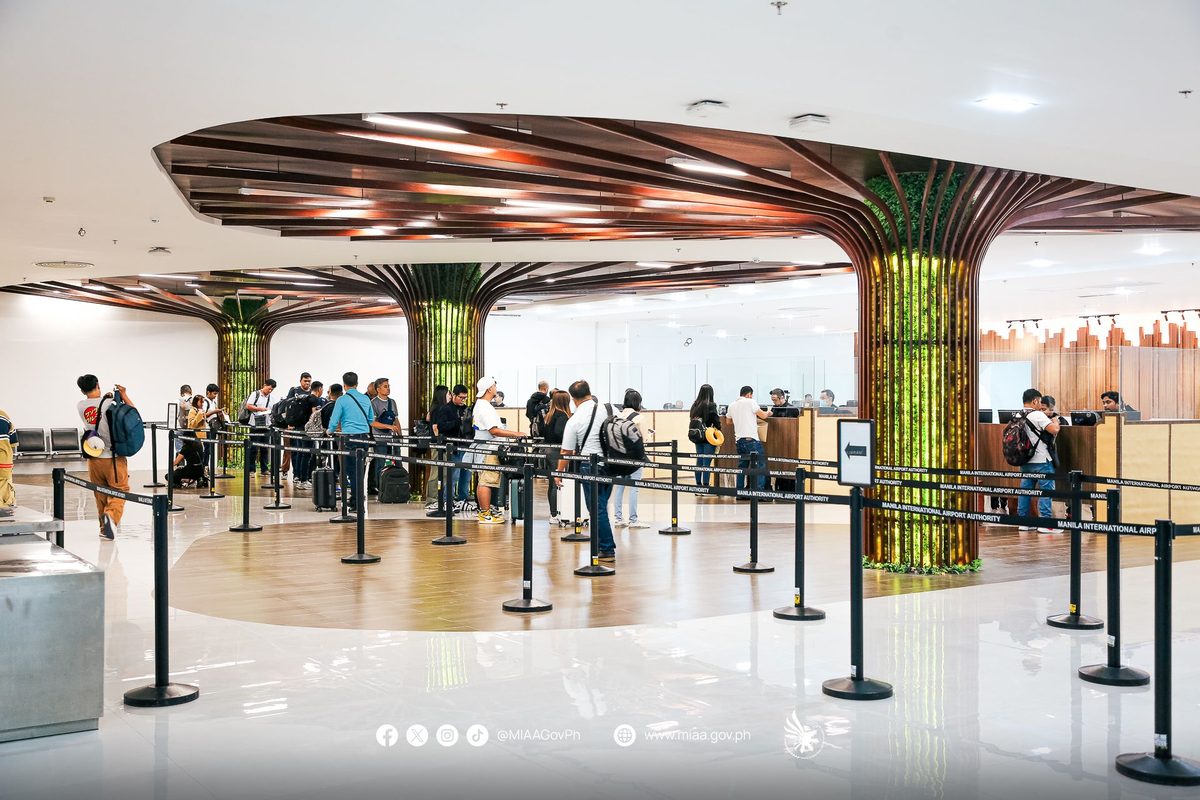
- Inside a terminal at Ninoy Aquino International Airport, where a Manila layover begins — Photo: Manila International Airport Authority (CC0) via Wikimedia Commons.
- Traffic on a Metro Manila road on the way from the airport into the city — Photo: InterAgency Council for Traffic (CC0) via Wikimedia Commons.
- Stone gate of Fort Santiago in Intramuros, the walled old city of Manila — Photo: anonymous (CC0) via Wikimedia Commons.
- Sunset over Manila Bay along Roxas Boulevard — Photo: Vyacheslav Argenberg / CC BY 4.0 via Wikimedia Commons.
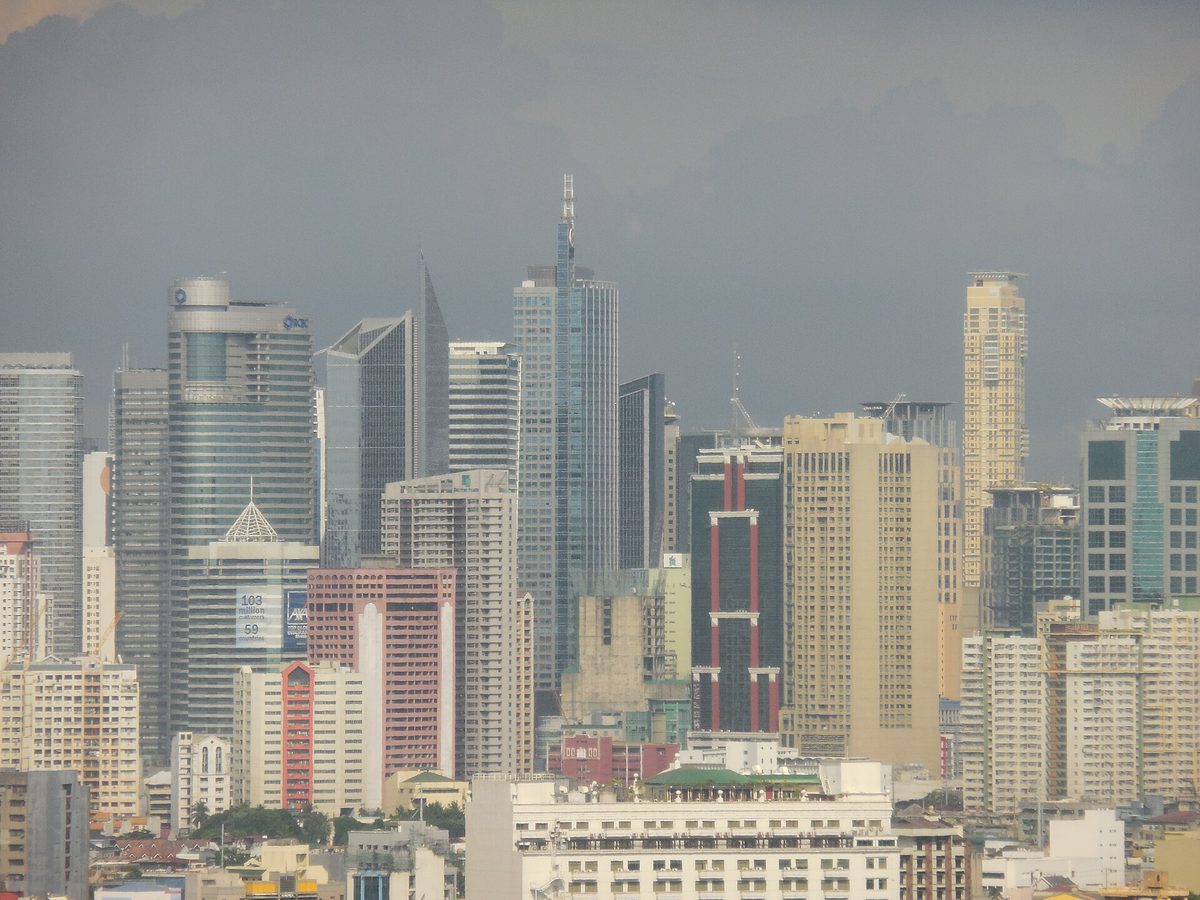
- The Manila skyline with Makati skyscrapers seen from a distance — Photo: Lawrence Ruiz / CC BY-SA 4.0 via Wikimedia Commons.
Sources
- Philippine Airlines — Connecting flights at the airport
- Department of Tourism — LovePH Tourism (Transit Tour Program)
- DOT Transit Tour Program details, eligibility and fare (Top Gear Philippines, Jan 2026)
- New NAIA — Airline and terminal assignments
About this guide: PhilippinesTourism.org is an independent Philippines travel resource; this guide was researched and verified June 2026.