Siargao for Non-Surfers: Why You Should Still Go
If you can’t surf, don’t surf, or simply have no interest in falling off a board for a week, here’s the honest answer: Siargao is still worth the trip. The waves built its name, but the lagoons, rock pools, palm roads, and island-hopping boats are what most people actually photograph. This is the practical, opinionated case for Siargao without surfing, written for travelers who’d rather paddle, swim, ride, and eat their way around the island than chase the swell.
I’ll be straight with you throughout. A few things here are overhyped, the island is a surf town at its core, and there’s a specific type of traveler who leaves disappointed. But if you’re a swimmer, a snorkeler, a road-tripper, or just someone who likes a good flat white with a sea view, you’ll find more here than you can fit into a week. The non surfer Siargao itinerary writes itself once you stop thinking of the place as only a wave.
Siargao for non surfers at a glance
Here’s the shortlist I’d hand a friend who messaged me asking what to actually do. Prices are rough 2026 figures and move around with the season and your haggling; treat them as a planning guide, not a quote. The peso sits at roughly 58 to 60 to the US dollar as of 2026, so confirm the current rate before you budget.
| Experience | Vibe | Rough 2026 cost (PHP / USD) |
|---|---|---|
| 3-island hopping (Naked, Daku, Guyam) | Classic, social, sandbars & snorkels | ~1,500–2,500 PHP shared / $26–$43 |
| Sugba Lagoon day trip | Jade water, paddleboard, dive board | ~2,000–3,000 PHP / $35–$52 |
| Magpupungko rock pools | Low-tide natural pool, easy half-day | ~50–100 PHP entry + transport / $1–$2+ |
| Maasin River palm swing | Quick photo stop, rope jump | ~50–100 PHP / $1–$2 |
| Tayangban cave pool | Muddy, adventurous, guided wade | ~100–200 PHP + guide / $2–$4 |
| Sohoton / Bucas Grande day trip | Big day out, stingless jellyfish lagoon | ~2,500–3,500 PHP / $43–$60 |
| Motorbike rental (per day) | Freedom, palm roads, viewpoints | ~400–600 PHP / $7–$10 |
| Cafe brunch / smoothie bowl | Wellness scene, slow mornings | ~250–500 PHP / $4–$9 |
If you only do three things, make them island hopping, Sugba Lagoon, and a slow motorbike loop to Magpupungko with a Maasin River stop on the way back. That trio alone justifies the flights. For the full menu of activities, our things to do in Siargao guide covers the surf side too, and the main Siargao travel guide ties together where to stay, how to get there, and when to come.
The rest of this guide works through the Siargao lagoons and islands first, since that’s the heart of the non-surf appeal, then moves on to the road trips, the food, and the honest verdict on whether the island earns your time.
Island hopping: Naked, Daku and Guyam
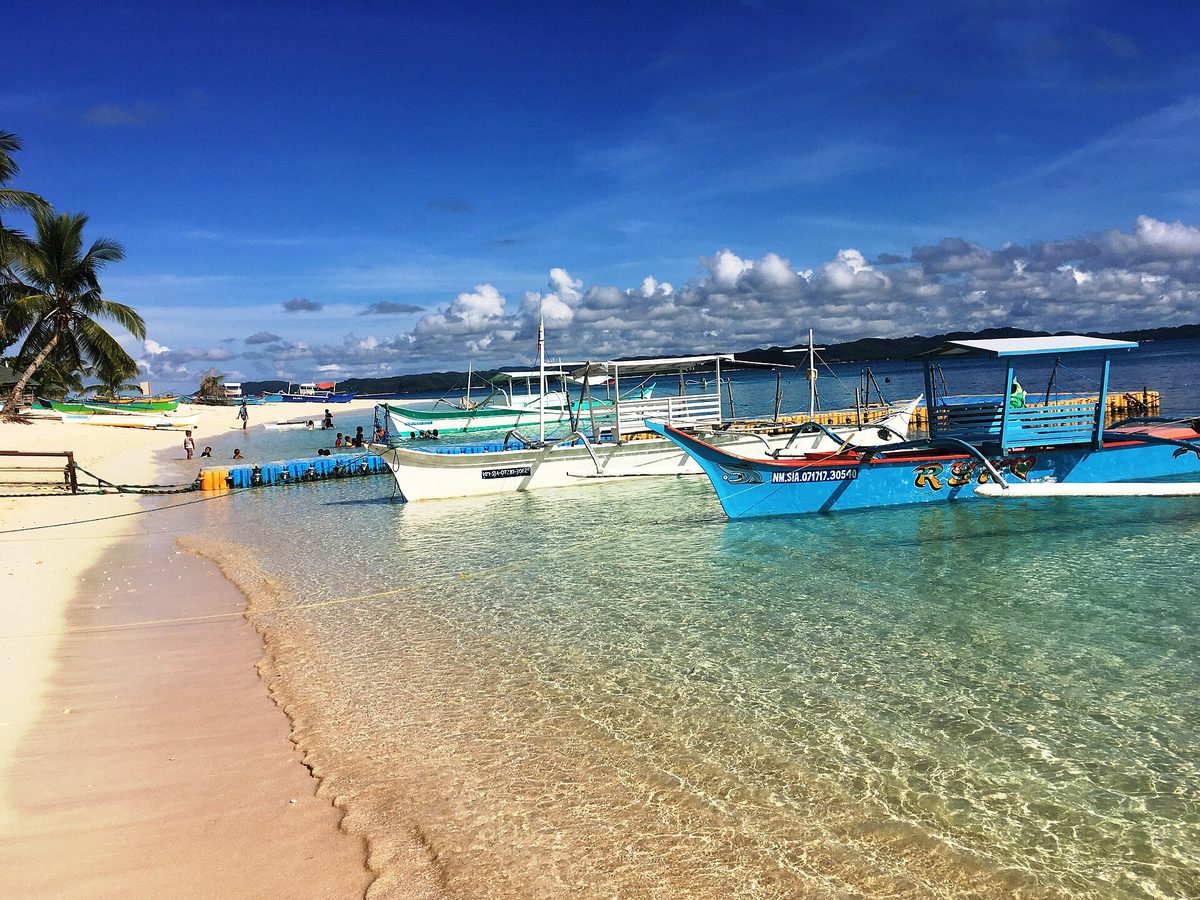
This is the one nearly everyone does, and for once the hype is earned. Three little islands sit just off General Luna, a 20 to 45 minute outrigger ride out, and a standard day tour links all three with lunch in the middle.
Naked Island is a bare sandbar, no trees, no shade, just a sliver of blinding white sand in turquoise water. It’s the most photogenic and the most punishing at midday because there’s nowhere to hide from the sun. Go early, bring a hat, and reapply sunscreen before you think you need to.
Daku Island is the biggest of the three and where most boats stop for lunch. There’s a small fishing community, simple huts, and food stalls grilling whatever came in that morning. It’s the social hub of the trip. Walk a few minutes past the lunch crowd and you’ll find quieter sand.
Guyam Island is my favorite, a tiny round dot you can stroll around in a few minutes, fringed with leaning palms and good snorkeling just offshore. It feels like the postcard version of a desert island, which is exactly why it gets busy. Time your visit for the start or end of the day if you can.
You can join a shared boat for roughly 1,500 to 2,500 PHP per person ($26–$43) including lunch, or charter a private boat for your group if you want to dodge the lunchtime crush and set your own pace. Snorkel gear is sometimes thrown in and sometimes rented separately, so ask before you pay. The water between the islands is calm and shallow in plenty of spots, which makes this an easy win for confident swimmers and a relaxed one for nervous ones. It is the single most popular day out for anyone doing Siargao for non surfers, so book a day or two ahead in peak season rather than hoping for a same-morning seat.
Sugba Lagoon: paddle, kayak, and the dive board
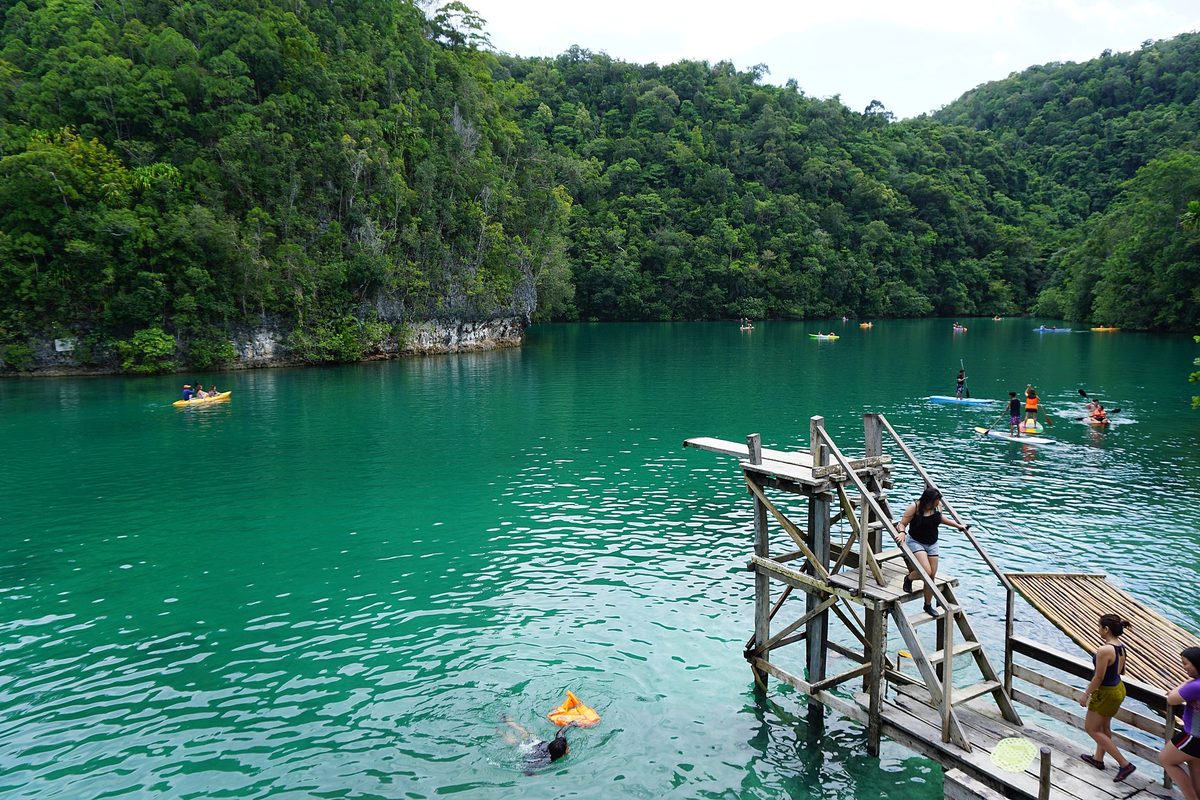
Sugba Lagoon, over in the municipality of Del Carmen on the west side of the island, is the single most beautiful spot most non-surfers see in Siargao. Picture a sheet of jade-green water ringed by low limestone hills and mangroves, with a wooden platform and a tall dive board planted in the middle. You swim, you rent a stand-up paddleboard or kayak, and you queue up to throw yourself off the board into water that looks fake.
Getting there is part of the day. Most people book a tour from General Luna, which means a van across to Del Carmen and then a boat ride of around 30 to 45 minutes through the mangroves to reach the lagoon. The whole thing runs roughly 2,000 to 3,000 PHP per person ($35–$52) depending on group size and whether lunch and gear are included. You can shave money off by arranging a private boat directly from Del Carmen’s port, but that takes more legwork and a bit of Tagalog or patience.
A few honest notes. The entrance, environmental, and terminal fees are usually charged on top of the boat and may not be bundled into a tour price, so budget around a couple of hundred pesos in fees per person and verify the current rates on the day. Paddleboard and kayak rental is also extra, often a few hundred pesos. The lagoon gets crowded by late morning when the General Luna boats all arrive at once, so the dive board can mean a line. And the jump itself is higher than it looks from the water; the lower platform is there for a reason and there’s no shame in using it. Come early, bring water shoes, and you’ll have the best of it before the crowd lands.
Magpupungko rock pools: timing is everything
Magpupungko, up in Pilar on the east coast about an hour’s ride from General Luna, is a stretch of flat rock shelf that the receding tide turns into a series of natural swimming pools. At the right moment the water is glassy and clear in shades of green and blue, deep enough to swim and jump into, completely enclosed from the open sea. At the wrong moment it’s underwater and you’ve driven an hour for nothing.
That’s the catch with Magpupungko: it only works at low tide. You absolutely must check a tide chart for Siargao before you commit to the trip, and aim to arrive an hour or two ahead of the low-tide peak so the pools are already exposed and you get time in them before the water creeps back. There’s a small entry fee of around 50 to 100 PHP, plus a token parking charge, so carry small change. Bring water shoes or sturdy sandals because the rock is sharp and barnacle-crusted, and a dry bag for your phone.
The main pool with the big jumping rock draws the crowd. Walk a little further along the shelf and you’ll usually find quieter pools where you can float in peace. It’s worth pairing Magpupungko with other east-coast stops on the same ride rather than making it a standalone trip, which I’ll come back to in the motorbike section. Magpupungko also features in our deeper snorkeling in the Philippines roundup if you want to know where the clear water and reef life are best around the country.
Maasin River and the famous palm swing
The Maasin River sits roughly in the middle of the island, an easy stop if you’re riding between General Luna and the east coast. The headline is a coconut palm that grows out almost horizontally over the green river, with a rope you climb and swing from before dropping into the cool fresh water. It is photogenic, it is fun, and it is also exactly as touristy as it sounds, so manage expectations.
A local will usually be there to help you up the trunk and hold things for a small tip, around 50 to 100 PHP. The swing has a knack to it and the first attempt is rarely graceful. If swinging isn’t your thing, the river itself is a pleasant, calm spot for a dip, and the surrounding palm scenery is genuinely lovely. Mornings are quieter; by midday tour vans arrive and the queue for the swing builds. Treat it as a 30-minute stop rather than a destination in its own right and you won’t be let down.
Tayangban cave pool: the muddy adventure
If you want something with a bit more grit, Tayangban cave pool is a guided wade through a partly submerged cave on the east side of the island. You go in with a local guide, water up to your chest in places, scrambling over rock and through a muddy mangrove section on the way out. It’s not a polished attraction; it’s an actual little adventure, and that’s the appeal.
Entry plus a guide runs around 100 to 200 PHP. Wear shoes you don’t mind ruining and clothes you can get filthy, because the exit through the mud is the part everyone remembers. It’s not for anyone uneasy in dark, tight, or wet spaces, and it’s a hard no for non-swimmers. But for travelers who want a story rather than another beach photo, it delivers. Pair it with Magpupungko since they’re on the same side of the island.
Sohoton Cove and Bucas Grande: the big day trip
This is the one that takes a full day and rewards it. Bucas Grande is a separate island group southwest of Siargao, and the boat ride out is long, often two hours or more each way depending on where you launch from and the sea state. What you get for the effort is Sohoton Cove, a maze of jungle-covered limestone islets, hidden lagoons you enter by ducking through low cave mouths at the right tide, and a stingless jellyfish lagoon where you can swim among thousands of harmless, pulsing jellyfish. There are also cave-jumping spots and kayaking through the channels.
Expect to pay around 2,500 to 3,500 PHP per person ($43–$60) for an organized day tour from General Luna or Dapa, usually with lunch. A few honest caveats. The jellyfish are seasonal and their numbers swing, with the fullest blooms generally from around March to June and far fewer outside that window, so some days the lagoon is thick with them and other days it’s quiet; nobody can promise you the full experience, and it is worth asking your operator about current conditions before you book. The long boat ride can be rough and is occasionally cancelled when the sea is up, which is exactly what happened to plenty of travelers who planned around it. Build a buffer day if Sohoton is a must-do for you. When it runs in good conditions, though, it’s the most memorable day many non-surfers have in the region.
Freediving, snorkeling and getting under the surface
Surfing isn’t the only way to get in the water here. Siargao has a small but real freediving and snorkeling scene, and it’s grown into one of the better places in the Philippines to take an intro freediving course in calm, warm water. Several schools around General Luna run beginner sessions and certifications, and the vibe is unhurried and friendly rather than hardcore.
For casual snorkeling, the island-hopping stops around Guyam and the reefs near Daku give you easy, shallow water with decent fish life, and Sugba Lagoon has its own quiet corners worth a mask. The reefs immediately off General Luna’s main beach are patchy and tide-dependent, so don’t expect a coral wonderland right off the sand. If underwater time is a priority for your trip, it’s worth knowing how Siargao stacks up against the country’s heavy hitters; our best islands in the Philippines guide is a useful gut-check before you decide where to spend your snorkel days.
The cafe, wellness and yoga scene
Here’s the part that surprises first-timers and quietly becomes the reason a lot of non-surfers extend their stay. General Luna has one of the best small-island cafe and wellness scenes in Southeast Asia. The brunch culture is genuinely good: properly made coffee, smoothie and shaka bowls, sourdough, poke, gelato, and design-forward little restaurants that would not look out of place in Canggu or Lisbon, at a fraction of the price.
Beyond eating, there’s a steady rotation of yoga studios, Pilates and barre classes, ice baths, massage, and fitness spaces, most clustered around Tourism Road and the General Luna strip. A drop-in class typically runs a few hundred pesos. You can build a whole day that never touches a surfboard: morning yoga, a long brunch, an afternoon swim, sunset somewhere, dinner at a buzzy little spot. For travelers who want a slow, healthy, social rhythm rather than constant activity, this is Siargao’s underrated core, and it’s a big part of why the island became a long-stay magnet in the first place.
Motorbike loops and palm-road viewpoints
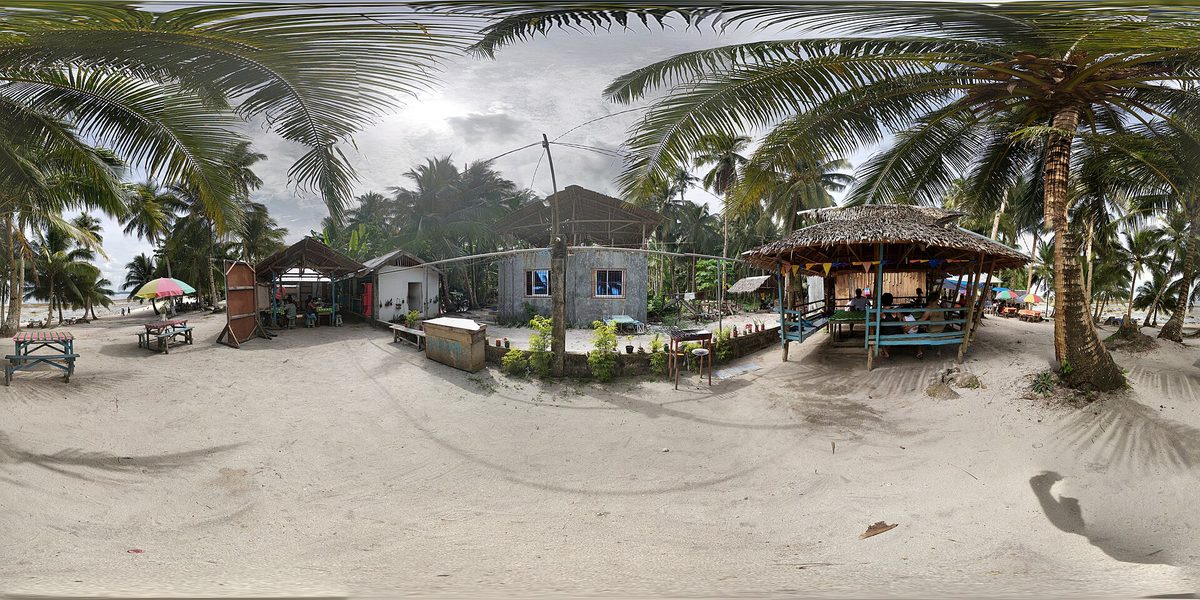
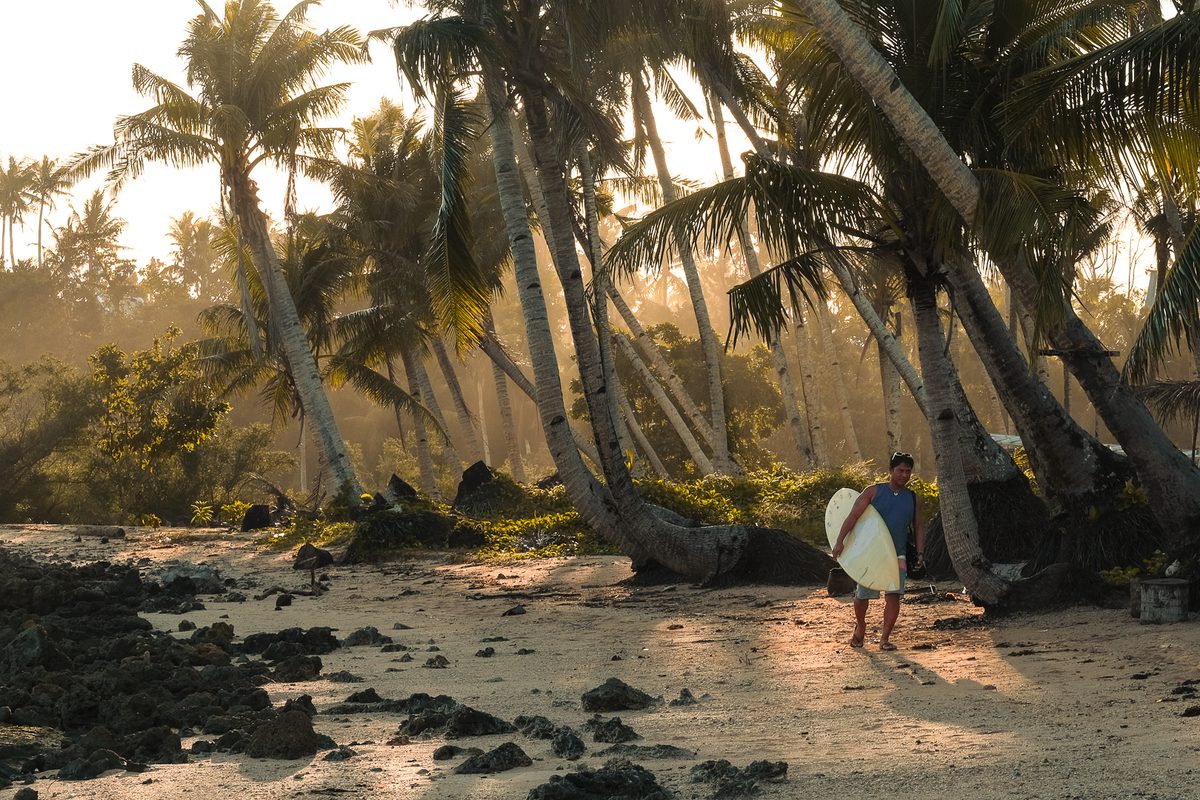
Renting a scooter and getting pleasantly lost is, for me, the best free thing to do on the island. Almost every road on Siargao runs through coconut palm forest, and several stretches are flat-out beautiful: the long straight palm avenues inland, the bends where the road runs right beside the sea on the way up the east coast, and the elevated viewpoints that open up over an unbroken sea of coconut tops.
A scooter rents for roughly 400 to 600 PHP a day ($7–$10). Always check the brakes and ask for a helmet before you hand over cash, because not every rental includes one and the police do run checkpoints. A few realities worth respecting: the island gets genuinely dark after sunset once you leave General Luna, with no street lighting on most roads, so plan to be back before nightfall. Sand and gravel patches catch out inexperienced riders, and a lot of the foreign-visitor injuries here come from scooter spills, often involving alcohol. If you’ve never ridden, this is not the place to learn at speed. Take it slow, ride sober, and the island opens up to you. A smart loop links Maasin River, Magpupungko, and a few viewpoints into one unhurried day with swim stops along the way.
The quiet north: Pacifico and Alegria
Most visitors never leave the General Luna bubble, which is exactly why the north is worth the ride. Head up past Pilar toward Pacifico and Alegria and the island empties out. The beaches are wilder, the pace drops, and you trade restaurant choice and nightlife for space, silence, and a more local rhythm. Pacifico has a quiet surf scene of its own and a handful of low-key places to stay and eat; Alegria and the far north feel close to how the whole island was a couple of decades ago.
This is where to go if General Luna feels too busy or too polished for you. Be warned that services thin out fast up here: limited restaurants, patchy power and signal in places, and very dark roads at night. Book a room before you arrive rather than rolling up hoping for a vacancy, and carry cash. For a certain kind of traveler, a night or two in the north is the highlight of the whole trip; for others it’s a long way to go for not much. Know which one you are.
Food crawls and sunset spots
You will eat well here. For a proper food crawl, the General Luna strip and Tourism Road pack in the variety: smoothie bowls and brunch for the morning, taco and barbecue joints, wood-fired pizza, fresh seafood grills, and gelato for the afternoon heat. The local public market is the budget move; buy fish or seafood fresh in the morning and many resorts and small eateries will cook it for you for a small fee. Filipino home cooking is everywhere too, and our wider best beaches in the Philippines guide pairs well if you’re plotting a beach-and-food route around the country.
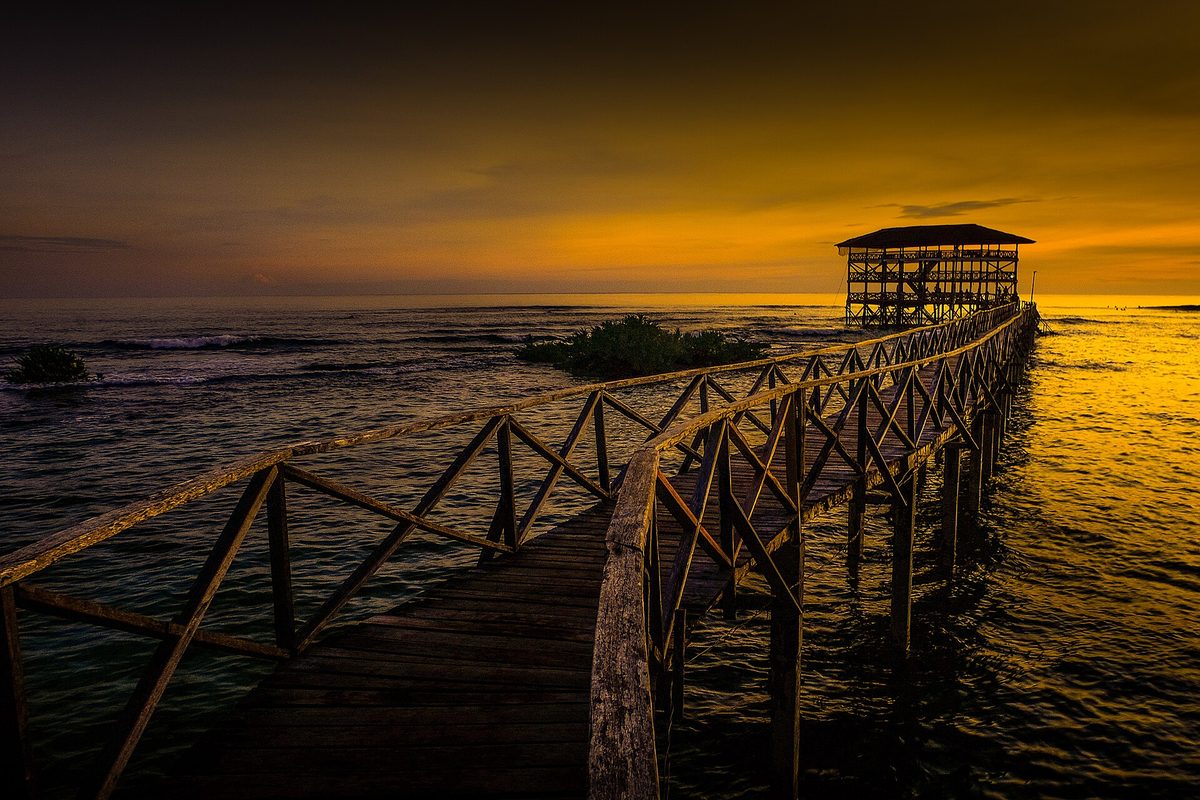
For sunset, you’re spoiled. The Cloud 9 boardwalk is the obvious one, and you don’t need to surf to walk out at golden hour and watch the pros work the wave as the sky turns. Maasin River and the inland viewpoints catch beautiful light. Many of the beachfront bars along General Luna face the right way for a sundowner, and the bridges around Catangnan draw a small golden-hour crowd with street-food vendors setting up in the late afternoon. Pick a different one each evening; it’s the cheapest entertainment on the island.
Siargao without surfing, by traveler type
Who you’re traveling with changes the answer to whether Siargao works for you. Here’s how it tends to shake out.
Couples
Strong fit. The cafe-and-wellness rhythm, sunset spots, private boat charters, and the option to escape north for a quiet night or two make this an easy romantic week. Splurge on a private island-hopping boat to skip the crowds; it’s worth the premium for two.
Families
Good with planning. Island hopping, Magpupungko’s calm pools at low tide, and the easy beaches suit kids who can swim. Skip Tayangban cave with small children, watch the strong sun on shadeless Naked Island, and rethink scooters as your only transport with little ones; hire a van or tricycle for the longer runs.
Solo travelers
Excellent. This is one of the most social islands in the country. Join a group island-hopping boat, a yoga class, or a freediving session and you’ll have company by lunchtime. General Luna is walkable, safe-feeling, and full of other solo travelers and long-stayers.
Older and less mobile travelers
Workable with the right choices. Stick to General Luna’s flat strip, do the gentler boat trips and the cafe scene, and use vans and tricycles rather than scooters. Sugba Lagoon and a relaxed island-hopping day are very doable; the rougher cave and the long Bucas Grande crossing are the ones to weigh carefully.
Is Siargao worth it without surfing? An honest verdict
Yes, with eyes open. If you came expecting the lagoons, the island hops, the palm roads, the food, and a slow tropical week, Siargao over-delivers and you will not spend a single hour wishing you could surf. The case for Siargao for non surfers is deeper than most first-timers expect, and a week fills itself easily without ever touching a board.
What you should not expect is a polished resort-island experience or a developed-world holiday machine. Siargao is still a working surf town that grew fast and a little chaotically. Power cuts happen. Boat trips get cancelled by weather. The roads are dark and the medical facilities are basic, so travel insurance and sensible scooter habits matter. Prices have climbed a lot in recent years and it’s no longer the secret bargain it was a decade ago. None of that should stop you; it should just shape what you pack and how you plan. Check our Cloud 9 and surfing in Siargao guide too, because even as a non-surfer, understanding the swell seasons helps you dodge the most crowded, most expensive weeks.
Who might be disappointed
I’d rather you skip Siargao than arrive expecting the wrong island. A few people genuinely don’t love it. If your idea of a holiday is a big, glossy nightlife scene, Siargao will feel small; there are bars and a fun social buzz, but this is not Boracay or Bali for clubbing. If you want predictable, polished infrastructure with no rough edges, the power cuts, dark roads, and weather-dependent boats will frustrate you. If you’re chasing world-class coral right off the beach, the reefs here are good in spots but not the country’s best, and Palawan or the Visayas will serve you better.
And there’s a subtler mismatch worth naming. Siargao’s whole identity is built around the wave. The town’s energy, its calendar, its busiest and priciest weeks all revolve around surf season. If you’re allergic to that surf-town culture, the boards on every roof rack and the swell talk in every cafe, you might find the vibe slightly not-for-you even though the nature is spectacular. Nature-seekers thrive here. Pure party-seekers and infrastructure-purists sometimes don’t. Be honest with yourself about which you are before you book.
Frequently asked questions
Is Siargao worth visiting if you don’t surf?
Yes. Island hopping to Naked, Daku, and Guyam, Sugba Lagoon, the Magpupungko rock pools, the Maasin River swing, Sohoton Cove, and a strong cafe and wellness scene give non-surfers more than enough for a full week. The waves built Siargao’s fame, but its lagoons, palm roads, and food are what most visitors remember most.
What is the best time to visit Siargao for non-surfers?
Roughly March to early June tends to be the sweet spot: drier weather, calmer seas for boat trips, and fewer surf-season crowds than the September-to-November peak. Surf season brings packed rooms and higher prices, so non-surfers often do better just outside it. Always check forecasts, as the rainy months can disrupt island-hopping and the Bucas Grande crossing.
How many days do you need in Siargao without surfing?
Four to five full days is a comfortable minimum to fit island hopping, Sugba Lagoon, the east-coast loop with Magpupungko and Maasin River, and a Sohoton day trip, while still leaving time to slow down. A week lets you add the quiet north and plenty of cafe-and-beach downtime without rushing between attractions.
Do you need to know how to swim to enjoy Siargao?
Confident swimming opens up most of the best experiences, including the Sugba dive board, Magpupungko’s pools, and the Sohoton jellyfish lagoon. Non-swimmers can still enjoy plenty: shallow sandbars on island-hopping trips, the cafe and wellness scene, motorbike loops, and sunset spots. Life vests are usually available on boats, so always ask for one if you’re unsure.
Is Siargao safe for tourists?
Siargao is generally relaxed and welcoming, and most trips are trouble-free. The biggest real risks are scooter accidents, often involving inexperienced riders or alcohol, and the sea on rough days, so ride sober, wear a helmet, and respect boat-trip cancellations. Carry travel insurance, as the island’s medical facilities are basic and serious cases are referred off-island.
Is Siargao expensive in 2026?
It’s no longer the bargain it once was, but it’s still affordable by global standards. Budget travelers can get by on modest daily spending, while mid-range visitors will find comfortable rooms, good food, and day tours very reasonable in USD terms. Tours and accommodation cost noticeably more during surf season, so timing your visit affects the bill as much as anything.
Sources and photo credits
Photo credits
Images sourced from Wikimedia Commons under their respective licenses.
- Sugba Lagoon: Photo by Lucky Ambago Purok Otso, licensed under CC BY-SA 4.0, via Wikimedia Commons.
- Magpupungko rock pools: Photo by theinstantmatrix, released under CC0, via Wikimedia Commons.
- Siargao palm forest: Photo by CharMel Creations, licensed under CC BY-SA 4.0, via Wikimedia Commons.
- Siargao island hopping: Photo by ChaasPrime, licensed under CC BY-SA 4.0, via Wikimedia Commons.
- General Luna beach: Photo by Billy Palatino, licensed under CC BY-SA 4.0, via Wikimedia Commons.
Sources
- Philippine Department of Tourism — official destination and travel information.
- Siargao Island Tourism (LGU resources) — local attractions and visitor guidance.
- PAGASA — Philippine weather, seasons, and marine forecasts.
- Cebu Pacific — flight schedules and routes to Siargao (Sayak Airport).
About this guide: PhilippinesTourism.org is an independent Philippines travel resource. Prices and schedules were verified June 2026; confirm current details before you travel.