Where to Stay in Siargao: General Luna and Beyond
Deciding where to stay in Siargao mostly comes down to one call: base yourself in or just around General Luna, the island’s walkable surf-and-restaurant hub, then day-trip to the quieter coasts. But the right barangay depends on your trip, because surfers, families, remote workers and switch-off seekers each have a better fit. This guide breaks the island down by area, then by budget, so you book the place that suits you.
Here’s the catch first-timers miss: Siargao is bigger and more spread out than the Instagram crop suggests. General Luna on the southeast coast is the social and surf hub, but the quieter corners up north reward a certain kind of traveller, and the wrong call costs you an hour on a dark coconut road every time you want a coffee. Below is the honest version: who each area suits, rough 2026 prices, and where I’d tell a friend not to bother.
Where to stay in Siargao at a glance
Siargao sits in Surigao del Norte, off the northeast tip of Mindanao. The tourist island runs maybe 40 kilometres top to bottom, and the road network is decent but not fast: expect 30–40 kph on a scooter and longer if it’s raining. That distance is the whole game when you choose where to sleep. Here’s the quick comparison before we go deep.
| Area | Vibe | Best for | Rough price band (double/night, 2026) |
|---|---|---|---|
| General Luna (GL) | Lively, walkable, restaurants & bars | First-timers, social travellers, foodies | around ₱1,200–₱12,000+ ($21–$210+) |
| Cloud 9 / Catangnan | Surf-first, calmer than GL centre | Surfers who want to walk to the lineup | around ₱2,000–₱8,000 ($34–$140) |
| Malinao | Quiet, residential, minutes from town | Couples, long-stay on a budget | around ₱1,200–₱4,500 ($21–$78) |
| Pacifico | Bohemian, slow, beach-shack north | Digital nomads, escapists, intermediate surfers | around ₱1,400–₱9,000 ($24–$155) |
| Burgos | Wild, empty beaches, family inns | Repeat visitors, adventurers | around ₱1,300–₱6,000 ($22–$103) |
| Santa Monica & Alegria | Remote far north, real slow living | Switch-off seekers, writers, couples | around ₱1,200–₱5,000 ($21–$86) |
| Dapa | Working port town, little charm | Only if you have a dawn ferry | around ₱900–₱2,500 ($16–$43) |
| Del Carmen | Mangroves, near the airport, sleepy | Mangrove fans, early/late flights | around ₱1,000–₱3,500 ($17–$60) |
Prices are indicative 2026 rack ranges for a private double and swing hard with season. September to November is peak (the best swell and the driest stretch), and good rooms genuinely sell out. If you’re coming then, read our note on the best time to visit Siargao and book early. For how all this fits a wider trip, the Siargao travel guide ties the island together.
General Luna: the default, and usually the right one
General Luna, “GL” to anyone who’s spent a week here, is the centre of gravity. It holds the most accommodation at every price point, the best restaurants, nearly all the surf schools, the dive shops, the late-night taco stands, and the only real nightlife on the island. If you have never been to Siargao, start here. You can walk to dinner, rent a scooter in ten minutes, join a group island-hopping trip without arranging anything in advance, and still bail to the quiet beaches whenever you want.
GL is not one uniform place, though, and the sub-areas matter more than people admit.
Tourism Road and the town centre
Tourism Road is the spine: a roughly two-kilometre strip lined with cafes, surf shops, hostels, mid-range guesthouses and a handful of design-forward hotels. Stay on or just off it and you can leave the scooter parked. This is the most convenient address on the island and also the loudest. In peak season the bars near the centre run late, and thin-walled budget rooms hear all of it. Light sleepers should book a property set back a block, or bring earplugs and accept the trade.
Price-wise, Tourism Road runs the full range: dorm beds from around ₱500–₱900 ($9–$16), simple private fan rooms around ₱1,200–₱1,800 ($21–$31), comfortable air-conditioned doubles around ₱2,500–₱4,500 ($43–$78), and a few boutique stays and pool villas pushing ₱7,000–₱12,000+ ($120–$210+).
The Cloud 9 boardwalk side (Catangnan)
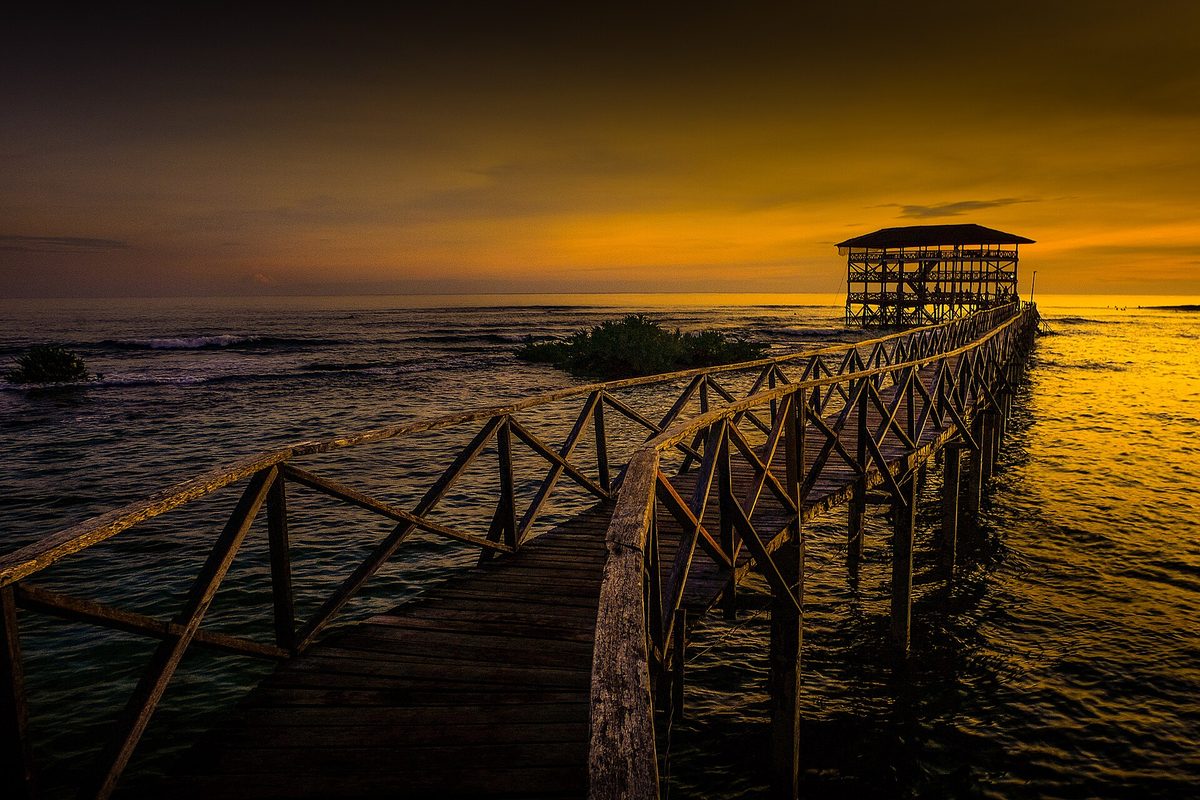
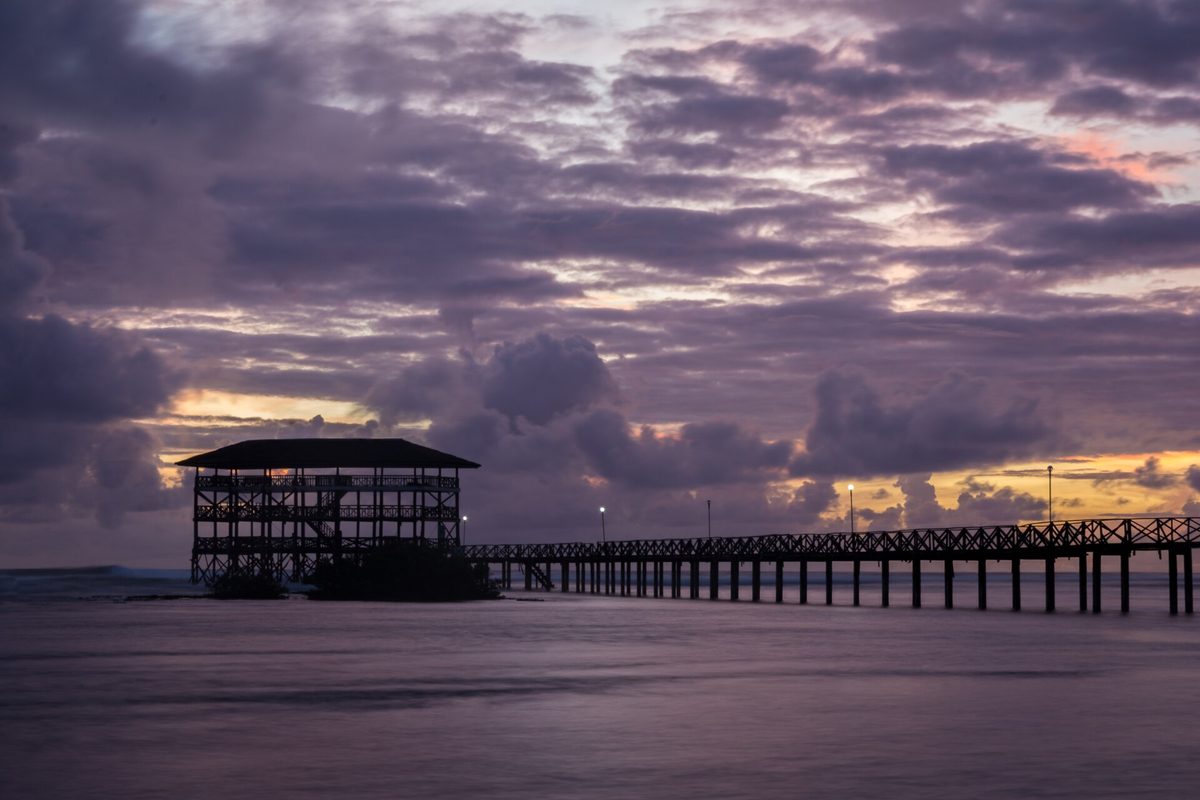
The famous Cloud 9 wave and its photogenic boardwalk sit in barangay Catangnan, a few kilometres north of the GL town centre. Stay here and the lineup is a short walk or a two-minute scooter away, which is the entire point for dedicated surfers. The trade-off is dining: there are good cafes and a growing cluster of stays, but far fewer dinner options than the centre, and prices tend to run a notch higher than GL for the same specs. If your day is “surf at dawn, nap, surf again, early night,” this beats the town strip. If you want to bar-hop, you’ll be scootering back and forth.
Who General Luna suits
First-timers, solo travellers who want easy company, foodies, and anyone who values walking home from dinner over total quiet. Families do fine here too if you pick a resort with a pool and a bit of distance from the bar strip. The one group I’d nudge elsewhere: couples chasing a silent, switched-off honeymoon week. GL can deliver romance, but you’ll be paying boutique prices to insulate yourself from a town that, by Siargao standards, is busy.
Malinao: GL-adjacent quiet on a budget
Just west and inland from General Luna, Malinao is where a lot of savvy long-stayers end up. It’s residential and calm, with rice fields and local sari-sari stores rather than cafes, but it’s only a 5–10 minute scooter ride into the GL action. You give up walkability and beachfront, and you gain quiet nights plus noticeably cheaper rent. Private rooms and small bungalows here sit around ₱1,200–₱3,000 ($21–$52) nightly, and monthly deals get genuinely good. If you want town access without town prices or town noise, and you’re comfortable on a scooter, Malinao is one of the smartest bases on the island.
Pacifico: the slow north for nomads and escapists
Pacifico, on the northeast coast, is roughly a 45-minute to one-hour scooter ride from General Luna. People go there to surf a friendlier, less crowded reef, do yoga, work remotely and decompress, not to party. The vibe is bohemian and low-rise: beach shacks, eco-villas, a handful of cafes, and just enough Starlink-equipped stays to support a remote-work month. It’s the classic Siargao trap in the good sense. Travellers arrive for a long weekend and end up renting by the month.
Accommodation skews honest here: beachfront cottages around ₱1,400–₱2,500 ($24–$43), nicer air-conditioned bungalows and eco-villas around ₱3,000–₱6,000 ($52–$103), and the odd design villa higher. Monthly rates are where Pacifico shines, with simple long-stay places landing in the ₱25,000–₱45,000 ($430–$775) per month range depending on aircon, build and how close you are to the sand.
The catch is groceries and dining: options are limited and pricier than GL, and a late-night craving means a long, dark ride or going without. Intermediate surfers love the waves; total beginners are better served by the gentler reef and the school density back in GL. If you’re still weighing Siargao against other bases for a longer trip, our overview of where to stay in the Philippines sets it in context alongside the country’s other islands and cities.
Burgos: empty beaches and family-run inns
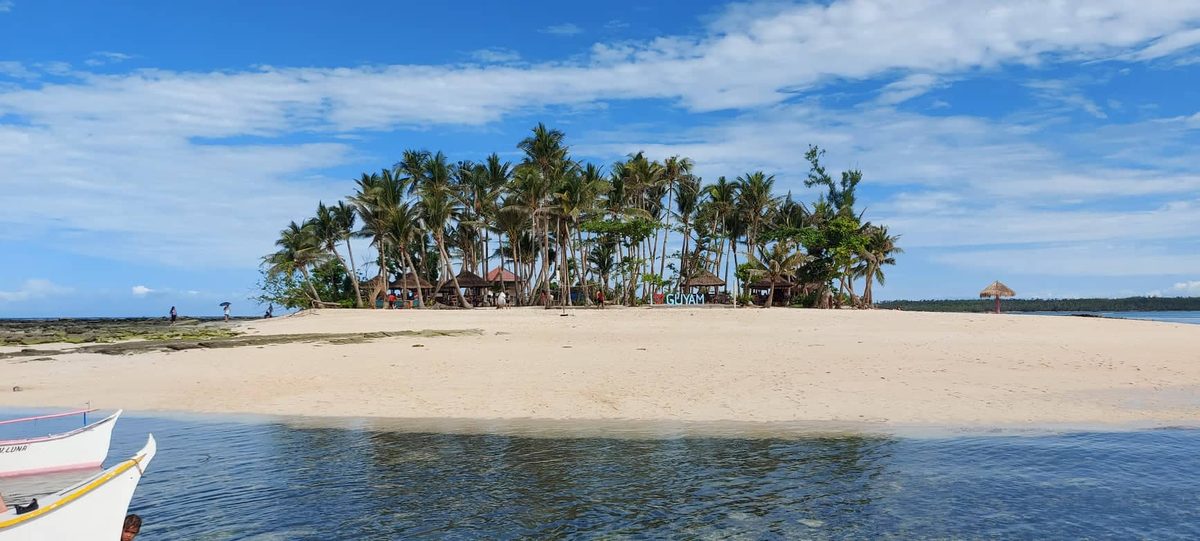
Burgos, up the northwest coast, is what longtime visitors say Siargao felt like a decade ago. Long stretches of sand you’ll often have to yourself, small family-run homestays and inns where the host lives next door, and quiet surf that locals will point you to if you ask nicely. There’s very little in the way of restaurants or shops, so this is a base for people who don’t need to be entertained and are happy to cook or eat simply. Budget homestays sit around ₱1,300–₱2,500 ($22–$43), with a few smarter villas around ₱5,000–₱6,000 ($86–$103). Bring cash and snacks; come for the emptiness, not the convenience.
Santa Monica and Alegria: the far north, fully off-switch
At the northern tip, around Santa Monica and Alegria, life genuinely slows. The road thins, the crowds vanish, and the long white beach at Alegria is one of the prettiest on the island. Stays are simple: bungalows and family homestays around ₱1,200–₱3,000 ($21–$52), with a small number of nicer places creeping in around ₱4,000–₱5,000 ($69–$86). You are well over an hour from General Luna here, so treat it as a destination in itself, not a commuter base. This is the corner for couples and solo travellers who want to write, read, swim and see almost no one. It is not the place to learn to surf or to find a varied dinner scene.
Dapa: stay here only if you have an early ferry
Let’s be blunt: Dapa is a working port town, not a holiday base. It’s where the passenger ferries from Surigao dock, and it has cheap, basic rooms (around ₱900–₱2,500 / $16–$43) and a few eateries, but little of the beach-town charm you came for. The one good reason to sleep here is a genuinely early-morning ferry departure when you don’t want to gamble on a 45-minute pre-dawn scooter ride from General Luna in the dark. Even then, many travellers prefer to just leave GL early. If you’re weighing boats versus flights, our guide on how to get to Siargao lays out the realistic options and timings.
Del Carmen: mangroves and airport convenience
Del Carmen, on the west coast, is the jumping-off point for Siargao’s vast mangrove forest, the largest in Mindanao and part of the protected Siargao Islands Protected Landscapes and Seascapes (SIPLAS). It’s also the closest town of any size to Sayak Airport (the airport actually sits in Del Carmen municipality), so a stay here can make sense for a very early or very late flight, or for travellers who specifically want to do a mangrove boat tour and a Sugba Lagoon trip without the GL drive. It’s sleepy, with modest guesthouses around ₱1,000–₱3,500 ($17–$60) and limited dining. For most people it’s a one-night convenience play, not a week-long base. If lagoons and mangroves are your focus, pair this with our piece on things to do in Siargao.
Siargao accommodation by budget
Once you’ve picked an area, the second decision is how much comfort you want. Siargao has genuinely climbed the comfort ladder in recent years, from a scattering of surf lodges to a full spread of hostels, smart guesthouses and design-led resorts. Here’s how the bands break down in 2026.
Hostels and dorms (backpacker)
The cheapest beds are dorms, mostly clustered in and around General Luna and Catangnan. Expect around ₱500–₱1,000 ($9–$17) for a dorm bunk, often with a pool, a sociable bar and a surf-rental desk built in. These are Siargao’s best places to find a board buddy or an island-hopping crew on day one. A handful of the well-run social hostels in GL have become institutions, but names and management change fast on this island, so judge by recent reviews rather than reputation. Private fan rooms in the same budget guesthouses run roughly ₱1,200–₱1,800 ($21–$31).
Mid-range guesthouses and bungalows
This is where Siargao offers the best value, and where I’d point most travellers. For roughly ₱2,500–₱5,000 ($43–$86) a night you get a private air-conditioned room or a standalone bungalow, reliable Wi-Fi, stronger service, and often a small pool or an on-site cafe. The sweet spot is a bungalow set just off Tourism Road or near the Cloud 9 boardwalk: quiet enough to sleep, close enough to walk or scoot to everything. Plenty of these are run by owner-operators who’ll sort your scooter, your tours and your airport transfer with one message.
Boutique resorts, villas and the high end
Siargao’s top tier has grown a lot. Above roughly ₱7,000 ($120) you move into boutique resorts and design villas with proper pools, solar backup, Starlink, and in the flagship cases full-service luxury. A few long-standing names anchor this category: Isla Cabana Resort on the GL beachfront is a reliable mid-luxury choice families rate for comfort, while Nay Palad Hideaway is the island’s marquee all-inclusive ultra-luxury retreat, an intimate barefoot-luxury hideaway of a handful of villas with attentive personal service and prices to match. Private design villas with a pool, solar and fast internet typically run ₱9,000–₱18,000+ ($155–$310+) a night, more for the trophy properties in peak season. If you’re costing out the whole trip, see our breakdown of Philippines travel costs.
Where to stay by traveller type
If you’d rather skip the area-by-area logic and just be told, here’s the shortlist by who you are.
- Couples: A pool bungalow or boutique stay just off Tourism Road in GL for the dining, or a quiet eco-villa in Pacifico or Alegria if you want romance over restaurants.
- Families: A General Luna resort with a pool and a little distance from the bar strip (Isla Cabana and similar), or sleepy Del Carmen if mangroves and calm matter more than nightlife. Pacifico and the far north are a stretch with young kids because of the drive times.
- Digital nomads / long-stay: Pacifico for slow beach living with Starlink, or Malinao for cheap monthly rent with quick GL access. Both beat paying nightly GL rates for a month.
- Solo backpackers: A social hostel on Tourism Road in GL. You’ll have a crew and a plan by the second night.
- Surfers (near Cloud 9): The Catangnan / boardwalk side of GL so you can walk to the lineup at dawn; Pacifico if you’re intermediate and want fewer people in the water.
- Flashpackers: A mid-range bungalow with aircon and a pool off Tourism Road, the GL value sweet spot: comfort and walkability without villa prices.
Practical notes before you book
Book ahead in peak season
From roughly September to November, Siargao runs hot: best swell, driest weather, fullest hotels. Good mid-range and boutique rooms genuinely sell out weeks ahead, and last-minute walk-ups get stuck with overpriced or noisy leftovers. If you’re travelling in peak, lock your first few nights before you fly and you can wing the rest once you’ve felt out the island.
Brownouts and generators are a real consideration
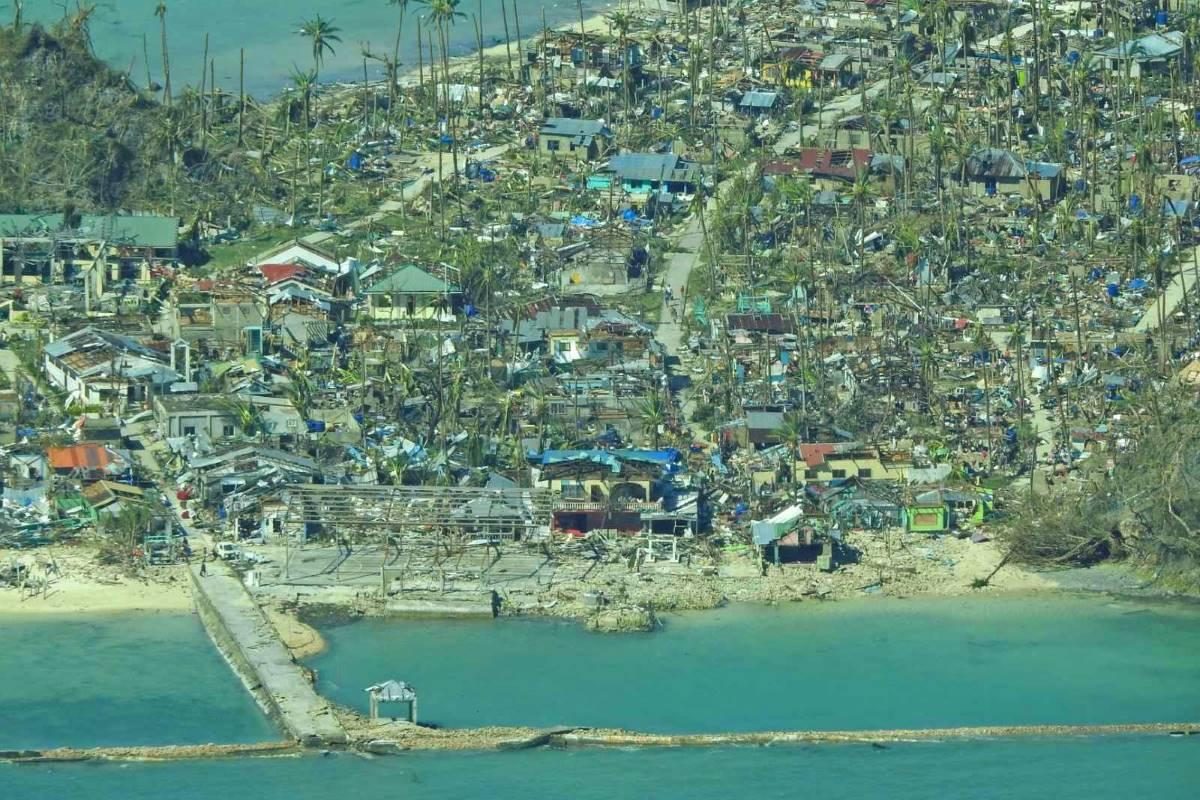
Siargao’s grid is fragile. In December 2024 a fault in the submarine power cable knocked out the entire island for roughly two weeks, and a state of calamity was declared in Surigao del Norte. Shorter brownouts of a few hours are simply part of island life here, often during storms or maintenance. The practical upshot when booking: for any stay longer than a couple of nights, especially in peak storm months or if you work online, ask the property directly whether it has a backup generator and whether it covers aircon and Wi-Fi or just the lights. Mid-range and upmarket places increasingly do; budget rooms often don’t. It’s the single most useful question you can ask a Siargao host, and most won’t volunteer it.
Scooter access and walking distances
Outside the GL town strip, a scooter is close to essential. Rentals run around ₱350–₱500 ($6–$9) a day, less by the week or month, and you’ll want one anywhere from Catangnan northward. If you don’t ride, base yourself squarely on or beside Tourism Road in General Luna, where you can walk to food, surf rental and tour pickups, and use tricycles for longer hops. From a central GL stay, Cloud 9 is a short scooter ride, not a walk; only the Catangnan/boardwalk stays put the wave genuinely on foot.
Mosquitoes, aircon and the little stuff
Mosquitoes are present, especially at dusk and near the mangroves and rice fields inland, so a stay with screens, a net or reliable aircon is worth a little extra. Fan-only budget rooms can be sweaty in the humid months; if you sleep poorly when warm, pay the small premium for aircon. Hot water isn’t universal in budget places (it’s rarely missed in this climate, but ask if it matters to you). And confirm whether your rate includes breakfast and airport transfer, since on Siargao those extras vary wildly between otherwise similar properties.
So, where should you actually stay in Siargao?
For a first trip, base yourself in or just off General Luna and don’t overthink it. The walkability, food and easy logistics outweigh the noise, and you can day-trip to everywhere quieter. Dedicated surfers should shift to the Catangnan/Cloud 9 side; couples and remote workers chasing calm should look at Pacifico, Malinao or the far north; and Dapa or Del Carmen only earn a night if a ferry or flight demands it. Whatever you pick, ask about the generator, book your peak-season nights early, and you’ll spend your days in the water instead of stuck on the wrong end of a coconut road.
Frequently asked questions
Where is the best area to stay in Siargao?
For most travellers, General Luna is the best base. It has the widest choice of accommodation at every budget, the best restaurants and nightlife, and the easiest access to surf schools, scooters and island-hopping tours. Dedicated surfers may prefer the Cloud 9 / Catangnan side, while long-stay and quiet-seeking travellers often head to Pacifico or the far north.
Is General Luna or Cloud 9 better for surfers?
Cloud 9 (in barangay Catangnan) is better if your priority is rolling out of bed and walking to the wave at dawn, since the famous reef break is right there. General Luna’s town centre has far more dining and nightlife but puts Cloud 9 a short scooter ride away. Many surfers split the difference by staying on the Catangnan side and scootering into GL for dinner.
How many days should I stay in Siargao?
Four to five days is a comfortable minimum to surf or learn, do an island-hopping trip to Naked, Daku and Guyam, and see Sugba Lagoon and the Magpupungko rock pools without rushing. A week lets you slow down and explore the quieter north. Long-stay travellers and remote workers routinely settle in for a month or more, especially in Pacifico.
Is Siargao good for families?
Yes. General Luna has family-friendly resorts with pools, and the calm lagoons, rock pools and gentle island-hopping beaches suit kids well. Choose a resort with a pool set back from the bar strip for quieter nights, and factor in scooter or van transfers since the island is spread out. Del Carmen and Dapa are quieter but offer less to do.
Do I need a scooter to get around Siargao?
If you stay in central General Luna you can walk to food and surf rental and use tricycles for longer trips, so a scooter is optional. Anywhere else on the island, including the Cloud 9 boardwalk, Pacifico and the north, a scooter is close to essential. Rentals run around ₱350–₱500 ($6–$9) a day, cheaper by the week.
Should I worry about power outages when booking?
It’s worth a quick question. Siargao’s grid is unreliable, and a 2024 submarine-cable fault blacked out the whole island for about two weeks. Short brownouts are routine. Ask any property you book for more than a night or two whether it has a generator and whether it powers aircon and Wi-Fi, especially if you’re travelling in storm season or working online.
Sources and photo credits
Photo credits
- General Luna / Cloud 8 beach: Photo by Billy Palatino, CC BY-SA 4.0, via Wikimedia Commons.
- Cloud 9 boardwalk, Siargao: Photo by JupitReyes, CC BY-SA 4.0, via Wikimedia Commons.
- Siargao beach (Guyam): Photo by Azposse, CC BY-SA 4.0, via Wikimedia Commons.
- Coconut palms, Siargao: Photo by Michael Angelo Luna, CC BY-SA 4.0, via Wikimedia Commons.
- Aerial view of Siargao Island: Photo by the Philippine Coast Guard, public domain, via Wikimedia Commons.
Sources
- DENR / Siargao Islands Protected Landscapes and Seascapes (SIPLAS)
- Rappler: Island-wide blackout hits Siargao, Surigao del Norte (Dec 2024)
- National Electrification Administration: Power returns to Siargao after 13-day blackout
- Philippine Department of Tourism: Siargao
About this guide: PhilippinesTourism.org is an independent Philippines travel resource. Prices and schedules were verified June 2026; confirm current details before you travel.