Best Time to Visit Siargao: Surf and Sun Seasons
Siargao runs on its own calendar. The surf is biggest and most reliable from September to November, peaking around October, while the sunniest, calmest stretch for swimming and island hopping lands in March through early June. The honest catch: those two windows almost never overlap, and the best swell arrives in the middle of typhoon season.
I want to clear up the single biggest mistake I see in other Siargao guides before we go any further. This island does not follow the standard Philippine “dry from March, wet from June” pattern that works for Boracay or Palawan. Siargao sits out on the Pacific edge of the country, fully exposed to the open ocean, and its weather is close to the opposite of the western beaches. It has no true dry season at all. Once you accept that, picking your month gets a lot easier, because you stop hunting for a week that is both flat-calm and pumping with waves. That week does not exist here. You choose one or the other.
Siargao at a glance: a month-by-month cheat sheet
Here is the whole year on one screen. I have split the “best for” column into surfer and non-surfer because that distinction matters more on Siargao than almost anywhere else in the Philippines. Conditions on a Pacific island are never guaranteed, so treat this as the pattern, not a promise.
| Month | Surf size & consistency | Weather | Crowds | Best for |
|---|---|---|---|---|
| January | Surf happens but messy, storm-driven, often blown out | Wettest stretch, grey, windy | Quiet (post-holiday lull) | Budget travelers who tolerate rain; advanced surfers chasing a gamble |
| February | Inconsistent, often choppy | Still wet and overcast, slowly easing | Quiet | Cheap stays, few crowds, flexible plans |
| March | Small and mellow, beginner-friendly | Drying out, more sun late month | Picking up | Non-surfers; learners; start of jellyfish season |
| April | Small, forgiving, fun for learners | Sunniest, calm seas | Busy (PH Easter holidays) | Island hopping, lagoons, couples, beginner surfers |
| May | Small to occasionally chest-high on a south swell | Hot, sunny, calm | Busy early, easing late | The sun-and-swim sweet spot; jellyfish tours |
| June | Small, occasional pulses | Sunny with the odd downpour | Quieter shoulder | Quiet beach days; last of the jellyfish; value |
| July | Starting to build, still patchy | Warm, scattered showers | Moderate | Shoulder-season value; intermediate surfers willing to wait |
| August | First proper swells arrive, still inconsistent | Relatively drier, warm | Building | Early surf season without the peak crowds |
| September | Strong and far more consistent | Warm, some rain, occasional storm | Busy | Intermediate and advanced surfers (my top surf pick) |
| October | Peak: clean, powerful, frequent overhead days | Warm, humid, real storm risk | Busiest (Surf Cup) | Experienced surfers, the contest, the scene |
| November | Still strong, especially early month | Rain increasing, storm risk continues | Busy easing to moderate | Surfers wanting peak swell with thinning crowds |
| December | Big but often rough and blown out | Getting wetter and greyer | Spikes over Christmas/New Year | Advanced surfers; party crowd over the holidays |
If you only remember one line from this guide, make it this: come in September to early December if you are here to surf, and March to early June if you are here for sunshine, calm water and island hopping. Everything below is the detail behind that split.
Why Siargao’s seasons feel flipped
Most of the Philippines has a clean two-season rhythm: a dry season built around the northeast trade winds and the hot months of roughly March to May, then a wet southwest-monsoon season from June to October or November. That is the pattern our Philippines weather by month guide walks through, and it holds up well for the western and central islands.
Siargao breaks the mould because of where it sits. The island faces the Pacific from the far northeast corner of Mindanao, in Surigao del Norte, with nothing between it and thousands of miles of open ocean. That exposure does two things. First, it gives Siargao a local microclimate that stays fairly damp year-round, with its heaviest rain in the late-December to February window when Pacific systems and the northeast monsoon push moisture straight onto the coast. There is no bone-dry stretch the way there is on Boracay. Second, that same open-ocean exposure is exactly what makes the surf world-class, because the swells other islands never feel arrive here with full force.
So the thing that makes Siargao a poor pick for a guaranteed-sunshine beach holiday is the same thing that makes it the surf capital of the country. The “best” time genuinely depends on which version of the island you came for. If you want the broader picture of how this fits the national calendar, the best time to visit the Philippines pillar lays out how the eastern seaboard sits out of step with everywhere else.
Month-by-month walkthrough
The table above is the quick version. Here is how the year actually feels on the ground.
January and February: wettest and quietest
This is the grey heart of the Siargao year. Rain comes in long stretches rather than quick tropical bursts, roads puddle, and the sky can stay flat white for days. Surf still rolls in, but it is storm-driven and often blown out, so it suits committed, experienced surfers willing to gamble more than anyone chasing clean lines. The upside is real: this is the cheapest, emptiest time on the island, and the jungle is impossibly green. Pack a rain jacket and lower your expectations for beach tans.
March to early June: the sun and calm window
As the rain eases through March, Siargao turns into the version most non-surfers are picturing. April and May are the sunniest, calmest months, with glassy seas perfect for boat trips out to the islands and lagoons. The trade-off is crowds: April and May line up with Philippine school holidays and Holy Week, so domestic tourism surges and the best stays book out early. June quietens down again while the weather mostly holds, which makes it my favourite value pick for a sun-first trip.
July and August: the swell starts waking up
July is a genuine shoulder month, with warm weather, scattered showers and surf that is starting to build but cannot be relied on. August is the turning point, when the first proper Pacific swells begin pushing into Cloud 9. It is still inconsistent, but you can score good days without the October circus, and prices have not yet jumped.
September to December: surf season proper
From September the swell becomes both bigger and far more consistent, and the island shifts into surf mode. October is the peak, with clean overhead days arriving regularly and the international contest in town. November holds strong, especially in its first couple of weeks, before the rain starts creeping back. December can still throw down serious size, but it is often rough and blown out, and the Christmas and New Year holidays bring a party crowd rather than a surf crowd.
The surf season in detail
Siargao’s surf is powered by groundswell from typhoons and low-pressure systems tracking across the Pacific, combined with offshore southwest winds that groom the waves clean. That is why the season is not a neat switch: you might get mellow days for a week and then a 48-hour pulse of double-overhead sets, with little warning. The pattern, though, is dependable enough to plan around. The strongest, most consistent surf runs September through November, and if I had to name the single best window for an intermediate or better surfer who wants size without the absolute madhouse, it is roughly September to mid-October. Our wider surfing in the Philippines guide puts Siargao in context against La Union and the country’s other breaks.
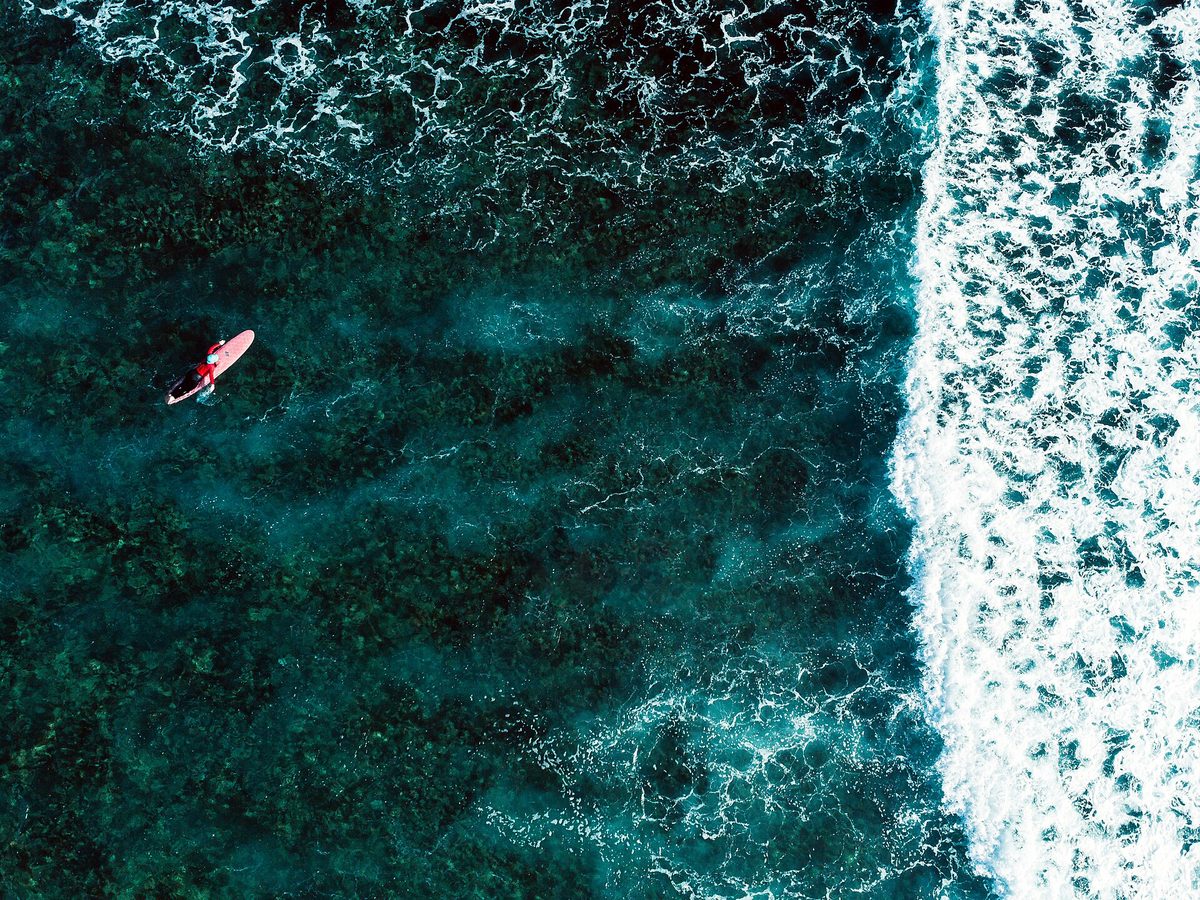
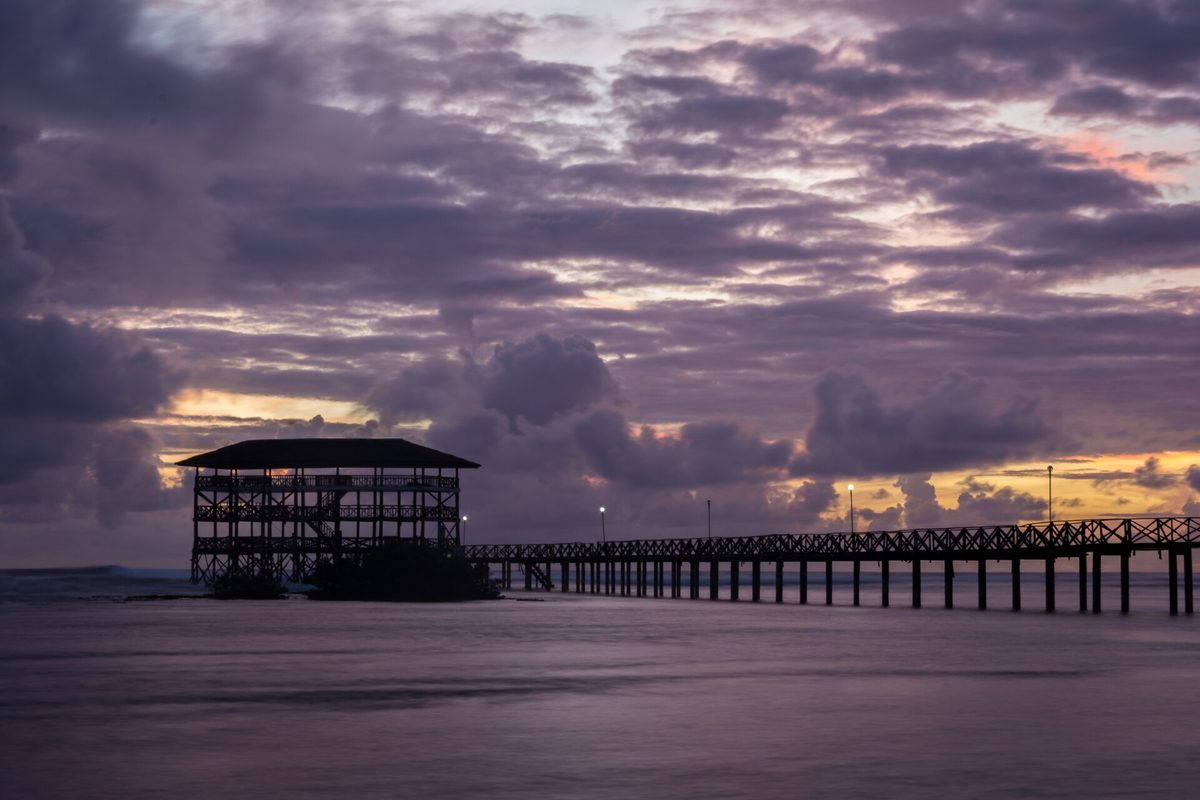
The spots sort themselves neatly by ability. Cloud 9 is the famous reef break, the one beneath the rebuilt boardwalk, and it is fast, hollow and strictly for experienced surfers, hitting its double-overhead best around October. Jacking Horse is the gentle, crumbly right that every surf school uses for beginners, best from mid-tide up so the reef stays safely covered. Quicksilver is arguably the most technical wave on the island, Stimpy’s is a heavy expert left across the bay, and Rock Island is a fast, shifty right you reach by boat. Beginners and improvers should base themselves around General Luna for easy access to the friendlier breaks and the boats out to mellow island waves.
One warning for peak season: Cloud 9 gets crowded. In October the lineup can be genuinely packed with travelling surfers and pros, and the better-known the wave, the more competitive the water. Early starts are the answer. Get out at first light and you will trade the crowd for the best of the morning offshores.
A note on what the surf actually demands of you. Almost every quality wave on Siargao breaks over a shallow, urchin-studded reef, which is part of why the island is not a forgiving place to learn on the bigger days. Booties, a good understanding of tides, and honesty about your own level all matter here far more than they would on a sandy beach break. If you are still finding your feet, stick to Jacking Horse and the mellow island waves through the calm months, take a few lessons, and let the reef breaks wait until you are ready. The water stays warm enough for boardshorts or a thin top all year, so wetsuit logistics are never the issue; respecting the reef is.
The calm season for non-surfers
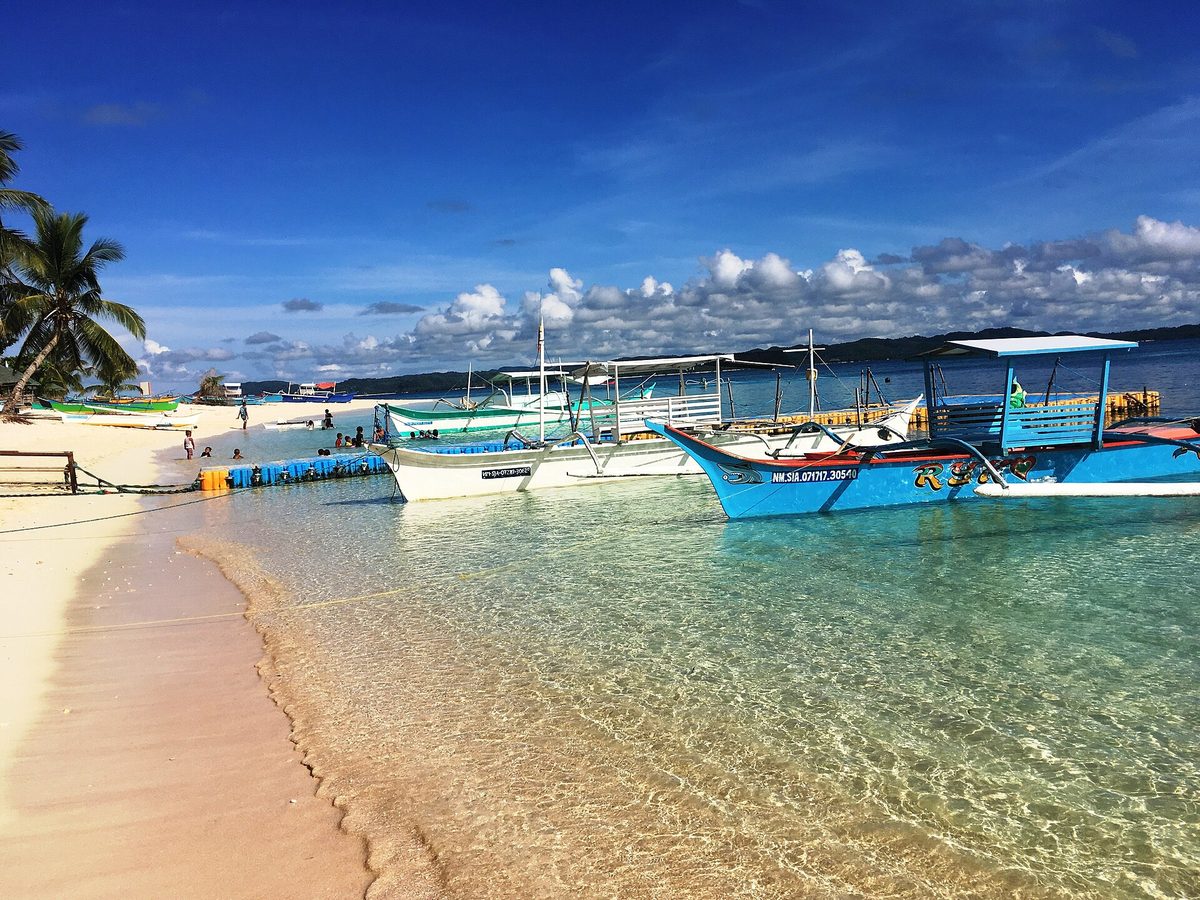
If you do not surf, do not write Siargao off, just come at the opposite end of the year. March to early June is when the island delivers everything beyond the waves, and arguably it is the more relaxing trip. Flat seas make island hopping a dream, with the classic loop out to Daku, Naked Island and tiny, palm-tufted Guyam. The famous Sugba Lagoon near Del Carmen and the Magpupungko rock pools on the east coast, only swimmable at low tide, are both at their best when the water is clear and calm.
The calm season also unlocks one of Siargao’s most special day trips: the stingless jellyfish at the Sohoton Cove sanctuary on nearby Bucas Grande. The jellyfish bloom in huge, harmless numbers roughly March to May, sometimes into early June, and swimming among thousands of them is genuinely unforgettable. Outside those months you will mostly see a scattered few. If that experience is on your list, it effectively pins your trip to spring. For more on filling these days, our things to do in the Philippines guide has ideas that pair well with a Siargao base.
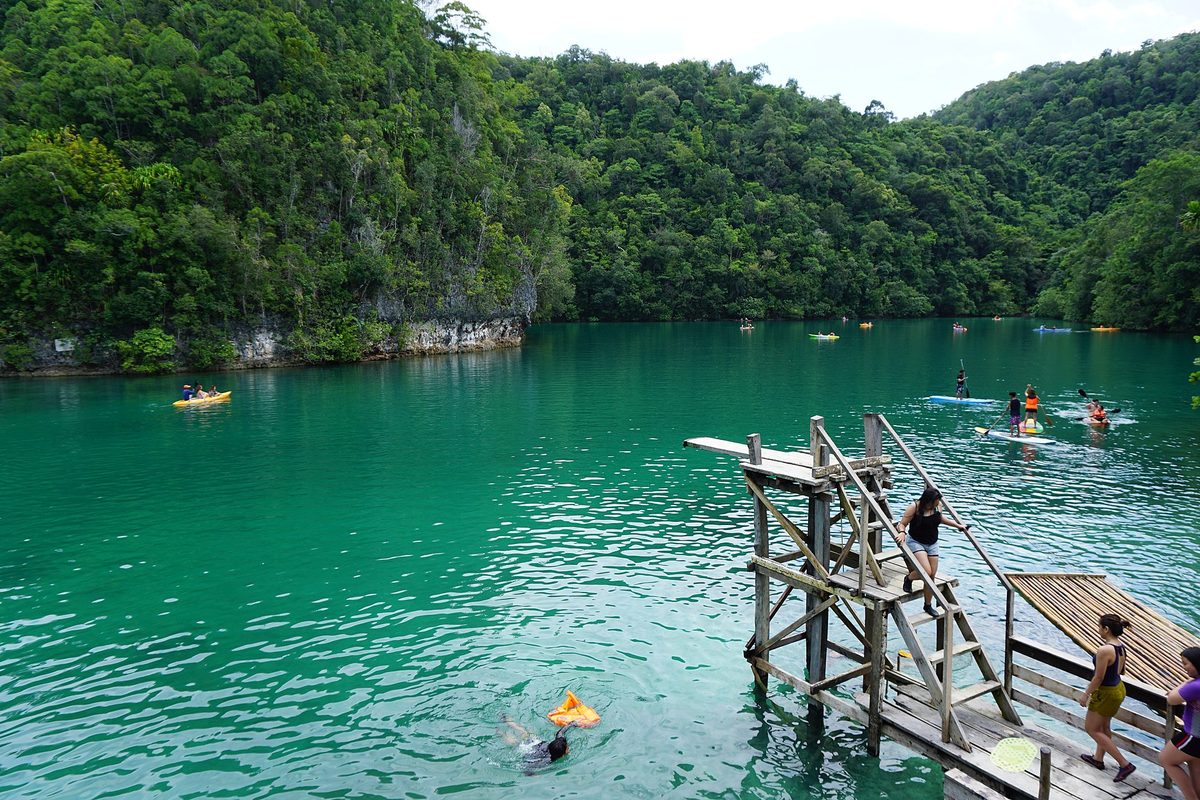
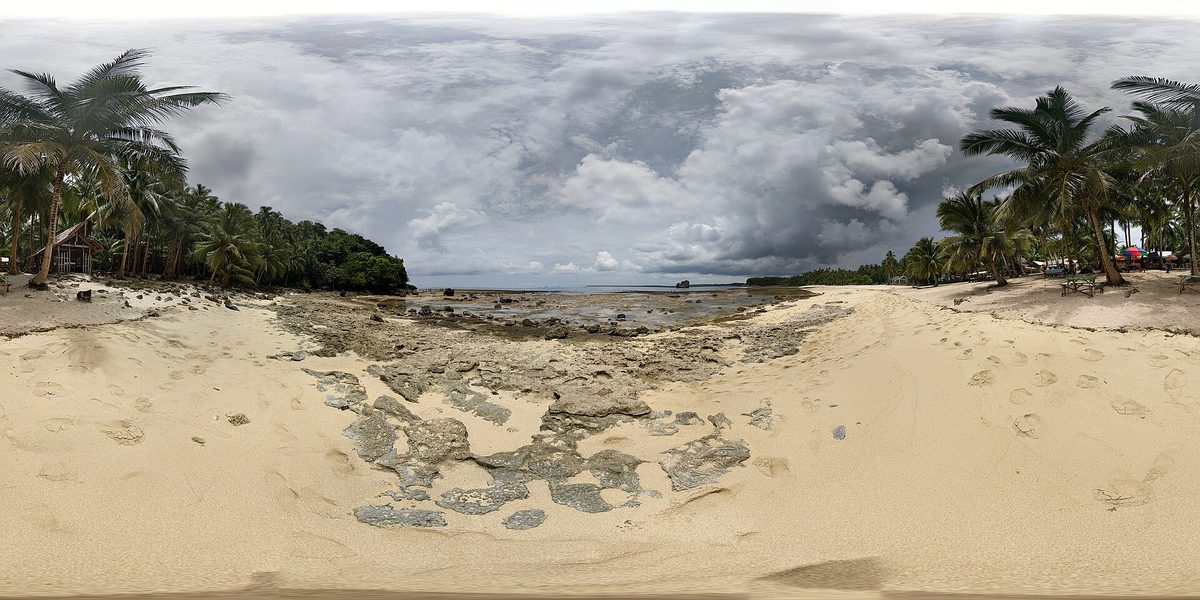
One practical thing the calm season does not change is the tides, and several of Siargao’s best sights run on them. Magpupungko is only worth visiting at low tide, when the rock pools fill with clear water you can actually swim in; arrive at high tide and you will find the sea has simply swallowed them. Island-hopping boats also read the conditions, so a calm, sunny spell makes the difference between a glassy crossing to Guyam and a bouncy, wet one. Ask your accommodation or boat operator to time your day trips to the tide tables, and you will get far more out of the same itinerary.
The Surf Cup and events to plan around in 2026
The biggest date on the calendar is the Siargao International Surfing Cup, which runs at Cloud 9 from 16 to 25 October 2026. For 2026 the event has been upgraded to a World Surf League QS6000 International, the highest qualifying-series rating it has ever held, drawing a men’s and women’s field from around the world. Re-confirm the exact window before you book, as contest dates can shift with the swell forecast.
This is a fork in the road. If you want the spectacle, the live music and the buzz, October is electric and the surfing is the best of the year. If you would rather actually get waves yourself, this is the week the lineup and the town are at their most crowded and accommodation at its most expensive, with the best stays gone months ahead. Plenty of returning surfers deliberately come in September or early November to catch peak-season swell while sidestepping the contest crush. There is also a lively General Luna town fiesta around September, plus big beach parties over Christmas and New Year if a party scene is part of the appeal.
The typhoon overlap: build in buffer days
Here is the caveat the glossier guides skate over. The same Pacific energy that delivers Siargao’s best surf is, by definition, typhoon-season energy. The September-to-November window that surfers wait all year for is also the stretch with the highest storm risk, and a tropical system passing nearby can mean flat or unsurfable days, ferry cancellations and the occasional grounded flight. It rarely ruins a whole trip, but it can swallow a day or two with no notice.
The fix is simple: build in buffer days, especially around your departure. If you are flying out on a tight connection through Cebu or Manila, give yourself a spare day on the island rather than cutting it fine, and consider travel insurance that covers weather disruption. Our typhoon season in the Philippines guide explains how the storm calendar works and how to track systems before and during your trip. None of this should scare you off peak surf season; it just means planning like the ocean is in charge, because here it is.
Getting to Siargao in 2026: the access reality
Plan your route before you fall in love with a flight price, because getting to Siargao changed in 2026. As of this year there is no direct flight from Manila (NAIA) to Siargao; the route was dropped in early 2026. Almost everyone now connects through Cebu, where multiple carriers fly the roughly one-hour hop to Siargao’s Sayak Airport (code IAO, near Del Carmen) several times a day. It is the cheapest and most flexible option. You can also route via Clark or Davao on a smaller schedule, so check current carriers before committing.
If you would rather travel overland and by sea, fastcraft ferries run from Surigao City to Dapa on Siargao in around 1.5 to 2.5 hours for roughly ₱350 to ₱600 (about $6 to $10). A few practical notes that catch people out: there is no Grab on the island, so most visitors rent a scooter for around ₱400 to ₱600 a day (bring your licence), and ATMs are unreliable, so carry enough cash to last. Sayak Airport sits about 45 minutes from General Luna, where most travellers stay, and its expanded terminal has eased the old arrival crush. For everything beyond timing, our Siargao travel guide covers where to stay, getting around and the island’s best spots in depth.
Best time to visit Siargao by traveler type
The right month really does depend on who you are, so here is my honest steer.
- Beginner surfer: March to June. Smaller, more forgiving waves, surf schools in full swing, warm calm water and sunshine between lessons. You will progress faster and feel far less intimidated than you would in an October lineup.
- Experienced or pro surfer: September to November, ideally September to mid-October for size without the worst of the crowds, or early November if you want peak swell as the contest scene thins out.
- Non-surfer: April to early June for the best mix of sun, calm seas, island hopping and the stingless jellyfish window. Skip the September-to-December surf peak entirely.
- Couples and honeymooners: late April through June. You get the sunshine and glassy lagoons without October’s surf-bro energy and inflated prices, and June in particular is quieter and better value.
- Budget travelers: January, February and the June-July shoulder. Rates drop hardest in the wet, quiet months, though you trade weather for the savings. June and July are the sweet spot if you want cheaper prices without committing to the greyest stretch.
The verdict
There is no perfect single month for Siargao, and any guide that gives you one is hiding the trade-off. The decision comes down to a clean fork: September to early December for surfers, with September to mid-October the smart sweet spot, and March to early June for sunshine, calm water and island hopping, with April and May the brightest and June the best value. Avoid late December to February unless cheap and quiet outweighs grey skies for you. Whichever window you pick, plan the route through Cebu, pad your schedule with a buffer day or two against the weather, and bring cash. Get the season right for the trip you actually want, and Siargao is hard to beat.
Frequently asked questions
What is the rainy season in Siargao?
Siargao’s wettest stretch is roughly late December to February, when Pacific systems and the northeast monsoon push steady rain onto the island. Unlike most of the Philippines, it has no bone-dry season; March to early June is simply the driest and sunniest period rather than a true dry season.
When is the best time to surf in Siargao?
The surf is biggest and most consistent from September to November, peaking around October. For intermediate and advanced surfers, September to mid-October offers strong swell with slightly thinner crowds than contest week. Beginners are better off in the smaller, friendlier waves of March to June.
Is January a good time to visit Siargao?
January is the island’s wettest, greyest month, with frequent rain and storm-driven, often blown-out surf. It is the cheapest and quietest time, and the landscape is lush, so it can suit budget travelers and flexible advanced surfers. It is a poor choice for a guaranteed-sunshine beach holiday.
What is Siargao’s weather like?
It is warm and humid year-round, with sea temperatures comfortable for swimming in every month. Because Siargao faces the open Pacific, it stays fairly damp throughout the year, with the heaviest rain from late December to February and the sunniest, calmest conditions from March to early June.
Does the typhoon season affect a Siargao trip?
It can. Peak surf season from September to November overlaps the typhoon season, so a passing storm may bring unsurfable days, ferry cancellations or delayed flights. It rarely ruins a full trip, but you should build in buffer days, especially before departure, and consider weather-disruption insurance.
How many days do you need in Siargao?
Four to five days covers the highlights: a day or two of surfing or lessons, a full-day island-hopping trip, the Magpupungko pools, and a Sohoton jellyfish day if you visit in spring. Surfers chasing the best conditions often stay a week or more, since swell comes in unpredictable pulses.
Sources and photo credits
Photo credits
Images in this guide are sourced from Wikimedia Commons under their respective Creative Commons or public-domain licences. Specific photographer and licence details for each image appear below.
- Cloud 9 surf boardwalk at sunset, Siargao — Photo: JupitReyes / CC BY-SA 4.0 via Wikimedia Commons. Source.
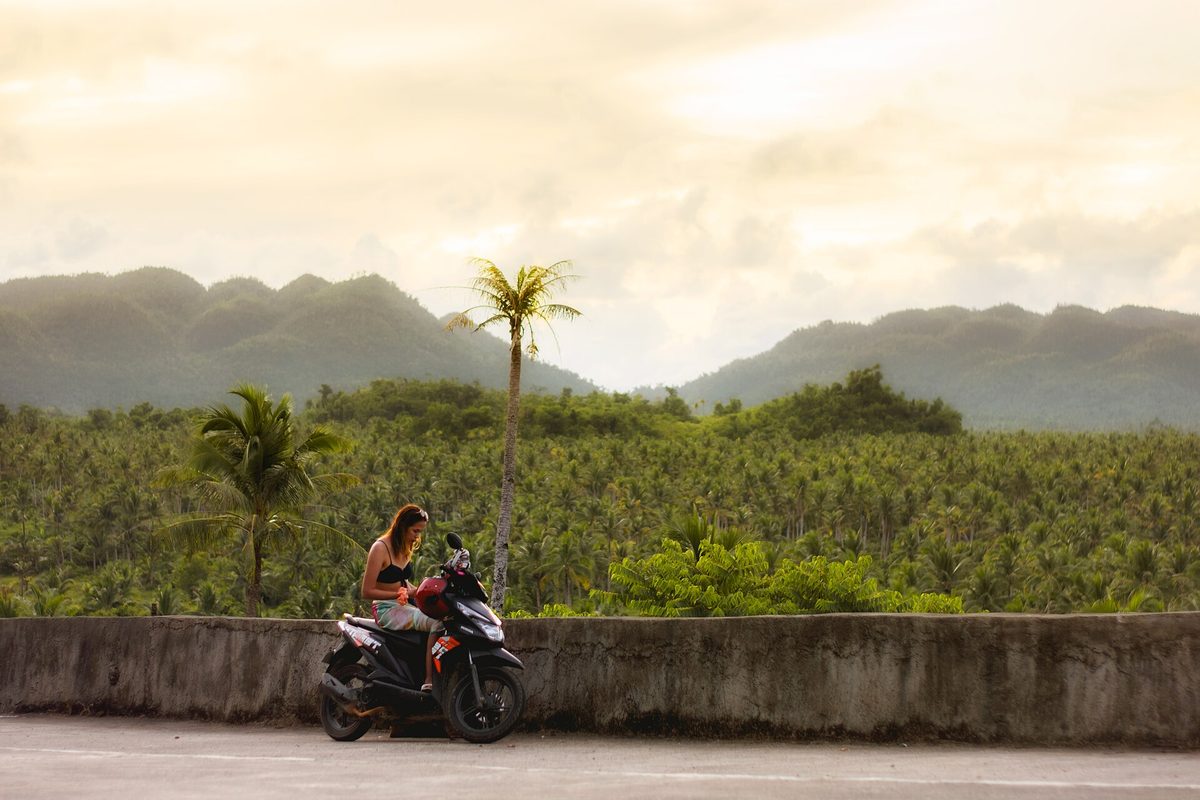
- Coconut Trees View Deck, Siargao — Photo: Michael Angelo Luna / CC BY-SA 4.0 via Wikimedia Commons. Source.
- Surfer over the reef, Siargao — Photo: Michael Angelo Luna / CC BY-SA 4.0 via Wikimedia Commons. Source.
- Outrigger boats on a palm-fringed beach, Siargao — Photo: ChaasPrime / CC BY-SA 4.0 via Wikimedia Commons. Source.
- Sugba Lagoon, Del Carmen, Siargao — Photo: Lucky Ambago Purok Otso / CC BY-SA 4.0 via Wikimedia Commons. Source.
- Magpupungko rock-pool flats, Siargao — Photo: theinstantmatrix (CC0) via Wikimedia Commons. Source.
Sources
- World Surf League — Siargao International Surfing Cup 2026 schedule and QS6000 International status.
- PAGASA (Philippine Atmospheric, Geophysical and Astronomical Services Administration) — climate and tropical-cyclone information.
- Philippine Department of Tourism — official destination and travel guidance.
- Philippine News Agency — reporting on the Siargao surf event and island tourism.
About this guide: PhilippinesTourism.org is an independent Philippines travel resource. Facts and prices were verified July 2026 and hedged in PHP and USD (~58 PHP = $1); swell, weather and flights change, so confirm current details before you go.