Common Tourist Scams in the Philippines (and How to Avoid Them)
The Philippines is one of the friendliest countries I have traveled in, and almost every scam you will meet here is about money, not danger. The playbook is overcharging, short-changing and the occasional rigged game. Learn the dozen tricks below and the simple habits that defuse them, and you will sail through just fine.
I want to be straight with you from the first line. Violent crime against foreign tourists is genuinely rare in the places you are likely to go, and the overwhelming majority of “incidents” travelers report are petty: a taxi meter that mysteriously stops working, a market price that triples when a foreign face appears, a money changer whose stack of pesos is lighter than it looked. None of that should keep you home. It should just make you a slightly harder target. Most lists of Philippines tourist scams either copy generic Southeast Asia advice or lean on stale, scary stories; this one sticks to what actually happens here in 2026 and the one-line fix for each. For the wider picture on risk, advisories and what is actually dangerous versus merely annoying, start with our honest Philippines safety guide, then come back here for the specifics.
At a glance: the scams you are most likely to meet
Here is the short version. If you read nothing else, read this table, screenshot it, and you have covered roughly ninety percent of what trips up first-timers. Prices are hedged in pesos with a rough US dollar figure at about ₱58–60 = US$1 in 2026; rates move, so treat dollar figures as ballpark.
| Scam | Where you’ll meet it | How to avoid it |
|---|---|---|
| “Broken meter” / inflated taxi fare | Manila, Cebu, any city taxi rank | Use Grab, or insist on the meter before the doors close |
| Airport taxi touts | NAIA and other arrival halls | Walk to the official yellow/coupon bay or order Grab; ignore anyone who approaches you |
| Money-changer short-change & bad rates | Tourist strips, markets, airport kiosks | Change at banks or busy reputable shops; count every note before you walk |
| Island-hopping & tour overcharge / fake guides | Boracay, El Nido, Cebu, Bohol piers | Book through your hotel or a DOT-accredited operator; agree the price in writing |
| ATM skimming | Standalone ATMs in malls and tourist zones | Use machines inside bank branches; cover the keypad; watch your statements |
| Friendly-stranger / “ace gang” card game | Manila parks, Rizal Park, Malate, Ermita | Never follow a new “friend” to a home or private game; just keep walking |
| Spiked drink | Nightlife districts, bars that approach you | Watch your drink poured; never accept an open one from a stranger |
| Fake police / “show me your cash” | Tourist areas, occasionally after a setup | Ask for ID, decline to hand over a wallet, offer to go to a real station |
| Budol-budol & dugo-dugo | Streets, phone calls, messaging apps | Don’t hand cash or codes to strangers; verify any “relative in trouble” call |
| Foreigner price markup | Markets, street stalls, kalesa rides | Ask the price first, know the rough local rate, agree before you commit |
| Porter / baggage “help” | Airports, ferry piers, bus terminals | Carry your own bags or agree a tip first; decline unrequested “help” |
| Online accommodation / booking scams | Social media, fake hotel and tour sites | Book on known platforms or verified sites; never wire a deposit to a stranger |
| SIM, load & padded-bill tricks | Street SIM sellers, some bars/restaurants | Buy SIMs at official stalls; check every bill line by line |
| “Broken” rental scooter damage claim | Siargao, Boracay, Bohol, beach towns | Photograph and video the bike before you ride; look for hidden tape over dents |
That is the whole field, more or less. Now let me walk through each cluster so you understand how the trick works, because once you see the mechanics you stop falling for the setup.
Transport and airport scams
This is where most travelers meet their first scam, usually within an hour of landing. The good news is that this whole category has been more or less solved by a phone app, and I will get to that. First, the classics.
The “broken meter” and the inflated fare
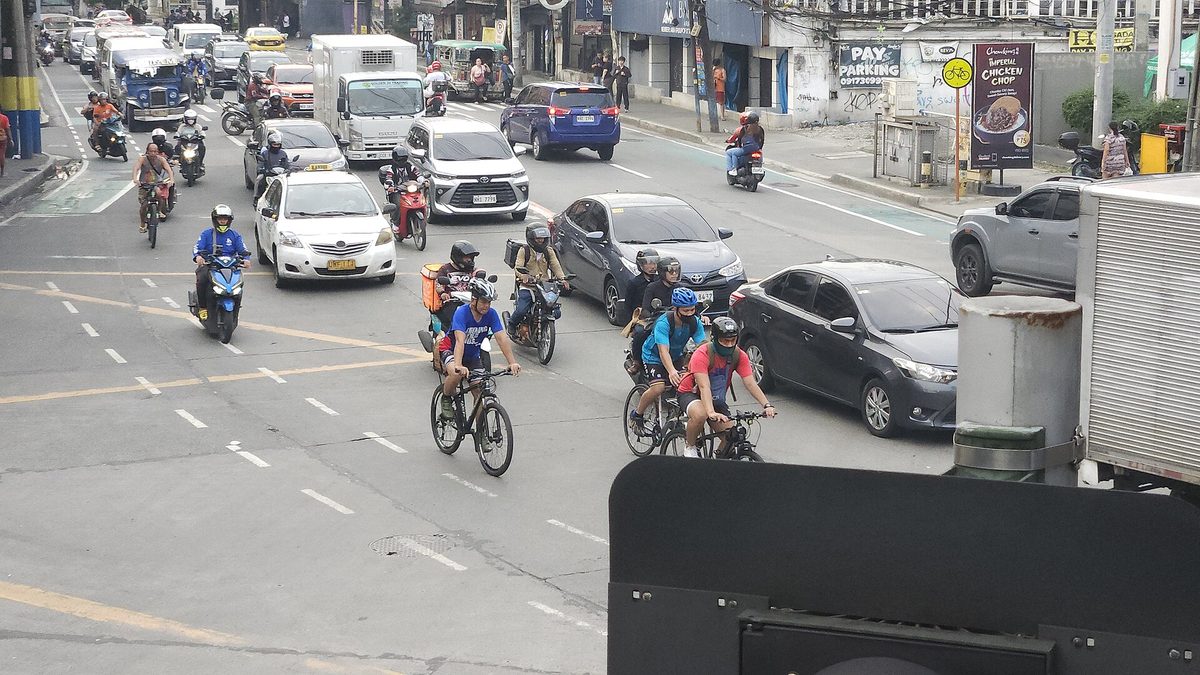
The single most common scam in the Philippines is a taxi driver who claims the meter is broken, refuses to switch it on, or quotes a flat fare two to five times the real cost. Sometimes the meter is genuinely rigged with a device locals call a batingting that makes it run fast; far more often the driver simply names a number and counts on you not knowing better. A metered ride across central Manila that should cost ₱150–250 (roughly US$3–4) suddenly becomes a “special price” of ₱800.
The defense is almost embarrassingly simple. Before the doors close, ask “meter?” and watch the driver start it. If he says it is broken or wants a flat fare you think is high, get out. There is always another taxi. During genuine rush-hour gridlock a driver may decline the meter because crawling traffic short-changes him, and a fair negotiated fare is reasonable then; the tell is whether the number is sane. Better still, skip the argument entirely and order a Grab.
Airport taxi touts at NAIA
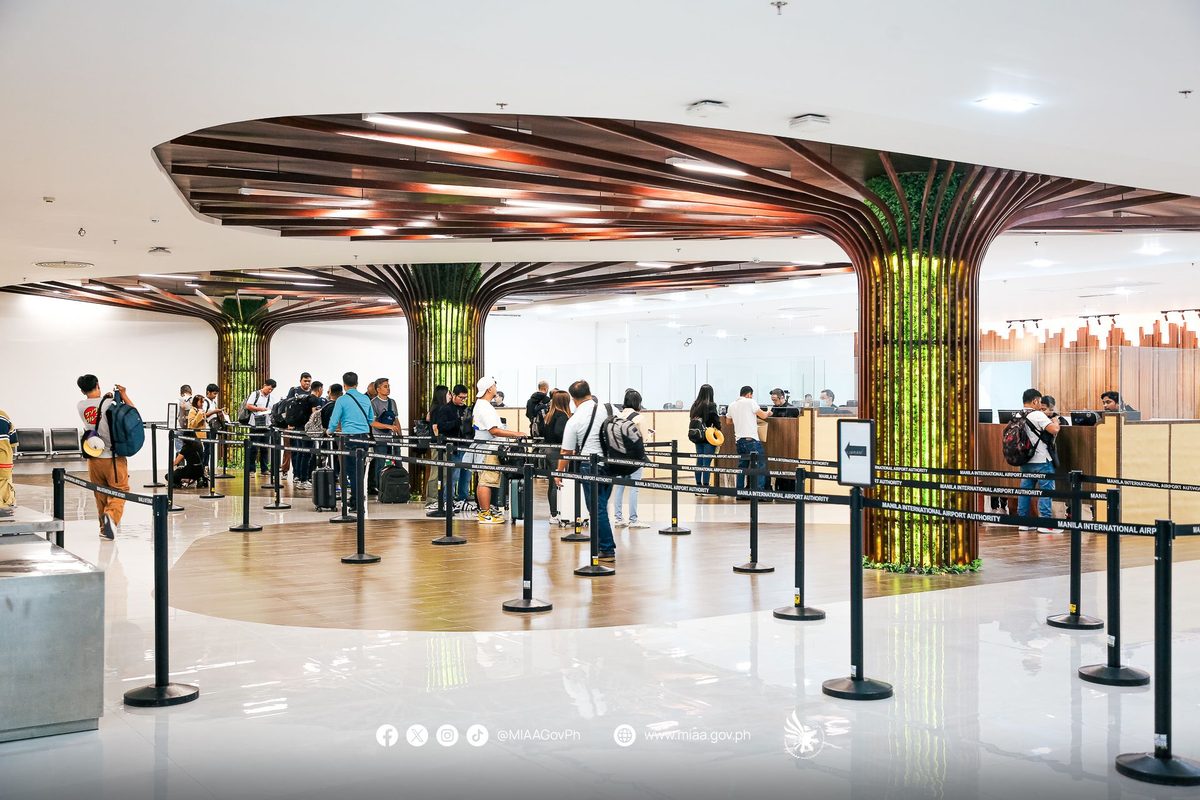
Walk out of arrivals at Ninoy Aquino International Airport and you will be approached, sometimes aggressively, by men offering “taxi, sir, taxi” at flat rates several times the metered fare. These touts are not the official service; they intercept you before you reach the proper rank. NAIA has legitimate options: metered white taxis, the more expensive coupon (yellow) airport taxis with fixed published rates, and accredited transport. If you take a yellow airport taxi, an airport marshal hands you a trip ticket with the cab’s details; keep that ticket, do not give it to the driver, and it is your proof if anything goes wrong.
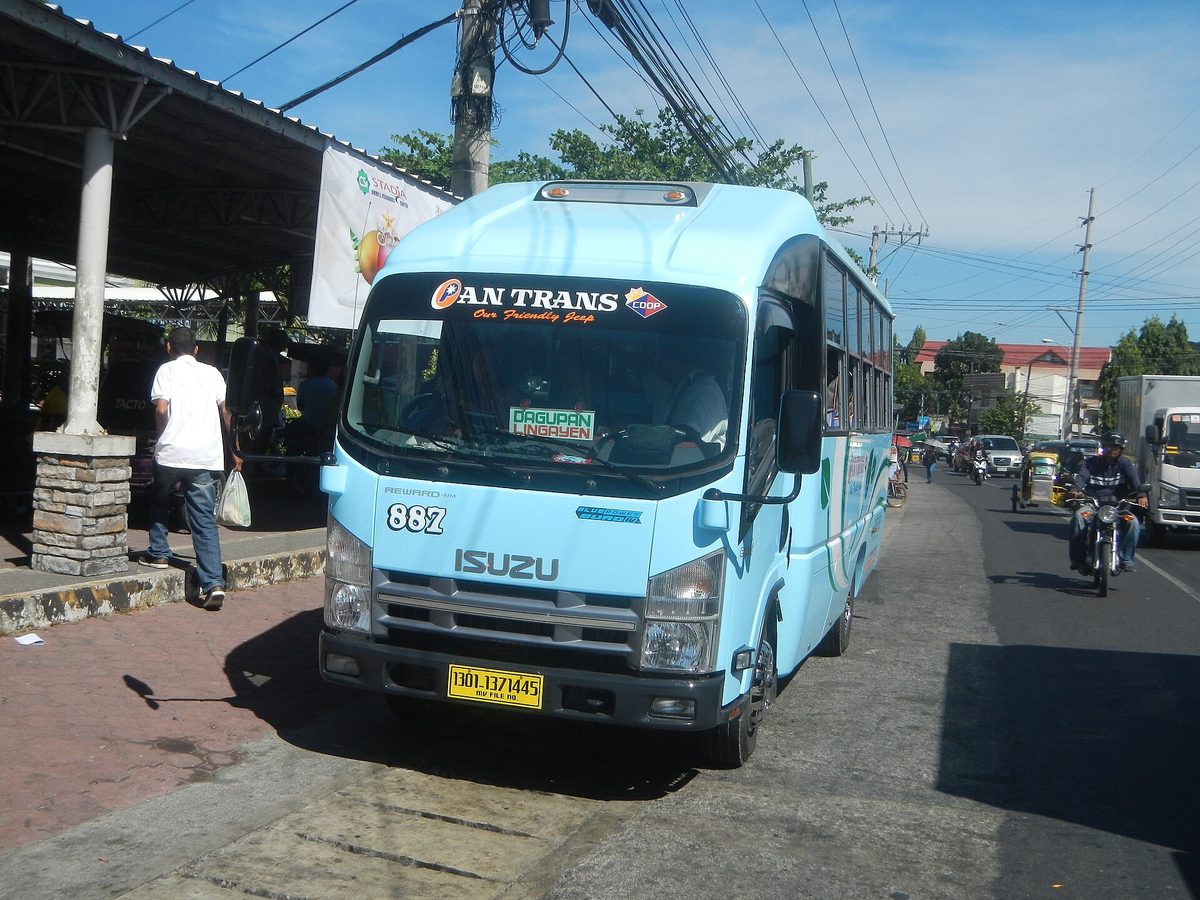
My standing advice for any first arrival is to order a Grab from the ride-hail pickup point, or to have your hotel arrange a transfer in advance so a named driver meets you. Either removes the negotiation, the touts and the “broken meter” in one move. For the full menu of how locals actually get around, from jeepneys to ferries, see getting around the Philippines.
The “your hotel is closed” detour
A subtler trick: the driver tells you your chosen hotel, restaurant or attraction is “closed,” “fully booked” or “flooded,” and helpfully offers to take you somewhere better, where he collects a commission. Sometimes he takes the scenic route to pad the fare. The fix is to know your route roughly before you get in, watch the map on your phone, and treat any unsolicited “it’s closed” claim with friendly skepticism. If you booked the place yourself, it is open.
Porter and baggage “help”
At airports, ferry piers and bus terminals, someone may grab your bag to “help” before you have agreed to anything, then demand a tip far above the norm, occasionally refusing to release the bag until you pay. Most porters are honest and a small tip of ₱20–50 per bag is normal and kind. The scam is the unrequested grab followed by an inflated demand. Keep a hand on your own bags, and if you do want help, agree the tip first. A clear “no, thank you, I’ve got it” is enough almost every time.
Grab, the region’s ride-hail app, is the most reliable single move against the entire transport category in Manila and Cebu, because the fare is fixed in the app, the route is logged, and there is a paper trail and a complaint button. It is widely available, and the US State Department’s country information notes that Grab is in common use across Metro Manila, Cebu and Davao. It is the closest thing to a one-tap scam blocker that exists here.
Money, money changers and ATMs
The Philippines runs largely on cash once you leave the malls, so the scams that target your money are worth understanding before you change a single dollar. None of these are dangerous; all of them are avoidable with a habit or two.
The money-changer short-change
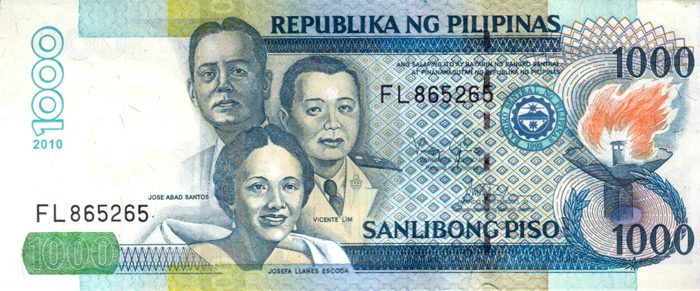
This is the elegant one. A small stall advertises a rate noticeably better than the banks. That generous number is the bait. You hand over your dollars, and the changer counts your pesos onto the counter in front of you, slowly and correctly, so you nod along. Then, as he gathers the stack to band it, he palms a few notes, slips them through a slit in the counter, or drops them out of sight. You walk away with a tidy rubber-banded brick that is lighter than the one you counted.
The defense has two layers. First, be suspicious of any rate well above the going market rate, because that is the hook. Second, and this is the rule that actually saves you: take the band off and recount the cash yourself, in front of the changer, before you leave the window. Better yet, change money at a bank, a hotel, or a busy reputable chain changer where this sleight of hand is far harder to pull. For how to handle cash, cards and the GCash wallet locals use, see money, ATMs and GCash in the Philippines.
ATM skimming
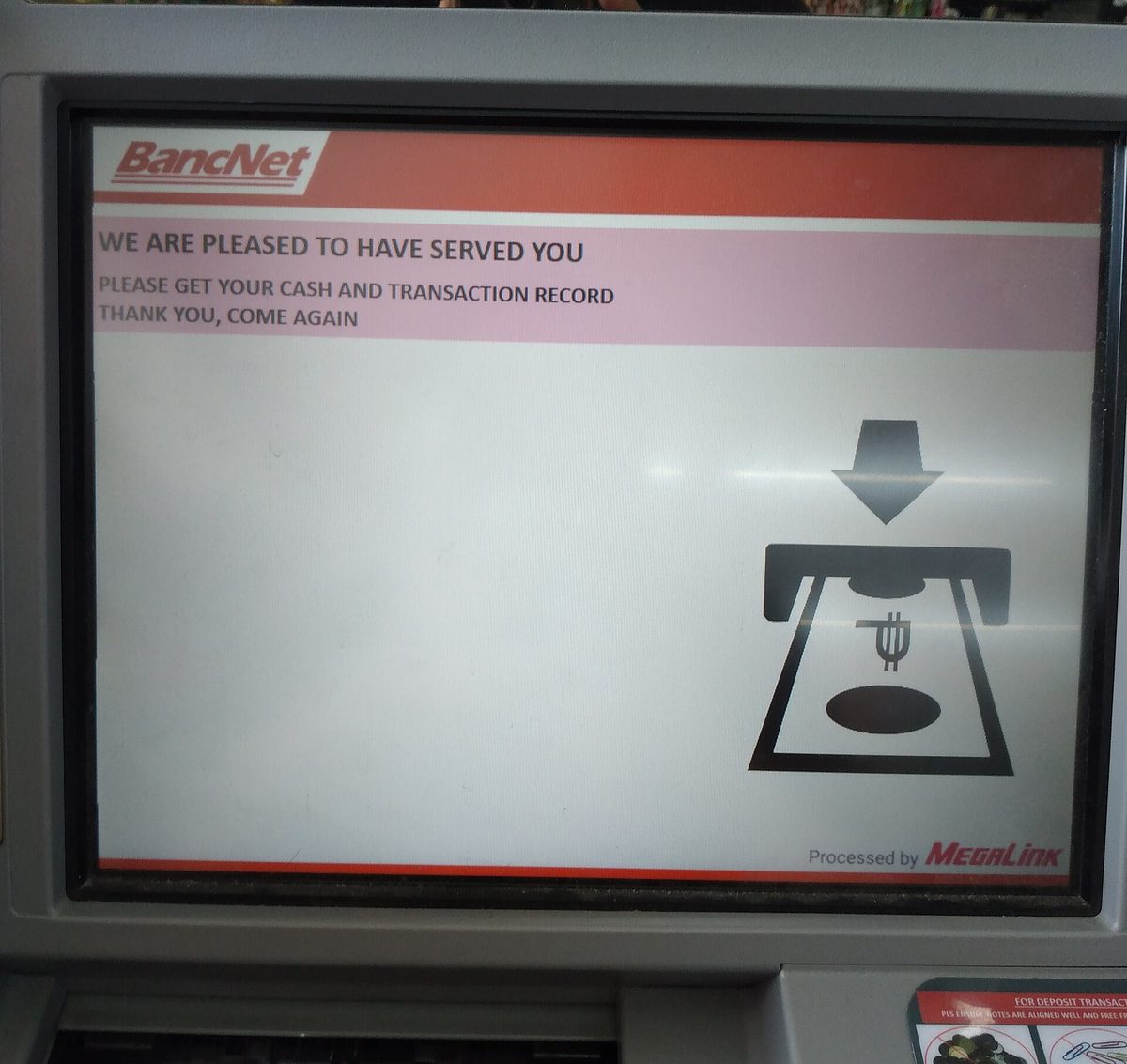
Skimmers are small devices fitted over a card slot, sometimes paired with a pinhole camera or an overlay keypad, that copy your card and PIN. They turn up most often on standalone ATMs in malls, transport hubs and tourist strips rather than inside bank branches. The cloned card can be drained within hours.
Three habits cover you. Use ATMs inside a bank lobby during opening hours, where tampering is harder and help is steps away. Give the card slot a wiggle and glance at the keypad for anything that looks bolted on or loose. And cover the keypad with your other hand as you type your PIN, which defeats the camera even if a skimmer is present. Set up transaction alerts with your bank before you fly, and check your statement during the trip, not after.
Foreigner price markup and padded bills
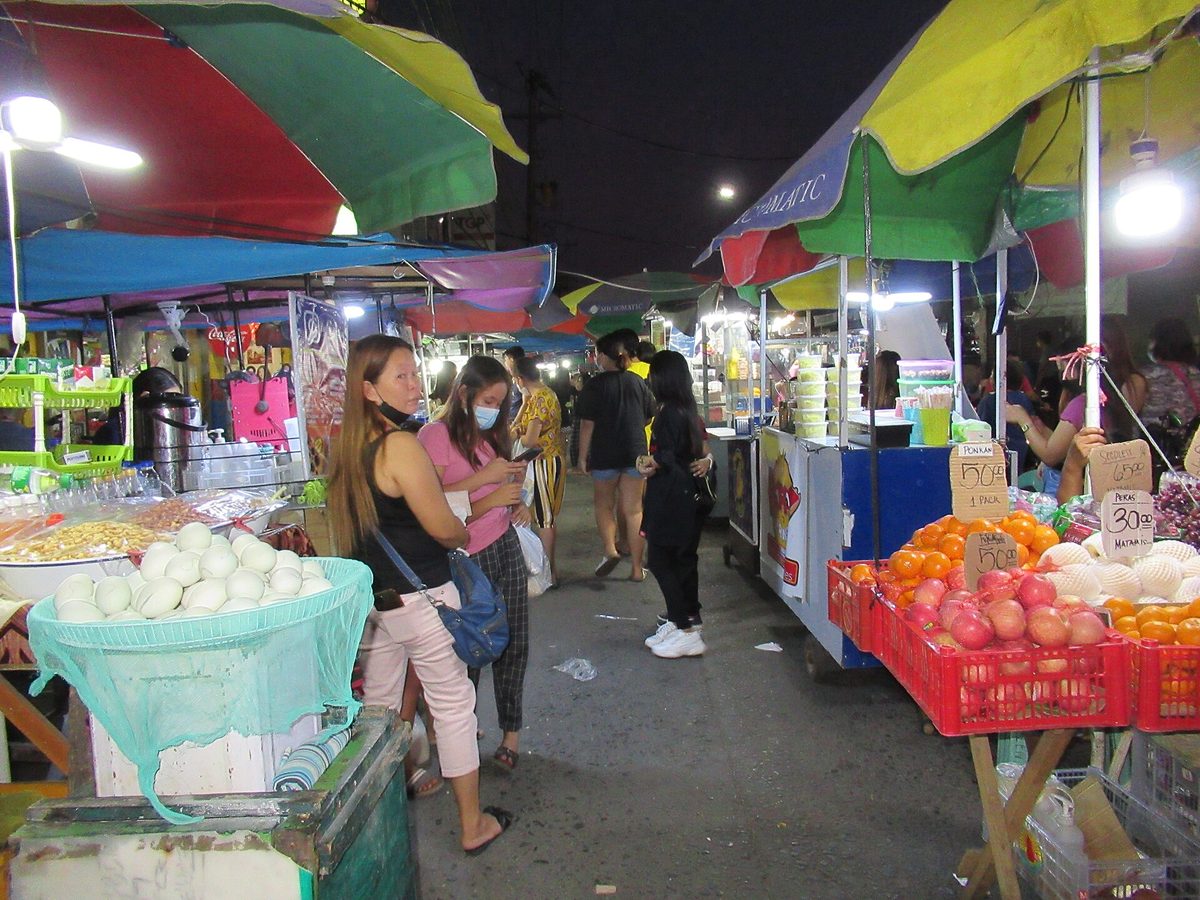
At markets, street stalls and with some tricycle and kalesa drivers, the first number you hear may simply be the “foreigner price,” inflated because you clearly are not local. This is less a scam than a negotiation you did not know you had entered, and a smile plus a counteroffer usually settles it. The related trick is the padded restaurant or bar bill, where an item you did not order, a “service charge” or a doubled quantity appears at the end. Glance at the menu prices, ask the price before you commit to a ride or a purchase, and read the bill line by line. Knowing the rough local rate for a ride, a meal or a souvenir lets you spot a foreigner markup instantly.
Philippines tourist scams: the full list, ranked by how often you’ll hit them
If I rank these by how likely an ordinary two-week visitor is to actually encounter them, the order is clear. You will almost certainly be quoted a high taxi fare or offered a tout ride at the airport at least once; that is near-universal. You have a fair chance of meeting a foreigner-price markup at a market or a padded bill. Money-changer and ATM tricks are common enough to plan around but easy to dodge. Tour and island-hopping overcharging is frequent in the big beach hubs. The card-game, fake-police and budol-budol scams are real and occasionally costly, but you have to be unlucky or careless to be drawn in, and they cluster in specific Manila districts. The spiked-drink and rental-damage scams are uncommon but worth a habit each. Ranking them this way matters, because it tells you where to spend your attention: a lot on transport and cash, a little on the social setups, and almost none on the lurid stories that dominate clickbait lists.
Tours, island-hopping and activity scams
The beach hubs are where the money is, so this is where the overcharging gets creative. The scams here are rarely outright theft; they are inflated prices, services that do not match the pitch, and “guides” with no standing.
Island-hopping and tour overcharge
On the beaches and at piers in places like Boracay, El Nido and Cebu, freelance sellers offer island-hopping trips, snorkeling and day tours. Some quote a foreigner premium, collect payment, then deliver a shorter trip, a crowded boat or “extra” environmental and entrance fees that were never mentioned. A common variant is the deposit taken for a boat that is suddenly “full” when you arrive, with a pricier option ready to go.
Book through your hotel or a Department of Tourism-accredited operator, get the inclusions and the total in writing or in a message thread, and ask specifically which fees are extra so there are no surprises at the jetty. Paying a little more through a reputable operator is cheaper than the “deal” that unravels on the water, and booking the big-ticket tours in advance lets you skip the pier hustle altogether.
Fake guides and “official” fees
At heritage sites, caves and waterfalls, someone may attach themselves as a “guide,” deliver a thin monologue, then demand a steep fee, or invent an entrance or “conservation” charge with no ticket to show for it. Real guides at accredited sites have IDs and posted rates. Ask whether a fee is official and where the ticket is; if there is no ticket, there is usually no fee.
Street and social scams
Now the ones that make for dramatic stories. These are the scams that can cost real money, and they all share a structure: a stranger manufactures a connection, lowers your guard, and moves you somewhere private. The single rule that defeats almost all of them is to never let a new acquaintance steer you off your own plan.
The friendly stranger and the “ace gang” card game
This is the high-loss classic, and it is consistent enough that it has a nickname. A warm, articulate stranger approaches in a tourist area, often opening with a flattering coincidence: a sister or cousin about to move to your home country, who would love a little advice. You are invited back to a home for coffee or a meal. There, a “card game” materializes. You are allowed to win a few small hands to build confidence, then steered into one big bet, and the deck is rigged so the house takes everything. First-person accounts run from tens of thousands of pesos into the thousands of dollars. It clusters in Manila districts like Malate, Ermita and around Rizal Park.
The defense is a single habit: do not go home with someone you just met, and do not sit down to any game of chance with strangers. A friendly chat in public is one of the joys of travel here; an invitation to a private house followed by cards is the setup. Decline warmly and keep walking. If you are exploring the capital, our Manila travel guide covers the neighborhoods where this approach is most common.
Spiked drinks
Uncommon, but serious when it happens, so it earns a habit. The risk is a drink dosed to leave you groggy and easy to rob, usually after an over-friendly stranger or a too-good-to-be-true new “date” buys you one. Watch your drink poured, do not leave it unattended, and never accept an already-open drink from someone you just met. Travel with someone you trust on big nights out. This overlaps with advice for anyone traveling alone; our guide to solo female travel in the Philippines goes deeper on staying in control on a night out.
Fake police and “show me your cash”
Rare, and mostly confined to a few areas, but unsettling: someone in plain clothes claims to be police, alleges a problem with your money or documents, and asks to “inspect” your cash or wallet, then lightens it or demands a “fine.” Real officers do not need to hold your wallet. Ask for identification, keep your money in your pocket, stay in a public place, and offer to sort any genuine issue at the nearest police station or with the Tourist Police. Scammers fold quickly when you suggest going somewhere official.
Budol-budol and dugo-dugo
Two local-named cons that occasionally catch foreigners. Budol-budol is a confidence trick where a smooth-talking group swaps your money or valuables for worthless paper, sometimes claiming an almost hypnotic persuasion; in practice it is fast talk, distraction and sleight of hand around fake prizes, “blessings” or money-doubling. Dugo-dugo is the phone version: a caller, often posing as a relative, the police or a bank, claims a loved one is in trouble or an account is compromised and pressures you to send money or read out codes immediately. For a tourist the practical defense is the same for both: never hand cash, cards or one-time codes to anyone on the strength of a stranger’s story or an urgent call, and verify independently before you act. Pickpocketing belongs in this bracket too: crowded jeepneys and packed markets are where it happens, so keep your bag in front of you and your phone out of a loose back pocket.
Online and booking scams
This is the fastest-growing category, and it reaches you before you even land. The Department of Tourism has flagged a sharp rise in online travel fraud, and in 2026 launched an anti-fraud awareness push aimed squarely at travelers booking the Philippines.
Fake accommodation and tour sites
Fraudsters build convincing replica websites and social-media pages for real hotels, resorts, airlines and tour operators, take a deposit or full payment, and vanish before you arrive. Others advertise too-good-to-be-true packages or apartments on social media, ask for a deposit by bank transfer or e-wallet, then block you. The defenses are unglamorous and effective: book through established platforms or a property’s verified official channel, check that a tour operator is DOT-accredited, be wary of any price far below the field, and never wire a deposit to a personal account. Pay by credit card where you can, because a card gives you a route to dispute a charge that a bank transfer or wallet top-up does not.
SIM, load and Wi-Fi tricks
Buy your SIM at an official telecom stall or counter, not from a street seller who may sell an unregistered card or pocket your “load” (prepaid credit) without adding it. On public Wi-Fi in cafes and airports, assume the network could be watched or spoofed: avoid logging into your bank, and use your mobile data or a trusted connection for anything sensitive.
Rental scams
The “you broke it” scooter claim
In beach and island towns such as Siargao, Boracay and Bohol, renting a scooter is part of the fun, and it comes with one specific trick. Some operators cover existing scratches and dents with small pieces of tape or stickers. You ride off without noticing; on return they peel the tape away, point at the “new” damage, and present a heavy repair bill, sometimes holding your passport, which they should never be keeping, until you pay.
Beat it with your phone. Before you ride, walk around the bike and film a slow video plus photos of every panel, the seat, the mirrors and the wheels, and look for tape or stickers hiding damage. Send the footage to yourself with a timestamp. Never leave your actual passport as a deposit; offer a photocopy or a cash deposit instead. And remember the legal reality: you need a valid license to ride, ideally with an international permit, and a helmet is not optional. This matters for insurance too, since a claim after a scooter spill can be denied if you were not properly licensed.
The genuinely rare stuff versus the everyday stuff
Let me put the fear back in its box. The scams that dominate sensational lists, the spiked drink, the fake cop, the kidnapping headlines, are the rare ones. What you will actually meet, over and over, is mundane: a taxi driver chancing a high fare, a stall holder quoting the foreigner price, a money changer hoping you will not recount. Annoying, not dangerous. Overwhelmingly, foreign tourists in the mainstream destinations, Manila, Cebu, Bohol, Boracay, Palawan, Siargao, complete their trips with nothing worse than one overpriced taxi and a good story.
The serious security concerns the major governments flag are also geographically narrow, confined to a corner of the far south, well away from the islands and cities nearly everyone visits. If you want that mapped out clearly, our guide to Philippines areas to avoid shows exactly which small zones the advisories cover and why the rest of the country sits outside them. The honest takeaway: calibrate your caution to petty overcharging, keep a light habit or two for the rarer setups, and do not let the dramatic stories rewrite a country that is, in practice, warm and welcoming.
What to do if you are scammed
First, breathe; most of these cost money, not safety, and they are recoverable lessons. Then act in order. For anything involving a transaction dispute, a taxi or a tour, try to resolve it on the spot calmly, using your photo, ticket or message thread as evidence. For petty crime or a scam you want on record, find the Tourist Police or local PNP, common in the main hubs, and file a report; you will need it for any insurance claim. In a real emergency, call 911, the nationwide number. For tourist-specific help, mediation and guidance, the Department of Tourism assistance hotline is (02) 8524-1728.
If a card was skimmed or you sent money to a fraudster, call your bank immediately to freeze the card and dispute the charge; speed matters most here. Keep your embassy’s contact details and your insurer’s 24/7 line saved offline before you travel, so you are not hunting for them on a dead phone. And if you booked through a credit card, open a dispute with the card issuer, which is often your best path to getting money back from an online booking scam.
The two habits that prevent most of it
If you forget every specific above, keep two habits. First, default to Grab for city transport and book ferries, big tours and stays through your hotel or an established platform; that single change removes the entire transport-and-booking scam category, which is most of what you would otherwise face. Second, run a sensible cash-versus-cards rhythm: carry modest cash for stalls, jeepneys and tips, recount any money you change, use bank-lobby ATMs and cover the keypad, and put bigger or online payments on a credit card so you have a dispute route. Add a third for luck, the one that beats the social cons: never follow a brand-new “friend” to a private place or a game of chance. Do those, stay friendly, stay a little alert, and the Philippines will treat you very well.
Frequently asked questions
What’s the most common scam in the Philippines?
The taxi fare scam, by a wide margin. Drivers claim the meter is “broken,” refuse to use it, or quote a flat fare several times the real cost, and airport touts at NAIA do the same to arriving passengers. It is the one scam almost every visitor brushes against. The fix is to use Grab, or to insist on the meter and step out if the driver refuses.
Are taxis in Manila safe?
Yes, broadly. Manila taxis are cheap and most drivers are honest and helpful; the risk is overcharging, not danger. Use a metered white taxi and watch the meter start, keep the trip ticket if you take a yellow airport cab, and do not hand it to the driver. For the least friction, order a Grab, which fixes the fare in the app and logs the route, removing the argument entirely.
Is it safe to use ATMs in the Philippines?
Generally yes, with one precaution: skimming devices show up most on standalone ATMs in malls and tourist areas. Use machines inside a bank branch during opening hours, give the card slot a quick wiggle, and cover the keypad with your hand as you enter your PIN. Set up bank transaction alerts before you travel and check your statement during the trip rather than after you get home.
Is Grab safe in Manila?
Grab is the safest mainstream way to get around Manila and Cebu, and it is the single best move against taxi scams. The fare is set in the app before you ride, the route and driver are logged, and there is a complaint button and a record if anything goes wrong. It removes the meter argument and the airport touts in one step, which is why it is the first app most visitors install on arrival.
Is the money-changer scam common, and how do I avoid it?
It is common enough on tourist strips to plan around, though easy to dodge. The trick uses an unusually good advertised rate as bait, then short-changes you as the cash is gathered and banded. Beat it by changing money at banks, hotels or busy reputable chains, treating any too-generous rate with suspicion, and recounting every note yourself, with the band off, before you leave the window.
Is violent crime against tourists common in the Philippines?
No. Violent crime against foreign tourists is rare in the mainstream destinations, and the overwhelming majority of problems visitors report are petty: overcharging, short-changing and the occasional rigged game. The serious security concerns governments flag are confined to a small corner of the far south, far from the islands and cities nearly everyone visits. Calibrate your caution to your wallet, not your safety.
Sources and photo credits
Photo credits
scams-manila-taxi.jpg: Photo: Ganmatthew / CC BY 4.0 via Wikimedia Commons · scams-naia-airport.jpg: Photo: Philippine government work (public domain) via Wikimedia Commons · scams-peso-banknotes.jpg: Photo: Bangko Sentral ng Pilipinas, Philippine government work (public domain) via Wikimedia Commons · scams-atm-machine.jpg: Photo: Reyrefran / CC BY-SA 4.0 via Wikimedia Commons · scams-jeepney.jpg: Photo: Judgefloro (CC0) via Wikimedia Commons · scams-night-market.jpg: Photo: FBenjr123 / CC BY-SA 4.0 via Wikimedia Commons
Sources
- Philippine Department of Tourism — official tourism information and traveler assistance.
- U.S. Embassy in the Philippines — safety, transport and scam guidance for visitors.
- U.S. State Department — Philippines travel advisory.
- Philippine National Police — reporting crime and the Tourist Police.
About this guide: PhilippinesTourism.org is an independent Philippines travel resource. Information was researched and verified Se