Is Manila Worth Visiting? How to Decide
Short answer: Manila is worth one to two days for most travelers and genuinely rewarding for history and food lovers, but it’s skippable if you’re beach-only and tight on time. The city has real flaws (traffic, sprawl, a rough first impression), yet it also has Spanish-colonial layers, one of Asia’s most exciting food scenes, and the airport almost everyone flies through anyway. Below is my honest, no-fluff verdict, plus a decision framework so you can tell which camp you’re in.
The honest verdict on Manila
I’ll plant a flag instead of fence-sitting: most first-time visitors should give Manila a day or two on the front or back end of a Philippines trip, and almost nobody should make it the centerpiece. The city doesn’t sell itself the way Palawan or Siargao do. Your first hour, dragging from the airport through traffic past a wall of malls and high-rises, can feel like a mistake. Then you walk into Intramuros, or sit down to a plate of sisig in Poblacion, and the place starts to make sense.
Here’s the nuance the breathless “you must visit” and the dismissive “just skip it” takes both miss. Manila isn’t a postcard. It’s a working megacity of more than 13 million people that shows you the Philippines at its richest and its hardest, often on the same block. If that kind of texture is why you travel, you’ll find Manila worth it. If you came purely for white sand and clear water, the islands will spend your days better, and that’s a fair, defensible choice too.
One thing changed the math recently. In late 2025 National Geographic named Manila a Best of the World destination for 2026, and Michelin launched its first-ever Philippine guide, awarding the country’s debut stars to restaurants concentrated in and around the capital. Manila has always had great food; now it has the global stamp to match. That doesn’t erase the traffic, but it does tip a borderline case toward “give it a day.”
At a glance: should you visit Manila?
If you read nothing else, read this. Find the row that sounds most like you.
| Traveler type | Verdict | Recommended time |
|---|---|---|
| First-timer to the Philippines | Visit | 1–2 days |
| History & culture lover | Visit | 2–3 days |
| Food traveler | Visit (a highlight) | 2–3 days |
| Return visitor (been before) | Optional / skip | 0–1 day |
| Layover only | Layover only | 4–10 hours |
| Family with young kids | Visit, but pick your spots | 1–2 days |
| Beach-only, short trip | Skip | 0 days (transit straight through) |
| Nightlife / city-break traveler | Visit | 2–3 days |
The rest of this guide is the reasoning behind that table: the real case for Manila, the real case against, and how to fit it into a wider trip. For the full menu of sights once you’ve decided to go, our guide to the things to do in Manila covers the specifics.
The case FOR visiting Manila
History you can walk through at Intramuros
Intramuros is the reason a lot of fence-sitters end up glad they came. It’s the original walled city the Spanish built in the 1570s, and within those stone walls you get Fort Santiago guarding the Pasig River, the baroque San Agustin Church (a UNESCO World Heritage site that survived the bombs of 1945 when almost nothing else did), and Manila Cathedral. Half a day of cobblestones, cannon, and small museums is enough to feel how Spanish, American, and Filipino history piled onto the same few streets. Just outside the walls, Rizal Park marks where national hero Jose Rizal was executed in 1896. For history travelers, this district alone can justify the stop.
A food scene that just earned its first Michelin stars
This is Manila’s strongest card in 2026. When Michelin published its debut Philippine selection in late 2025, the capital region took the lion’s share: a two-star opening for Helm (a real rarity for a city’s first guide) plus eight one-star kitchens including Toyo Eatery, Hapag, and Gallery by Chele, and a long list of more affordable Bib Gourmand picks for everyday eating. The new stars matter because they finally put a global frame around what Filipino chefs have been doing for years: rethinking native ingredients and the country’s Spanish, Chinese, and Malay influences into something genuinely its own.
But you don’t need a tasting menu to eat well here, and that’s the point I’d stress to anyone on the fence. Binondo, the oldest Chinatown in the world, is a dumpling-and-noodle crawl you can do on a single afternoon for the price of a coffee back home. Poblacion does modern Filipino small plates and cocktails. Street stalls hand you lechon (slow-roasted pork), balut if you’re brave, and a tower of halo-halo to cool down. Sunday and Saturday markets like Legazpi and Salcedo are open-air food crawls in their own right. Dining options here outstrip anywhere else in the country, full stop, and for a certain kind of traveler that single fact answers the whole question.
Nightlife and a real city after dark
When the heat finally breaks, Poblacion in Makati turns into the country’s best night out: speakeasies, rooftop bars, craft beer, live music, and food trucks within stumbling distance of each other. Bonifacio Global City (BGC) is the polished, walkable alternative. If you’ve been on quiet islands for a week and want noise, neon, and a 2 a.m. bowl of something, Manila delivers in a way no beach town can.
The gateway you’re probably using anyway
Ninoy Aquino International Airport (NAIA) is the main international gateway to the Philippines, so unless you’re flying through Cebu, you’ll likely pass through Manila no matter where you’re headed. The airport had a rough reputation for years, but a private operator took over in 2024 and the upgrades are landing: immigration e-gates went live in December 2025, a new Terminal 4 is slated to open by mid-2026, and terminal reassignments rolled out in March 2026 to spread out the crowds. Since you’re here anyway, spending the daylight hours you’d otherwise waste in an airport hotel is often the smart play.
A launchpad for day trips and the rest of the country
Manila is a hub, not a dead end, and this is what flips a one-day stop into a worthwhile two-night base. Within a few hours you can stand on the rim of Taal Volcano (one of the world’s smallest active volcanoes, sitting in a lake inside a lake), soak in the hot springs of Laguna, or chase waterfalls at Pagsanjan. Tagaytay’s cool air and ridgeline views over Taal are the classic escape from the city heat, and the more adventurous can hike Mount Pinatubo or Mount Daraitan. Getting out of the metro for a day also resets the impression a rough first afternoon may have left. We cover these in detail in our roundup of day trips from Manila, and they’re a strong reason to give the city an extra night rather than bolting at dawn.
Things you simply can’t do on an island
It’s worth naming what Manila offers that no beach destination in the country can match, because that’s really what the verdict hinges on. The big air-conditioned museums, the pre-colonial gold at the Ayala Museum, the restored Art Deco theaters, a 16th-century walled city, Michelin-starred kitchens, late-night cocktail bars, world-class shopping, and the sheer human density of a megacity all live here and nowhere else in the Philippines at this scale. If those experiences are part of what you travel for, skipping Manila isn’t saving you time, it’s cutting them from the trip entirely. The islands and the capital aren’t competitors so much as two halves of a complete picture, and Manila holds up the urban, historical half.
Value, English, and the people
Manila is pricier than the provinces, but the value at the mid-tier is excellent. Reckon on roughly 58 pesos to the US dollar in mid-2026; a business-district hotel that would run $300 a night in a Western capital can land closer to $100 here, and a serious sit-down meal often costs what an appetizer would back home. English is near-universal, so reading a menu or asking directions is effortless. And the people are the quiet headline. Filipino warmth is not a cliche invented by tourism boards; it’s the thing most travelers remember longest. As one long-term resident put it, Manila doesn’t give you many reasons to come, but it gives you plenty of reasons to stay.
The case AGAINST visiting Manila
I’d be doing you a disservice if I only sold the upside. These are the reasons real travelers do skip Manila, and they’re legitimate.
The traffic is as bad as you’ve heard
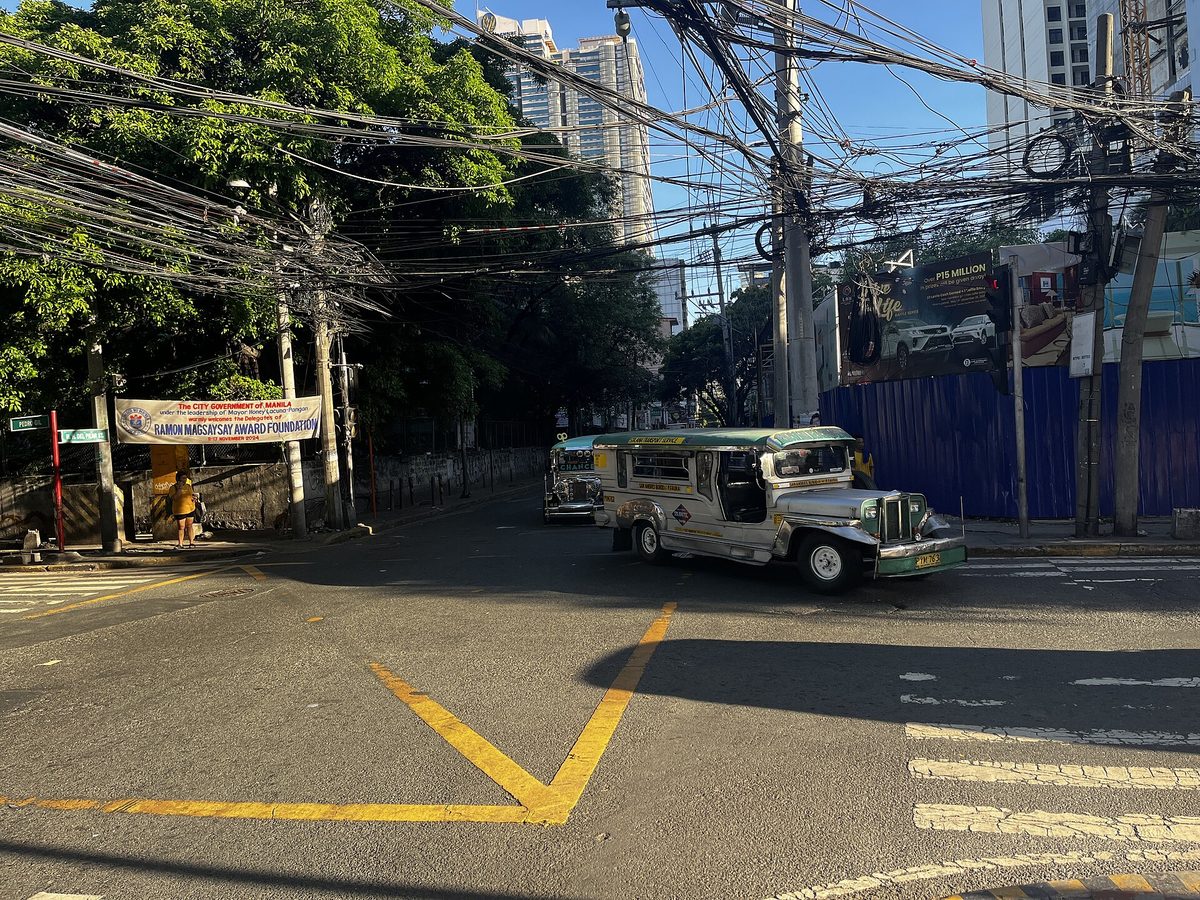
This is the dealbreaker for many. In the 2025 TomTom Traffic Index, Metro Manila drivers lost an average of 143 hours, nearly six full days, sitting in traffic, and the Philippines ranked as the most congested country in Asia. A 10-kilometer hop across the city center can eat half an hour or more. The practical lesson: plan your days by neighborhood, do far less than you think you can, and lean on Grab (the local ride-hail app) or a private driver. Bouncing between districts on a tight schedule will break you.
Pollution, heat, and humidity
With the traffic comes the exhaust. Air quality on a bad day is rough if you’re sensitive, and the tropical heat between March and May is punishing. Air-conditioned malls double as refuges, which is partly why mall culture is so central to daily life here. None of this is unmanageable, but it’s a real cost compared to the sea breeze on an island.
Flooding in the rainy season
From June to November, Metro Manila gets monsoon rains and the occasional typhoon, and parts of the low-lying city flood fast. Severe storms in 2025 swamped sections of Quezon City and Marikina within hours. If your trip falls in those months, build in schedule slack and keep an eye on the forecast. The dry, cooler window of December through April is simply easier, with January to March the sweet spot.
The first impression is sprawl, not beauty
Manila doesn’t hand you a money shot on arrival. There’s no compact, walkable old town that announces itself; the charm is pocketed and you have to go find it. Arriving travelers are often struck by the hard contrast between the glittering Makati skyline and the slums visible from the same plane window. That contrast is honest and, to some, the whole point of seeing a place properly. But if you wanted instant postcard beauty, this isn’t where you’ll find it, and there’s no shame in admitting that’s what you came for. The travelers who struggle most with Manila are the ones expecting it to perform like the islands. Reset that expectation, treat it as a working city with great food and deep history, and it stops disappointing.
Safety: perception versus reality
Manila’s reputation runs ahead of the day-to-day reality for tourists. Petty theft and scams exist, as in any large city, and government corruption and crime are real issues, but the vast majority of serious crime is between locals and doesn’t touch visitors. Most travelers who use ordinary big-city common sense, keeping valuables secure, skipping the dodgy nightlife come-ons, using Grab at night, feel fine, often safer than they expected. The honest biggest physical risk is the traffic, not crime. We dig into the specifics in our guide to whether is Manila safe for travelers.
Who should visit vs who should skip
The verdict really is personal, so here’s the framework I’d actually use.
Visit if you are:
- A first-timer to the Philippines. One or two days here gives you context, eases the jet lag, and connects you to onward flights without a stressful same-day transfer.
- A history or architecture lover. Intramuros, Rizal Park, and the national museums are genuinely worth two to three days.
- A food traveler. With the new Michelin guide and Binondo at your feet, Manila is a destination in its own right, not a layover.
- A nightlife or city-break person. Poblacion and BGC deliver the urban energy the islands can’t.
Skip or minimize if you are:
- On a short, beach-focused trip. If you have ten days and want islands, transit straight through and spend the time where the Philippines shines.
- A return visitor who has already done the city. Once you’ve seen Intramuros and eaten your way through Binondo, a second dedicated stop is optional.
- Chasing nature, wildlife, or walkable calm. Manila is none of those things, and forcing it will sour your trip.
Families sit in the middle: visit, but choose your spots. Base yourself in BGC for clean, walkable streets, use the big malls and Manila Ocean Park as heat-and-meltdown insurance, and keep travel days short. With kids, less is genuinely more here.
How many days is Manila worth?
For most travelers, one to two days is the sweet spot, and how you spend them matters more than how many you book. A tight but satisfying single day looks like this: Intramuros and Rizal Park in the cooler morning hours, a Binondo food crawl for lunch, the free national museums or the Ayala Museum’s pre-colonial gold in the afternoon when the heat peaks, then Poblacion or a Manila Bay sunset to close. That’s a real day, not a rushed one, provided you cluster it and don’t fight the traffic.
A second day buys you breathing room: a slower museum morning, a neighborhood you skipped, or a day trip out to Taal or Tagaytay. History and food lovers can happily fill three. Beyond three days, unless you’re working, settling in, or using the city as a base for several day trips, you’ll likely feel the pull to move on, and that instinct is correct. The consensus among honest guides and locals lands in the same place: see Manila in two to three days, then get to the islands while you still have trip left.
If you only have a layover
A layover doesn’t have to be dead time. With four hours of genuine free time you can taxi into a single Intramuros walk or a Binondo lunch and back. With eight to ten hours you can comfortably do both. The catch is always the traffic, so build a generous buffer for the return to NAIA and don’t cut it fine. If a long connection is all you’ve got, our dedicated Manila layover guide breaks down exactly what’s doable by the number of hours you’re holding.
How Manila fits your Philippines route
The cleanest way to think about it: Manila is the front door, not the house. A typical two-week trip lands in Manila, spends one to two days getting oriented and fed, then flies onward to Palawan, Cebu and Bohol, or Siargao for the islands, often looping back through Manila for the flight home (a natural moment for that second, optional day or a final meal). Building this properly is exactly what our Philippines itinerary guide is for, and the broader Manila travel guide (overview) ties together where to stay, how to get around, and what to prioritize once you’ve committed to the stop.
A quick word on a common dilemma: Manila or Cebu first? If you’re flying internationally, your routing often decides it for you, since both are major gateways. If you have a real choice, Cebu is the more relaxed, more manageable introduction and sits closer to island-hopping, while Manila gives you the deeper history-and-food hit. Many travelers fly into whichever the cheap flight lands at and save the other for the trip home. Either way, you won’t have to choose between them so much as sequence them, and Manila usually wins the bookend slots simply because that’s where the long-haul flights go.
First-timer vs returnee: how the verdict shifts
Your answer to “is Manila worth visiting” changes with how many times you’ve been. For a first-timer, the city is part of the education: it’s where you calibrate to the Philippines, get your SIM and pesos sorted, and see the country’s scale and contrasts up close before the islands lull you. Skipping it entirely on a first trip means missing the context that makes everything after it land harder.
For a returnee, the calculus flips. You’ve done Intramuros, you know the Binondo lanes, the novelty of the skyline has worn off. On a second or third trip, Manila becomes a transit point you pass through efficiently, maybe pausing for one new restaurant or a day trip you missed last time. That’s not a knock on the city. It’s just that its core sights are finite, and the Philippines beyond it is close to infinite.
Frequently asked questions
Is Manila worth visiting for first-time travelers?
Yes, for most. One to two days in Manila gives first-timers context, easy onward connections, and a real taste of Filipino food and history before they head to the islands. The traffic and sprawl are real, but a short, well-planned stop is almost always worth it on a first Philippines trip. Beach-only travelers on a tight schedule are the main exception.
Should I skip Manila and go straight to the islands?
Only if your trip is short and entirely beach-focused. If you have ten days or fewer and want pure island time, transiting straight through is reasonable, since the Philippines truly shines in its islands. But if you have two weeks or any interest in history, food, or city life, a day or two in Manila adds more than it costs.
Is Manila safe for tourists?
For most visitors, yes. Petty theft and scams exist, but serious crime overwhelmingly involves locals, not tourists. Standard big-city sense, securing valuables, using Grab at night, and avoiding sketchy nightlife pitches, is enough. Many travelers feel safer here than expected. Honestly, the traffic poses more day-to-day risk than crime does.
How many days do you need in Manila?
One to two days suits most travelers. That covers Intramuros, a Binondo food crawl, and a night out or a bay sunset. History and food lovers can fill two to three days, and a day trip to Taal or Tagaytay justifies an extra night. Beyond three days, most visitors are ready to move on to the islands.
Is Manila or Cebu better to visit first?
It often comes down to flights, since both are international gateways. Cebu is the more relaxed introduction and sits closer to island-hopping; Manila offers deeper history and the country’s best food scene. If you can choose, fly into whichever flight is cheaper and save the other for the way home so you experience both.
What is the best time of year to visit Manila?
The dry season from December to April is easiest, with January through March the sweet spot for cooler, less humid weather. May gets very hot, and June to November brings monsoon rains and possible flooding. December is festive but crowded with holiday travelers, so book ahead if you go then.
Sources and photo credits
Photo credits
All images are from Wikimedia Commons under their respective licenses.
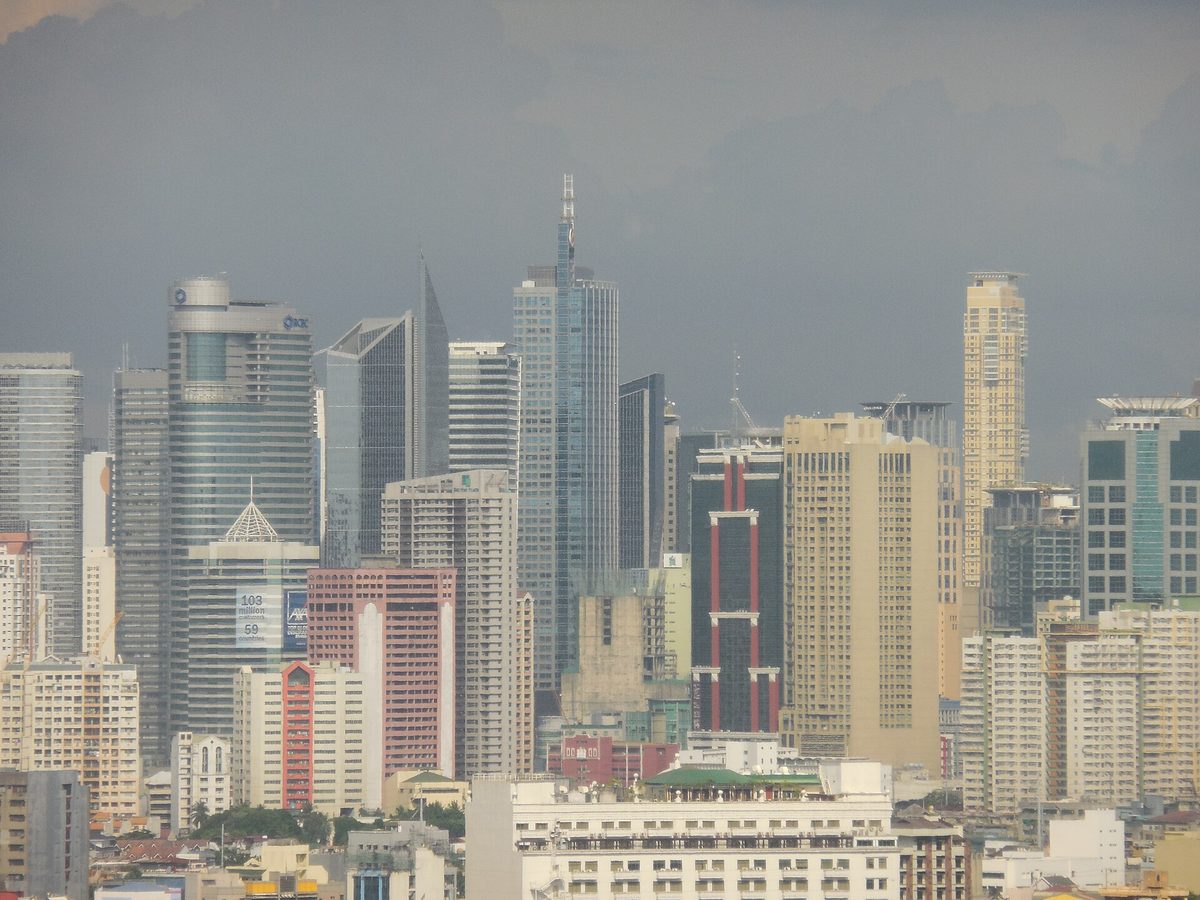
- Manila skyline at dusk, a common first sight that makes travelers ask is Manila worth visiting — Photo: Lawrence Ruiz / CC BY-SA 4.0 via Wikimedia Commons.
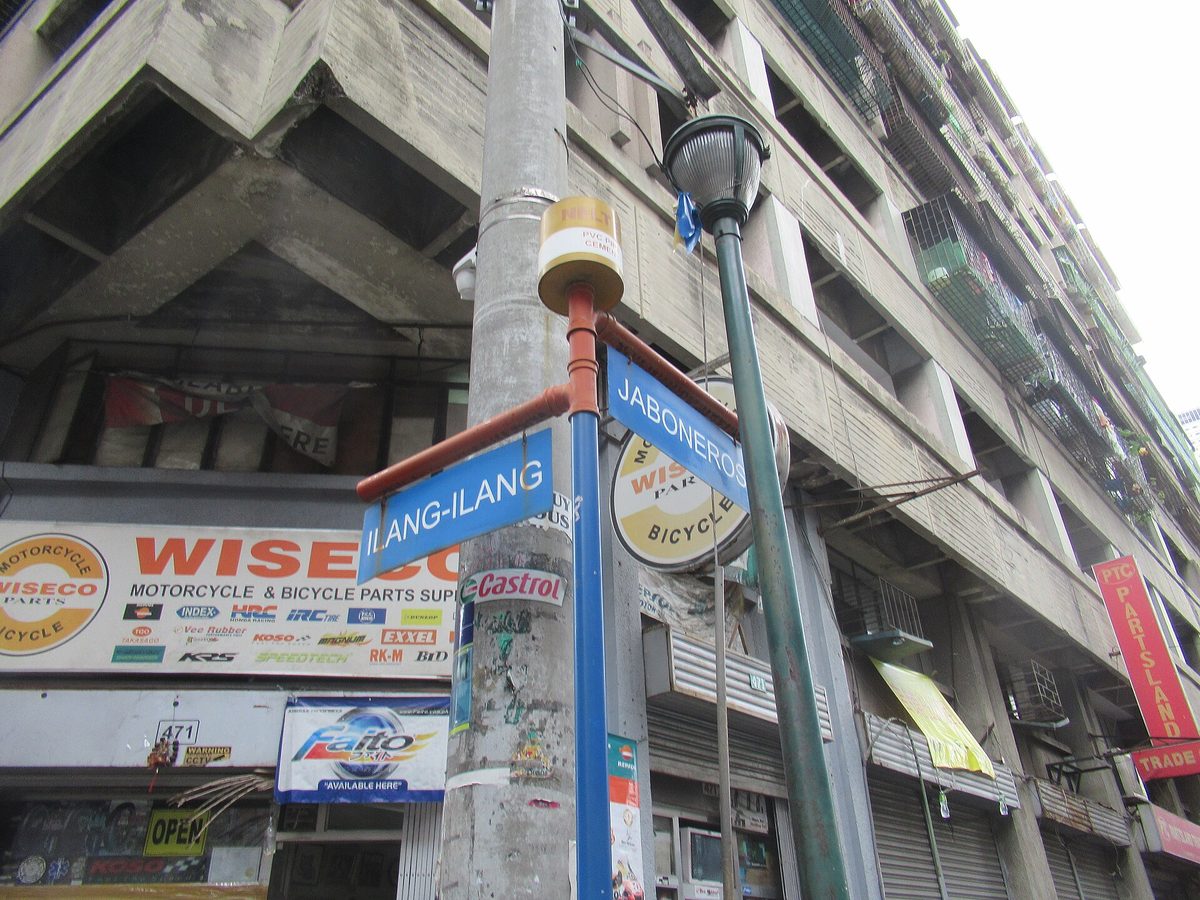
- Street life in Binondo, the historic Chinatown district of Manila — Photo: Zarate123 / CC BY-SA 4.0 via Wikimedia Commons.
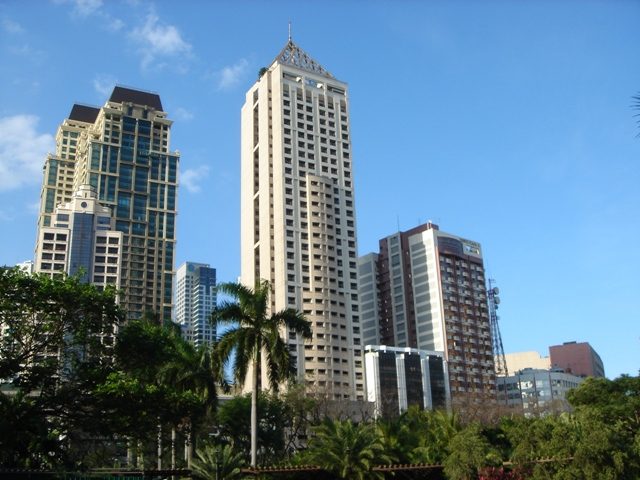
- Modern high-rise towers of the Makati business district in Manila — Photo: Shoestring (CC0) via Wikimedia Commons.
- Colorful jeepney on a busy Manila street, part of the city’s daily traffic and life — Photo: Aliceinthealice (CC0) via Wikimedia Commons.
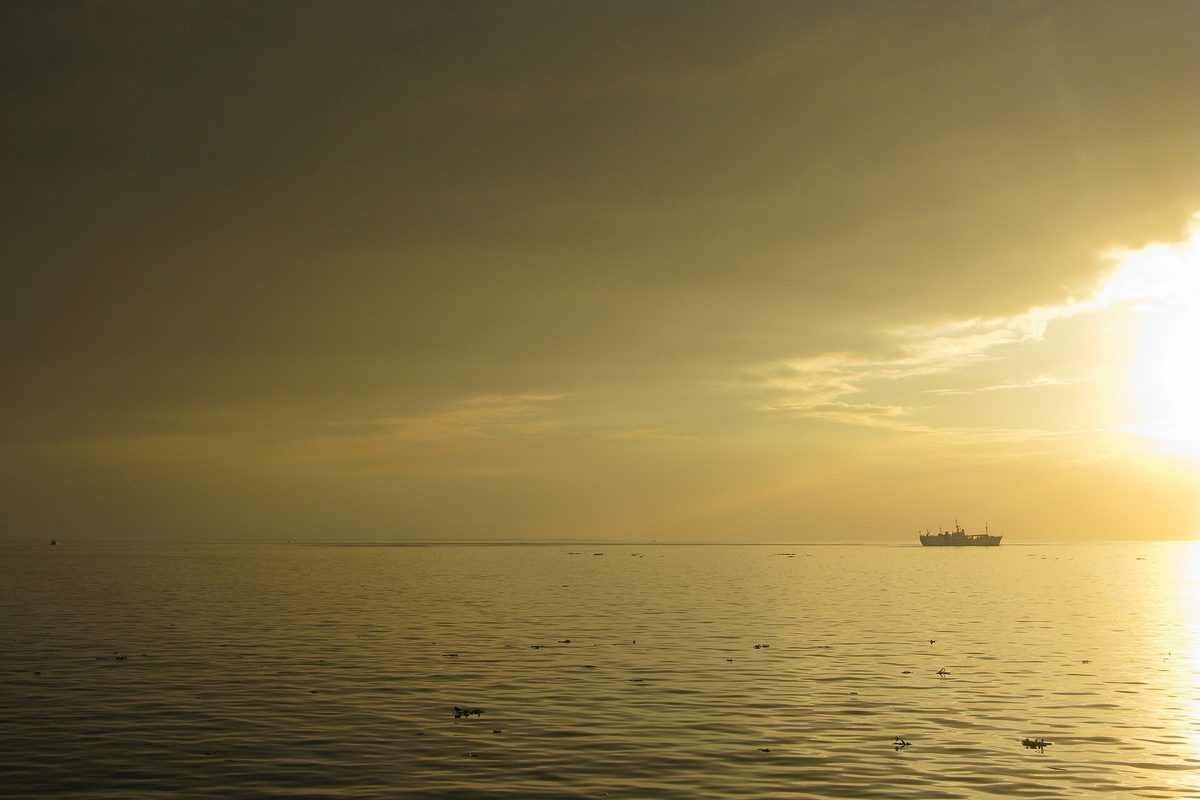
- Sunset over Manila Bay seen from the waterfront promenade in Manila — Photo: Vyacheslav Argenberg / CC BY 4.0 via Wikimedia Commons.
Sources
- National Geographic, “Manila 2026: When to visit, where to stay, and what to do” (Best of the World 2026)
- The MICHELIN Guide, inaugural Philippines selection 2026 (Manila & Environs and Cebu)
- TomTom Traffic Index 2025, Metro Manila congestion data
About this guide: PhilippinesTourism.org is an independent Philippines travel resource; this guide was researched and verified June 2026.