Domestic Flights in the Philippines: Airlines and Booking
If you want to see more than one island, you will fly. The Philippines is 7,000-plus islands spread across a country wider than it looks on a map, and domestic flights are the glue that holds any real itinerary together. Three carriers do most of the work, fares swing wildly with seat sales, and the cheapest ticket is rarely the cheapest trip once bags are added. Here is how to book it right.
Below is the honest version: which airline to pick, how to actually catch the cheap fares, what Cebu Pacific baggage really costs, and the booking traps that quietly inflate a ₱1,200 ticket into a ₱3,500 one. This guide sits under our wider primer on getting around the Philippines, which covers ferries, buses and the rest.
The three airlines at a glance
Ninety-five percent of domestic seats come from three names: Cebu Pacific, Philippine Airlines, and AirAsia. Here is how they actually differ when you are choosing a flight, not reading a brochure.
| Airline | Model & fare feel | Checked bag | Main Manila hub (2026) | Best for |
|---|---|---|---|---|
| Cebu Pacific (5J) | Low-cost; lowest published base fares, you pay for everything | Not included; prepay by the piece | NAIA T3 (check your booking) | The widest route map and the cheapest seat-sale fares |
| Philippine Airlines (PR) | Full-service flag carrier; pricier base, more included | Usually included on Value/Flex fares (often 20kg) | NAIA T2 north | Travelers who want a bag, a seat and fewer surprises |
| AirAsia (Z2) | Low-cost; frequent aggressive sales, smaller network | Not included; prepay add-on | NAIA T2 (domestic) | Sale-hunters on the routes it actually flies |
The shorthand I give first-timers: book Cebu Pacific or AirAsia when there is a sale and you are happy to manage your own baggage, and book Philippine Airlines when you want a checked bag, a slightly roomier experience, and one less thing to think about at the airport. On most routes the gap between them shrinks once you add a bag to the budget fare, which is the single most important sentence in this guide.
The main domestic airlines, in plain terms
Cebu Pacific: cheapest fares, strictest rules
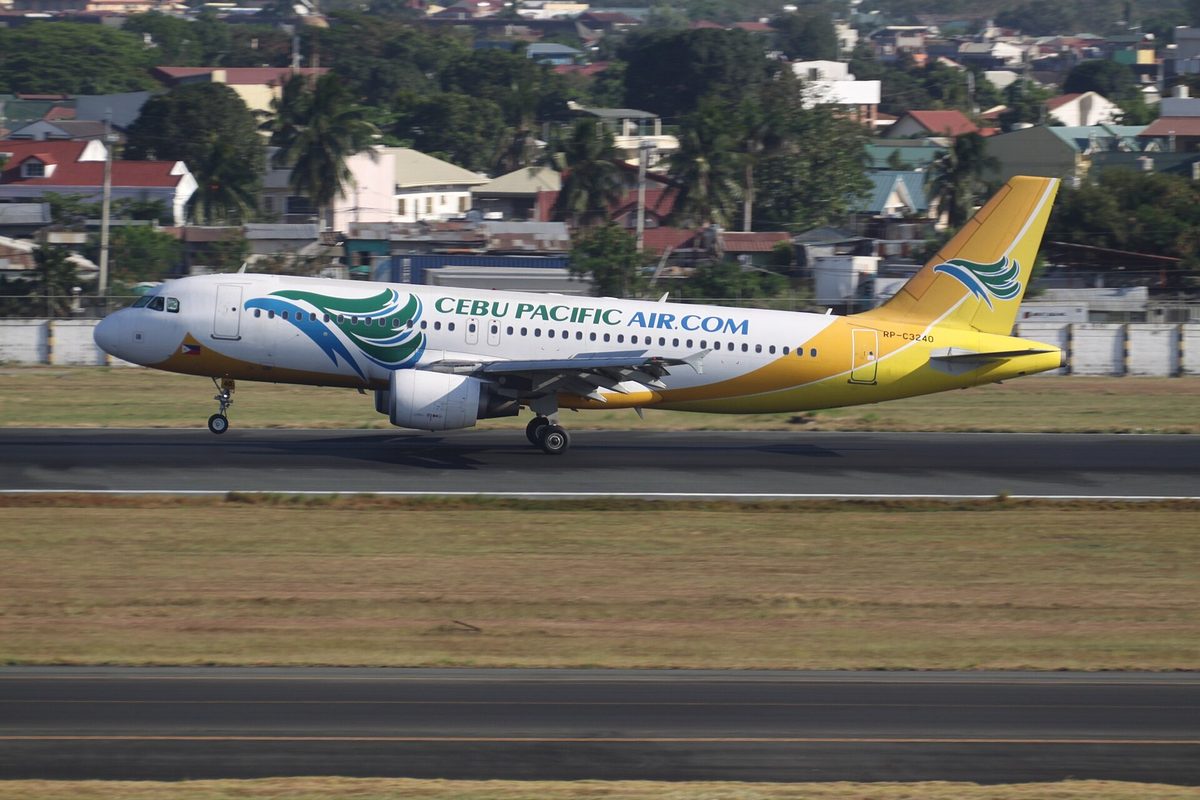
Cebu Pacific is the giant. It flies the densest domestic network in the country, from Manila and Cebu out to Caticlan (for Boracay), Puerto Princesa, Siargao, Tagbilaran, General Santos and dozens of smaller strips, often several times a day. Its sister brand Cebgo runs the smaller turboprop routes. The base fares are genuinely the lowest in the market, and during a seat sale they are absurd. The catch is the model: nothing is bundled. No checked bag, no chosen seat, no snack. If you book the headline fare and add a 20kg bag, a window seat and a sandwich, you can roughly double the price. None of that is a scam. It just means you have to read the add-on screen instead of clicking through it.
Philippine Airlines: the comfortable default
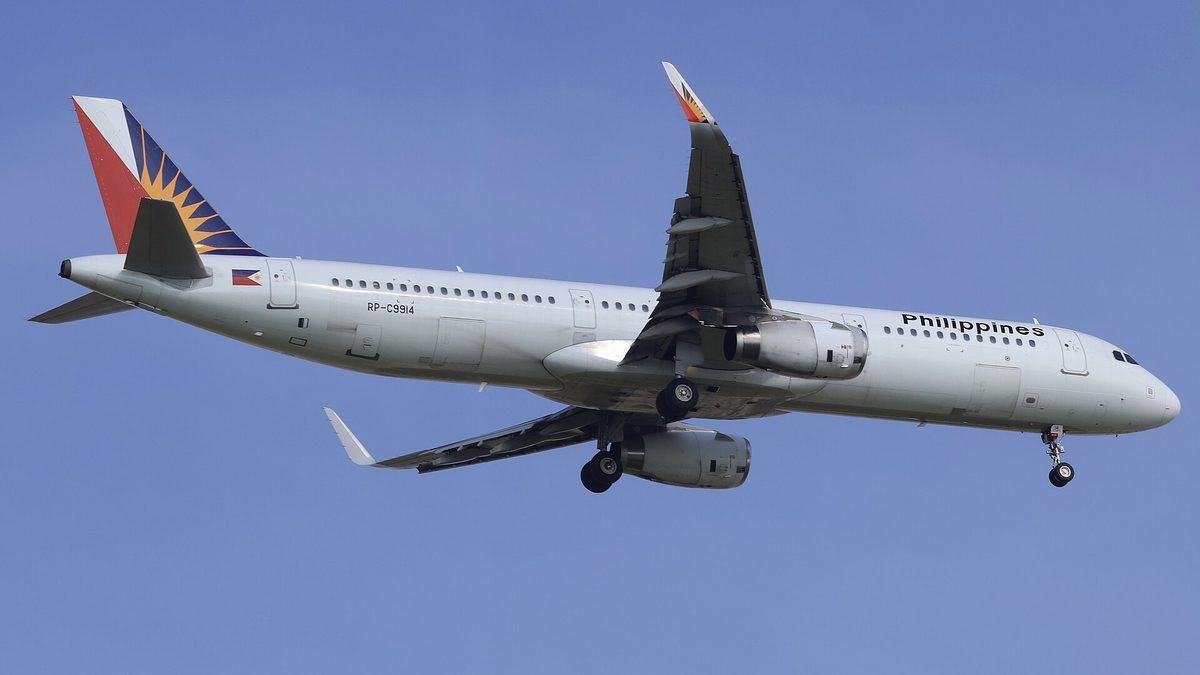
Philippine Airlines (PAL) and its regional arm PAL Express are the full-service option. Most domestic fares above the cheapest “Supersaver” tier include a checked bag, you get a real seat assignment and usually a small snack, and the cabins feel a notch calmer. You pay for that. On a quiet route with no sale on, PAL is frequently a few hundred to a thousand pesos more than the Cebu Pacific base fare. But on routes where you would buy a bag anyway, the all-in prices often land within a hair of each other, and I will happily pay a small premium to skip the baggage-counter math. PAL also tends to be the more reliable choice for tight same-day connections.
AirAsia: the sale specialist
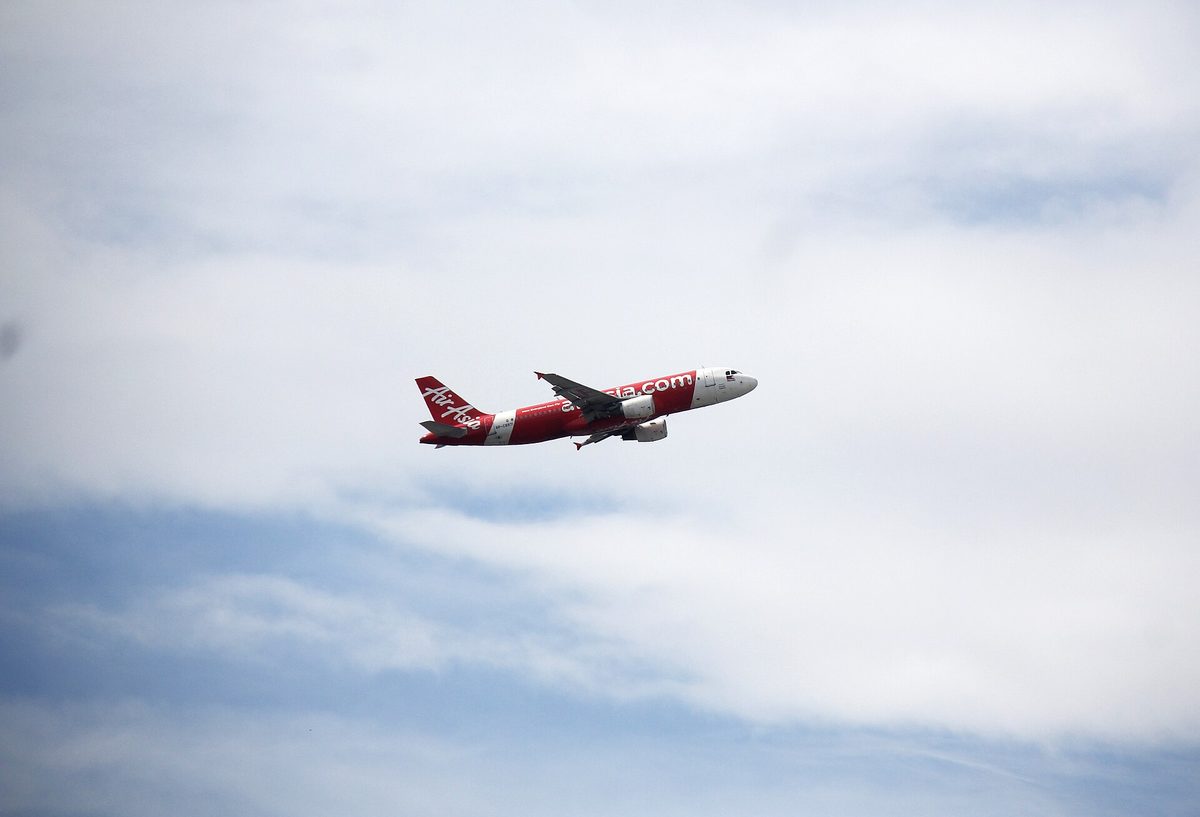
AirAsia Philippines is the third force. Its network is smaller than the other two, so it does not serve every island, but on the routes it does fly it is a serious price competitor and runs frequent, aggressive promos. The model is pure budget, same as Cebu Pacific: low base fare, pay for bags and seats. If you are flexible on timing and willing to check a few airlines, AirAsia will sometimes undercut everyone. Its Manila domestic flights now run from NAIA Terminal 2, but the whole airport is mid-reshuffle, so double-check your departure terminal on your own booking (more on that mess below).
The boutique and turboprop carriers
Beyond the big three, smaller operators fill the gaps. AirSwift and Sunlight Air run “boutique” turboprop routes to places the jets cannot reach well, and they cost more per kilometer. AirSwift in particular is now the way you reach El Nido by air, but as of 2026 it flies from Clark, not Manila, which changes Palawan planning more than people expect. If your trip includes the islands in our Palawan travel guide, read the Clark section before you book anything.
How to find the cheapest domestic flights in the Philippines
The cheapest domestic flights in the Philippines almost never come from booking on a whim. They come from two habits: catching the seat sales, and avoiding the price-inflating add-ons you do not need. Get both right and a Manila-to-anywhere ticket lands around ₱1,200 to ₱2,500 (about $19 to $40) most of the year, with seat-sale fares dipping well below that.
Catch the seat sales
All three budget-leaning carriers run regular promos, and Cebu Pacific’s famous “Piso Sale” prices the base fare at one peso, though taxes and fees still bring a domestic ticket to roughly ₱1,000 to ₱1,300 (about $16 to $21) one-way. These sales are real but ruthless: a limited block of seats, sold first-come, usually for travel months ahead. To actually catch one, do the boring prep work. Make a frequent-flyer account with each airline before you need it (Cebu Pacific’s GetGo, PAL’s Mabuhay Miles), save a card, and turn on the airline’s app notifications and email alerts. When a sale drops, the people who already have an account and a payment method on file get the seats; everyone else watches the good dates sell out while they are still typing their passport number.
Use the timing tricks that genuinely move the price
- Book 2 to 3 months out for normal (non-sale) fares. Last-minute domestic tickets are punishing.
- Fly midweek. Tuesday, Wednesday and Thursday departures are reliably cheaper than Friday-to-Sunday.
- Take the ugly hours. Compare the 5am and late-night departures with the midday ones; the awkward times are often where the better fares sit.
- Avoid the peak windows. Christmas-New Year, Holy Week, and the hot March-to-May stretch all spike domestic fares. For the cheapest seats and decent weather, target the shoulder months around the best time to visit.
- Compare on Google Flights to scan all carriers at once, then book directly on the airline’s own site to dodge agency markups and to make changes less painful.
Choose the right fare type, not just the lowest number
This is where most travelers overpay. The cheapest fare bucket is almost always a bare base fare with no bag and no changes. Before you celebrate, add the bag you will actually bring and check the total. Often the next fare tier up, or the same route on PAL, costs only a little more once a bag is included, and it comes with a real seat and easier changes. Buy the cheapest total trip, not the cheapest headline.
Booking Philippines domestic flights step by step
The mechanics are simple once you know where the traps are. Here is the sequence I use.
- Search wide, then book direct. Compare carriers and dates on Google Flights, but complete the purchase on the airline’s own website or app. Direct bookings make rebooking and refunds far less of a nightmare.
- Pick the fare with eyes open. Read what each fare tier includes. Decide on your bag now, not at the airport.
- Add baggage during booking. Prepaid online bags cost roughly half what you pay at the check-in counter. Do it at booking, not at the airport.
- Skip the upsells you do not need. Travel insurance, premium seats and meals are all optional. Decline what you will not use.
- Pay carefully. Foreign cards usually work fine, but some are flagged; if a card is declined, try another or use the app. Screenshot the confirmation and your e-ticket. Connectivity at small airports is unreliable, so do not rely on pulling up an email live.
- Check the terminal on your itinerary. Do not assume. The terminal printed on your booking is the only source that matters in 2026 (see below).
The onward-ticket gotcha: immigration on arrival into the Philippines can ask to see proof of onward travel out of the country. A domestic flight does not satisfy that, so if you are flying in internationally, have your exit ticket sorted before you land. It is rarely checked, but when it is, it is non-negotiable, and it has nothing to do with your domestic hops once you are inside.
Cebu Pacific baggage: the rules that cost people money
If one thing trips up visitors, it is Cebu Pacific baggage. The fare you see does not include a checked bag, the cabin allowance is small, and the price of a bag jumps the longer you wait to buy it. Here is the system in plain terms.
Carry-on: your fare includes a hand-carry allowance of up to 7kg, plus a small personal item. Cebu Pacific does weigh and gate-check cabin bags when flights are full, so do not assume a heavy “carry-on” will sail through. If it is over 7kg, it is going in the hold, and paying for that at the gate is the most expensive way to do it.
Checked bags are prepaid by the piece. You buy an allowance, not a fixed per-bag fee. Each piece starts at 20kg and can be upgraded by 4kg, 8kg or 12kg, up to 32kg per piece. The numbers move with promos and route, but as a 2026 rule of thumb, expect a 20kg piece to run somewhere around ₱700 to ₱1,500 (roughly $11 to $24) when added during booking, climbing as you go heavier and dropping during sales. The exact figure shows on the add-on screen, so check the live rate when you book; the principle never changes.
The golden rule: prepay online, and prepay early. Adding a bag at the airport check-in counter costs far more than the online price, and buying it during initial booking is cheaper than adding it later through Manage Booking. As of 2026 a checked bag bought at the domestic airport counter runs around ₱2,000 to ₱2,500, well above the prepaid rate, so verify current figures but assume the gap is brutal. Excess weight beyond your purchased allowance is then charged per kilo at the counter at a steep rate. The translation: pre-buy your bag when you book, or bleed money at the airport.
One allowance per passenger per flight. You buy one prepaid allowance per person per sector, and your total checked weight has to fit inside it. Heavy single bags are also capped (typically 32kg per piece by handling rules), so spread weight across bags if needed. Prepaid baggage on Cebu Pacific is generally non-refundable, so buy what you will actually use.
Philippine Airlines vs Cebu Pacific: which should you book?
The Philippine Airlines vs Cebu Pacific question comes down to one trade: a higher, simpler price versus a lower price you have to manage. Here is how I actually decide.
| If you… | Book… | Why |
|---|---|---|
| Are traveling carry-on only | Cebu Pacific or AirAsia | You skip the one cost the budget fare leaves out, so the low fare actually stays low. |
| Are checking a bag anyway | Compare all-in; PAL often wins | Once a bag is added to the budget fare, the gap to PAL’s bundled fare often shrinks to near nothing. |
| Have a tight onward connection | Philippine Airlines | More slack in the schedule and smoother rebooking when things slip. |
| Found a real seat sale | Whoever is selling it | A genuine Piso/seat sale beats brand loyalty. Add your bag and confirm the total still wins. |
| Want the least hassle | Philippine Airlines | Bag, seat and snack included means fewer decisions and fewer airport surprises. |
My honest default: I price the budget fare with a bag, price PAL’s comparable fare, and book whichever total is lower; ties go to PAL for the comfort. The brands are not as far apart as their reputations suggest once you compare like for like.
Routes: where you fly, and where you ferry instead
Not every island needs a flight, and some islands you cannot sensibly reach any other way. The art of a good Philippines itinerary is knowing which is which.
Fly these. Manila or Cebu to the far-flung headliners: Caticlan for Boracay (the short hop most people take, covered in our guide to getting to Boracay), Puerto Princesa for southern Palawan, Siargao for surfing, Davao and General Santos in Mindanao, and Tagbilaran or Bohol-Panglao. Crossing the country by land and sea to reach these would eat days you do not have.
Ferry these. Short interisland hops are often faster and cheaper by boat than by air once you count airport time. Cebu to Bohol, Cebu to Dumaguete or Siquijor, and the little Caticlan-to-Boracay pumpboat are classic ferry moves. Flying them rarely makes sense. We break the boat side down fully in getting around the Philippines.
The hybrid plays. Some routes are cheaper as a fly-then-ferry combo. Flying into Cebu and ferrying onward to Bohol can beat a direct flight, and reaching El Nido now usually means flying to Puerto Princesa and driving north, or taking the Clark turboprop. Build these into your Philippines itinerary rather than discovering them at the counter.
The March 2026 turboprop move to Clark, and what it means
This is the change that catches people out, so read it carefully. As of March 29, 2026, all of Cebu Pacific’s and Cebgo’s turboprop flights, plus AirSwift’s, left Manila’s NAIA for Clark International Airport (CRK), about two hours north of the capital. The headline consequence: there is effectively no direct NAIA-to-El Nido flight anymore. AirSwift’s old Manila-El Nido service ended, replaced by roughly six daily Clark-El Nido flights. Cebgo’s Coron (Busuanga) and Naga turboprop routes from Manila moved to Clark too.
What it means for your plan: if you are flying to El Nido or Coron by turboprop, you now start at Clark, not Manila. Getting from Manila to Clark means a P2P bus or a Grab ride, and the time depends on where you start and on traffic, so build that transfer (and a generous buffer) into your day. Do not book a tight same-morning connection between a Manila arrival and a Clark departure. The cleaner alternatives are flying jet into Puerto Princesa and driving up to El Nido, or simply starting your Palawan leg from Clark on purpose. Either way, plan it on purpose instead of being surprised.
Airports and terminals: check your booking, every time
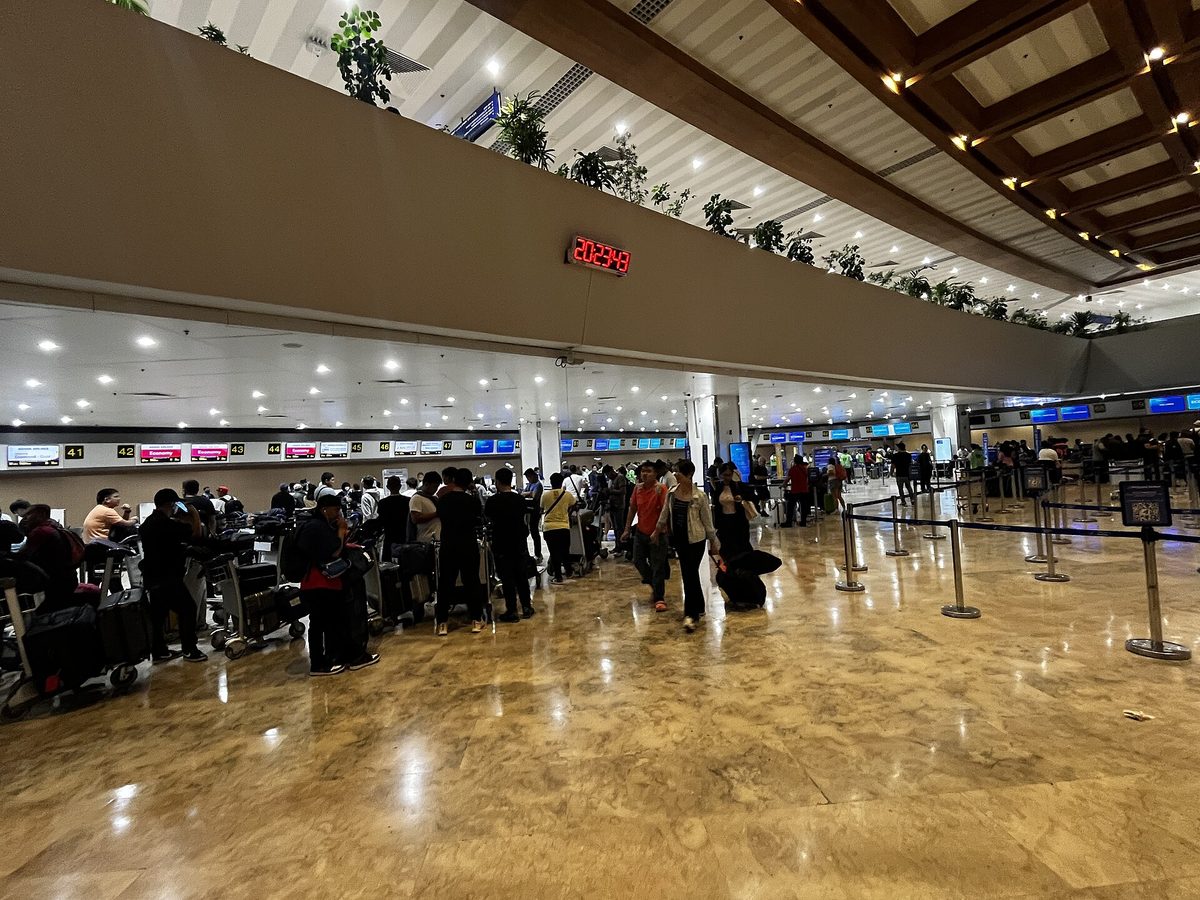
Manila’s NAIA has been through a terminal reshuffle under its new private operator, and international assignments changed again in March and April 2026. As a rough current map: Terminal 2 is the main domestic terminal, with Philippine Airlines, PAL Express and AirAsia Philippines based here; Cebu Pacific runs its domestic flights out of Terminal 3; and Terminals 1 and 3 handle international, with Cebu Pacific international at T3. NAIA has only Terminals 1 to 3 in use, so check which one your booking names.
The one rule that will save you: the terminal printed on your own booking is the only source you should trust. Do not rely on a blog, a friend’s last trip, or even this paragraph. Open your itinerary, confirm your terminal, and confirm it again a day before you fly. The terminals are not connected airside either, so changing between them means a landside transfer by the free shuttle (or a Grab), and your airline can tell you whether you need to collect your bags and check in again. Allow ample time for any terminal change; Japan Airlines, for one, advises more than 180 minutes for connections involving other terminals. If you have a long gap in Manila between flights, our Manila layover guide covers what to do with the time. One bit of good news: the terminal fee (PHP 390 for a domestic flight, PHP 950 for an international one) is normally included in your fare, so check the fare breakdown rather than expecting a booth to pay at on the way out.
Quick picks by type of traveler
- The backpacker counting pesos: carry-on only, chase seat sales on Cebu Pacific and AirAsia, fly midweek at ugly hours, and never buy a bag at the airport. Factor flights into your overall Philippines travel cost early, because they add up fast across a multi-island trip.
- The two-week island-hopper: mix flights for the long legs with ferries for the short ones, and book the flights 2 to 3 months out so you are not paying last-minute rates on every hop.
- The comfort-first traveler: default to Philippine Airlines, take the bundled-bag fare, and enjoy not doing baggage math. The premium is small and the calm is real.
- The family with luggage: compare all-in prices with bags added. PAL’s included allowance often makes it the cheaper and simpler choice once you are checking multiple bags.
Frequently asked questions
Which is the cheapest airline for domestic flights in the Philippines?
Cebu Pacific usually posts the lowest base fares, with AirAsia close behind, and both run frequent seat sales. But “cheapest fare” is not “cheapest trip.” Once you add a checked bag to a budget ticket, the total can land near Philippine Airlines’ bundled price. Compare the all-in cost with your actual bag, not the headline number, on every route.
How much is Cebu Pacific baggage for a domestic flight?
Checked bags are not included; you prepay an allowance by the piece, starting at 20kg. As a 2026 guide, a 20kg piece added during booking runs roughly ₱700 to ₱1,500 (about $11 to $24), more for heavier upgrades and less during sales, and the exact price shows on the add-on screen, so verify the current rate at booking. Crucially, buying that same bag at the airport counter costs far more (around ₱2,000 to ₱2,500 in 2026), so always prepay online and prepay early.
Can I still fly directly from Manila to El Nido?
Not by turboprop anymore. As of March 29, 2026, AirSwift’s Manila-El Nido service ended and those flights now run from Clark, north of Manila. To reach El Nido you either fly Clark-El Nido or fly a jet into Puerto Princesa and drive north. Plan the Manila-to-Clark transfer into your day with a buffer.
How early should I arrive for a domestic flight?
Aim for two hours before departure for domestic flights. That covers check-in, bag drop and security with margin. If you are transferring between NAIA terminals, which are not connected airside, allow generous extra time for the landside transfer, and ask your airline whether you need to collect and re-check your bags. When in doubt, give yourself more time at Manila specifically.
Is Philippine Airlines or Cebu Pacific better for domestic travel?
Neither is universally better; they suit different trips. Cebu Pacific wins for carry-on travelers and genuine seat sales. Philippine Airlines wins when you are checking a bag anyway, want a guaranteed seat and snack, or have a tight connection. Price the budget fare with a bag against PAL’s bundled fare and book whichever total is lower; lean PAL on ties for comfort.
Which terminal do domestic flights use at Manila NAIA?
Terminal 2 is the main domestic terminal, with Philippine Airlines, PAL Express and AirAsia Philippines based there, while Cebu Pacific runs its flights from Terminal 3. NAIA operates Terminals 1 to 3 only. Assignments can change, so treat the terminal printed on your own booking as the only reliable source and reconfirm it the day before you fly.
The bottom line
Domestic flying in the Philippines is cheap, frequent and genuinely good once you know the rules: book direct, catch the sales, prepay your bag, compare all-in prices instead of headline fares, and always trust the terminal on your own itinerary over anything else. Get those habits down and the hardest part of an island-hopping trip becomes the easy part.
Sources and photo credits
Photo credits
{{CREDITS}}
Sources
- Cebu Pacific (official) for current fares, baggage tiers and booking
- Philippine Airlines (official) for fare families and domestic baggage allowances
- Manila International Airport Authority (MIAA) for NAIA terminal assignments
- Inquirer on the March 2026 NAIA-to-Clark turboprop transfer
About this guide: PhilippinesTourism.org publishes independent, on-the-ground Philippines travel guides. Information verified September 2026.