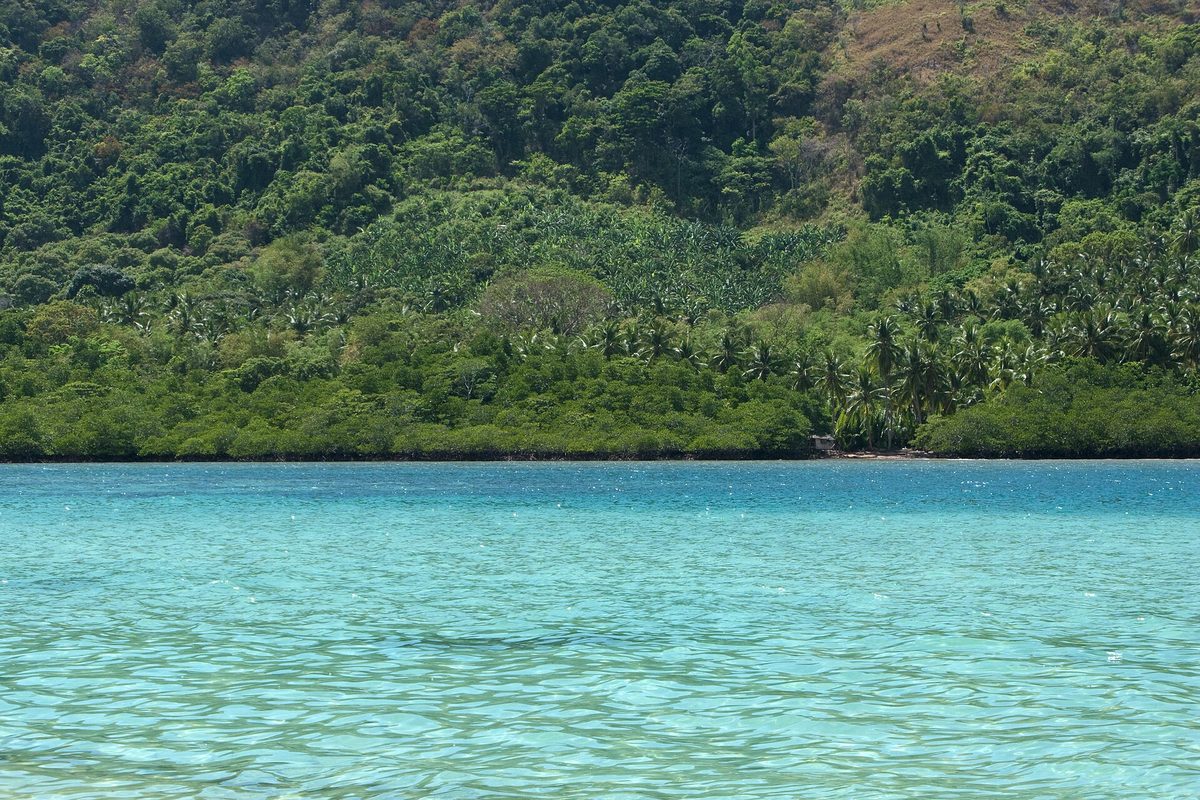
Philippines vs Thailand: Which Should You Visit?
The short answer to Philippines vs Thailand: pick the Philippines for emptier, more dramatic beaches and easy English, and pick Thailand for simple logistics, world-famous food, and a friction-free first trip. Both are brilliant. Having spent months across both, my honest take is that the Philippines rewards effort while Thailand removes it.
This guide sits under our pillar on the best islands in the Philippines, so I will be fair to Thailand but I am not going to pretend the calls are always close. Where the Philippines genuinely wins, I will say so, with reasons.
Philippines vs Thailand at a Glance
Here is the short version before we get into the weeds. If you only read one thing, read this table, then jump to the categories that matter most for your trip.
| Category | Philippines | Thailand | Edge |
|---|---|---|---|
| Beaches & islands | 7,640+ islands, raw and spread out: El Nido, Coron, Siargao, Boracay | Polished and clustered: Phi Phi, Krabi, Phuket, Samui | Philippines for scenery, Thailand for ease |
| Getting there & around | Long-haul usually connects; lots of island flights and ferries | Direct flights to Bangkok; trains, buses, short ferry hops | Thailand |
| Cost (daily) | Around $40–120/day; transport adds up | Around $35–110/day; cheaper street food and transit | Thailand (slightly) |
| Food | Underrated: lechon, sinigang, kinilaw, sisig | Globally famous: pad thai, curries, som tam, street food | Thailand |
| Nightlife | Good in Boracay, El Nido, Cebu, Manila | Legendary: Bangkok, full-moon parties, Phuket | Thailand |
| Culture | Catholic-Spanish-Malay mix, huge fiestas | Buddhist temples, palaces, deep heritage | Different, not better or worse |
| English | Co-official and spoken almost everywhere | Decent in tourist zones, patchy elsewhere | Philippines |
| Best for | Divers, beach obsessives, repeat Asia travelers | First-timers, foodies, easy multi-stop trips | Depends on you |
| Crowds | Quieter overall; a few hotspots get busy | Heavier tourism, some over-touristed islands | Philippines |
Notice there is no single winner row. That is deliberate. The right pick depends entirely on what kind of traveler you are, and the rest of this guide is built to help you find your row.
Beaches and Islands: Raw Drama vs Easy Postcards
This is the category most people are really asking about, so let me be specific. The Philippines has more than 7,000 islands, and the standouts feel genuinely wild. El Nido and Coron in Palawan deliver towering limestone karst, hidden lagoons you reach by kayak, and water that turns an almost cartoonish shade of green. Siargao is a surf island with a slow, barefoot rhythm. Boracay has the country’s most famous strip of powder-white sand. For more on where to land, our guide to the best beaches in the Philippines goes deeper, and our Palawan guide covers El Nido and Coron in detail.
Thailand’s beaches are gorgeous too, and they are far easier to string together. The Andaman coast around Krabi, Railay, and Phi Phi has the same dramatic cliffs you see in the Philippines, just with more boats, bars, and beach clubs around them. Koh Samui, Koh Phangan, and Koh Tao on the Gulf side cover everything from spa resorts to dive schools to the full-moon party. The trade-off is crowds: places like Maya Bay on Phi Phi got so popular that Thai authorities have had to close and ration access to let the reef recover.
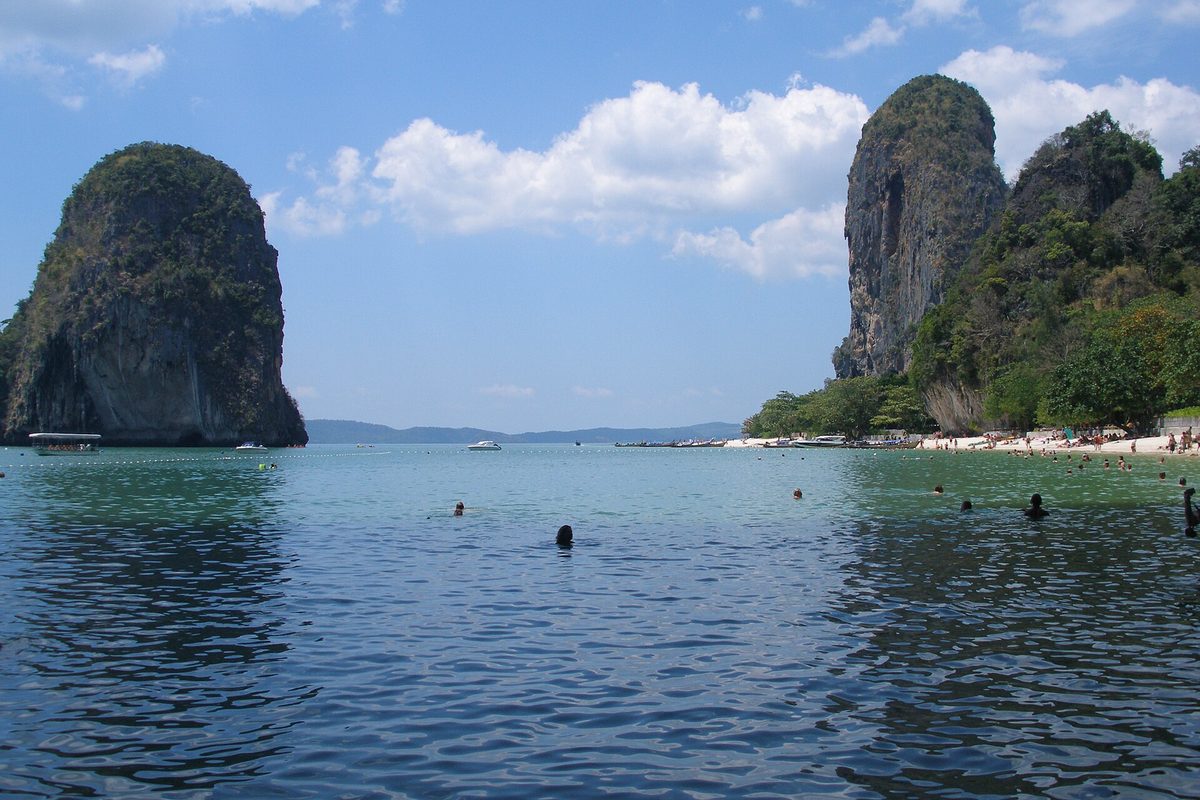
Here is the honest distinction. One thing I will say without hedging: at their best, Philippine islands are more visually dramatic and far less crowded than Thailand’s most famous beaches. The catch is that the very best spots, like the lagoons around El Nido and Coron, are not walk-out-your-hotel beaches. You join a boat tour (locally labeled Tour A, B, C, or D) to reach them. In Thailand, world-class sand is more often right outside your room.
Mini-verdict: Philippines for raw, uncrowded, jaw-dropping scenery; Thailand for convenient, polished, easy-access beaches. If you measure a beach trip by how little effort it takes, Thailand wins. If you measure it by the photo and the feeling of having space, the Philippines does.
Getting There and Getting Around
Thailand is simply easier to reach and easier to cross. Bangkok is one of Asia’s biggest air hubs, with direct long-haul flights from Europe, the Middle East, Australia, and a handful of US gateways. Once you land, the country is a connected mainland: cheap domestic flights, a real train network including overnight sleepers to Chiang Mai, comfortable long-distance buses, and short ferry hops to the islands. You can do a classic two-week route (Bangkok, Chiang Mai, southern islands) largely overland with a single ferry crossing.
The Philippines is an archipelago of three island groups, Luzon, the Visayas and Mindanao, and the geography shows up on your itinerary and your budget. Most long-haul travelers connect through a hub like Tokyo, Seoul, Hong Kong, Doha, or Singapore rather than flying nonstop. Inside the country, there is no useful train network, so getting between islands means domestic flights and ferries. Manila’s airport is congested, and inter-island schedules can shift with weather. None of this is a dealbreaker, but it means you plan around flights and boats rather than just hopping a bus. Our Philippines itinerary is built around these realities so you are not backtracking across the map.
Mini-verdict: Thailand, clearly, for logistics. If this is your first big Asia trip or you only have a week, Thailand’s infrastructure removes a lot of friction. The Philippines asks for more planning and more patience, and it gives quieter places back in return.
Cost Compared: Where Your Money Goes
The Philippines vs Thailand cost question has a clear short answer, so let me give you real 2026 numbers, hedged because prices move and exchange rates wobble. Roughly, the US dollar buys around 33–35 Thai baht (THB) and around 56–58 Philippine pesos (PHP) as I write this. Treat the figures below as ballparks, not quotes.
On a like-for-like day, Thailand is a bit cheaper, mostly because of food and transport. Budget travelers spend around $35–45 a day in Thailand versus roughly $40–55 in the Philippines. Mid-range runs about $60–100 in Thailand and $70–120 in the Philippines. The gap is real but smaller than the internet makes it sound, and it is driven less by hotels than by getting around.
| Typical 2026 price | Philippines | Thailand |
|---|---|---|
| Hostel dorm bed | Around $8–15 | Around $6–12 |
| Simple private room | Around $25–45 | Around $18–35 |
| Local meal | Around $3–7 | Around $2–5 |
| Local beer | Around $1.50–2.50 | Around $2.50–3.50 |
| Island day tour | Around $25–50 | Around $20–40 |
| One domestic flight | Around $40–120 | Around $25–60 |
Two things jump out. First, beer is cheaper in the Philippines, often a dollar less a bottle, which beach drinkers will appreciate. Second, and more importantly, the Philippines charges what I think of as a geography tax. Because you cannot bus or train between the big islands, a two-week trip can rack up two or three domestic flights plus ferries, and that alone can add $100–200 to your total before a single meal. Thailand’s mature transport network keeps daily spending far more predictable. For a full Philippines breakdown, see our Philippines travel cost guide.
Mini-verdict: Thailand is the cheaper country day to day, especially for short, fast trips. On longer, slower trips the gap narrows, and if your priority is diving and empty beaches, the Philippines is more competitive on value than the raw numbers suggest.
Food: Global Fame vs Underrated Depth
I will not insult your intelligence: Thai food is one of the great cuisines on earth, and it is everywhere. Pad thai, green and massaman curries, som tam, tom yum, grilled skewers from a cart at midnight. The street-food density is unreal, the quality stays high in tiny towns, and a fantastic meal can cost a couple of dollars. For most travelers, Thailand wins this category outright, and it is not close.
But I want to defend Filipino food, because it is badly underrated rather than bad. Lechon (whole roast pig with shattering crackling) is genuinely world-class. Sinigang, a sour tamarind soup, is the kind of dish you crave for weeks afterward. Kinilaw is the Filipino answer to ceviche, sisig is a sizzling pork-and-citrus plate built for beer, and the country’s mangoes and halo-halo are reason enough to visit. The issue is access: street food is less ubiquitous than in Thailand, and outside Manila, Cebu, and a few hubs, restaurant variety thins out.
Mini-verdict: Thailand for range, fame, and sheer street-food convenience. The Philippines for a sleeper cuisine that will surprise you if you go looking. If food is the main reason you travel, fly to Thailand.
Nightlife: Energy vs Easygoing
Thailand owns nightlife in this region, full stop. Bangkok has rooftop bars, mega-clubs, and the chaos of Khao San Road. The Gulf islands deliver the full-moon party on Koh Phangan and a backpacker scene that runs until sunrise. Phuket and Pattaya are famous (and infamous) for going hard. Whatever your speed, Thailand has a louder version of it.
The Philippines is more easygoing, which suits its islands. Boracay has the best beach nightlife in the country, with sunset sailing, fire dancers, and bars right on White Beach. El Nido and Siargao have a relaxed, traveler-heavy bar scene, and Manila and Cebu have serious clubs and craft-cocktail spots if you want a big night. What you will not find is the wall-to-wall party-tourism machine of southern Thailand, and honestly, a lot of Philippines travelers count that as a plus.
Mini-verdict: Thailand if nightlife is a headline reason for the trip. The Philippines if you want a few good nights out wrapped around early-morning boat tours.
Culture: Temples vs Fiestas
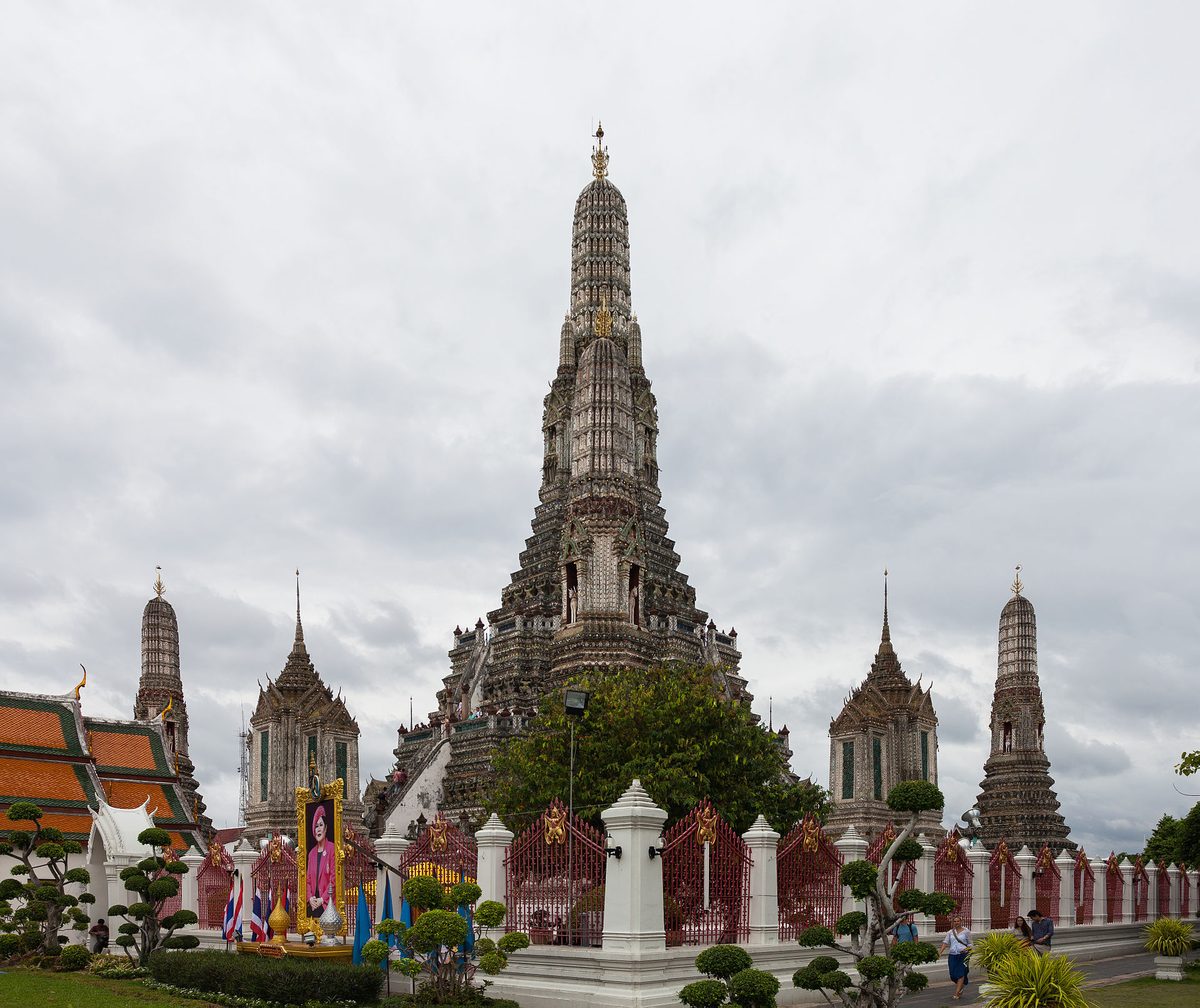
These two countries feel completely different once you are off the beach, and that contrast is half the fun of choosing. Thailand is a Buddhist country with centuries of unbroken tradition: gilded temples like Wat Arun and Wat Pho in Bangkok, the Grand Palace, the old capital of Ayutthaya, and the calmer temple-and-mountain culture of Chiang Mai in the north. It is one of the great temple-hopping destinations anywhere.
The Philippines wears its history differently. More than 300 years of Spanish rule followed by an American period left a Catholic, Hispanic-Malay culture you will not find elsewhere in Asia: Spanish-era churches, the walled district of Intramuros in Manila, and a calendar packed with enormous fiestas. The Ati-Atihan, Sinulog, and Dinagyang festivals turn whole cities into street parties. There are fewer ancient monuments than in Thailand, but the living, loud, welcoming culture is a genuine highlight. Our overview of things to do in the Philippines covers the cultural side beyond the beaches.
Mini-verdict: A tie that depends on taste. Thailand for temples, palaces, and visible ancient history. The Philippines for festivals, faith, and a culture shaped by an unusual collision of East and West.
English and Ease for First-Timers
This is the Philippines’ quiet superpower. English is a co-official language, and it is the medium of school, business, signage, and government. You can ask for directions, sort a ferry ticket, see a doctor, or chat with a tricycle driver entirely in English, almost anywhere in the country, from day one. For nervous first-timers, solo travelers, and anyone who hates feeling lost, that is a massive comfort.
Thailand’s English is good in tourist zones and the big hotels, but it thins out fast once you leave them, and Thai is genuinely hard to fake your way through. None of this stops millions of people from traveling Thailand easily every year, because the tourism infrastructure is so well-worn. But on pure communication, the Philippines is the more relaxing place to be confused in.
Mini-verdict: Philippines for language, comfortably. Thailand for tourism infrastructure that smooths over the language gap. For first-timers the two roughly cancel out, which is why I would tell a true beginner to choose on logistics (Thailand) or on language confidence (Philippines).

Diving and Snorkeling
If you came for what is underwater, the Philippines pulls ahead. It sits inside the Coral Triangle, the most biodiverse marine region on the planet, and the variety is absurd: the WWII wreck dives of Coron, thresher sharks at Malapascua, whale sharks off Donsol, the sardine run and turtles at Moalboal and Apo Island, and world-class macro life around Anilao and Dumaguete. Visibility and reef health at the good sites are excellent, and many spots are far less crowded than Thailand’s.
Thailand is no slouch and is the better place to learn. Koh Tao is one of the cheapest, busiest places on earth to get your open-water certification, and the Similan Islands offer beautiful liveaboard diving in season. But for sheer variety and the wow factor of big animals and intact reefs, divers tend to rank the Philippines higher, and so do I.
Mini-verdict: Philippines for diversity, wrecks, and big marine life. Thailand for cheap, easy certification and a gentle learning curve. Serious divers should lean Philippines.
Crowds and Over-Tourism
Thailand receives far more visitors than the Philippines, and in the famous spots you feel it. Phi Phi, parts of Phuket, and Khao San Road can be shoulder-to-shoulder in high season. Maya Bay became the poster child for over-tourism and now operates under access limits to protect the reef. You can still find quiet corners in Thailand, but you have to work for them.
The Philippines is the calmer country overall, simply because the tourists are spread across thousands of islands. Boracay gets busy (it was closed for a clean-up in 2018 and now runs under capacity rules), and El Nido’s town beach can feel packed at sunset. But sail twenty minutes out and you will share a lagoon with a handful of boats instead of fifty, and quieter islands like Siquijor barely register on the tourist map at all. If beating the crowds matters, this is a real point for the Philippines.
Mini-verdict: Philippines for breathing room. Thailand if you do not mind crowds in exchange for everything being easy and close together.
Visa, Entry, and Safety in 2026
Both countries are easy to enter for most Western and many Asian passports, but the 2026 details have shifted, so check official sources close to your trip. The Philippines grants visa-free entry for up to 30 days to citizens of more than 150 countries, including the US, UK, Canada, Australia, and the EU, and extensions are straightforward once you are in the country. You will also need to complete the online eTravel registration before arrival.
Thailand offers visa-exempt entry to nationals of roughly 90 countries. The visa-free stay had been 60 days, but in 2026 the government approved cutting it back to 30 days for most nationalities (and as little as 15 for a few), with a paid extension available, so confirm the current length before you book. Every arrival must also submit the free Thailand Digital Arrival Card (TDAC) online at least 72 hours before travel. Neither system is hard; both are just one more box to tick.
On safety, I want to correct a lazy narrative. Plenty of guides paint the Philippines as risky and Thailand as flawless, and that is overblown. For a typical island-focused trip, the Philippines is welcoming and safe; you take the same sensible precautions you would anywhere, watch your belongings in crowded parts of Manila and Cebu, and skip the far south of Mindanao, which carries travel advisories. Thailand is also very safe for tourists, with petty scams (tuk-tuk overcharging, jet-ski deposits) being the main nuisance. Our honest take on is the Philippines safe goes deeper if that is on your mind. Both countries sit in the typhoon and monsoon belt, so timing matters more than fear: the Philippines is driest from December to May, and you will want our guide to the best time to visit the Philippines before locking dates.
Mini-verdict: Both are easy on visas and safe for ordinary travel in 2026. Read the entry rules fresh, because both countries changed them recently.
Philippines vs Bali vs Vietnam
Thailand is not the only alternative people weigh, so here is the quick read on two other common matchups, since you are probably comparing more than one trip.
Philippines vs Bali
Bali is one island doing a lot: surf, yoga, rice terraces, temples, a huge digital-nomad and wellness scene, and nightlife in Canggu and Seminyak, all in a compact, easy-to-navigate package. The Philippines is a whole archipelago, so it wins on beach variety, diving, and uncrowded scenery, but it asks for more island-hopping logistics. Choose Bali for a single polished base with culture and cafes within reach; choose the Philippines if you want to actually island-hop and dive world-class sites. Bali’s beaches, frankly, do not match Palawan or Siargao, but Bali is the easier first trip.
Philippines vs Vietnam
Vietnam is the cheaper country, usually 15–30 percent less per day, with phenomenal street food and a long thin map you can travel overland by train and bus from Hanoi to Ho Chi Minh City. It is brilliant for food, history, and culture on a budget. The Philippines counters with far better beaches and diving, plus the English-language ease that makes it less stressful day to day. Pick Vietnam for a cheap, culture-and-food overland adventure; pick the Philippines for tropical-island beauty and easy communication.

The Verdict: Which Should You Visit?
After all the categories, here is where I land. For a first trip to Asia, a short trip, or a trip built around food and easy logistics, Thailand is the smarter pick, and I would not argue with anyone who chooses it. For beaches, diving, breathing room, and the comfort of speaking English everywhere, the Philippines is the more rewarding country, and it is the one I personally return to. Thailand removes the effort; the Philippines repays it. Use the decision box below to settle it in thirty seconds.
Choose the Philippines if…
- Beaches and diving are the whole point of the trip.
- You want dramatic scenery with far fewer crowds.
- You value being able to speak English everywhere.
- You have done Thailand (or Bali) and want something rawer.
- You have at least 10–14 days and do not mind a few flights and ferries.
Choose Thailand if…
- It is your first big trip to Asia and you want it easy.
- Food and street eating are a headline reason you travel.
- You want trains, buses, and short ferries instead of island flights.
- Nightlife and a buzzing tourist scene appeal to you.
- You only have a week and want zero friction.
Still torn? Do both on one trip. They pair beautifully, and with cheap regional flights between Bangkok, Cebu, and Manila, a Thailand-then-Philippines route gives you the easy on-ramp first and the wild beaches second. When you are ready to plan the Philippines half, our pillar guide to the best islands in the Philippines is the place to start.
Frequently Asked Questions
Is the Philippines cheaper than Thailand?
Usually no, but the gap is small. Day to day, Thailand is roughly 10–20 percent cheaper, mainly thanks to cheaper street food and transport. The Philippines does win on beer, often a dollar a bottle less. The bigger cost difference is island-hopping: domestic flights and ferries can add $100–200 to a two-week Philippines trip.
Is the Philippines or Thailand better for beaches?
The Philippines, if you want the most dramatic and least crowded beaches. El Nido, Coron, and Siargao beat Thailand’s most famous spots on scenery and space. Thailand wins on convenience, since world-class sand is often right outside your hotel rather than a boat ride away. Beach obsessives should choose the Philippines.
Which is better for first-time travelers?
Thailand, generally. Its tourism infrastructure (trains, buses, abundant cheap rooms, easy island ferries) removes friction for beginners. The Philippines is friendlier on language since English is everywhere, but it needs more planning around flights and ferries. First-timers wanting the smoothest trip should lean Thailand.
Is the Philippines or Thailand safer?
Both are safe for ordinary tourism in 2026. Thailand’s main issue is petty scams; the Philippines asks for normal city caution and avoiding the far south of Mindanao, which carries advisories. The common claim that the Philippines is dangerous is overstated for a typical island trip. Use standard precautions in both.
Which has better food, the Philippines or Thailand?
Thailand, clearly, for fame, variety, and street-food convenience. Filipino food is underrated rather than weak, with standouts like lechon, sinigang, and kinilaw, but it is harder to find on the street and outside big cities. If cuisine is your main travel motivation, choose Thailand.
Can I visit both the Philippines and Thailand on one trip?
Yes, and it is a great combination. Cheap regional flights connect Bangkok with Manila and Cebu in around three to four hours. A common route does Thailand first for the easy introduction, then the Philippines for wilder beaches and diving. Allow at least two and a half to three weeks to enjoy both.
Sources and photo credits
Photo Credits
- Philippines vs Thailand: limestone karst islands and turquoise lagoons at El Nido, Palawan — Photo: Vyacheslav Argenberg / CC BY 4.0 via Wikimedia Commons. Source.
- Railay Beach in Krabi, Thailand, framed by limestone cliffs — Photo: Vyacheslav Argenberg / CC BY 4.0 via Wikimedia Commons. Source.
- Wat Arun temple on the Chao Phraya River in Bangkok, Thailand — Photo: Diego Delso / CC BY-SA 3.0 via Wikimedia Commons. Source.
- Surfer at Cloud 9 on Siargao Island in the Philippines — Photo: Lokesh Ramachandra / CC BY-SA 4.0 via Wikimedia Commons. Source.
- Kayangan Lake viewpoint at Coron, Palawan in the Philippines — Photo: André Héroux / CC BY 3.0 via Wikimedia Commons. Source.
Sources
- Philippine Department of Tourism — official destination, regional, and travel-planning information.
- Tourism Authority of Thailand — official Thailand destination and trip-planning resource.
- Philippine Bureau of Immigration and Thai Immigration Bureau — current visa and entry rules (verify close to travel).
- PAGASA — the Philippine weather and typhoon authority for seasonal and storm guidance.
About this guide: PhilippinesTourism.org publishes independent, on-the-ground Philippines travel guides. Information verified June 2026.