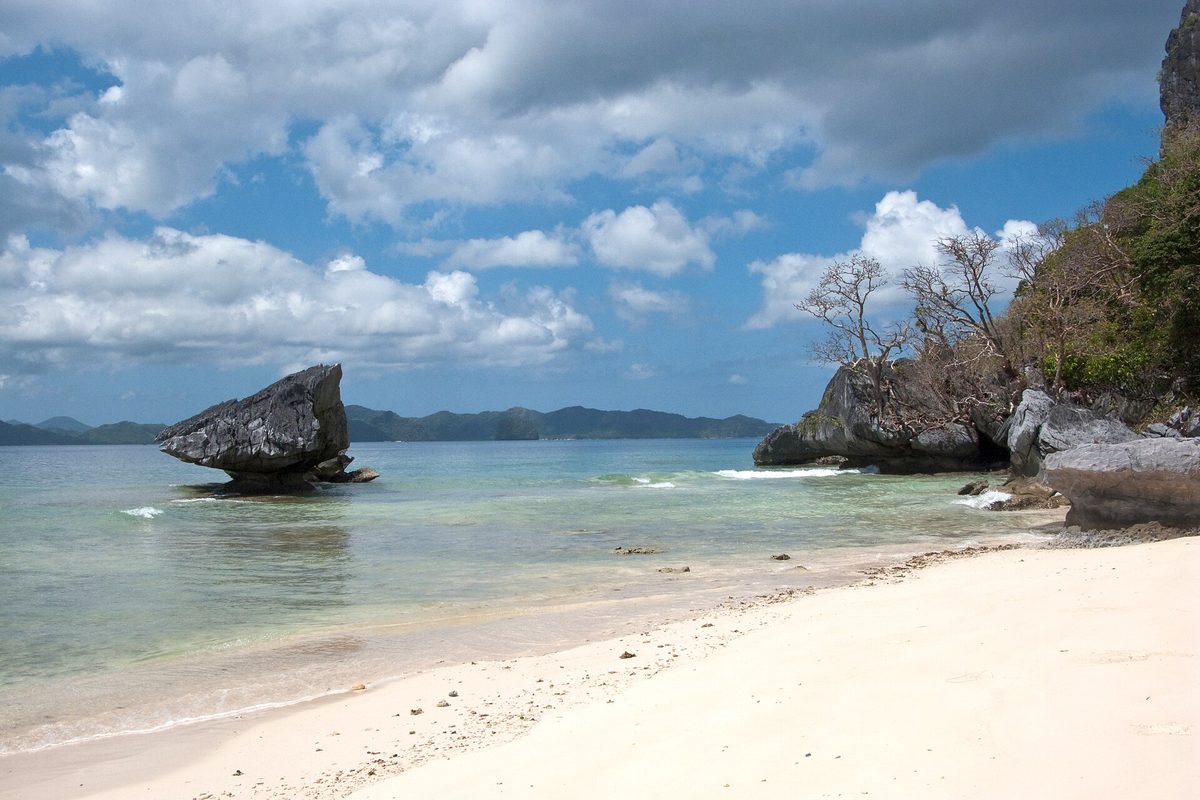
Solo Female Travel in the Philippines
Yes, the Philippines is a genuinely good place to travel alone as a woman, and I say that as someone who has done long stretches of it solo. It is friendly, almost everyone speaks English, and the islands are set up for independent travellers. It is not a place where you switch your brain off, though. A few real risks are worth knowing about, and the official advisory zones are narrow and far from the beaches.
The internet tends to swing between two unhelpful extremes about this country: either it is a flawless paradise where nothing goes wrong, or it is a war zone you should avoid. Neither is true. After this guide you will know what to actually expect, which fears are overblown, which precautions earn their place in your routine, and where to point your trip first. I have kept the prices hedged in pesos and dollars at roughly ₱58–60 to the US dollar, and the safety facts current to 2026.
At a glance: the most solo-female-friendly places to start
If you want the short version, these five are where I send first-time solo women in the Philippines. Each is easy to reach, has other travellers around, and rewards going alone.
| Destination | Why go solo here | Vibe & safety note |
|---|---|---|
| Siargao | Surf-and-hostel island where solo travellers cluster; easy to meet people at a group surf lesson or a Sugba Lagoon day trip. | Relaxed, social, walkable in General Luna. Watch scooters and night roads. |
| Palawan (El Nido & Coron) | Island-hopping tours throw you in with a friendly boatful of strangers daily, so you are rarely alone unless you want to be. | Tourist-geared and well-trodden. Boats can overload; pick a reputable operator. |
| Cebu & Moalboal | A real airport hub plus the famous sardine run you can do straight off the beach. Good base for first-timers. | Cebu City is a normal big city: street-smarts after dark. Moalboal is mellow. |
| Bohol | Gentle, organised, and easy: tarsiers, Chocolate Hills and calm Panglao beaches all on guided loops. | One of the easiest, lowest-stress islands for a solo woman. Very tourist-friendly. |
| Siquijor | Small, slow and safe-feeling, with waterfalls and a scooter loop you can ride at your own pace. | Quiet and low-crime. Ride carefully and avoid unlit roads at night. |
A quick honest caveat that the brochures skip, because so much writing on solo female travel Philippines glosses over it: the Philippines is a little harder to travel than Thailand or Vietnam. There is no single backpacker trail, inter-island days eat time, and you will pay more than you expect. None of that is a safety issue. It just means a solo trip here rewards planning over winging it, which I will come back to.
Solo female travel Philippines: the honest safety verdict
Here is the straight answer I give friends. As a solo woman, the Philippines sits comfortably in the “yes, go, with normal precautions” category, on a par with travelling alone in much of Latin America or Southeast Asia. The everyday risks are petty crime and unwanted male attention, not violence aimed at tourists. The serious security problems the headlines reference are real but geographically tiny, confined to one far-southern corner you have no reason to visit.
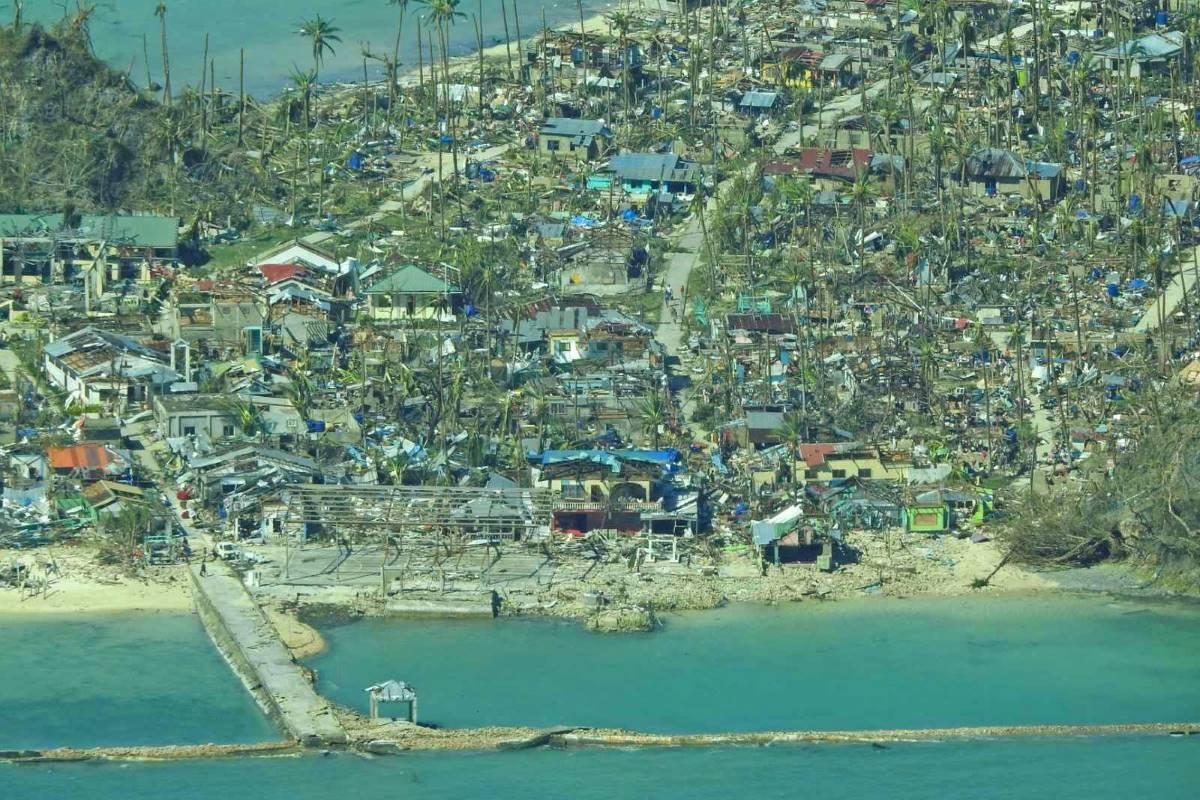
The spine of any honest answer is the official travel advisories, so let me give them to you accurately. The US State Department keeps the Philippines at Level 2, “Exercise Increased Caution” overall (last reissued May 2025 and still in effect through 2026). That is the same tier the US assigns to France, Spain, Italy, the UK and Germany, which tells you how to read it. Two small areas carry the top Level 4 “Do Not Travel” warning: the Sulu Archipelago and Marawi City. Most of the rest of Mindanao sits at Level 3 “Reconsider Travel,” with Davao City, Siargao Island and the Dinagat Islands specifically carved out as exceptions. The UK FCDO and Australia’s Smartraveller draw the same map: avoid western and central Mindanao plus Sulu, treat Siargao, Camiguin and Dinagat as safe.
The reader takeaway is the part competitors bury: every mainstream destination sits well outside the flagged zones. Palawan, Cebu, Bohol, Boracay, Siargao, Manila and all of Luzon and the Visayas are nowhere near them. You would have to go badly out of your way to reach the Level 4 areas. For the full regional breakdown, our honest Philippines safety guide maps the advisory zones against the tourist trail in detail, and it is the first thing I would read alongside this page.
The real risks for women (and the overblown ones)
Let me separate what actually catches solo women out from what the comment sections panic about. None of this should put you off. It is the same short list I run through before any trip.
Staring and catcalling
The most common thing you will deal with is attention, not danger. As a foreign woman travelling alone you get looked at, and you may get comments, men calling out, or relentless “where is your husband?” questions. It is usually curiosity rather than menace, and Filipino culture is warm and chatty by default. It can still wear you down. A flat, friendly-but-firm response and sunglasses go a long way. In Manila or Cebu it barely registers; in smaller provincial towns you stand out more.
Petty theft and the “are you alone?” question
Pickpocketing and bag-snatching happen in crowded city spots, jeepneys, markets and packed LRT and MRT carriages in Manila, exactly as they do in any big city. Keep your phone off the table and your bag zipped and in front of you. You will also be asked, constantly, whether you are travelling alone, by hotel staff, drivers and friendly strangers. Most mean nothing by it. I still rarely confirm I am completely alone to a stranger on the street; “I am meeting friends shortly” is an easy, low-drama answer that costs you nothing.
Nightlife and drink-spiking
This is the risk I would actually flag hardest. Drink-spiking and the “friendly stranger” scam, where someone buys you a drink or a snack laced with sedatives and then robs you, is a documented pattern in Philippine nightlife and on some overnight buses. The defence is boring and effective: watch your drink being poured, never accept an opened drink or food from someone you just met, and do not let a stranger “look after” you when you are tipsy. In a hostel or on a tour you will quickly find a group to go out with, which is safer and more fun anyway.
Transport after dark
Getting around alone at night is where I tighten up most. I avoid walking unfamiliar or unlit streets after dark, skip unmarked taxis, and use Grab (the regional ride app) so the route and driver are tracked and the fare is fixed. On scooters, which are everywhere on the islands, the bigger danger is the road itself, not crime: poor lighting, sand, and other riders. Wear the helmet, ride sober, and do not ride an unfamiliar island road at night.
Conservative norms in some areas
The Philippines is largely Catholic and easygoing about beachwear at resorts and surf towns. But it is more conservative than it looks once you leave the tourist bubble, and the far south of Mindanao is predominantly Muslim. Cover shoulders and knees for churches and provincial towns, and read the room. This is courtesy, not fear: dressing in step with the place you are in also quietly reduces unwanted attention.
The overblown fears
Two things get over-weighted. First, the Mindanao advisories get applied to the whole country, which is like cancelling a trip to Italy over a warning about one neighbourhood in another region. Second, natural hazards get treated as constant threats. The Philippines does sit on the Pacific Ring of Fire, so earthquakes are a background reality, and a strong one struck offshore southern Mindanao in June 2026, roughly a thousand kilometres from the main tourist regions, which were unaffected. Typhoon season runs June to November and peaks around now, in September. These are worth planning around, not fearing. I cover both properly below.
Precautions that actually matter
You can skip the fear-driven advice that tells you to trust no one. Filipinos are, in my experience, among the most genuinely helpful people you will travel among. These are the habits that earn their place in a solo woman’s routine here:
- Share your plan. Send someone at home your accommodation and rough route, and a quick message when you move between islands. It costs nothing and changes how fast help arrives if anything goes wrong.
- Keep money and copies split. Carry a day’s cash in your pocket and stash the rest, with a photo of your passport saved offline and a spare card kept separately from your wallet.
- Use Grab and registered transport in cities. A tracked, fixed-fare ride removes the single most common solo-female stress point: negotiating with a driver alone at night.
- Protect your drink, every time. The one rule I never relax. Watch it poured, keep it with you, decline opened drinks from new acquaintances.
- Save the numbers that matter. 911 is the nationwide emergency line. Add the Department of Tourism assistance hotline, (02) 8524-1728, and your embassy and insurer’s 24/7 number to your phone before you need them.
- Get travel insurance. It is cheap relative to the cost of a medical evacuation off a remote island, and it is the one purchase I would never skip for an island trip with scooters and diving.
Getting around safely
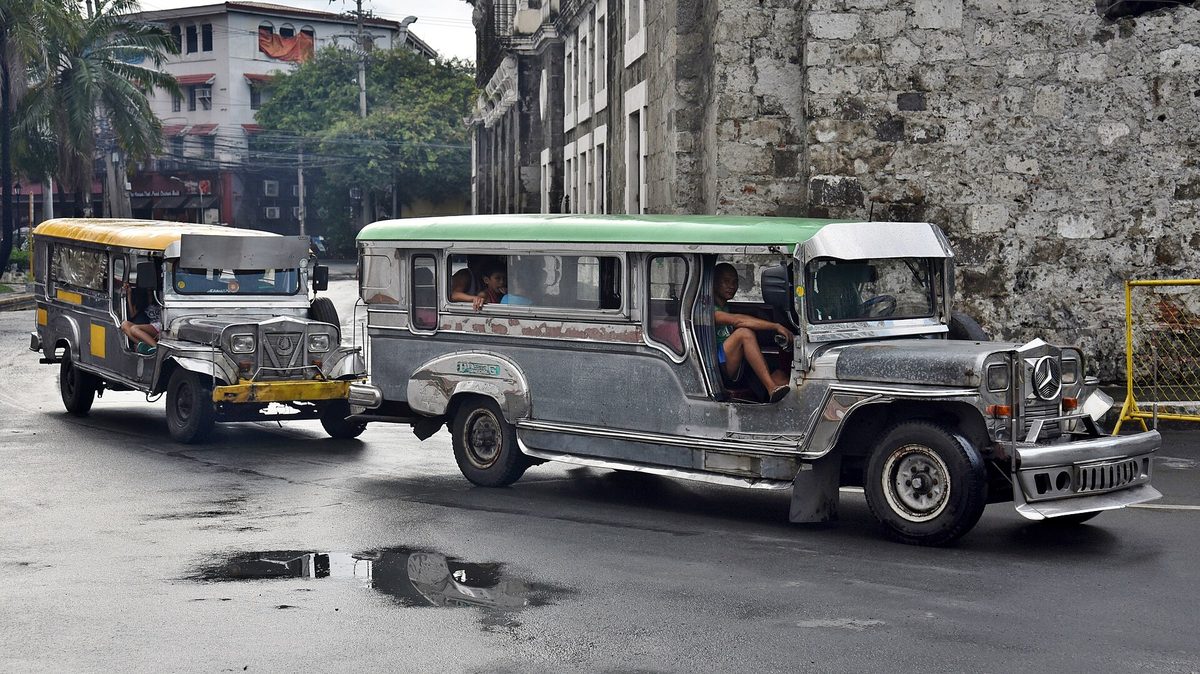
Transport is where the Philippines is genuinely more effort than its neighbours, because it is 7,000-plus islands and you cannot drive between them. Flights (Cebu Pacific, Philippine Airlines, AirAsia) and ferries connect the hubs; once you land, you mix Grab, tricycles, jeepneys, vans and the occasional habal-habal motorbike taxi. Our full getting around the Philippines guide breaks down each mode, but here is the solo-female-specific version.
In the cities, default to Grab. In Manila and Cebu it is the safest, lowest-friction option: no fare argument, a tracked route, and a driver record. Metered “yellow” airport taxis from the official bays at NAIA are the backup; avoid anyone who approaches you offering a ride or claims the meter is “broken.” Jeepneys and the Manila train lines are cheap and fine by day, but they are pickpocket territory when packed, so I keep my bag in front and my phone away.
On the islands, tricycles handle short hops and are easy to flag, and you can usually agree the fare up front or ask a local what it should cost. Renting a scooter unlocks places like Siargao and Siquijor, and many solo women do; just respect that the road, not crime, is the real hazard. Wear the helmet, carry the correct licence, check your insurance actually covers riding, and do not take on an unfamiliar island road after dark.
Between islands, book flights and the better ferries ahead in peak season, and never schedule a tight ferry-to-international-flight connection during typhoon season. A cancelled boat is routine in September. Build a buffer day before any flight home.
Where to stay: hostels, female dorms and the right neighbourhoods
Accommodation is one of your best safety and sanity tools as a solo woman, because the right place hands you instant company. Our guide on where to stay in the Philippines covers regions in depth; for solo travel specifically, a few patterns hold.
Social hostels are the single easiest way to meet people and find others to share a tour or a night out with, which is both more fun and safer. Read recent reviews to gauge the vibe, because a “party” hostel and a “quiet” hostel are very different trips. Many hostels in surf and island towns run daily group activities and excursions, so you can plug straight into a group on arrival. Female-only dorms are widely available in the bigger hostels and worth requesting if mixed dorms make you uneasy; they are a small premium for a lot of peace of mind.
In Manila, this is where neighbourhood choice matters most. Stay in Makati or Bonifacio Global City (BGC): well-lit, walkable, heavily secured business-and-lifestyle districts where solo women blend in and feel comfortable on the street. They are also the easiest bases for a first or last night around the airport. Our Manila travel guide goes deeper on which areas to favour and which to skip after dark. Elsewhere, a room near the main beach strip or town centre keeps you close to people and transport rather than isolated down an unlit lane.
The best destinations for solo female travellers
The at-a-glance table up top has the shortlist; here is the reasoning, sorted by what kind of solo trip you are after. I have done a version of all of these alone.
If it is your first solo trip: Bohol, Cebu and Moalboal
Start where the logistics are gentle and other travellers are everywhere. Bohol is the lowest-stress island in the country for a solo woman: organised countryside tours (Chocolate Hills, the tarsier sanctuary), calm Panglao beaches, and easy guided everything. Pair it with Cebu, which has a real international airport and the Moalboal sardine run you can snorkel straight off the beach for a few hundred pesos. This trio is welcoming, well-trodden and forgiving of a first-timer’s mistakes.
If you want to meet people: Siargao and Palawan
Siargao is the country’s surf-and-social island, and it is where solo travellers naturally cluster. Take a group surf lesson at a gentle break, do the Sugba Lagoon day trip, and you will have a crew by dinner. El Nido and Coron in Palawan work differently but get you the same result: the standardised island-hopping tours put you on a boat with a friendly group of strangers every single day, so going solo never feels lonely. Our Siargao travel guide has the full island breakdown if it is calling to you.
If you want calm and quiet: Siquijor and the slower islands
Siquijor is small, mellow and feels safe, with a waterfall-and-coastline scooter loop you can ride at your own pace. It is my pick when the point of the trip is decompression rather than company. Port Barton in Palawan and Bantayan off Cebu scratch the same itch: low-key, low-crime, easy to slow down in.
If you want a city fix: Manila, the right way
Manila splits opinion, and plenty of guides tell you to skip it. I would not bother avoiding it entirely, but I would be deliberate. Base yourself in Makati or BGC, use Grab after dark, give Intramuros a golden hour, and treat the city as a one or two night bookend rather than the heart of the trip. Done that way it is a perfectly comfortable solo stop with great food.
Cultural notes and dealing with attention
Filipino hospitality is real and it is generous, sometimes to the point of being overwhelming when you are travelling alone and just want quiet. Lean into the good version of it: accept the karaoke invitation, say yes to the lola refilling your plate, chat to the boat crew. That openness is the best part of travelling here.
For the attention you do not want, a few things help. A simple, repeated answer to the “are you alone / where is your husband?” questions ends them without drama. Mirrored sunglasses and headphones are a polite, universal “not now.” If a conversation tips from friendly to uncomfortable, a firm, unsmiling “no, thank you” and walking toward staff or other people resolves almost everything; Filipinos are generally quick to step in if they see a woman being bothered. And dressing a notch more modestly in provincial towns, away from the beach, genuinely lowers the volume of unwanted attention while also respecting the place.
Female-specific health, pharmacies and period care
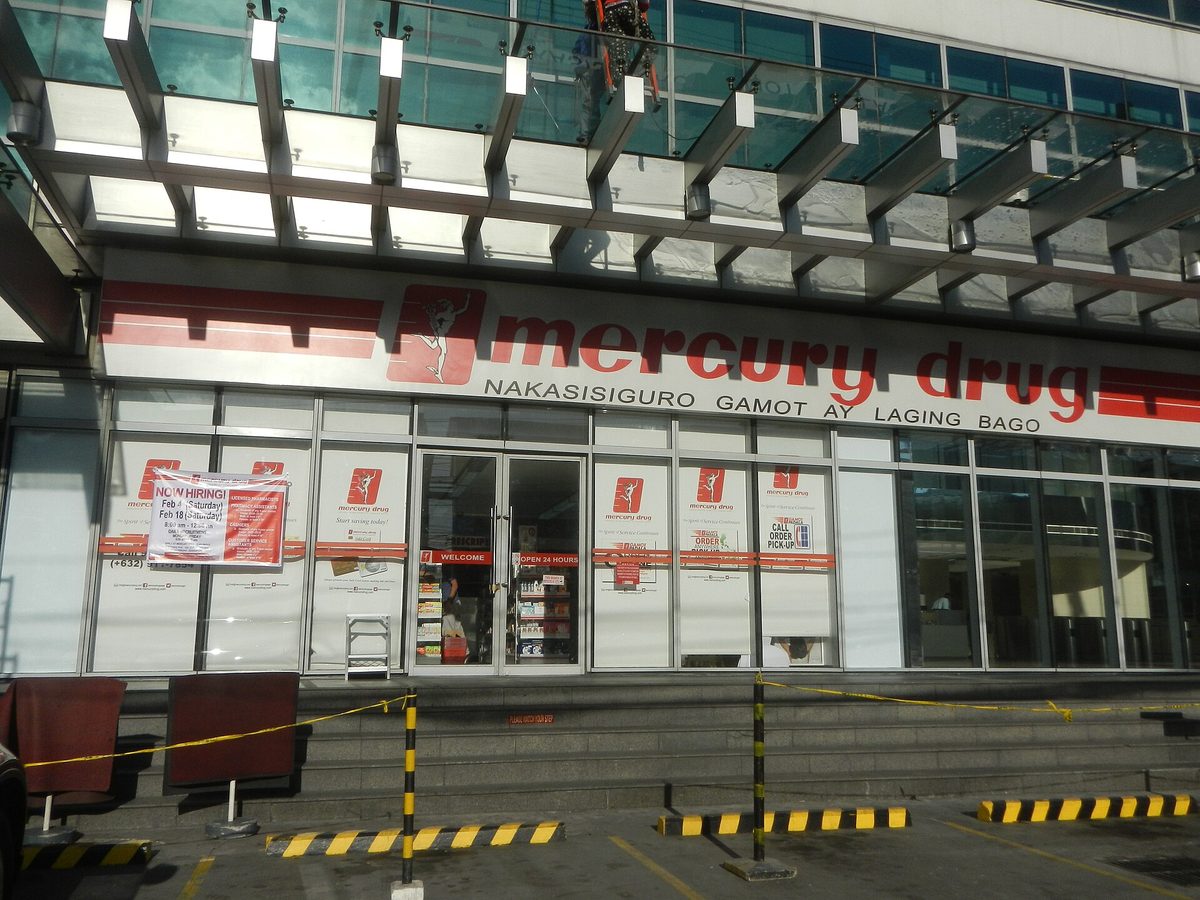
This is the section other guides skip, and it is the one women actually message about. The headline: cities and tourist towns are well stocked, remote islands are not, so plan around the gaps.
Pharmacies and products. Big chains like Mercury Drug and Watsons are everywhere in cities and large towns, and they carry the basics, contraceptive pills (some without much fuss, though bring your own supply to be safe), painkillers, and pregnancy tests. Period care needs a heads-up: pads are sold absolutely everywhere, but tampons can be harder to find outside major cities and big malls, and menstrual cups are rarer still. If you use tampons or a cup, pack enough for the whole trip. Do not assume a small island shop will have them, because it usually will not.
Health basics. Tap water is not reliably safe for visitors, so drink sealed or filtered water; most resorts and established places are fine. Dengue, a mosquito-borne illness that bites by day, is the number-one travel-health concern year-round and nationwide, so the real defence is bite prevention: DEET or picaridin repellent, covering up at dawn and dusk, and rooms with screens or air-con. Carry a small kit with rehydration salts, your usual medications and any prescriptions in their packaging. For vaccines, ask a travel clinic or check your country’s guidance four to six weeks ahead; Hepatitis A and typhoid are commonly suggested for the Philippines.
If something serious happens, the good private hospitals are in Manila, Cebu and Davao (names like St. Luke’s, Makati Medical and Chong Hua). Island and rural clinics are basic, and a serious case means evacuating to a city, which is exactly why travel insurance with medical evacuation cover is non-negotiable here.
Money and connectivity
The Philippines runs on cash far more than its neighbours, and getting money and a connection sorted early removes a lot of solo-travel friction.
Cash and cards. Carry more cash than you think, especially heading to smaller islands where ATMs are scarce or may not take foreign cards. ATMs typically charge a flat fee of around ₱250 (about $4) per withdrawal on top of your bank’s, so take out larger amounts less often; local bank ATMs like BDO tend to cost less than the standalone Euronet machines. Count your change at money-changers and use reputable ones or banks rather than back-street kiosks. The rate sits around ₱58–60 to the US dollar in 2026.
Staying connected. A local SIM or an eSIM is the cheapest peace of mind you can buy as a solo traveller, because a working phone means Grab, maps, messages home and a lifeline if plans change. Globe and Smart are the main networks; you can grab a tourist SIM at the airport or pick an eSIM before you fly. Coverage is strong in cities and patchy on remote islands, so download offline maps and tell someone your plan before you head somewhere off-grid.
A solo-female-friendly sample route
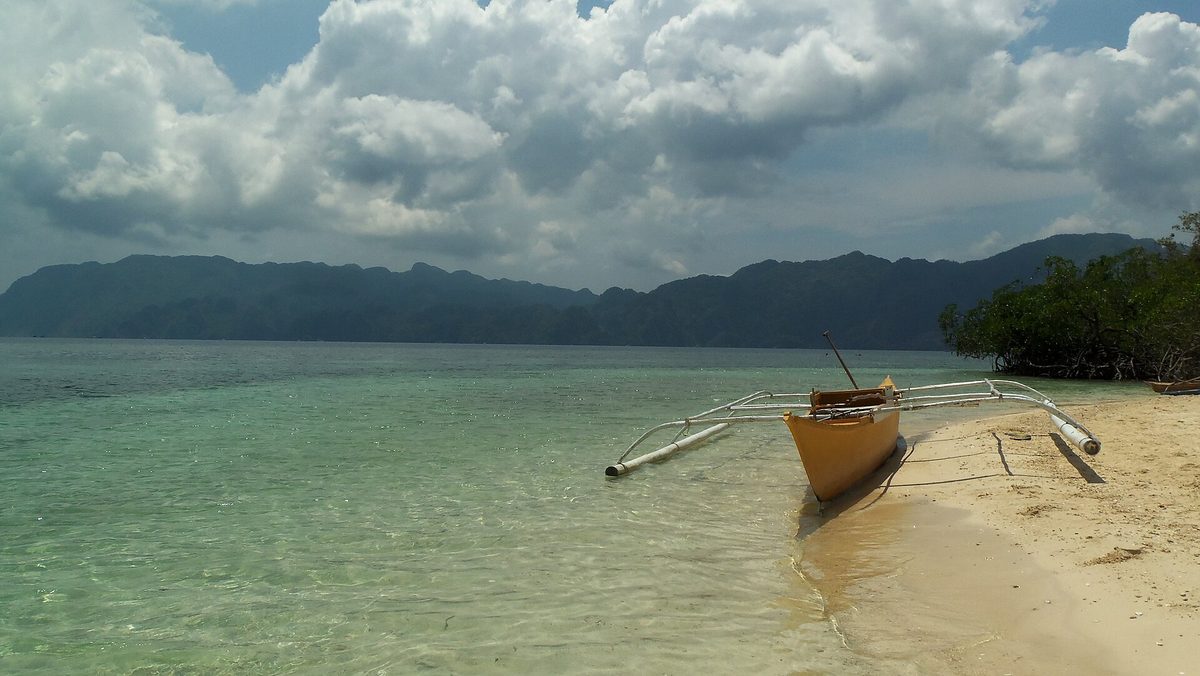
Here is a roughly two-week loop I would happily send a solo woman on for a first trip. It front-loads the easy, social places and keeps inter-island travel manageable. For more options and timings, our Philippines itinerary guide has full alternatives.
- Days 1–2 — Cebu City & arrival. Land, recover, and ease in. A safe city base, good food, and an easy hop south the next morning.
- Days 3–5 — Moalboal (Cebu). Snorkel the sardine run off the beach, day-trip to Kawasan canyoneering, and settle into a social hostel to meet other travellers.
- Days 6–8 — Bohol. Ferry across for the gentle, organised classics: Chocolate Hills, the tarsier sanctuary, and calm Panglao beaches.
- Days 9–12 — Palawan (El Nido or Coron). Fly over for the island hopping that is the country’s headline act, with a friendly boatful of company every day.
- Days 13–14 — Manila bookend. Fly back via Manila, stay in Makati or BGC, see Intramuros at golden hour, and fly home with a buffer day built in.
Two non-negotiables for September travel: keep your dates flexible around typhoons, and never book a tight ferry-to-flight connection. A cancelled boat in peak storm season can swallow a day, so leave yourself slack before any flight home.
Frequently asked questions
Is the Philippines safe right now for solo female travellers?
Broadly yes, with normal precautions. As of 2026 it sits at US Level 2, “Exercise Increased Caution,” the same tier as France or Italy, and the serious advisories cover only the far-southern Sulu and parts of Mindanao, far from any tourist destination. The day-to-day risks are petty theft and unwanted attention, not violence toward visitors. Watch your drink, use Grab at night, and you are in good shape.
What are the safest places in the Philippines for a woman alone?
For ease and comfort I point first-time solo women to Bohol and Panglao, Siquijor, and the tourist-geared parts of Palawan, all welcoming and low-stress. Siargao is the best for meeting other travellers. In Manila, stay in Makati or BGC, which are well-lit, secure and walkable. All of these sit far outside the flagged Mindanao and Sulu advisory zones, so you are nowhere near the areas the headlines reference.
Is Palawan safe for solo female travellers?
Yes. Palawan, including El Nido, Coron and Puerto Princesa, is one of the most tourist-friendly regions in the country and sits well outside any travel-advisory zone. The standardised island-hopping tours are a genuine bonus for solo women, putting you with a friendly group every day. The main things to watch are practical: pick a reputable boat operator, do not let tours overload, and carry enough cash, since ATMs are limited.
Is Grab safe to use in Manila?
Yes, Grab is the option I recommend most for solo women in Manila and Cebu. Because the ride is booked in-app, the route is tracked, the driver is identified, and the fare is fixed in advance, it removes the single biggest solo-female stress point: arguing fares with an unmarked taxi at night. Share your trip status with someone if you want extra reassurance, and favour Grab over hailing a street taxi after dark.
What is the emergency number in the Philippines?
911 is the nationwide emergency number for police, fire and medical help, the same digits as in the US. For travel-specific help, save the Department of Tourism assistance hotline, (02) 8524-1728. Before you travel, also store your embassy’s contact and your insurer’s 24/7 line in your phone, and keep an offline note of your accommodation address so you can give it quickly if you ever need to.
Is the Philippines safer than Thailand for solo women?
They are broadly comparable, and both are popular, well-trodden solo destinations. The Philippines has the edge on English, which makes navigating and asking for help easier, and a famously warm culture. Thailand has a more established backpacker trail and easier overland travel. The everyday precautions are nearly identical in both: guard your drink, use tracked transport at night, and watch your bag in crowds. Pick on vibe and itinerary, not on a meaningful safety gap.
Sources and photo credits
Photo credits
- El Nido, Palawan — Photo: Vyacheslav Argenberg / CC BY 4.0 via Wikimedia Commons (source)
- Jeepney, Manila — Photo: Bahnfrend / CC BY-SA 4.0 via Wikimedia Commons (source)
- Cafe, Philippines — Photo: UndueMarmot (CC0) via Wikimedia Commons (source)
- Siargao Island — Photo: Philippine Coast Guard (CC0) via Wikimedia Commons (source)
- Mercury Drug pharmacy — Photo: Judgefloro (CC0) via Wikimedia Commons (source)
- Coron, Palawan — Photo: Lawrence Ruiz / CC BY-SA 4.0 via Wikimedia Commons (source)
Sources and official advisories
Always check the current version of these before you travel, since advisories and health guidance change.
- US State Department — Philippines travel advisory
- UK FCDO — Philippines foreign travel advice
- Australian Government — Smartraveller: Philippines
- Philippine Department of Tourism — official travel portal
About this guide: PhilippinesTourism.org is an independent Philippines travel resource. Information was researched and verified September 2026; always check current official advisories before you trav