Is Manila Safe? A Neighborhood-by-Neighborhood Answer
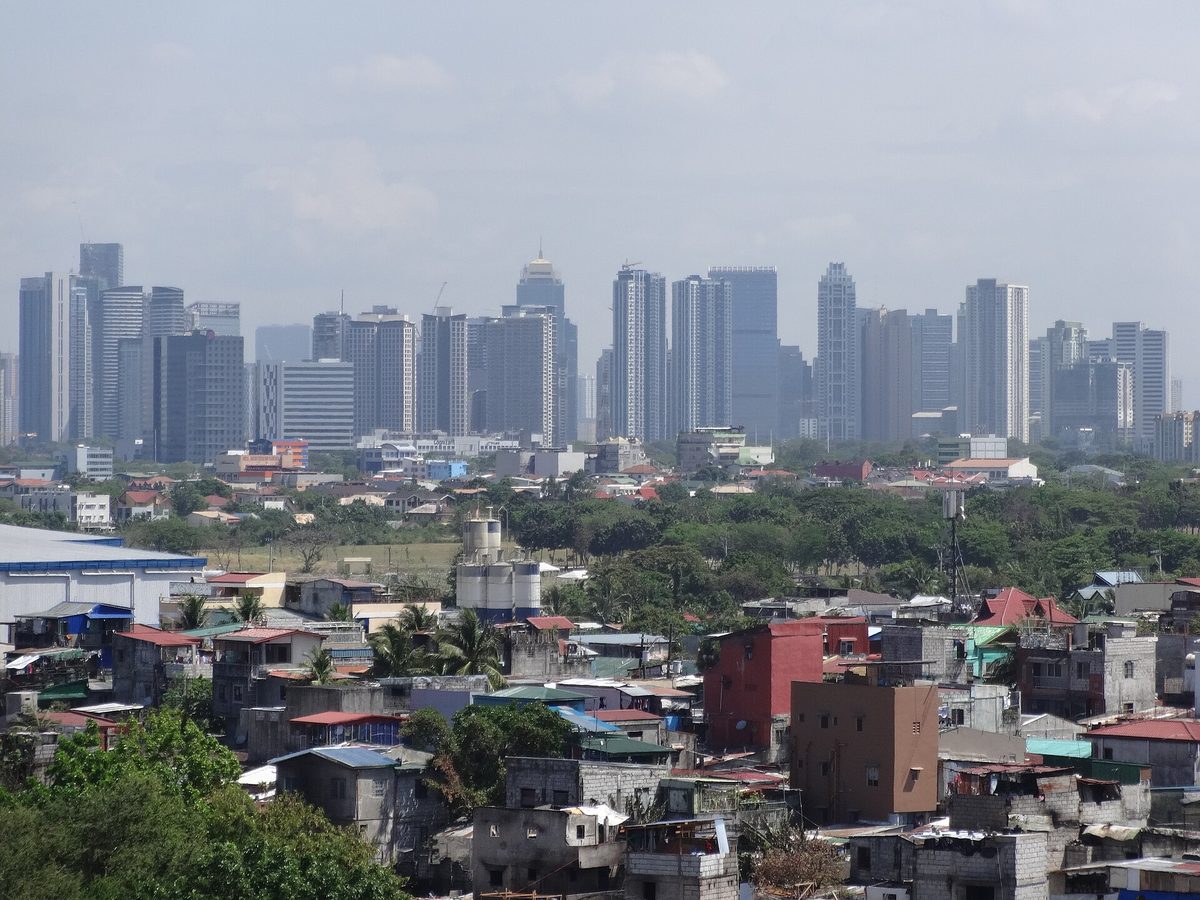
Manila is broadly safe for tourists who use the same street sense any big city asks for. The real issues here are petty theft, scams and brutal traffic, not violent crime against visitors. Where you base yourself matters more than almost anything else, and the good news is that the best bases are also the safest.
I get this question more than almost any other about the Philippines, and the honest answer takes more than a yes or no. The capital is a sprawl of sixteen cities and a town pressed together, and “Manila” can mean a gleaming financial district or a tangle of older streets a few kilometres away. Your experience depends heavily on which corner you spend your time in. So instead of a vague reassurance, here is a genuine neighborhood-by-neighborhood look, with a clear verdict on where to stay, how the day differs from the night, and what actually deserves your attention in 2026.
For the wider national picture, it is worth reading our honest Philippines safety guide alongside this one, since a lot of the fear people carry about Manila is really fear about the country as a whole.
At a glance: Manila districts and how safe they are
If you only read one thing, read this table. It is the short version of everything below.
| Area | Safe to stay? | Day vs night | Good for |
|---|---|---|---|
| Makati CBD | Yes, top pick | Safe day and night; well-lit, patrolled | First-timers, business, dining, walkability |
| Poblacion (Makati) | Yes, with night sense | Lively after dark; mind your drink and valuables | Nightlife, bars, younger travellers |
| BGC / Taguig | Yes, safest feel | Calm and walkable day and night | Families, first-timers, longer stays |
| Ermita & Malate | Mostly, stay alert | Fine by day; patchier and seedier at night | Budget hotels, old-Manila atmosphere |
| Intramuros | Visit, do not base | Great by day; quiet and empty after dark | History, walking tours, photography |
| Binondo (Chinatown) | Visit by day | Busy and fine by day; thins out at night | Food crawls, culture, day trips |
| Pasay / Mall of Asia | Yes, near airport | Safe in mall zones; ordinary urban caution | Airport layovers, bay sunsets, shopping |
| Quezon City | Yes, in good pockets | Fine in commercial hubs; vast and varied | Long stays, local life, lower prices |
| Tondo / Divisoria | Caution; avoid at night | Daytime market visits only, ideally guided | Not a tourist base; experienced visitors |
The pattern is simple. The modern, master-planned districts (Makati and BGC) are clean, patrolled and comfortable around the clock. The older central districts reward you by day and ask for more care after dark. A couple of areas are best skipped as bases entirely. Get the base right and the rest of your trip falls into place.
Is Manila safe? The honest, area-by-area answer
Here is the framing I wish someone had given me before my first trip. The United States places the Philippines at Level 2, “exercise increased caution,” the same tier it gives France, Spain, Italy and Germany. The areas that draw the serious warnings sit far to the south, in a corner of Mindanao and the Sulu archipelago, roughly a thousand kilometres from the capital. Manila is nowhere near them. So when a headline makes the country sound off-limits, remember the map: the flagged zones are narrow, and the capital is not on the list.
What that Level 2 actually means on the ground is ordinary urban risk. Violent crime against foreign tourists is genuinely rare. The crimes you should plan around are opportunistic: a phone lifted from a back pocket on a packed train, a “broken” taxi meter, an inflated bar tab, a bag left unattended on a chair. None of these are unique to the Philippines, and almost all of them are avoidable with habits you probably already have from any large city.
The three things that genuinely shape your safety here, in order, are petty theft, scams and traffic. Notice what is not on that list: kidnapping, terrorism and random violence, the fears that dominate online comment threads. Those exist as categories in the country, but they are concentrated in places no leisure traveller has any reason to go. In the neighborhoods where you will actually eat, sleep and sightsee, the worst realistic day is losing a phone or overpaying for a ride.
Neighborhood by neighborhood: the safe bases and where to take more care
This is the heart of the matter. Almost every “is Manila safe” article online stops at “yes, but be careful,” which helps no one. Manila is a patchwork, and the only useful advice is geographic.
Makati CBD: the easiest first base
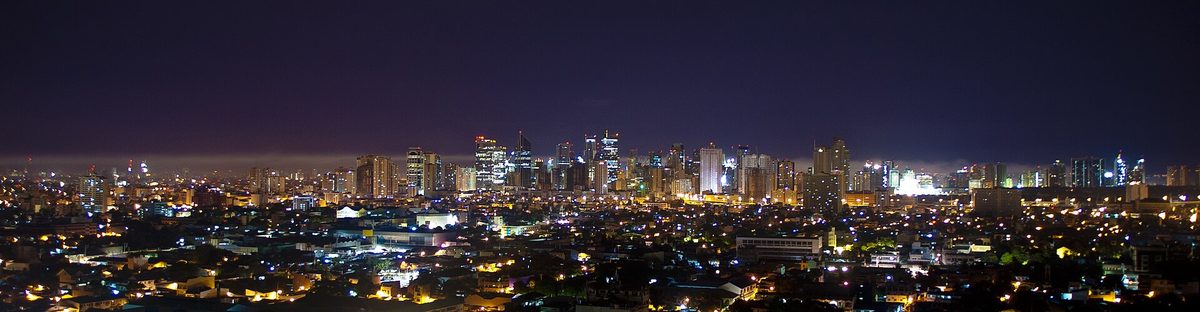
Makati’s central business district is where I send most first-time visitors. It is the country’s financial heart, which means private security on most blocks, good lighting, smooth pavements and a density of hotels, malls and restaurants you can reach on foot. The Ayala Avenue corridor and the Greenbelt and Glorietta mall complexes are comfortable at any hour. I have walked back to my hotel here at one in the morning without a second thought, though as anywhere I keep my phone in my pocket rather than my hand. For ease, safety and central location, Makati CBD is hard to beat.
BGC and Taguig: the safest it feels
Bonifacio Global City, usually just called BGC, is a master-planned district in Taguig that feels closer to Singapore than to old Manila. Wide tree-lined streets, public art, manicured parks, and a grid that is genuinely pleasant to walk. Families love it because it is predictable and clean, with zero hassle. If your priority is feeling completely at ease, especially travelling with kids, BGC is the calmest base in the metro. The trade-off is that it can feel a little sterile and is slightly removed from the historic core, but for peace of mind it is the gold standard.
Poblacion: nightlife with a bit more awareness
Poblacion, a pocket within Makati, is the metro’s most exciting nightlife district: speakeasies, rooftop bars, Korean barbecue and a young crowd. It is safe to walk to dinner and bar-hop, and I do it often. The extra awareness it asks for is the standard nightlife kind: keep an eye on your drink, do not flash cash or an expensive phone at three in the morning, and use Grab for the ride home rather than wandering unfamiliar side streets. Spiked-drink and friendly-stranger setups are the realistic risk here, not violence. If you want to understand how those play out, our guide to common tourist scams in the Philippines covers them in detail.
Ermita and Malate: old-Manila character, stay alert
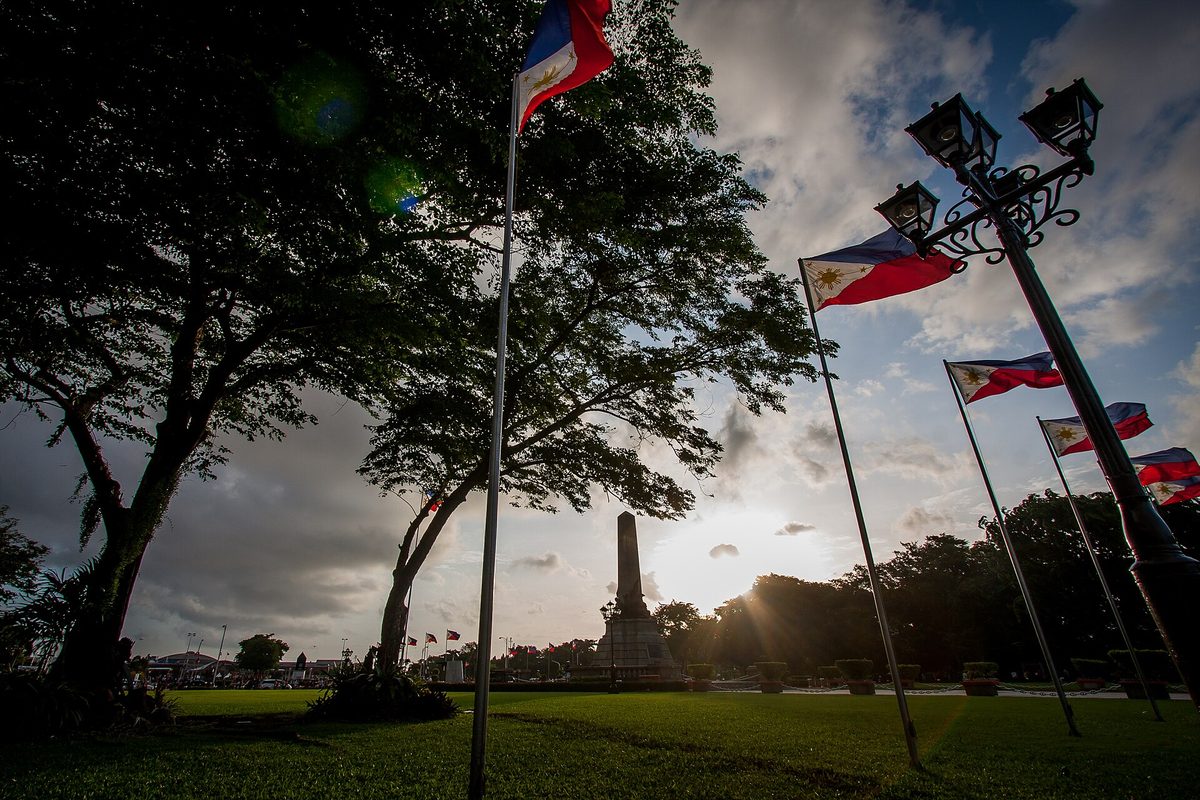
These neighboring districts near the bay hold a lot of mid-range and budget hotels and a faded, atmospheric charm. By day they are perfectly fine, with the museums of the National Museum complex and Rizal Park close by. After dark the picture is patchier; some stretches turn seedier, with a visible adult-entertainment scene and more street activity. I am comfortable basing here on a budget, but I am more deliberate about which streets I walk at night and I take a Grab for anything beyond a few blocks.
Intramuros and Binondo: visit by day, do not base
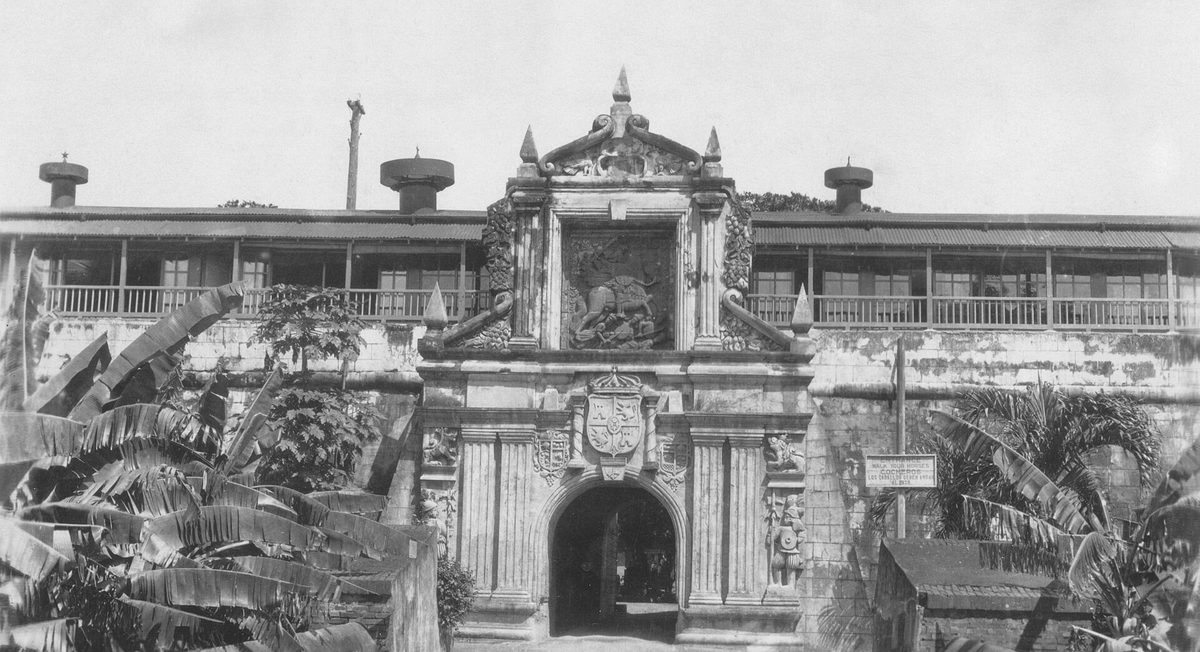
Intramuros, the old Spanish walled city, is one of Manila’s best half-days: Fort Santiago, the stone walls, San Agustin Church, all wonderful on foot or by bamboo bike. Binondo, the world’s oldest Chinatown, is a phenomenal food crawl. Both are busy and safe during daylight. Neither makes a good overnight base, though, because both empty out and quieten down after dark, and the surrounding older streets are not where you want to be wandering at night. Treat them as daytime destinations and sleep in Makati or BGC.
Pasay and Mall of Asia: handy for the airport
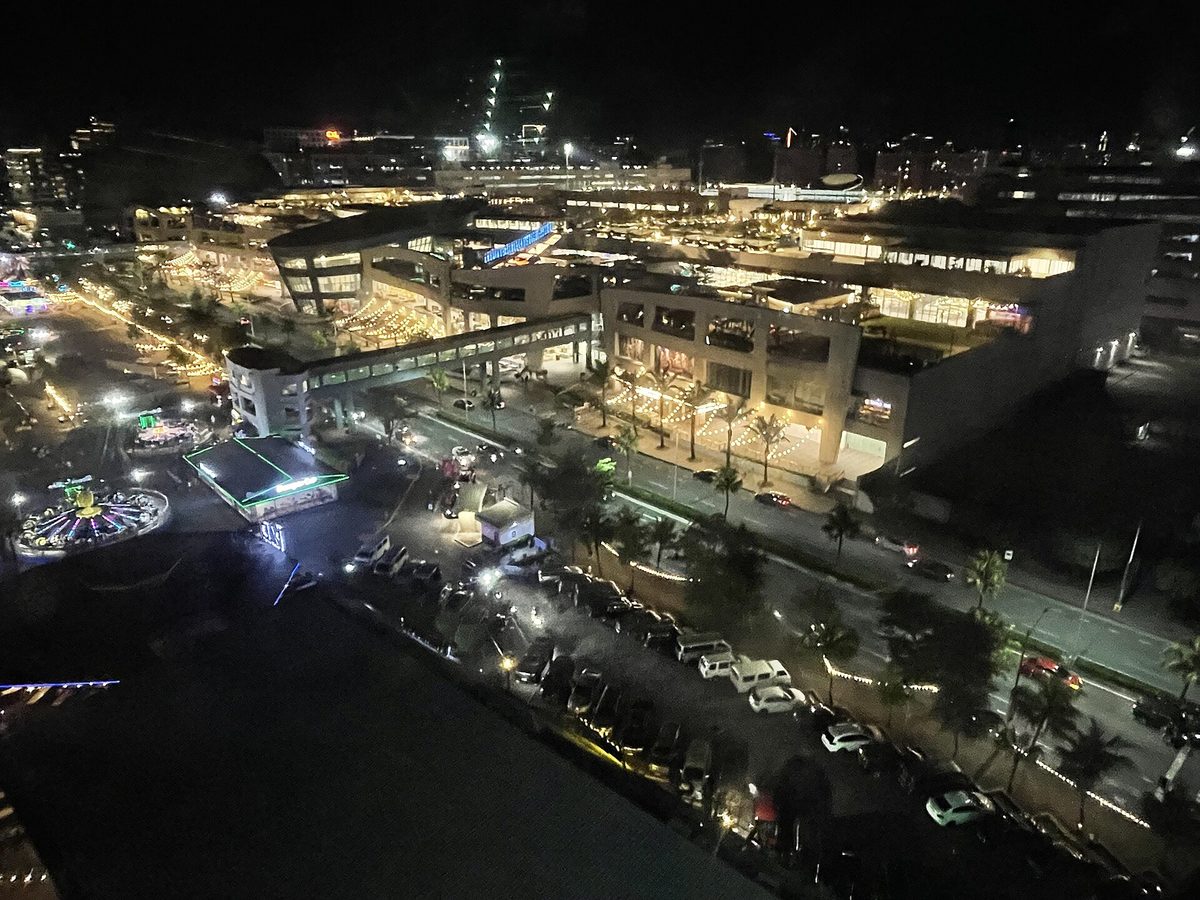
Pasay sits next to the airport and the giant SM Mall of Asia complex on the bay, with its famous sunset views and a cluster of hotels and casinos. The mall and resort zones are well-secured and fine, and the area is a sensible pick if you have an early flight or a layover. Pasay overall is a real working city, so apply ordinary caution away from the polished complexes, but as a convenient, safe-enough base near NAIA it does the job.
Quezon City: huge, and fine in the right pockets
Quezon City is the largest city in the metro by far, more a collection of neighborhoods than a single place. The commercial hubs around the Araneta and Eastwood districts are modern, busy and safe, with hotels and good food at lower prices than Makati. It is a little removed from the tourist core and not where most first-timers should base, but for a longer or more local stay, its better pockets are comfortable.
Tondo and Divisoria: the honest “be careful” note
I will be straight with you. Tondo, near the port, has long carried a reputation as one of the city’s roughest districts, and Divisoria’s bargain markets, while a genuine experience, are dense, chaotic and a pickpocket’s playground. These are not tourist bases. If you visit Divisoria for the markets, go in daylight, carry almost nothing of value, and ideally bring a local or a guide. Avoid wandering Tondo’s interior, and do not be in either area alone after dark. This is not fear-mongering; it is the same advice a local would give you. For a fuller treatment of which districts and regions warrant a wide berth, see our rundown of Philippines areas to avoid.
Getting around Manila safely
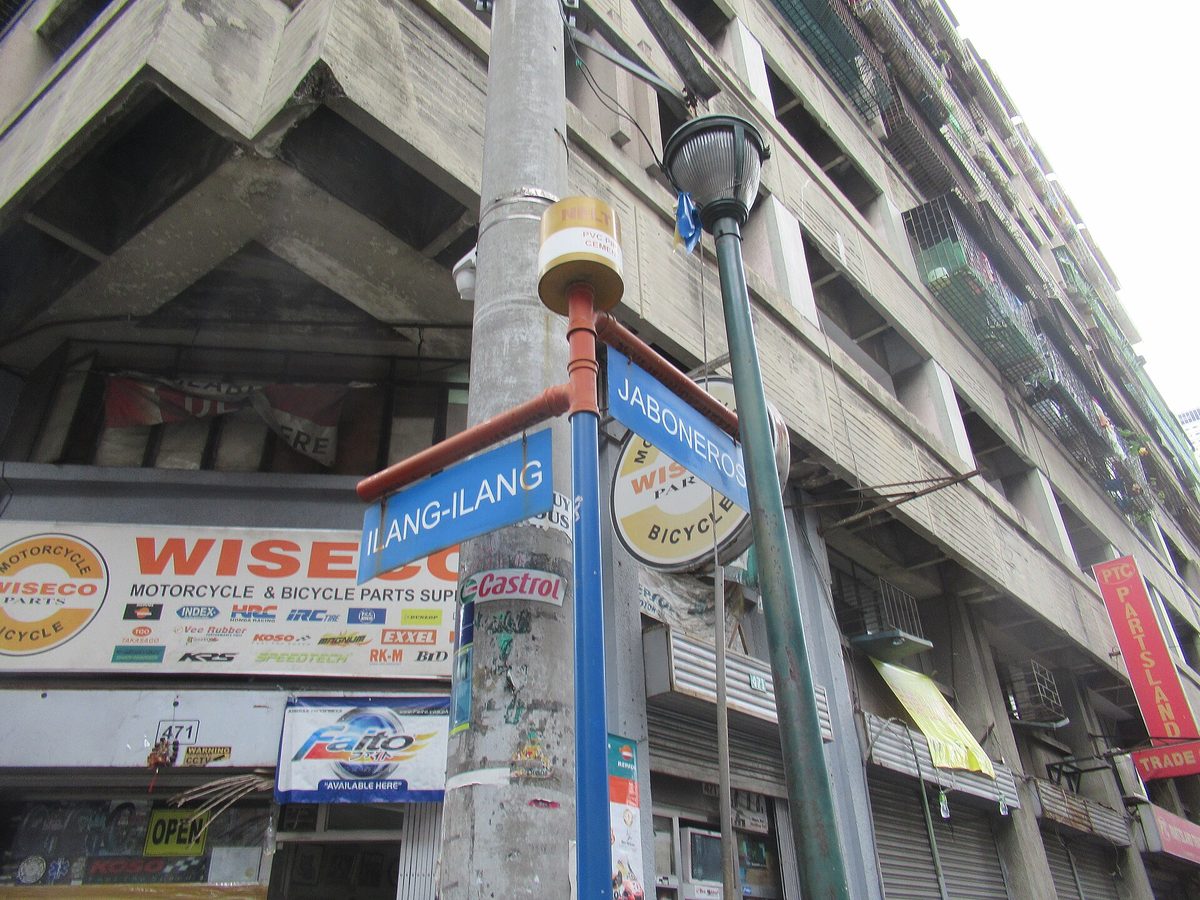
Transport is where most tourist friction in Manila actually happens, so this section earns its place. The single best habit you can adopt is to use Grab, the ride-hailing app, for almost everything.
Grab versus taxis
Grab is the safest, lowest-stress way to move around the metro. The fare is fixed and shown before you book, the driver and plate are logged, and there is no meter to argue about. That removes the most common tourist headache in one move. Street taxis are not all bad, and the metered white and yellow cabs can be fine, but the “broken meter,” “no change” and inflated-fare routines are common enough that I rarely bother. If you do take a street taxi, insist the meter runs or agree the fare first. From the airport, use the official coupon or yellow-taxi bays, or simply book a Grab.
Trains, jeepneys and buses
The MRT and LRT lines are cheap and skip the legendary traffic, which is a real advantage. They are also where pickpocketing concentrates, because rush-hour carriages are extremely crowded. Ride them, but wear your bag in front, keep your phone away, and avoid the worst of the crush if you can. Jeepneys, the colourful converted jeeps, are an icon and a genuine slice of local life, but they are confusing for visitors and another pickpocket hotspot; I would treat a first jeepney ride as an experience rather than a transport plan. City buses are similar: useful, cheap, and a place to mind your belongings.
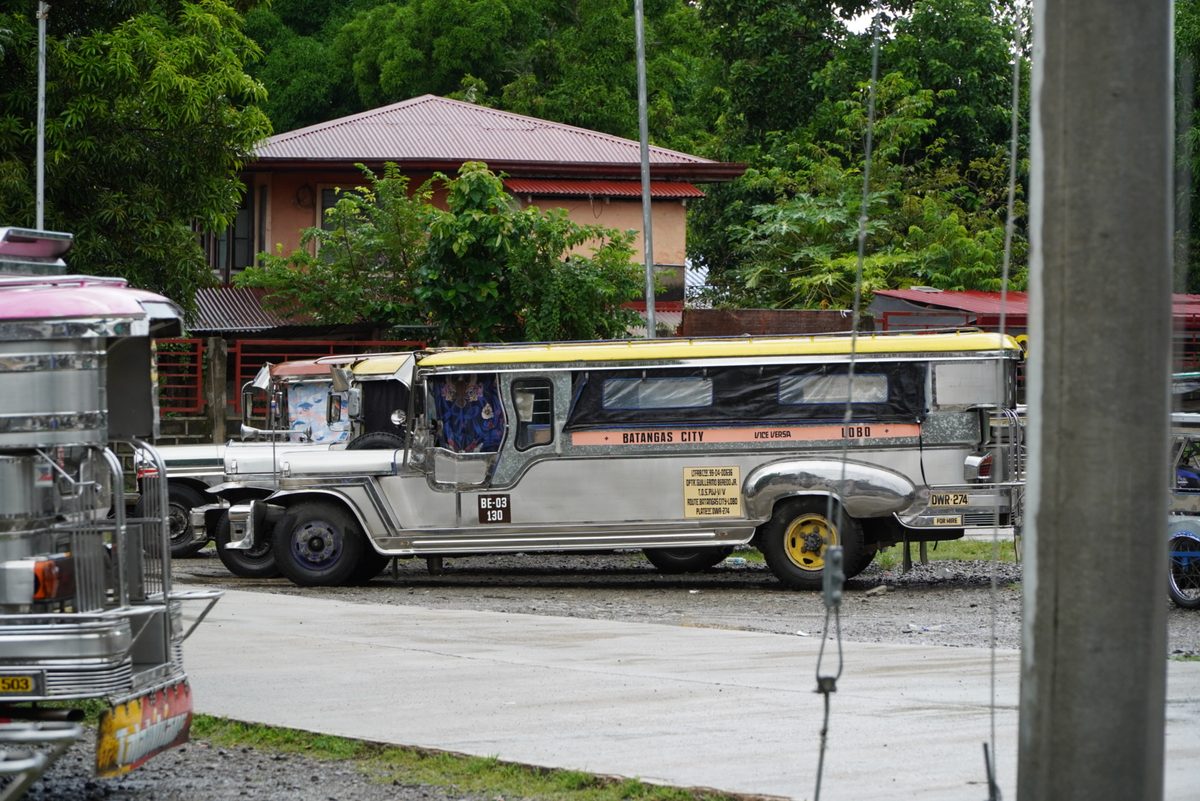
Traffic itself is a safety issue
This is the risk people underestimate. Manila’s traffic is intense, crossings can be hectic, and pedestrians do not always have the right of way in practice. Cross at lights and footbridges, do not assume a car will stop, and be especially careful at night. Motorbike taxis exist and are quick through gridlock, but they raise your accident risk, so weigh that up. For the bigger picture on moving between regions and islands, our guide to getting around the Philippines is the companion piece to this.
Night safety and nightlife
Manila after dark is fun, and you do not need to hide in your hotel. The rule is simply to be a bit more deliberate than you are by day. Stick to the lively, well-lit districts (Poblacion, BGC, the Makati and bay-area mall zones) where there are people around. Take a Grab between venues rather than walking long stretches of unfamiliar street, especially late.
The realistic night risk for tourists is not a mugging; it is a drink-related scam or simple over-indulgence. Watch your drink being made, do not leave it unattended, and be wary of an unusually friendly stranger who steers you to a particular bar or offers you a drink or a snack out of nowhere. The classic setups rely on lowering your guard, not on force. Keep your wits, keep your group together, and the nightlife here is a highlight rather than a hazard. Solo travellers, and women especially, should skim our notes on solo female travel in the Philippines for night-specific tactics.
Scams in Manila: the short version
Scams are the most common thing that goes wrong for visitors, and almost all of them are about money rather than safety. The headline ones are taxi overcharging, money-changer short-changing, fake “guides” and tour overcharging, ATM skimming, and the friendly-stranger or spiked-drink play. The defenses are boring and effective: use Grab, change money at banks or reputable counters and count it, use ATMs inside bank lobbies or malls, book tours through your hotel or established operators, and decline unsolicited help. I have kept the detail brief here on purpose because we have a dedicated walkthrough; if you read one companion piece, make it our guide to common tourist scams in the Philippines.
Natural hazards: flooding and earthquakes
Two natural realities are worth understanding before you go, both manageable with a little awareness.
The first is weather. Typhoon and rainy season runs roughly from June to November, and September, when many people travel, is peak. Heavy rain can flood low-lying parts of the metro and snarl transport for hours. None of this is dangerous if you plan around it: monitor PAGASA, the national weather service, build a buffer day or two into your itinerary, and never book a tight connection between a domestic flight and an international one during storm season. If a big system is forecast, simply stay put for a day; flooding is an inconvenience, not a threat, when you are sensible about it.
The second is earthquakes. The Philippines sits on the Pacific Ring of Fire, so quakes are a background reality rather than a freak event. Metro Manila is crossed by the West Valley Fault, which seismologists at PHIVOLCS, the national volcanology institute, flag as capable of a major earthquake. There is no way to predict timing, and you should not let it cancel a trip, but it is worth being prepared the way locals are. When you check into your hotel, note the exits and the assembly point. If a strong quake hits, the guidance is drop, cover and hold on: get under sturdy furniture, protect your head, and stay away from windows until the shaking stops. That is the whole drill, and it is the same advice given to residents.
Practical do’s and don’ts
None of these are dramatic. They are the small habits that keep the worst realistic day off the table.
- Do use Grab as your default for getting around, day or night.
- Do base yourself in Makati or BGC for your first trip; it removes most decisions.
- Do keep your phone in a pocket or bag rather than your hand in crowds and on trains.
- Do carry only the cash you need, and keep a copy of your passport separate from the original.
- Do note your hotel’s exits and emergency contacts on arrival.
- Don’t flash jewellery, a fat wallet or a top-end phone, especially late at night.
- Don’t accept drinks, snacks or unsolicited “help” from over-friendly strangers.
- Don’t walk long stretches of unfamiliar street after dark; book a ride instead.
- Don’t wander the interior of Tondo, and skip Divisoria after dark.
- Don’t assume traffic will stop for you; cross at lights and footbridges.
Keep two numbers handy: 911 is the nationwide emergency line, and the Department of Tourism assistance hotline is (02) 8524-1728. Tourist police operate in the main hubs.
Is Manila safe for solo travellers, women and families?
Mostly yes, with the same caveats that apply to any large Asian capital. Solo travellers do fine here; the key is sticking to good districts, using Grab at night, and keeping the nightlife-scam awareness from earlier in mind. Women travel Manila safely all the time, though unwanted attention and harassment can happen, more so at night and on crowded transport, so the usual tactics apply: dress as you are comfortable, avoid isolated streets after dark, and lean on Grab. For tactics written specifically for women travelling alone, our guide to solo female travel in the Philippines goes deeper.
Families are well served, especially in BGC, where the parks, malls and predictable streets make life easy with kids. The main day-to-day cautions for families are mundane ones: the heat, the traffic when crossing roads, and drinking bottled rather than tap water. Pick the right base and Manila is a manageable, even easy, family city.
Where I would actually stay
If you want the short recommendation: book BGC if your priority is feeling completely relaxed, particularly with family, and book Makati CBD if you want to be a little more central with the best concentration of dining and walkable nightlife. Those two cover the vast majority of visitors. Choose Pasay or the Mall of Asia area if you mainly need to be near the airport, and consider Ermita or Malate only if you are on a tight budget and happy to be a bit more streetwise after dark. For a wider look at neighborhoods, hotel zones and prices, pair this with our Manila travel guide.
The bottom line is the one I started with. Manila is safe for the ordinary tourist who picks a good base, uses Grab, watches their belongings in crowds, and treats the night with a little more care than the day. Do that and the capital is not something to survive; it is a genuinely rewarding, energetic, delicious city to enjoy.
Frequently asked questions
Is Makati safe?
Yes. Makati’s central business district is one of the safest parts of the metro, with private security, good lighting and heavy foot traffic. I am comfortable walking there day and night, taking only the standard precaution of keeping my phone pocketed in crowds. It is my usual recommendation for first-time visitors who want ease and a central location.
Is it safe to walk around Manila at night?
In the right districts, yes. Walking after dark in Makati CBD, BGC and busy mall and nightlife zones is fine. The trick is to stay where there are people and lights, and to book a Grab rather than walking long stretches of quiet or unfamiliar street. Avoid empty areas, Tondo’s interior and Divisoria at night entirely.
Which part of Manila should tourists avoid?
Tondo, near the port, has the roughest reputation and is not a tourist base. Divisoria’s markets are worth a daytime visit but are a pickpocket hotspot, so carry little and ideally bring a guide. Beyond those, avoid poorly lit, unfamiliar streets late at night anywhere; that is where opportunistic crime concentrates.
Is Grab safe in Manila?
Yes, Grab is the safest way to get around. Fares are fixed and shown upfront, and the driver, vehicle and route are all logged in the app, which removes the meter disputes and overcharging that come with some street taxis. It is what I use for almost every trip across the metro, and it is especially valuable at night.
Is Manila safe for solo female travellers?
Generally yes. Many women travel Manila solo without trouble. Unwanted attention can occur, more often at night and on packed transport, so stick to good districts, use Grab after dark, and trust your instincts. Our dedicated solo female travel guide covers night-specific tactics in more detail if you want them.
Do I need to worry about earthquakes in Manila?
You should be aware, not anxious. Metro Manila sits near the West Valley Fault and the country is on the Ring of Fire, so quakes are a background reality. There is no way to predict them, and they should not cancel a trip. Just note your hotel’s exits on arrival and remember the drill: drop, cover and hold on.
Sources and photo credits
Photo credits
- manila-safe-bgc-taguig.jpg — Photo: Patrick Roque / CC BY-SA 4.0 via Wikimedia Commons
- manila-safe-makati-skyline.jpg — Photo: Red marquis (CC0) via Wikimedia Commons
- manila-safe-intramuros-fort-santiago.jpg — Photo: anonymous (CC0) via Wikimedia Commons
- manila-safe-binondo-chinatown.jpg — Photo: Zarate123 / CC BY-SA 4.0 via Wikimedia Commons
- manila-safe-mall-of-asia-bay.jpg — Photo: Redenertube (CC0) via Wikimedia Commons
- manila-safe-jeepney.jpg — Photo: Fiszi37 (CC0) via Wikimedia Commons
- manila-safe-rizal-park.jpg — Photo: Froi Rivera / CC BY-SA 4.0 via Wikimedia Commons
Sources
- U.S. Department of State – Philippines Travel Advisory
- U.S. Embassy in the Philippines
- PHIVOLCS – Philippine Institute of Volcanology and Seismology (West Valley Fault)
- Philippine Department of Tourism – official tourism portal
About this guide: PhilippinesTourism.org is an independent Philippines travel resource. Information was researched and verified September 2026.