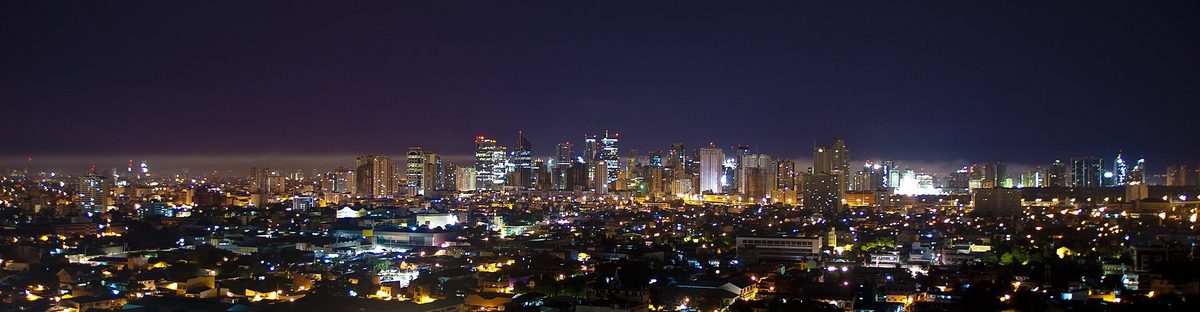
Manila Nightlife: Poblacion and Beyond
Manila after dark is not one scene but a dozen, scattered across cities that happen to share a metro. Poblacion in Makati is the bar-crawl heart, BGC is the polished upscale option, Malate is the older red-light strip, and Quezon City is where locals go. Below is an honest, current map of where to drink, what it costs, and how to get home safely in 2026.
I have lost more nights than I can count to this city, and the single most useful thing I can tell you is that Manila rewards choosing your district on purpose instead of defaulting to whatever is near your hotel. A night in Poblacion and a night in BGC are not better or worse than each other. They are different machines. Pick the one that matches your mood, and read the safety section before you go anywhere near P. Burgos Street.
At a glance: Manila’s nightlife districts and scenes
| Area / scene | Vibe | Who it’s for | Price band (2026) | Safety note |
|---|---|---|---|---|
| Poblacion (Makati) | Dense, walkable, eclectic bar crawl | First-timers, solo travelers, the curious | Mixed: cheap beer to ~PHP 400 cocktails | Generally safe, watch belongings in crowds |
| BGC (Taguig) | Wide streets, upscale, clubs and breweries | Couples, professionals, comfort-seekers | Consistently pricey | The safest option in the metro |
| Malate / Ermita | Faded grandeur plus an active red-light strip | History buffs by day; go in eyes-open at night | Cheap, but with strings attached | Most caution needed; scam-prone |
| Quezon City | Live music, local crowd, no pretense | Music lovers, anyone avoiding the expat bubble | Affordable | Fine, but plan your ride home |
| Rooftop bars | Skyline views, cocktails, date energy | Couples, photographers, sunset chasers | Mid to high | Very safe; book ahead on weekends |
| Live music & jazz | Intimate, Filipino bands that genuinely deliver | Music heads of any age | Low cover plus drinks | Safe; venues are small |
| LGBTQ+ scene | Drag, dancing, spread across the metro now | Everyone; Manila is welcoming | Moderate | Safe; standard city sense |
One number to anchor everything: a cocktail in a downtown Manila club averages around PHP 380 (roughly $6.50), while a neighborhood beer runs closer to PHP 170 (about $3) as of early 2026. Verify on the night, because Makati alone spans 20-peso beer to 400-peso cocktails depending on which door you walk through. For where to base yourself between nights out, our guide to where to stay in Manila breaks down the districts in detail, and this piece is part of our broader Manila travel guide (overview).
Poblacion (Makati): the bar-crawl epicenter
If you only have one night, spend it here. Poblacion is a former residential barangay that grew into Metro Manila’s nightlife capital almost by accident, which is exactly why it works. Actual families still live above the bars. The streets are narrow, the signage is minimal or nonexistent, and the whole grid takes about fifteen minutes to walk end to end. You do not plan a Poblacion night so much as follow the music.
The spine is Don Pedro Street, branching into P. Burgos, Valdez, Guanzon, and Enriquez. A typical crawl starts with craft cocktails around 8pm, shifts to something louder by 10, and lands at a club after midnight. The Spirits Library on Guerrero is the one I send everyone to first, a bookshelf-lined room of rare bottles that does jazz and blues on the right nights. OTO on Enriquez pairs vinyl with serious cocktails. A’Toda Madre stocks over a hundred tequilas and mezcals next to genuinely good Mexican food. When you want a dance floor, Octopus styles itself a European super-club and runs until dawn, while Sanctuary gives you a rooftop terrace with skyline views and DJs inside.
The noise and permit reality in Poblacion
Here is the honest part. Because people live here, Poblacion exists in permanent tension with its own success. Makati has long-standing noise ordinances, and the city has periodically ordered bars closed for operating past curfew or breaching permit conditions. Crackdowns and curfew discussions flare up, then ease. The practical upshot for you in 2026: a specific bar may have shortened its hours, gone quiet, or shut entirely since this was written, so treat any single venue as “verify before you go,” and keep your voice down on the residential side streets between stops. The scene as a whole is not going anywhere, but individual doors open and close constantly.
Legazpi and Salcedo: the grown-up cocktail option
A short ride from the chaos sit Legazpi and Salcedo Villages, where Manila’s speakeasy culture lives. The Curator, a coffee shop by day, has placed on Asia’s best-bars lists and is the move for a properly made drink in a quiet room. The Blind Pig bills itself as the country’s first speakeasy, unmarked and date-friendly. Come here when you want conversation over volume.
BGC: upscale bars, breweries, and the big clubs
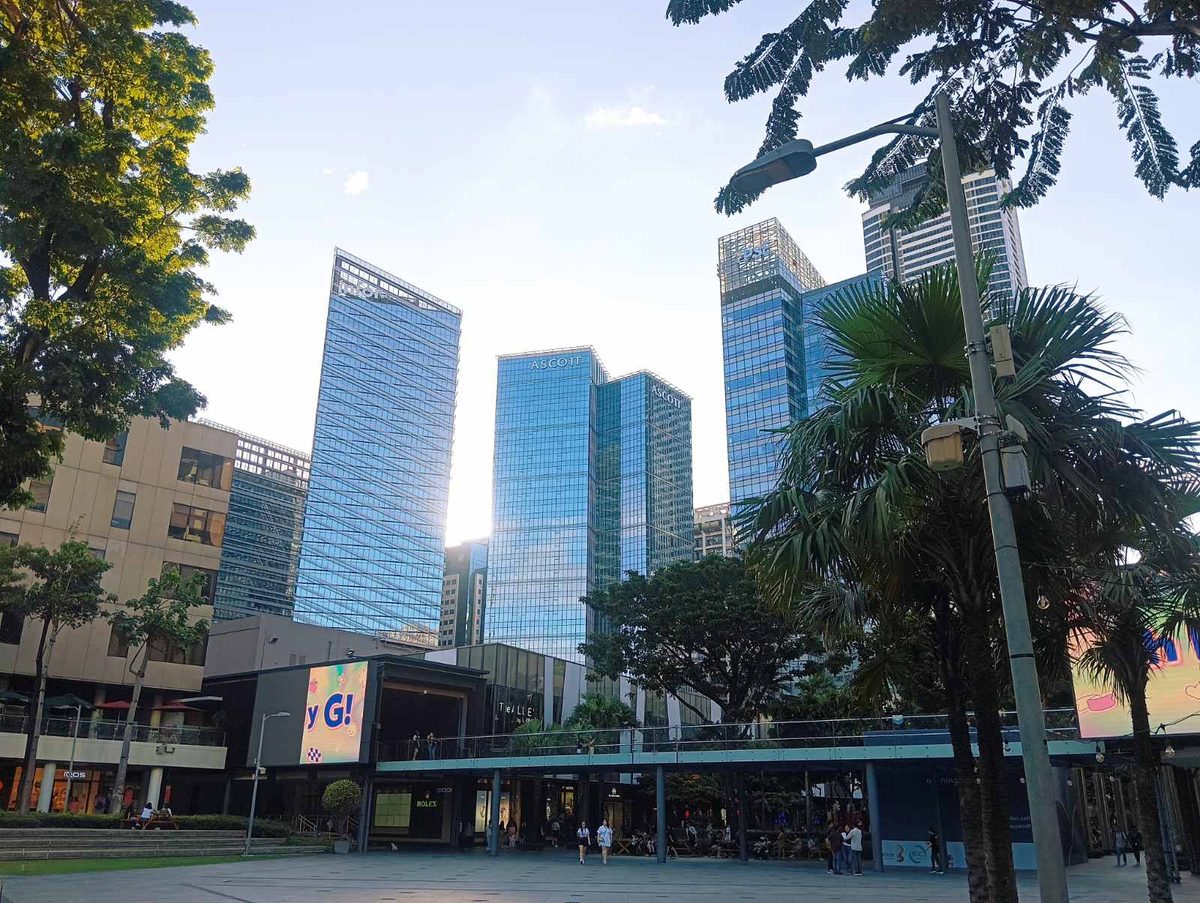
Bonifacio Global City is the opposite of Poblacion by design. It is a planned district of wide, well-lit grid streets, and its nightlife is engineered for exactly this purpose rather than adapted from old houses. The crowd skews a little older and more international, the venues are bigger, and the prices are reliably high. What you trade in serendipity you gain in comfort and breathing room.
This is where the metro’s mega-clubs cluster, anchored by The Palace complex around the north end. XYLO is the flagship room for big-name DJs and full production, with table fees and a dress code to match. The Island gives you an open-air, tropical-feeling club next door. For something calmer, Bonifacio High Street is lined with breweries, wine bars, and lounges. Dr. Wine is a long-running expat favorite, busy even on weeknights. If your idea of a good night is a craft beer and a conversation you can actually hear, BGC delivers it more dependably than anywhere else in town. Pair it with the city’s serious food scene using our Manila food guide.
Malate and Ermita: the honest, eyes-open version
Malate was Manila’s nightlife center decades ago, and it carries that faded grandeur with some grace. By day, the Orosa-Nakpil area and the old streets near Manila Bay are worth a wander. By night, the picture is more complicated, and I would rather tell you straight than sell you a fantasy.
Parts of Ermita and the Malate fringe operate as adult-entertainment and red-light zones, much like P. Burgos Street back in Makati. These areas exist, they are reasonably visible, and they come with the standard hazards of such districts anywhere: aggressive touts, padded bills, and the very real risk of being charged far over an agreed price once staff sense a foreigner who is not paying attention. If you wander in out of curiosity, engage only on your own terms, ignore the street merchants, and check every charge before you hand over a card. If that is not your scene, you lose nothing by skipping the strip entirely and drinking in Poblacion or BGC instead. This is also the part of town where reading up on common tourist scams before you arrive genuinely pays off.
Quezon City: live music and the local crowd
Cross into Quezon City and the tourist-and-expat gloss falls away. Around Timog Avenue and Tomas Morato you get a middle-class commercial sprawl of bars where the crowd is mostly local and the point is a genuinely fun night with friends, not seeing and being seen. Prices drop accordingly.
The real draw, though, is Cubao Expo, a converted artists’ compound that turns into a low-key warren of bars, galleries, and music after dark. It is scruffy, creative, and the antithesis of a BGC super-club. QC is also home to the metro’s best live music, which deserves its own section below. If you have a few nights in Manila and want one that feels like the city locals actually inhabit, give Quezon City an evening.
A practical caveat: Quezon City is large and spread out, so it does not deliver the stumble-between-doors walkability of Poblacion. You will likely pick one cluster, settle in, and order a Grab when you move on. Build the ride into your plan and your budget, because catching a car back from a quiet QC side street at 2am takes longer than it does in Makati. The trade is worth it for the lower prices and the genuinely local feel, but go in knowing it is a sit-down-somewhere night rather than a roaming bar crawl.
Rooftop bars with skyline views
Manila’s skyline is genuinely cinematic at night, and the city has finally built the rooftops to enjoy it from. The Skybar high up at Solaire’s north tower does celestial-themed cocktails with live bands and a view that earns its menu prices. Closer to the action, Firefly Roofdeck in Makati is a long-time favorite for skyline drinks, and Antidote runs late on a Makati rooftop. In Taguig, The Peak stacks a grill and music across multiple open levels.
A couple of honest notes. Rooftops sit in the mid-to-high price band, and the best ones fill up on weekends, so book a table if you have your heart set on a particular view. And one insider trick locals swear by: some of the finest sunset angles are not from the famous five-star decks at all, but from the lower, cheaper hotel roof-bars sitting diagonally across from them. The skyline does not know which building you are standing on.
Live music and jazz
If choreographed EDM is not your thing, this is where Manila quietly shines. Filipino bands are, as a rule, excellent, and the live circuit is deep. Tago Jazz Cafe in Cubao is the spiritual home of the scene, an unmarked residential house in Quezon City that has hosted local jazz since 2011 and was still going strong in 2026; it runs shows on weekend evenings, so check the night before you trek out. For rock, Handlebar in Makati is the grizzled biker-bar institution, and Bourbon Bar over on P. Burgos packs in Filipino rock bands until the early hours.
Cover charges here are low or nonexistent, with the spend coming from drinks, and the rooms are small enough that you are never far from the stage. Set lists and gig calendars change weekly, so a quick look at a venue’s social media the day of will save you a wasted trip.
The LGBTQ+ scene
Manila is broadly warm and easygoing toward LGBTQ+ visitors, and the nightlife reflects that. The historic gay district is Malate, centered on Orosa and Nakpil Streets, where same-sex affection draws no second glances and the bars run chaotic and joyful. That said, the scene has dispersed across the metro in recent years rather than staying concentrated in one strip, and the pandemic permanently closed a number of beloved rooms, so the map keeps shifting.
The one constant is O Bar, the metro’s reigning drag temple, which relocated from old Malate to a brighter space in Ortigas Center, where its drag shows typically kick off after 1am and run into the small hours (as of 2026; verify the night’s schedule). Expect sequins, fierce performances, and a mixed, welcoming crowd. Beyond that, you will find LGBTQ+-friendly nights woven into Poblacion and BGC venues throughout the week; ask around or check listings, because specific parties move.
If you are planning around it, know that the calendar matters as much as the venue. Manila Pride, usually staged mid-year, brings a wave of parties and pop-ups that outshine any single bar, and the drag scene in particular has grown fierce and mainstream over the past few years. On an ordinary weekend, your best bet is to treat O Bar as the anchor and let a local or a current listing point you to whatever themed night is running elsewhere that evening.
What a night actually costs in 2026
Let me put real numbers on it, all hedged and converted at roughly 58 pesos to the dollar. These are typical 2026 ranges, not guarantees, so verify on the night.
| Item | Typical price (PHP) | Approx (USD) |
|---|---|---|
| Local beer, neighborhood bar | ~120–180 | ~$2–3 |
| Local beer, happy hour | from ~90 | from ~$1.50 |
| Craft cocktail, Poblacion / BGC | ~350–500 | ~$6–9 |
| Cocktail, downtown club average | ~380 | ~$6.50 |
| Club cover / table minimum (big clubs) | varies, can be steep | budget generously |
| Grab ride across the metro at night | ~200–500 | ~$3.50–9 |
| Late-night street food (isaw, kwek-kwek) | ~20–80 | under $1.50 |
A budget Poblacion night of street food and local beer can run well under $20. A BGC night with cocktails and a club cover climbs past $60 fast. Arrive at clubs before midnight to dodge or reduce cover charges, lean on happy hours that typically run late afternoon to early evening, and remember that bringing cash matters for street vendors and the smaller bars even though most venues take cards. Two more money notes worth knowing. Tipping is appreciated but not obligatory; rounding up or leaving roughly ten percent at a sit-down bar is plenty, and many cocktail spots already fold a service charge into the bill, so check before you double up. And withdraw cash before you head out rather than during the night, because Poblacion has few reliable ATMs in the thick of the bars and the ones that exist often cap foreign withdrawals or run dry on busy weekends. A little planning here saves a frustrating detour at 1am.
Manila nightlife safety: scams, drinks, and getting home
This is the section that matters most, so read it before you go out. Most of the trouble travelers run into with Manila nightlife is preventable, and Manila is not as dangerous as its reputation, but it is absolutely a city where you cannot switch your guard off. The good news is that a handful of habits handle almost everything, and they are the same ones locals follow without thinking.
- Use Grab, never a street taxi. This is the single most repeated piece of advice from locals and expats for a reason. Link a card in the Grab app and order rides door to door. Metered taxis are notorious for “broken” meters and foreigner pricing. Ride demand spikes between midnight and 2am, so build in a wait.
- Check every bill before you pay. The classic scam is a card charged hundreds or thousands of pesos over the agreed total, especially in adult-entertainment venues and especially when staff sense you are distracted. Read the slip. Question anything that looks off.
- Guard your drink. Spiked-drink incidents happen. Never leave a glass unattended, be wary of drinks pressed on you by overly friendly strangers, and be alert to “ka-barangay” style setups where a too-friendly new acquaintance steers you somewhere quieter. If a person or situation feels off, it is.
- Stay where the people are. If you pass an empty stretch, turn back toward the crowd and light. Keep a hand on your phone and wallet in packed bars. Solo travelers, especially, do well to club in a group of three or more.
For a fuller picture of risk across the city, our standalone look at is Manila safe at night covers neighborhoods, transport, and common-sense precautions in depth. Treat it as required pre-reading.
Best nightlife by traveler type
First-time visitor: Poblacion, no contest. It is the most walkable, social, and characterful introduction to how Manila actually parties.
Couples: A rooftop cocktail at sunset, then a speakeasy in Legazpi or Salcedo. BGC if you want polish and a guaranteed-comfortable evening.
Solo travelers: Poblacion for easy conversation, or a live-music room where the band carries the night. Go in a small group for clubs and watch your drink.
Budget backpackers: Poblacion street food and local beer, or Quezon City. Skip the big BGC clubs unless someone else is buying.
Music lovers: Quezon City and Cubao, with Tago Jazz Cafe and the rock institutions of Makati. This is Manila at its most underrated.
LGBTQ+ travelers: O Bar in Ortigas for the headline show, plus friendly nights folded into Poblacion. The city is welcoming across the board.
For ideas that fill the daylight hours between late nights, see our roundup of things to do in Manila.
Who should skip a big night out in Manila
I would rather you have a good trip than a disappointing one, so here is the honest counsel. Skip a big Manila night out if you cannot stand crowds, because Poblacion on a Friday is shoulder-to-shoulder and there is no fixing that. Skip it if your image of a holiday is quiet and curated, since this is a loud, sprawling, sometimes grubby city and the nightlife matches. Skip the red-light strips entirely if they make you uncomfortable; you lose nothing. And if you are chasing pristine beach-bar sunsets, that is simply not what Manila does. The metro is where you go for energy, range, and live music, not for serenity. Know which one you want, and Manila will not let you down.
Frequently asked questions
Is Poblacion safe at night?
Yes, generally. Poblacion is considered one of the safer nightlife zones in the metro, with low-key policing and a dense, busy crowd. The main risks are petty theft in the crush and overcharging in a handful of venues. Keep belongings close, check your bills, use Grab to get home, and you will almost certainly be fine.
What time does nightlife in Manila start and end?
Bars in Poblacion fill from around 8pm and peak between 10pm and 1am. Big clubs in BGC barely stir before midnight and run until roughly 4am, with some after-hours rooms going past sunrise. Cocktail bars and live-music venues skew earlier. For the best seats, arrive at bars by 9pm.
How much should I budget for a night out in Manila?
It swings widely. A Poblacion night of street food and local beer can stay under $20. A BGC evening with craft cocktails and a club cover easily passes $60. Budget roughly PHP 350–500 (around $6–9) per cocktail, much less for local beer, plus Grab fares. Verify prices on the night.
Makati or BGC for a night out?
Makati’s Poblacion is for chaos, discovery, and a younger mixed crowd in a walkable maze of bars. BGC is for polish, big clubs, breweries, and reliable comfort on wide, safe streets, at higher prices. First-timers usually love Poblacion; couples and professionals often prefer BGC. If you have two nights, do both.
How do I get home safely after drinking in Manila?
Order a Grab from inside the venue or a well-lit spot and ride door to door; never flag a street taxi. Expect higher demand and short waits between midnight and 2am. Share your trip with someone, keep your phone charged, and avoid walking through empty, dark stretches alone late at night.
Sources and photo credits
Photo credits
All images are from Wikimedia Commons under their respective licenses.
- Makati skyline at night, the glittering backdrop to Manila nightlife — Photo: Red marquis (CC0) via Wikimedia Commons.
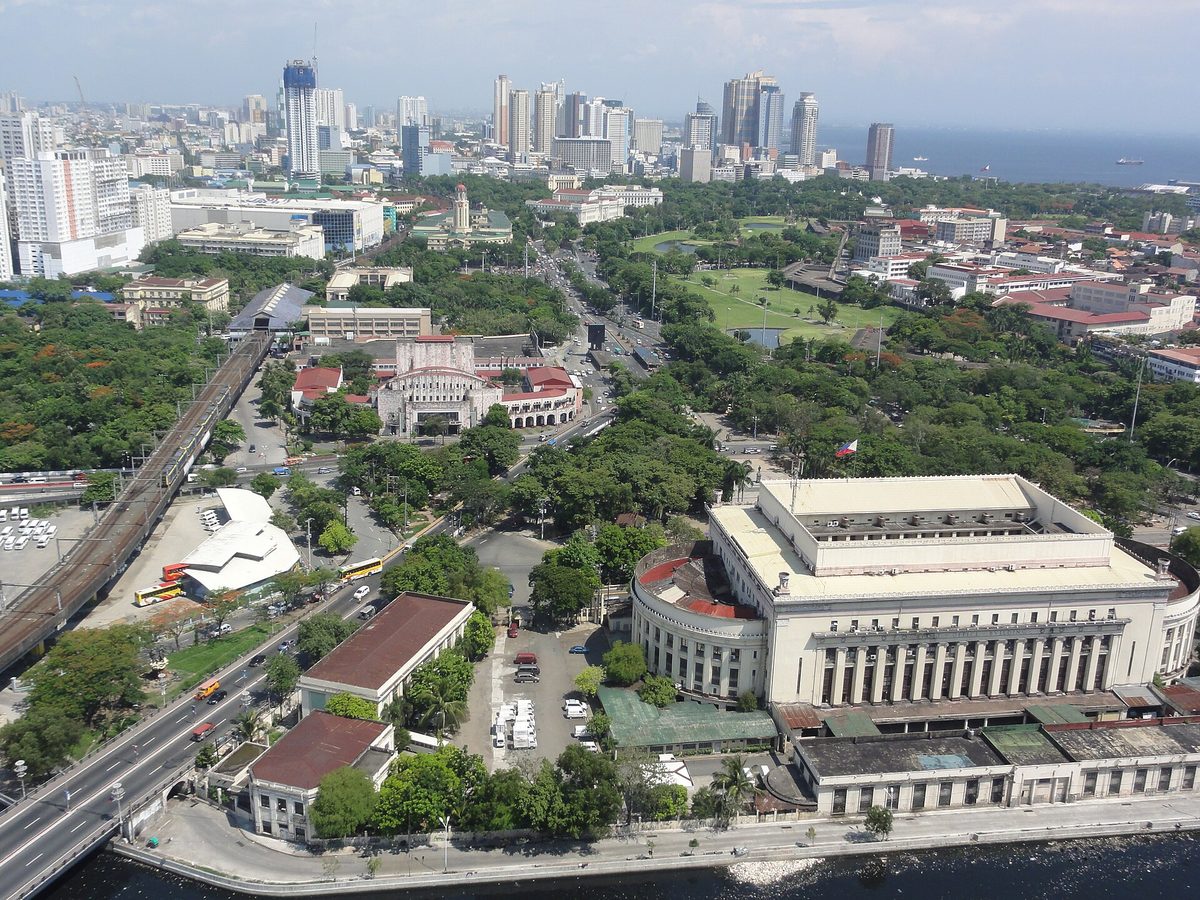
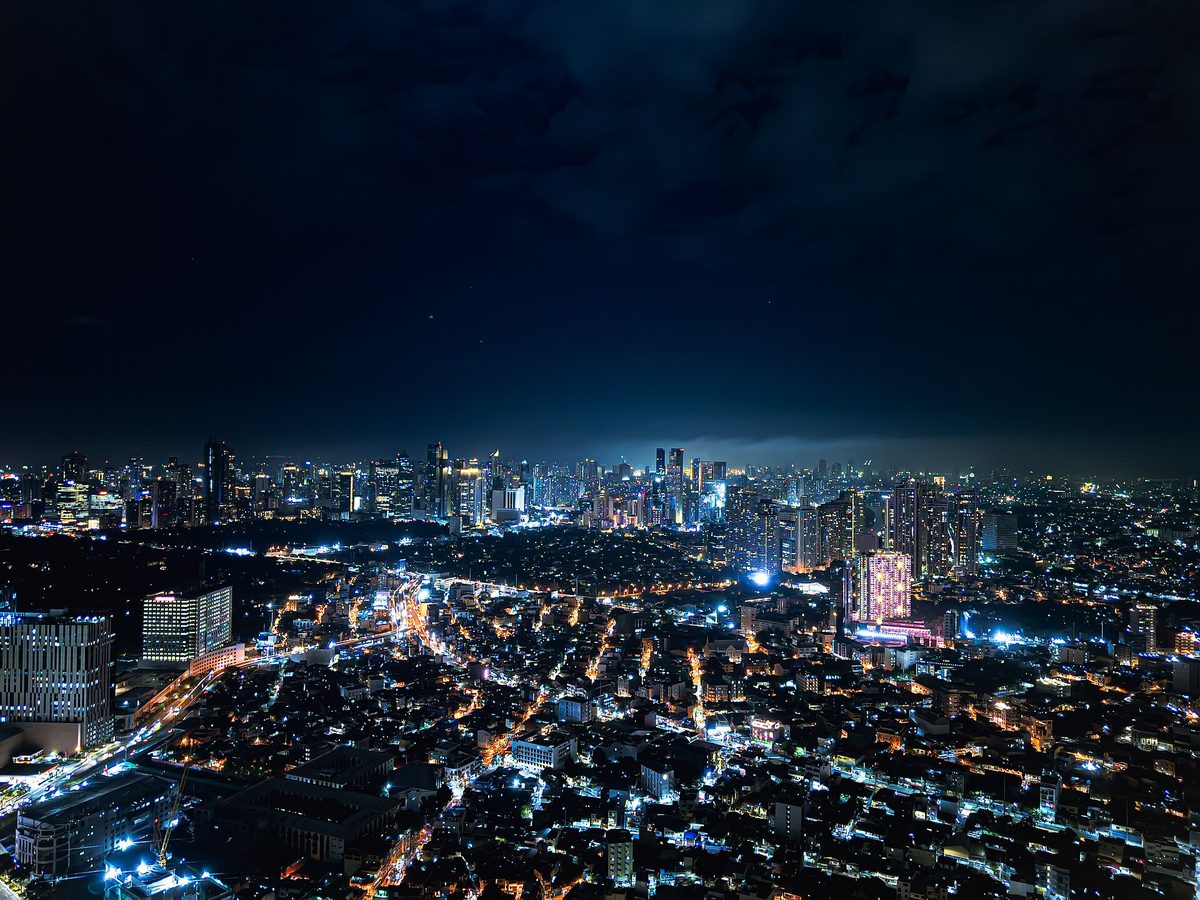
- Sprawling Metro Manila cityscape stretching to the horizon — Photo: Patrick Roque / CC BY-SA 3.0 via Wikimedia Commons.
- Bonifacio High Street in BGC, a hub for upscale bars and dining — Photo: PH 0447 / CC BY-SA 4.0 via Wikimedia Commons.
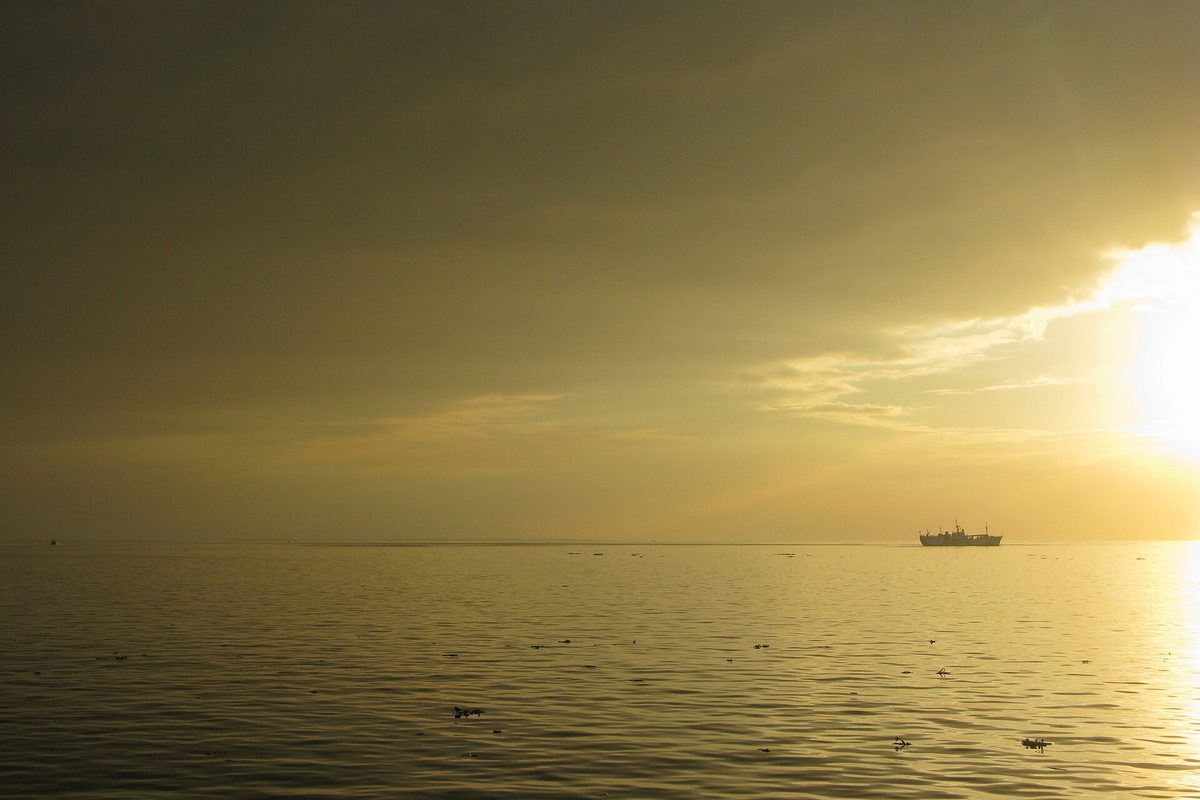
- Manila Bay glowing at dusk as the city lights come on — Photo: Vyacheslav Argenberg / CC BY 4.0 via Wikimedia Commons.
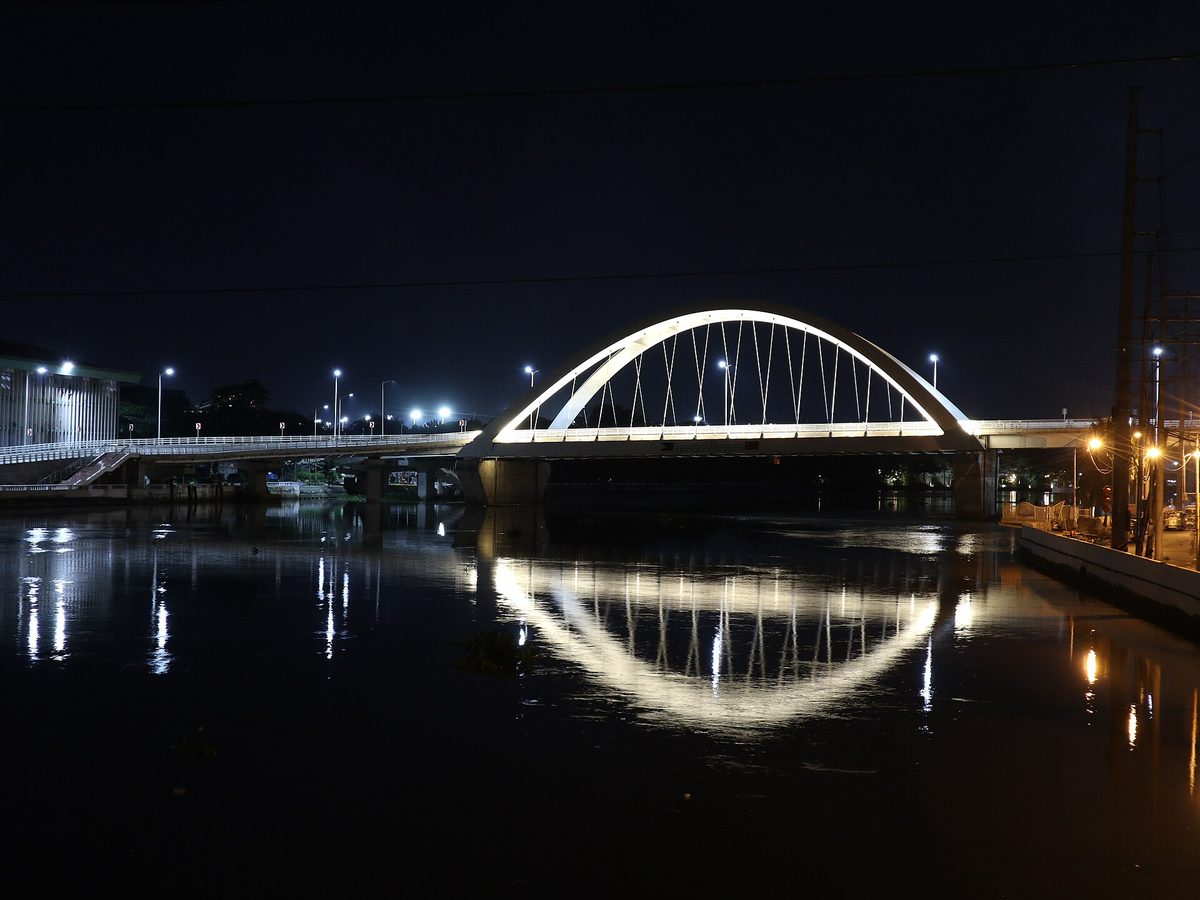
- The Binondo-Intramuros bridge and old Manila skyline lit up at night — Photo: Patrickroque01 (CC0) via Wikimedia Commons.
- BGC Bonifacio Global City towers glowing after dark — Photo: YZJay (CC0) via Wikimedia Commons.
Sources
- Tatler Asia — Best Bars in the Philippines 2026.
- Expatistan — Manila cocktail and beer price data (2026).
- Makati City government — noise ordinances and resto-bar closure notices.
- Travelgay & The Culture Trip — Manila LGBTQ+ venue updates (2026).
About this guide: PhilippinesTourism.org is an independent Philippines travel resource; this guide was researched and verified June 2026.