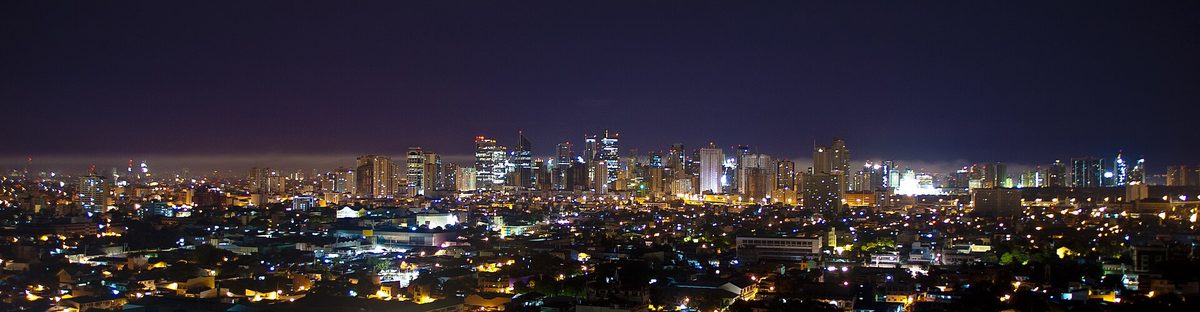
Where to Stay in Manila: Makati vs BGC vs the Bay
For most first-time visitors the answer is simple: stay in Makati or Bonifacio Global City (BGC). They are the cleanest, safest, most walkable corners of a sprawling, chaotic megacity, and they put you within a short Grab ride of nearly everything you came for. Pick the Manila Bay area for sunsets and casinos, Intramuros for history, and a stay near the airport only if you are catching a brutal early flight.
That is the short version. The long version matters, because “Manila” is really seventeen cities welded together, and the gap between a great base and a frustrating one is enormous when a five-kilometer trip can swallow ninety minutes of your day. Deciding where to stay in Manila comes down to matching a district to your trip, not chasing the “best” address. I have stayed across most of these districts, and below I break down each area honestly: who it suits, how it feels at street level, whether you can walk at night, how you will get around, and what a room actually costs in 2026, with named hotels at three budgets. Peso figures convert at roughly PHP 58 = USD 1; treat all rates as ballparks and check current prices when you book.
Manila neighborhoods at a glance
If you read nothing else, this table is the decision in miniature. “Price band” is a typical double room per night across budget, mid-range and a representative splurge.
| Area | Best for | Vibe | Typical double / night | Safety & walkability |
|---|---|---|---|---|
| Makati (Salcedo/Legazpi) | First-timers, business, food | Polished CBD, leafy condos | PHP 1,800–14,000 ($31–240) | Very safe; highly walkable |
| Makati (Poblacion) | Nightlife, backpackers | Buzzy, gritty, fun | PHP 700–5,000 ($12–86) | Safe but seedy after dark |
| BGC (Taguig) | Families, business, comfort | Modern, clean, almost American | PHP 4,000–18,000 ($69–310) | Safest feel; very walkable |
| Manila Bay / MOA | Sunsets, casinos, malls | Reclaimed land, resort-scale | PHP 2,500–15,000 ($43–260) | Safe in resort zones; not walkable |
| Malate / Ermita | Budget, culture, local life | Old-Manila, faded, real | PHP 1,200–8,000 ($21–138) | OK by day; mind the strip at night |
| Intramuros-adjacent | History buffs | Walled city, heritage | PHP 2,000–20,000 ($34–345) | Safe by day; dead at night |
| Quezon City | Long stays, concerts, locals | Sprawling, residential | PHP 1,800–9,000 ($31–155) | Safe pockets; spread out |
| Near airport (Newport) | Layovers, red-eyes | Casino-and-hotel island | PHP 3,000–12,000 ($52–207) | Safe; self-contained |
New to the country and not sure Manila is where you want to base at all? Our wider guide to where to stay in the Philippines zooms out to the islands; this one stays inside the capital.
Makati: the default winner for most travelers
If you make me choose one base for a first trip, it is Makati. The country’s premier business district is also its most liveable tourist zone: tree-lined streets you can actually walk, the city’s best concentration of restaurants and bars, three big malls, and a level of street safety that lets you wander after dinner without a second thought. Crucially, Makati is not one neighborhood but several, and which slice you pick changes your whole trip.
Salcedo and Legazpi Villages: calm, green, grown-up
These twin enclaves around the Central Business District are my pick for couples, solo travelers and anyone over thirty who wants quiet at night. Salcedo Village has a Saturday market that is one of the best food experiences in the city; Legazpi has its own Sunday version and a scattering of small museums. Both are leafy, low-key and a ten-minute walk from Greenbelt and Glorietta malls. You are surrounded by towers but it never feels frantic.
The Greenbelt cluster itself, the upscale mall complex with its little chapel and garden, is the other obvious place to anchor: stay here and you can roll out of bed into the city’s best department-store shopping, the cinemas and a ring of restaurants without ever crossing a busy road. It is pricier and more polished than Poblacion, calmer than the CBD core at night, and a strong middle-ground pick for couples who want walkable comfort but not a party on the doorstep.
Poblacion: the nightlife heart (with an asterisk)
Poblacion is Makati’s party district and, for a certain traveler, the most fun corner of Manila: a dense grid of speakeasies, rooftop bars, Korean barbecue, taco joints and the hostel scene that anchors the backpacker crowd. It is also home to the old red-light strip along part of Burgos, where you will get the occasional hustle for “massage,” fake watches or worse after midnight. None of it is dangerous in the daytime, and the going-out blocks are well-trodden, but I would not book a family here, and I would take a Grab rather than walk the dead-end streets at 3am.
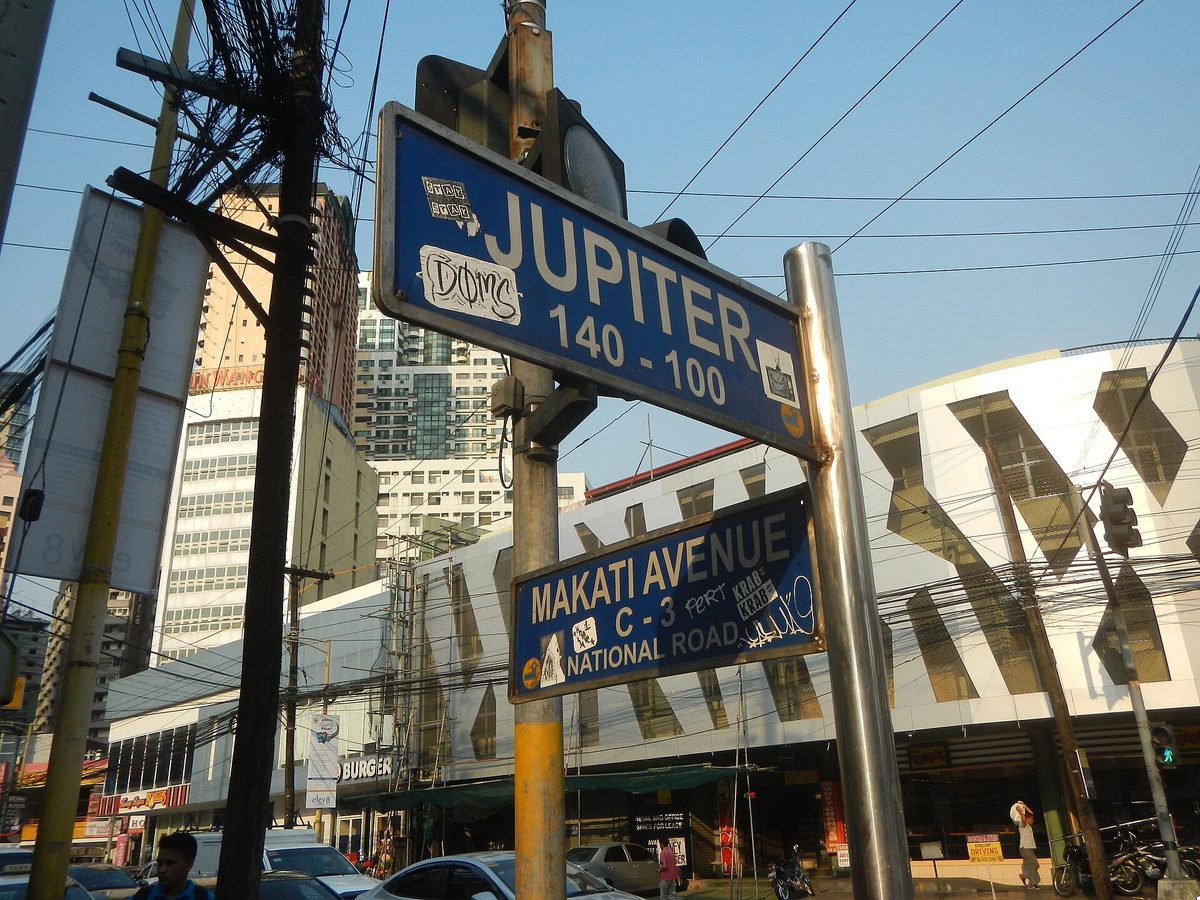
Makati hotels at three budgets
- Budget: Z Hostel in Poblacion is the social-traveler institution, with rooftop bar and dorm beds from around PHP 700–1,100 ($12–19) and basic privates higher. Hop Inn Makati Avenue is the reliable no-frills private-room option from roughly PHP 1,800–2,600 ($31–45).
- Mid-range: Red Planet Makati Avenue and the smart-but-affordable Citadines Salcedo Makati serviced apartments land around PHP 3,500–5,500 ($60–95), ideal if you want a kitchenette and a pool.
- Luxury: Dusit Thani Manila (recently rebuilt) and the storied The Peninsula Manila sit around PHP 9,000–14,000 ($155–240). One to watch: the new Mandarin Oriental above Ayala Triangle Gardens (a fresh build with Ayala Land, not the old property) is slated to open around late 2026, so check whether it is taking bookings by the time you travel.
Bonifacio Global City: the cleanest, easiest base
BGC, in neighboring Taguig, is what happens when planners get a blank slate. Wide sidewalks, public art, dog parks, a walkable High Street lined with international restaurants, and a tidy grid that feels more Singapore than Southeast Asian megacity. If Makati’s energy reads as too gritty, BGC is the antidote: zero-friction, predictable and genuinely the safest-feeling district in Metro Manila for an evening stroll. The trade-offs are price (it runs higher than Makati for comparable rooms) and a slightly sterile, mall-adjacent atmosphere that some travelers find soulless.
It is my top pick for families and for business travelers whose meetings are in The Fort. It is also where I would send anyone nervous about visiting Manila for the first time.
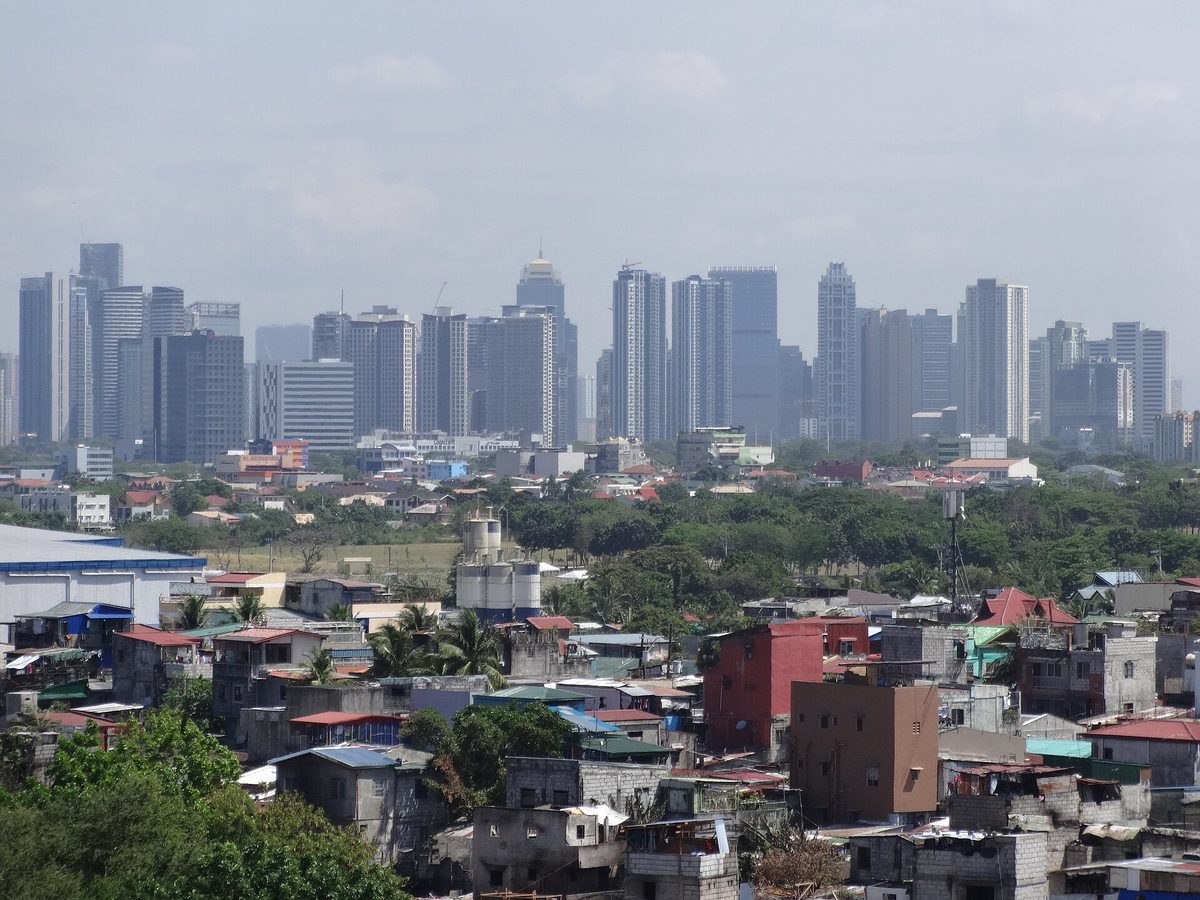
Makati vs BGC: the head-to-head
Because this is the choice most travelers actually agonize over, here is the honest comparison. Makati wins on character, food and value: it has decades of layered restaurant culture, the genuine nightlife of Poblacion, a wider spread of room prices including real budget options, and direct MRT access on EDSA. BGC wins on order and ease: newer buildings, wider and safer sidewalks, cleaner air, more green space, and a calmer pace, at the cost of higher rates and a manufactured feel. They sit only about four kilometers apart, but that short hop can take thirty to forty-five minutes in traffic, so do not plan to bounce between them casually. My rule of thumb: solo travelers, foodies and night owls lean Makati; families, first-timers and anyone craving a stress-free week lean BGC.
BGC hotels at three budgets
- Budget: genuine budget is BGC’s weak spot. Red Planet BGC The Fort is the most affordable solid option from around PHP 2,800–4,000 ($48–69); the value-engineered Hotel101 – Fort is another sensible pick in a similar band.
- Mid-range: Seda BGC is the local favorite for location and rooftop bar, around PHP 6,000–8,500 ($103–147); serviced-apartment brand Ascott BGC suits longer stays.
- Luxury: Grand Hyatt Manila (the tallest tower in the country, with knockout views) and Shangri-La The Fort run roughly PHP 12,000–18,000 ($207–310).
Manila Bay, Malate and Ermita: sunsets, history and honest grit
This stretch along the western waterfront is the original tourist Manila, and it splits into two very different experiences. To the south, the reclaimed Bay City around the Mall of Asia (MOA) is resort-scale and modern. To the north, the old Malate and Ermita districts are faded, atmospheric and the most authentically “Manila” places to stay, for better and worse.
Manila Bay / MOA: casinos, malls and the famous sunset
The Bay City and Entertainment City zones are built for big nights out: integrated casino-resorts, the enormous Mall of Asia, the bayside promenade where the whole city goes to watch the sunset. It is safe inside the resort bubbles and a fine base if your trip is about shopping, gaming or a cruise departure. The catch is that it is dead for walking between attractions, and the daily Grab back to “real” Manila adds up.
One genuine plus for families: this is the part of Manila with room to breathe. The MOA grounds have an open bayfront, a Ferris wheel and easy mall comforts for kids, and the big resort hotels here come with the largest pools in the city. If your idea of a Manila stop is low-stress and self-contained rather than neighborhood-hopping, the Bay area delivers, just budget for the rides in and out.
Malate and Ermita: cheap, central and refreshingly real
Old Manila is where budget travelers and culture-first visitors land, and there is a lot to love: heritage buildings, easy reach of Rizal Park, the National Museum and Manila Ocean Park, and the closest thing to everyday Filipino street life you will find near the tourist trail. Prices are the lowest of any central area. The honest caveat is well documented: parts of Malate double as a nightlife-and-red-light zone, you will be approached by touts selling Viagra, fake goods and company, and a few streets feel sketchy after dark. By day it is fine; at night, stick to lit main roads and take a Grab rather than wander. For a fuller, balanced picture of risk across the capital, see our guide to whether Manila is safe.
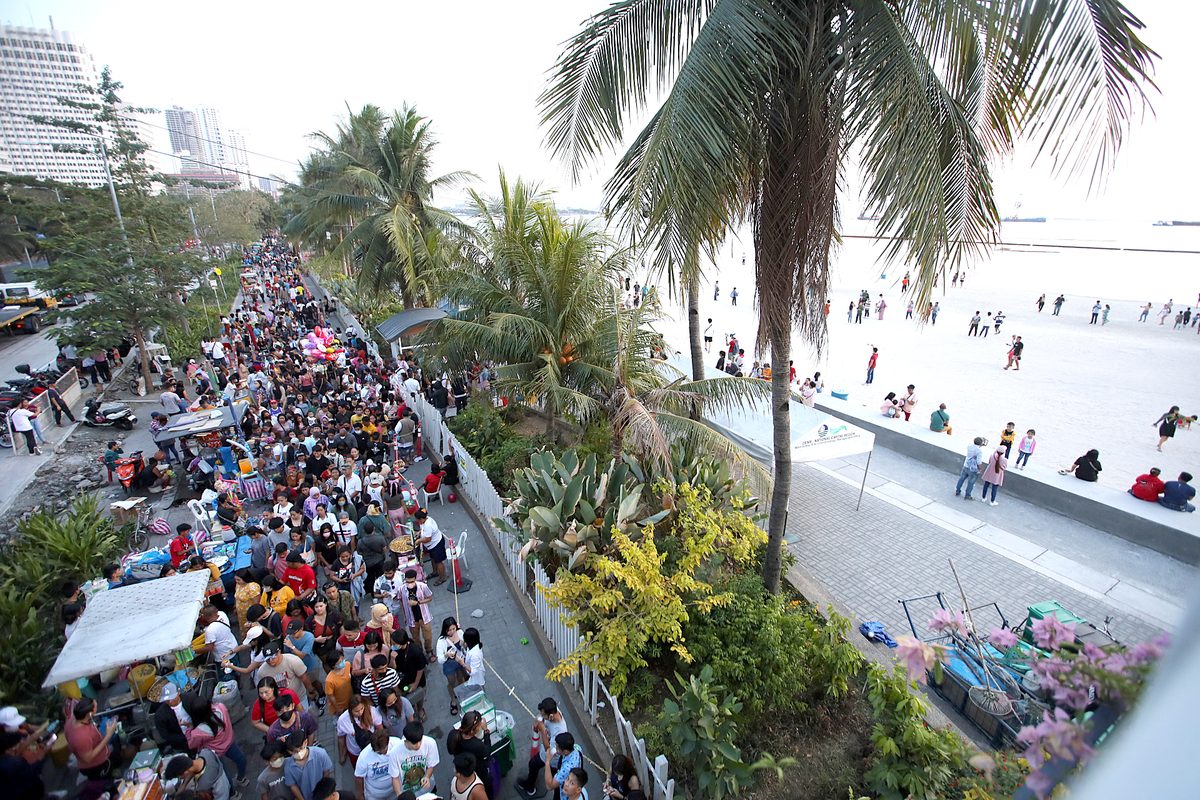
Bay and Malate-Ermita hotels at three budgets
- Budget: in Malate, Hotel Kimberly Manila and the cheerful Amelie Hotel Manila sit around PHP 1,200–2,800 ($21–48).
- Mid-range: New Coast Hotel Manila (formerly Hyatt) on the Malate waterfront and the heritage The Bayleaf Intramuros nearby run roughly PHP 4,000–7,000 ($69–121).
- Luxury: the classic Diamond Hotel and Sheraton Manila Bay on Roxas Boulevard, or Conrad Manila and Okada Manila in the casino zone, range from about PHP 8,000–15,000 ($138–260).
Intramuros-adjacent: for history lovers who want the walls at dawn
Staying in or beside Intramuros, the 16th-century Spanish walled city, is a niche but rewarding choice. You get cobblestone mornings, Fort Santiago and San Agustin Church on your doorstep, and the city’s deepest history a few steps from your room before the day-trip buses arrive. The trade-off is that the walled city largely empties and shuts after dark, so dinner and nightlife mean a Grab out. It suits history-first travelers and photographers more than anyone chasing restaurants or bars.
A practical tip if you do base here: the magic is the early morning. Rent a bamboo bike or simply walk Fort Santiago and the ramparts before 8am, when the light is soft and the tour groups have not arrived, then use the rest of your day elsewhere. Ermita and the museums of Rizal Park are an easy stroll south, which makes an Intramuros-edge hotel double as a culture base even though the walled city itself goes quiet at dusk.
At the top end, The Manila Hotel (a 1912 grande dame just outside the walls) runs around PHP 9,000–20,000 ($155–345). For character on a budget, the heritage The Bayleaf Intramuros with its rooftop bar, or simple Casa Bocobo nearby, sit roughly PHP 2,000–6,000 ($34–103). To fill your days inside and around the walls, our roundup of things to do in Manila covers the sights worth your time.
Quezon City: where the locals live
Quezon City, the largest in Metro Manila by population, is not where most tourists stay, and that is rather the point. It is residential, sprawling and home to the city’s biggest concert venue (the Araneta Coliseum), a serious food scene, and university energy in the Katipunan and Tomas Morato areas. It is a sensible base if you have a specific reason to be in the north of the metro, are settling in for a long stay, or want a more local, less touristy week. Just know it is spread out and traffic to Makati or BGC is real.
Hotel value is good: Park Inn by Radisson North EDSA from around PHP 3,500–5,000 ($60–86) for reliable mid-range; Seda Vertis North a notch up around PHP 6,000–8,000 ($103–138); and the casino-resort Solaire North at the luxury end. Budget guesthouses around Cubao and Tomas Morato dip well below PHP 1,800 ($31).
Near the airport: only for brutal connections
Manila’s airport (NAIA) is notorious for traffic, so if you land at midnight or fly out at 5am, a night near the terminals can save your sanity. The best self-contained option is Newport World Resorts (formerly Resorts World), an entertainment complex directly across from Terminal 3 via the Runway Manila footbridge, ten to fifteen minutes on foot. Hilton Manila, Marriott Manila and the budget-friendly Savoy Hotel are all inside it, roughly PHP 3,000–12,000 ($52–207). Stay here only for the connection; it is an island unto itself with little reason to linger otherwise.
Safety by area, straight talk
Metro Manila’s tourist districts are far safer than the city’s reputation suggests, but the picture is not uniform. Makati’s CBD, Salcedo, Legazpi and all of BGC are heavily policed and comfortable to walk day or night. Poblacion is safe and lively but seedy on its red-light fringe after midnight. Malate and Ermita are fine by day and on lit main roads, but the side streets attract touts and petty hustles at night, so I keep to main avenues and use Grab. The casino and MOA zones are secure inside their bubbles. Everywhere, the real risks are the universal ones: pickpockets in crowds, taxi meter games (use Grab), and flashing your phone or jewelry. Petty theft, not violent crime, is what you guard against.
Getting around: the transport reality
Here is the single most important planning fact: Manila traffic is among the worst on earth, and a short distance can take an hour at peak times. So base yourself near your main purpose, whether that is meetings, the airport or the sights, rather than assuming you will zip across town.
Most visitors run on Grab, the ride-hailing app, which shows the fare upfront and removes the taxi-meter haggle. It is cheap by Western standards but surges in rush hour and rain. The rail system (the elevated MRT-3 along EDSA and the LRT lines) is dirt cheap and useful for beating gridlock on a few corridors, but it is crowded, does not reach everywhere, and crucially has no station inside BGC. A Metro Manila Subway stop for BGC broke ground in early 2026, but it is years from service (full operations are targeted around 2029), so for now there is no train you can ride into the district. To reach BGC today you take a Grab, a regular bus, or connect via the free internal BGC Bus once you are in The Fort. For the bigger picture on transport beyond the capital, see our guide to getting around the Philippines, and read up on money in the Philippines before you arrive, since Grab, smaller hotels and street food often want cash or GCash.
Where to stay in Manila for your travel style
Mapping the areas above onto the most common trips:
- First-timers: Makati (Salcedo or Legazpi) for the best mix of safety, walkability, food and central location. BGC if you want everything a notch newer and calmer.
- Nightlife: Poblacion in Makati, hands down, for bars and the late scene. Malate as the grittier, cheaper alternative.
- Families: BGC for its sidewalks, parks and low-stress feel, or the MOA area for malls, the aquarium and space.
- Business: Makati CBD or BGC, whichever is closer to your meetings; do not split the difference.
- Budget travelers: Poblacion hostels or Malate guesthouses for the lowest central rates.
- History and culture: Intramuros-adjacent or Ermita, within walking distance of the old city and the museums.
- Layovers: Newport World Resorts by the airport, full stop.
The decision: pick X if…
- Pick Makati if you want the all-round best base: safe, walkable, the city’s best food and nightlife, and central. The default right answer for most travelers.
- Pick BGC if you value comfort, cleanliness and zero friction over price and character, or you are traveling with kids or for work in The Fort.
- Pick Manila Bay / MOA if your trip is built around casinos, big malls, a cruise, or that sunset over the water.
- Pick Malate / Ermita if you want the cheapest central beds and a dose of real, old Manila, and you do not mind a grittier edge after dark.
- Pick Intramuros-adjacent if history is the whole reason you are here and you want the walled city at dawn.
- Pick Quezon City if you have a specific northern errand, a long stay, or a craving for the local, untouristy side of the metro.
- Pick near the airport only to survive a punishing connection.
Wherever you land, build in buffer time for traffic, keep Grab on your phone, and treat Manila as a launchpad with genuine rewards of its own. For everything beyond lodging, our Manila travel guide (overview) ties the whole city together.
Frequently asked questions
Where should first-time tourists stay in Manila?
Makati, specifically the Salcedo or Legazpi Village areas of the Central Business District, is the best base for first-timers: safe, walkable, packed with restaurants and malls, and central to the metro. BGC is the close runner-up if you prefer everything newer, calmer and a little more polished, at slightly higher prices.
Is it better to stay in Makati or BGC?
Makati wins for food, nightlife and value, with more character and lower comparable rates. BGC wins for cleanliness, walkable sidewalks and a stress-free, almost Western feel, which makes it ideal for families and business travelers. Both are very safe. Choose by whichever is nearer your main reason for being in the city.
Is Malate safe to stay in?
Malate is generally safe by day and on its lit main roads, and it offers the cheapest central accommodation plus a strong dose of authentic old Manila. After dark, parts of it function as a nightlife and red-light zone where touts push fake goods, “massage” and company. Stick to main avenues at night and use Grab rather than walking quiet side streets.
What is the best area to stay near Manila airport?
Newport World Resorts, directly across from NAIA Terminal 3 via the Runway Manila footbridge, is the most convenient airport base. It contains the Hilton, Marriott and budget Savoy hotels, plus dining and a casino, all a ten-minute walk from the terminal. It is worth it only for early flights or late landings, given Manila’s notorious airport traffic.
How many days should I spend in Manila?
Two to three days is plenty for most travelers to cover Intramuros, the museums, a mall or two and the food scene before moving on to the islands. History and food enthusiasts can happily fill four. Many visitors treat Manila as a one or two-night gateway on arrival and departure rather than a long stay.
Do I need a car to get around Manila?
No, and you probably do not want one. Traffic and parking are punishing. Use Grab for almost everything, the cheap MRT and LRT trains to skip gridlock on a few corridors, and your feet within Makati or BGC. Remember that no train currently reaches BGC (a subway station is under construction but years away), so plan a Grab or bus there.
Sources and photo credits
Photo credits
Makati skyline — Photo: Red marquis (CC0) via Wikimedia Commons
Poblacion, Makati — Photo: Judgefloro (CC0) via Wikimedia Commons
Bonifacio Global City (BGC) — Photo: Patrick Roque / CC BY-SA 4.0 via Wikimedia Commons
Manila Bay sunset — Photo: PNA photo by Avito C. Dalan (CC0) via Wikimedia Commons
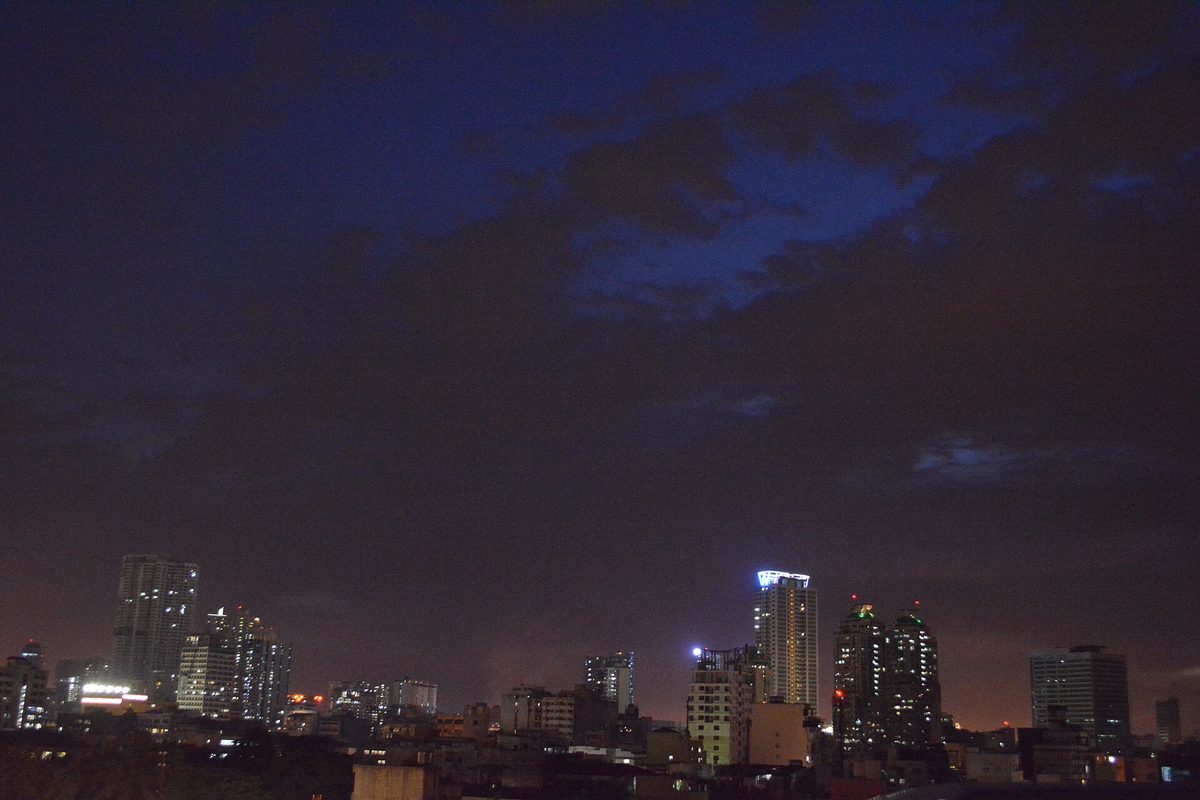
Manila skyline at night — Photo: Spearminttt / CC BY-SA 3.0 via Wikimedia Commons
Sources
- Philippine Department of Tourism — official travel portal
- City Government of Makati
- Bonifacio Global City official site
About this guide: PhilippinesTourism.org is an independent Philippines travel resource; this guide was researched and verified June 2026.