Manila Food Guide: From Binondo to BGC
Manila eats well and eats cheaply, and the two facts are not in tension. You can have a four-dish lunch in a Binondo alley for the price of one cocktail in BGC, and both can be excellent. This Manila food guide walks you district by district, from the Chinatown food-crawl warren to the tasting menus that just earned the city its first Michelin stars, with honest takes and 2026 prices so you know what is worth your appetite.
How to use this Manila food guide: where to eat by district
Metro Manila is a sprawl of cities rather than one tidy downtown, and each pocket has its own food personality. Use this table to match your mood and budget before you dive into the district-by-district detail below, then jump straight to whichever neighborhood you are staying near.
| District | Best for | Typical price band | Signature spot or dish |
|---|---|---|---|
| Binondo (Chinatown) | Cheap food crawl, dumplings, roast meats, hopia | Budget: 80–350 PHP (~$1.50–6) a dish | Wai Ying for dim sum; Sincerity fried chicken |
| Makati (Poblacion + Salcedo/Legazpi) | Bars, weekend markets, modern Filipino, Michelin stars | Mid to splurge: 350–3,000+ PHP (~$6–52) | Toyo Eatery; Salcedo Saturday Market grazing |
| BGC (Bonifacio Global City) | Polished casual, international, fine dining | Mid to splurge: 400–2,500+ PHP (~$7–43) | Gallery by Chele; COCHI for kamayan |
| Quiapo & Quezon City | Gritty street food, Muslim-town halal, neighborhood eateries | Budget: 50–300 PHP (~$1–5) | Quiapo street grills; QC for late-night silog |
| Manila Bay & MOA | Seafood dampa, sunset dining, mall food halls | Mid: 300–1,500 PHP (~$5–26) | Seaside dampa “cook-your-catch”; bay-view dinners |
Prices throughout this guide are 2026 estimates and move with the menu and the peso, so treat them as bands rather than promises. I have used roughly 58 PHP to the US dollar. If you are sketching a wider trip budget, our breakdown of Philippines travel costs puts food spending in context against transport and hotels.
The Manila dishes you actually have to try
Before the district crawl, a short list of what to order. These are the plates I steer first-timers toward, with honest notes on which ones live up to the hype.
Adobo, sinigang, and the home-cooking canon
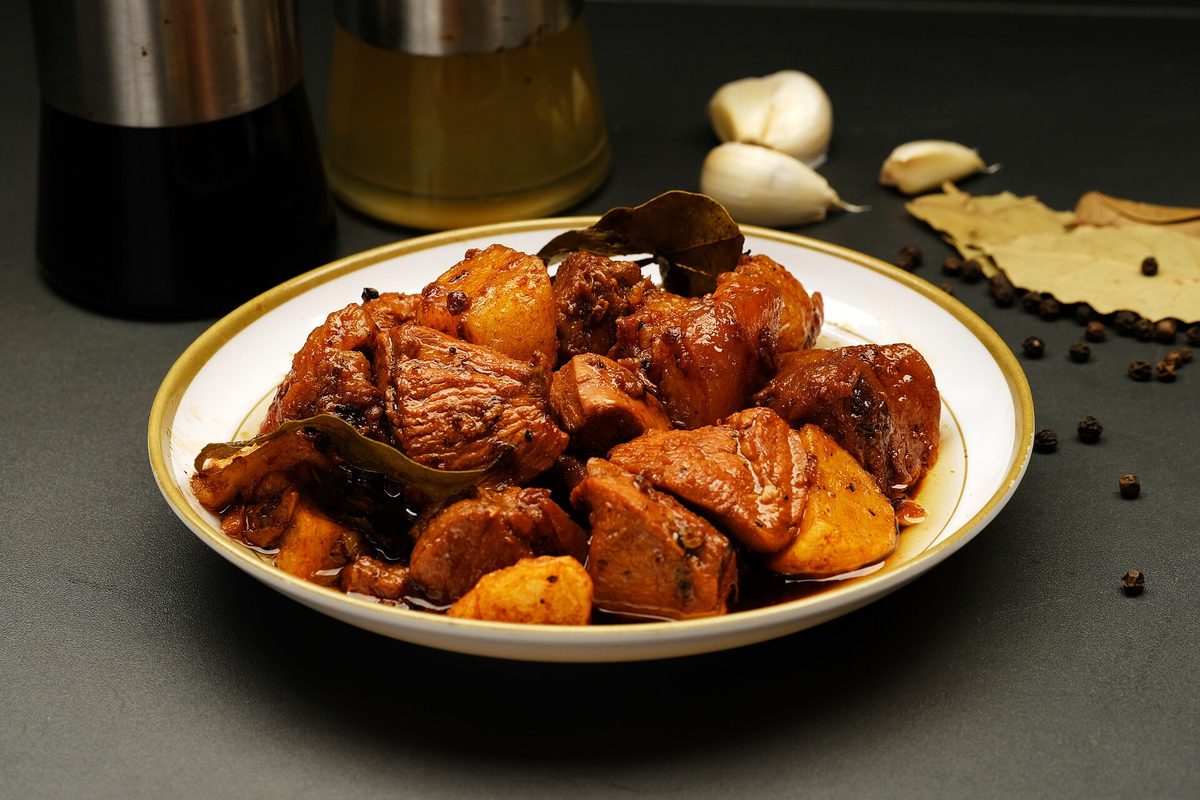
Adobo (meat braised in vinegar, soy, garlic, and pepper) is the national shorthand, and every Filipino swears their family version is the correct one. It is genuinely great and travels well as a first dish. Sinigang, a sour tamarind soup, is the one I push hardest on visitors who think they do not like “soup for dinner” because the sourness is bracing and addictive. For the full story on these and how regional kitchens treat them, our Filipino food guide goes deeper than I can here.
Lechon, the roast pig worth planning a meal around
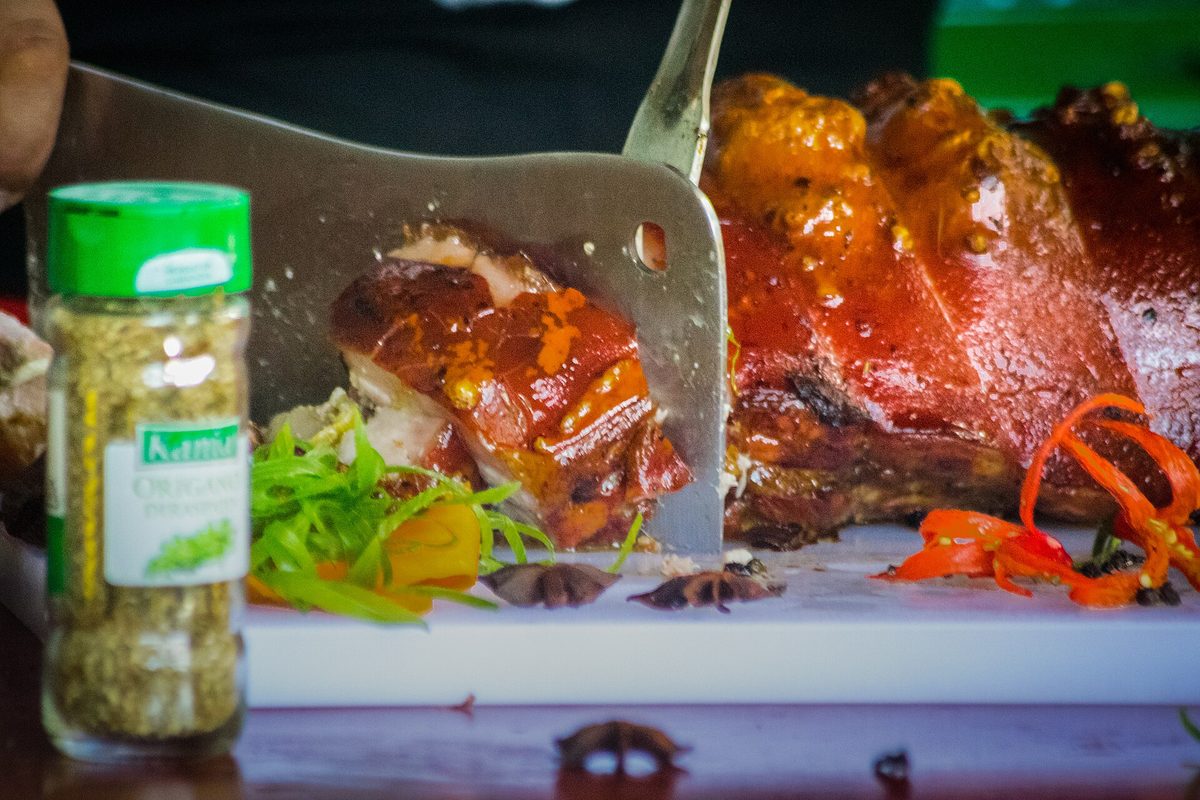
Lechon, whole spit-roasted pig with shattering crackling, is the centerpiece of celebrations and, frankly, a reason to visit. Cebu does the most famous version, but Manila restaurants serve excellent lechon by the kilo. Order the belly cut if you want the best skin-to-meat ratio. This is not an everyday food and not a cheap one, but it earns its place on a trip.
Halo-halo and the dessert you should not skip
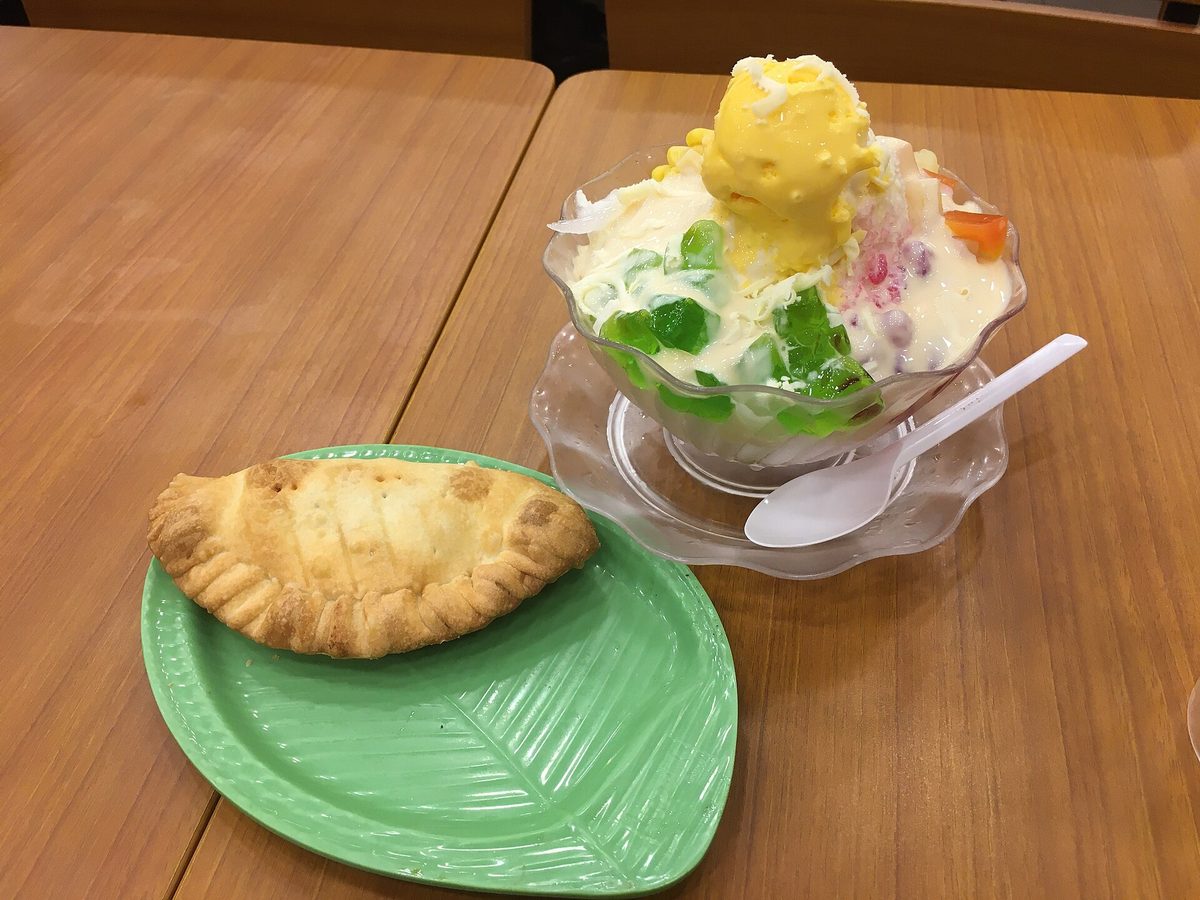
Halo-halo (“mix-mix”) is shaved ice layered with sweet beans, jellies, leche flan, ube, and evaporated milk, and on a humid Manila afternoon it is close to perfect. Honest take: it varies wildly. A good one is balanced and not cloying; a bad one is a sugar avalanche. I rate it the single best hot-weather order in the city when done right.
The honestly overrated list
Balut (the fertilized duck egg) is more dare than delicacy for most travelers, and skipping it costs you nothing culinary. Some tourist-facing “Filipino buffets” in malls flatten everything into sweet, beige sameness; you will eat far better at a neighborhood turo-turo (point-point eatery) for a third of the price. And the Instagram-famous rainbow desserts are usually more color than flavor.
Binondo: the food-crawl capital
Binondo is the world’s oldest Chinatown and the best-value eating in Metro Manila, full stop. It is a dense grid of Filipino-Chinese eateries, bakeries, and hole-in-the-wall noodle counters where 300 PHP (~$5) buys a serious feast. Come hungry, come with friends so you can share more dishes, and plan to walk it off. For how Binondo sits beside the walled city next door, see our guide to Intramuros and Binondo.
Budget: the alley classics
Start at Wai Ying for dim sum, especially the soup dumplings and the rice rolls, with most plates landing around 120–260 PHP (~$2–4.50). Sincerity Cafe is the move for fried chicken and oyster cake; the chicken deserves its reputation. New Po Heng Lumpia House, tucked inside a courtyard, does one thing, fresh lumpia, and does it beautifully for around 80–120 PHP (~$1.50–2). For hand-pulled noodles, Lan Zhou La Mien is cheap, fast, and reliably good. Finish with hopia and tikoy from Eng Bee Tin to take home.
Mid-range: sit-down Chinatown
President Grand Palace and the long-running Ying Ying Tea House give you a proper sit-down dim sum spread with a wider menu, comfortable tables, and bills closer to 350–600 PHP (~$6–10) per head. Good if the alley counters feel overwhelming or you want air-conditioning halfway through the crawl.
Splurge: there isn’t really one
Honest verdict: Binondo is not where you spend big, and trying to is missing the point. If you want a refined Cantonese banquet, the hotel Chinese restaurants in Makati and BGC (several are in the Michelin selection) do that better. In Binondo, the value is the experience. Spread your budget across more stalls instead of concentrating it on one table.
Makati: Poblacion bars and the weekend markets
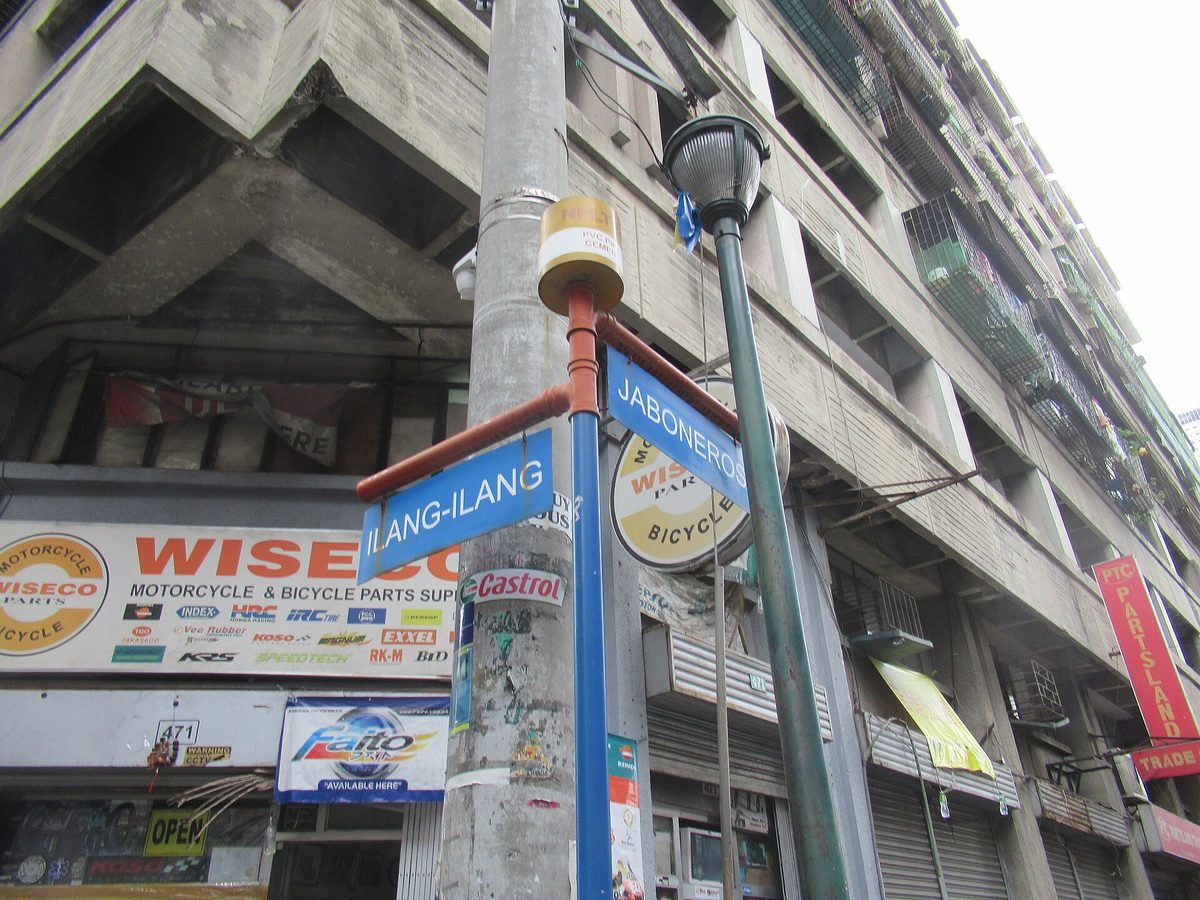
Makati is the business district that turned into the city’s dining engine. Poblacion is the nightlife-and-food quarter, packed with small restaurants and bars, while Salcedo and Legazpi villages host the two weekend markets every serious eater should time their trip around. Makati also holds the lion’s share of Manila’s new Michelin stars.
Salcedo Saturday and Legazpi Sunday markets
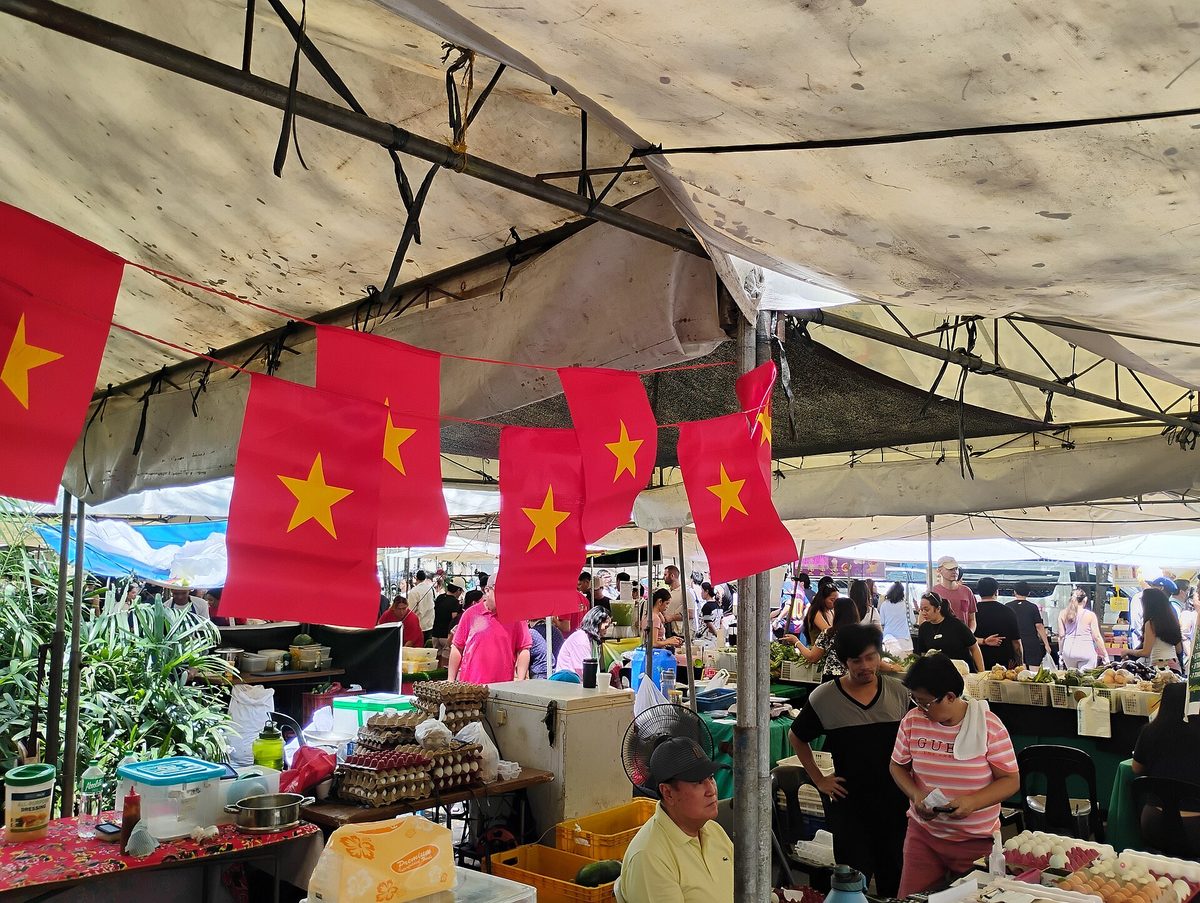
The Salcedo Saturday Market (roughly 7am–2pm in Salcedo Village) and the Legazpi Sunday Market (roughly 7:30am–2pm) are open-air grazing at its best: grilled seafood, Filipino delicacies, fresh produce, plus Thai, Indian, and Mexican stalls. Bring cash, arrive before 10am to beat the heat and the crowds, and budget maybe 300–600 PHP (~$5–10) to eat your way across several stalls. As of 2026 both run weekly, but markets shift hours around holidays, so verify the date before a special trip.
Budget and mid: Poblacion grazing
Poblacion rewards wandering. For modern Filipino that locals genuinely rate, Manam (a Bib Gourmand pick in the 2026 Michelin selection) does crowd-pleasing classics with a tweak, and you can eat well for 400–800 PHP (~$7–14). Sarsa, another Bib Gourmand spot, leans into bold Negros-island flavors. Both are reliable, unfussy, and a smart introduction before you commit to a tasting menu.
Splurge: the Michelin tables
Makati is where you book the stars. Helm by chef Josh Boutwood is the only two-Michelin-star restaurant in the country as of the 2026 guide, a small, precise tasting-menu room reflecting his half-British, half-Filipino heritage. Toyo Eatery, Hapag, Celera, Inato, and Kasa Palma all hold one star and all sit in or near Makati. Expect tasting menus from roughly 4,000 PHP (~$70) upward, reservations weeks ahead, and cooking that argues, convincingly, that Filipino fine dining has arrived.
BGC: polished casual and fine dining
Bonifacio Global City is the clean-grid, walkable district where Manila does international and upscale-casual best. It is where I send people who want a comfortable, low-friction night out: wide sidewalks, reliable kitchens, and a dense cluster of good restaurants within a few blocks. If you are deciding where to base yourself, our notes on where to stay in Manila cover BGC versus Makati versus the old city.
Budget and mid: dependable casual
BGC is short on true street-food cheapness but long on solid mid-range. Food halls and the strip around Bonifacio High Street give you everything from ramen to tacos in the 400–900 PHP (~$7–15) range. For something with a Michelin nod, COCHI, a Bib Gourmand pick on a BGC corner, does shareable Filipino plates and is a good-value way to taste the city’s modern direction without a tasting-menu commitment.
Splurge: Gallery by Chele and the destination tables
Gallery by Chele, chef Chele Gonzalez’s BGC flagship, holds one Michelin star and is many critics’ pick for the city’s most ambitious table, applying Basque technique to Philippine ingredients. Tasting menus run well north of 5,000 PHP (~$86). BGC also has international heavyweights and steakhouses if you want a break from Filipino flavors. This is the district for a special-occasion dinner where you do not want to gamble on the room.
Quiapo and Quezon City: street food and late-night eats
This is Manila with the gloves off. Quiapo, around the basilica, is raw, crowded street-food territory and home to the city’s Muslim quarter; Quezon City is a vast residential sprawl with some of the best neighborhood eateries and late-night spots in the metro.
Budget: Quiapo street grills and Muslim Town
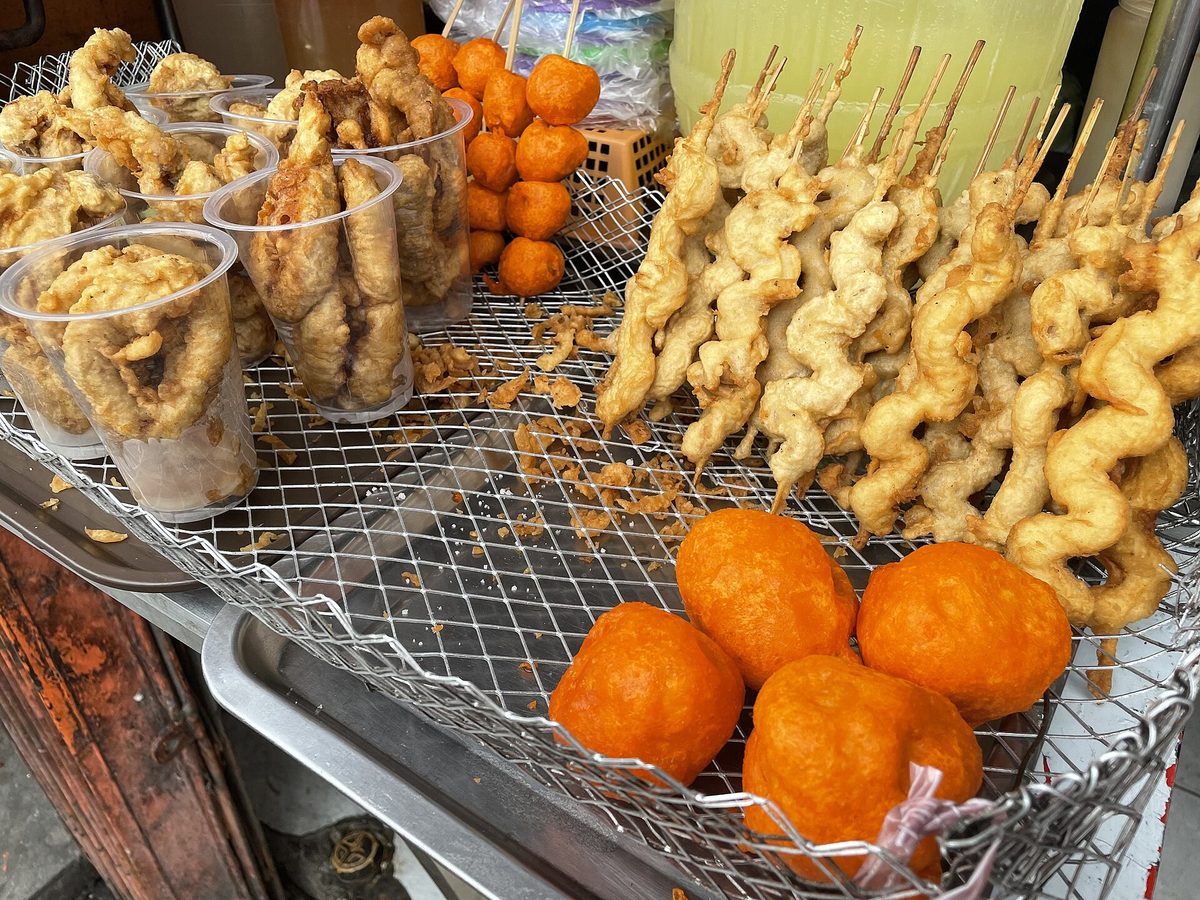
Quiapo is where to try the skewers locals actually eat: grilled chicken parts, isaw (grilled intestine, better than it sounds), fishballs, and rice cakes, most under 50 PHP (~$1) a stick or cup. The Globo de Oro / Muslim Town area near the Golden Mosque is your best bet for genuinely halal Filipino-Muslim cooking, including beef rendang and kalderetang kambing (goat stew). Eat where there is turnover and a queue.
Mid-range: Quezon City neighborhood favorites
Quezon City is a deep bench of turo-turo eateries, regional restaurants, and 24-hour spots for silog (the garlic-rice-and-egg breakfast plate, served any hour). The Maginhawa Street food strip is a long stretch of casual restaurants where 250–500 PHP (~$4–9) gets a full meal. Several of the city’s Bib Gourmand and Selected Michelin spots also sit in the QC area, so it is not all budget.
Manila Bay and MOA: seafood and sunset dining
The bayside has two distinct eating experiences: the seafood dampa, where you buy your catch at a wet market and a nearby restaurant cooks it for a fee, and the polished mall-and-waterfront dining around the Mall of Asia complex. The unbeatable draw here is the Manila Bay sunset, which is genuinely one of the city’s best free shows.
The dampa “cook-your-catch” experience
At a seafood dampa, you pick prawns, crab, fish, and shellfish from market stalls, then hand them to a restaurant that cooks them your way (grilled, chili-garlic, in coconut) for a per-dish cooking fee. It is interactive and fun, and a feast for a group lands around 500–1,200 PHP (~$9–21) per head depending on what you pick. Honest tip: agree on prices for both seafood and cooking before you commit, because the bill can creep.
MOA and bayfront mid-range
The Mall of Asia area has dependable mid-range restaurants and food halls in the 300–800 PHP (~$5–14) range, plus chains and dessert spots, all with the option of a bay-view table. It is convenient rather than thrilling, but it is a comfortable, air-conditioned option after a hot day, and pairing dinner with the sunset makes it worthwhile.
The Michelin Guide arrives in Manila: 2026 status
The big food story of the year: the inaugural MICHELIN Guide Manila and Environs & Cebu launched in late 2025 for the 2026 selection. It put the city firmly on the global dining map. Here is the practical version of what that means for a traveler planning meals.
The stars
The selection awarded one two-star restaurant (Helm, Makati), eight one-star restaurants, 25 Bib Gourmand spots (the “great food at a moderate price” category), and a long list of Selected addresses. The one-star group: Asador Alfonso (in Cavite, just outside the metro), Celera, Hapag, Inato, Kasa Palma, and Toyo Eatery (all Makati), Gallery by Chele (BGC/Taguig), and Linamnam (Paranaque). Book these as far ahead as you can; star status tightened reservations immediately.
Where the value really is: Bib Gourmand
For most travelers, the Bib Gourmand list is more useful than the stars. These are kitchens delivering excellent food without the tasting-menu price, and they include accessible names like Manam, Sarsa, Lampara, COCHI, and Los Tacos. You can eat at most of them for well under 1,000 PHP (~$17). My advice: treat one or two stars as a splurge highlight and fill the rest of your trip with Bib Gourmand and Binondo, which is where the daily joy is.
Street food and food-safety basics
Manila street food is one of the city’s great pleasures and, eaten sensibly, perfectly safe. A few rules I follow every trip.
- Follow the crowds. High turnover means fresh food and hot oil. A busy stall with a local queue is your safest and tastiest bet.
- Eat it hot and cooked through. Freshly grilled skewers and just-fried items are low-risk; sauces left sitting out are the thing to be cautious about.
- Be smart with water and ice. Stick to bottled or filtered water. Ice at established restaurants and markets is generally fine; use judgment at roadside stalls.
- Carry small cash and hand sanitizer. Most stalls are cash-only and there is rarely a sink.
- Ease in. Give your stomach a day or two before going hard on the more adventurous items.
Food tours versus DIY: the Binondo question
The most popular food tour in the city is the Big Binondo Food Wok run by Old Manila Walks, typically led by founder Ivan Man Dy, a roughly 2.5-to-3-hour walking feast through Chinatown’s alleys starting near Binondo Church. As of 2026 it runs around 1,850 PHP (~$32) per person including food, with a higher rate (roughly 2,000 PHP) on weekends and holidays; verify the current schedule and price when you book.
Is it worth it? It depends on you. Take the tour if it is your first time, if Binondo’s chaos feels intimidating, or if you want the history and the inside stops you would never find alone, the cultural narration is the real value. Go DIY if you are a confident independent eater on a budget; you can hit the same headline eateries (Wai Ying, Sincerity, New Po Heng) for a fraction of the cost using the Binondo section above as your route. There is no wrong answer, only a trade between convenience and price.
Vegetarian and halal in Manila
Filipino cuisine is meat-and-seafood heavy, so plant-based eaters need a small strategy, but Manila is more accommodating than it first appears.
Vegetarians and vegans: Binondo is a quiet hero here, with Buddhist-influenced eateries serving vegetable dumplings, tofu, and mock-meat dishes; ask for the meat-free options and you will be understood. BGC and Makati have dedicated plant-based cafes and modern restaurants with clear vegetarian sections. Watch for hidden bagoong (fermented shrimp paste) and fish sauce in “vegetable” dishes, and ask. Halal travelers: head to Quiapo’s Muslim Town for the most authentic halal Filipino-Muslim food, and note that BGC and Makati have a growing number of certified-halal and Middle Eastern restaurants. Many malls also flag halal-certified outlets.
What to eat by traveler type and budget
- The shoestring backpacker (under $15/day on food): Live in Binondo and Quiapo. Street skewers, alley dim sum, silog breakfasts, and weekend markets will keep you full and happy for very little.
- The mid-range explorer (~$25–40/day): Mix Binondo crawls with Bib Gourmand dinners (Manam, Sarsa, COCHI) and one weekend market. This is the sweet spot for tasting the city’s range.
- The special-occasion traveler: Book one Michelin table (Helm, Gallery by Chele, or Toyo Eatery) weeks ahead, then keep the rest of your trip casual so the splurge stands out.
- The family with kids: BGC and MOA are the easy wins, with familiar options, air-conditioning, and space, plus a low-stakes Binondo dim sum lunch.
Wherever you land, leave room for the unplanned stall. Some of my best Manila meals were not on any list. For ideas on building the eating around the sightseeing, see our roundup of things to do in Manila, and for the wider picture our Manila travel guide (overview) ties the neighborhoods together.
Frequently asked questions
What food is Manila famous for?
Manila is famous for Filipino-Chinese cooking in Binondo (dim sum, hopia, roast meats, hand-pulled noodles), national dishes like adobo and sinigang, celebratory lechon, and the dessert halo-halo. The city is also the heart of the Philippines’ new fine-dining scene, which earned its first Michelin stars in the 2026 guide.
Is Binondo or Makati better for food?
They serve different needs. Binondo is unbeatable for cheap, characterful Filipino-Chinese food and a walking food crawl. Makati is the place for weekend markets, modern Filipino, bars in Poblacion, and the city’s Michelin-starred tables. Most visitors should do both: Binondo for value and atmosphere, Makati for range and special meals.
How much does food cost in Manila?
It spans a huge range. Street food and Binondo dishes run roughly 50–350 PHP (~$1–6); a mid-range sit-down meal is about 400–900 PHP (~$7–15); and Michelin tasting menus start around 4,000 PHP (~$70) and climb from there. You can eat very well on a modest budget, which is part of Manila’s appeal.
Does Manila have Michelin-star restaurants?
Yes, as of the inaugural 2026 MICHELIN Guide Manila and Environs & Cebu. Helm in Makati holds two stars, and eight restaurants hold one star, including Gallery by Chele, Toyo Eatery, Hapag, and Celera. There are also 25 more affordable Bib Gourmand spots worth seeking out.
Is street food in Manila safe to eat?
Generally yes, if you choose well. Pick busy stalls with high turnover, eat food that is freshly cooked and served hot, stick to bottled water, and carry hand sanitizer. Ease in over your first couple of days rather than going all-in immediately, and you will be fine.
Is the Binondo food tour worth it?
For first-timers, yes. A guided Binondo food tour (the Big Binondo Food Wok is the best-known, around 1,850 PHP / ~$32, a little more on weekends) removes the intimidation, includes plenty of food, and adds history you would otherwise miss. Confident, budget-minded eaters can replicate the route on their own for far less.
Sources and photo credits
Photo credits
Images are sourced from Wikimedia Commons under their respective licenses. See individual credits below.
- Photo: Joy D. Ganaden / CC BY-SA 4.0 via Wikimedia Commons
- Photo: Zarate123 / CC BY-SA 4.0 via Wikimedia Commons
- Photo: Micluna / CC BY-SA 4.0 via Wikimedia Commons
- Photo: Aerous / CC BY-SA 4.0 via Wikimedia Commons
- Photo: Ian Lopez (Ianlopez1115) (CC0) via Wikimedia Commons
- Photo: Ralff Nestor Nacor / CC BY-SA 4.0 via Wikimedia Commons
Sources
- MICHELIN Guide Manila and Environs & Cebu 2026 – full selection
- Guide to the Philippines – Binondo food trip guide (2026)
- Old Manila Walks – Big Binondo Food Wok tour details
About this guide: PhilippinesTourism.org is an independent Philippines travel resource; this guide was researched and verified June 2026.