
The Cheapest Islands and Destinations in the Philippines
The cheapest places I have ever traveled in this country are not the famous ones. Romblon, Siquijor, Camiguin, Bantayan, Moalboal and Port Barton will all let you live well on roughly ₱1,100 to ₱2,400 a day (about $19 to $41) once you are on the island. The catch is always the same: the cheaper the destination, the longer the ferry and the fewer the ATMs.
I have spent years working out which islands deliver the most beach, reef and rice-and-fish dinners per peso, and the answer keeps landing on the same handful of places that the big tour operators skip. Below I have ranked them honestly, from “almost suspiciously cheap” to “still a steal but you will feel it.” For each one I give a realistic daily budget in pesos and dollars, the cheapest way to actually get there, and the part most guides leave out: the catch. Then, because context matters, I show you exactly where the Philippines stops being cheap, using the two names you already know, El Nido and Boracay.
Prices below are typical 2026 figures and I have hedged them on purpose. Treat them as ballparks and check current fares when you book. Peso amounts convert at roughly ₱58–60 = $1, which is the band the exchange rate has been sitting in through 2026, so the dollar figures are deliberately rough. These cheapest islands Philippines budget travelers keep returning to all sit at the low end of that math. For the bigger picture on what a trip adds up to, our Philippines travel cost and budget guide breaks down every line item.
The Cheapest Islands Philippines Travelers Should Book, Ranked by Daily Budget
This is the at-a-glance version. The daily budget assumes a dorm bed or simple fan room, eating where locals eat, a rented scooter or local transport, and one modest activity. It does not include the flight or ferry to get there, which I cover destination by destination below.
| Rank | Destination | Daily budget (₱) | Daily budget ($) | Why it is cheap |
|---|---|---|---|---|
| 1 | Romblon | ₱1,100–1,400 | $19–24 | Almost no foreign tourism; rooms and food priced for locals |
| 2 | Siquijor | ₱1,400–1,800 | $24–31 | Newer to tourism than Cebu or Bohol; cheap guesthouses, free waterfalls |
| 3 | Camiguin | ₱1,400–1,900 | $24–33 | Tiny and compact, so transport costs almost nothing; family-run inns |
| 4 | Bantayan Island | ₱1,500–2,000 | $26–34 | White-sand beaches without resort pricing; cheap fresh seafood |
| 5 | Moalboal | ₱1,500–2,100 | $26–36 | $4 sardine run, dorm beds from $4, walkable beach strip |
| 6 | Port Barton | ₱1,800–2,400 | $31–41 | El Nido scenery at two-thirds the tour price, far fewer boats |
| 7 | Siargao (off-peak) | ₱1,800–2,500 | $31–43 | Surf-town competition keeps hostels cheap outside peak season |
1. Romblon: the budget winner almost nobody flies to
If you want to know where your money goes furthest, Romblon is my answer, and it is the one I have to talk people into. This small province in the middle of the country (three main islands: Romblon, Tablas and Sibuyan) sees so few foreign visitors that prices never got the tourist markup. Simple rooms go for ₱600 to ₱1,200, a full meal of grilled fish, rice and vegetables runs ₱120 to ₱200, and the marble-quarry town of Romblon itself feels like the Philippines with the volume turned all the way down. Sibuyan, sometimes called the “Galapagos of Asia” for its untouched forest, is the wild card for hikers.
Realistic daily budget: ₱1,100–1,400 ($19–24). I have done it for less by staying put and eating at the market.
Cheapest way to get there: the rock-bottom option is a 2GO, Montenegro or Starlite ferry from Batangas port (south of Manila), which runs roughly ₱1,000–2,900 depending on class and takes a punishing eight to twelve hours, often overnight. Flying is faster but kills the budget angle: Cebu Pacific serves Tablas (Tugdan) airport from Manila, and from Tablas you bus and ferry-hop to the other islands.
The honest catch: Romblon is genuinely remote and the ferries are long, slow and weather-dependent. ATMs exist in the main towns but are sparse and unreliable, so bring more cash than you think you need. Inter-island bangka schedules thin out in the afternoon and stop early. This is a place for travelers who treat the journey as part of the trip, not people on a tight one-week clock.
2. Siquijor: cheap, mystical, and easy to love
Siquijor is where I send first-timers who want the cheap-island experience without the punishing logistics of Romblon. It carries a folk-magic reputation (healers, love potions, a centuries-old balete tree) but the real draw for a budget traveler is simpler: it only opened up to tourism well after Cebu and Bohol, so guesthouses and carinderias are still priced for a smaller crowd. Cambugahay Falls costs about ₱50 to enter, a few pesos more for the rope swing, and you can circle the whole island on a rented scooter in a day. Our Siquijor travel guide goes deep on the waterfalls and beaches if you want the full itinerary.
Realistic daily budget: ₱1,400–1,800 ($24–31). Dorm beds start around ₱450–850, a scooter is ₱350–600 a day, and meals at a local eatery are ₱120–250.
Cheapest way to get there: ferry from Dumaguete on Negros, which is the standard gateway. Boats run frequently (there are well over a dozen daily departures from roughly 5:30am to 9pm), take about an hour to 90 minutes, and cost around ₱330 to ₱550 depending on whether you take the slower RoRo or a fast craft, plus a small terminal fee. Bohol also has a direct route worth checking.
The honest catch: you have to get to Dumaguete first, which usually means a flight into Dumaguete or Cebu and an onward leg, so factor in that extra travel day. ATMs cluster in Larena and Siquijor town and can run dry; the western beach strip in San Juan where you will probably stay has fewer, so withdraw before you settle in.
3. Camiguin: a whole volcanic island you can afford to explore
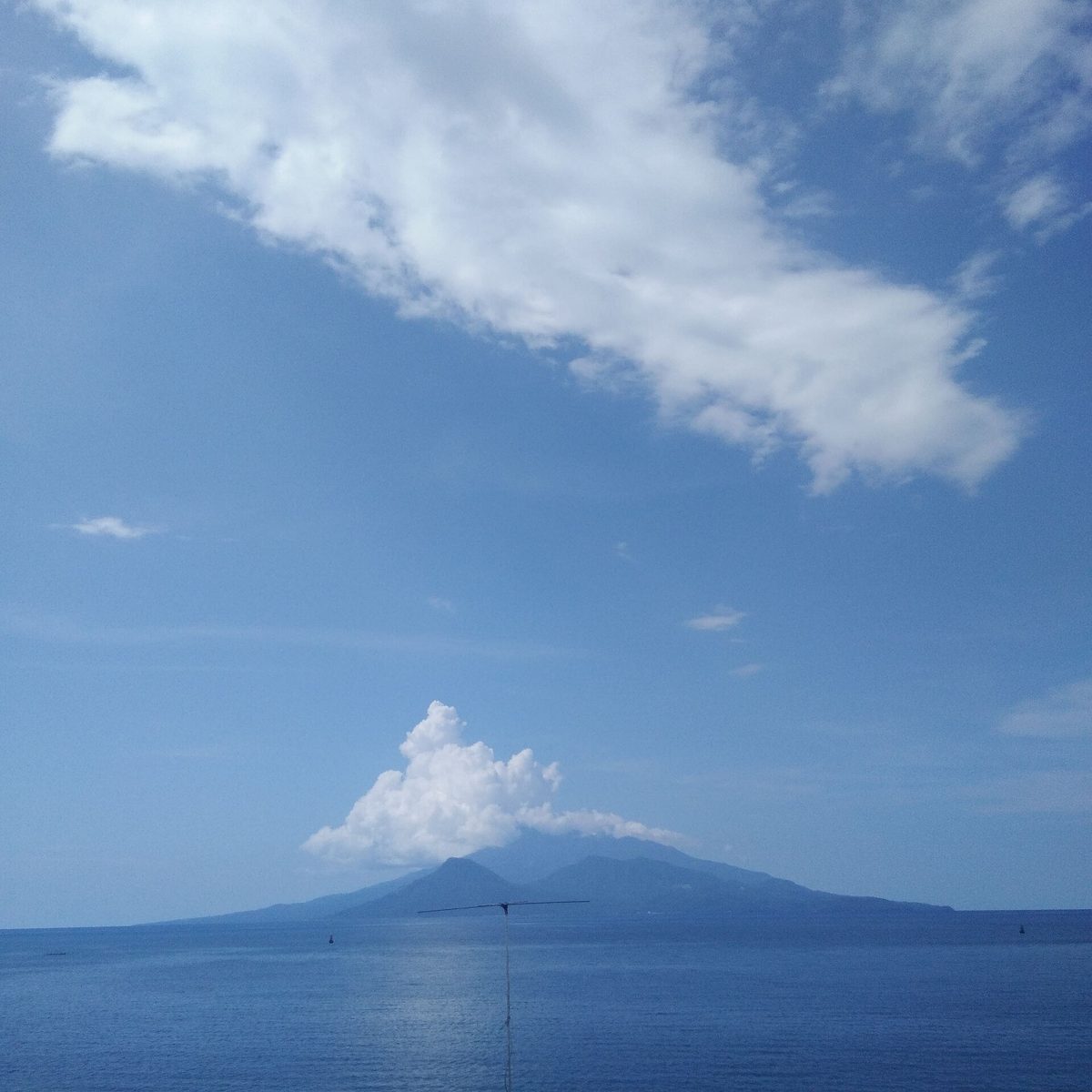
Camiguin is the “Island Born of Fire,” a speck off northern Mindanao built by seven volcanoes, and it is one of the best-value islands in the country precisely because it is so small. You are never far from the next waterfall, hot spring or sandbar, which means your transport costs stay tiny. White Island, a bare sandbar offshore, costs only a shared boat fare; Katibawasan Falls and the Ardent hot springs charge token entry fees; and the famous Sunken Cemetery, marked by a cross out in the sea, is free to look at and cheap to snorkel. Family-run inns keep accommodation honest.
Realistic daily budget: ₱1,400–1,900 ($24–33). Guesthouses run ₱800–1,800, scooters ₱400–600, and local meals well under ₱250.
Cheapest way to get there: the budget route is overland to Mindanao’s Balingoan port and then the ferry to Benoni on Camiguin, which leaves almost hourly until late afternoon, takes about two hours and costs roughly ₱250–360 depending on the operator. From Cagayan de Oro (the usual jumping-off city, reached via Laguindingan airport) it is a shuttle plus bus plus ferry, so budget five to six hours door to door. Cebu Pacific also flies a small plane straight into Mambajao, which saves a day if the fare is reasonable.
The honest catch: there is no quick way in unless you catch the limited direct flight. The multi-leg journey from Cagayan de Oro eats most of a travel day, and the last Benoni ferry leaves mid-to-late afternoon, so a delayed flight can strand you overnight on the mainland. Plan the arrival leg carefully and you will be rewarded.
4. Bantayan Island: white sand without the white-sand prices
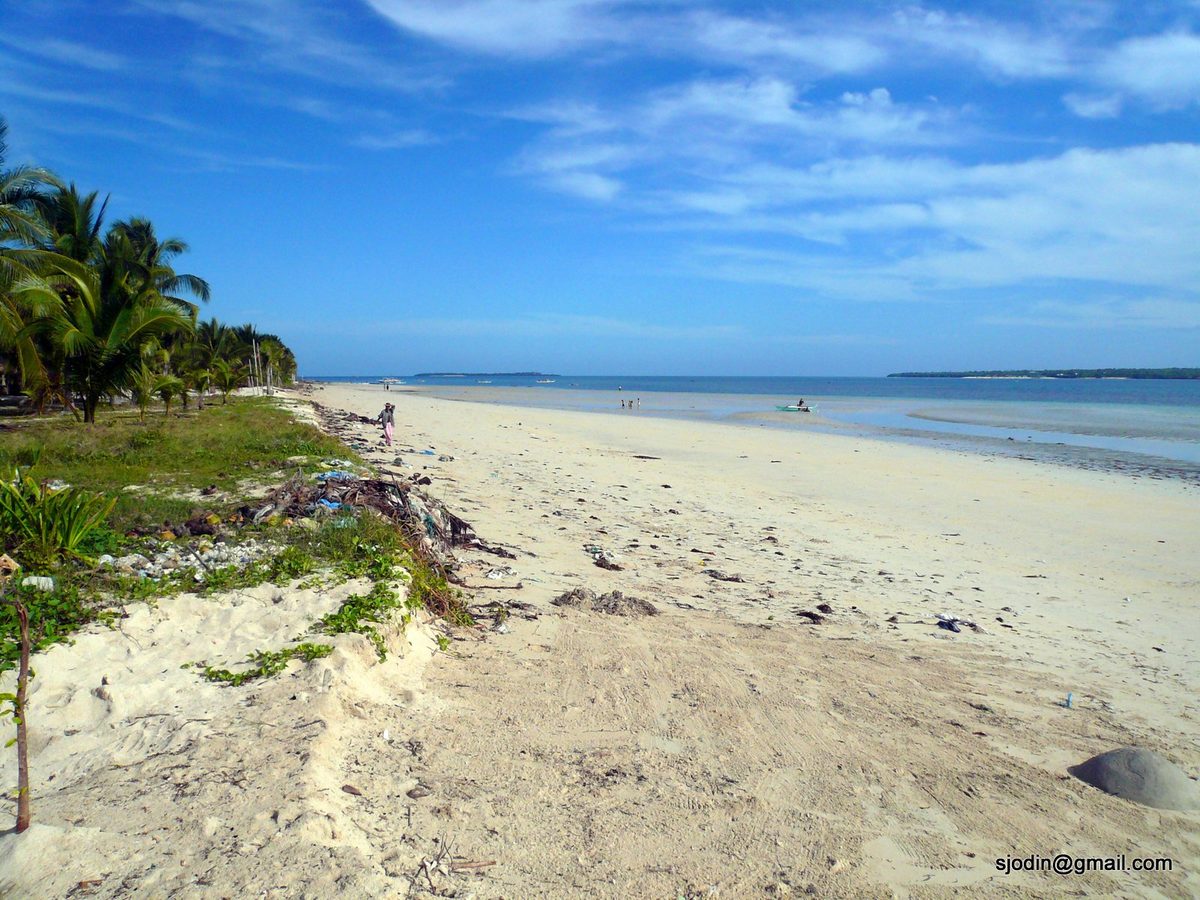
Off the northern tip of Cebu, Bantayan delivers the powdery, shallow, postcard beaches people fly to Boracay for, at a fraction of the cost and with a fraction of the crowd. Santa Fe is the main beach town, Kota Beach and Paradise Beach are the headline stretches, and the whole island is flat enough to explore by bicycle. Fresh seafood at the market is some of the cheapest good eating in the Visayas. It is a long-standing favorite for slow travelers, and you will see why within an hour of arriving. For where exactly to base yourself, our Bantayan Island travel guide covers the beach towns in detail.
Realistic daily budget: ₱1,500–2,000 ($26–34). Budget cottages and guesthouses start around ₱800–1,500, and a plate of grilled fish with rice is ₱150–250.
Cheapest way to get there: take a Ceres bus from the Cebu North Bus Terminal up to Hagnaya port (about three to four hours), then the RoRo ferry across to Santa Fe. The crossing takes roughly 90 minutes and the passenger fare is around ₱305 to ₱330 including the terminal fee. Operators carry vehicles too, so you can bring a rented motorbike.
The honest catch: the bus-plus-ferry combo from Cebu City is a half-day affair, and the last ferries fill up on weekends and holidays when Cebuanos head over, so arrive early or book ahead in peak periods. ATMs in Santa Fe are limited and occasionally out of cash; bring pesos from Cebu.
5. Moalboal: the best $4 you will spend underwater
Moalboal, on Cebu’s southwest coast, is where budget travel and world-class diving overlap. Twenty meters off Panagsama Beach sits a permanent bait ball of millions of sardines that you can snorkel for the price of a mask rental (around ₱100) plus a token fee, no boat required. Sea turtles cruise the same shallows. The beach strip is compact and walkable, hostels are some of the cheapest in the country (dorm beds genuinely start around $4), and Kawasan Falls canyoneering is a short ride away. Our Moalboal travel guide has the full rundown on the sardine run, turtles and dive shops.
Realistic daily budget: ₱1,500–2,100 ($26–36), more if you dive every day. Eating and sleeping cheap here is effortless; the diving is what inflates the number.
Cheapest way to get there: a Ceres bus from the Cebu South Bus Terminal costs about ₱210 and takes three to four hours, or a faster shared van is around ₱180 and roughly three hours. From the Moalboal bus stop by the public market, a tricycle or habal-habal runs you down to Panagsama or White Beach.
The honest catch: the sleeping and eating are cheap, but the activities are where a “budget” trip quietly balloons. A couple of fun dives, a canyoneering day at Kawasan and an Oslob day trip can double your spend fast. Panagsama Beach itself is a rocky dive-base shoreline, not a swimming beach; for sand you go to White Beach a few kilometers north.
6. Port Barton: Palawan before the prices caught up
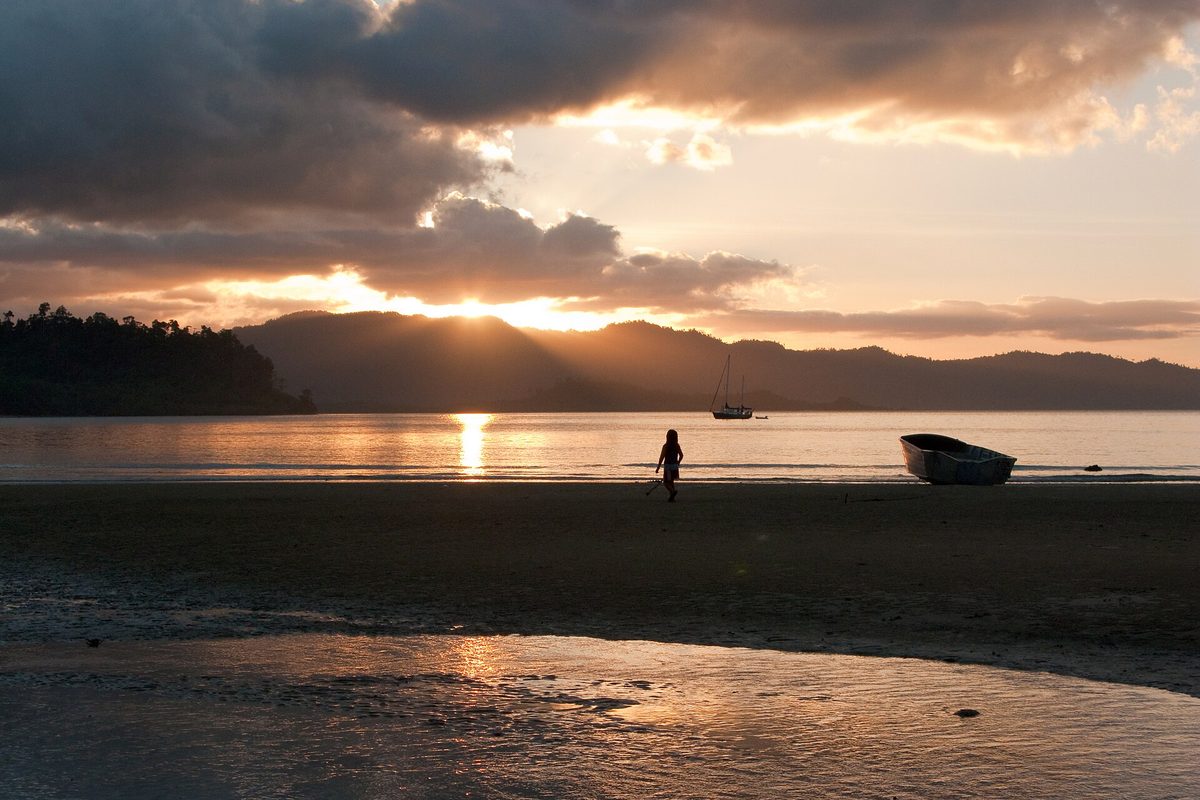
Halfway between Puerto Princesa and El Nido sits Port Barton, the village travelers mean when they say a place feels “like El Nido fifteen years ago.” A handful of sandy streets, a quiet bay, and island-hopping tours that hit gorgeous reefs and sandbars for noticeably less than El Nido charges, with a tenth of the boats. The trade-off is part of the appeal: this is somewhere you slow down. For the full picture of what to do once you arrive, see our Port Barton travel guide.
Realistic daily budget: ₱1,800–2,400 ($31–41). Rooms and food cost a little more than the deep-budget islands because everything is trucked or shipped in, but the island-hopping tours are the bargain.
Cheapest way to get there: a shared tourist van from Puerto Princesa, around ₱350 to ₱600 and roughly three hours on a road that has improved but still bumps. Vans leave several times daily and most accommodations can arrange a pickup.
The honest catch: this is the big one. Port Barton has only a couple of ATMs, they charge high fees and routinely run out of cash, and most guesthouses, restaurants and tour operators are cash-only. Withdraw all the pesos you will need in Puerto Princesa before you leave. Electricity has historically run on generators with limited hours, and connectivity is patchy, so come prepared to be a little off-grid.
7. Siargao in the off-season: cheap if you time it right
Siargao is famous for the Cloud 9 surf break, and during peak surf season (roughly August to November) it is neither quiet nor especially cheap. But swing by in the shoulder months and the picture flips: the island has so many hostels and guesthouses competing for a thinner crowd that beds, scooters and meals all get cheap, and the lagoons, rock pools and palm-lined roads are exactly as good. It is the one entry here where timing, not geography, sets the price.
Realistic daily budget: ₱1,800–2,500 ($31–43) off-peak. In peak season you can easily pay 50 percent more for the same room.
Cheapest way to get there: there is no cheap ferry shortcut; the practical route is a flight into Sayak airport from Cebu or Manila on Cebu Pacific, PAL or AirAsia. Book early and off-season and fares stay reasonable; book late in surf season and they do not.
The honest catch: the flights are the budget killer, and they sell out and spike during peak surf months and holidays. The off-season that makes Siargao cheap also overlaps with the rainier, choppier part of the year, so you trade some guaranteed sun for the lower prices. Go in with flexible dates and you win.
Where the Philippines is NOT cheap: El Nido and Boracay
I would be doing you a disservice if I only showed you the bargains. The two most famous beach destinations in the country are also two of the most expensive, and understanding why is the fastest way to understand what makes the others cheap.
El Nido is stunning and worth seeing, but the costs stack up. There is a mandatory Eco-Tourism Development Fee of around ₱400 per person (valid for ten days), the standard island-hopping tours run roughly ₱1,400 to ₱1,800 before that fee, and accommodation in town is priced for demand that far outstrips the cheap islands. A realistic daily figure once you include a tour is closer to ₱3,500 to ₱5,000-plus ($60–86+). It is the same Palawan scenery as Port Barton, sold at roughly half again the price.
Boracay charges every arriving tourist an environmental and port fee totalling around ₱450, and its four-kilometer White Beach is lined with resorts, bars and restaurants priced accordingly. You can find deals, especially off-season, but a typical day with a beachfront room, restaurant meals and a sunset sail lands around ₱3,500 to ₱6,000-plus. It earns its fame, but it is the opposite of a budget destination.
Put the numbers side by side and the gap is stark: roughly ₱1,100 a day in Romblon against ₱5,000 in El Nido for broadly similar beaches and reefs. The cheap islands are not lower quality. They are simply newer to tourism, harder to reach, or both, and that is the whole bargain.
How to keep any Philippine island cheap
A few habits flatten your daily spend almost anywhere in the country, not just on the islands above. None of them require roughing it.
- Stay longer in fewer places. Every flight and ferry is a cost; constant hopping is what quietly wrecks budgets. Two islands done slowly beats five done in a rush, and you can negotiate weekly room rates.
- Eat where locals eat. A carinderia plate of rice and ulam is ₱120 to ₱250; the same meal at a tourist restaurant is two or three times that. Ask your guesthouse where they eat.
- Travel in the low season. June to November brings rain and some typhoon risk, but flights, ferries and rooms all drop, and the cheap islands get cheaper. Our guide to the cheapest time to visit the Philippines has the month-by-month detail.
- Rent a scooter instead of joining tours. On compact islands like Siquijor and Camiguin, a ₱400–600 scooter replaces a day of paid transport and lets you reach the free waterfalls and beaches yourself.
- Carry cash, plan around ATMs. Withdraw on the mainland or in the gateway city before you cross to a small island. The cheaper the destination, the more likely the one ATM is empty.
Frequently asked questions
What is the cheapest island in the Philippines?
Romblon is the cheapest island province I have traveled, with simple rooms from around ₱600 and local meals under ₱200, giving a daily budget of roughly ₱1,100 to ₱1,400 ($19–24). Siquijor and Camiguin are close behind and far easier to reach, which often makes them the better real-world value.
How much money do I need per day on a budget Philippine island?
Plan on roughly ₱1,100 to ₱2,500 a day (about $19 to $43) on the cheap islands, covering a dorm or fan room, local food, a scooter and one activity. That excludes the flight or ferry to reach the island. Diving, multiple tours or peak-season rooms push the figure higher.
Which is cheaper, Port Barton or El Nido?
Port Barton is clearly cheaper. Its island-hopping tours run noticeably less than El Nido’s, there is no ₱400 eco-tourism fee, and accommodation is more modest. You trade El Nido’s nightlife and dramatic lagoons for quieter, similar Palawan scenery at roughly two-thirds the daily cost, plus a cash-only catch.
Are the cheap islands worth visiting compared to Boracay or El Nido?
Yes, if you value value. The cheap islands are not lower quality; they are newer to tourism or harder to reach. You give up some infrastructure, nightlife and the easiest logistics, and in return you get the same warm water and white sand for a half to a third of the price, with far fewer crowds.
How do I get to the cheapest islands without flying?
Most connect by ferry. Siquijor is a 90-minute boat from Dumaguete (around ₱330–550), Bantayan a RoRo from Hagnaya in northern Cebu (around ₱305–330), Camiguin a two-hour ferry from Balingoan (around ₱250–360), and Romblon a long overnight ferry from Batangas. From each mainland gateway it is one short crossing to the island, which is what keeps these routes cheap.
When is the cheapest time to visit these islands?
The low season, roughly June to November, brings the lowest prices on flights, ferries and rooms across all of these destinations. You accept rain and some typhoon risk in exchange. Siargao is the exception worth flipping the logic on: it is cheapest outside its August-to-November surf peak.
Sources and photo credits
Photo credits
- Cambugahay Falls, Siquijor — Lawrence Ruiz, CC BY-SA 4.0, via Wikimedia Commons
- White Island, Camiguin — MissRuru, CC BY-SA 4.0, via Wikimedia Commons
- Bantayan Island beach, Santa Fe, Cebu — Mats Sjödin, CC BY 3.0, via Wikimedia Commons
- Port Barton, Palawan — Vyacheslav Argenberg, CC BY 4.0, via Wikimedia Commons
- Moalboal coast, Cebu — George Parrilla, CC BY 2.0, via Wikimedia Commons
Sources
- Philippine Department of Tourism — official travel portal
- Municipality of El Nido — Eco-Tourism Development Fee
- eTravel — official Philippine arrival registration
About this guide: PhilippinesTourism.org tracks island ferry routes, fares and daily budgets against operator and local-government sources on a quarterly cycle, last verified September 2026.