Port Barton Travel Guide: Palawan Before the Crowds
Port Barton is a small, sandy-streeted beach town on the west coast of Palawan, halfway between Puerto Princesa and El Nido. It suits travelers who want turtle-filled snorkeling, cheap island hopping and slow sunsets without the boats and crowds of the big-name spots. Come for the quiet; manage your expectations on power and polish.
Port Barton at a glance
| Detail | What to expect in 2026 |
|---|---|
| Getting there | Shared van ~3–3.5 hrs from Puerto Princesa; ~3–4 hrs direct from El Nido (limited departures) |
| Days needed | 2–3 full days (3–4 nights) is the sweet spot |
| Vibe | Sleepy fishing village turned low-key backpacker town; barefoot, walkable, no nightlife to speak of |
| Daily budget | Around PHP 1,800–3,500 ($31–60) per person for a comfortable mid-range day, less if you go basic |
| Island-hopping tour | Standardized municipal tour, around PHP 1,500–1,800 ($26–31) including lunch, snorkel gear and fees |
| Power & wifi | Genuinely unreliable through 2026 — daytime outages and weak wifi are normal. Mobile data is your best bet |
| Cash | Bring it. One or two temperamental ATMs; almost everything is cash-only |
| Best season | Roughly December–May (dry); calmest seas and clearest water January–April |
What Port Barton Palawan actually is (and its low-key vibe)
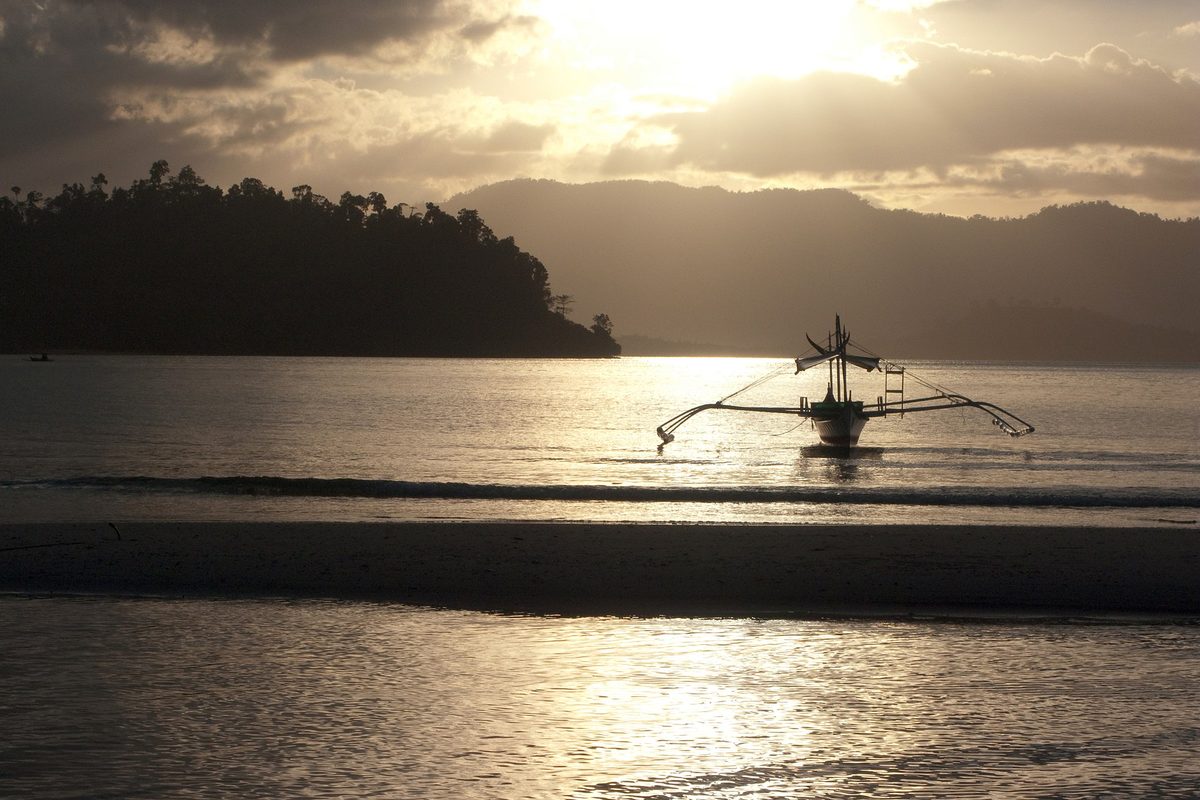
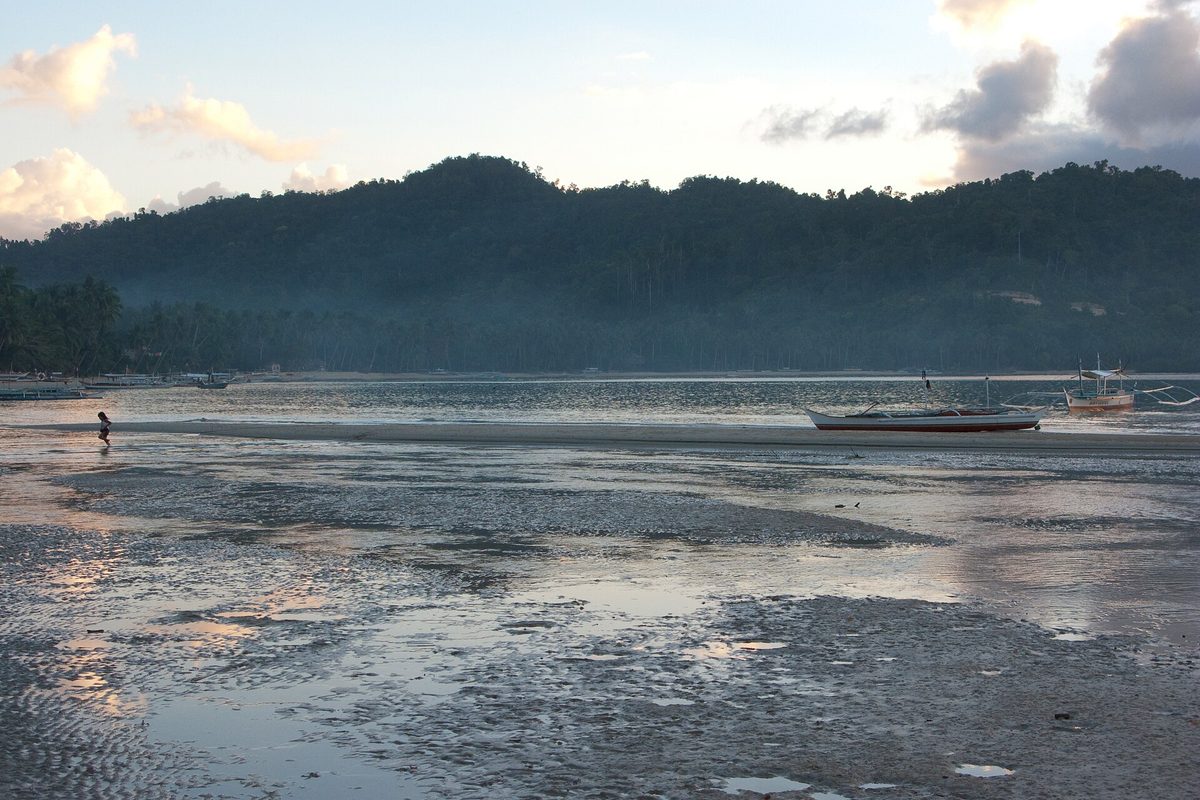
Let me set expectations, because that’s the whole game with this place. Port Barton Palawan is a barangay (village) inside the municipality of San Vicente, strung along a wide, calm bay that faces west into the sunset. There are a few sandy lanes, a row of beachfront restaurants with tables actually on the sand, a scattering of guesthouses, and green hills closing in behind town. That’s basically it — and that’s the point.
People keep calling Port Barton, Philippines, “El Nido fifteen years ago,” which is a cliche but an honest one. There is no strip of bars, no convoy of vans disgorging day-trippers, no zip line queue. Dogs nap in the road. The internet wobbles. Dinner is grilled fish and a cold beer while the sky goes orange. If your idea of a good holiday is a packed activity itinerary, you will be bored here in a day. If it is a hammock, a snorkel and a book, you may struggle to leave.
The flip side of that charm is rough edges. Roads in town are mostly unpaved, the power situation has been a real problem in 2026 (more on that below), and there is far less choice in food and rooms than you get up the coast. I think the trade is worth it. But it is a trade, and the travelers who are happiest in Port Barton are the ones who knew that going in. For the wider region, our Palawan travel guide maps out how this stop fits alongside the headline destinations.
How to get to Port Barton in 2026
Port Barton has no airport. You reach it overland from one of two gateways, almost always by shared tourist van, on roads that are paved most of the way now but still windy enough to earn the region its reputation for car sickness. If you are prone to it, take a tablet before you board and ask for a window seat — the difference is real.
From Puerto Princesa
This is the standard approach. Shared vans run from Puerto Princesa (the airport or the San Jose terminal) to Port Barton in roughly three to three and a half hours, with one comfort stop along the way. Expect to pay somewhere around PHP 500–700 ($9–12) per person in 2026; your guesthouse can usually arrange a pickup from your Puerto Princesa hotel. Vans depart through the day, but the last useful ones leave by mid to late afternoon, so a morning flight into Puerto Princesa connects cleanly. If you land the night before instead, the Puerto Princesa Underground River is the obvious way to fill the spare morning before you head north.
From El Nido
Coming south from El Nido, a direct van takes around three to four hours and costs roughly PHP 600–900 ($10–16). The catch is frequency: there are only a couple of direct departures a day, so book the day before and confirm the time. This route is why so many people slot Port Barton in as a halfway breather between El Nido and Puerto Princesa rather than backtracking. Our El Nido travel guide covers the other end of that journey.
Via San Vicente and Long Beach
Port Barton sits in the same municipality as San Vicente and its 14-kilometer Long Beach, the longest white-sand beach in the Philippines and one of the best beaches in Palawan if empty sand is what you are after. San Vicente has a small airport that has seen on-and-off flights, but service has been unreliable, so do not build a plan around it without confirming current schedules. Most travelers treat Long Beach as a possible day detour rather than an arrival point. For how these Palawan legs connect to the rest of the country, see our guide to getting around the Philippines.
Things to do in Port Barton
The list here is short by design, and that is fine — you came to slow down. These are the things genuinely worth your time.
The island-hopping tour
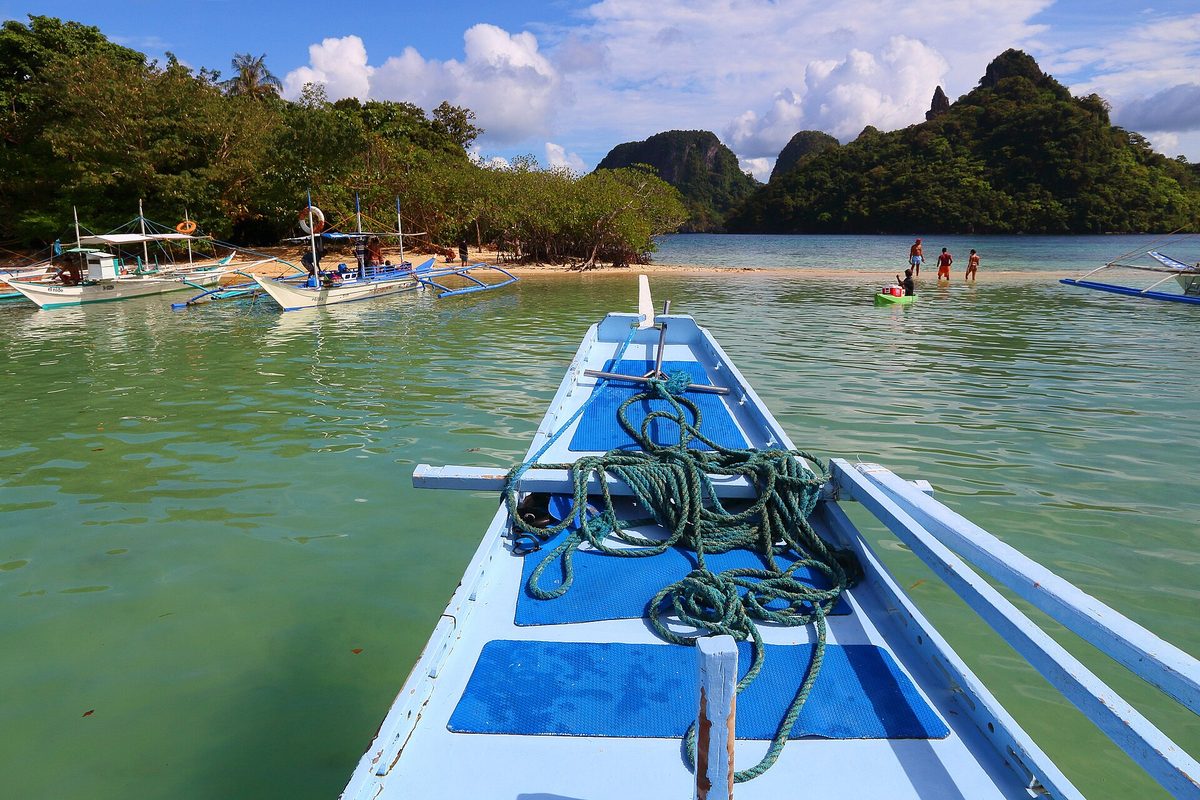
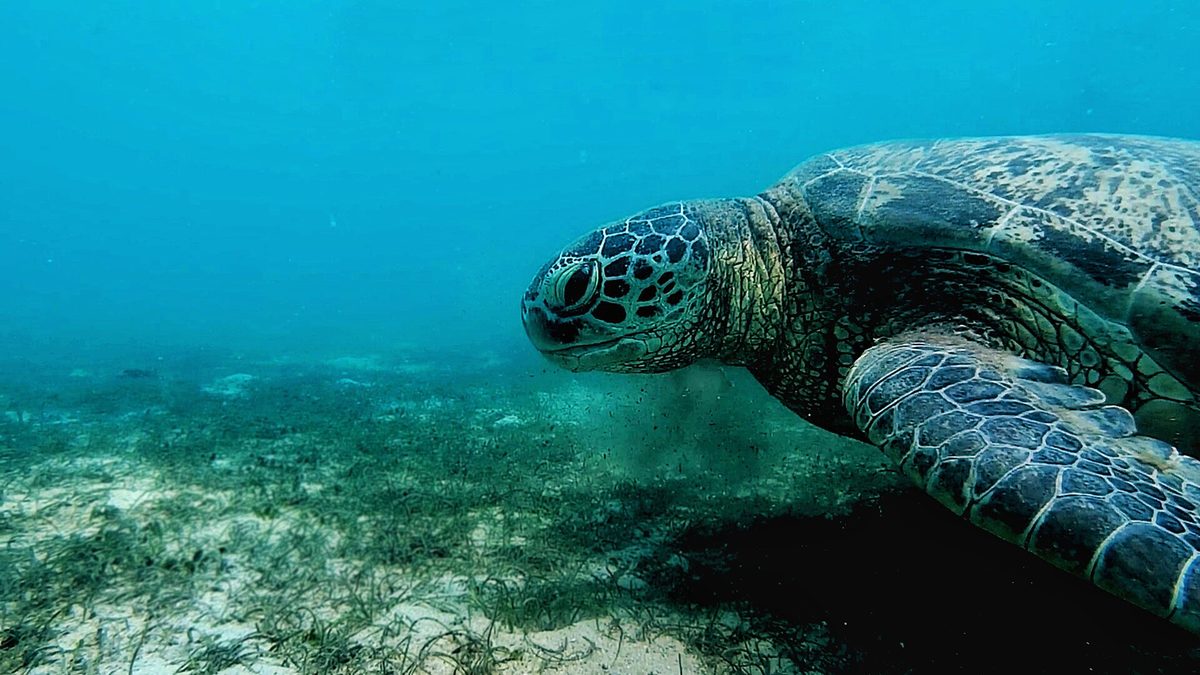
This is the main event and the reason most people come. Port Barton runs a standardized municipal island-hopping tour: every operator visits the same set of stops at the same fixed price, so there is no point haggling or comparing — just book through your guesthouse the night before. A typical day takes in marine sanctuaries and snorkeling reefs (Twin Reef is a regular), a turtle-feeding ground where green turtles graze in the shallows, a starfish-dotted sandbar, and a couple of beaches such as German Island, Exotic Beach or Paradise Beach for swimming and a grilled lunch on the sand.
Expect to pay around PHP 1,500–1,800 ($26–31) per person in 2026, including lunch, snorkel gear and the various island and sanctuary fees. The honest pitch: the scenery is lovely but not the towering-karst drama of El Nido or Coron. What you get instead is genuinely good snorkeling, a near-certain turtle encounter, far fewer boats at each stop, and an unhurried day. Bring a dry bag and reef-safe sunscreen — several stops require wading to shore, and the sanctuaries care about what goes in the water.
Pamuayan Falls and the waterfalls
For a half day off the boat, Pamuayan Falls sits about five kilometers from town and is one of the rare Palawan waterfalls you can reach on foot. It is a forest walk rather than a thundering cascade — a modest pool good for a cool dip, with a small donation expected at the trail registration. Go in the early morning before the road heats up; the route there has very little shade. If you have rented a scooter, Bigaho Falls further north pairs well with a beach run up the coast.
White Beach, Coconut Beach and the sunsets
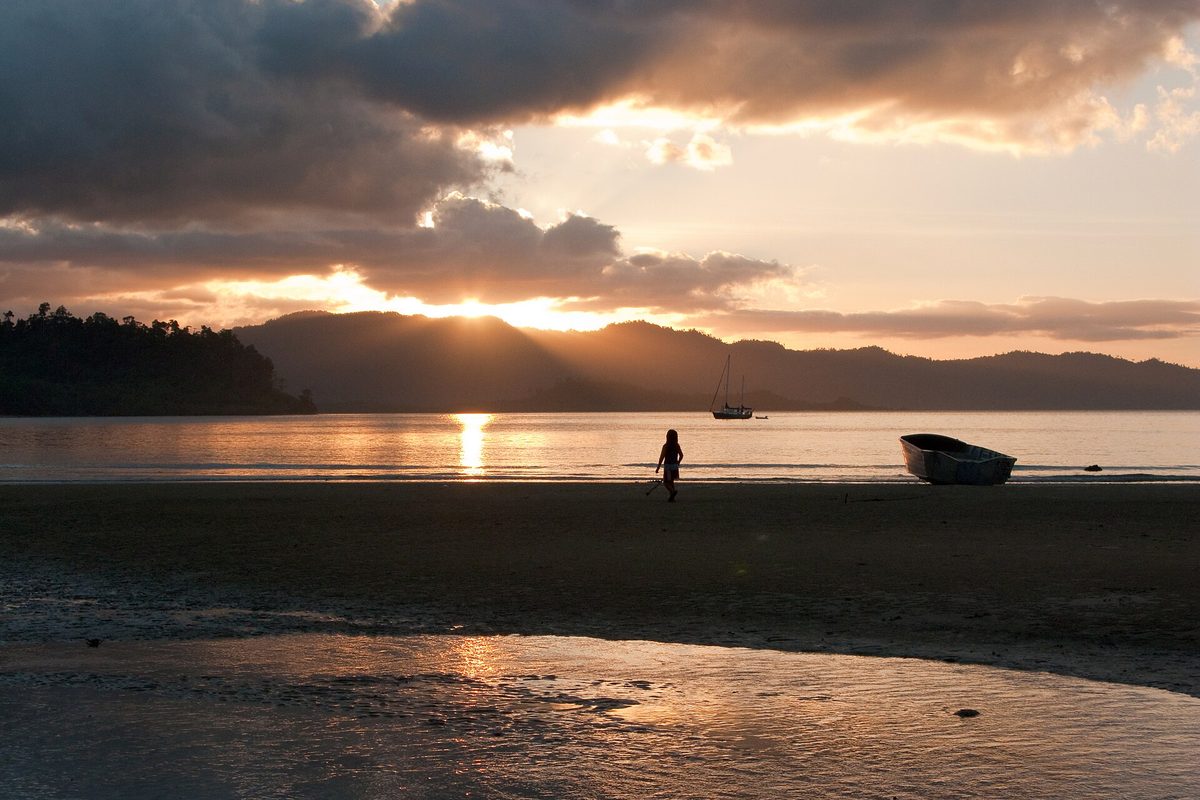
A short kayak, boat or scooter ride from town brings you to White Beach and neighboring Coconut Beach — wider, quieter swathes of sand than the main town beach, with hammocks strung between the palms. Coconut Beach has a small local-legend population of friendly pigs that wander the sand, which is exactly as entertaining as it sounds. Back in town, the nightly ritual is simple: grab a drink at a beachfront table and watch one of the better sunsets in the Philippines drop into the bay. If turtle snorkeling is high on your list, our roundup of the best beaches in the Philippines puts these stretches in national context.
Eating and the beachfront restaurants
Food is a quiet highlight, and it punches above the size of the town. The signature experience is dinner at a beachfront restaurant with your toes in the sand and the sunset doing the work — a handful of spots line the main beach with tables set right on it, something even El Nido does not really offer. Beyond fresh grilled seafood and Filipino staples, Port Barton has picked up a surprising spread of traveler-friendly kitchens over the years: wood-fired pizza, hearty breakfasts and pancakes, smoothie bowls, and the odd falafel joint among them. Portions are generous and prices are fair, though the western-leaning beachfront places run a little higher than the small local eateries a block back from the water. Self-caterers should note the shops are basic, so stock up on snacks in Puerto Princesa or El Nido if you are picky.
Port Barton vs El Nido: an honest comparison
This is the question everyone actually wants answered, so here is my straight take after time in both. They are not really competitors; they are different moods, and the smart move for most people is to do both.
El Nido wins on scenery. The limestone cliffs and lagoons of Bacuit Bay are world-class, and nothing in Port Barton matches that drama. El Nido also wins on choice: more tours, more restaurants, a night market, real nightlife, accommodation from party hostels to island resorts, supermarkets, and an airport. If you want options and a buzz, El Nido delivers.
Port Barton wins on peace, price and snorkeling. A day here costs noticeably less — tours, rooms and food all run cheaper, often 30–50% below El Nido. The island-hopping stops are less crowded, the snorkeling is arguably better, and turtle sightings are close to guaranteed. The beachfront-on-the-sand dining and the slower pace are the whole appeal. If you have already done El Nido and Coron and want to decompress, Port Barton is the antidote.
My recommendation: if you only have time for one and you crave dramatic landscapes and choice, choose El Nido. If you want to actually relax and your snorkel matters more than your camera, choose Port Barton. Better still, string them together — many travelers run Puerto Princesa to Port Barton to El Nido in one direction. Our day-by-day Philippines itinerary shows how to fit both into a Palawan loop without backtracking.
Power and connectivity: the honest reality
I am going to be blunt here because most guides gloss over it and travelers arrive surprised. Port Barton’s electricity has been genuinely unreliable through 2026. The town is served by a small private provider rather than the main grid, and there have been repeated problems: a week-long outage around Holy Week, scheduled daytime power cuts reported through the year, and a Palawan-wide blackout in May 2026 that knocked out a huge stretch of the island for the better part of a day.
What this means in practice: assume the power may be off for chunks of the daytime, and that many places run on generators or solar to fill the gaps. Charge your phone and power bank overnight when supply is most stable, bring a power bank that can survive a day, and do not count on air conditioning running round the clock at budget places. Wifi exists but is weak and patchy almost everywhere; a local SIM or eSIM with mobile data is far more reliable for staying connected. Treat Port Barton as a partial digital detox and you will be pleasantly surprised rather than frustrated.
Where to stay in Port Barton, by budget
Accommodation is small-scale and mostly basic, but that is improving and there are a few genuinely nice options now. Whatever your budget, book ahead in the December–May high season — the best-value rooms go first, and last-minute choices thin out fast.
Budget
Fan rooms and hostel beds run roughly PHP 600–1,200 ($10–21) a night. Expect simple cold-water bathrooms, a mosquito net or fan, and a sociable common area at the hostel-style places. This is the bracket most backpackers stick to, and it is perfectly comfortable if you are not precious about hot showers or constant power.
Mid-range
Beachfront cottages and tidier guesthouses sit around PHP 1,500–3,500 ($26–60). At this level you start to find the occasional hot shower (a genuine rarity here), a small plunge pool, a proper breakfast, or a hillside room with a bay view. This is the sweet spot for most travelers who want a little comfort without El Nido prices.
A step up
Port Barton has a handful of nicer boutique stays and small resorts, including a few on the quieter beaches a short boat ride from town, but it has nothing approaching a luxury island resort — that is simply not what this place is. If five-star polish is non-negotiable, you will be happier basing in El Nido. For the bigger picture on lodging across the country, our guide to where to stay in the Philippines breaks down the options by destination and budget.
What it costs in 2026
Port Barton is cheaper than El Nido across the board, but Palawan as a whole runs pricier than mainland Philippines, and the cash-only reality means you should over-budget rather than under. These are ballpark 2026 figures, converted at roughly PHP 58 = $1 — always confirm on the ground.
- Island-hopping tour: around PHP 1,500–1,800 ($26–31) all-in with lunch and fees
- Environmental/eco fee: a small one-off charge, roughly PHP 50–150, often collected on arrival or before tours
- Budget room: about PHP 600–1,200 ($10–21) a night; mid-range PHP 1,500–3,500 ($26–60)
- Meal at a beachfront restaurant: around PHP 250–500 ($4–9); cheaper at local eateries in town
- Scooter rental: roughly PHP 500–700 ($9–12) a day; kayak rental around PHP 500 for a half day
- Van to/from Puerto Princesa: about PHP 500–700 ($9–12) per person
One firm piece of advice: draw out all the cash you will need before you arrive, ideally in Puerto Princesa or El Nido. Port Barton has only one or two ATMs, they charge high fees, and they routinely run dry in peak season. Tours, rooms and most restaurants do not take cards.
The best time to visit
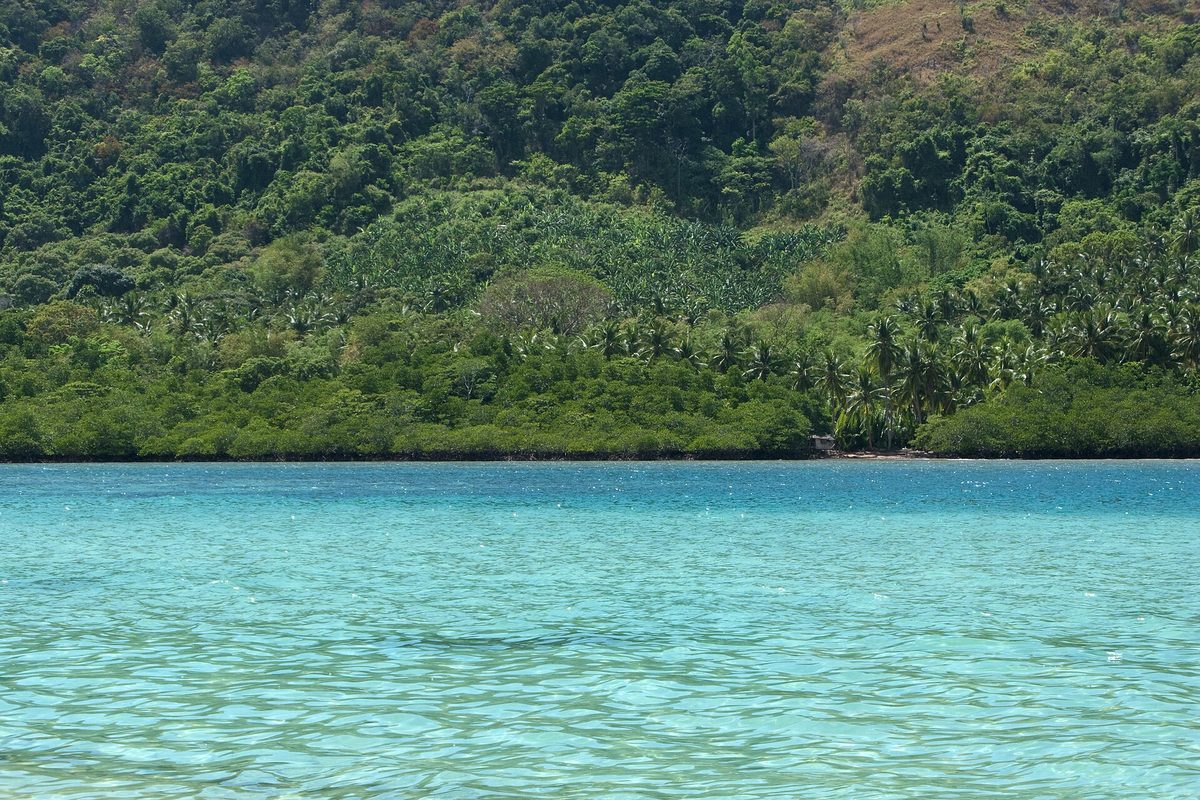
The dry season runs roughly December through May, and that is when you want to be here. January to April brings the calmest seas and clearest water for snorkeling and island hopping, which is the entire reason to come. March to May is hottest. Note that some beaches in the region post seasonal jellyfish warnings around the May–July shoulder, so ask locally before you swim off-tour in that window.
From around June to November the southwest monsoon brings rain and the chance of rough seas, and island-hopping tours only run in good weather — a stretch of wind and storms can cancel the one activity you traveled for. Shoulder weeks in late November and early December can be a sweet spot: greener hills, thinner crowds, lower prices, and seas that are usually settling. Whenever you come, build in a buffer day so a single washed-out boat day does not sink the trip.
Who should skip Port Barton (or at least manage expectations)
I love this place, but it is not for everyone, and I would rather you knew that now than after a three-hour van ride. Give Port Barton a miss, or weight your trip elsewhere, if any of the following is you:
- You need reliable power and fast wifi to work remotely — in 2026 that is a daily gamble here
- You want nightlife, lots of restaurant choice, or a luxury resort — El Nido or Coron will serve you far better
- You are chasing the dramatic limestone-cliff scenery from the postcards — that is Bacuit Bay, not Port Barton
- You are squeezing Palawan into two or three days total — the travel time does not pay off for a flying visit
- You cannot get comfortable with a cash-only, rough-around-the-edges town
If, on the other hand, you want turtles, sunsets, a hammock and a genuinely quiet corner of Palawan — and you can roll with patchy power and bring enough cash — Port Barton is one of my favorite stops in the whole country. Just go before everyone else does.
Know before you go: quick practical tips
A few small things make a Port Barton trip smoother. None are dealbreakers; together they save a lot of friction.
- Bring a power bank and charge overnight. With daytime outages common in 2026, a full battery in the morning is your safety net.
- Carry enough cash for the whole stay. Withdraw in Puerto Princesa or El Nido; the local ATMs are few, pricey and unreliable.
- Pack reef-safe sunscreen and a dry bag. The marine sanctuaries care about the water, and you will be wading to boats and beaches.
- Take motion-sickness tablets for the van. The roads are windy; a window seat helps too.
- Lower your connectivity expectations. Treat it as a near-detox, use mobile data over wifi, and tell people at home you may be slow to reply.
- Book the island-hopping tour the night before through your guesthouse — prices are fixed townwide, so there is nothing to gain by shopping around.
Frequently asked questions
Is Port Barton worth visiting?
Yes, if you want a quiet, affordable Palawan beach town with excellent turtle snorkeling and great sunsets, and you can accept basic infrastructure. It is one of the calmest, least-developed stops on the island. It is not worth it if you need nightlife, dramatic scenery or dependable power and wifi — in those cases El Nido suits you better.
How many days do you need in Port Barton?
Two to three full days, meaning three or four nights, is the sweet spot for most people. That gives you one day for the island-hopping tour, a day for the beaches or a waterfall hike, and time simply to do nothing. Add a buffer night if you can, since a single windy day can cancel the boat tour that most visitors come for.
Is there electricity and wifi in Port Barton?
Yes, but unreliably as of 2026. The town has had repeated outages, including scheduled daytime power cuts and a wider Palawan blackout in May 2026. Many places run generators or solar to cover the gaps. Wifi is weak and patchy almost everywhere; a local SIM or eSIM with mobile data is the more dependable way to stay online. Charge devices overnight and carry a power bank.
Which is better, Port Barton or El Nido?
It depends on what you want. El Nido wins on dramatic scenery, choice and nightlife; Port Barton wins on peace, price and less-crowded snorkeling with near-guaranteed turtles. A day in Port Barton typically costs 30–50% less. If you can, do both — Port Barton makes a natural halfway stop between Puerto Princesa and El Nido.
Can you get to Port Barton from El Nido directly?
Yes. A direct shared van runs between El Nido and Port Barton in about three to four hours for roughly PHP 600–900 ($10–16) in 2026. The main limitation is frequency — only a couple of departures a day — so book the day before and confirm the departure time with your guesthouse or the van operator.
Do I need cash for Port Barton?
Absolutely. Port Barton is largely a cash economy. There are only one or two ATMs, they charge high fees, and they often run out of money in high season. Tours, most restaurants and nearly all accommodation are cash-only. Withdraw everything you expect to need before you arrive, ideally in Puerto Princesa or El Nido where ATMs are more reliable.
Sources and photo credits
Photo credits
- Port Barton bay and village — Vyacheslav Argenberg, CC BY 4.0, via Wikimedia Commons
- Palawan island-hopping bangka boat — Marek Ślusarczyk (Tupungato), CC BY 3.0, via Wikimedia Commons
- Green sea turtle on a Philippine reef — Wiki.mjmasangkay, CC BY-SA 4.0, via Wikimedia Commons
- Port Barton beachfront, San Vicente — Vyacheslav Argenberg, CC BY 4.0, via Wikimedia Commons
- Palawan islet and turquoise water — Vyacheslav Argenberg, CC BY 4.0, via Wikimedia Commons
- Sunset over Port Barton bay — Vyacheslav Argenberg, CC BY 4.0, via Wikimedia Commons
Sources
- Municipality of San Vicente, Palawan — official local government site
- Palawan News — reporting on Port Barton power outages and restoration
- UNESCO — Puerto-Princesa Subterranean River National Park
- Philippine Department of Tourism — official travel portal
About this guide: PhilippinesTourism.org is an independent Philippines travel resource; details were researched and verified July 2026.