Coron Wreck Diving: WWII’s Sunken Fleet
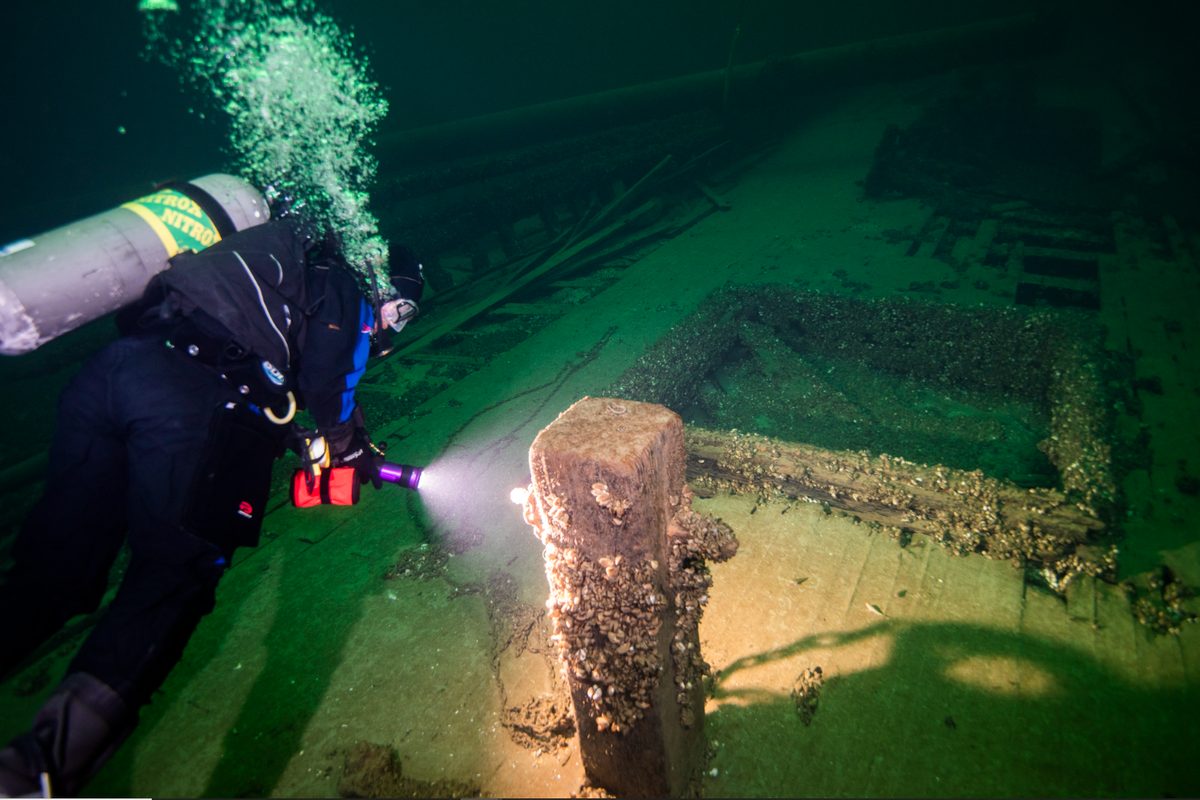
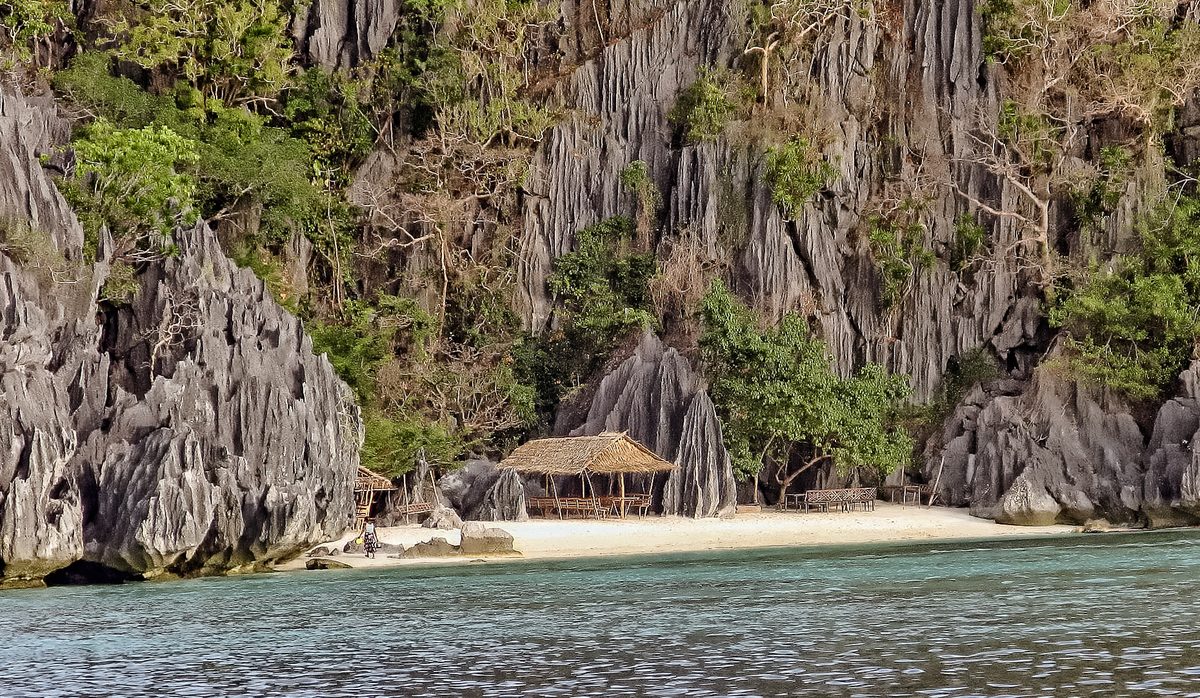
Coron Bay holds the densest cluster of divable World War II wrecks anywhere in the Philippines: roughly ten to twelve Japanese supply and support ships sunk in a single air strike on 24 September 1944, now sitting between 3 and 43 metres under the limestone cliffs of Busuanga, Palawan. It is hands-down my favourite wreck destination in the country, and the most beginner-forgiving serious wreck site I have dived.
I have done these wrecks across several trips, on single tanks and on Nitrox, with shops in Coron Town and out at the resorts. This guide breaks down every wreck worth your air by depth and certification, gives you honest 2026 prices in pesos and dollars, and tells you exactly how to get there now that the Manila turboprops have moved to Clark. I will also tell you who should skip Coron entirely.
The wrecks at a glance
Here is the quick-reference table I wish someone had handed me before my first trip. Depths are approximate and shift a little with the tide; “level” is my honest read on who will enjoy each wreck, not a hard rule.
| Wreck | Type | Depth | Level | Penetration? |
|---|---|---|---|---|
| Akitsushima | Seaplane tender (warship) | ~20–38 m | Advanced | Yes – engine rooms, decks |
| Irako | Refrigeration/provision ship | ~28–43 m | Advanced / tech-leaning | Yes – tight, silty |
| Okikawa Maru | Tanker (largest wreck) | ~10–26 m | Open Water+ | Yes – long, forgiving |
| Kogyo Maru | Freighter (construction cargo) | ~22–34 m | Advanced | Yes – holds, engine room |
| Olympia Maru | Auxiliary cargo | ~12–25 m | Open Water+ | Yes – wide, easy entries |
| Morazan Maru | Auxiliary cargo | ~16–25 m | Open Water+ | Yes – air pocket at ~20 m |
| Lusong Gunboat | Gunboat | ~3–11 m | Snorkel / beginner | No – small, open |
| East Tangat (Taiei) | Gunboat/sub-chaser | ~3–20 m | Beginner | Limited |
| Skeleton Wreck | Small wooden wreck | ~5–22 m | Snorkel / Open Water | No |
| Barracuda Lake | Freshwater thermocline dive | ~4–35 m | Open Water+ | n/a (lake) |
If you only have time for a sentence: most of the iconic wrecks (Akitsushima, Irako, Kogyo) want an Advanced cert and wreck training, but Coron also has genuinely shallow wrecks a brand-new diver or even a snorkeler can enjoy. That range is what makes the place special.
The history: one morning in September 1944
The short version of why these ships are here: they were running, and they got caught. In late September 1944 the United States Navy was hammering shipping around Manila Bay (roughly 21–24 September), and the Japanese pulled their surviving supply vessels south and west, hoping the islands around Coron were beyond carrier range. They were wrong by a hair.
On the afternoon of 23 September, the Fast Carrier Task Force, US Navy Task Force 38 under Vice Admiral William “Bull” Halsey, moved into position, with Vice Admiral Marc Mitscher directing the strike from the carrier USS Lexington. Early on 24 September 1944, a wave of around 120 aircraft, 96 Grumman F6F Hellcat fighters and 24 SB2C Helldiver dive-bombers, launched and flew roughly 340 miles (about 550 km) to reach Coron Bay.
That distance is the part that still gives me pause underwater. It was about the longest-range carrier air strike attempted to that point in the war. The pilots had only a short window over the target before fuel dictated the long flight home, and several planes were lost on the return, some ditching when the tanks ran dry, some hit by anti-aircraft fire from the very ships you now swim through. In well under an hour the strike sank or wrecked the bulk of the fleet hiding in the bay: the Akitsushima, Okikawa Maru, Irako, Kogyo Maru, Olympia Maru, Taiei Maru and the Lusong Gunboat among them.
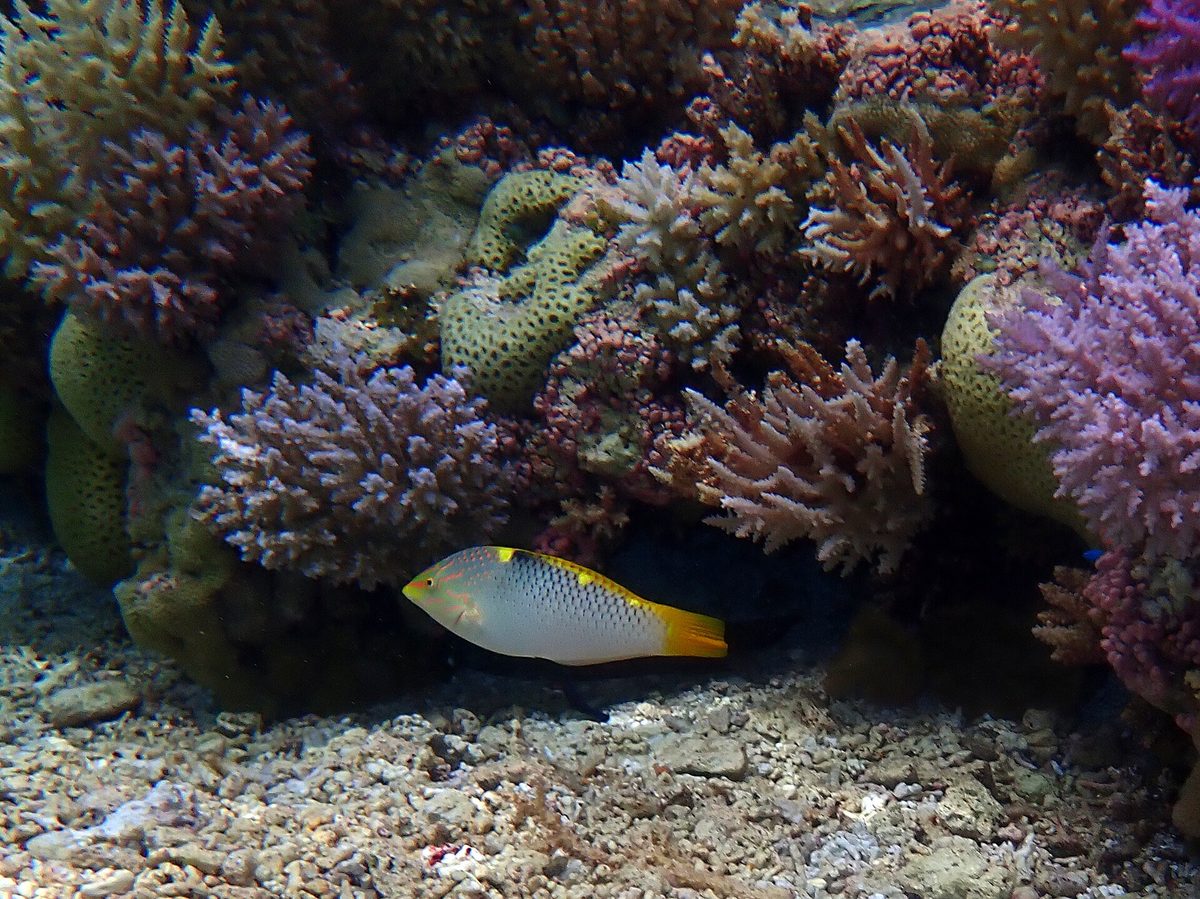
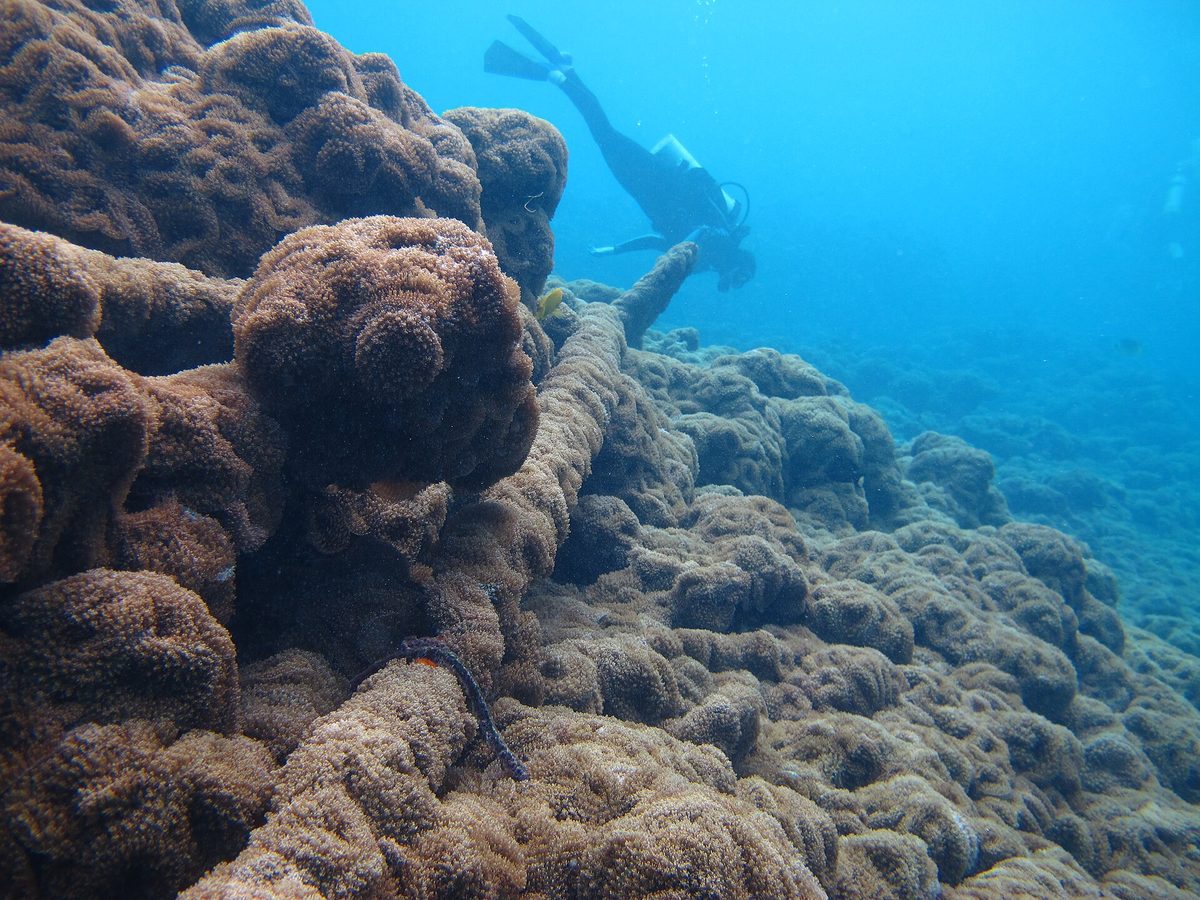
Eighty-plus years on, the sea has done what the sea does. Hulls that were instruments of war are now coral gardens and fish apartments. It is a strange, moving thing to drift along a deck gun fringed in soft coral, and it is the reason I think every history-minded diver should put Coron on the list.
Coron wreck diving site by site
This is the heart of it. I have ordered the wrecks roughly from most demanding to most relaxed so you can find your level fast.
Akitsushima – the only true warship
The Akitsushima was a seaplane tender, around 118 metres long, and it is the one genuine warship in the bay rather than a converted cargo carrier. She lies on her port side with the shallowest point of the hull at roughly 20–22 metres and the sand at around 35–38 metres. The collapsed crane that once hoisted a flying boat now sits on the bottom, and there are still anti-aircraft guns visible, including a triple-barrel mount that is one of the best photo subjects in Coron. Inside, penetration leads through several decks to an engine room with four large diesel engines. This is an Advanced-level dive with wreck training, and Nitrox earns its keep here, stretching your time at depth. My pick for the most atmospheric wreck in the bay.
Irako – the deep one
The Irako was a refrigeration and provisions ship, around 147 metres, sitting impressively upright. The deck sits near 28 metres and the bottom runs to about 40–43 metres, making it the deepest of Coron’s recreational wrecks. It is also the most demanding: narrow entry points, a real chance of current, and silt that goes to soup the instant a careless fin stirs it. Dive it on Nitrox, dive it with a guide who knows it, and dive it early in your trip when you are fresh. Inside there is an engine room and cargo and transmission spaces. Skip Irako if you are not comfortably past your Advanced cert or if low-visibility, overhead environments rattle you. It is a tech-leaning dive dressed up as recreational.
Kogyo Maru – the construction ship
The Kogyo Maru was a freighter, roughly 140 metres, lying on its starboard side at about 22–34 metres. The draw here is the cargo: the holds still carry construction material, including a cement mixer and the remains of a small bulldozer or tractor, plus building supplies for whatever the fleet was meant to be supporting. There is an anti-aircraft gun on the deck and coral has claimed much of the exterior. Going deep into the engine room and its two big boilers needs wreck and Nitrox training. Advanced level, and a satisfying one.
Okikawa Maru – the big, friendly tanker
The Okikawa Maru is Coron’s largest wreck, an oil tanker somewhere around 160–170 metres long, and despite the size it is the most accessible of the major ships. The main deck sits at roughly 10–12 metres and the wreck bottoms out near 26 metres, so a careful Open Water diver can enjoy the outside while Advanced divers thread the prop shaft and engine room. It is thickly coral-encrusted and busy with fish. If you do one “big” wreck and you are not yet Advanced, make it this one.
Olympia Maru and Morazan Maru – the wreck-diving classrooms
These two auxiliary cargo ships are where a lot of people fall in love with wreck diving. Both sit in the comfortable 12–25 metre band with large, well-lit cargo holds and wide entries that do not feel claustrophobic. The Morazan Maru has a quirk I love: an air pocket trapped at around 20 metres where you can lift your head into a sliver of eighty-year-old air (keep your regulator in, it is not breathable). The Olympia Maru offers several easy through-routes and is a great first or second penetration. Open Water divers with a little experience and a guide do fine on both; they reward repeat dives.
Lusong Gunboat, East Tangat and the Skeleton Wreck – shallow and snorkel-friendly
Not every Coron wreck demands a deep cert. The Lusong Gunboat sits in about 3–11 metres and actually breaks the surface at low tide, so snorkelers and first-time divers can hover right over coral-covered ribs. The East Tangat wreck (a gunboat or sub-chaser, sometimes linked to the name Taiei) slopes from near the surface to about 18–20 metres, ideal for a relaxed shallow dive. The Skeleton Wreck, a small wooden vessel off Coron Island, is shallow enough that it is commonly done as a snorkel or easy Open Water dive. These are where I send nervous divers and non-diving partners; nobody leaves disappointed.
Barracuda Lake: the thermocline dive
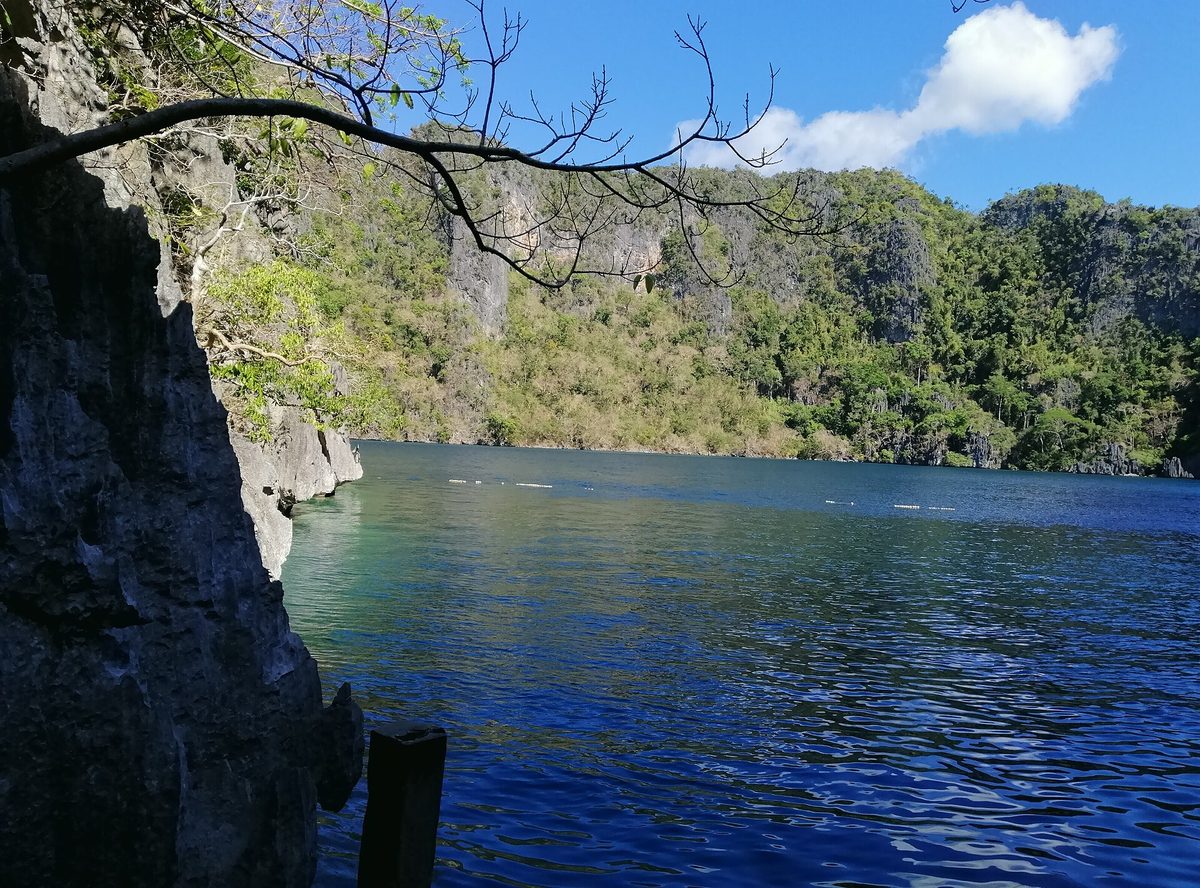
Barracuda Lake is the odd one out and a genuine highlight. It is a brackish, near-freshwater lake ringed by jagged limestone, reached by a short but sweaty 10–15 minute clamber over rocks in full kit. There is little big marine life despite the name (the “barracuda” is a long-dead skeleton found here), but that is not the point. The point is the thermocline: you descend through cool water and then drop into a layer where the temperature jumps abruptly, around 28°C to as high as 38°C, a shimmering, almost hallucinatory boundary you can wave your hand through. Add cathedral-like rock formations and gin-clear water and it is one of the strangest, most photogenic dives in the Philippines. Most shops run it as an add-on.
What certification and skills you actually need
Here is the honest skills ladder for Coron:
- Snorkeler or non-diver: Lusong Gunboat and the Skeleton Wreck are yours. You will see real wreckage in clear, shallow water.
- Open Water (entry level): Okikawa Maru’s exterior, Olympia Maru, Morazan Maru, East Tangat. Stay outside or in wide, well-lit holds with a guide. Plenty to see without going deep.
- Advanced Open Water + wreck training: this is the sweet spot. It unlocks Akitsushima, Kogyo Maru and proper penetration on the cargo ships.
- Advanced/tech with experience: Irako at depth, deep engine-room penetrations, and anything where current, silt and an overhead all stack up.
Two practical notes. First, get Nitrox certified if you can; on wrecks in the 25–35 metre band it meaningfully extends your no-decompression time, and most Coron shops fill Nitrox and teach the course in a day. Second, several wrecks are penetration dives in low visibility, so a wreck specialty (line and reel, light, awareness of silt-outs) is not a formality here, it is the difference between a great dive and a scary one. If you are rusty, book a checkout dive on a shallow wreck first. Coron visibility is moderate by Philippine standards, often around 10–25 metres and frequently lower inside the wrecks, so good buoyancy matters more than usual.
Dive shops and honest 2026 prices
Coron is not expensive by world standards, but it is not the cheapest diving in the Philippines either, because the boat ride to most wrecks is 45 minutes to over an hour each way. That logistics reality shapes the pricing: shops run three dives in a day so the boat only makes one round trip, and you generally pay for all three.
Rough 2026 figures (at roughly 58 PHP to 1 USD, so treat these as ballpark and confirm when you book):
- Three-dive wreck day: around ₱3,800–5,500 (~US$65–95), often including tanks, weights, guide and lunch. Gear rental usually adds ₱500–900 (~US$9–16) per day.
- Single fun dive: roughly ₱1,800–2,500 (~US$31–43) where offered, but many shops only sell the day package.
- Nitrox: a small surcharge per dive or per fill, often ₱300–600 (~US$5–10); the certification course runs around ₱9,000–14,000 (~US$155–240).
- Barracuda Lake is usually an add-on dive in the ₱1,500–2,500 (~US$26–43) range, plus a small lake entry fee.
- Multi-day packages (e.g. 6–10 dives) bring the per-dive cost down; ask.
Expect modest local environmental or municipal fees on top, payable in cash. You will dive with a mix of Coron Town operators (cheaper, livelier, longer boat rides) and island dive resorts (pricier, quieter, often closer to the wrecks). Both are fine; pick on budget and vibe. As always, confirm current prices and inclusions directly with the shop before you commit.
Getting to Coron in 2026 (this changed)
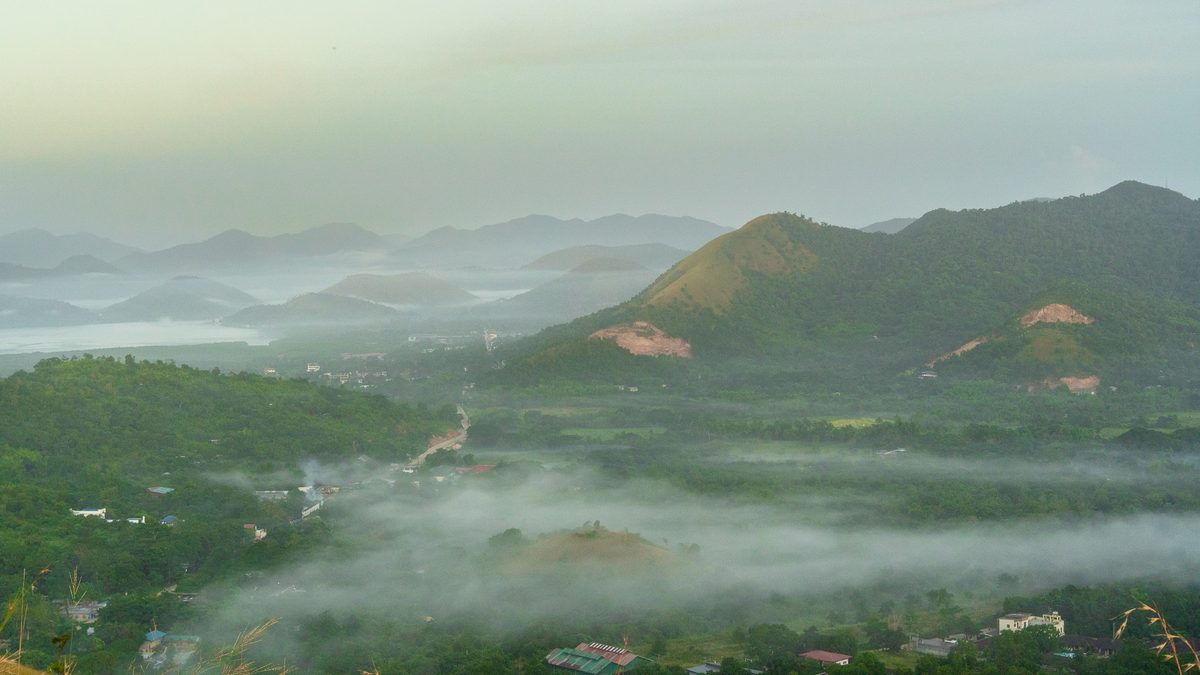
You dive Coron from the town of the same name on Busuanga Island. The gateway is Francisco B. Reyes Airport (airport code USU), usually just called Busuanga, and it is about a 45–60 minute van ride from the airport into Coron Town where the dive shops cluster.
Here is the 2026 change that trips up older guides: if you are flying from Manila, your turboprop now leaves from Clark (CRK), not Ninoy Aquino International Airport. As of 29 March 2026, Cebu Pacific moved all of its and Cebgo’s turboprop flights, including the Manila–Coron route, out of NAIA Terminal 2 and over to Clark International. So when you book “Manila to Coron,” check whether it is actually departing Clark, which sits about two to three hours north of central Manila by road. Build in that transfer time. From 1 July 2026, the AirSwift brand was folded into Cebgo, so flights you might remember as AirSwift (T6) now appear under Cebgo (DG) codes. Schedules and operators shift, so verify the departure airport on your specific booking.
Cebu also has direct flights to Busuanga. And if you are already in Palawan, the El Nido to Coron ferry runs in about four to five hours and pairs beautifully with diving the reefs further south. For the bigger picture on island connections, see our guide to domestic flights.
Best time to dive Coron
Coron dives year-round, but conditions swing with the seasons. The dry, calmer window of roughly October to May is when you want to be here, and December to March usually delivers the best visibility, your best shot at seeing whole wrecks from the outside rather than feeling your way along them. The rainier stretch from about June to September brings reduced visibility, stronger currents and the occasional storm that can cancel boats or put the deeper wrecks (Irako especially) off limits. Typhoon season overlaps this, peaking July to October, so if you travel then, pad your itinerary with buffer days.
One honest caveat: even in the good months, Coron’s visibility is moderate, not the crystal blue you get over a coral wall in Tubbataha or Apo Reef. You are diving in a sheltered, silty bay. That is the trade for having a dozen wrecks within an hour of town.
Who should skip Coron wreck diving
I love this place, but it is not for everyone. If you have never dived and you want easy, sunlit reef diving with big visibility, Coron’s signature wrecks will mostly be off limits to you, and you would be happier learning in Moalboal, Bohol or Boracay first (see our broader picks for the best dive sites in the Philippines). If overhead environments make you anxious, that is worth respecting; the shallow wrecks are fun but the famous ones are penetration dives in low light. And if you are chasing big pelagics, sharks and mantas, this is the wrong bay; go to Malapascua or Tubbataha. Come to Coron for history, structure and atmosphere, and it delivers like almost nowhere else.
Pair your diving with a few days topside. Coron’s lakes, lagoons and limestone scenery are spectacular: start with our Coron travel guide and the Coron island hopping routes, set in the wider wonders of Palawan. Coron is one stop in our complete guide to scuba diving in the Philippines.
Frequently asked questions
How many days do you need to dive Coron?
I would budget at least two to three diving days to do the main wrecks justice, since shops run three dives a day and there are roughly ten worth seeing. Add a day or two topside for the lakes and lagoons, plus a buffer day in case weather cancels a boat. Four to five days total is a comfortable, unhurried trip.
Can beginners dive the wrecks in Coron?
Yes, but with limits. Open Water divers can enjoy the shallow wrecks (Lusong Gunboat, East Tangat) and the exterior of larger ships like the Okikawa Maru. Snorkelers can float over the Lusong Gunboat and Skeleton Wreck. The famous deep penetrations (Akitsushima, Irako, Kogyo Maru) need an Advanced certification plus wreck training, so plan your certs accordingly.
Do I need Nitrox to dive Coron’s wrecks?
You do not need it, but on the deeper wrecks it genuinely helps. Many of the best ships sit in the 25 to 35 metre range, where Nitrox extends your no-decompression time and lets you actually explore rather than turning around early. Most Coron dive shops fill Nitrox and can certify you in about a day if you are not already qualified.
How do I get to Coron from Manila in 2026?
Fly to Busuanga Airport (USU), then take a 45 to 60 minute van to Coron Town. The key 2026 change: Manila turboprops to Coron now depart from Clark International (CRK), not NAIA, after the March 2026 transfer of Cebu Pacific and Cebgo turboprop operations. Clark is two to three hours north of central Manila, so factor in the transfer. Always confirm the departure airport on your booking.
What is the visibility like when diving Coron?
Moderate. Coron is a sheltered, silty bay, so visibility typically runs around 10 to 25 metres and is often lower inside the wrecks, especially if divers stir up silt. The best clarity comes in the dry months from December to March. If pristine blue water is your priority, set expectations: you come to Coron for the wrecks and history, not the visibility.
Is Barracuda Lake worth diving?
If you are already in Coron and certified, yes. It is unlike anything else: a brackish limestone lake with a dramatic thermocline where the water temperature jumps from around 28°C into the high 30s, plus surreal rock formations and excellent clarity. There is little marine life, so it is about the sensation and the scenery, not fish. Most shops run it as an easy add-on dive.
Sources and photo credits
Photo credits
Images sourced from Wikimedia Commons. Full attribution and license details are listed below.
- coron-wreck-diving-coral-wreck.jpg: Photo: Anonymous National Oceanic and Atmospheric Administration photographer (CC0) via Wikimedia Commons. Source.
- coron-wreck-diving-diver.jpg: Photo: USFWS – Pacific Region (CC0) via Wikimedia Commons. Source.
- coron-wreck-diving-barracuda-lake.jpg: Photo: Madcel / CC BY-SA 4.0 via Wikimedia Commons. Source.
- coron-wreck-diving-coron-bay.jpg: Photo: Ray in Manila / CC BY 2.0 via Wikimedia Commons. Source.
- coron-wreck-diving-coral-reef.jpg: Photo: U.S. Fish and Wildlife Service (CC0) via Wikimedia Commons. Source.
- coron-wreck-diving-coron-scenery.jpg: Photo: Brian Santamaria / CC BY-SA 4.0 via Wikimedia Commons. Source.
Sources
- Coron Bay – Wikipedia (overview of the wrecks and the 24 September 1944 attack)
- Wrecks of Coron Bay – DIVE Magazine (per-wreck detail and the strike narrative)
- Diving in Busuanga & Coron – PADI (dive-site and certification guidance)
About this guide: PhilippinesTourism.org is an independent Philippines travel resource. Routes, prices and dive-site conditions were verified October 2026; confirm current details with operators before you book.