Learning to Dive in the Philippines: Costs and Places
The Philippines is one of the cheapest, warmest and friendliest countries on earth to get scuba certified. A full PADI or SSI Open Water course here runs roughly ₱18,000–25,000 (about US$320–430) and takes three to four days, training you in bath-warm water on reefs that working divers travel across the world to see. This guide covers what each course costs in 2026, where to do it, and how to pick a school that won’t cut corners.
Why the Philippines is one of the best places in the world to learn to dive
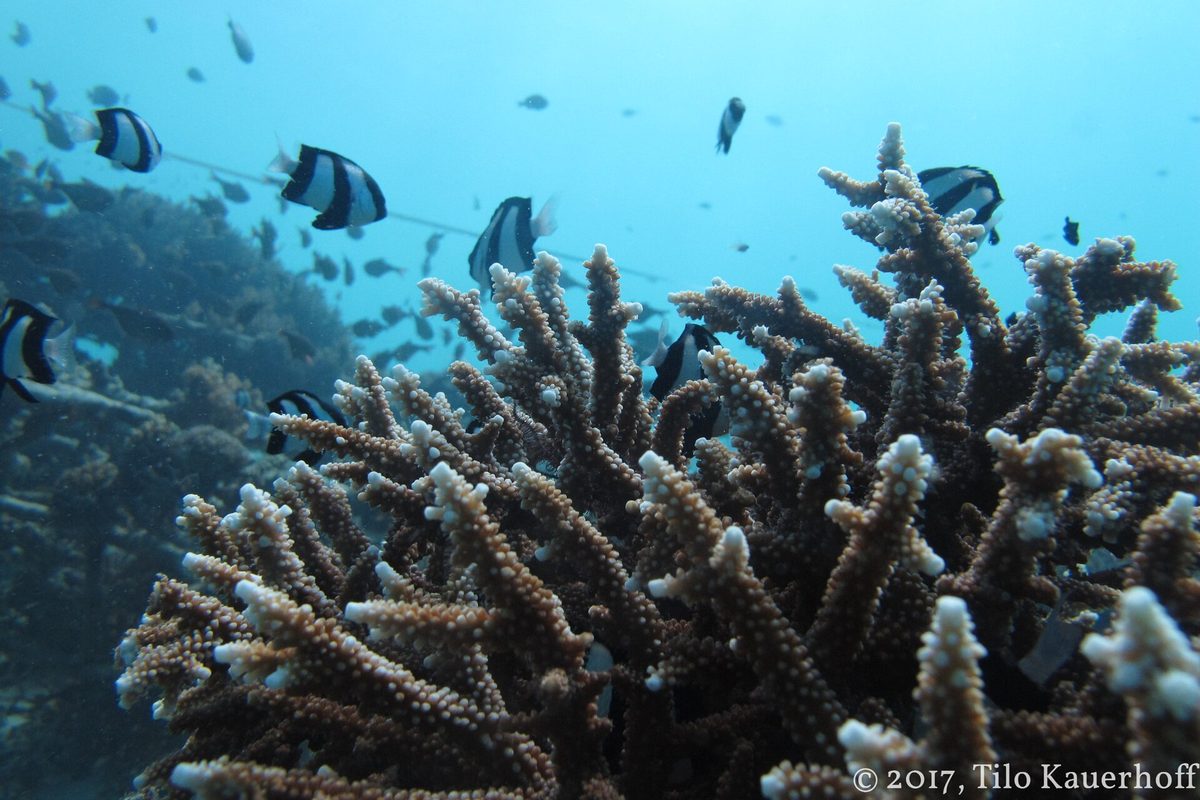
I’ve watched a lot of nervous first-timers do their first breaths underwater, and the conditions here make a real difference. The water sits around 25–30°C (78–86°F) for most of the year, so you train in a 3mm shorty or even a rash guard instead of fighting a thick cold-water suit. Many of the classic learner bays are calm, shallow and reef-fringed, which means short boat rides, gentle entries and something genuinely worth looking at on your very first open-water dive: turtles, clouds of reef fish, the odd sardine tornado.
Then there’s the price. The Philippines is among the most affordable countries on the planet to certify, comfortably cheaper than Australia, Europe, the Caribbean or the United States, and broadly in line with Thailand’s Koh Tao. You also get to fold the course into a trip you probably already wanted to take. For the full picture of where diving fits across the country, our pillar guide to Scuba Diving in the Philippines is the place to start.
One honest caveat: “cheap” and “good” are not the same thing. The country has superb instructors and a few operators who rush people through to hit a number. The back half of this guide is about telling them apart.
Costs and courses at a glance (2026)
These are typical 2026 ranges I’ve seen quoted across reputable Philippine dive centres. Treat them as a guide and always get a written, all-in quote before you book — prices move, and what’s bundled varies a lot.
| Course | Typical duration | Typical 2026 cost (PHP / USD) | What you get |
|---|---|---|---|
| Discover Scuba Diving (DSD) | Half to full day | ~₱3,500–5,500 / ~$60–95 | A taster dive under direct supervision. No certification, but it counts as a try-before-you-buy. |
| Open Water Diver (PADI or SSI) | 3–4 days | ~₱18,000–25,000 / ~$320–430 | Your lifetime entry-level licence to dive to 18m with a buddy, anywhere in the world. |
| Advanced Open Water | 2 days | ~₱16,000–22,000 / ~$280–380 | Five guided “adventure” dives (deep + navigation are required) taking you to 30m. |
| Rescue Diver | 3–4 days | ~₱18,000–26,000 / ~$310–450 | Problem-prevention and rescue skills. Most divers call it the course that made them competent. |
| Specialty (Nitrox, Deep, Wreck) | 1–2 days each | ~₱8,000–16,000 / ~$140–275 | Single-topic add-ons. Nitrox and Deep are the most useful first picks. |
Want to budget the whole trip, not just the course? Our breakdown of Philippines travel costs covers accommodation, food and transport so you can see where certification sits in the total.
The courses explained: what you actually do and what it costs
Discover Scuba Diving: the toe-in-the-water option
If you’re not sure diving is for you, a Discover Scuba Diving session (SSI calls its version Try Scuba) is the smart first step. You get a short safety briefing, a confined-water warm-up to practise breathing and clearing your mask, then one or two shallow dives with an instructor right beside you, often holding your gear and controlling your buoyancy. It’s roughly ₱3,500–5,500 (around $60–95) and takes half a day to a day. It’s not a certification and it doesn’t let you dive independently, but a good operator will credit the cost toward your Open Water course if you sign up within a set window. Ask about that before you pay.
Open Water Diver: the course almost everyone comes for
The Open Water Diver certification is the real goal for most travellers, and it’s a genuine lifetime licence: once you have it, there are no renewal fees and it’s recognised at dive centres worldwide. Expect three components spread over three to four days. First, theory (dive physics, gas, planning, equipment) done online before you arrive via PADI eLearning or SSI’s free digital learning, then reviewed in person. Second, confined-water sessions in a pool or a calm, shallow bay where you drill the core skills: mask clearing, regulator recovery, buoyancy, a controlled emergency ascent. Third, four open-water dives where you put it all together on a real reef.
Budget roughly ₱18,000–25,000 (about $320–430). Malapascua operators were quoting around ₱19,500 in 2026; Cebu and Bohol centres often land a little lower or higher depending on group size and what’s included. The single biggest swing in price is the student-to-instructor ratio — a private or two-student course costs more than a crowded boat, and it’s usually worth it.
Advanced Open Water: more depth, more skills
Advanced Open Water isn’t “advanced” in a scary sense. It’s five guided dives, each focused on a skill: a deep dive (down to about 30m) and an underwater navigation dive are required, and you choose three others from options like wreck, drift, night or peak buoyancy. It typically takes two days and runs around ₱16,000–22,000 ($280–380). Plenty of new divers roll straight from Open Water into Advanced while their skills are fresh, especially if they want to dive the deeper sites at places like Coron or Anilao. There’s no shame in waiting and logging some fun dives first, though.
Rescue, specialties and beyond
After Advanced, the Rescue Diver course (about ₱18,000–26,000) is the one experienced divers most often call a turning point: it teaches you to spot and solve problems before they become emergencies. Specialties such as Enriched Air Nitrox, Deep and Wreck run roughly ₱8,000–16,000 each and are worth picking based on where you dive — Nitrox is genuinely useful almost everywhere, and Wreck pairs naturally with a trip to the WWII fleet in Coron.
PADI vs SSI: does the agency on your card matter?
This is the question I’m asked most, and the honest answer is: far less than people think. PADI and SSI are the two agencies you’ll see everywhere in the Philippines, and a beginner can pick either with confidence. Both teach the same core skills and the same safety standards, and a card from one will get you on a dive boat run by the other anywhere in the world. They are operationally interchangeable for recreational divers.
The differences are at the edges. PADI is the most widely recognised brand globally and runs a rigid, standardised skill sequence that some beginners find reassuring. SSI gives instructors more freedom to reorder skills and pace the course to the student, which many people find friendlier for nerves, and its digital theory is usually included free, so SSI courses often come in a little cheaper — commonly $30–80 less for the equivalent Open Water course. Neither is “safer.” My advice: choose the dive centre and the instructor first, and treat the logo on the card as a tiebreaker, not the decision.
The best places to learn to dive Philippines reefs as a beginner
Where you certify shapes the whole experience — the vibe of the town, the price, and what you’ll see on those first dives. Here’s an honest run through the country’s top learner bases, with the trade-offs I’d actually mention to a friend.
| Place | Vibe | Cost level | Best for |
|---|---|---|---|
| Moalboal (Cebu) | Lively backpacker town | $ Budget | Easy reefs, sardine run, social scene |
| Panglao / Bohol | Relaxed resort island | $$ Mid | Comfort, calm sites, families |
| Dauin / Dumaguete | Low-key, studious | $ Budget–mid | Patient learning, macro life |
| Malapascua (Cebu) | Tiny, dive-focused island | $$ Mid | Learning plus thresher sharks |
| El Nido / Coron (Palawan) | Scenic, busy | $$–$$$ | Combining a course with a Palawan trip |
| Boracay | Resort party island | $$–$$$ | Diving around a beach holiday |
| Anilao (Batangas) | Quiet dive resorts | $$–$$$ | Manila weekenders, photographers |
Moalboal, Cebu
Moalboal is, after Koh Tao, one of Southeast Asia’s busiest places to certify, and for good reason. The dive sites along Panagsama Beach are shallow, the currents are weak, and the headline act — a year-round wall of millions of sardines just off the shore — is shallow enough to thrill you on a training dive. There are turtles on the house reef and plenty of cheap dorms and bars when you surface. The trade-off is that it’s a backpacker scene, so it can feel busy and the reef has taken some past damage. Great value, easy diving, sociable. More in our guide to diving Moalboal.
Panglao and Bohol
Panglao, joined to Bohol by a bridge, is my pick for travellers who want comfort with their course. Alona Beach has a relaxed buzz without Moalboal’s party intensity, the launch sites around Balicasag and Pamilacan are calm and rich with reef fish and turtles, and there’s a real spread of accommodation, including family-friendly resorts. It costs a touch more than Cebu’s backpacker towns, and it can get touristy in peak season, but it’s a soft landing for first-timers.
Dauin and Dumaguete, Negros
The coast between Dumaguete and the quieter town of Dauin is forgiving, off-the-beaten-track training water: gentle, shallow muck and reef sites where you can learn at your own pace without crowds. It’s also a launchpad for Apo Island, one of the best coral reefs in the country and a turtle magnet. Be warned that Dumaguete is a busy university city and Dauin is sleepy, so neither is a beach-holiday hub — people come here to dive. Our guide to Dumaguete and Apo Island covers the area in detail.
Malapascua, Cebu
Tiny Malapascua is a dive-obsessed island where you can learn in calm bays and then, once certified, go looking for its famous pelagic thresher sharks at a dawn cleaning station. It’s a wonderful hook for motivated beginners, though worth knowing that the threshers have largely shifted to Kimud Shoal in recent years and that shark dive is best suited to certified divers, not day-one students. The island is small with limited nightlife, which is exactly why some people love it. See our Malapascua diving guide for the full story.
El Nido and Coron, Palawan
If your heart is set on Palawan’s limestone scenery anyway, you can certify there too. El Nido has reefs suitable for beginners alongside its island-hopping; Coron is world-famous for WWII wrecks, but most of those are deep penetration dives meant for certified, ideally advanced divers, so Coron is better as a place to add skills than to take your very first breath. Expect higher prices than the Visayas and busier high seasons.
Boracay and Anilao
Boracay surprises people: behind the famous White Beach is a solid little dive scene with easy sites, so you can certify between beach days. It’s a resort island, so budget accordingly. Anilao, in Batangas, is the closest world-class diving to Manila — about a three-hour drive — and a classic weekend course base, especially for capital-dwellers and underwater photographers. It’s resort-based rather than a town, the water runs a little cooler from January to March, and it’s a macro site rather than a big-animal one, so set expectations toward tiny critters over sharks.
How to choose a dive school (and the red flags to walk away from)
This is where your money is well or badly spent. A cheap course with a distracted instructor and eight students crammed on one boat is genuinely worse value than a slightly pricier course with a small group and someone who watches you like a hawk. Here’s what I look for.
- Small ratios. Agencies cap open-water training groups (PADI’s limit is eight students per instructor), but the best schools cap at four, and a two-student or private course is ideal for nervous beginners. Always ask the actual number.
- Named, specific reviews. Look for recent Google reviews that mention instructors by name and describe the teaching, not just “amazing trip.” A pattern of rushed courses or safety complaints is a hard no.
- Centre rating. A PADI 5-Star or SSI equivalent rating isn’t everything, but it’s a reasonable baseline.
- Honest pacing. Anyone promising a “full Open Water certification in one day” is cutting corners that matter. The course exists at the length it does for a reason.
- Well-kept gear. Regulators that are serviced, BCDs without obvious wear, tanks in date. It’s fine to ask to see the equipment.
What’s included vs the hidden costs
A quoted course price is not always the all-in price, and the gaps are where new divers get surprised. Before you book, confirm in writing whether the quote includes: the agency eLearning or theory fee (PADI’s online theory can be an extra charge if the centre doesn’t bundle it), the certification card processing fee, all equipment rental, marine-park or sanctuary fees at the training sites, and any boat fees. Things that are almost never included: dive insurance (a DAN membership is inexpensive and worth it), your own logbook, and any gear you choose to buy. None of these are huge, but together they can add a fair bit, so get the full number up front.
Requirements: age, health and swimming
The barriers to entry are lower than most people expect. The minimum age for Open Water is 10 (divers aged 10–14 get a Junior certification with depth and supervision limits). You’ll fill out a short medical questionnaire, and if you flag certain conditions, recent surgery or some medications, you may need a doctor’s sign-off before you can dive — sort that at home if you can, as a dive-medical clinic isn’t always next door.
You do need basic water competency: the standard is being able to swim 200 metres (any stroke, no aids) and float or tread water for 10 minutes. You don’t have to be a strong or fast swimmer, just comfortable and not panicky in water over your head. Operators run adaptive programmes too, and divers with a range of physical challenges earn the certification regularly. If you genuinely can’t swim, do a Discover Scuba session first and be honest with the instructor.
How long does it take, and which path fits you?
Plan three to four days for Open Water if you want it done properly: do the theory online before you fly, and you’ll spend your in-country days mostly in the water. If you’re tight on time, some centres run a referral system where you finish the classroom and pool work at home and complete just the four open-water dives in the Philippines. If you have a week, taking the course at a relaxed pace and adding a couple of fun dives at the end is the sweet spot.
By traveller type: budget and social divers should head to Moalboal or Dauin, accept a slightly larger group, and save the difference for fun dives. Comfort-first travellers will be happiest in Panglao or a dive resort in Anilao with smaller groups. If you’re time-pressed, do eLearning at home and book a private course to move fast; if you’re relaxed, spread it over a week and let the skills settle. Timing matters too — the dry months bring the calmest seas and best visibility, so it’s worth checking the best time to visit the Philippines before you lock in dates.
Frequently asked questions
How much does it cost to get scuba certified in the Philippines?
A full PADI or SSI Open Water course typically costs around ₱18,000–25,000 (roughly US$320–430) in 2026, taking three to four days. That usually covers training, equipment and certification, but always confirm whether eLearning fees, the certification card and marine-park fees are included. It’s among the cheapest places in the world to certify.
Is the Philippines a good place to learn to dive?
Yes — it’s one of the best. Warm water year-round, many calm and shallow learner bays, low prices and superb reefs make it ideal for first-timers. Moalboal, Panglao, Dauin and Anilao are all beginner-friendly. Just choose a school with small student-to-instructor ratios and strong, recent reviews rather than simply the cheapest quote.
How long does it take to get an Open Water certification?
Usually three to four days. You complete the theory online beforehand, then do confined-water skill sessions and four open-water dives in country. If you’re short on time, a referral course lets you finish classroom and pool work at home and do only the open-water dives here. Rushing it into a single day isn’t done safely.
Should I choose PADI or SSI in the Philippines?
Either is fine. Both are globally recognised, teach the same skills and meet the same safety standards, and the cards are interchangeable on dive boats worldwide. SSI courses are often slightly cheaper. Pick the dive centre and instructor you trust first; treat the agency as a minor tiebreaker rather than the deciding factor.
Do I need to be able to swim to learn to dive?
You need basic water competency: a 200-metre swim (any stroke, no aids) and a 10-minute float or tread. You don’t need to be fast or strong, just calm in deep water. If you can’t swim, try a Discover Scuba session first and tell the instructor honestly. Adaptive programmes also help divers with physical challenges get certified.
Is diving in the Philippines safe for beginners?
Diving here is safe when you train with a reputable school. The learner bays are generally calm and shallow, and instructors are plentiful. The risk isn’t the location, it’s cutting corners: avoid operators who rush courses or overload boats, check gear is well maintained, never dive beyond your certification, and consider inexpensive dive insurance such as a DAN membership.
Sources and photo credits
Photo credits
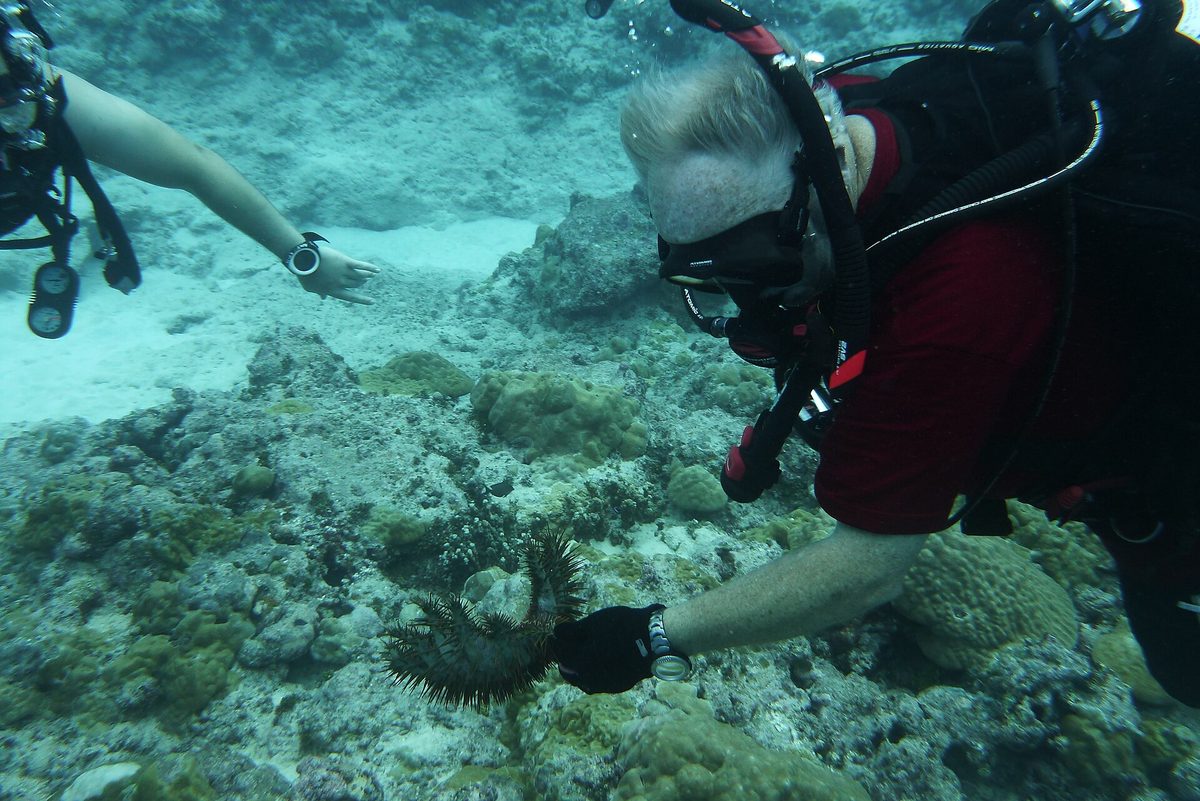
- Scuba diver over a tropical reef — Photo: Tilonaut / CC BY 3.0 via Wikimedia Commons.
- Two divers working together on a reef — Photo: Staff Sgt. Veronica Montes (public domain) via Wikimedia Commons.
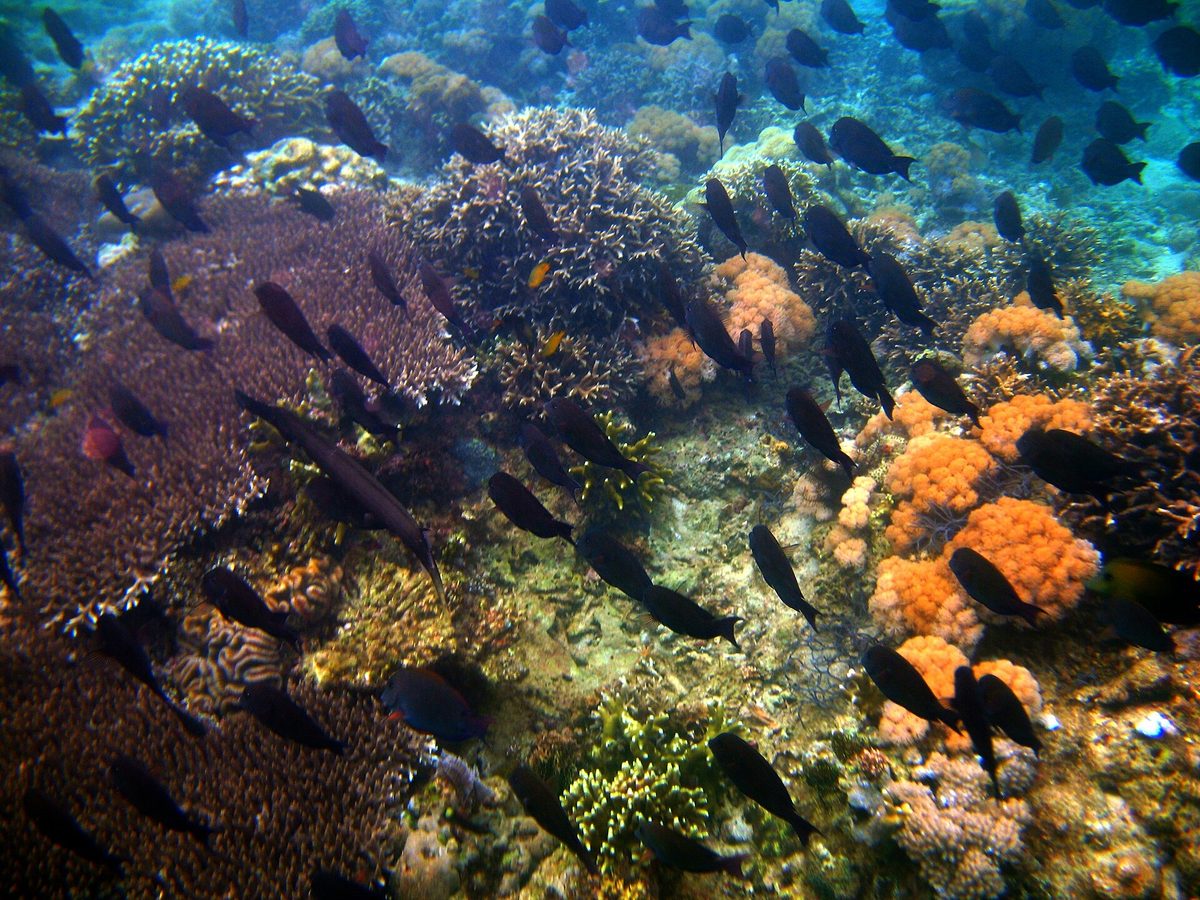
- Reef fish at Mabini, Batangas, Philippines — Photo: andre oortgijs / CC BY-SA 3.0 via Wikimedia Commons.
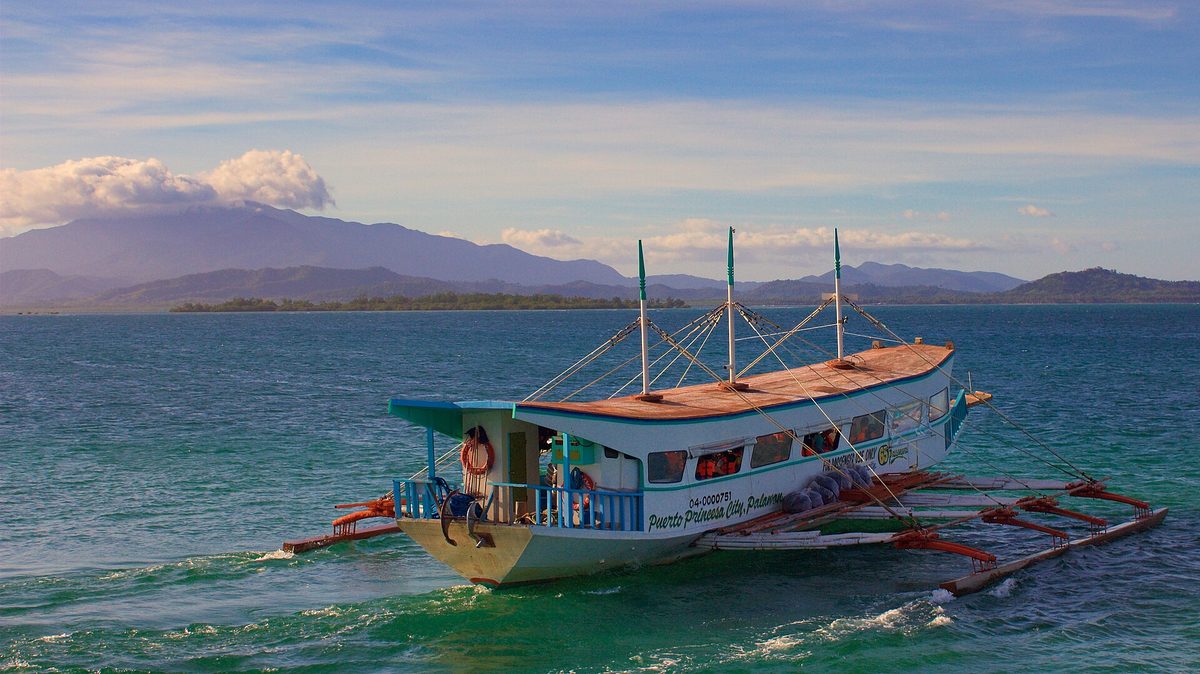
- Banca outrigger boat, Palawan, Philippines — Photo: Ray in Manila / CC BY 2.0 via Wikimedia Commons.
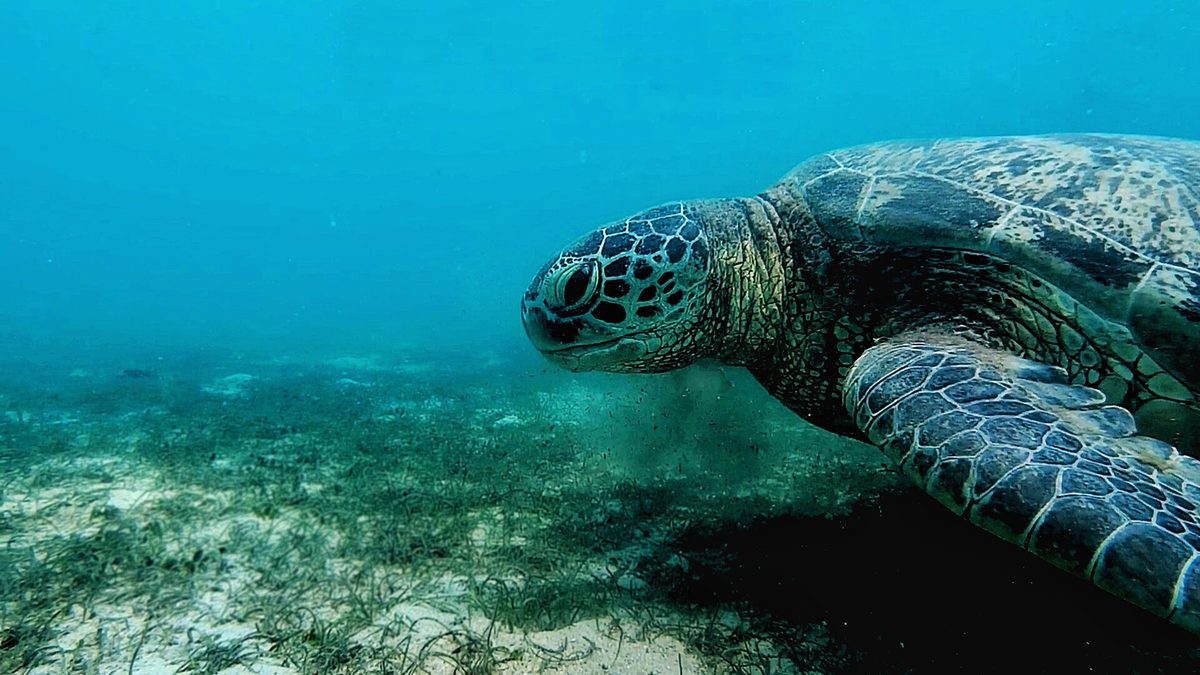
- Green sea turtle near Apo Reef — Photo: Wiki.mjmasangkay / CC BY-SA 4.0 via Wikimedia Commons.
Sources
- PADI — Scuba Certification FAQ (course structure, requirements)
- SSI — Get Certified (Open Water and Try Scuba)
- Divers Alert Network (DAN) — dive health and fitness-to-dive guidance
- Philippine Department of Tourism — official travel resource
About this guide: PhilippinesTourism.org is an independent Philippines travel resource. Routes, prices and dive-site conditions were verified October 2026; confirm current details with operators before you book.