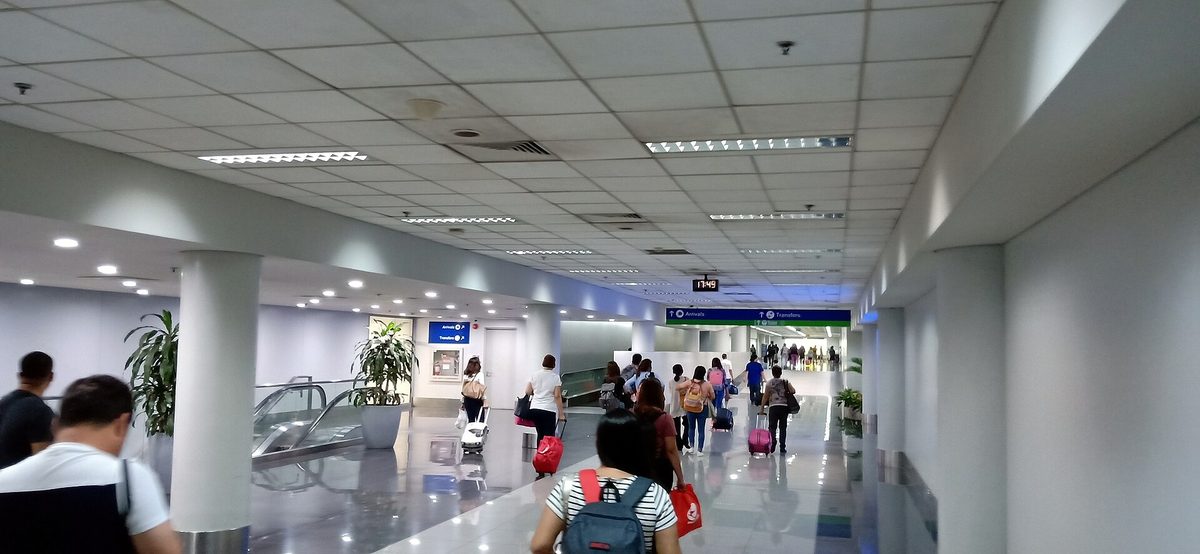
NAIA Survival Guide: Terminals, Transfers and Layovers
NAIA runs its passenger flights from three separate terminals, Terminals 1, 2 and 3, spread across Pasay and Parañaque, and in 2026 the airlines were reshuffled between them. Switching terminals usually means a trip by road, so check the terminal on your booking before anything else. This NAIA terminal guide walks you through which terminal is which, how to switch between them, what arrival is really like, and how to get into Manila without getting fleeced.
Ninoy Aquino International is three terminals rather than one building, and moving between them means a ride on the shuttle or in a Grab, which is exactly what catches first-timers out on a tight connection. So let me save you that panic, because a good Manila airport guide is really just someone telling you the things the signage will not. The single most useful thing I can tell you up front: check the terminal printed on your booking, because a string of international airlines changed terminals in March and April 2026 and a guide like this one is a map, not gospel. This page sits under our broader primer on getting around the Philippines, which covers the ferries, buses and domestic flights that pick up where the airport leaves off.
Your at-a-glance NAIA terminal guide
Here is the rough 2026 layout after the New NAIA Infra Corp. reshuffle. Read it as a starting point, then confirm against your itinerary. I cannot stress that enough, so I have put it in the table too. NAIA carries the airport code MNL and pushes well over 40 million passengers a year through these three terminals, which is exactly why the terminal split matters so much: get the building wrong and you can miss a flight without ever being late.
| Terminal | Who flies here (2026) | Domestic / International | Is yours here? / Good to know |
|---|---|---|---|
| Terminal 1 | PAL international plus Korean Air, Asiana, EVA Air, China Airlines, Malaysia Airlines, AirAsia Berhad and others; AirAsia international moved here from T3 (Mar 29, 2026) | International | Opened in 1981 and still the tightest. Allow extra time. Flying PAL abroad, or a Korean or Taiwanese carrier? You are probably here, but check your booking. |
| Terminal 2 | Domestic only: PAL, PAL Express and AirAsia Philippines domestic | Domestic | The domestic home of PAL and AirAsia. Cebu Pacific is not here. Flying PAL or AirAsia domestic? This is almost certainly you. |
| Terminal 3 | Cebu Pacific (international + domestic); Emirates, Qatar, Turkish, Cathay Pacific, Singapore Airlines, ANA, KLM and others; Japan Airlines, Air China, China Eastern, Vietnam Airlines, Royal Brunei, Shenzhen moved here from T1 (Mar 29–Apr 1, 2026) | Both | The newest and largest terminal, and the one you want for a long layover. All of Cebu Pacific’s NAIA flights use it. Confirm on your ticket. |
Loud caveat: these assignments changed in 2026 and may still be shifting. The only source that is always right is the terminal code on your ticket, boarding pass or airline app. If your booking says T3 and this table says something else, believe your booking. When in doubt, message your airline before you leave for the airport, and tell whoever is picking you up which terminal you actually land in, not which one you assume.
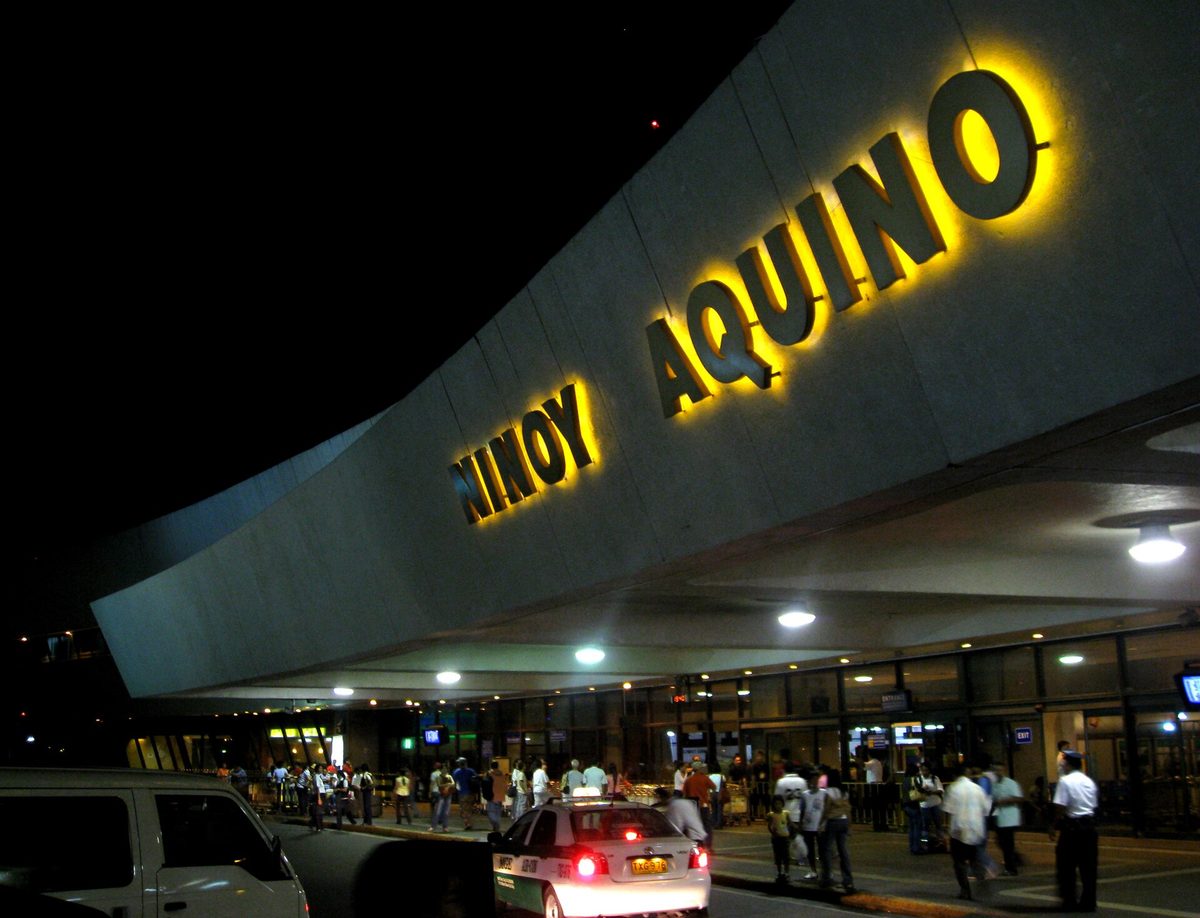
Terminal-by-terminal: what each one is actually like
Terminal 1
Terminal 1 opened in 1981 and it shows its age. It handles Philippine Airlines’ international flights and foreign carriers such as Korean Air, Asiana and EVA Air, and as of March 29, 2026 it also took over AirAsia’s international flights, which used to sit in T3. Many of the big long-haul names, Emirates, Qatar and Singapore Airlines among them, fly from T3 instead, so do not assume “foreign airline equals T1.” Departures upstairs can feel cramped at peak hours and the post-immigration food and seating are limited, so eat landside if you can. Immigration and check-in queues build quickly during the overseas-worker travel surges, so give yourself the full three hours before an international flight.
Terminal 2
Terminal 2 is the domestic home of Philippine Airlines, PAL Express and AirAsia Philippines. Cebu Pacific does not fly from here: its NAIA flights all use T3. Note that PAL’s international flights are not here anymore; they leave from T1, and T2 is a domestic terminal.
Terminal 3
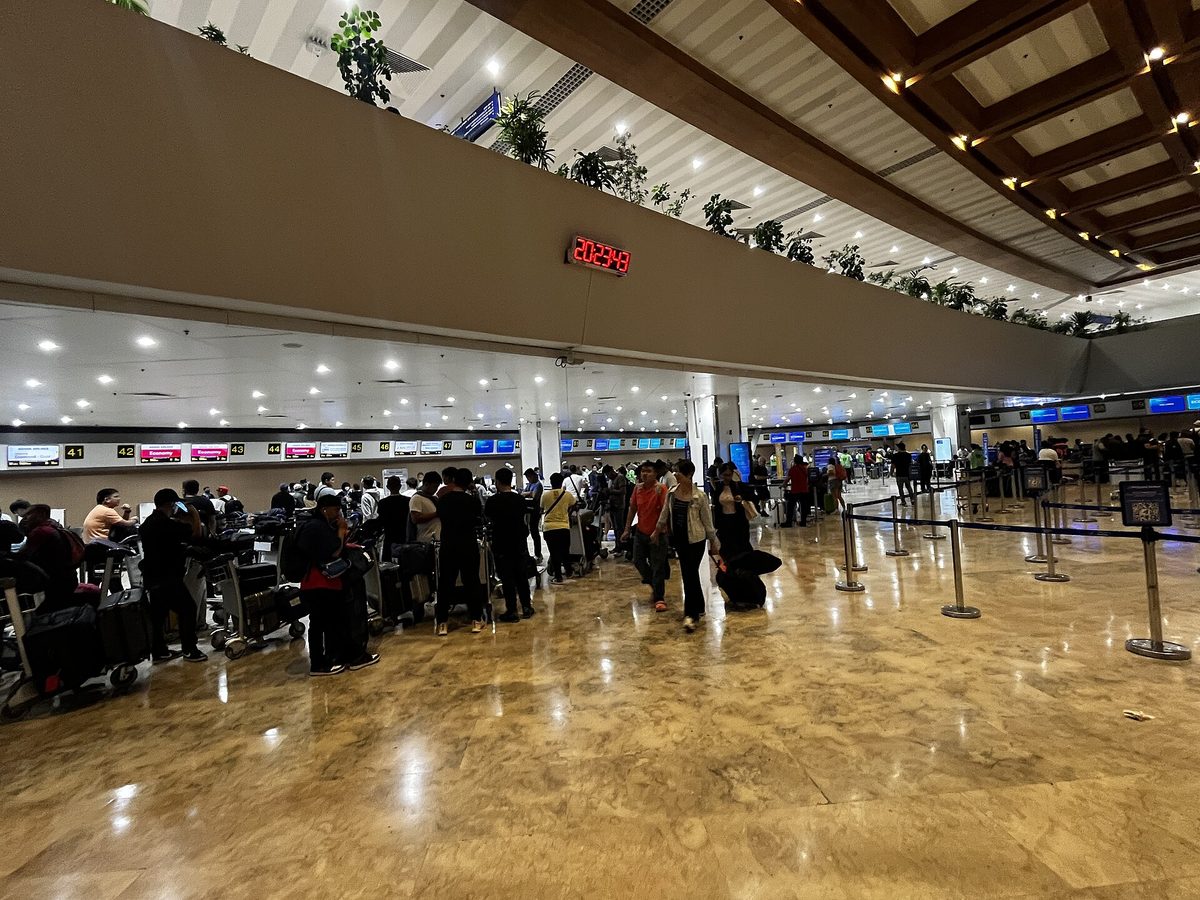
NAIA Terminal 3 is the newest and biggest of the lot. It handles Cebu Pacific’s international and domestic flights, plus foreign carriers like Emirates, Qatar Airways, Cathay Pacific, ANA and KLM, and in the 2026 reshuffle Air China, China Eastern, Vietnam Airlines, Royal Brunei and Shenzhen Airlines moved over from T1 on March 29, with Japan Airlines following on April 1. There are more shops, more places to eat and more natural light, plus a transit hotel upstairs (more on that below). Biometric e-gates have been rolling out here too. If you get to choose a layover terminal, you want this one, and if you are meeting someone, the arrivals area here is the easiest to navigate.
How to transfer between NAIA terminals (the part nobody warns you about)
This is the single biggest trap at Manila. The terminals are not connected airside. There is no walkway, no train, no secret corridor. If your inbound and outbound flights are in different terminals, you leave the first building and travel across on public roads. On an international connection that changes terminals, airlines such as JAL tell passengers to collect their bags and clear customs first, then take a taxi or the free shuttle, so ask your airline how your bags and onward check-in will be handled. Even a “connection” sold on one ticket can mean changing buildings, so read your itinerary carefully and do not assume a single booking means a single terminal.
You have two sensible ways across:
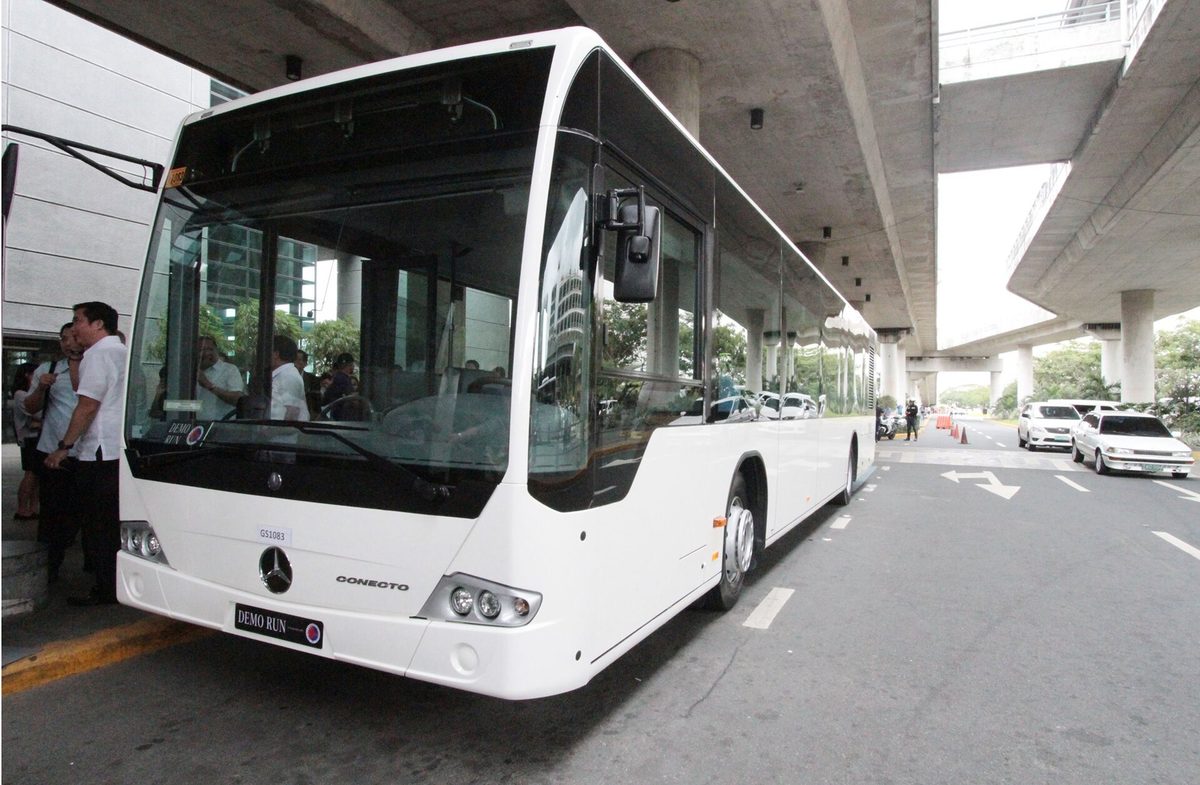
- The free inter-terminal shuttle. NNIC runs a free shuttle for passengers with an onward ticket or boarding pass, around the clock. Pickup points are signed at the Arrivals level of every terminal, marked for terminal transfer or shuttle bus. The catch is frequency and traffic: AirAsia’s advisory puts the departures at roughly every 15–30 minutes, depending on the time of day, and the bus still sits in the same Manila traffic as everyone else. NNIC added more buses to the fleet in 2025, which helped, but build in slack and do not assume one will be waiting.
- Grab or an airport taxi. Faster and far less stressful if you are juggling luggage or short on time. The hop between terminals looks short on a map, but Manila traffic can stretch it badly without warning. A short inter-terminal Grab usually runs somewhere around ₱150–300 (about $3–5), give or take with surge and traffic (2026). When the connection is tight, the fare is money well spent.
My rule of thumb: for a self-transfer where you booked the two flights separately, give yourself at least 4–5 hours between landing and your next departure once you factor in immigration, baggage, the crossing and re-check-in. That sounds like a lot. It is, and you will still be glad of it the one time a flight lands late. And if you are self-connecting, separate your bookings in your head: a missed self-transfer connection is on you, not the airline, so the buffer is your insurance policy.
Arrival walkthrough: from the jet bridge to the curb
Landing internationally at NAIA follows a predictable rhythm, and knowing it takes the edge off. Here is the order of play, in the sequence you will actually meet it.
- Immigration. Most visitors get a 30-day visa-free stamp on arrival, so have your passport (six months’ validity), onward or return ticket and arrival details ready. Lines can be long. Biometric e-gates have been rolling out at T1 and T3, which speeds things up for eligible travelers, so watch for the e-gate lanes if you qualify.
- Baggage and customs. Collect checked bags, then walk through the green channel if you have nothing to declare. The carousels can be slow at peak arrival banks, so do not panic if your bag takes a while.
- SIM or eSIM. Buy a tourist SIM at the official Globe or Smart counters in the arrivals hall, where they handle the mandatory SIM registration for you. Ignore anyone waving a “free SIM” sign outside the official counters, as those bundle a surcharged plan. If your phone takes an eSIM, sorting one before you land means you walk out already connected, which I now do every time. We cover the options in our Manila travel guide.
- Money. ATMs and money changers sit throughout arrivals. Pull out a modest amount of pesos for taxis and small spending; the airport rates are not the best, so do not change a fortune here. Keep some small notes for tips and the odd cash-only stall.
- The exit. The arrivals hall is busy and a little chaotic. Head straight for the official Grab pickup zone or the yellow taxi rank and decline freelance “taxi?” offers from anyone approaching you inside the hall.
Getting into Manila from NAIA
Makati and Bonifacio Global City sit close to the airport, which sounds reassuring and absolutely is not, because Manila traffic is its own weather system. A trip that is quick at dawn can take several times as long in the Friday evening rush. Here are your real options, ranked by how I actually use them.
- Grab (my default). App-metered, upfront pricing, no haggling, cashless or cash. Designated pickup points at each terminal. To Makati expect roughly ₱350–600 and to BGC around ₱400–650 (2026), more in surge or heavy traffic, plus any tolls. You need data, which is the whole reason for sorting a SIM or eSIM first.
- Official yellow airport taxi. Metered and reasonably safe; insist the meter is on with a friendly “meter, please.” A run to Makati or BGC typically lands somewhere around ₱300–700 plus tolls, depending on traffic (2026). Avoid the white city taxis and the fixed-rate coupon touts, who cost far more and are where most of the airport taxi horror stories come from.
- P2P / airport bus. Air-conditioned point-to-point buses link the terminals with transport hubs around Metro Manila for a fraction of a taxi fare, on the order of ₱150 a seat. Slower if traffic is bad, but cheap and comfortable, and a good shout if you are traveling light. UBE Express runs the main airport loop, though specific routes are sometimes suspended or rerouted, so check its current schedule before you rely on a particular stop.
Rough planning ranges only, traffic permitting, and your terminal and the hour change them a lot: Makati or Ermita 20 minutes to over an hour; BGC 30 minutes to two hours; the Mall of Asia area is the closest at 10–30 minutes; Quezon City can be 45 minutes to well over two hours. Avoid the 7–10am and 5–9pm peaks if you possibly can, and pad any onward plan accordingly. If you are deciding which neighborhood to base yourself in, our guide on where to stay in Manila breaks down the districts. And yes, Manila is a normal big city you can navigate sensibly once you are out of the arrivals scrum.
Departure tips: how early, lounges and the terminal fee
Arrive three hours before an international flight and two hours before a domestic one. NAIA is notorious for slow check-in, security and immigration, and any of them can swallow your buffer. Get there early, clear the queues, then relax with a coffee on the far side. During the December holidays, Holy Week and the early-November long weekend, when overseas Filipinos travel en masse, I add even more time.
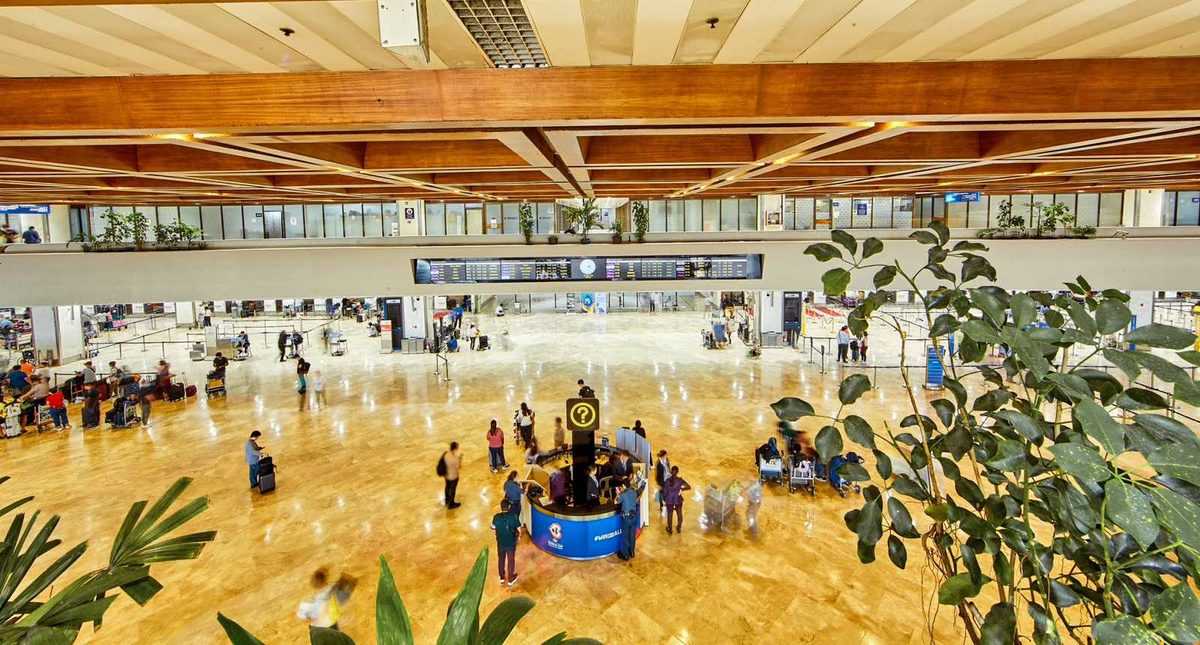
Good news on costs: the terminal fee (officially the passenger service charge) is normally collected in your airfare, so you will not be paying a surprise departure fee at a counter for a typical ticket. Since 14 September 2025 it has been ₱950 for international departures and ₱390 for domestic ones, with overseas Filipino workers still exempt; the fare breakdown on your booking shows it. The international travel tax can still apply to some passengers, so check whether it is already bundled into your fare when you book. If you are not sure, ask your airline rather than assume, because nobody enjoys being sent to a cashier line at the last minute.
For lounges, all three terminals have paid and credit-card options; check access rules with the lounge itself before you count on getting in. If you have a long wait and a lounge pass or eligible card, it is money well spent given the limited post-security seating, especially in T1. Pack a few snacks regardless, because once you are through security your options narrow fast. Security at NAIA screens you on the way in to the terminal as well as at the gate, so factor that first scan into your timing.
Layover survival: sleep, food and left luggage
A long NAIA layover is survivable, and a lot more pleasant if you land in the right terminal. On the fourth-floor mall level of Terminal 3, The Wings Transit Hotel & Spa offers capsule stays, rooms and showers; confirm what is available with them before you plan around it. If you are stuck in T1 or T2 overnight, an airport-area hotel with a free shuttle is often the saner move than trying to sleep across a row of seats.
For food, T3 has a genuine food court and the widest choice; T1 is the thinnest, so eat before you clear security there. Left-luggage and baggage-storage desks exist around the terminals if you want to dump bags and head into the city for a few hours, which can turn a dead layover into a quick Manila taster. Just keep a realistic eye on traffic and your boarding time before you commit to leaving the airport. For a tighter plan on making the most of a stopover, see our dedicated Manila layover guide, which maps out what is genuinely doable in four, six or eight hours.
The 2026 changes you need to know
A lot moved at NAIA in 2026, and it is worth understanding why, because it explains the reshuffle and helps you sanity-check whatever assignment your booking shows. The airport is now run by the New NAIA Infra Corp. (NNIC), the San Miguel-led consortium that took over operations in September 2024 under a major concession, with a mandate to lift capacity from around 35 million to 62 million passengers a year. To do that, they have been reorganizing which airlines sit in which terminal, and they have been candid that more adjustments may follow.
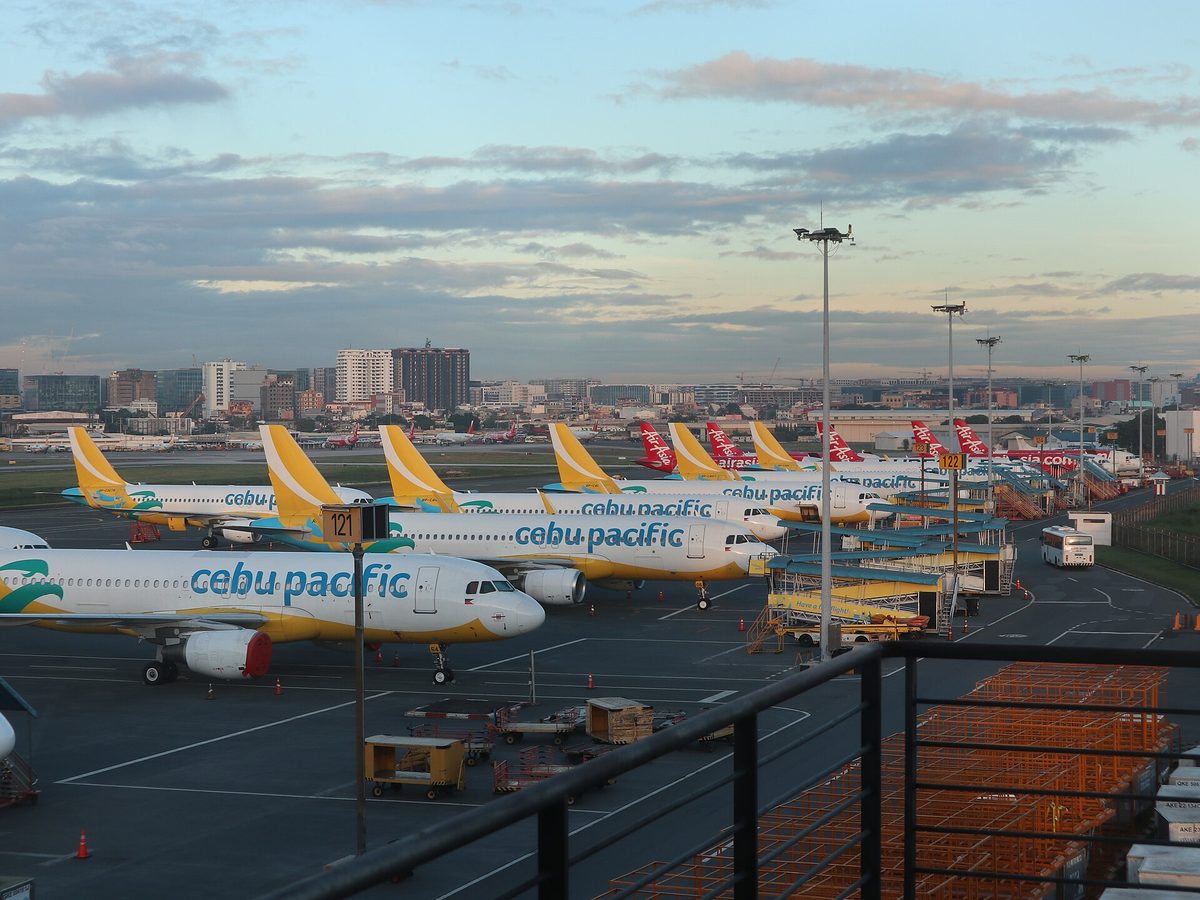
The headline moves, all clustered around late March to April 2026: AirAsia’s international flights shifted from T3 to T1 (AirAsia’s domestic flights stayed put at T2); Japan Airlines, Air China, China Eastern, Vietnam Airlines, Royal Brunei and Shenzhen Airlines moved the other way, from T1 to T3; and Cebu Pacific stayed at T3. There is no Terminal 4 in the picture: the operator lists only Terminals 1, 2 and 3, and MIAA said in August 2026 that the plan for a fourth would not go ahead, so the terminal on your booking is the one to trust. The reshuffle was made possible by clearing turboprops off NAIA’s single runway. From March 29, 2026, the small propeller flights to short-runway island destinations were relocated to Clark, which freed up slots and the flexibility to move jets around. If your trip involves one of those routes, this matters enormously: check whether it now flies from Clark rather than Manila, because that is a completely different airport an hour and a half to the north. For the wider picture on booking inter-island hops, see our guide to domestic flights, and for getting the fares down, cheap flights to the Philippines.
What does all of this mean for you, practically? Three things. First, the terminal you remember from a previous trip may not be the terminal you fly from now. Second, anything involving a turboprop island route may have quietly moved to Clark. Third, and I will keep saying it, your booking is the source of truth. Treat this guide as the lay of the land and your itinerary as the final word.
NAIA FAQ
Are NAIA terminals connected?
No. NAIA’s three passenger terminals are separate buildings, and moving between them means a trip on public roads by free shuttle, taxi or Grab. On an international connection that changes terminals, expect to collect your bags and clear customs before you cross; your airline can tell you how onward check-in works for your ticket. Always budget extra time if your flights use different terminals, even when they are sold on a single ticket.
How do I transfer between NAIA terminals?
Use the free NNIC inter-terminal shuttle, which runs around the clock for passengers with an onward ticket, or take a Grab or yellow taxi for speed. The distance is short but traffic is unpredictable. For a self-connection on separate tickets, allow at least four to five hours between flights to cover immigration, baggage and re-check-in.
Which terminal is Cebu Pacific at NAIA?
Terminal 3. The airport operator lists Cebu Pacific there only, for both its international and domestic flights. Because this changed in 2026, confirm the terminal printed on your specific booking rather than relying on the airline’s general assignment, especially for domestic departures.
How early should I get to NAIA?
Arrive three hours before an international departure and two hours before a domestic one. Check-in, security and immigration lines can be slow at any NAIA terminal. Allow extra time around the December holidays, Holy Week and the early-November long weekend, when huge numbers of people travel.
Is there a terminal fee at NAIA?
Yes: ₱950 for international and ₱390 for domestic departures since 14 September 2025. For most travelers it is built into the airfare, so there is no separate cash fee at a counter for a typical ticket; check your fare breakdown to see it. The international travel tax can still apply to some passengers, so confirm whether it is already included when you book, and ask your airline if you are unsure.
Can I sleep at NAIA on a layover?
Yes. Terminal 3 has a transit hotel, The Wings Transit Hotel & Spa, with capsules, rooms and showers on the terminal’s fourth-floor mall level. The other terminals have limited seating for overnight waits, so an airport-area hotel with a shuttle is often the better choice if you are in T1 or T2.
Sources and photo credits
Photo credits
Images are sourced from Wikimedia Commons under their respective licenses. The photographer and license for each image are listed in the credit accompanying it; full details are recorded with the published media.
Sources
- New NAIA Infra Corp. / Manila International Airport Authority (MIAA) terminal and operations advisories — miaa.gov.ph and newnaia.com.ph.
- “NNIC reshuffles NAIA airline terminals,” Philstar, Feb 25, 2026 — philstar.com.
- AirAsia Philippines advisory on moving international flights to NAIA Terminal 1 (effective Mar 29, 2026) — AirAsia Newsroom.
About this guide: PhilippinesTourism.org publishes independent, on-the-ground Philippines travel guides. Information verified October 2026.