When to Dive the Philippines: Seasons and Conditions
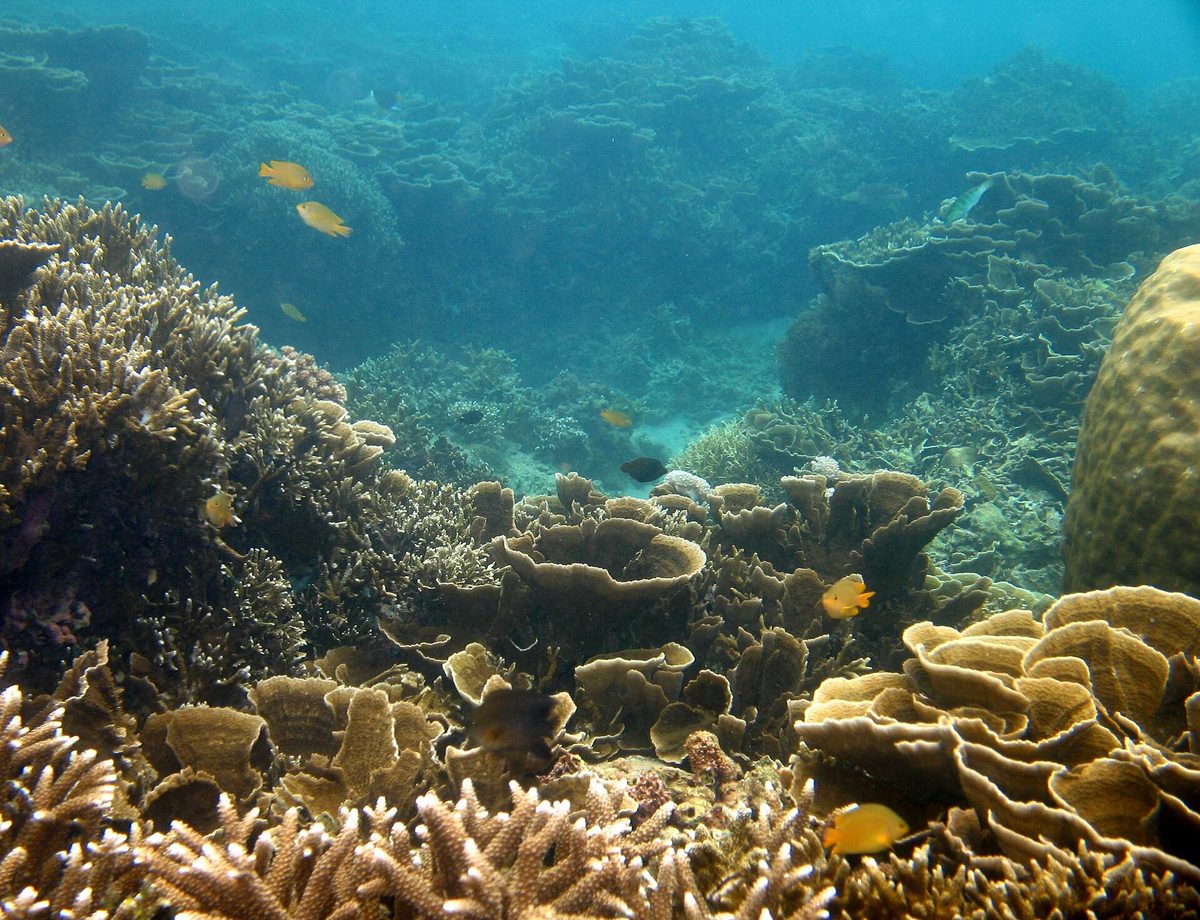
You can dive the Philippines in any month of the year, but you cannot dive every part of it well in every month. The short version: the dry season, roughly December to May, is prime almost everywhere, and March to June brings the warmest water, calmest seas and the clearest visibility. Pick your region to match your month.
The Philippines can give you glassy, clear water or murky surge when the afternoon storms roll in early. The difference is not luck. It is timing, and it is the single biggest lever you control on a Philippines dive trip. This guide breaks down when to dive by month, by region and by what you actually want to see, with honest advice on typhoons, water temperature and the trade-offs nobody mentions until your boat gets cancelled. It sits alongside our main guide to scuba diving in the Philippines, which covers the where and the how.
At a glance: when to dive each region
Here is the quick-reference matrix I wish someone had handed me before my first trip. “Best months” is when seas are calmest and visibility peaks; “tougher” flags the windows when wind, rain or rough crossings make a region frustrating or simply inaccessible. Conditions shift year to year, so treat this as a strong starting point, not a guarantee.
| Region | Best months | Tougher / avoid | Star marine life |
|---|---|---|---|
| Tubbataha (Sulu Sea) | Mid-Mar to mid-Jun only | Closed rest of year | Sharks, jacks, turtles, walls |
| Visayas (Cebu, Bohol, Negros) | Dec–May; diveable year-round | Some Jul–Sep wind | Sardines, threshers, turtles, macro |
| Malapascua | Dec–May best; year-round | Jul–Oct rougher crossings | Thresher sharks (year-round) |
| Palawan / Coron | Oct/Nov–May | Jun–Sep (heavy rain) | WWII wrecks, reefs |
| Anilao / Batangas | Nov–May; viz peaks Dec–Apr | Jul–Sep storms | Macro, nudibranchs, muck |
| Donsol (whale sharks) | Nov–Jun (peak Feb–Apr/May) | Jul–Oct (off-season) | Wild whale sharks |
| Oslob (whale sharks) | Year-round | — | Provisioned whale sharks |
If you only remember one thing: the dry season is your friend, Tubbataha has a three-month door that closes hard, and the Visayas keep diving when the rest of the country gets wet. Everything below is the detail behind that.
The two monsoons that run the calendar
Philippine diving conditions are governed by two monsoon winds, and once you understand them the whole calendar makes sense.
Amihan: the dry, calm season (roughly November to April or May)
The northeast monsoon, locally called the Amihan, blows cool, dry air down from the northeast through the Philippine winter. This is the season divers wait for. Seas flatten out, humidity drops, rain becomes occasional rather than daily, and underwater visibility climbs to its annual best. Mornings are bright, boats run on schedule, and the water is clear enough that you can pick out a turtle from across a reef. If you are planning a first trip and want the safest bet on good conditions, you book inside the Amihan.
Habagat: the wet, humid season (roughly May or June to October)
The southwest monsoon, the Habagat, reverses the wind and pulls warm, moisture-laden air up from the southwest. This is the rainy season: high humidity, frequent afternoon downpours and a higher chance of storms. It does not mean diving stops. Mornings are often calm and perfectly diveable, and plenty of operators run normal schedules; you simply get your dives in early and keep an eye on the afternoon sky. The Habagat hits the western and northern coasts hardest, which is exactly why region choice matters so much in these months.
The key insight is that the two monsoons hit opposite coasts. When the Habagat is battering Palawan and the west, the central Visayas often sit in a wind shadow and dive beautifully. That single fact rescues a lot of wet-season trips.
The best time to dive Philippines, overall
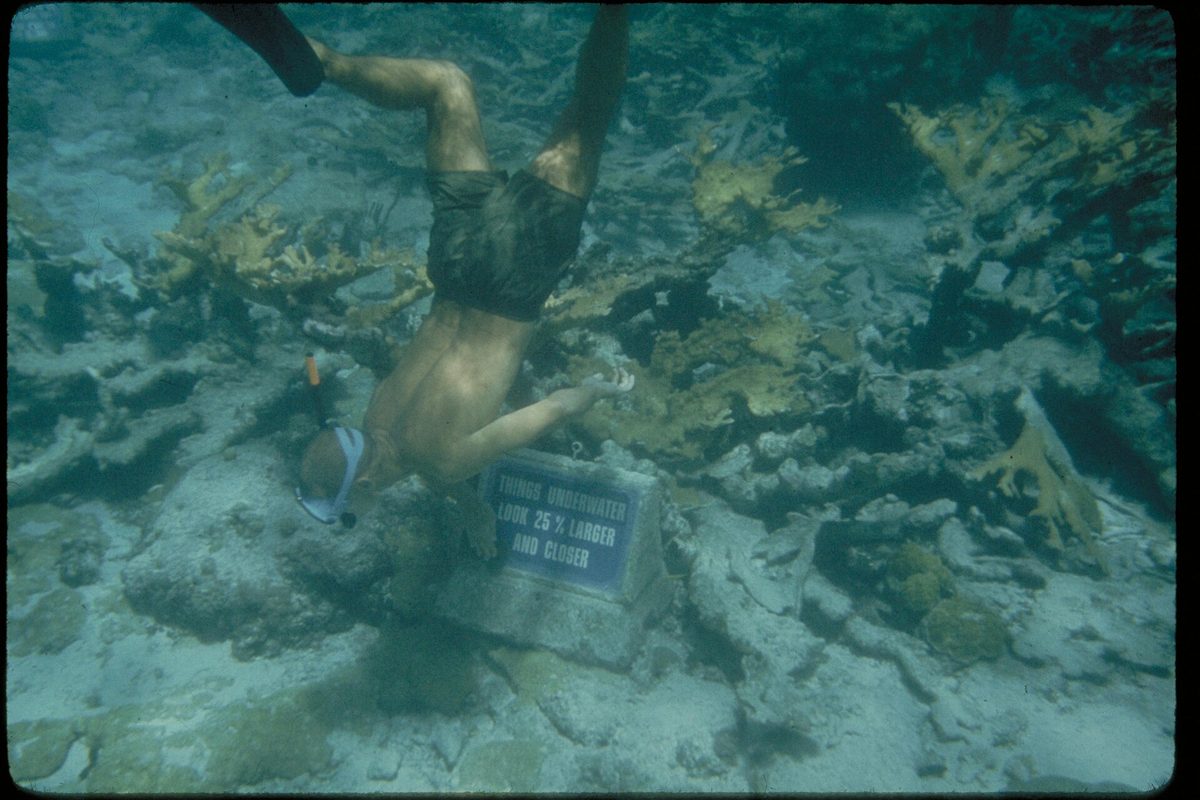
If you could pick any window, choose the heart of the dry season. December through May is prime for most of the country, and within that, March to June stands out: the water is at its warmest, the seas are at their calmest and visibility is at its annual peak. These are the months I steer first-timers and once-a-year divers toward, because the odds of clear, easy, postcard conditions are simply highest.
The shoulder months reward flexible divers. November and late May into early June can deliver excellent diving with thinner crowds and softer prices, as long as you stay nimble about region. And because the archipelago is so large, there is always somewhere worth diving: even in the depths of the wet season, the Visayas usually come through.
Region by region: when to dive where
This is where most month-by-month guides go wrong. They assign one destination to each month, as if Cebu only works in April. The truth is that several regions dive well across the same long dry-season window, and what really changes between them is how badly the wet season bites. Here is the honest read, region by region.
Tubbataha: a three-month window and nothing else
Tubbataha is the strictest calendar in Philippine diving, and it is non-negotiable. The Tubbataha Reefs Natural Park, a UNESCO World Heritage Site in the middle of the Sulu Sea, is visited on liveaboards, usually from Puerto Princesa, during a visitor season of roughly mid-March to mid-June. The park management office sets the exact dates, sailing still depends on the weather, and outside the season the park is closed to divers; April and May are usually the calmest, glassiest weeks of all.
Because the season is short and the boats are few, trips sell out far in advance. If Tubbataha is your goal, plan to book nine to twelve months ahead, especially for the peak April and May departures. There is no flexibility to shift your dates into another month, so this is the fixed point you build the rest of a trip around. Our dedicated guide to Tubbataha Reef season covers liveaboards, fees and what you will see in detail.
The Visayas: Cebu, Malapascua, Moalboal and Bohol
The central Visayas are the engine room of Philippine diving and, conveniently, the most weather-resilient region in the country. Cebu, Bohol and Negros sit far enough south and central that they dodge much of the monsoon punishment that hammers the north and west, which means they dive well across the long December-to-May dry season and stay genuinely diveable even through parts of the wet months.
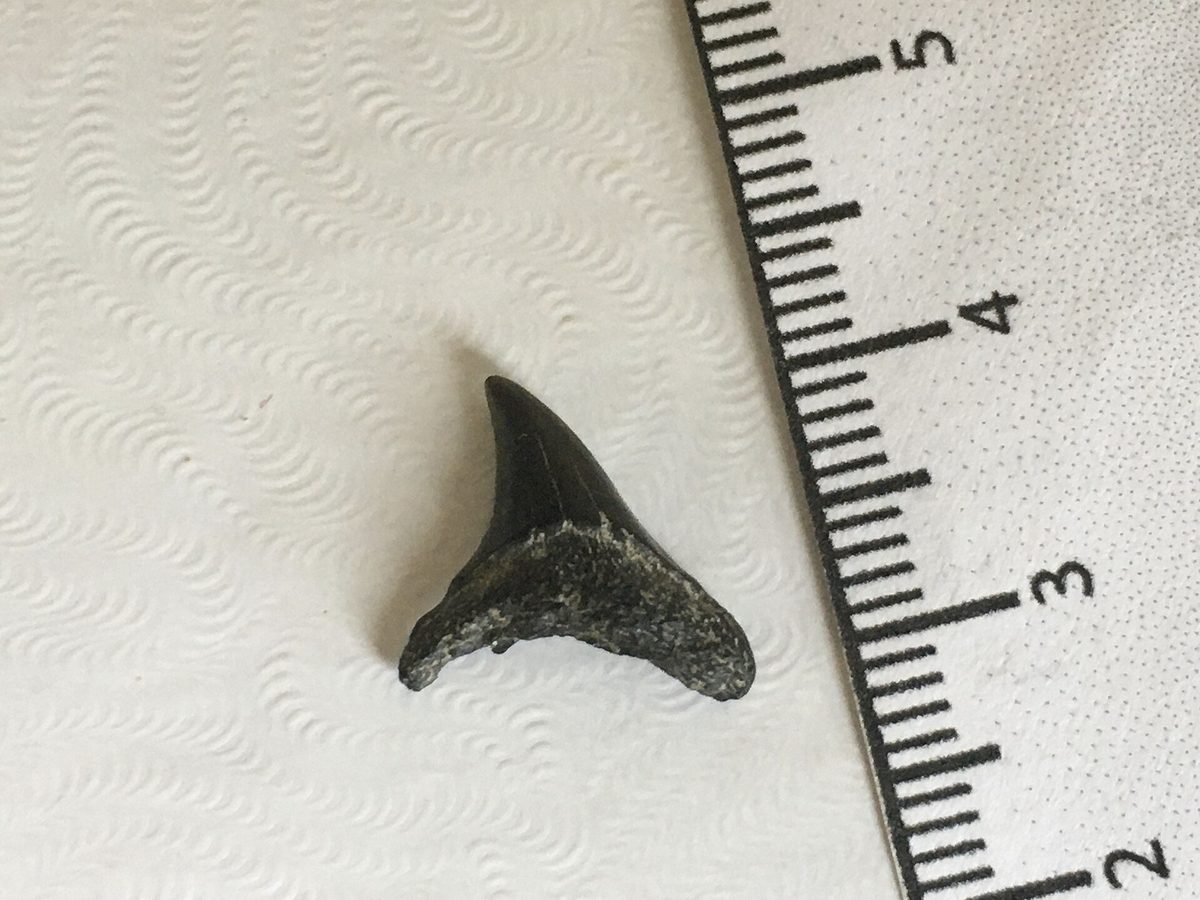
Within the Visayas, the standouts each have their own rhythm. Malapascua diving is famous for pelagic thresher sharks at a dawn cleaning station, and the threshers show up year-round, so timing is about sea conditions rather than the animals: December to May gives the calmest crossings and best visibility, while July to October can mean rougher, bumpier boat rides out to the shoal. Moalboal, on Cebu’s southwest coast, is built around a sardine run that swirls just off Panagsama Beach all year, so it is one of the most season-proof dives in the country. Bohol’s Balicasag and Cabilao reefs are at their best in the calm early-summer months, with warm water and visibility that can stretch past thirty metres in June.
If you want a tour of the country’s signature dives and how their seasons stack up, our roundup of the best dive sites in the Philippines is the companion piece to this calendar.
Palawan and Coron: ride the dry season
Palawan is where the wet season hurts most. As the westernmost stretch of the country, it catches the full force of the Habagat, and the rain here from June to September is the heaviest in the archipelago. For Palawan trips, including the famous wreck diving at Coron, you want the dry months: roughly October or November through May, when the rain eases, the seas settle and the WWII wrecks of Coron Bay sit in their clearest water. Coron wreck diving rewards calm conditions, because steady surface weather and decent visibility make the deeper, penetration-style wrecks far more enjoyable and forgiving. I would not plan a dedicated Coron or Tubbataha-adjacent Palawan trip in the thick of the wet season; the odds of weather disruption are simply too high.
Anilao and Batangas: the cool-water exception
Anilao, the macro and muck capital just south of Manila in Batangas, follows the dry-season pattern but with one twist worth packing for. It dives best from November to May, with visibility peaking from December to April, but the water here runs a little cooler from December to May, when Buceo Anilao lists 24 to 28 degrees Celsius. For the long, slow, hovering dives that macro photography demands, that chill adds up, so ask your dive centre about a thicker suit or a hood. The wet season brings storms to this coast from July to September, so the dry months are the clear pick.
Donsol and Oslob: timing the whale sharks
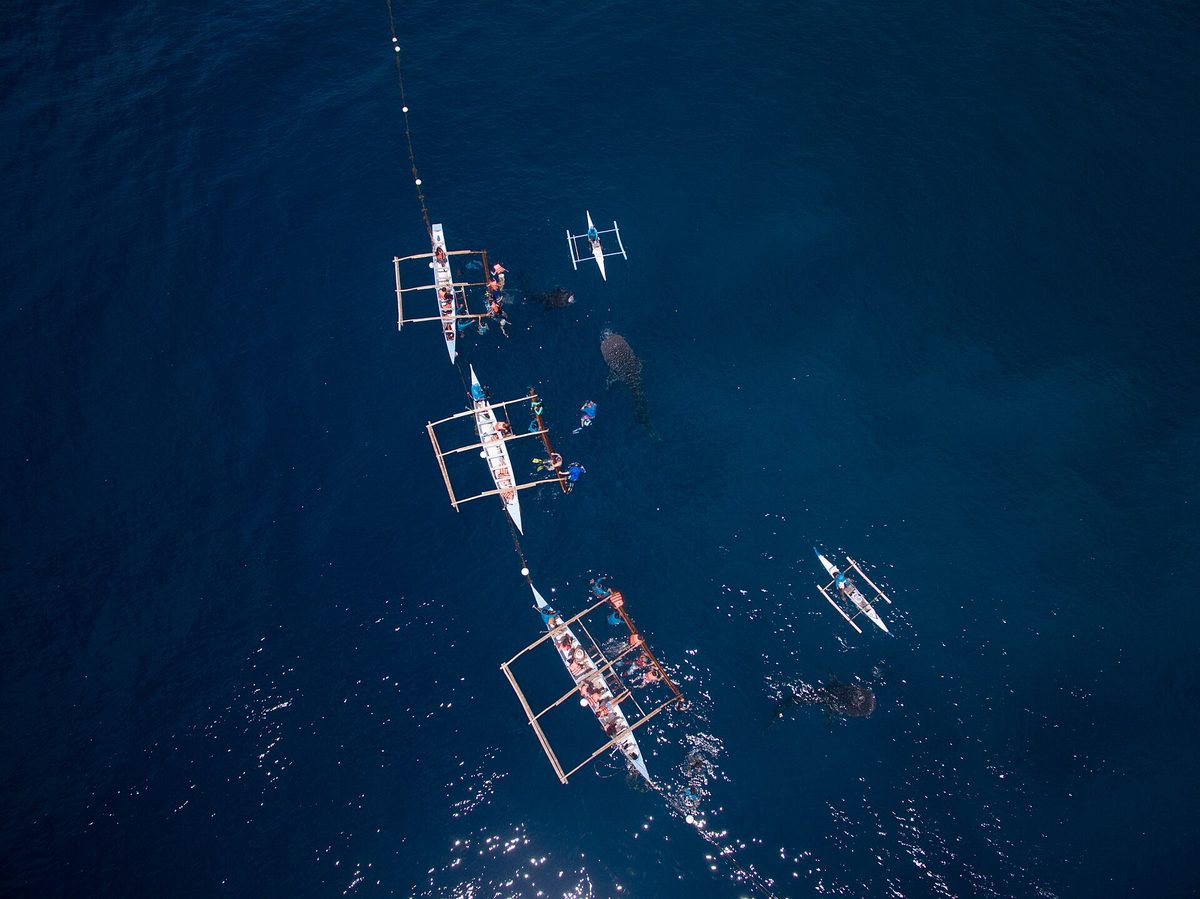
Whale sharks split into two very different experiences, and only one of them is seasonal. Donsol, in Sorsogon, offers a wild, genuinely seasonal encounter: the whale sharks pass through from roughly November to June, with the peak congregation usually falling between February and April or May. If you want to see them on their own terms in the open water, you time your trip to that window. Oslob, on Cebu, is a provisioned, feeding-based operation where the whale sharks are present year-round because they are fed; it is reliable but ethically contentious, and you should go in knowing the difference. I cover the trade-offs more fully in the marine-life calendar below, but the timing headline is simple: Donsol is a winter-to-spring trip, Oslob is whenever.
The marine-life calendar: timing your dives to the animals
Sometimes you are not chasing the calmest seas but a specific animal. Here is when the Philippines’ headline encounters are at their best, and which ones simply do not care what month it is.
Thresher sharks: year-round, Malapascua
The pelagic threshers at Malapascua’s cleaning stations are resident, not migratory, so there is no “thresher season” to chase. You can see them in any month. What changes is the journey: the dawn boat ride out to the shoal is calmest and most comfortable in the December-to-May dry season, and bumpier when the wet-season swell is up. Dive for the animals any time; dive in the dry season for the easiest mornings.
The sardine run: year-round, Moalboal
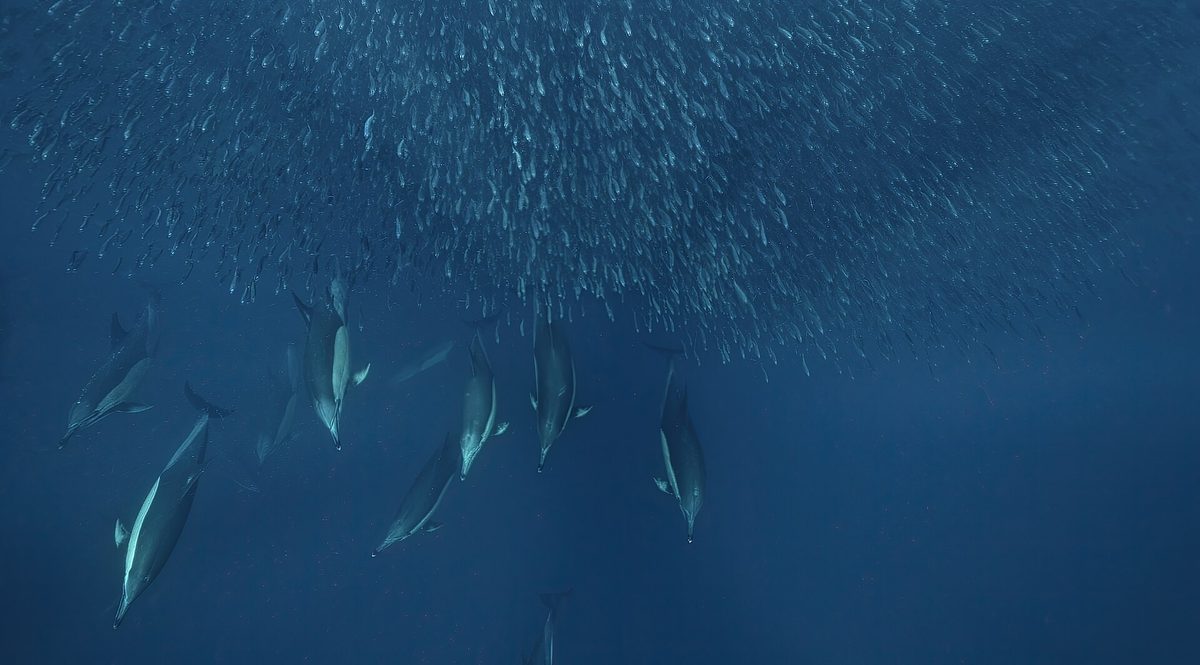
Moalboal’s sardine run is one of the few truly all-year spectacles in the country. Millions of sardines hang in a shifting, shimmering tornado just off Panagsama Beach, shallow enough to snorkel or free-dive, every month of the year. It is the dependable backbone of a wet-season Visayas trip when you want a guaranteed showstopper regardless of the weather.
Whale sharks: seasonal in Donsol, year-round in Oslob
As above, this is the encounter where timing matters most. Wild whale sharks aggregate in Donsol from about November to June, peaking February to April or May; that is your window for the natural experience. Oslob runs year-round on provisioning. If seeing a whale shark is the centrepiece of your trip and you care about doing it in the wild, build your dates around the Donsol season rather than assuming you can catch them any time.
Mantas, mola and the big pelagics
The bigger draws tend to cluster in the dry season. Manta rays are most associated with the calm late-dry-season months and show up at sites like the Bicol manta bowl and around Tubbataha during its March-to-June window. The sharks, jacks, barracuda schools and turtles that make Tubbataha world-famous are seen on trips during the usual mid-March to mid-June liveaboard season. The general rule holds: the calmer and clearer the dry season gets, the better your odds with the headline animals.
Water temperature and what wetsuit to pack
The Philippines is warm-water diving almost everywhere, almost all the time. Water temperature and the right exposure protection vary by region and season, so ask your dive centre what to bring.
There are two caveats worth packing for. The first is Anilao and the wider Batangas coast, where Buceo Anilao lists water at 24 to 28 degrees Celsius from December to May and 27 to 29 from June to November, a difference you will notice on those long macro dives. The second is exposure over time: even 28-degree water pulls heat out of you across three or four dives a day on a liveaboard, so I pack a touch more neoprene than the headline temperature suggests, plus a hood or vest for repetitive deep days. Err warm. You can always unzip.
Visibility through the seasons
Underwater visibility tracks the monsoons closely. In the dry season, when seas are calm and rain runoff is low, visibility is at its best, and offshore sites like Tubbataha can be spectacular during their season. This is the season for underwater photographers and anyone who wants those big, blue, see-forever reef scenes.
In the wet season, heavy rain, river runoff and wind-driven surge stir up the water and can knock visibility down sharply, occasionally into the single digits at coastal and muck sites after a big storm. It rarely stays bad for long, and morning dives before the afternoon rain are usually your clearest, but you should set expectations accordingly. Across the year the range is wide, from a bad wet-season day to a perfect dry-season one. If gin-clear water is non-negotiable, that alone is an argument for diving December to May.
Typhoons: how to plan around them honestly
This is the part too many dive guides skate over, so let me be direct. The Philippines sits in one of the most typhoon-prone regions on Earth, and the typhoon season runs roughly June to November, peaking from July to October. In those months a tropical storm or typhoon can shut down boat operations for days at a time, cancel liveaboard departures, ground inter-island flights and strand you in a port town watching the rain. It is not a reason to avoid the country, but it is a reason to plan like an adult.
Three rules I dive by. First, build buffer days into any wet-season itinerary: never schedule your flight home for the morning after your last planned dive, because a blown-out day can eat your whole dive window. Second, favour the weather-sheltered Visayas over exposed Palawan and the north if you are travelling in peak storm months, and keep your plans flexible enough to shift islands if a system is forecast. Third, check the official forecasts before and during your trip; PAGASA, the national weather agency, issues storm warnings and is the source worth trusting over any operator’s optimism. If your trip falls in the dry season, typhoons are a minor consideration. If it falls from July to October, they are central to your planning, and pretending otherwise is how people lose dives and money.
Crowds and prices by season
The dry season is peak season, and it shows in both crowds and cost. December through May, and especially the Christmas, Easter and Western-summer holiday peaks, tend to be busier and pricier; Tubbataha’s short season books up early. If you want the best conditions, you pay for them and you book early.
The flip side is that the wet and shoulder seasons can be a genuine bargain for divers who travel smart. Outside the holiday peaks you will find quieter sites, easier last-minute bookings and softer rates on resorts and dive packages, particularly in the Visayas where diving stays good through much of the rain. If budget matters more than guaranteed flat seas, the shoulder months of November and June are a sweet spot, and our guide to the cheapest time to visit the Philippines digs into exactly when prices soften across the year.
Frequently asked questions
What is the best month to dive in the Philippines?
April is hard to beat. It falls in the heart of the dry season, with warm water, calm seas and the year’s best visibility, and it is one of the few months when you can dive Tubbataha. March, May and June are nearly as good. If you want the single safest month for clear, easy conditions almost anywhere in the country, choose April.
Can you dive the Philippines in the rainy season?
Yes, with the right region and realistic expectations. From June to October the wet season brings rain and a higher storm risk, but mornings are often calm and the central Visayas, including Cebu, Bohol and Moalboal, frequently dive well through it. Avoid Palawan and exposed northern sites in these months, dive early in the day, and build in buffer days for weather.
When can you dive Tubbataha Reef?
Tubbataha is open to divers only from roughly mid-March to mid-June, when the Sulu Sea is calm enough for the liveaboard crossing from Puerto Princesa. April and May are usually the calmest. Outside that three-month window the park is effectively closed, so there is no flexibility; book your liveaboard nine to twelve months ahead.
What water temperature is the Philippines for diving?
Water is warm for most of the year, but temperatures vary by region and season, so check with your dive operator before you pack a wetsuit. Anilao and Batangas, for example, are listed at 24 to 28 degrees Celsius from December to May and 27 to 29 from June to November.
When is the best time to see whale sharks in the Philippines?
For wild whale sharks, visit Donsol in Sorsogon between November and June, with the peak usually February to April or May. Oslob on Cebu offers year-round sightings, but it is a provisioned feeding operation that many divers find ethically questionable. If you want the natural experience, time your trip to the Donsol season.
Is the Philippines good for diving year-round?
It is, as long as you move with the seasons. Protected destinations such as Southern Leyte and Bohol can still offer good conditions during the southwest monsoon, because the two monsoons hit opposite coasts, though local sea conditions decide whether dives run. The trick is matching your destination to your dates rather than expecting every site to be good in every month.
Sources and photo credits
Photo credits
Images sourced from Wikimedia Commons under the licenses noted. Credits are listed per image below.
- philippines-diving-seasons-reef.jpg: photo by andre oortgijs, CC BY-SA 3.0, via Wikimedia Commons.
- philippines-diving-seasons-diver.jpg: photo by NPS staff, Public domain, via Wikimedia Commons.
- philippines-diving-seasons-shark.jpg: photo by Mason Hintermeister, CC BY-SA 4.0, via Wikimedia Commons.
- philippines-diving-seasons-whaleshark.jpg: photo by choypictures, CC0, via Wikimedia Commons.
- philippines-diving-seasons-sardines.jpg: photo by Stanislav Stelmakhovich, CC0, via Wikimedia Commons.
- philippines-diving-seasons-turtle.jpg: photo by Jstuby, CC0, via Wikimedia Commons.
Sources
- PAGASA (Philippine Atmospheric, Geophysical and Astronomical Services Administration) – Climate of the Philippines and storm warnings: pagasa.dost.gov.ph
- Tubbataha Management Office – diving season, regulations and conservation fees: tubbatahareefs.org
- Department of Tourism, Republic of the Philippines: tourism.gov.ph
- PADI – Philippines diving calendar and marine-life timing: blog.padi.com
About this guide: PhilippinesTourism.org is an independent Philippines travel resource. Routes, prices and dive-site conditions were verified October 2026; confirm current details with operators before you book.