Things to Do in Bohol
Bohol is one of those Philippine islands where every taxi driver, hotel desk, and Facebook group will hand you the same shortlist: Chocolate Hills, tarsiers, Loboc River, Alona Beach. They’re right, mostly. Some of those “must-dos” deserve the hype, some are quiet tourist traps, and there are underrated things to do in Bohol I’d swap them for.
At a Glance: The Bohol Shortlist
If you only have a few days, these are the experiences I’d ringfence first. I’ve ordered them roughly by how often I personally repeat them, not by Instagram fame.
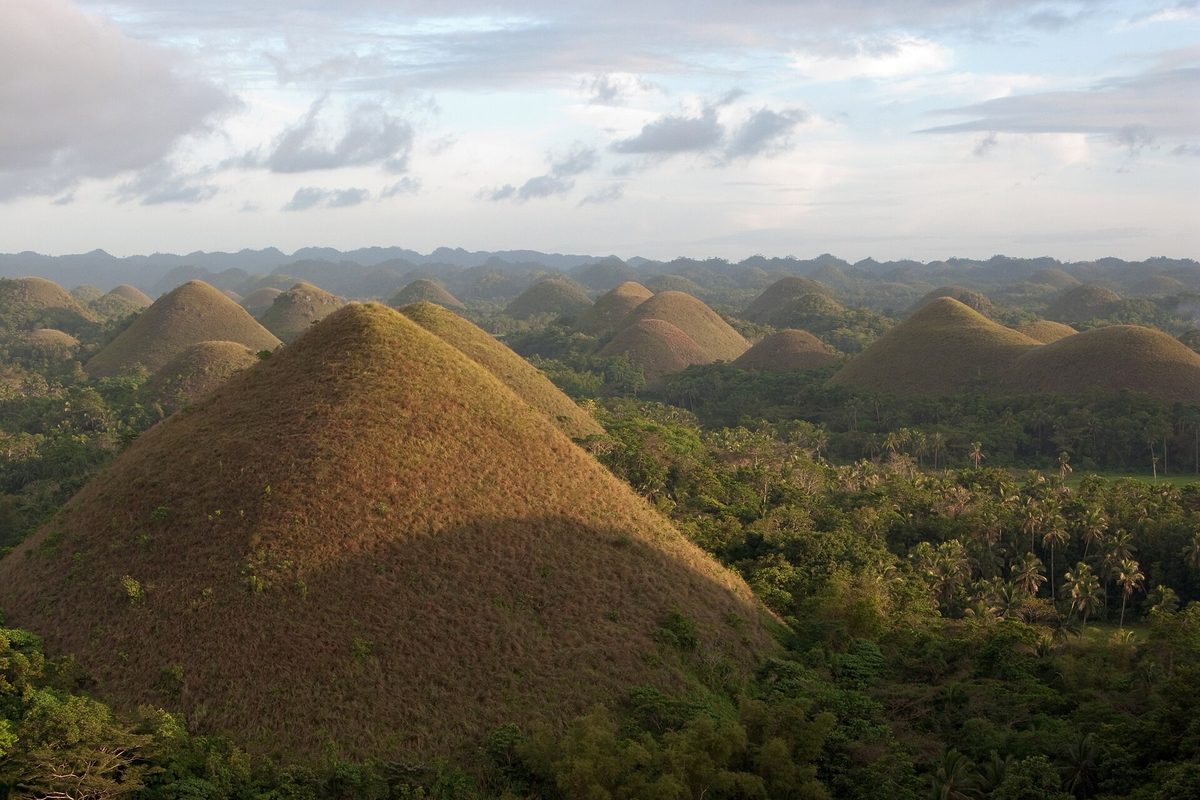
- Chocolate Hills viewpoint (Carmen) — 1,260+ limestone mounds, best at sunrise before the tour buses roll in.
- Philippine Tarsier Sanctuary in Corella — the accredited, conservation-run site, not the roadside cages.
- Loboc River lunch cruise — book the daytime buffet, skip the rebranded “dinner” version.
- Panglao beach days — Alona for nightlife, Dumaluan or Bikini Beach for quieter sand.
- Balicasag Island snorkeling — turtles, a coral wall, and (in season) sardine clouds.
- Anda’s east coast coves — Quinale, Lamanok, Cabagnow Cave Pool, almost no crowds.
- Hinagdanan Cave on Panglao — a 10-minute swim stop, not a half-day trip.
- Baclayon Church + the heritage trail — one of the oldest stone churches in the Philippines.
- Mag-aso or Can-Umantad waterfalls — my pick for an inland reset.
- Sunset SUP on the Loboc River — a guided one-hour paddle on glass-flat water, about 900 PHP ($14).
I’ll unpack each below, then give you tourist traps to avoid, picks by traveler type, and a how-to-plan-your-days section so you can stitch them together.
Iconic Bohol Sights You Shouldn’t Skip
Three places dominate every Bohol itinerary for a reason. They’re crowded, they’re packaged into the same standard countryside tour, and they’re still genuinely worth your time.
The Chocolate Hills at Carmen
The Chocolate Hills are a geological oddity: more than a thousand near-identical limestone cones spread across roughly 50 square kilometers of central Bohol. They turn brown in the dry months (roughly February through May), which is where the “chocolate” nickname comes from. The rest of the year they’re green, which I actually prefer for photos.
The main viewpoint is the Chocolate Hills Complex in Carmen, deep in Bohol’s interior, so leave Panglao early. Entrance is roughly 150 PHP (about $2.40) for visitors from outside Bohol (confirm at the gate), plus a small parking fee. The 2013 earthquake badly damaged the viewing deck. Bring water. There’s almost no shade.
My honest advice: get there for sunrise, not sunset. The light is softer, the parking lot is empty, and you can have the lookout to yourself if you leave Panglao by 4:30am. If you can’t manage that, mid-afternoon (around 3pm) is the second-best window because the tour buses have rolled back toward Tagbilaran by then. For a deeper dive on timing, geology and why the hills change color, my full guide to the Chocolate Hills walks through it.
Loboc River Lunch Cruise
The Loboc River cruise is a floating buffet on a covered bamboo raft, pushed slowly upstream by a small motor. You eat grilled chicken, pancit, fresh fruit, and rice while a local band serenades you in the middle of the river. Bohol’s provincial government listed the cruise with lunch at 1,200 PHP ($19) per person in 2026; check the current rate with the operator when you book. It’s gimmicky, yes. It’s also fun the first time.
One thing nobody tells you: book the lunch cruise, not the “dinner” cruise some operators advertise. The river is best in daylight when you can actually see the jungle banks, the kingfishers, and the kids who swing off ropes near the bend. The evening version is a buffet with darkness on either side.
The Tarsier Sanctuary in Corella (Not the Roadside Cages)
This is where Bohol travelers most often make a mistake without realizing it. There are two main places marketed as “tarsier sanctuaries” along the standard countryside-tour route. They are not the same.
The Philippine Tarsier and Wildlife Sanctuary in Corella is the one run by the Philippine Tarsier Foundation, an accredited conservation organization. Tarsiers there live in a forested enclosure and are observed from a respectful distance. There’s a small entrance fee (guides quote 60 to 170 PHP, $1 to $3). The second site, in Loboc, is closer to the tourist trail and easier to combine with the river cruise, but tarsiers are kept in smaller enclosures and the conservation pedigree is weaker.
If ethical wildlife viewing matters to you (and Philippine tarsiers are stress-sensitive enough that it really should), tell your driver you specifically want the Corella sanctuary. Stay quiet, no flash, no touching, no leaning over the rope barriers. The animals are nocturnal, so during the day you’re watching them try to sleep.
Beach + Snorkel Time on Panglao
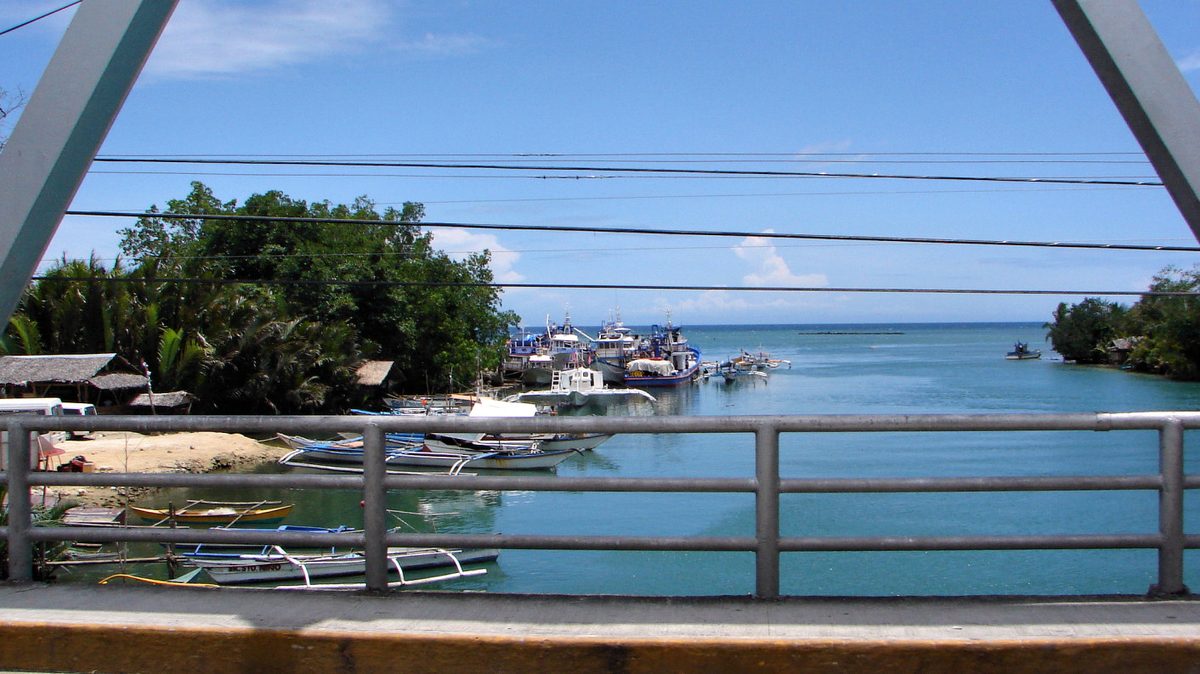
Panglao Island sits just off Bohol’s southwest coast, connected by two short bridges. Allow around half an hour by road from Tagbilaran’s ferry port. Bohol-Panglao International Airport (TAG) is on the island itself, 15 to 20 minutes from Alona Beach; it has handled jet service since 2018, and the airlines’ own sites show which routes are flying in the season you travel.
Choosing a Beach
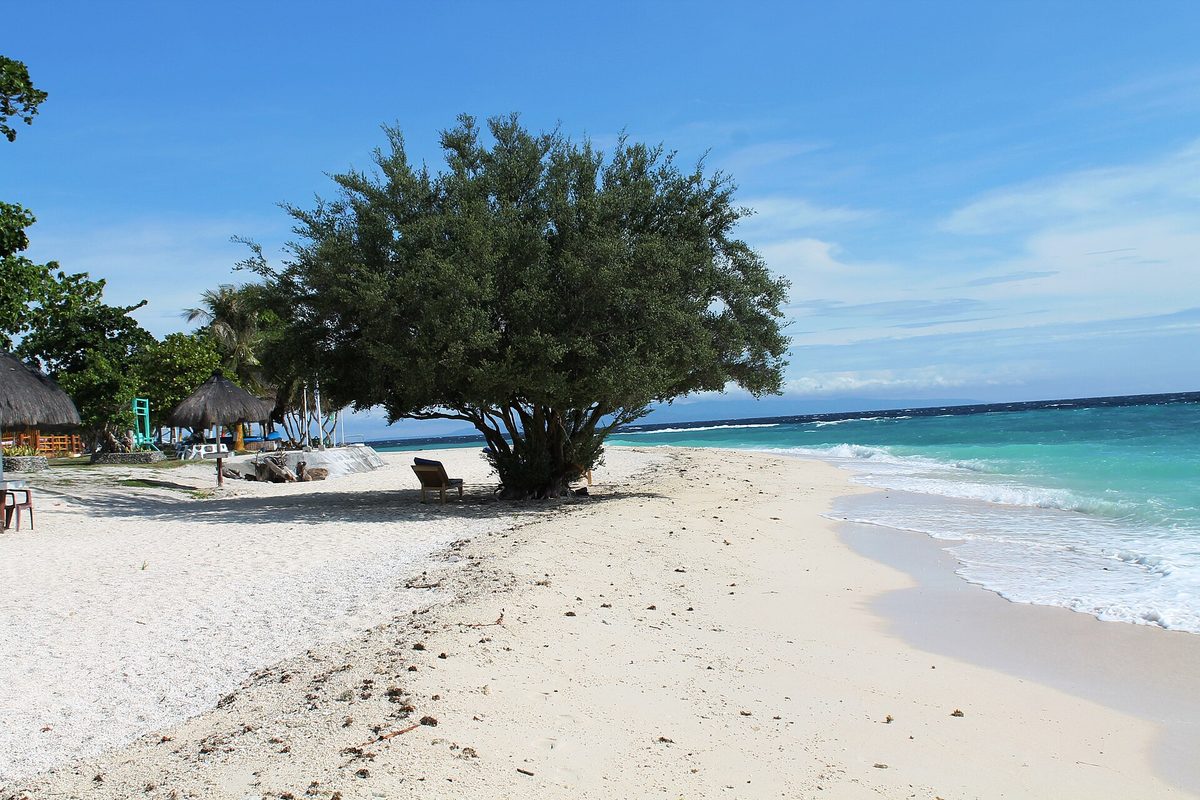
Alona Beach is the postcard. White sand, palm trees, sunset bars. It’s also a busy tourism strip, with beachfront restaurants, bars and dive shops along the shore. If you want energy, restaurants, and easy island-hopping launches, stay near Alona.
For quieter sand, walk or scooter east to Dumaluan Beach (some resort sections charge for day use), or head to Bikini Beach in Barangay Biking, Dauis. The west tip near Bolod is where my favorite mid-range hotels sit. The far southeast corner around Doljo Beach is the quietest of all, but currents can be strong and there are fewer food options.
Balicasag and the Island-Hopping Run
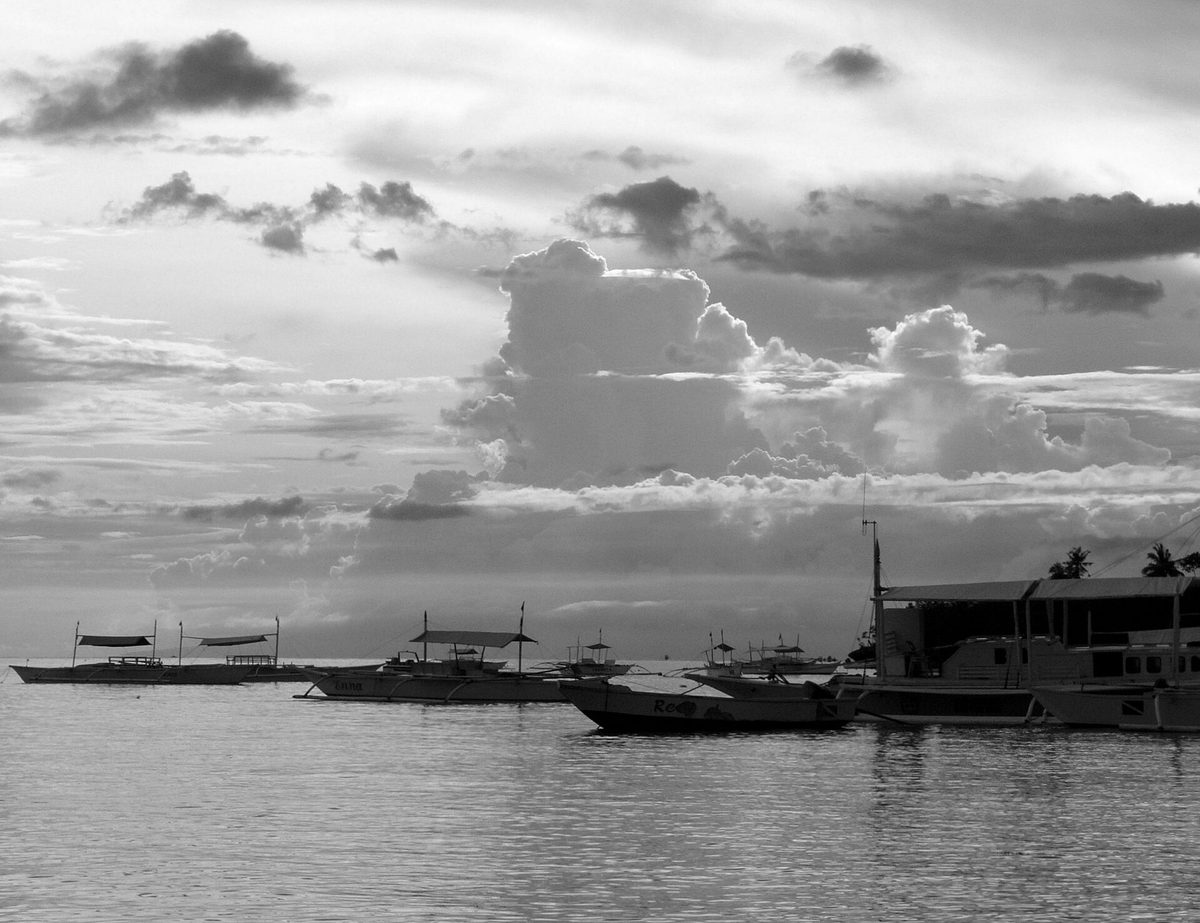
The standard Panglao island-hopping tour leaves early in the morning (confirm the meeting point and time with your operator) and runs three stops: a dolphin-watching cruise offshore, snorkeling at Balicasag Island, and a beach break at Virgin Island sandbar. Expect to pay 1,500 to 2,500 PHP ($24 to $40) per person if you join a shared boat, or 6,500 to 9,000 PHP for a private bangka split with friends.
Balicasag is the highlight. It’s a marine sanctuary with a coral wall that drops within meters of the beach. From roughly January to May, a giant sardine ball circles the western reef. Bring your own mask and fins if you can; rental gear at the launch is rough.
The dolphin portion, on the other hand, is where I’d push back. In peak months, dozens of boats chase the same pods of spinner dolphins, and the animals are visibly stressed. If your skipper asks if you want to skip it for more time at Balicasag, say yes.
Wildlife and Ethics: How to See Bohol’s Animals Without Hurting Them
Bohol’s wildlife is the reason many people come, and it’s also where careless tourism does the most damage. A few principles I follow:
- Tarsiers: only at the Corella sanctuary, no flash, no touching, quiet voices.
- Dolphins: Bohol’s spinner dolphins are wild. Boats that race ahead to intercept pods are doing harm. Choose operators who keep distance and engine speed low.
- Sea turtles at Balicasag: don’t ride them, don’t chase them, and don’t follow guides who do.
- Whale sharks: Bohol does not have a captive-feeding operation like Oslob in Cebu. If a tour offers “guaranteed” whale sharks, it’s a Cebu day trip, not a Bohol one.
The Best Things to Do in Bohol for First-Time Visitors
If this is your first trip and you’ve got four full days, here’s the loop I’d run. It mirrors how I plan things to do in Bohol for friends visiting for the first time. Book diving and good private boat charters well ahead, and check availability for the rest with each operator, especially over busy holiday dates.
- Day 1 — Settle in on Panglao. Walk Alona, swim at Dumaluan, eat grilled tuna belly at a beach barbecue.
- Day 2 — Countryside loop. Sunrise at Chocolate Hills, Corella tarsiers, Loboc lunch cruise, Baclayon Church on the way home.
- Day 3 — Balicasag day. Early island-hopping boat (skip or shorten the dolphin segment), nap, sunset SUP on the Loboc River.
- Day 4 — Choose your adventure. Either Anda’s east coast coves (long but rewarding), a dive at Balicasag’s wall, or a Danao Adventure Park half-day.
Outdoor Adventures: SUP, ATV, Caves, and Danao
Beyond the standard countryside tour, Bohol has a small adventure economy that’s grown a lot in the last five years. A few favorites:
Danao Adventure Park
The park is in Magtangtang, Danao, with its activities set along the Wahig River. The Plunge, the Suislide zipline and the Skyride are the headline rides. Half-day combo passes run 1,200 to 2,000 PHP ($19 to $32) depending on which rides you stack. Allow roughly 2 hours each way from Panglao, more in traffic, which is the only reason I don’t send everyone there. If you’re already exploring central or eastern Bohol, build it in.
Stand-Up Paddleboarding on the Loboc
The Loboc River is glass-flat in the late afternoon and lined with jungle. SUP Tours Philippines runs a guided one-hour Loboc River tour for 900 PHP ($14) per person, starting at Fox & The Firefly Cottages. Sunset rentals get you out when the herons hunt the riverbank.
ATV at the Chocolate Hills
You’ll see ATV rental stands at the foot of the Chocolate Hills viewpoint. They charge around 500 to 800 PHP for a 30-minute loop. It’s noisy, it kicks up dust, and frankly the views are better from the actual viewpoint up the stairs. Skip it.
Hinagdanan Cave and Inland Caves
Hinagdanan Cave in Bingag, Dauis, on Panglao is a small limestone cavern with a swimming pool fed by groundwater. It’s a short stop, not a destination, though you’ll want extra time if you plan to swim. For something bigger, the network around Anda (Lamanok Island, Combento Cave) and the Cabagnow Cave Pool are worth the eastward drive.
Culture, Churches, and Heritage
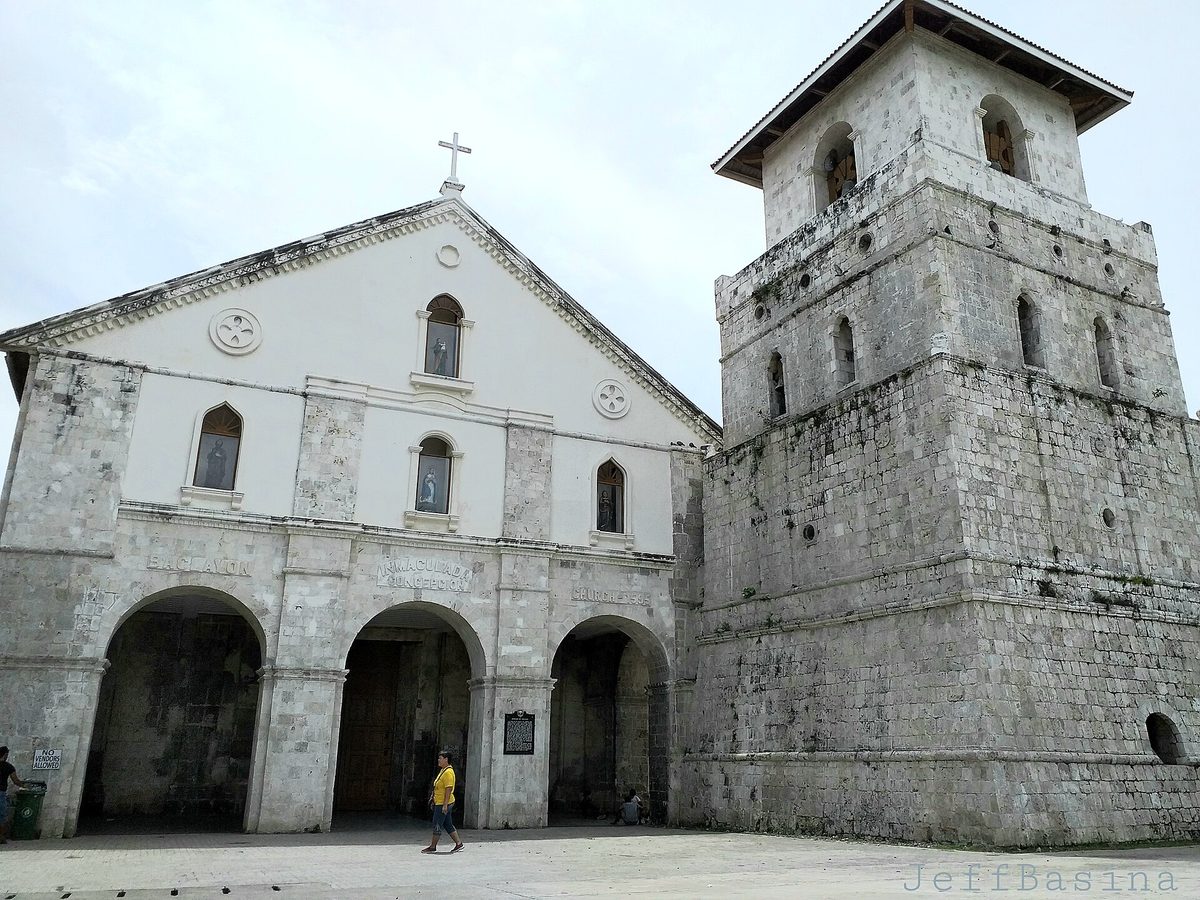
Bohol is one of the most historically rich provinces in the Visayas, and most travelers blow past it. Baclayon Church, built in 1727, is one of the oldest stone churches in the Philippines, and the Museo Parroquial de Baclayon beside it keeps preserved liturgical artifacts; ask about museum entry at the door. Allow 45 minutes.
The Blood Compact Monument on the coast east of Tagbilaran commemorates the 1565 sandugo (blood pact) between Datu Sikatuna and Miguel Lopez de Legazpi. It’s a quick photo stop, but the seaside grass and the bronze figures make it more atmospheric than guidebooks suggest. There’s no entry fee.
The Clarin Ancestral House in Loay is a heritage house on the National Historical Commission’s registry; ask locally whether it is open to visitors. And if you make it as far as Loon, the rebuilt Our Lady of Light Church is a striking example of post-earthquake heritage restoration done well.
Food and Markets
Bohol’s food scene is quietly excellent and gets better the further you stray from Alona Beach. A few places I keep going back to:
- Bohol Bee Farm (Panglao) — organic-garden lunch, malunggay pesto, and their famous flower-petal ice cream.
- Shaka Cafe (Alona) — a cafe stop if you need a Western reset.
- Giuseppe Pizzeria & Sicilian Roast (Panglao) — the pizza I’d choose over any beachfront tourist menu.
- The Buzzz Cafe (Panglao) — Bohol Bee Farm’s own cafe.
- Garden Cafe (Tagbilaran) — a cafe in the heart of the city, staffed by deaf workers.
Skip the dinner buffets on the Alona strip with neon signs and PA systems. The food is mediocre and overpriced. The market in Tagbilaran (especially the night row near the rotunda) is where Boholanos actually eat.
Bohol With Kids
Bohol travels well with children. These are the activities that suit kids best:
- Loboc River lunch cruise — the band, the buffet, and the rope-swing kids near the cruise turn-around point are reliable wins.
- Hinagdanan Cave swim — short, cool, weird, kids love it.
- Bohol Bee Farm tour and ice cream — the guided walk is short and ends in dessert, which is the universal kid-friendly format.
- Dumaluan Beach — calm, shallow water with no boat traffic.
- Tarsier Sanctuary at Corella — brief the kids on whisper-voices first.
- Loboc Zipline (separate from Danao) — lower-stakes for younger kids than the Danao Plunge.
What I’d skip with small kids: the early-morning island-hopping run (4am wake-up plus rough open water), the long drive to Anda, and the Chocolate Hills ATV ride.
Bohol for Couples
Bohol leans romantic almost by accident. A few combinations that consistently work:
- Sunset SUP on the Loboc River followed by dinner at one of the riverside cottages in Loay.
- A private bangka day to Balicasag and Virgin Island sandbar (split between two it’s around 3,500 PHP each).
- A villa stay in Bolod or Doljo on Panglao — quieter than Alona, beach access without the strip.
- Dawn drive to Chocolate Hills with thermos coffee, back in time for a Panglao breakfast.
- A dive certification at Balicasag if you’re both already certified, or a Discover Scuba day if you’re not.
Avoid These Tourist Traps
I’ll go on the record about a few experiences that get a lot of marketing love and don’t deliver. Skip these and your trip improves:
- The Bilar Man-Made Forest “tour stop.” It’s a pretty road. You drive through it on the way to Chocolate Hills anyway. Don’t pay for a separate photo stop.
- The Loboc dinner cruise. Same buffet, half the view, twice the price.
- The Chocolate Hills ATV ride. Noisy, dusty, not the right vibe.
- The roadside tarsier viewing pens. Stressful for animals, not the conservation site.
- Dolphin-chase boat segments. Wild dolphins shouldn’t be a guaranteed sighting.
- Captive butterfly conservatories on the countryside loop. Sad and skippable.
- The “Python Sanctuary” on the standard tour route. The animals are kept in small enclosures and the welfare standards are poor by international zoo norms.
How to Plan Your Days
How many days you need depends on what you want. Some rough planning math:
- 2 days: enough for one beach day on Panglao and one countryside loop. You’ll feel rushed.
- 3 days: the sweet spot for a first-timer with the standard sights.
- 4–5 days: adds Balicasag snorkeling, SUP, and either Anda’s east coast or Danao adventure park.
- 6–7 days: realistic if you’re combining Bohol with Cebu, diving multiple days, or factoring in a Camiguin or Siquijor side trip.
If you’re trying to fit Bohol into a wider Visayas itinerary, my pairing guides — the Cebu and Bohol itinerary and Cebu vs Bohol — will save you a lot of planning grief. For the wider regional context, see the Bohol travel guide pillar (logistics, where to stay, weather, transport). And if you’re still deciding which Philippine islands to combine, the round-ups of things to do in the Philippines and the best islands in the Philippines are good starting points.
Getting Around Bohol in 2026
A quick logistics primer because it affects what you can realistically fit in:
- Bohol-Panglao International Airport (TAG) handles all jet flights. It’s a 15- to 20-minute drive to Alona Beach. Grab and standard taxis both operate.
- OceanJet fast ferry connects Cebu City to Tagbilaran in about 2 hours. Multiple departures daily; pre-book in high season.
- Tricycle for short hops on Panglao, around 50 to 200 PHP.
- Private car + driver for the countryside loop runs 3,500 to 5,500 PHP for the day, which is the easiest way to do Chocolate Hills, tarsiers, and Loboc in one go.
- Scooter rental 350 to 600 PHP a day. Drive defensively. Helmets are legally required.
FAQ: Common Questions About Visiting Bohol
What is Bohol famous for?
Bohol is best known for the Chocolate Hills (the 1,260+ geological mounds in Carmen), the Philippine tarsier (one of the world’s smallest primates, found at the Corella sanctuary), the Loboc River cruise, and the white-sand beaches of Panglao Island. It’s also a top dive destination thanks to Balicasag Island’s marine sanctuary.
How many days do you need in Bohol?
Three days is the sensible minimum for first-timers: one beach day on Panglao, one countryside loop covering Chocolate Hills and the tarsier sanctuary, and one day for island-hopping or a slower beach morning. Four to five days lets you add Balicasag diving, SUP on the Loboc, or a day in Anda. A week opens up Danao adventure park, side trips, and proper downtime.
What is the best month to visit Bohol?
February through May is the driest and most reliable, but it’s also peak season and the Chocolate Hills look brown rather than green. November and early December are my favorite window: green hills, fewer crowds, and water still warm. June through October is wet season — cheaper hotels, lush scenery, and a higher chance of typhoon disruption (especially September). Avoid Holy Week (around late March or early April) if you don’t want crowds; book everything early if you must travel then.
Is Bohol safe for tourists?
Bohol is one of the safer destinations in the Philippines for international travelers. Petty theft on busy beaches and at the ferry terminal is the main risk. The 2013 earthquake and Typhoon Odette in 2021 both caused heavy damage on the island, so if a resort or attraction you have in mind was hit, check that it has reopened before you go. As anywhere, watch your bag, agree on tricycle prices before getting in, and use scooters cautiously on unfamiliar roads.
What’s better — Bohol or Cebu?
Different vibes. Cebu is bigger, more urban, and better for big-volume diving (Moalboal, Oslob) plus mountain adventures. Bohol is calmer, easier to get around in a short trip, and richer in marquee sights packaged tightly together. Most travelers I know end up doing both via the OceanJet ferry. The full comparison lives in my Cebu vs Bohol piece.
Can you visit Bohol on a day trip from Cebu?
Technically yes — early OceanJet sailings reach Tagbilaran in about two hours, and a hired van can rush the countryside loop before an afternoon return; check the current timetable for the first and last crossings. Realistically, you’ll be exhausted and you’ll skip the beach entirely. I’d never recommend it. Two nights minimum.
Sources and photo credits
Photo Credits
Photos in this article are sourced from Wikimedia Commons contributors under their respective Creative Commons licenses, with full attribution in our image metadata. Photography of the Philippine tarsier was made under conservation-respectful conditions. See individual image credits below each photograph.
Sources
- Bohol Provincial Government, Provincial Tourism Office — current entrance fees and operating hours for the Chocolate Hills viewpoint and other sites.
- Department of Tourism (DOT), Region VII (Central Visayas) — accredited tour operators and sanctuary listings.
- Philippine Tarsier Foundation, Corella — viewing guidelines and conservation status.
- Civil Aviation Authority of the Philippines (CAAP) — Bohol-Panglao International Airport (TAG) flight schedules.
- PHIVOLCS (Philippine Institute of Volcanology and Seismology) — the 15 October 2013 Bohol earthquake.
- PAGASA (Philippine Atmospheric, Geophysical and Astronomical Services Administration) — climate normals and typhoon season guidance.
- Marine Wildlife Watch of the Philippines — responsible dolphin and turtle viewing guidelines for Balicasag operators.
About this guide: PhilippinesTourism.org is an independent Philippines travel resource. Prices and hours change, so confirm them locally before you go.