Backpacking the Philippines: The Budget Guide
You can travel the Philippines well on roughly ₱1,800–2,600 a day (around $31–45) if you sleep in dorms, eat where locals eat, and move by ferry and bus instead of flying everywhere. Spend less and you’ll feel it; spend more and you’re paying for convenience, not a better trip. The catch is that costs swing hard by island, so where you go matters as much as how you travel.
I’ve put together this budget guide after years of slow trips through the Visayas, Palawan, and Mindanao, and I update the numbers every season because Philippine fares move. In 2026 the LTFRB raised jeepney, bus, and ride-hailing fares, dorm beds in Siargao and El Nido keep creeping up, and a missed ferry can blow a week’s savings in one afternoon. So this is the honest version: what things actually cost, where your money goes furthest, and where I’d tell you to spend a little more.
What backpacking Philippines really costs per day in 2026
Here’s the at-a-glance breakdown I work from. Exchange rate sits at around ₱59 to US$1 in 2026, so I’ve rounded the dollar figures. Treat the “shoestring” column as genuinely tight and the “comfortable” column as the sweet spot most backpackers land on once island-hopping tours and the odd San Miguel get involved.
| Daily expense | Shoestring (₱ / $) | Comfortable (₱ / $) | Notes |
|---|---|---|---|
| Dorm bed | ₱450–700 / $8–12 | ₱700–1,100 / $12–19 | Higher in El Nido, Siargao, Boracay |
| Food (3 meals) | ₱350–550 / $6–9 | ₱600–1,000 / $10–17 | Carinderia & street food vs cafes |
| Local transport | ₱80–200 / $1.50–3.50 | ₱250–500 / $4–9 | Jeepney/tricycle vs Grab & vans |
| Activities/tours | ₱0–700 / $0–12 | ₱1,200–1,800 / $21–31 | Free beach days vs island-hopping |
| Beer / extras | ₱100–250 / $2–4 | ₱300–500 / $5–9 | San Miguel ₱35–60 a bottle |
| Daily total | ₱1,100–1,800 / $19–31 | ₱2,000–3,200 / $34–55 | Add long-haul ferries/flights on top |
Two honest caveats. First, those daily totals exclude the big inter-island hops — a flight from Manila to Palawan or a ferry to Siargao is a separate line item you should budget per leg, not per day. Second, the shoestring figure assumes you’re not drinking much and you’re sitting out some tours. If you island-hop in Palawan three days running, your “daily” cost there will look nothing like a quiet week in Siquijor. For the full picture across a trip, our Philippines travel cost and budget guide breaks down weekly and monthly totals.
Getting around cheaply: jeepneys, ferries, buses, and when to fly
Transport is where budgets quietly leak. The rule I live by: take the slow, local option for short hops and only pay for speed when distance or a tight ferry connection forces it.
City and town transport (the cheap stuff)
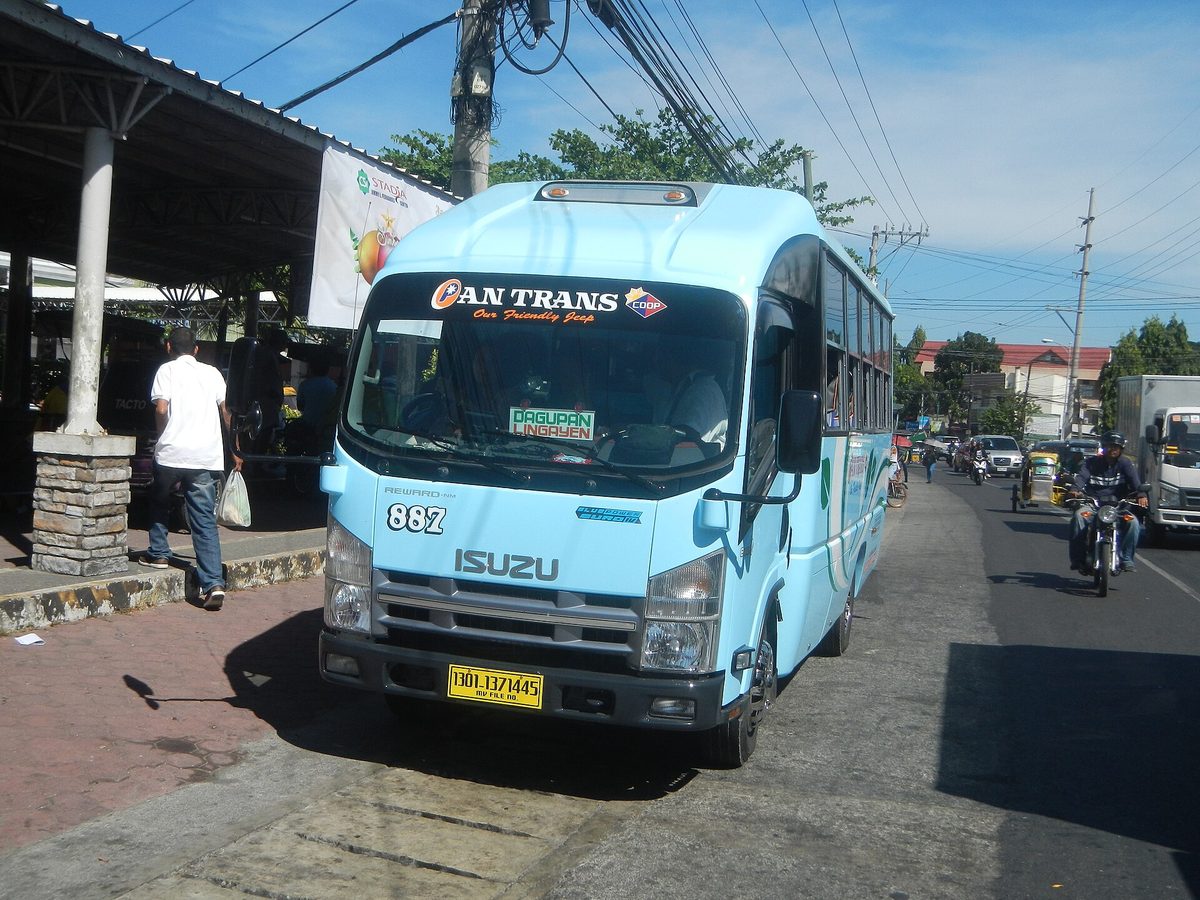
The humble jeepney is still the backbone. After the fare increase that took effect in September 2026, traditional jeepneys start at ₱14 for the first few kilometres (modern e-jeepneys around ₱17), and most rides around town cost ₱14–25. Tricycles, the motorbike-and-sidecar workhorses, start at about ₱16 (a little more for e-trikes) and add ₱5 per extra 500 metres, though on the islands you’ll usually be quoted a flat ₱50–150 per person for a short hop. Always agree the price before you climb in. A Grab car in Manila or Cebu now starts around ₱65 base for a sedan and is worth it after dark or with luggage, but in daylight the jeepney does the same job for a tenth of the price.
Inter-island ferries vs cheap flights
This is the big budget decision. Ferries are the cheap option and the islands run on them. A short bangka or RoRo crossing such as Cebu to Bohol, or the Lilo-an to Siquijor run, costs roughly ₱200–500 ($3.50–9). Longer overnight 2GO sailings like Manila to Coron (about 13–15 hours) start near ₱1,600 for a basic bunk and climb past ₱3,700 for a cabin. The El Nido to Coron fast ferry runs around ₱1,800–2,200 ($31–38) and takes about 3–4 hours when the sea cooperates.
Here’s my honest warning: ferries are cheap in theory and unpredictable in practice. Fast ferries between El Nido and Coron run when they feel like it, and during the southwest monsoon (roughly June to September) rough seas cancel sailings with little notice. Miss one and you’re either paying for a last-minute flight or eating an unbudgeted extra night. Build in buffer days and buffer cash.
Budget airlines like Cebu Pacific, AirAsia, and PAL are often the smarter spend for long distances. Book two to three weeks out and a Manila–Siargao or Cebu–Palawan hop can land around ₱2,300–4,000 ($40–70), barely more than the multi-day ferry-and-bus alternative once you count the nights and meals you’d spend in transit. My rule: ferry for anything under about four hours or where the journey is part of the fun; fly the long, awkward legs. For the full route logic, see our guide to getting around the Philippines.
| Transport | Typical cost (2026) | Best for |
|---|---|---|
| Jeepney | ₱14–25 / $0.25–0.45 | Short hops in towns and cities |
| Tricycle | ₱16–150 / $0.30–2.60 | Island errands, getting to the pier |
| Provincial bus | ₱15 start, ₱250–1,000 long haul | Big islands: Cebu, Bohol, Palawan |
| Short ferry | ₱200–500 / $3.50–9 | Cebu–Bohol, Negros–Siquijor |
| Overnight ferry | ₱1,600–3,700 / $28–64 | Manila–Coron, Manila–Cebu |
| Budget flight | ₱2,300–4,000 / $40–70 | Long awkward legs; saving days |
Eating well on a backpacker food budget
Food is the easiest place to travel cheaply without feeling deprived. Eat where Filipinos eat and you’ll spend almost nothing; chase Western cafes and your budget evaporates.
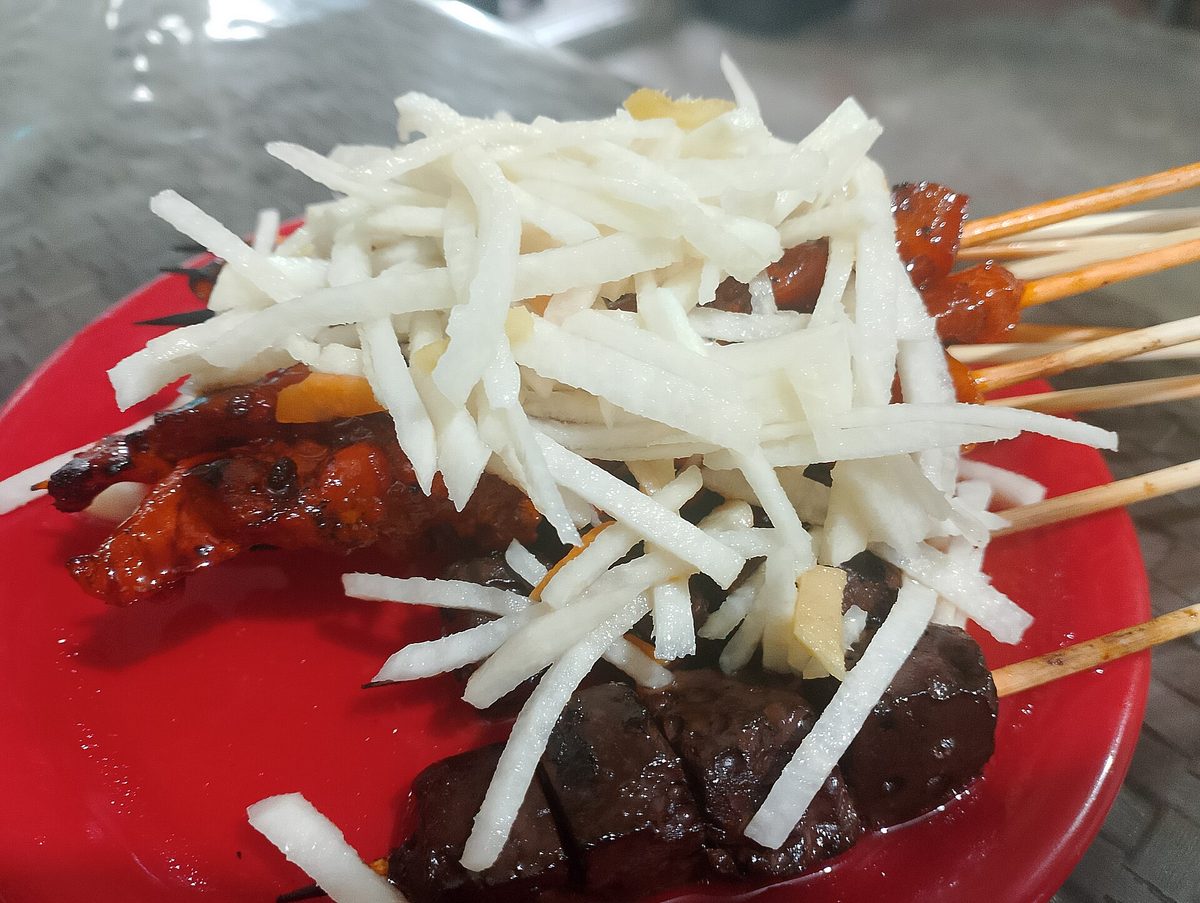
The carinderia, a turo-turo (“point-point”) eatery where you choose from trays of cooked dishes, is your best friend. A plate of rice plus one ulam (adobo, sinigang, grilled fish) runs ₱70–120. Street barbecue skewers are ₱10–25 each, a Jollibee Chickenjoy set lands around ₱100–160, and a fresh mango or buko shake from a market stall is ₱60–100. Eat like this and three meals cost ₱350–550 a day. Tap water isn’t safe, so factor a few pesos for refills or carry a filter bottle.
Where it tips over: tourist-strip restaurants in El Nido, General Luna, or Boracay charge ₱350–700 for a main, and imported Western food is genuinely more expensive than it is back home. Save the seafood binge for the small islands where it’s freshest and cheapest, and treat the beach-bar pizza as the splurge it is. San Miguel from a sari-sari store is ₱35–60 a bottle; the same beer at a beach club can be five times that.
Where your money goes furthest: a region-by-region reality check
This is the part most budget guides skip, and it’s the single biggest lever on your spending. The Philippines is not one price level — the gap between a week in Siquijor and a week in Boracay is enormous. Here’s how the regions actually stack up, cheapest to priciest, based on what I’ve paid recently.
| Region | Daily budget (comfortable) | The honest take |
|---|---|---|
| Siquijor | ₱1,500–2,000 / $26–34 | Cheapest island I know; ₱400 scooter days, empty beaches |
| Mindanao (Davao, Surigao) | ₱1,400–2,000 / $24–34 | Best value-for-money; barely any tourist markup |
| Visayas (Bohol, Negros, Cebu) | ₱1,600–2,400 / $28–41 | The backpacker sweet spot; ferries link everything |
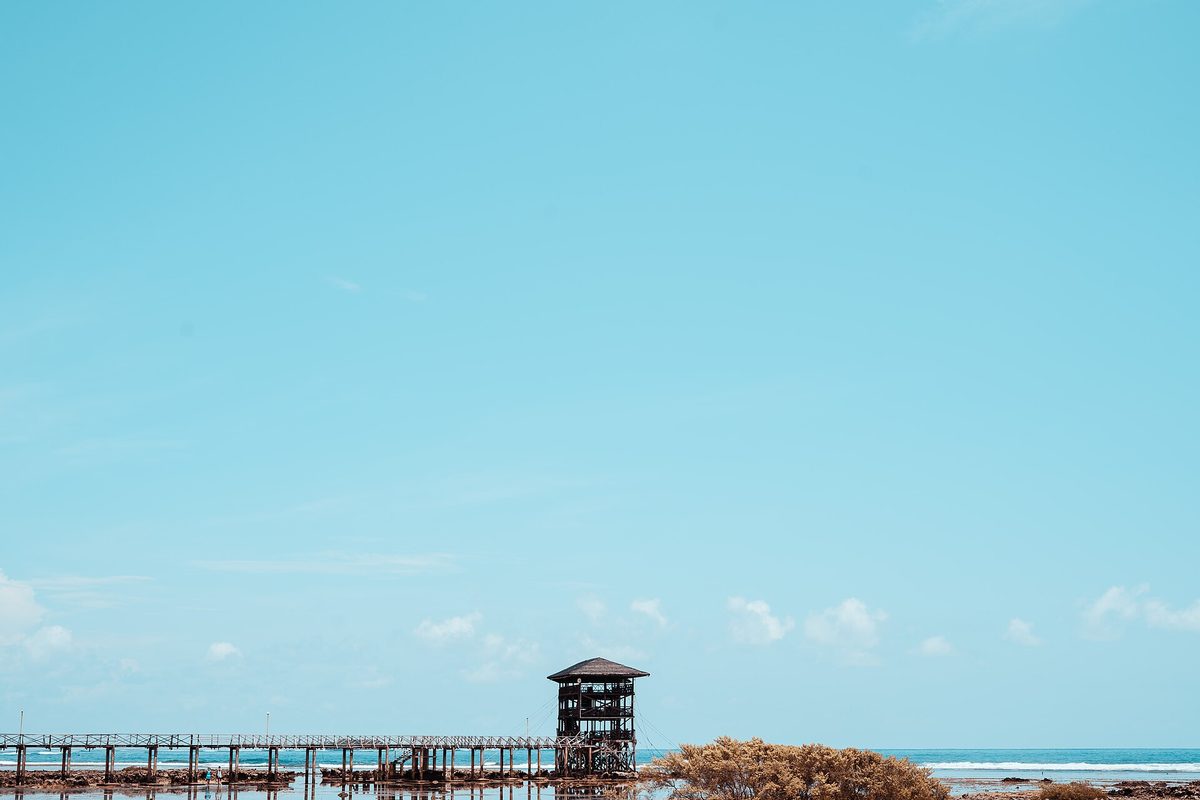
| Siargao | ₱2,000–3,000 / $34–52 | Surf-town prices have climbed fast since 2023 |
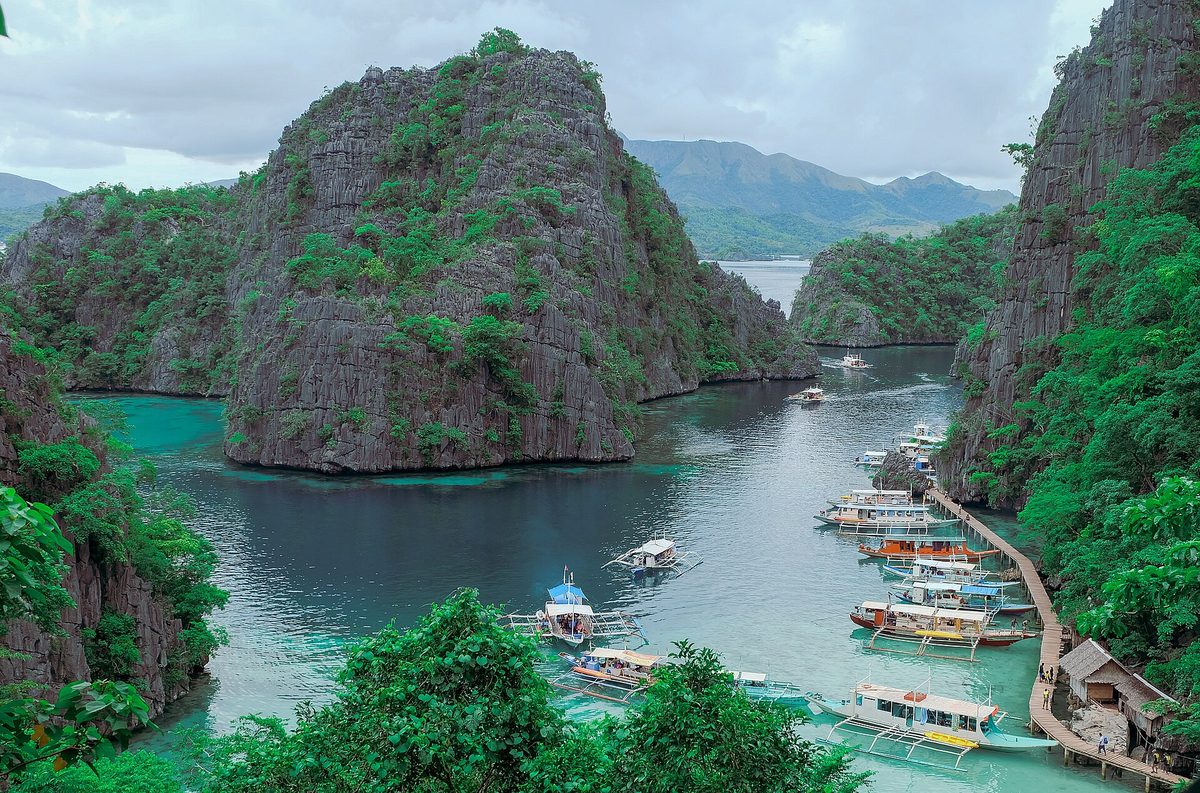
| Palawan (El Nido, Coron) | ₱2,500–3,800 / $43–66 | Worth it, but tours and dorms cost real money |
| Boracay | ₱3,000–4,500 / $52–78 | Priciest; beautiful, but a budget killer |
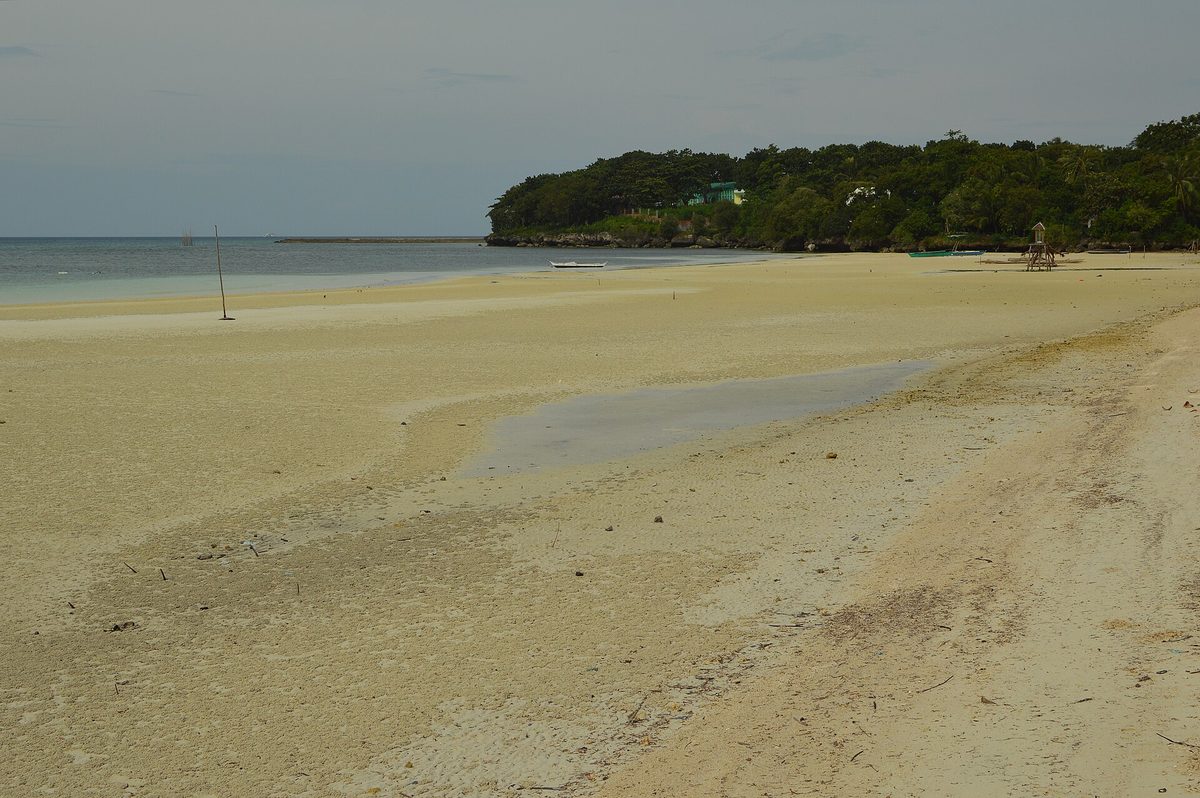
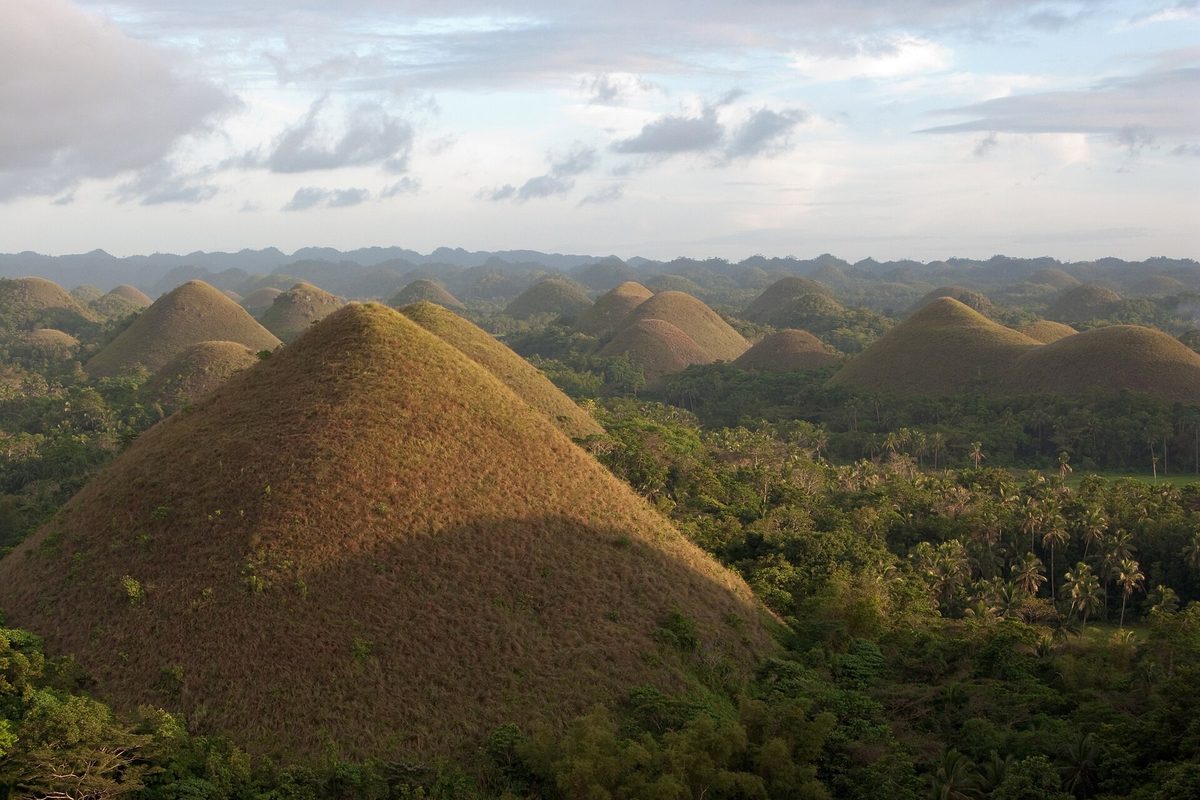
My blunt advice: load your trip toward the Visayas and Mindanao, where ₱500 still gets you a decent room and the markup is minimal, and treat Palawan and Boracay as the splurge weeks they really are. Siquijor remains the cheapest genuinely lovely island I know — ₱400 scooter rental, ₱100 meals, and beaches you’ll often have to yourself, the kind of off-the-radar value where prices haven’t caught up with the crowds.
Where I’d happily spend more
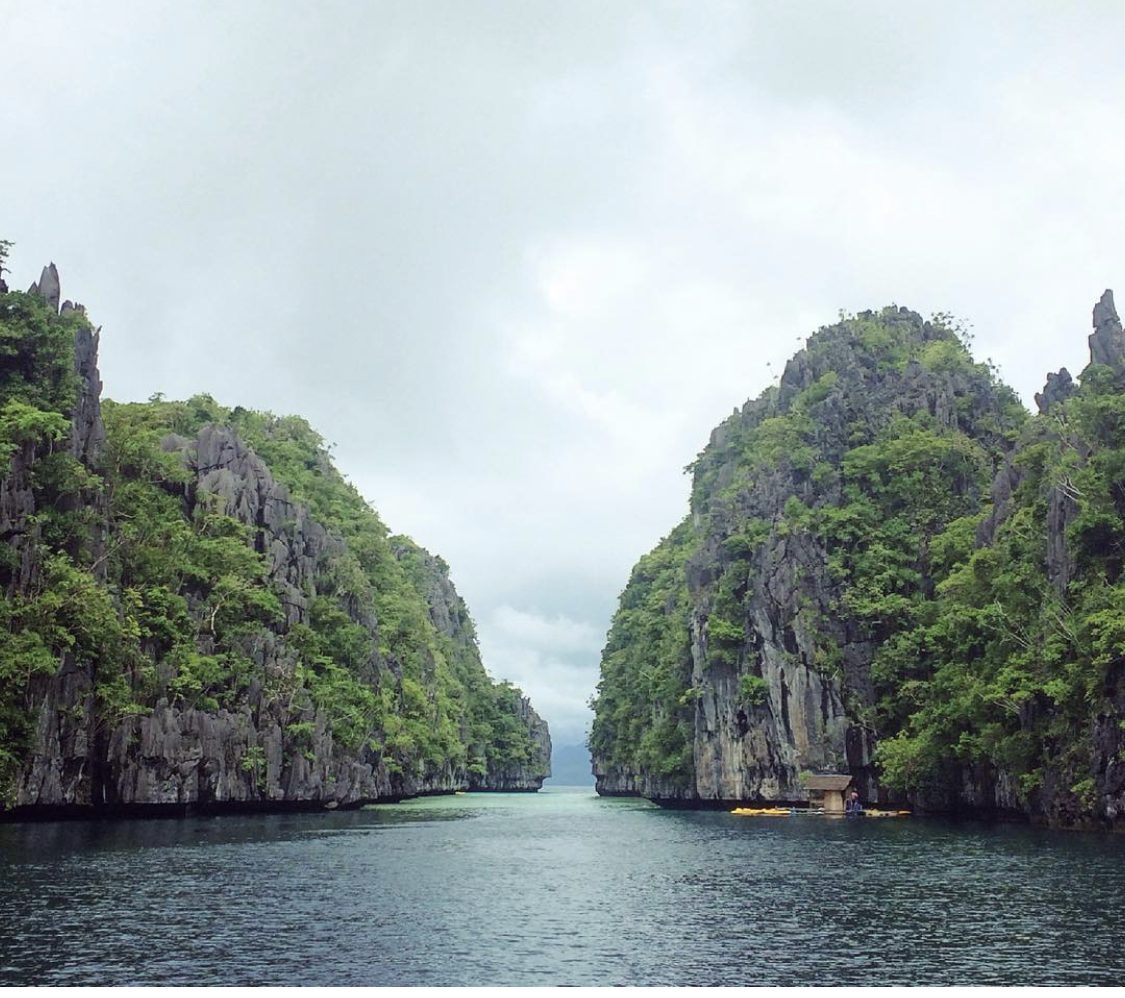
Budget travel isn’t about being miserable. Two things I never skimp on: a proper El Nido island-hopping tour (the Big Lagoon is worth the ₱1,400–1,800), and the occasional flight that saves me a brutal 18-hour ferry-and-bus combo. The money you save eating at carinderias buys those experiences. Skip the ₱600 smoothie bowls, not the once-in-a-trip lagoon.
Sleeping cheap: dorms, fan rooms, and beach huts
Accommodation is your second-biggest cost after the big transport legs, and it swings just as much by location. Across most of the country a dorm bed runs ₱450–700 ($8–12), and that buys a clean bunk, a fan or aircon, and usually decent company. In the honeypots like El Nido, General Luna on Siargao, Coron, and Boracay, expect ₱700–1,100, and over Christmas and the Easter/Holy Week rush, prices jump again and beds book out.
If you’re travelling as a pair, do the math on private rooms. A simple fan room with a shared bathroom in a quiet town can be as little as ₱500–800 for two, which often undercuts two dorm beds. On the smaller islands you can still find basic beach huts for ₱600–900 a night — rudimentary, sometimes with patchy power and famously slow Philippine WiFi, but hard to beat for the price. For a fuller breakdown of areas and what they cost, see our guide on where to stay in the Philippines.
Sample route costs: what a real trip adds up to
Daily averages only get you so far, so here’s what actual multi-week trips cost once you fold in the inter-island legs and a tour or two. These are total per-person figures excluding international flights, based on routes I’ve done or planned with friends. They assume dorms, mostly local food, and the comfortable daily range.
2 weeks: the Visayas budget loop (~₱36,000–48,000 / $620–830)
Cebu → Moalboal (sardine run, canyoneering) → ferry to Bohol/Panglao → ferry to Siquijor → back via Dumaguete. This is the best-value route in the country: short cheap ferries, no domestic flights needed, and dorms in the ₱450–700 band. Budget roughly ₱2,400–3,000 a day all-in plus about ₱2,500 in ferries. You could shave it under ₱30,000 by cutting the canyoneering and drinking less.
3 weeks: the classic Luzon–Visayas–Palawan run (~₱58,000–78,000 / $1,000–1,345)
A few days around Manila and maybe Banaue or a quick mountain detour, fly south to the Visayas for a week, then fly to Palawan for El Nido and Coron. The Palawan leg is where the budget balloons — two island-hopping tours, pricier dorms, and the El Nido–Coron ferry — so expect your daily spend there to hit ₱3,000–3,800. Two budget flights add roughly ₱5,000–7,000. This route trades value for variety; it’s popular for a reason, but it’s not the cheapest way to spend three weeks.
1 month: slow travel, big savings (~₱65,000–90,000 / $1,120–1,550)
Counterintuitively, a month often costs less per day than two weeks, because you move slowly, score weekly room discounts, and stop paying the constant “just-arrived” transport tax. Pick three or four islands, lean on the Visayas and Mindanao, and let yourself sit still. For a route that does exactly this, see our slow-travel month itinerary.
How I keep daily costs down (without being miserable)
- Ride jeepneys and walk. Default to the ₱14 jeepney over the ₱200 Grab whenever it’s daylight and you’ve got time.
- Eat one carinderia meal a day, minimum. It anchors your food budget at ₱350–550 and the food is genuinely good.
- Share island-hopping boats. Joiner tours split the bangka cost; private charters are double or triple per head.
- Travel shoulder season. Rooms and tours dip outside the December–April peak. Our take on the cheapest time to visit the Philippines has the month-by-month detail.
- Carry cash to small islands. ATMs run dry on Siquijor and Siargao, and card-only travellers end up paying premiums or stuck. Bring pesos.
- Book flights early, ferries on arrival. Domestic flights reward two-to-three-week lead times; most ferries you can just turn up for outside peak season.
Island-hopping is the one activity I’d never cut entirely — it’s the whole point of the archipelago. For the full menu of routes and what they cost, our complete guide to island hopping in the Philippines goes deep on the best boats and bays.
Budget by traveler type: which backpacker are you?
How much backpacking Philippines costs depends entirely on how you travel. After enough trips with very different companions, I’ve found backpackers fall into three rough camps, and knowing which one you are makes budgeting far more honest than a single daily number.
The solo shoestringer (₱1,100–1,800 / $19–31 a day). Dorms every night, carinderia and street food, jeepneys and shared boats, beer from the sari-sari store, and plenty of free beach and hike days. This works beautifully in the Visayas and Mindanao and gets squeezed in Palawan. The trade-off is real: you’ll sit out some tours and you’ll move on local time, which means slow ferries and early starts. If you’re disciplined and sociable (dorm friends split boat costs), this is genuinely sustainable for months.
The comfortable mid-rangers (₱2,000–3,200 / $34–55 a day). The biggest group, and where I usually land. A mix of dorms and the occasional private room, one sit-down restaurant meal a day, island-hopping tours without flinching, and a flight when the ferry would eat a day. You’re not counting every peso, but you’re not paying resort prices either. Two people travelling together often slide into this band almost by accident, because splitting a private room and a scooter is cheaper per head than two dorm beds and two tricycle fares.
The flashpacker (₱3,500+ / $60+ a day). Private rooms or smart hostels, frequent flights to skip the slow legs, private boat charters, dive courses, and dinners out. You can live very well in the Philippines at this level — it’s the difference between watching the sunset from a ₱40 dorm balcony and a ₱6,000 beachfront room. Nothing wrong with it; just don’t pretend it’s backpacking on a budget.
Couples and small groups get a quiet discount the solo traveler doesn’t: rooms, scooters, tricycles, and private boats all split. If you’re travelling as a pair, build your budget around shared private rooms rather than two dorm beds and you’ll often spend less per person while sleeping better.
The hidden costs that wreck a tight budget
Here’s what the rosy daily averages leave out — the small, constant fees and the occasional gut-punch that quietly inflate a Philippine trip. Budget for these from day one and you won’t get blindsided.
- Environmental and terminal fees. Many islands and beaches charge an eco fee — Boracay’s is around ₱75–150, El Nido levies a multi-day eco-tourism development fee near ₱400, and most ferry piers add a terminal fee of ₱30–50. None are huge alone; together they add up over a multi-island trip.
- Island-hopping extras. The advertised tour price often excludes the same environmental fees, plus a small fee for snorkel or kayak rental. Ask what’s actually included before you hand over cash.
- ATM withdrawal fees. Most Philippine ATMs charge a ₱250 fee per foreign-card withdrawal on top of your home bank’s cut, and they cap withdrawals low (often ₱10,000). Take out the maximum each time to spread the fee, and carry enough cash to small islands where machines run dry.
- The “missed ferry” tax. The single biggest budget risk. A cancelled monsoon sailing can force a ₱3,000–5,000 last-minute flight plus an unplanned night’s accommodation. This is why I keep a buffer of a couple of thousand pesos that I mentally pretend isn’t there.
- Scooter “fines” and deposits. Riding without a licence is technically illegal and an on-the-spot ₱1,000 “fine” is not unheard of. Rental shops also expect a cash deposit or your passport; budget for the deposit and never hand over your only ID if you can leave cash instead.
- SIM and data. A tourist SIM with a generous data bundle runs about ₱300–600 and is worth every peso for booking ferries, Grab, and maps on the move.
Add it up and these extras realistically tack ₱200–400 a day onto a Palawan-heavy itinerary, less in the cheaper regions. Fold them into your plan and the daily numbers at the top of this guide will actually hold up on the road.
Frequently asked questions
How much money do I need to backpack the Philippines for two weeks?
Budget around ₱36,000–48,000 ($620–830) per person for a comfortable two weeks, excluding international flights. That covers dorms, mostly local food, short ferries, and a couple of tours. A tight shoestring trip in the Visayas can dip under ₱30,000; a Palawan-heavy fortnight with lots of island-hopping pushes well past ₱55,000.
Is the Philippines cheaper than Thailand or Vietnam for backpackers?
Roughly on par with Vietnam and a touch cheaper than Thailand’s touristy islands, but with a catch: inter-island ferries and flights add a cost layer you don’t face on the Southeast Asian mainland. Day-to-day food and dorms are very affordable; it’s the moving between islands that nudges your overall budget up.
What’s the cheapest island to visit in the Philippines?
Siquijor is the standout for value — scooters for around ₱400 a day, carinderia meals near ₱100, and dorm beds at the low end of the range. Mindanao destinations like Davao and the Surigao area are similarly cheap, with far less tourist markup than Palawan, Siargao, or Boracay.
Can you travel the Philippines on $30 a day?
Yes, on a genuine shoestring of dorm beds, carinderia food, jeepneys, and free beach days, you can hold around ₱1,700–1,800 ($30) a day in the Visayas and Mindanao. It gets harder in Palawan and Boracay, and it doesn’t include the bigger ferry or flight legs, which you should budget separately per journey.
How do I get between islands cheaply?
Take ferries for short and medium hops — ₱200–500 for crossings like Cebu–Bohol or Negros–Siquijor. For long, awkward routes, a budget flight booked two to three weeks ahead (₱2,300–4,000) often beats a multi-day ferry-and-bus slog once you count the nights and meals in transit.
When is the cheapest time to backpack the Philippines?
The shoulder months either side of the December–April peak give the best mix of decent weather and lower prices. June to early November is wettest and cheapest, but bring flexibility — the southwest monsoon cancels ferries and can scrub island-hopping days, especially in Palawan.
Sources and photo credits
Photo credits
- El Nido Big Lagoon, Palawan — Photo: Archivalgammaru / CC BY-SA 4.0 via Wikimedia Commons
- Jeepney, Dagupan City — Photo: Judgefloro (Public domain) via Wikimedia Commons
- Cloud 9 boardwalk, Siargao — Photo: Spraken eboy2887 / CC BY-SA 4.0 via Wikimedia Commons
- Beach on Siquijor — Photo: Marion Paul Baylado / CC BY 2.0 via Wikimedia Commons
- Chocolate Hills, Bohol — Photo: Vyacheslav Argenberg / CC BY 4.0 via Wikimedia Commons
- Kayangan Lake viewpoint, Coron — Photo: Mmlibranda / CC BY-SA 4.0 via Wikimedia Commons
- Filipino street food — Photo: ShmilyDigital / CC BY-SA 4.0 via Wikimedia Commons
Sources
- Land Transportation Franchising and Regulatory Board (LTFRB) — 2026 jeepney, bus, and TNVS fare adjustments
- Philippine Department of Tourism (It’s More Fun in the Philippines) — official destination and travel information
- 2GO Travel — inter-island ferry schedules and fares
- Cebu Pacific — domestic flight routes and pricing
About this guide: PhilippinesTourism.org tracks Philippine dorm, ferry, jeepney, and flight prices every season so backpackers budget with current 2026 figures, not stale ones; numbers verified September 2026.