Last updated: July 2026 · Researched and fact-checked by the PhilippinesTourism.org editorial team
A month is the sweet spot for the Philippines. This one month Philippines itinerary builds around three or four islands instead of eight, so you can ride out weather days and still come home rested. My flagship route runs North Luzon → Palawan → the Visayas → Siargao, and the whole point is to go slow.
I have run versions of this trip three times, the last one over 33 days in 2026, and I have made every mistake worth making—chasing a sunset ferry that did not exist, burning a travel day on a connection I could have skipped. So this is the route I wish someone had handed me: opinionated, honestly paced, and built around how the country actually moves. If you want the shorter cousins first, this sits at the long end of our Philippines itinerary guide, which maps day-by-day routes for one to four weeks.
Here is the flagship month at a glance. Nights are a starting point, not a rule—the swaps further down show where I would shuffle them.
| Week | Base(s) | Why go | Pace |
|---|---|---|---|
| Week 1 | Banaue & Sagada (+ 1 Manila day) | Cordillera rice terraces, pine-cool mountains, a culture-shift start away from the beaches | Active, cool, slow mornings |
| Week 2 | El Nido, Port Barton & Coron (Palawan) | The lagoons and limestone everyone comes for, plus one genuinely sleepy beach town | Island-hopping with rest days |
| Week 3 | Cebu/Moalboal, Bohol & Siquijor | Waterfalls, the Chocolate Hills, freediving and the most relaxed island in the country | Easy ferries, short hops |
| Week 4 | Siargao + Camiguin | Surf-town living, then a tiny volcanic island almost no one schedules | Wind down, then truly stop |
Why a month is the slow-travel sweet spot
Most two-week plans I see are really three weeks of ambition crammed into 14 days, and the Philippines punishes that. With 7,000-plus islands, getting between them is rarely a tidy night bus the way it is in Vietnam or Thailand. You fly, then you ferry, then you sit in a van on a road that washed out last rainy season. Transfers eat days. Two weeks is fine for one region. But with a month, the maths finally works in your favour.
Here is the honest case for slowing down. Four weeks in the Philippines lets you stay four or five nights per base instead of two, which is the difference between seeing a place and feeling it. It gives you weather insurance: a typhoon-fringe day or a cancelled ferry costs you a beach afternoon, not your whole Coron leg. It lets you add genuinely off-beat stops (Port Barton, Siquijor, Camiguin) that a tighter trip cuts first. And it lets you rest, which sounds obvious until you have done back-to-back island-hopping tours and realised your “holiday” gave you a tan and a stress headache. I would rather you skip a waterfall and read a book in a hammock. The country rewards that.
One structural tip that shapes everything below: build your route so you are not constantly backtracking through Manila. Manila is the main international gateway, but it is also a time sink, and you do not want to route through it five times. I cluster the trip into regional legs (Luzon, then Palawan, then the Visayas-Mindanao block) so each handoff is a single flight or ferry, not a there-and-back. For the nuts and bolts of planes, ferries and vans, our getting around guide goes deeper than I can here.
Week 1 — North Luzon: rice terraces and a cool-mountain start
I love starting up north because it breaks the assumption that the Philippines is only beaches. You land at Manila (NAIA) and will probably give the capital a day. Spend it well: walk the walled city of Intramuros, eat your way through Binondo (the world’s oldest Chinatown), then get out. Manila is worth a curious day and not much more on a first trip.
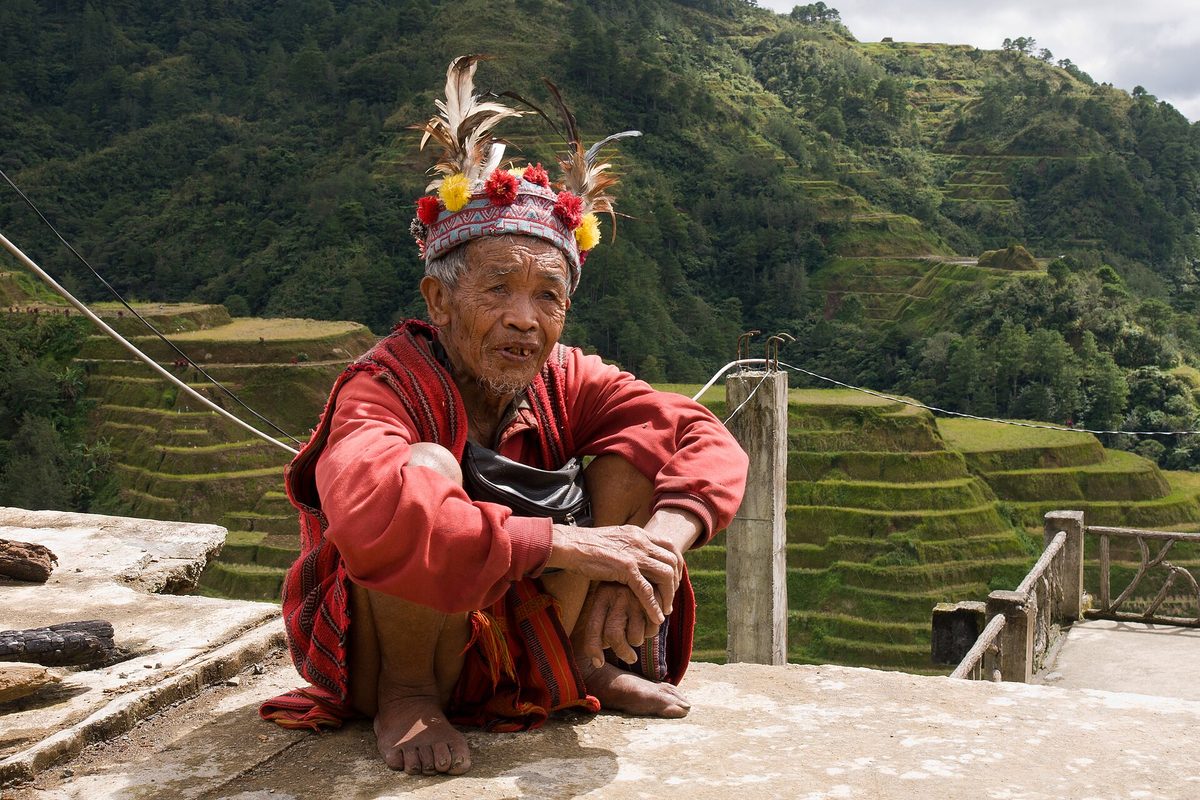
From Manila, an overnight or early Coda Lines bus climbs to Banaue in roughly nine to ten hours. This is the Cordillera, and the famous rice terraces, carved by hand over two thousand years, are the reason to come. Day-trip out to the Batad amphitheatre, a wall of terraces you reach on foot; it is the single most jaw-dropping thing in northern Luzon. Then move an hour or two over to Sagada, a pine-scented mountain town that runs at half the speed of everywhere else. Chase Bomod-ok Falls, poke around the limestone caves, see the hanging coffins, and drink the local Cordillera coffee slowly. Expect cool nights here, genuinely sweater weather, which is a gift before the heat of the islands.
Budget roughly 6 nights for this leg. It is active without being punishing, and the slow mornings set the tone for the month. If you want the wider region (Vigan’s heritage streets, the surf at La Union, the Kalinga tattoo village of Buscalan), our Northern Luzon guide lays out the add-ons. Then it is back to Manila (or fly out of nearby Clark) to start the island legs.
Honest call: if you only love beaches and the idea of a cold mountain town bores you, skip Week 1 entirely. I will give you a beach-heavy swap below. But if you have a month, this week is the texture that makes the trip more than a postcard.
Week 2 — Palawan: El Nido, Port Barton and Coron
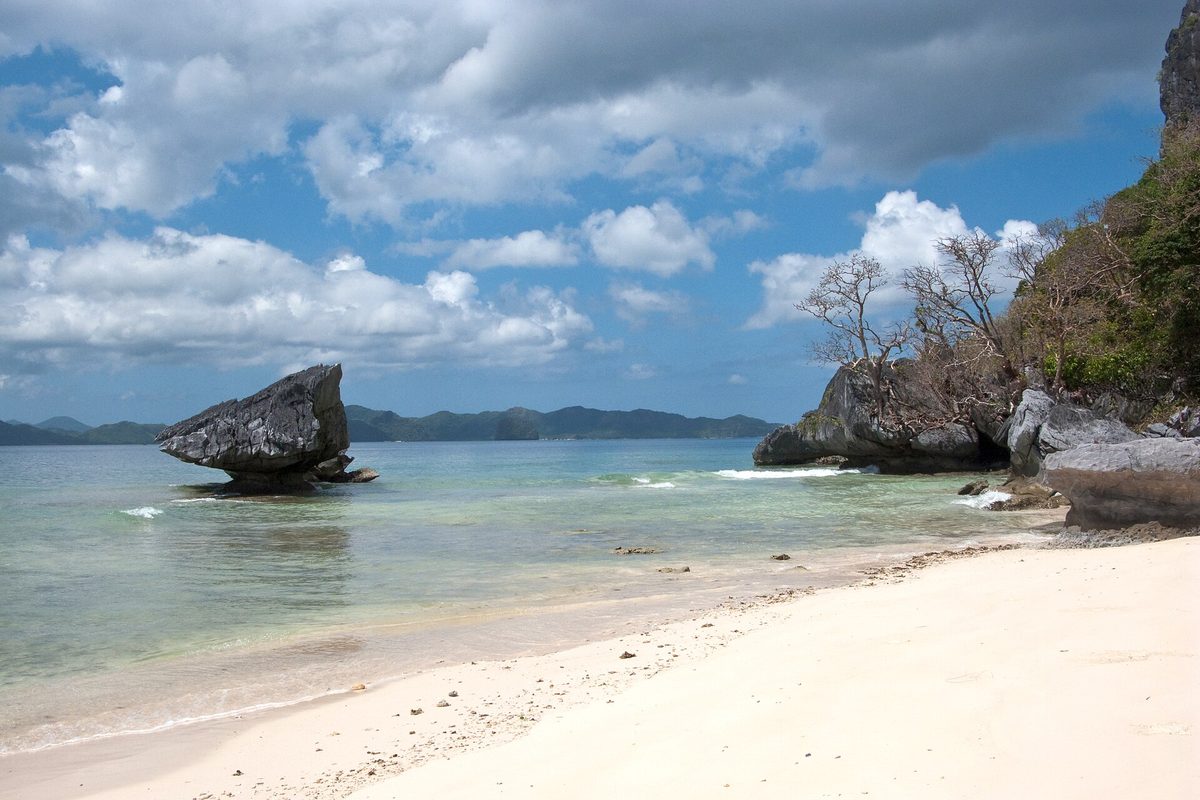
Palawan is the part you have seen on every postcard, and it earns it. The trick is to give it a full week so it does not feel like a smash-and-grab. Here is the routing reality you need to know before you book: as of 29 March 2026, AirSwift moved its turboprop El Nido flights out of Manila’s NAIA and over to Clark (about a two-hour bus ride north of central Manila). So a “Manila–El Nido” flight now usually means Clark–El Nido. Plenty of travellers instead fly into Puerto Princesa, Palawan’s main airport, and travel up by van. Either works; just price both and account for the Clark transfer if you go that way. Verify your exact flight before you commit.
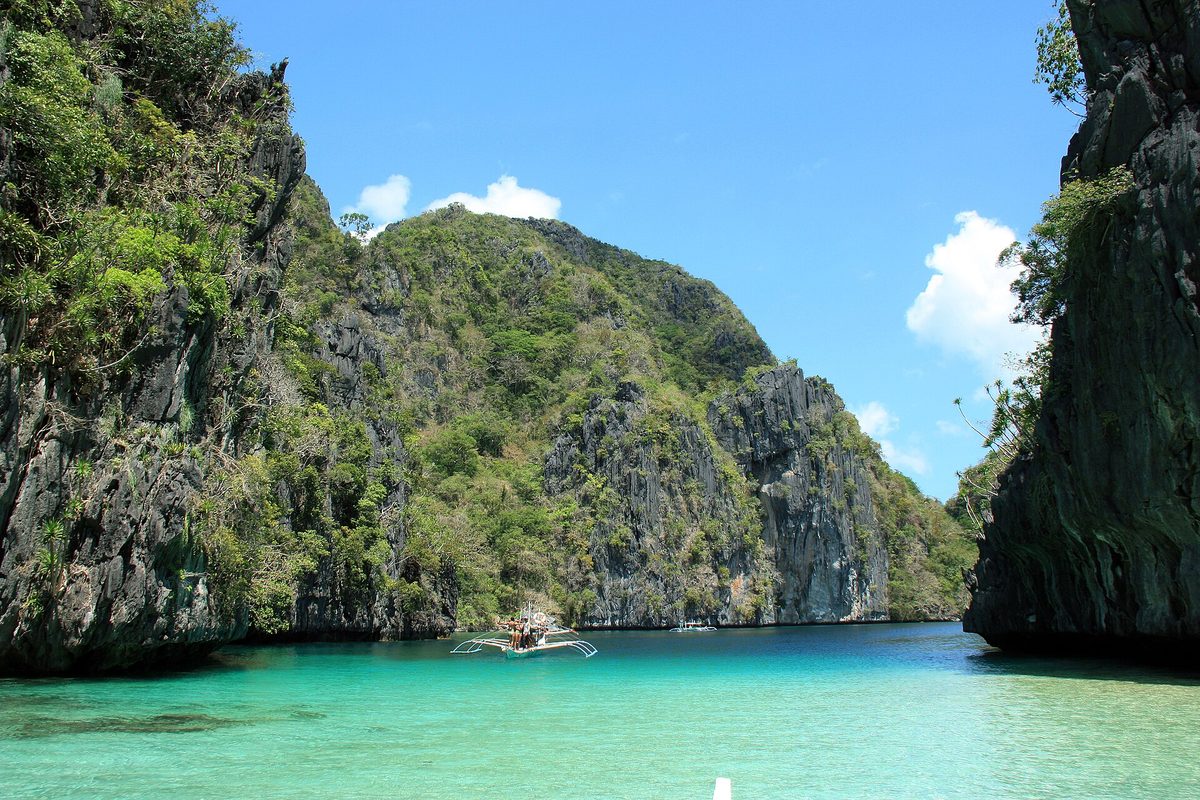
In El Nido, the island-hopping tours are lazily named Tour A, B, C and D. Do not do all four back to back—that is how the lagoons blur together. I would pick two (Tour A for the Big and Small Lagoons, Tour C for the dramatic beaches and snorkelling), then spend a day on land around Nacpan Beach and the bars of Corong-Corong watching the sun go down. A boat tour runs around ₱1,200–1,500 (roughly $21–26) plus the eco fee.
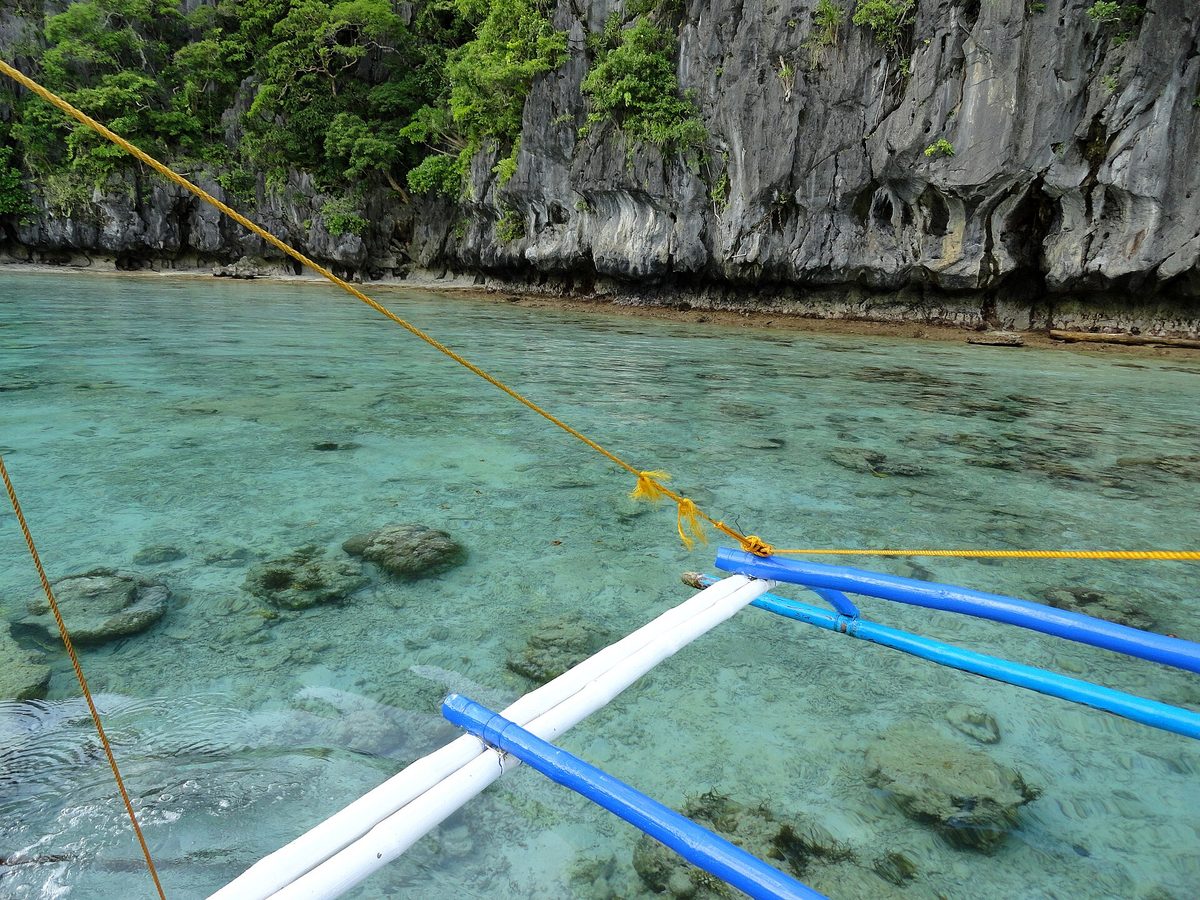
Now the slow-travel move that most fast itineraries cut: Port Barton. It is a few hours by van south of El Nido, a small bay with a relaxed strip of sand, patchy electricity, and almost none of El Nido’s crush. I would give it two or three nights and do basically nothing—one island-hopping trip to the sandbars, otherwise hammock time. This is the week’s rest valve, and it is the kind of place you came to the Philippines for, even if it was not on your list.
From El Nido, the fast ferry crosses to Coron in around 3.5 to 4 hours (fares run roughly ₱3,500–4,000, about $60–70, so check current rates); a slower multi-day expedition boat is a beloved alternative if you have the days. Coron is for wrecks and lakes—Kayangan Lake and Barracuda Lake are the headliners, and the World War II Japanese wreck dives are world-class. Two or three nights here, then fly out of Coron’s airport toward Cebu to start the Visayas. For the wider region (Balabac’s sandbars, the underground river, where exactly to stay), our Palawan guide has the detail.
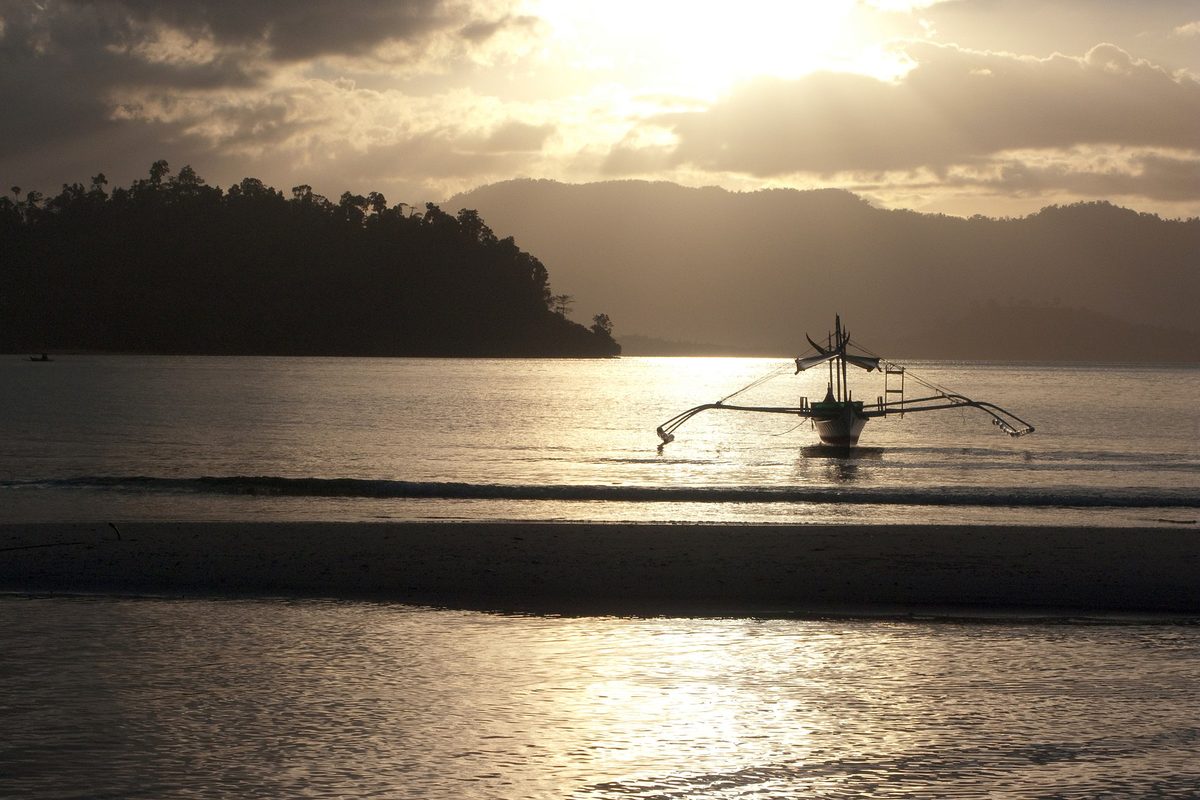
Worth every peso: the El Nido–Coron expedition boat if your dates allow it. I’d skip: trying to also fit Puerto Princesa city as a stop. It is a transit point, not a destination.
Week 3 — The Visayas: Cebu, Bohol and Siquijor
The Visayas is where the slow month really pays off, because the islands sit close together and the ferries are frequent and cheap. You can island-hop here without a single stressful connection. I base the week on three: a slice of Cebu, then Bohol, then the one everyone falls for, Siquijor.
Fly into Cebu from Coron and do not linger in the city. Head south to Moalboal (about three hours) for the famous sardine run (a shimmering tornado of millions of fish you can snorkel into straight off Panagsama Beach) and a day trip to the tiered turquoise pools of Kawasan Falls. Two or three nights is plenty. I would gently skip Oslob’s whale-shark feeding; it is popular, but the baited interaction sits badly with me and plenty of responsible divers feel the same.

From Cebu, the OceanJet ferry to Bohol (Tagbilaran) runs many times a day and takes about two hours (from roughly ₱800–1,000, about $14–17). Bohol is your inland-nature change of pace: the surreal Chocolate Hills, the saucer-eyed tarsiers at a proper sanctuary (Corella, not a roadside cage), a paddle on the Loboc River, and excellent freediving at Napaling Reef. Base on Panglao for the beaches or in quiet Loboc for the river. Three nights. Our Bohol guide breaks down where to stay and which tours are worth it.
Then Siquijor, and I will be honest—this is my favourite island in the country. A ferry from Bohol (Tagbilaran) gets you there in around 1.5 to 2 hours. The island is small enough to circle on a scooter in a day, but you should not. Give it three or four nights and let the days slip: the tiered Cambugahay Falls with its rope swings, the century-old balete tree, sunset at Paliton Beach, and freediving that is quietly some of the best in the Visayas. Locals once knew Siquijor mostly for folk healers and witchcraft stories; now it is gaining a name for clear water and warm people. It is the soul of this week.

For the wider archipelago (Cebu’s other corners, the islands I could not fit), our best islands roundup is a good companion, and the Siquijor deep-dive covers every waterfall and beach.
Week 4 — Siargao and an off-beat finish in Camiguin
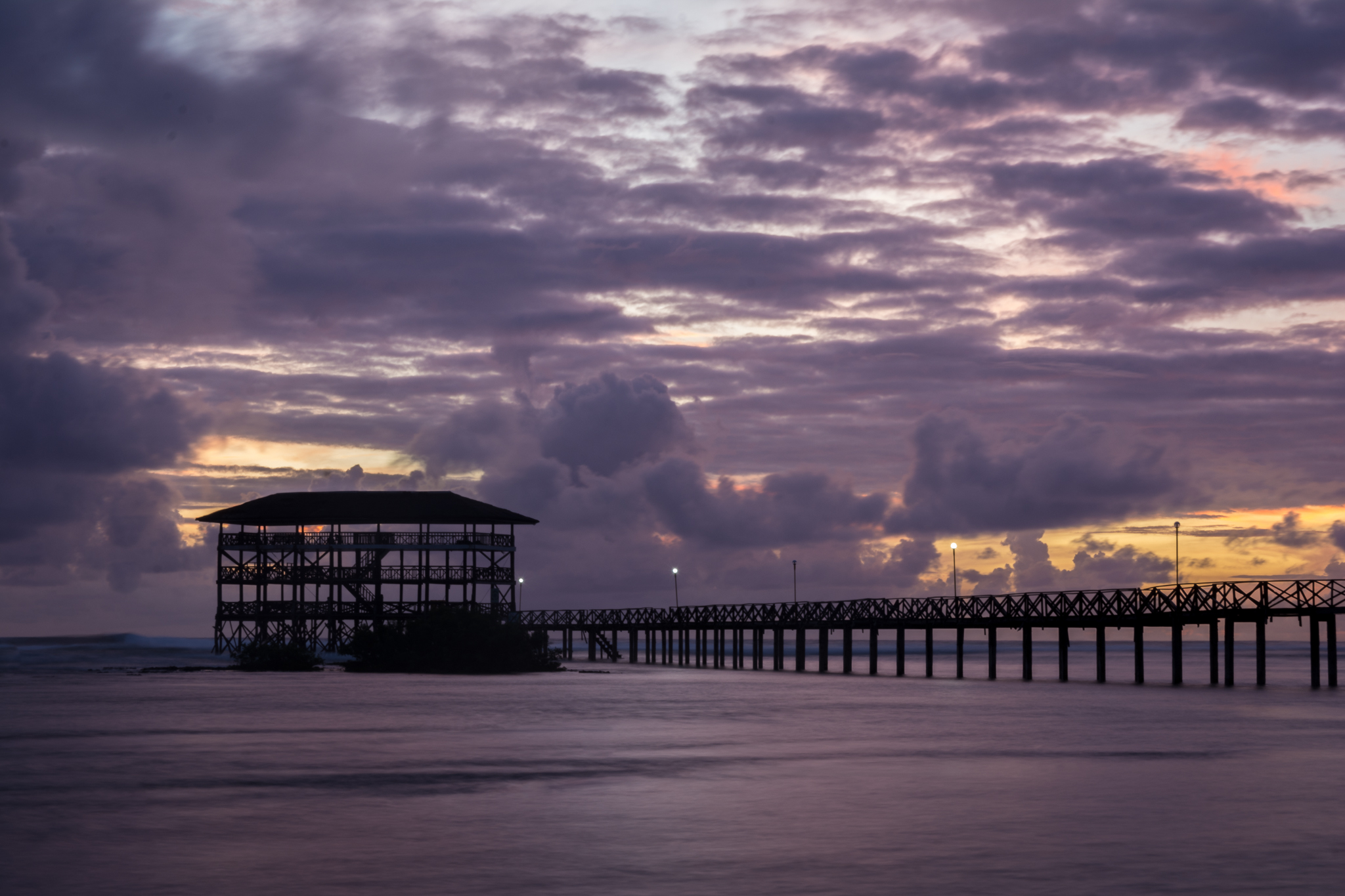
You finish where the country exhales. Siargao is the surf capital, but it is so much more than Cloud 9’s famous reef break—it is a teardrop island of palm-lined roads, lagoons and a genuinely international, easy crowd of surfers, yogis and remote workers. One routing fact to plan around: there is no direct flight from Manila’s NAIA to Siargao. You connect—most people via Cebu (and you can also reach it from Clark or Davao). Since you are already finishing in the Visayas, flying Cebu–Siargao is the natural, cheap hop.
Give Siargao four or five nights and resist the urge to over-program. Take a boat to Sugba Lagoon and paddle a kayak under the limestone, swim the three natural rock pools at Magpupungko at low tide, learn to surf at the gentler beach breaks, and otherwise eat well and do very little. This is the island that swallows people; you will meet someone on day two who came for a week eight months ago. For where to stay and which day trips are worth it, our Siargao guide has you covered.
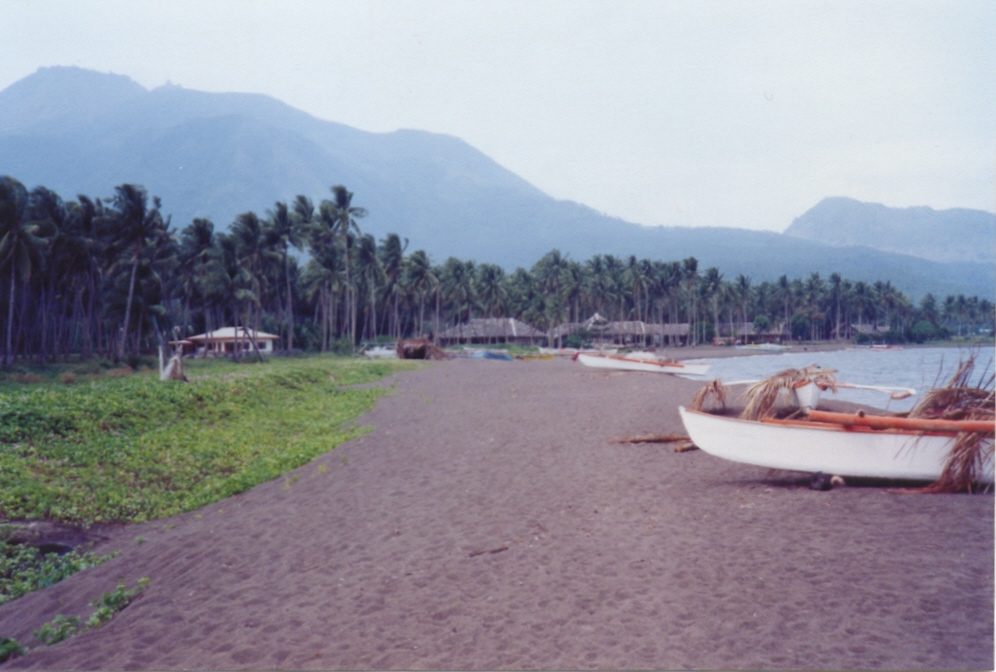
And then, if you have it in you, the off-beat finish almost nobody schedules: Camiguin. It is a tiny volcanic island off northern Mindanao, reachable by a short flight or ferry connection, and it is the antidote to anywhere crowded. Climb (or just admire) Mt. Hibok-Hibok, soak in the Ardent hot springs, snorkel the eerie Sunken Cemetery, and take a boat to the blinding sandbar of White Island with the volcano rising behind it. Three or four nights of pure decompression. Camiguin is the kind of place that makes the long flight home feel too soon—exactly how a slow month should end. Our Camiguin guide covers the ferry timings and the little ring road.
The Philippines itinerary 1 month route at a glance — and how to swap it
The flagship is North Luzon → Palawan → Visayas → Siargao + Camiguin. But a month is yours to bend, and these are the swaps I actually recommend:
- Skip Luzon, double the beaches. Hate the cold, here only for islands? Drop Week 1 and give the extra days to Palawan and the Visayas—add Coron’s slow expedition boat and a few more nights in Siquijor. This is the most popular change I suggest.
- Swap Camiguin for more Palawan. If Mindanao logistics feel like a stretch, end in Siargao and pour the final days back into Palawan or a quiet Visayan island instead.
- Trade Siargao for diving. Not a surfer and obsessed with the underwater world? Swap Siargao for Malapascua (thresher sharks) or Apo Island (turtles), both reachable from Cebu.
- Replace the whole north with Bicol. Want volcanoes and whale sharks over rice terraces? Use Week 1 for Bicol (Mayon Volcano, Donsol’s wild, unbaited whale-shark swims) instead. It is the road less travelled and I adore it.
If your month is really three weeks plus a buffer, our 3-week itinerary trims this cleanly; for shorter trips, the 2-week Philippines itinerary, the 10-day itinerary and the 1-week itinerary show how to compress without breaking the route.
The long-stay survival guide: visas, data and a real monthly budget
Staying a full month changes a few practical things, and this is the section the prettier blogs tend to skip. Here is what actually matters when you are on the ground for 30-plus days.
The 30-day entry and how the visa extension really works
Most nationalities get 30 days visa-free on arrival—no advance application, you just land. The catch for a month-long trip: 30 days is tight, and the moment your route runs to day 31 you need an extension. You do this in-country, in person, at a Bureau of Immigration (BI) office, and they are dotted around the islands (Cebu, Puerto Princesa, Tagbilaran, and the kiosks at Manila’s NAIA, among others). The first extension is the Visa Waiver, which adds 29 days (taking you to 59 total) and, as of 2026, costs in the region of ₱3,000–4,000 (roughly $52–70) once the various add-on fees are tallied. Beyond that you can keep extending in 1-, 2- or 6-month tranches.
A few hard-won notes. Bring your passport, cash (BI offices are famously cash-only), and dress neatly—some offices turn people away in flip-flops or vests. If you already know you will overstay 30 days, get the Waiver early rather than cutting it fine near a remote island with no BI office. Fees and rules shift, so verify the current amount on the official Bureau of Immigration site before you go. Do not overstay accidentally; the daily penalties and the exit hassle are not worth it.
eSIM, SIM cards and staying connected
Get data sorted on day one. The two networks are Globe and Smart, and both now sell tourist eSIMs you can install before you even land. A typical Globe traveller plan runs around ₱1,750 (about $30) for roughly 80GB over 30 days with calls and texts—ideal for a month. You can also buy a physical SIM at the airport. Coverage is solid 4G in town centres and resort areas; it softens out on the water, in deep lagoons, and on smaller islands. Reliable data is not a luxury here; you need it for Grab (the local ride app), GCash (digital payments), and decoding ferry schedules on the fly.
Remote-work realities (read this before you promise your boss a call)
If you are working as you travel, set expectations honestly: wifi outside the cities and co-working hubs is patchy. You will find genuinely good, fast connections and co-working spaces in Cebu City, in Siargao (now a real digital-nomad hub with cafes built for laptops), and in El Nido town to a degree. Step off those and the picture changes fast—Port Barton, Siquijor’s quieter corners, much of Camiguin, and any island-hopping day will leave you on mobile data or offline. My rule: schedule deep-work weeks in Cebu or Siargao, treat the off-beat legs as actual time off, and always have your eSIM as backup hotspot because cafe wifi drops without warning. A video call from a Port Barton hammock is a gamble you will lose.
A rough monthly slow-travel budget
Here is a realistic month, per person, at two travel styles. These are hedged 2026 figures at roughly ₱58 = $1; the Philippines is mid-priced for Southeast Asia, with the island flights and boats being what nudge it above Vietnam or Thailand. Treat these as planning ballparks; prices spike hard around Holy Week and Christmas.
| Monthly cost (per person) | Backpacker | Midrange |
|---|---|---|
| Accommodation (dorms vs. private rooms) | ₱18,000–24,000 ($310–414) | ₱40,000–58,000 ($690–1,000) |
| Food & drink | ₱15,000–20,000 ($259–345) | ₱28,000–38,000 ($483–655) |
| Domestic flights (3–4 hops) | ₱9,000–14,000 ($155–241) | ₱14,000–22,000 ($241–379) |
| Ferries, vans & local transport | ₱6,000–9,000 ($103–155) | ₱9,000–14,000 ($155–241) |
| Tours & island-hopping | ₱9,000–13,000 ($155–224) | ₱16,000–24,000 ($276–414) |
| Visa extension + SIM | ₱4,800 (~$83) | ₱4,800 (~$83) |
| Rough monthly total | ₱62,000–84,000 (~$1,070–1,450) | ₱112,000–160,000 (~$1,930–2,760) |
The single biggest lever is your pace: the slower you go, the fewer flights and tours you buy, and a month of deep stays genuinely costs less per day than a frantic two weeks. Slow travel in the Philippines is cheaper travel. For more on which islands suit which budget and season, our best islands guide is a useful cross-check.
When to go, and how to tune the month to your travel style
Timing matters more on a month-long trip because you are exposed to the weather for longer. The broad rule: the dry season runs roughly December to May, with the sweet spot for most of this route being December to April. The rainy season is about June to November, and the typhoon risk peaks July to October—not a no-go, but build in slack and watch forecasts, because a cancelled ferry is a normal part of the season. Surf-wise, Siargao actually works better in the wetter months, which is a happy quirk if you are chasing waves.
How I would tune the month by who you are: couples and honeymooners should lean into Palawan and Siquijor and skip the busiest hostels; backpackers get the best value and crowd in Siargao, Moalboal and El Nido’s social scene; divers and freedivers should weight the route toward Coron, Moalboal, Apo Island and Camiguin; families do best with Bohol’s mix of nature and easy beaches plus Panglao as a base; and remote workers should anchor in Cebu or Siargao and treat the rest as offline reward. If you are still deciding which corners of the country fit your trip, our breakdown of Philippine regions is the clearest map of how it all fits together, and our hidden gems roundup is where to look if you want to swap a famous stop for a quiet one.
Frequently asked questions
Is one month too long for the Philippines?
Not even close. With more than 7,000 islands and slow inter-island transport, a month barely scratches the surface—you could spend it in Palawan alone. A month is enough to do three or four regions properly with rest days, which beats rushing eight regions in two weeks. Most people I meet wish they had longer, not shorter.
Do I need a visa for a one-month trip to the Philippines?
Most nationalities get 30 days visa-free on arrival, no advance paperwork. But a full month often runs to day 31 or beyond, so you will likely need to extend in-country at a Bureau of Immigration office—the first Visa Waiver adds 29 days for around ₱3,000–4,000 (roughly $52–70) all in, cash only. Verify the current fee on the official BI site before you travel.
How much money do I need for a month in the Philippines?
As a 2026 ballpark per person, budget roughly ₱62,000–84,000 (about $1,070–1,450) as a backpacker and ₱112,000–160,000 (about $1,930–2,760) at midrange, including domestic flights, ferries and tours. Going slower lowers your daily cost because you buy fewer flights and tours. Prices jump sharply around Holy Week and Christmas.
What is the best one-month Philippines route for a first-timer?
My flagship is North Luzon (Banaue and Sagada) for the rice terraces, then Palawan (El Nido, Port Barton, Coron) for the lagoons, then the Visayas (Cebu, Bohol, Siquijor), finishing in Siargao with an off-beat Camiguin coda. It balances mountains, headline beaches, easy island-hopping and genuine rest, and it avoids backtracking through Manila.
Can I work remotely while travelling the Philippines for a month?
Yes, but plan around the connectivity. Fast, reliable wifi and co-working spaces cluster in Cebu City, Siargao and parts of El Nido; elsewhere (Port Barton, quiet Siquijor, Camiguin, any boat day) you will be on patchy mobile data or offline. Anchor your work weeks in the hubs, carry a Globe or Smart eSIM as backup, and treat the off-beat legs as time off.
Is the Philippines good for slow travel compared to Thailand or Vietnam?
It is arguably better suited to it. Because getting between islands is slower and less predictable, the country actively rewards staying put—you connect with a place and a community when you give it four or five nights instead of two. The trade-off is more flights and boats than mainland Southeast Asia, which a longer, slower trip absorbs far more comfortably.
Photo credits
Banaue rice terraces, Ifugao — CEphoto, Uwe Aranas (CC BY-SA 3.0) via Wikimedia Commons
Big Lagoon, El Nido, Palawan — Marciano Villavito (CC BY-SA 4.0) via Wikimedia Commons
Port Barton bay, Palawan — Vyacheslav Argenberg (CC BY 4.0) via Wikimedia Commons
Chocolate Hills, Bohol — Vyacheslav Argenberg (CC BY 4.0) via Wikimedia Commons
Cambugahay Falls, Siquijor — Lawrence Ruiz (CC BY-SA 4.0) via Wikimedia Commons
Cloud 9 boardwalk, Siargao — JupitReyes (CC BY-SA 4.0) via Wikimedia Commons
Camiguin beach — Magalhaes (Public domain) via Wikimedia Commons
Sources and further reading
For perishable details—visa fees, flight relocations, ferry timetables and weather—always check the source before you travel: the Philippine Bureau of Immigration for visa-waiver fees and extension rules; the AirSwift site for the Clark–El Nido turboprop schedule; OceanJet for Visayas inter-island ferries; and PAGASA, the national weather bureau, for typhoon and seasonal forecasts.
About this guide: this is part of PhilippinesTourism.org, an independent, traveller-written resource. Routes, transfer times and prices are based on first-hand trips and were verified July 2026; fares and schedules change, so confirm the perishable details with the operators above before you book.